
How to Get Stickers Off Painted Walls Without Peeling the Paint
You can usually remove stickers without peeling paint by softening the adhesive, lifting slowly, and cleaning residue gently. Warm the sticker with a hairdryer for 20–30 seconds or use soapy water or a steam source to loosen the glue. Lift from an edge with a plastic scraper or fingernail at a low angle, stopping if paint lifts. Finish with mild soap or rubbing alcohol on a cloth and test a hidden spot first — keep going and you’ll find safer techniques and fixes.
Quick Answer How to Remove Stickers from Painted Walls Without Peeling Paint
Want a quick fix that won’t strip the paint?
Heat the sticker with a hair dryer for 20–30 seconds, then peel gently from an edge while holding the warmed area.
If residue remains, wipe with a little soapy water or rubbing alcohol.
One-sentence summary
Heat the sticker gently with a hairdryer, peel it off slowly from one corner, and remove any residue with a mild adhesive remover or warm soapy water to avoid pulling paint.
You’ll learn how to get stickers off painted walls without damage by warming adhesive, lifting gently, and cleaning residue; work slowly, test a hidden spot first, and stop if paint softens.
Fast method for when you’re short on time
If you don’t have time for a careful, step-by-step removal, here’s a fast, low-risk approach: use a hairdryer on low heat to warm the sticker for 20–30 seconds.
Peel gently from an edge, and stop if paint lifts.
If residue remains, rub lightly with a damp microfiber cloth and mild dish soap.
- Warm with hairdryer
- Start at an edge
- Peel slowly
- Stop if paint lifts
- Clean residue
Why Stickers Damage Painted Walls
Stickers stick because their adhesives bond to the paint surface and can pull off paint layers when removed.
You should watch for factors that raise peeling risk—old or poorly cured paint, delicate finishes like eggshell or flat, and extremes of humidity or temperature.
If the paint flakes, feels powdery, or already lifts around edges, removal could be risky and needs extra caution.
How adhesives interact with paint
When you peel a sticker off a painted wall, the adhesive often clings to the paint’s surface or pulls at the paint film itself because chemical bonds and mechanical grip vary with paint type and age.
You should know adhesives wet the paint, harden, and interlock with microscopic texture.
Slow, low-heat removal and solvent softening reduce bond strength, letting you lift residue without stripping the finish.
Factors that increase peeling risk (paint type, age, humidity, temperature)
Because different paints and conditions change how strongly adhesive bonds form, you need to evaluate paint type, age, humidity, and temperature before removing a sticker.
Older or flat paints and poorly cured surfaces bond more strongly. High humidity or heat softens adhesive, increasing stickiness; cold makes it brittle but can pull flakes.
Know these factors so you choose gentler removal methods.
When removal might be risky signs of fragile paint
If paint flakes, bubbles, or powdery residue come away when you lightly touch or lift an edge of a sticker, that’s a clear sign the finish is fragile and removal could pull off paint.
You should avoid aggressive peeling. Look for cracking, soft spots, or discoloration around adhesives.
Test a tiny corner with heat or solvent; if deterioration appears, stop and consult a pro or repaint first.
Tools and Materials You’ll Need
You’ll want a few gentle tools like a plastic scraper or old credit card and a microfiber cloth to avoid scratching paint.
Keep a range of solvents and solutions on hand—soapy water, vinegar, rubbing alcohol, or a commercial adhesive remover—and a hair dryer or low-setting heat gun for stubborn residue.
Protect the area with painter’s tape and drop cloths, wear gloves, guarantee good ventilation, and always test products on a hidden spot first.
Gentle tools (plastic scraper, credit card, microfiber cloth)
Start with a few gentle tools that do the job without damaging paint: a plastic scraper or putty knife, a stiff old credit card (or another rigid plastic card), and a clean microfiber cloth.
Use the scraper/card at a low angle to lift edges, working slowly.
Dab and wipe residues with the microfiber cloth to prevent scratching.
Replace tools if they show rough edges.
Solvents and solutions (soapy water, vinegar, rubbing alcohol, commercial adhesive removers)
Once you’ve loosened the sticker with gentle tools, reach for mild solvents to dissolve the adhesive without harming paint.
Mix warm soapy water for fresh residue, dab with a microfiber cloth, and rinse.
For stubborn glue, test white vinegar or rubbing alcohol in an inconspicuous spot, apply sparingly, then wipe.
Use commercial adhesive removers only if paint compatibility is confirmed.
Heat tools and protective items (hair dryer, heat gun on low, painter’s tape, drop cloths)
A hair dryer or a heat gun set to low gives you controlled warmth to soften sticker adhesive so it peels away cleanly; pair them with painter’s tape to lift edges and a drop cloth to protect floors and furniture from falling residue.
Use gentle, even heat, keep the tool moving, and start at a corner with tape to lift. Work slowly to avoid paint stress.
Safety and test supplies (gloves, ventilation, hidden test area)
Before you begin removing stickers, put on nitrile or latex gloves, open windows for ventilation, and pick a small hidden spot on the wall to test any solvent or heat method you plan to use.
Test confirms paint won’t soften or discolor. Use these safety items and checks so you don’t damage the finish or expose yourself to fumes:
- Nitrile or latex gloves
- Respiratory mask (if using strong solvents)
- Goggles
- Small paint-safe solvent sample
- Soft cloth for testing
Step-by-Step Safe Removal Process
Before you start, clear the area and test a hidden spot to make sure the paint won’t react.
Soften the adhesive with heat or soapy water, then peel slowly at a low angle using a plastic scraper.
Finish by removing any residue with progressively stronger gentle solvents and cleaning and drying the surface thoroughly.
Step 1 Prepare the area and test a hidden spot
Start by clearing the area around the sticker and protecting the floor and nearby furniture with a drop cloth or old towel.
Wear gloves and have a soft cloth, plastic scraper, and mild cleaner handy.
Choose an inconspicuous spot—inside a closet or behind trim—and test your cleaner and scraper briefly.
Check for paint lift or discoloration before proceeding to removal.
Step 2 Soften the adhesive with heat or soapy water
With your test spot checked and supplies ready, you’ll loosen the sticker’s grip by softening the adhesive with either gentle heat or warm, soapy water.
Use a hairdryer on low, keeping it several inches away and moving constantly.
Or apply a microfiber cloth soaked in warm, soapy water for a few minutes to saturate the edges.
Repeat until the sticker feels pliable.
Step 3 Peel slowly and at a low angle using a plastic scraper
Gently lift one corner of the sticker with your fingernail or a plastic scraper, then peel it back slowly at a low angle—about 10–20 degrees—keeping the scraper flat against the wall to minimize paint stress.
Move steadily, supporting the peeling edge with the scraper to prevent tugging. If resistance increases, pause and reheat or rewet the area before continuing to avoid paint lift.
Step 4 Remove residue with gentle solvent options (ordered from mildest to stronger)
After peeling, you’ll likely find sticky residue; try the mildest solvents first and work up only if needed.
Dampen a soft cloth with warm soapy water, then rubbing alcohol, then a citrus-based adhesive remover if residue persists.
Test each on an inconspicuous spot for 30 seconds. Blot gently, avoid scrubbing paint, and rinse the area between solvents to prevent chemical interaction.
Step 5 Clean the surface and dry thoroughly
Once the residue’s gone, you’ll want to clean the area to remove any solvent traces and restore the finish.
Use a soft microfiber cloth dampened with warm water and a mild dish soap solution, wiping gently in one direction.
Rinse with a clean damp cloth, then pat dry with a soft towel.
Allow the wall to air-dry fully before replacing decor.
Step 6 Repair minor paint lift or scuffs (touch-up techniques)
Assess the damage to decide whether you need a quick touch-up or a bit more work; small scuffs and slight paint lift can usually be fixed with minimal tools and time.
Lightly sand raised edges, clean dust, then apply matching touch-up paint with a small brush or cotton swab.
Feather edges, let dry, and repeat thin layers until smooth.
Finish with a light blend for uniformity.
Alternative Methods for Stubborn Stickers
If a sticker won’t budge, you can try a commercial adhesive remover—follow the product instructions and test a hidden spot first to protect the paint.
For thick, gummy residue, a steam method can soften adhesive but use caution near heat-sensitive or textured finishes.
For delicate paint, try the freezing method with an ice pack to make the adhesive brittle and lift off gently.
Using commercial adhesive removers safely
When a sticker won’t budge with heat or soap, commercial adhesive removers can save you time—but you’ll want to use them carefully to protect paint and indoor air.
Test remover on an inconspicuous spot first, follow label directions, ventilate the room, and wear gloves.
Apply sparingly with a soft cloth, blotting rather than rubbing, then rinse residue with mild soapy water.
Steam method for thick adhesive (when to use caution)
Although steam can loosen thick adhesive quickly, you’ll need to use it with care to avoid damaging paint or warping trim.
Hold the steamer several inches away, move constantly, and test a hidden spot first. Avoid prolonged exposure near wood or older paint.
After softening, peel gently and wipe residue with a mild detergent. Let the wall fully dry before touching up.
Freezing method for delicate paint (ice pack technique)
One simple way to protect delicate paint is to freeze the sticker with an ice pack so the adhesive becomes brittle and lifts off without scraping.
Press a bag of ice or a wrapped frozen gel pack against the sticker for several minutes.
Once hardened, gently peel from an edge; use a plastic scraper and repeat if needed.
Wipe residue with mild soapy water.
Comparison of Removal Methods and When to Use Them
You’ll compare soapy water, heat, and solvents for both effectiveness and risk, then match the best choice to paint types like latex, oil-based, and flat/matte finishes. Use gentler methods first on delicate paints and stronger ones only when needed. The table below summarizes quick guidance.
| Method | Effectiveness | Best for paint types |
|---|---|---|
| Soapy water | Low–moderate | Flat/matte, latex (safe) |
| Heat (hair dryer) | Moderate–high | Latex, oil-based (avoid very flat) |
| Solvents (rubbing alcohol, Goo Gone) | High (higher risk) | Oil-based, hardened residue (test first) |
Soapy water vs. heat vs. solvents effectiveness and risk
When deciding how to remove a sticker from painted walls, weigh effectiveness against the risk to the finish: start with soapy water—gentle, low risk, often loosening adhesive.
Use heat next—hairdryer softens glue but can lift paint if overdone.
Reserve solvents for stubborn residue; test hidden spots first since they can dull or strip paint.
Work slowly and stop if finish changes.
Best choices by paint type (latex, oil-based, flat/matte finishes)
Because paint type changes how adhesives and cleaners interact with a wall, match your removal method to the finish: latex and oil-based paints handle solvents differently, and flat/matte surfaces are far more delicate than semi-gloss or satin.
For latex, start with soapy water, progress to heat, then gentle solvent.
For oil-based, test solvent first. Avoid scraping matte; use minimal moisture and adhesive remover.
Common Mistakes That Cause Paint to Peel
Don’t yank stickers off or tug at awkward angles, because that can lift paint right off the wall.
You shouldn’t use strong solvents on untreated or delicate finishes without first doing a patch test.
Also, pay attention to temperature and humidity—working in extremes can make paint more prone to peeling.
Applying too much force or wrong angle
Peel slowly and at a shallow angle to avoid lifting paint—pulling stickers straight off or yanking too hard concentrates stress on the surface and can strip finish or pull primer away.
You should work from one corner, easing the adhesive back toward the wall rather than outward. Use steady, even tension and stop if you feel resistance; switch to heat or a gentle solvent for stubborn spots.
Using harsh solvents on untreated paint
While you want the sticker gone quickly, using harsh solvents on paint that hasn’t fully cured can strip the finish or soften the binder, causing flakes or large patches to lift.
You should avoid acetone, paint strippers, or strong degreasers on fresh paint. Instead, use mild soap, water, or a gentle adhesive remover formulated for painted surfaces, and work slowly to protect the finish.
Skipping a patch test
A patch test lets you check how a remover or technique reacts with your paint before you tackle the whole sticker; skip it and you risk bubbling, discoloration, or sudden lifting.
Always try your chosen method on a hidden spot first. Wait the recommended dwell time, inspect for softening or sheen change, then proceed only if the finish looks unchanged and stable.
Ignoring temperature and humidity
You checked a hidden spot for finish changes—good—now consider the room’s climate before you start removing the sticker.
Cold makes adhesive brittle and increases cracking risk; heat and humidity soften glue and loosen paint edges.
Work in moderate, stable conditions or use a space heater/dehumidifier briefly.
Proceed slowly, testing as you go, to avoid sudden peel or blistering of the finish.
Prevention and Best Practices to Protect Painted Walls
To keep stickers from damaging your paint, pick removable labels or low-tack adhesives and test a small hidden spot first.
Apply stickers only to clean, dry surfaces and avoid direct sun or damp areas, since temperature and humidity affect adhesion.
Check stickers regularly and remove them promptly if edges lift or environmental conditions change.
Choosing removable stickers and low-tack adhesives
When you’re planning wall decorations, pick stickers and tapes designed to be removable so they come off cleanly without peeling paint. Look for terms like “removable,” “low-tack,” or “poster putty” and check manufacturer notes for safe surfaces.
Choose adhesives rated for painted drywall or semi-gloss finishes. Test one inconspicuous spot, and prefer products labeled residue-free so cleanup stays simple and safe.
Proper placement and preparation before applying stickers
1 simple rule will save you time and prevent damage: plan sticker placement and prep the surface before you stick anything.
Choose smooth, clean, dry spots away from high-traffic areas and trim edges so stickers won’t curl. Wipe paint with a mild cleaner, test a corner with low-tack tape, and press gently when applying to avoid bubbles and excessive adhesion.
Seasonal and environmental care (temperature/humidity considerations)
Because temperature and humidity affect adhesive strength and paint flexibility, you should apply and remove stickers in moderate conditions to prevent peeling or paint lift.
Avoid sticking in extreme heat, cold, or very damp rooms. If conditions are unfavorable, wait for milder weather or adjust indoor climate with a fan or dehumidifier.
Test a small corner before full removal to verify paint stays intact.
Regular inspection and timely removal strategy
If you want to keep painted walls looking their best, inspect stickered areas regularly and remove decals as soon as adhesive failure or paint lift appears; that proactive habit lets you catch problems early and reduces the chance of permanent damage.
Check edges weekly, note soft spots or bubbling, and act quickly with gentle heat and slow peeling.
Keep a simple log to track removals.
Repairing and Touching Up After Sticker Removal
After you remove a sticker, check the area to see if it’s just surface residue, a small peel, or if the paint’s stripped and needs full repainting.
For tiny peeled spots you can sand lightly, apply primer, and touch up with matching paint in a few simple steps.
If the damage is large, the texture’s ruined, or you’re unsure about color matching, call a pro to avoid a patchy finish.
Assessing damage and deciding between spot repair and repaint
When the sticker’s gone, take a close look at the area to decide whether you can patch a small blemish or need to repaint the whole wall.
Check paint texture, color match, and extent of peeling or residue.
If damage’s limited to a tiny nick or surface dulling, spot repair often works.
Widespread peeling, mismatched sheen, or visible patches means a full repaint.
Step-by-step quick touch-up for small peeled areas
Start by gathering a few basic tools—fine-grit sandpaper, a putty knife or plastic scraper, lightweight spackling compound, a small brush or roller, and matching paint—so you can work quickly and cleanly.
Lightly sand peeled edges, scrape loose bits, fill shallow gouges with spackle, smooth flush, let dry, sand gently, prime if needed, then feather on matching paint in thin coats until seamless.
When to call a professional
If the damage is beyond quick sanding and a little spackle, call a pro—especially when the wall has large peeled sections, deep gouges, extensive bubbling, or old lead-based paint that might be disturbed.
You should also hire a professional if repairs require texture matching, full-panel repainting, or drywall replacement.
They’ll guarantee proper prep, safe handling of hazardous materials, and a seamless finish you can’t easily achieve DIY.
Frequently Asked Questions
You’ll likely have a few specific questions after reading the repair tips, like whether heat always prevents paint from peeling or which solvent is safest for painted walls.
You’ll also want to know how long to wait after painting before applying stickers, whether commercial label adhesive needs different treatment than decorative stickers, and how to handle residue on textured or wallpapered surfaces.
Below are clear, practical answers to those points.
Will heat always prevent paint peeling when removing stickers?
Does heat always keep paint from peeling when you remove stickers? Not always. Heat softens adhesive, making stickers easier to lift, but it can also soften fragile or poorly bonded paint, causing lift-off.
Test a hidden spot first, use moderate warmth, and peel slowly at a low angle. If paint flakes or bubbles, stop and try a gentler approach to avoid damage.
What solvent is safest for painted walls?
While no solvent is completely risk-free, water-based options like mild dish soap solutions and rubbing alcohol are usually the safest for painted walls; they dissolve adhesives without aggressively attacking most modern paints.
Test a hidden spot first, apply gently with a soft cloth, rinse with clean water, and blot dry.
Avoid acetone, lacquer thinner, and harsh citrus-based removers on delicate or flat finishes.
How long should I wait after painting before applying stickers?
If you just cleaned adhesive residue with rubbing alcohol, give the paint time to fully cure before putting stickers back up.
Wait at least two weeks for latex paints and up to four weeks for oil-based finishes.
Test a hidden spot with a small sticker first. If paint resists lifting and feels hard, you can apply decals without risking peel or adhesive transfer.
Can I remove commercial label adhesive the same way as decorative stickers?
How you tackle commercial label adhesive depends on the label type and the surface. You can often use the same basic methods as for decorative stickers, but you’ll need stronger solvents and more elbow grease for industrial adhesives.
Test solvents on an inconspicuous spot. Start with gentle oil or rubbing alcohol, progress to adhesive removers if needed, and scrape carefully with a plastic tool to protect paint.
How do I remove sticker residue from textured or wallpapered surfaces?
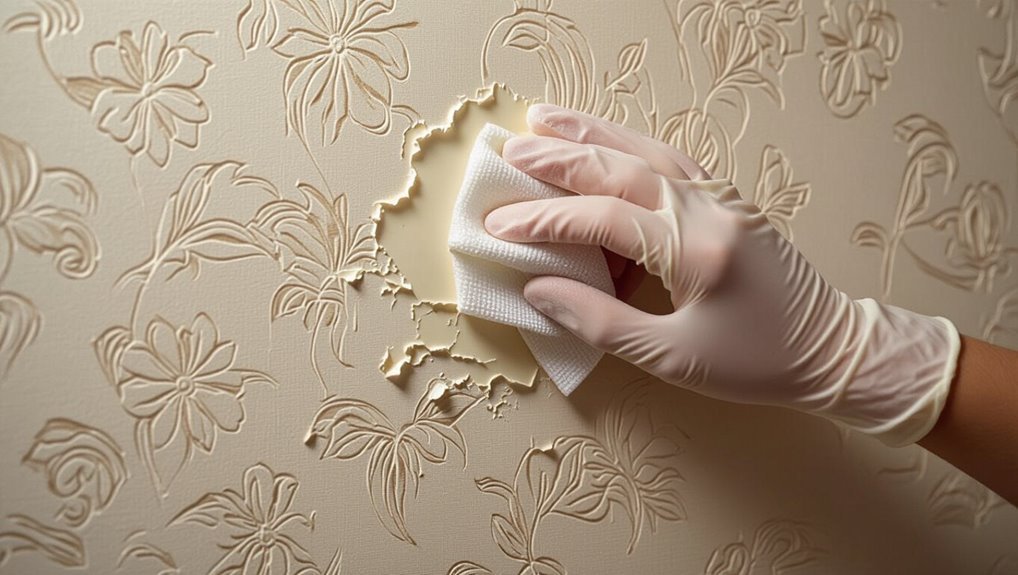
Commercial labels and decorative stickers both leave behind sticky residue that’s harder to remove from textured paint or wallpaper, but the approach is similar with more caution.
Test any solvent in an inconspicuous spot. Use a soft brush and mild soap first, then try rubbing alcohol or a citrus-based adhesive remover sparingly.
Blot, don’t scrub; rinse and dry. Repeat gently until clean.
