
Why Do People Texture Walls? The Practical and Aesthetic Reasons
You texture walls to hide imperfections, add durable protection, and shape how light and space feel so rooms read as cozy or expansive. Textures let you make an artistic statement or keep a subtle backdrop, and they’re often easier to maintain in high-traffic areas. Different rooms and finishes call for different textures, and textured walls usually need more paint and careful touch-ups. Keep going and you’ll find which textures suit each room and why.
Wall Texturing: Functions and Visible Effects
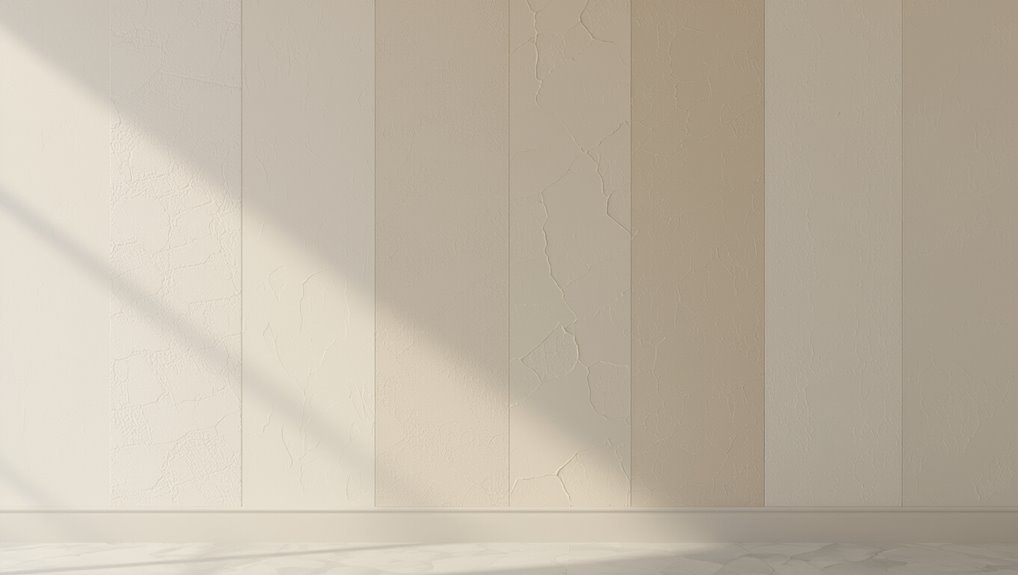
Think of wall texturing as both a tool and a finish: it hides imperfections, controls light and shadow, and changes how a room feels without altering layout or color.
You’ll notice texture directs sightlines, softens echoes, and gives depth. It offers artistic expression through pattern and stroke while carrying historical significance in regional styles, so your choices shape atmosphere and convey context.
Should You Texture Your Walls? Quick Decision Guide
Think about how often you want to clean and repair walls—texture can hide imperfections and handle wear better than flat paint.
Consider the style you want: some textures add warmth and depth, while others can make a room feel busy or dated.
We’ll weigh durability and maintenance against the ambiance you’re after so you can decide quickly.
Durability And Maintenance
If you want low upkeep and long-lasting walls, textured finishes often outperform smooth drywall—scuffs hide better, minor cracks stay masked, and touch-ups blend more easily.
- Inspect annually to preserve texture longevity.
- Dust or vacuum gently to prevent grime buildup.
- Use spot priming and matching paint for repairs.
- Avoid harsh scrubbing; follow simple maintenance tips for lasting results.
Style And Ambiance
When you’re deciding whether to texture your walls, consider how finish, light, and room function shape the mood you want to create; textured surfaces can add warmth, hide imperfections, and change how light plays across a space, while smooth walls read as modern, clean, and more reflective.
You’ll choose minimalist textures for calm, rustic charm or vintage appeal for character, playful patterns for energy, or modern elegance for cohesive design and sensory experience as artistic expression.
How Texture Changes Light and Perceived Space
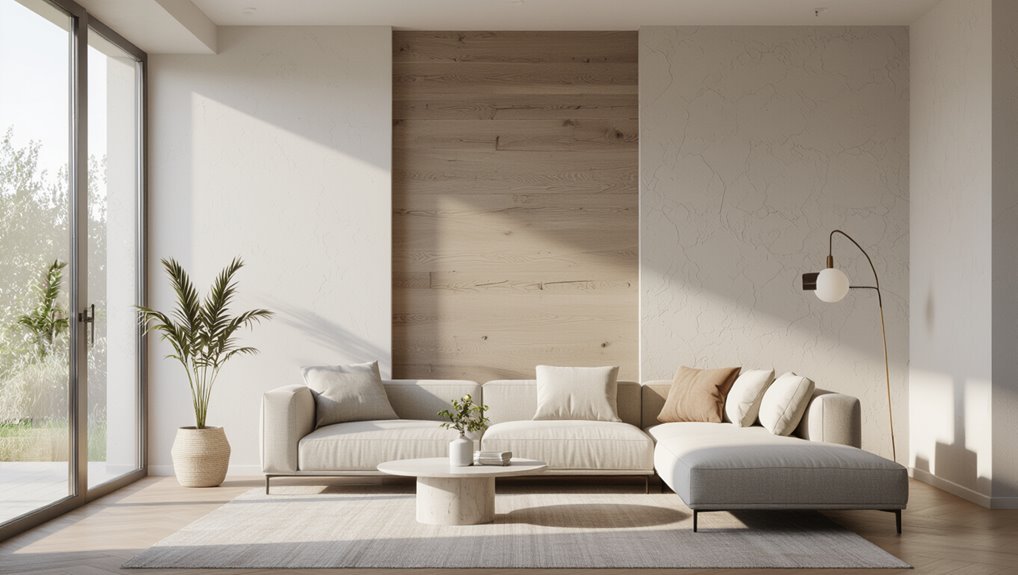
You’ll notice that textured walls scatter light differently—some surfaces give soft, diffuse reflection while others throw back sharper, specular highlights.
That interaction changes depth cues and can make a room feel larger or more intimate depending on scale.
And the tiny shadows cast by texture create contrast and movement that reshape how you perceive the space.
Diffuse Versus Specular Reflection
Although lighting can seem straightforward, the way a wall’s texture interacts with light—diffuse versus specular reflection—dramatically affects how you perceive a room.
- Smooth surfaces give specular reflection, creating highlights and crisp sheen.
- Rough finishes scatter light via diffuse reflection, softening glare.
- You’ll use specular areas to accentuate features.
- You’ll pick diffuse textures to create even, subtle illumination and calm ambiance.
Depth Perception And Scale
Because texture changes how light falls and bounces, it can make a room feel larger, cozier, shallower, or more layered—often without altering the actual dimensions.
You’ll notice textures guide visual perception, drawing the eye along walls or toward focal points. That influence refines your spatial awareness, helping you manipulate perceived scale and depth through pattern, grain, and tactile variation.
Shadow Play And Contrast
One or two textured surfaces can transform flat light into a choreography of shadows and highlights. You’ll notice how even subtle reliefs amplify contrast and define space.
You’ll see shadow patterns shift with sun and lamps; texture interplay sculpts mood and scale.
- Catch natural light
- Accent focal points
- Mask imperfections
- Change perceived depth
Choosing Textured Walls by Room Function
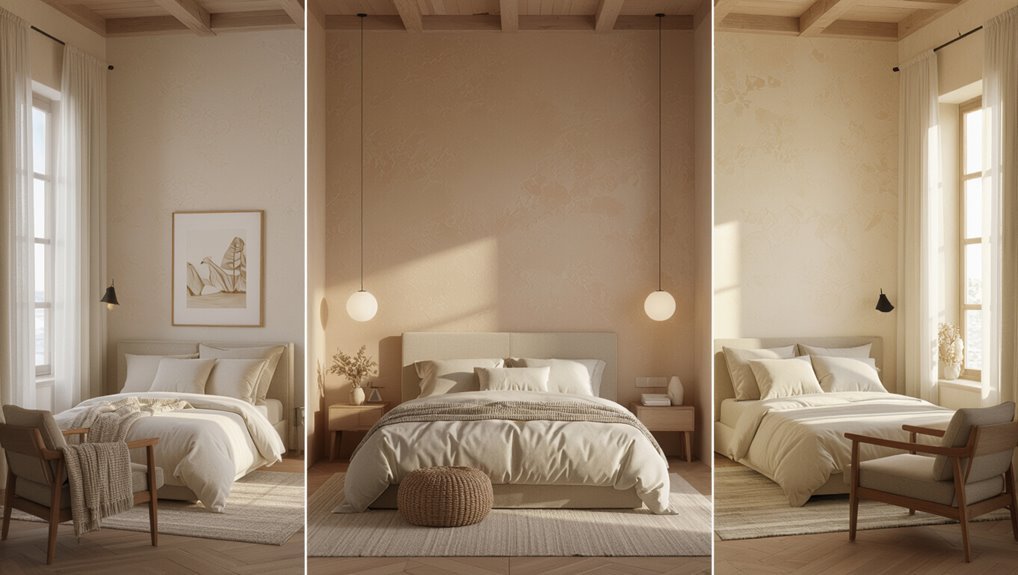
When you pick textures for each room, think about how the space is used and what you need from its surfaces.
Consider each room’s function and choose textures that meet its practical and aesthetic needs.
You’ll choose textured materials for durability in high-traffic zones and easy-clean finishes in kitchens or baths.
In bedrooms and living areas, prioritize comfort and room ambiance with softer, subtle textures.
Match texture scale to ceiling height and furniture for balance.
Common Textures (Orange Peel, Knockdown, Skip Trowel) and Best Rooms
After matching textures to a room’s function and scale, pick from a few common finishes that each bring different looks and performance.
You’ll choose textured techniques for wear, light, and style; consider aesthetic benefits alongside practicality.
- Orange peel — durable, good for halls
- Knockdown — softer shadows, living rooms
- Skip trowel — artisan look, bedrooms
- Smooth accents — trim and focal walls
Hiding Flaws and Patchwork With Texture
Because textured finishes scatter light and break up uniform planes, they mask small imperfections and make patchwork less noticeable. This allows you to blend repairs into the overall surface instead of highlighting them.
You’ll use texture for flaw concealment, matching patterns to hide seams and patched areas. This also offers aesthetic enhancement, letting repaired walls look intentional and cohesive without costly refinishing.
Texture and Durability: How It Protects Walls
Although texture adds visual interest, it also serves as a practical shield for your walls, absorbing scuffs, hiding minor dents, and resisting wear better than flat paint alone.
- You get texture benefits that mask bumps and small repairs.
- Textures provide extra wall protection from daily contact.
- They reduce repainting frequency by concealing wear.
- Scuffs and light impacts blend into patterns, keeping surfaces tidy.
Do Textured Walls Affect Temperature or Moisture?
While texture protects walls from scuffs and hides imperfections, you might wonder if those same surfaces change how a room handles heat or moisture.
Textured finishes have minimal impact on thermal insulation; they’re too thin to alter R-values considerably.
However, some textures can increase surface area and slightly affect moisture absorption and drying rates, so choose breathable paints in humid areas.
How Textured Walls Reduce Echoes and Noise
Sound behaves differently when it hits a rough surface: textured walls scatter and absorb sound waves more effectively than flat walls.
So you’ll notice fewer sharp echoes and a softer overall room tone.
- Choose wall materials that boost sound absorption for better interior acoustics.
- Texture aids echo reduction without full acoustic panels.
- You’ll get passive noise control in living spaces.
- Combine textures and panels for targeted results.
Cost Comparison: Simple vs. Specialty Textures
When you weigh simple textures like knockdown or orange peel against specialty finishes such as Venetian plaster or decorative trowel work, you’ll find upfront material and labor costs for specialty options are substantially higher, though they can add long-term value and distinct style.
You should use texture comparisons to plan budget strategies: prioritize rooms, get multiple quotes, and balance upfront spend with expected aesthetic payoff.
DIY or Hire a Pro? How to Decide
Considering tackling textured walls yourself or hiring a pro? Weigh DIY considerations against professional expertise, matching budget constraints, skill assessment, and project timeline to your aesthetic goals and personal preference.
- Estimate costs and budget constraints.
- Honest skill assessment for texture options.
- Timeline needs vs. professional reliability.
- Choose based on aesthetic goals and personal preference.
Tools and Materials for Common Textured Finishes
Tools matter: before you start, gather the right trowels, hawks, rollers, brushes, joint compound or plaster, mixing buckets, drop cloths, and safety gear so you won’t stop mid-job.
Your tools selection and material types depend on surface preparation and desired texture patterns.
Learn application techniques for finish variations, balance project budgets, and keep maintenance tools ready to preserve results.
Painting Textured Walls: Coverage and Finish Tips
When you paint textured walls, expect to use more paint than on smooth surfaces because the nooks and peaks increase coverage needs.
Use thicker nap rollers, brush into crevices, and consider a primer to get even absorption so you don’t end up with patchy color.
For a smoother look, sand high points lightly and apply a thin skim coat before your final paint layer.
Paint Coverage Considerations
A textured wall will eat more paint than a smooth one, so don’t assume your usual gallon-per-x estimate will hold—expect to use 25–50% more depending on the depth and roughness of the texture.
You’ll want to account for increased paint absorption and enjoy texture benefits like hiding flaws.
Practical tips:
- Buy extra primer.
- Choose thicker nap rollers.
- Test coverage on scrap.
- Allow longer drying.
Achieving Smooth Finish
If you want a smooth finish over textured walls, prep and technique matter more than just paint choice—close attention to filling, sanding, and application will get you there.
You’ll skimcoat to hide texture, sand between coats, and choose primers that bond.
Use smooth surface techniques like thin joint compound layers, proper trowel work, and careful sanding.
Consider wall finish options and test small areas first.
Maintaining, Repairing, and Touching Up Textured Walls
Maintaining textured walls keeps them looking fresh and prevents small issues from becoming costly repairs. You’ll save time by spotting trouble early.
Maintaining textured walls keeps them fresh and helps you catch small problems before they become costly repairs.
Use texture maintenance routines and quick texture repair or texture touch ups to preserve texture longevity. Follow these steps:
- Clean gently with a soft brush.
- Patch using matching compound.
- Sand lightly and blend.
- Repaint with same finish.
Design Ideas: Using Texture as Focal Point or Backdrop
You can make a textured wall the room’s statement piece by choosing bold patterns or heavy relief to draw the eye.
Alternatively, use subtle textures as a neutral backdrop that adds depth without competing with furniture or art.
Pair texture with complementary paint hues and finishes to create layered interest and cohesion.
Texture As Statement Piece
When you make texture the centerpiece, a wall can do more than hold paint—it anchors the whole room’s mood and tells a story.
You’ll use textured materials for artistic expression, creating tactile experience and visual intrigue that draws people in.
- Pick one bold wall.
- Layer materials smartly.
- Balance color and depth.
- Let furniture complement, not compete.
Subtle Textured Backdrops
Although textured walls are often used to make bold statements, they can just as effectively recede into the background and quietly elevate a room’s mood; think of them as a soft visual anchor that supports furniture, color, and light without stealing focus.
You can choose subtle textured murals or muted accent walls to create depth, guide sightlines, and calm a space while letting decor shine.
Layering Texture With Color
Subtle textured backdrops set a calm stage, but layering texture with color lets you shape how a room feels and what draws the eye.
You’ll use color blending and texture layering to decide focal points or subtle support. Pick contrasts, coordinate tones, and balance sheen.
- Accent wall contrast
- Monochrome depth
- Soft shifting hues
- Highlighted architectural lines
Frequently Asked Questions
Can Textured Walls Trigger Dust or Allergy Issues?
Yes — textured walls can increase dust accumulation and act as allergy triggers because rough surfaces trap particles and are harder to clean, so you’ll need frequent dusting or HEPA filtration to minimize irritation and airborne allergens.
Are Textured Walls Compatible With Wallpaper or Wall Decals?
Yes — textured walls can work with textured wallpaper options or wall decals, but you’ll need smoother surfaces or heavy-duty adhesives; a rhythm of prep, primer, and patience guarantees better adhesion and long-lasting, attractive results for you.
How Do Textured Walls Affect Resale Appraisals?
Textured walls can lower resale value if buyers prefer smooth finishes; they shape buyer perception about maintenance and style. You should smooth or neutralize excessive texture to broaden appeal and protect your appraisal outcome.
Can Textured Finishes Be Removed Without Major Demolition?
Yes — you can remove textured finishes without tearing walls down. You’ll use wet-scraping, sanding, or skim-coating; contractors offer textured finish removal and wall restoration options that minimize demolition, dust, and cost while restoring smooth surfaces.
Do Textured Walls Interfere With Mounting TVS or Shelving?
Yes — textured walls can cause mounting challenges because uneven surfaces make brackets sit poorly; you’ll need special anchors or shims. Aesthetic considerations also matter, since gaps or repairs can be visible and affect the finish.
