
Are Matte and Flat Paint the Same Thing? Key Differences Explained
No, matte and flat paint aren’t the same thing. Both absorb light to cut glare and help hide minor flaws, but matte usually performs better in busy, high-touch areas because it’s more scuff- and abrasion-resistant and often easier to maintain. Flat looks softer and cozy, but it’s more vulnerable to wear and patchiness on walls that get lots of contact. Choose based on light, traffic, and washability—then you’ll be ready for more details.
Matte vs Flat: Which Finish Should You Choose?
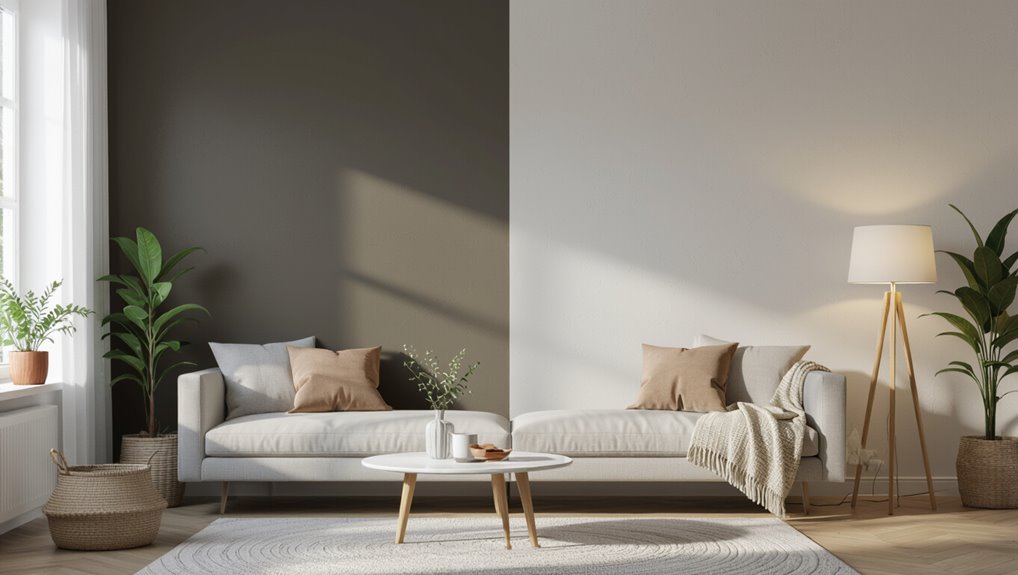
Choosing between matte and flat paint comes down to how much durability and visual consistency you need in each room.
You’ll pick matte when you want strong matte durability without looking glossy, especially in high-traffic areas or homes with active kids and pets.
Pick matte for durable, non-gloss coverage—ideal for high-traffic homes where kids and pets keep walls looking their best.
You’ll choose flat when you prioritize smooth coverage and low reflection, giving you consistent flat aesthetics across walls and ceilings.
If you notice surface imperfections, go for the finish that hides them best in your space, since both absorb light differently.
Always match the finish to your lighting, cleaning habits, and the wall’s condition before you commit.
Matte vs Flat Paint: The Real Difference
Matte and flat paint may both look non-glossy, but they don’t behave the same once light hits the surface. When you use matte, you get a richer matte texture that absorbs more light and softens shadows, giving walls depth without shine.
Flat paint usually delivers a flatter look—its flat appearance can hide minor imperfections, yet it’s more likely to show scuffs or dirt sooner. If you touch up often, pay attention: matte typically holds up better visually, while flat can dull unevenly after repairs.
Choose based on how light and traffic interact on your walls.
What Sheen Level Means for Everyday Walls
Sheen level isn’t just a finish name—it changes how your walls react to daily lighting and wear. Choose higher sheen and you’ll notice more sheen impact: light reflects more clearly, so scuffs and fingerprints show sooner, but scrubbing becomes easier.
Pick matte or flat and you’ll see softer reflection, which helps hide minor imperfections and reduces glare in busy rooms. Your aesthetic choices also matter; warm, dim lighting can make low-sheen paint look richer, while cool daylight may flatten colors.
Match sheen to traffic and cleaning habits to keep your walls looking fresh.
How Matte Paint Changes Light and Shadows
When you go with matte paint, the surface absorbs more light than it reflects it, so highlights don’t bounce back as sharply. That light absorption smooths shifts across the wall, dulling fine texture and softening edges.
As light hits, you get fewer bright points and less contrast between ridges and flats. In rooms, this changes how you read depth: shadow effects look gentler, with shadows spreading gradually instead of crisp, high-contrast bars.
You’ll also notice colors feel more even, because matte reduces reflective “sparkle” that can exaggerate contours.
How Flat Paint Handles Glare

Flat paint tackles glare by scattering incoming light in many directions instead of reflecting it back toward you. When you choose flat, you get better glare reduction because the finish diffuses light rather than creating sharp highlights.
Under bright lamps or sun, you’ll see fewer mirror-like spots on the wall. Flat paint still reflects some light, but it breaks up the path, so light reflection looks softer and more uniform.
As a result, shadows and lighting shifts stay calmer, making surfaces feel less “shiny” even in high-gloss situations.
Which Finish Hides Wall Imperfections Better?
If you’re trying to hide wall imperfections, choose matte: it absorbs light and minimizes the way flaws show through.
Flat paint also helps by handling minor bumps in a gentle, low-sheen way.
When your walls have noticeable texture, you’ll usually see the best results with matte.
Matte Absorbs Light, Minimizes Flaws
Matte paint absorbs more light than flat finishes, which helps it hide small wall dents, patch marks, and uneven drywall texture.
You get strong matte benefits through deeper light absorption that improves flaw reduction and boosts aesthetic appeal from many angles.
When you choose finish options, remember that matte coverage can look more even in everyday lighting, especially after repairs.
Use solid application techniques: prep, sand, prime, and apply in consistent coats to prevent streaks.
For maintenance tips, keep cleaning gentle to preserve the surface.
Also note color effects: matte makes colors appear softer and less reflective.
Flat Paint Handles Minor Bumps
Because you’re dealing with everyday nicks and tiny drywall ridges, the right sheen matters more than you might think—flat paint often hides minor bumps better, while matte excels at softer overall coverage and light absorption.
You’ll notice flat’s texture differences are less reflective, so small shadows don’t catch as easily. To get the best results, you should prep smooth edges, then use even roller pressure and light, overlapping strokes.
With good application techniques, flat paint levels visually, camouflaging subtle ridges. Matte can work too, but flat usually wins when imperfections are already raised.
Durability: Matte vs Flat in High-Traffic Areas

In high-traffic areas, your choice of finish directly affects how well the walls stand up to scuffs, frequent cleaning, and day-to-day wear.
You’ll notice a durability comparison: flat hides flaws, but it’s more vulnerable to abrasion and harsh rubbing. Matte often delivers steadier high traffic performance because its surface resists wear better while still minimizing glare.
Choose flat for low-touch spaces, not hallways, entryways, or around doorways. For tougher zones, consider matte or a more robust sheen.
Choose flat only for low-touch spaces; for hallways, entryways, and doorways, opt for matte or a sturdier sheen.
- Scuff resistance
- Ease of spot touch-ups
- Resistance to abrasion
- Recovery after repeated wiping
- Long-term surface wear stability
Washability: Stain Resistance by Finish
Washability and stain resistance hinge on finish chemistry, not just how the paint looks.
With matte, you often get a softer sheen and more porous surface, so stains can grab in and become harder to lift. Flat finishes behave similarly, and both can show discoloration if you blot and rub too aggressively.
For your washability comparison, look for finishes labeled “scrubbable” or “washable,” because resin type and pigment binding control stain resistance.
In practice, eggshell or satin usually release grime faster, while true matte/flat may require gentle, quick cleanup.
Scrubbing Resistance: What Holds Up Best
Scrubbing resistance starts with how the finish forms a durable, film-like surface. You’ll get the best performance when the coating bonds tightly to the substrate and resists wear from daily cleaning.
Match your scrubbing techniques to your needs: gentle wipe-downs for light traffic, firmer abrasion for scuffs.
- Higher binders and tighter film reduce paint rub-off
- Smooth surface materials spread pressure and prevent streaks
- Matte hides better, but flatter films can scuff quicker
- Use soft sponges to avoid breaking the coating
- Allow full cure time before you scrub aggressively
Why Color Can Look Different in Matte vs Flat
You’ll notice that the same paint color can look noticeably different when you switch between matte and flat sheens, even if the pigment blend is identical.
Matte and flat finishes change how light reflection spreads across the surface, which shifts your color perception. In matte, micro-texture can absorb more stray light, deepening shadows and muting highlights.
In flat paint, light reflection tends to be more uniform, so colors can appear slightly lighter or flatter in real spaces.
View the wall at different angles and times of day, because ambient light changes what your eyes register.
Best Rooms for Flat Paint Finishes
You’ll get the best results with flat paint in bedrooms and living rooms, where it looks smooth and cozy.
It also hides imperfections better than glossier finishes, so walls stay looking fresh longer.
Just keep it in low-moisture spaces to avoid scuffs and damage.
Ideal For Bedrooms And Living Rooms
Flat paint works especially well in bedrooms and living rooms because it hides minor wall imperfections and minimizes glare from lamps and windows.
You’ll love how it supports calm bedroom ambiance and softens everyday viewing in a space meant for relaxing. Use it on larger walls where you want an even, cozy look without harsh reflections.
- Choose flat for primary bedroom walls and ceilings
- Keep lighting softer for best living room aesthetics
- Pair with warm neutrals for comfort
- Avoid high-traffic doors and trim areas
- Touch up with matching paint after repairs
Hides Imperfections Better Than Gloss
Because flat paint’s low-sheen finish diffuses light instead of reflecting it, it hides small dents, joint lines, and patch marks better than gloss.
When you choose flat, you improve imperfection concealment because shadows soften across the wall. You’ll also notice better surface smoothness since the matte appearance doesn’t spotlight tiny texture differences.
In best rooms for flat paint finishes, especially older drywall or frequently patched areas, you’ll reduce the “highlight and reveal” effect gloss creates.
If you’re repainting after repairs, flat paint helps the surface look even faster with fewer spot fixes.
Use In Low-Moisture Spaces
In low-moisture spaces, flat paint performs best because its matte finish resists showing shine and texture when the wall stays dry. You should choose it for bedrooms, dining rooms, hallways, and home offices where humidity stays steady.
Flat finishes won’t handle heavy steam or frequent splashes, so you avoid kitchens and bathrooms unless you use moisture resistance–focused alternatives. You also need careful application techniques: prep surfaces, fill dents, and roll evenly without overworking.
- Bedrooms: calm, velvety walls
- Dining rooms: soft light control
- Hallways: hides scuffs well
- Offices: reduces glare from screens
- Entryways: apply in thin, steady coats
Best Rooms for Matte Paint Finishes
When you choose matte paint, you’re picking a finish that hides surface imperfections and softens light, so it works especially well in spaces where you want a calm, understated look.
You’ll get matte elegance in living rooms and bedrooms, especially on walls with minor bumps. Use matte paint in dining rooms when you want rich colors without glare, and it still delivers design versatility across modern, traditional, or minimalist styles.
Hallways and home offices benefit too, since the lower sheen disguises scuffs from traffic.
Pair matte with simple trim for a clean, tailored finish.
Ceilings: Matte or Flat Overhead?
When you paint a ceiling, choosing matte vs. flat changes how light behaves across the surface.
Matte usually hides more imperfections, while flat overhead sheen can look a touch smoother in brighter rooms.
As you compare them, ask yourself what you want to minimize—noticeable flaws or harsh glare.
Matte Finish For Ceilings
Choosing between matte and flat paint for your ceiling often comes down to how you want light to behave in the room.
Matte finishes absorb more light, helping you hide uneven spots and distracting marks. You can pair this with ceiling colors that stay true, even in indirect lighting, and you can rely on subtle texture effects to soften edges where walls meet ceilings.
Aim for consistency across rooms to avoid sheen surprises.
- Better light absorption in bright spaces
- Forgives minor drywall imperfections
- Helps ceiling colors look smooth
- Works well with low-contrast rooms
- Produces gentle texture effects
Flat Overhead Sheen Comparison
Flat and matte overhead sheens look similar from a distance, but they don’t behave exactly the same up close. You’ll notice how overhead lighting reveals sheen differences on the ceiling.
Flat paint usually stays slightly more uniform, while matte can show a softer, lower-gloss character that still resists glare.
Watch for marks: both hide imperfections, but the ceiling texture you paint over matters. If your surface has bumps or patch seams, flat often mutes them a bit more consistently.
However, matte can tolerate cleaning with less visible scuffing. Match the sheen to your light conditions.
Trim and Doors: Where Sheen Matters Most
On trim and doors, sheen plays a bigger role than most homeowners expect, because these surfaces get handled, cleaned, and sunlit more often. You’ll notice fingerprints, scuffs, and streaks quickly, so choose thoughtfully across trim styles and door finishes.
Even if your walls stay flat, trim can tolerate a tougher sheen that wipes clean without looking patchy. Use satin or semi-gloss on high-touch areas, while still matching overall color depth and reflections for consistent curb appeal.
- Door knobs and edges collect grime
- Sunlight reveals roller marks fast
- Higher sheen hides light scuffs better
- Satin cleans easier than flat
- Sheen mismatch can look uneven
How to Apply Matte Paint for Smoother Coverage
After you pick the right sheen for trim and doors, you can turn to walls and use matte paint to minimize visible sheen—but only if you apply it correctly.
Prep by cleaning, patching holes, and sanding smooth, then vacuum dust. Stir matte paint thoroughly; don’t shake hard.
Use steady application techniques: load your roller evenly, start off the wall, and roll in W patterns, then back-roll lightly to level. Keep a wet edge to avoid lap marks.
Apply two coats with proper coverage tips: thin only if the label allows, and don’t overload. Let full dry between coats, then inspect under angled light.
How to Apply Flat Paint for Even, Non-Splotchy Finish
Before you open a can of flat paint, you prep the surface thoroughly by cleaning, sanding, and patching any flaws so nothing shows through.
You then use a proper roller (the right nap for your wall) and load it evenly, applying steady pressure in consistent W or vertical passes.
Keep a wet edge and overlap each section while it’s still workable, so you avoid streaks and splotchy spots.
Prep Surface Thoroughly Before Painting
Start by prepping the surface carefully, because flat paint hides sheen but highlights imperfections. You need solid surface preparation so your painting techniques can stay consistent and non-splotchy.
First, scrape off peeling paint, then sand rough spots until they feel uniform to the touch. Clean thoroughly to remove dust, grease, or chalky residue.
- Fill dents and holes with spackle; let cure fully
- Sand smooth, feathering edges of repairs
- Vacuum and wipe with a damp cloth; dry completely
- Prime stained or bare areas to prevent bleed-through
- Caulk gaps, then sand lightly for a flush finish
Use Proper Roller And Technique
Apply flat paint with the right roller and a consistent method to prevent splotches and uneven tone. Start by matching roller selection to your surface: use a 3/8-inch nap for smooth drywall and a 1/2-inch nap for textured walls. Load evenly, then roll in one direction with firm, light pressure. Keep a “wet edge” as you work—don’t let sections dry mid-stroke. Use this quick guide:
| Surface | Roller nap | Application technique |
|---|---|---|
| Smooth | 3/8 in | Cross-roll lightly |
| Textured | 1/2 in | Back-roll for blend |
| Trim | Foam | Short, steady passes |
| Big walls | 1/2–3/4 in | Work in sections |
| Corners | Angle brush + roller | Feather edges |
Dry Time vs Cure Time: What Changes Overnight?
Once your paint feels dry to the touch overnight, that doesn’t mean it has fully cured. You should treat “dry” as a surface milestone, not full strength.
Your dry time factors—humidity, airflow, temperature, film thickness, and binder type—control when it stops feeling wet. But cure time implications show up later: paint hardens chemically, improves stain resistance, and gains durability over days.
Overnight, you may only see a skin form. Consider these cues:
- Lightly tap: still cool, soft spots
- Deep color may look uneven when curing
- High thickness extends cure time
- Low airflow slows chemical bonding
- Keep traffic off until fully cured
Touch-Ups: Will Matte or Flat Match Afterward?
Touch-ups can blend well, but you still need to plan for sheen: matte and flat paints don’t just look different—there’s also a difference in how each one settles and levels as it cures.
Use proven touch up techniques: feather edges, keep a wet edge, and avoid heavy reloading.
For color matching, blend beyond the repair area, then step back to judge under the same lighting you’ll see daily.
If you use the same product line and sheen level, you’ll match more closely after full cure.
Still, expect slight sheen shifts on glossy patches or previously washed walls.
Why Flat Can Show Patchiness and Wear
When you use flat paint, you tend to see patchiness sooner because the non-reflective surface makes tiny coverage differences obvious.
If your sheen isn’t perfectly even, it can reveal early wear as areas start to look duller or slightly shinier.
You’ll notice these changes most around edges, high-touch spots, and places that get frequent cleaning.
Flat Finishes Highlight Patchiness
Flat finishes highlight patchiness because they absorb light instead of reflecting it, so subtle differences in sheen jump out across the wall. When you choose flat, you often notice patchy appearances sooner, especially where old paint, joint compound, or repairs didn’t blend smoothly.
Your eye reads these gaps as texture perception, not just color.
- Drywall seams drink up more binder
- Roller marks linger in micro-shadows
- Sanded spots grab or release pigment unevenly
- Slight thickness changes create matte islands
- Age and minor contamination dull sections inconsistently
Sheen Variations Reveal Early Wear
Because flat paint soaks up light, you’ll spot subtle sheen shifts as the wall starts to age, and you’ll see them long before the color looks “wrong.” In practice, minor changes in binder content and surface porosity—caused by everyday scuffs, uneven curing, or prior repairs—create tiny high- and low-sheen zones. Use this checklist to catch early signs and protect sheen longevity:
| Spot | Cause | What to do |
|---|---|---|
| Halo | Touch buildup | Light sand, reprime |
| Stripe | Partial cure | Feather edges, topcoat |
| Dull spot | Polishing wear | Spot-prime, blend finish |
Primer Needs: Matte vs Flat Before Painting
Before you paint, you’ll get better coverage and durability if you choose the right primer finish—matte primers and flat primers don’t behave the same on every surface.
Match your primer types to the substrate: matte grips glossy patches and helps hide minor stains, while flat primes for uniform, non-reflective topcoat appearance.
Prep first, then control your application techniques so primer lays smooth and consistent.
- Spot-prime stains, then feather edges
- Use matte on patched drywall or sheen changes
- Use flat when you want dead-even coverage
- Apply thin coats, not heavy puddles
- Sand lightly after drying for bonding
Ventilation and Cure: Best Practices for Low Sheen
Proper ventilation and cure timing help your low-sheen finish level out and stay durable, so plan for airflow from the start. Use ventilation tips: open windows, run fans, and keep fresh air moving without blasting dust into wet film.
Follow curing techniques by resisting touch-ups until the paint reaches its specified drying time. Then allow full cure before heavy cleaning or masking.
Watch humidity effects closely—high moisture slows cure and can dull the sheen unevenly. You should track drying times per coat, maintain steady temperature, and avoid fans that create drafts or uneven thickness.
Moisture & Humidity: Can You Use These Finishes?
When humidity runs high, your matte or flat paint can cure slower and stay vulnerable longer.
Moisture resistance varies by product, so you need to check the label before using it in bathrooms, kitchens, or other damp spots.
You can reduce issues by ventilating well during and after application to help prevent blistering or peeling.
Humidity Can Affect Curing
Humidity can slow the curing process for many paints and finishes, because moisture in the air interferes with how materials harden and form a stable film.
You’ll notice a longer tacky period and slower set, especially in cool, damp rooms. This humidity impact can also disrupt even leveling, which matters for matte or flat surfaces where imperfections show.
- Higher humidity delays solvent evaporation
- Condensation can mar the sheen consistency
- Thick coats cure unevenly longer
- Low airflow traps moisture on the surface
- Extended curing increases dust attraction
Moisture Resistance Varies By Product
Even if humidity slows curing, moisture resistance depends heavily on the specific paint or finish you choose, not just on room conditions.
You should check the label for washability, mildew resistance, and whether it’s rated for high-humidity areas like bathrooms or kitchens.
Matte and flat looks can still differ in moisture resistance because product variations affect binder strength, film thickness, and additives that repel water.
Choose an interior flat with a moisture-resistant system if you plan on wiping walls.
Don’t assume “matte” means protected—confirm moisture resistance before application and recoat per instructions.
Ventilation Helps Prevent Damage
Good ventilation reduces the time walls and ceilings spend damp, which helps your paint form a tougher, more even film.
When you plan airflow, you’re getting real ventilation benefits: faster drying, less mildew risk, and stronger adhesion. As humidity spikes, trapped moisture can wreck matte or flat coverage by softening the surface and causing uneven sheen.
You should aim for moisture control throughout curing, especially after showers, leaks, or seasonal swings.
- Run fans during and after painting
- Crack windows when weather allows
- Use dehumidifiers in humid rooms
- Keep HVAC vents unobstructed
- Dry watch spots fast after rain
DIY Vs Pro Results With Matte and Flat Finishes
When you tackle a matte or flat finish yourself, you often trade convenience for control—and that’s where the DIY vs. pro results gap shows up fast.
With DIY techniques, you may get uneven sheen, lap marks, or dry spray, even if you follow careful application methods.
Pros use pro tips like consistent thinning, proper roller naps, and staged back-brushing to nail smooth finish comparisons.
You’ll notice aesthetic preferences quickly: matte hides flaws, but pro-applied films stay uniform.
Cost considerations matter too—DIY saves labor, yet corrections add up.
For maintenance tips, expect better spot repair and cleaner touch-ups from pros, especially under tricky light variations.
Choosing by Lighting: Day vs Night Appearance
When you choose paint for daylight, you’ll want a soft, minimal-glare look that stays calm under natural light.
At night, you’ll see whether it shows a subtle sheen or hides flaws when lamps and shadows shift.
Test it under both lighting conditions before you commit.
Daylight Appearance: Soft, Minimal Glare
Daylight changes everything about how matte and flat paint read on your walls. In bright rooms, you’ll notice daylight effects that soften color contrast and keep surfaces calm.
If you want glare reduction, you’ll like how these finishes swallow light instead of bouncing it back. Choose for daytime visibility: windows, skylights, and sunlit hallways will look even and understated.
- Diffuse light feels warmer and less harsh
- Highlights stay muted, not shiny
- Corners appear cleaner, without sparkle
- Color depth looks natural, not washed
- Small imperfections become less noticeable
Night Lighting: Subtle Sheen Or Hides Flaws
Under night lighting, the difference between matte and flat paint shifts from “soft” to “forgiving,” because artificial bulbs and angled light can reveal sheen and texture fast.
You’ll notice night ambiance turning surfaces into spotlit canvases, so your sheen perception becomes more sensitive.
Choose matte when you want consistent darkness and minimal reflection around sconces, ceiling fixtures, and TV glare.
Choose flat if you need a bit more hide in low-contrast rooms, but still expect minor variations under bright, directional lamps.
When walls look patchy at night, adjust fixtures or repaint to match the sheen level.
Best Roller and Brush for Matte vs Flat Walls
Choosing the right tools makes a big difference on matte and flat walls, because both finishes hide imperfections less than eggshell or satin.
Choosing the right tools matters on matte and flat walls, since these finishes reveal imperfections more than eggshell or satin.
Pick smooth coverage: you’ll want specific roller types and the right brush materials to keep edges even and stop flashing.
- Use a 3/8-in nap roller for flat, smooth drywall; go 1/2-in for slight texture
- Choose foam rollers for ultra-flat touch-ups and minimal stipple
- Use a high-quality angled brush with synthetic bristles for consistent matte laydown
- Load lightly, then back-roll to even out sheen and lap marks
- Keep a steady wet edge; work from corners outward to reduce streaks
How to Read a Matte Paint Label (Quick Checklist)
Before you buy matte paint, you should decode the label so you don’t end up with an unexpected sheen or finish issue.
Check the sheen rating first: confirm it’s matte, not “eggshell” or “satin.”
Read the product type and sheen range in the label details, since some “matte” formulas vary by brand and batch.
Look for “washability” and scrubbability notes—matte can stain more easily.
Review dry time, recoat window, and recommended primer to prevent flashing or uneven finish characteristics.
Finally, note VOC level and tinting instructions, so the color you choose stays true.
How to Read a Flat Paint Label (Quick Checklist)
A flat paint label gives you the clues you need to match the finish you expect. As you read, don’t skim—interpret each detail so your paint types match your room and lighting.
Check it like this:
- Look for label symbols: “flat,” “matte” icons, and sheen numbers
- Verify coverage and scrub resistance; flat hides flaws but dents more easily
- Confirm the base: latex vs. oil, and whether it’s interior/exterior rated
- Find dry time and recoat window so your timeline stays on track
- Note stain-blocking claims and primer requirements for walls
Then buy confidently and apply evenly.
Frequently Asked Questions
Can I Mix Matte and Flat Paints in the Same Room?
Yes, you can mix matte and flat paints in the same room, but match colors carefully for color compatibility. Use the same sheen type across surfaces for even aesthetic appeal; spot-test first and keep batches consistent to avoid noticeable differences.
Which Finish Is Better for Ceilings With Air-Conditioning Vents?
For ceilings with air-conditioning vents, you should choose a flat or matte finish; it hides imperfections for ceiling aesthetics. Pick a low-sheen, durable paint for air conditioning compatibility, since airflow won’t emphasize sheen or highlight flaws.
Will Matte or Flat Paint Yellow Over Time in Sunlight?
Matte and flat paint can yellow over time under sunlight exposure, especially with poor paint durability and heavy UV. You’ll notice dulling first, then warm tinting. Choose quality pigments, add UV-resistant topcoats, and keep vents ventilated to slow fading.
How Do Matte and Flat Finishes React to Steam From Bathrooms?
Matte and flat finishes both struggle with bathroom steam; you’ll see moisture resistance vary by brand. Without a proper primer or sealer, steam damage can dull, stain, or peel paint. Use semi-gloss or washable coatings for better protection.
What’s the Safest Way to Clean Scuffs on Matte Paint?
Stop fretting—erase scuffs safely with gentle cleaning techniques: start with a dry microfiber, then lightly dab with mild soap and water. Avoid magic erasers, scrubbing, and harsh solvents; blot, rinse, and let dry to prevent sheen.
Conclusion
When you’re choosing between matte and flat, remember they both hide flaws—but they play light differently. Matte usually feels a touch smoother and reflects slightly more, like a soft whisper on your walls. Flat stays extra muted, like velvet in a dim room, swallowing glare and shadows for a dramatic, even look. So pick based on your space: match the lighting, then use the right roller so your finish lands exactly where you want it.
