
Are Textured Walls in Style? Interior Design Trends 2026
Yes — textured walls are very much in style for 2026. You’ll find tactile finishes bringing warmth and depth to clean, modern spaces while hiding minor flaws and improving acoustics. Choose fine textures for small rooms and smooth, moisture‑resistant surfaces for baths and kitchens. Limewash, micro‑trowel plaster and wood slats offer varied looks from subtle to bold, and many eco and budget options mimic high‑end effects. Keep going and you’ll discover practical choices, costs and care tips.
Are Textured Walls Right for Your Home?
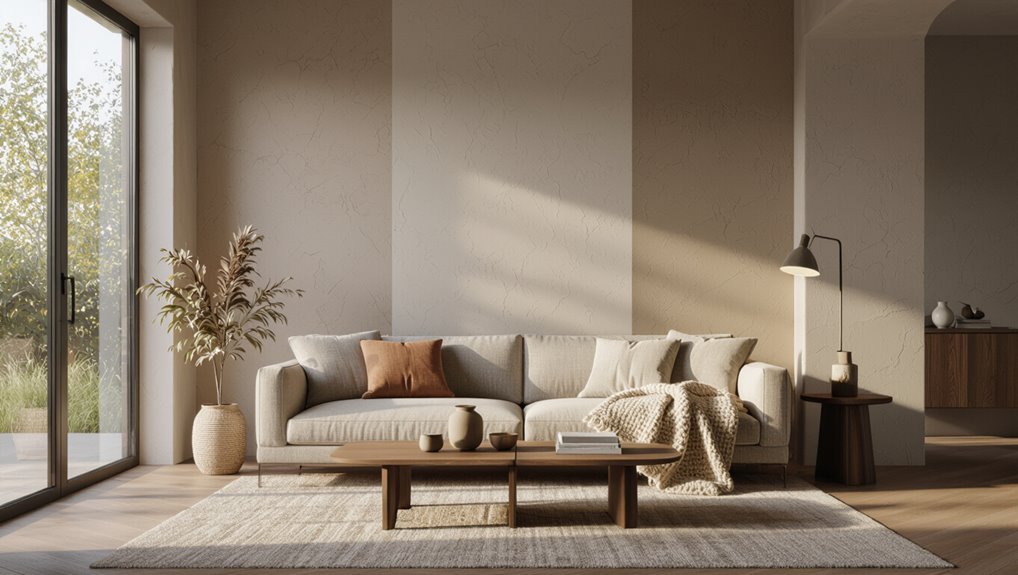
Wondering if textured walls are a good fit for your home? You’ll weigh textured wall benefits like durability and sound dampening against maintenance and room size.
Picture how tactile finishes boost aesthetic appeal, add depth, and hide minor flaws.
Choose texture where light and furniture complement it, keep palettes simple, and test samples on different walls before committing to a full installation.
Why Textured Walls Are Trending in 2026
Because designers and homeowners are craving warmth and character after years of minimalism, textured walls have surged in popularity in 2026.
They blend tactile finishes with modern color palettes to make rooms feel lived-in and layered.
You’ll appreciate textured wall benefits like acoustic dampening, hide imperfections, and add depth.
They offer design versatility—mixing finishes, scale, and color so you can personalize spaces without overwhelming them.
Textured Wall Options: Plaster, Limewash, Micro‑Trowel, Wood Slats
You can choose from smooth or textured plaster finishes to set the room’s mood and durability.
Limewash offers subtle, layered color effects that change with light and age.
For a modern or rustic feel, micro-trowel textures and wood slat patterns give you crisp lines or warm, tactile rhythm.
Plaster Finish Options
When choosing a textured wall finish, think about the room’s mood and how much upkeep you’ll tolerate; each plaster option—from traditional limewash to modern micro-trowel or wood slats—delivers a distinct look and feel.
You’ll explore plaster techniques and modern applications to match style and maintenance.
- Polished Venetian for depth and sheen
- Micro‑trowel for sleek texture
- Rustic limewash alternatives
- Decorative wood slats for warmth
Limewash Color Effects
Limewash transforms textured walls by layering translucent pigments that shift with light and time, so you can create anything from a soft, sun‑bleached patina to a deep, mineral-rich tone.
In limewash application you’ll work wet over cured plaster, using brushes and ragging for subtle mottling.
Embrace controlled color blending to achieve depth, vintage charm, and breathable, low‑maintenance finishes.
Wood Slat Patterns
After exploring how limewash layers color and texture, it’s worth looking at how wood slat patterns bring a different kind of rhythm and warmth to textured walls.
You’ll love wood slat aesthetics for tactile depth and clean lines; choose finishes to match mood.
Consider joinery and installation techniques for durability, spacing for scale, and lighting to enhance grain.
- Rhythm and pattern
- Finish options
- Installation techniques
- Lighting effects
How Plaster, Limewash, and Micro‑Trowel Differ
Though they all add texture and depth, plaster, limewash, and micro‑trowel finish different needs and aesthetics: plaster builds durable, sculpted surfaces you can sand and shape; limewash seeps into masonry for a breathable, weathered look that softens color; and micro‑trowel creates thin, modern reliefs with quick application and minimal buildup.
You’ll compare Plaster types, Limewash benefits, Micro trowel techniques, Application methods, Surface finishes, Texture maintenance, and Aesthetic appeal.
Choosing the Right Texture for Each Room
Think about how each room is used and choose a texture that fits its function—smooth, easy‑to‑clean finishes for high‑traffic or wet areas, and softer textures for lounges or bedrooms.
Consider scale and room size: finer textures keep small rooms feeling open, while bolder textures suit larger spaces.
For bathrooms and kitchens, pick durable, moisture‑resistant finishes that stand up to steam and scrubbing.
Match Texture To Function
When you’re choosing wall textures, match the finish to how you use each room: smooth, washable surfaces work best in high-traffic and moisture-prone areas like kitchens and bathrooms, while subtle textures can add warmth and hide imperfections in living rooms and hallways.
You’ll want texture functionality and texture adaptability to guide choices.
- Durable, washable plaster for kitchens
- Moisture-resistant coatings for baths
- Soft, subtle stucco for lounges
- Textured panels for entryways
Scale And Room Size
One rule to remember: match texture scale to room size so surfaces feel balanced and intentional.
You’ll weigh scale considerations against room proportions: small rooms suit fine, subtle textures to avoid overwhelm, while larger spaces handle bold, pronounced finishes that create focal points.
Consider sightlines and furniture scale, then test samples on different walls to guarantee the texture reads correctly from typical viewing distances.
Durable Finishes For Wet Areas
Having matched texture scale to room size, you also need to pick finishes that stand up to moisture and wear in bathrooms, kitchens, and laundry areas.
Choose water resistant materials and moisture resistant textures so surfaces stay durable and easy to clean.
Consider practical options:
- Troweled cement render
- Waterproof Venetian plaster
- Glazed tile with textured grout
- High-performance acrylic coatings
Which Textures Suit Minimalist Interiors?
Looking for textures that match a minimalist interior? You’ll favor subtle, low-contrast finishes that reinforce minimalist aesthetics and promote texture harmony.
Think micro-mortar, matte limewash, fine plaster, and smooth concrete with soft tool marks.
Keep palettes neutral, surfaces uncluttered, and details minimal so texture reads as calm depth rather than ornamentation—functional, restrained, and quietly tactile.
Textured Wall Ideas for Rustic and Eclectic Homes
If you want walls that feel lived-in and full of character, choose textures that celebrate natural materials and handcrafted marks—think reclaimed wood planks, rough lime plaster, exposed brick, and layered paint washes.
You’ll create rustic charm or eclectic flair by mixing tactile finishes, vintage details, and bold patterns. Try combinations that balance warmth with surprise:
- Reclaimed wood accent wall
- Distressed plaster panels
- Exposed brick nook
- Mixed-material murals
How to Pair Color Palettes With Texture
Think about how texture and tone work together: rough, matte finishes suit muted, earthy hues, while smooth or glossy textures can handle brighter colors.
Match your texture with the mood you want and use neutrals to ground any bold accents. That way you’ll balance interest without overwhelming the room.
Match Texture With Tone
When you pair texture with color, you shape not just a room’s look but its mood and perceived scale.
You’ll aim for texture harmony and tonal balance: rough plaster softens bold hues; matte finishes calm bright tones. Match sheen to saturation, and scale texture to room size.
- Start with one dominant texture
- Layer two complementary tones
- Use neutrals to bridge contrasts
- Test samples before committing
Balance Bold With Neutral
Because bold colors grab attention, pair them with neutral textures to keep a space grounded and comfortable. You’ll use a bold accent sparingly, lean into neutral balance for furnishings, and let textured harmony create visual depth without overwhelming. Use tactile rugs, matte plaster, and linen to anchor vibrant walls; this keeps rooms readable and cohesive.
| Element | Role |
|---|---|
| Accent | Pop |
| Neutral | Anchor |
| Texture | Depth |
How to Highlight Texture With Lighting
If you want your textured walls to read clearly, light them so shadows and highlights fall across the surface instead of straight on; grazing light from a low angle accentuates ridges, relief, and brushstrokes, turning subtle texture into visible depth.
Use lighting techniques for texture enhancement and try contrast, warmth, and direction to sculpt surfaces:
- Low-angle wall washers
- Adjustable spotlights
- Warm dimmable LEDs
- Layered ambient plus accents
Do Textured Walls Improve Acoustics and Comfort?
You’ll notice textured walls can help reduce echoes and improve sound dampening in a room, especially when combined with soft furnishings.
They can also affect how warm or cool a space feels to occupants, influencing perceived thermal comfort.
Let’s look at how texture, materials, and placement work together to boost both acoustics and comfort.
Improved Sound Dampening
When you move through a room with textured walls, you’ll often notice sounds feel slightly muted compared with flat, hard surfaces; that’s because texture breaks up and scatters sound waves, reducing sharp echoes and flutter.
You can combine texture with acoustic panels for targeted sound absorption to enhance comfort.
- Softer reflections
- Reduced slap echo
- Easier conversation
- Improved privacy
Perceived Thermal Comfort
Although textured walls don’t change a room’s temperature, they can make it feel warmer or cooler to people by altering how surfaces emit and diffuse radiant heat, and by affecting airflow patterns near walls. You’ll notice shifts in comfort perception through texture-driven thermal dynamics and slight acoustic changes that influence perceived coziness.
| Factor | Effect |
|---|---|
| Texture depth | Alters radiant exchange |
| Airflow disruption | Changes local drafts |
| Surface emissivity | Modifies perceived warmth |
Low‑Maintenance Textures That Age Well
Because your home should look good with minimal fuss, choose textures that hide wear and clean up easily.
You’ll want low maintenance materials that offer timeless aesthetics and resist stains, scuffs, and fading.
Pick finishes that age gracefully so you don’t repaint often.
- Microcement
- Fine sand plaster
- Matte washable paint
- Durable textured wallpapers
Eco‑Friendly Textured Wall Options and Materials
If you want textured walls that look great and leave a lighter footprint, choose materials made from natural or recycled components that off‑gas minimally and last a long time. You’ll prefer sustainable materials like clay plaster, cork panels, and reclaimed wood with natural finishes. They’re durable, low‑VOC, and stylish—perfect for mindful rooms.
| Material | Benefit | Care |
|---|---|---|
| Clay | Breathable | Wipe |
| Cork | Insulating | Dust |
Budget‑Friendly Treatments That Look High‑End
Sustainable materials can look upscale, but you don’t have to spend big to get a luxe textured wall.
You can achieve affordable elegance and stylish simplicity with clever choices that read high‑end without the price tag.
- Painted plaster finishes for subtle depth
- Linen wallcoverings for soft texture
- Faux Venetian plaster alternatives
- Accent panels with muted metallics
DIY vs. Hiring a Pro: Scope, Cost, and Timelines
When you’re weighing textured walls, decide up front what you can handle and where you’ll need help: simple painted plaster or linen hangings are very DIY‑friendly and keep costs low, while complex Venetian plaster, intricate metallic inlays, or large-scale panel installs usually require a pro for quality and speed.
Do a cost comparison, set realistic timelines, and use DIY tips like practice panels and proper prep.
Common Pitfalls and Quick Repair Tips
Choosing to DIY or hire a pro affects more than budget and timeline — it also changes how you’ll handle common mistakes and quick fixes.
You’ll spot uneven texture, mismatched paint, bubbling, and hairline cracks sooner if you know what to watch for.
Simple repairs save time, but complex flaws call a pro.
- Uneven texture
- Paint mismatch
- Bubbling
- Hairline cracks
Frequently Asked Questions
Can Textured Walls Affect Home Resale Value?
Yes — textured walls can affect resale potential. You’ll boost design appeal with tasteful, modern textures but risk narrowing buyer interest if finishes feel dated or heavy. Keep tones neutral and textures subtle to appeal broadly.
Are Textured Walls Compatible With Wallpaper?
Yes — you can apply wallpaper over textured walls, but textured wallpaper compatibility varies; you’ll need proper surface prep, smoothing or lining paper, and consider maintenance considerations like cleaning, repairs, and adhesive performance for long-term results.
Do Textured Finishes Trap Dust or Allergens?
Yes — textured finishes can trap dust and allergens, so you’ll notice air quality impacts and increased maintenance concerns; you’ll need regular vacuuming, gentle wiping, and occasional deep cleaning to keep particles from accumulating and circulating indoors.
Can Textured Walls Be Installed in Bathrooms and Kitchens?
Yes—you can install textured walls in bathrooms and kitchens if you choose modern materials like water-resistant plasters or textured tiles. Use maintenance tips: sealants, regular gentle cleaning, and proper ventilation to prevent moisture and mold buildup.
How Long Do Textured Wall Finishes Typically Last?
Like a well-tended garden, your textured walls can thrive for decades; typical textured finish durability is 10–30 years, and with textured wall maintenance—cleaning, occasional touch-ups, resealing—you’ll extend their life and beauty.
Conclusion
Textured walls can totally transform your space—think personality turned up to eleven—so weigh style, function, and budget before committing. Match subtle plaster or limewash to calm rooms and bolder micro‑trowel or wood slats where you want drama. Go eco when you can, and try a small DIY patch before tackling a whole wall. If in doubt, hire a pro for complex textures to save time, money, and headaches.
