
Can You Use Minwax Paste Finishing Wax on Chalk Paint? Here’s the Answer
Yes — you can use Minwax Paste Finishing Wax over cured chalk paint to add moisture resistance and a soft, low-sheen patina. Apply thin coats with a lint-free cloth or soft brush, buff gently, and test a small area first since wax can slightly darken light colors. Avoid over‑application to prevent stickiness and allow full cure before heavy use. Keep going to learn step-by-step application tips, troubleshooting fixes, and better finish alternatives.
Quick Answer Can You Use Minwax Paste Finishing Wax on Chalk Paint?
Yes — you can use Minwax Paste Finishing Wax on chalk paint for added sheen and protection.
It’s appropriate when you want a subtle, durable finish on furniture that won’t see heavy wear, but skip it if you need a high-gloss or water-resistant surface or if the paint isn’t fully cured.
Test on a small area first to confirm compatibility and the look you want.
Direct short answer
You can use Minwax Paste Finishing Wax over chalk paint, but expect a harder, glossier finish than traditional soft wax and test first on a hidden area to verify compatibility and desired sheen.
If you’re asking can I use Minwax Paste Finishing Wax on chalk paint, yes — it works, gives more protection and sheen, but try a small patch to confirm look and adhesion.
When it’s appropriate and when it’s not
When you want tougher protection and a slight sheen, Minwax Paste Finishing Wax works well over chalk paint on furniture that sees regular use—tables, chairs, and dressers—because it dries harder and resists wear better than traditional soft waxes.
Use it when you need durability and minimal maintenance; avoid it on delicate finishes, textured paint, or pieces requiring frequent reapplication or a matte, breathable finish.
What Is Chalk Paint and How Does It Behave?
Chalk paint is a water-based blend of calcium carbonate and pigments used by brands like Annie Sloan, Rust-Oleum, and DIY formulations. You’ll find it sticks well to most surfaces without sanding.
It creates a matte, slightly chalky film that soaks into porous woods more than slick laminates, affecting how many coats and what topcoat you’ll need.
Because it’s often finished with waxes, polycrylics, or oils, you’ll want to match the finish to the surface porosity and wear expectations.
Composition and common brands
Think of chalk paint as a blend of fine pigment, a binder (usually acrylic), and a light filler like calcium carbonate that gives it the matte, velvety finish you’re after.
Brands vary in additives and viscosity: Annie Sloan, Rust-Oleum Chalked, and CeCe Caldwell are popular.
You’ll find pre-mixed and DIY powder concentrates; choose based on coverage, color range, and ease of sanding or distressing.
Surface characteristics and porosity
Porous and velvety, chalk paint soaks into wood and lightly fills flaws, giving you a matte, tactile surface that accepts waxes and topcoats differently than regular latex or enamel.
You’ll notice variable absorbency—raw wood, knots, and repairs drink paint more, creating subtle texture. That porosity affects coverage, drying time, and how evenly a finishing wax penetrates and bonds to the paint.
Typical finishes used with chalk paint
Because chalk paint leaves a matte, slightly textured surface, you’ll choose finishes that either enhance that look or add protection without glossing it out.
You’ll commonly use clear or tinted wax for depth and mild sheen, water-based poly for durable, low-sheen protection, or matte varnish for moisture resistance.
Distress techniques pair well with waxes; topcoats should remain low-luster.
What Is Minwax Paste Finishing Wax?
Minwax Paste Finishing Wax is a blend of natural and synthetic waxes, resins, and solvents that creates a hard, protective finish you can buff to varying sheens.
You’ll use it on wood, painted furniture, and trim to add durability and a subtle depth to chalk-painted surfaces.
Minwax also offers liquid and paste formulations—paste gives more control and build-up, while liquid is easier to apply for thin, faster-drying coats.
Ingredients and properties
A traditional paste wax, Minwax Paste Finishing Wax blends natural and synthetic waxes—typically carnauba and paraffin—with mineral spirits and small amounts of additives to stabilize texture and improve application.
You’ll find it forms a hard, glossy film that resists moisture and abrasion, though it’s thinner than varnish. It buffs to shine, fills tiny pores, and slightly darkens wood or paint tone.
Typical uses and surfaces
Finishers reach for paste wax when they want a low-build, protective sheen on furniture, trim, and painted surfaces like chalk paint.
You’ll use it on tabletops, dressers, cabinets, picture frames, and moulding to add slip and mild abrasion resistance.
It works well on worn or distressed finishes, sealing pores and enriching color without heavy buildup, so touch-ups stay simple and controlled.
Types of Minwax waxes (paste vs. liquid)
When you’re choosing a protective finish for chalk paint, weigh paste and liquid waxes for their different textures and handling—paste waxes like Minwax Paste Finishing Wax are thicker, let you build and buff a controlled sheen, and offer better scuff resistance, while liquid waxes spread faster for quick, low-effort coverage but usually leave a thinner, less durable film.
You’ll find paste better for furniture, liquid for quick touch-ups.
Compatibility: Minwax Paste Finishing Wax with Chalk Paint
When you pair Minwax Paste Finishing Wax with chalk paint, you’ll want to take into account both chemical and physical compatibility to guarantee the wax bonds without dissolving or clouding the paint.
Expect changes in appearance—wax can increase sheen and depth and may slightly shift color depending on how much you buff.
Finally, weigh the durability benefits, since a proper wax application improves scuff and moisture resistance but won’t offer the same hard protection as a clear topcoat.
Chemical and physical compatibility
Although chalk paint is porous and absorbent, Minwax Paste Finishing Wax generally sits on its surface rather than chemically bonding.
So you’ll want to test compatibility before committing to a whole piece. You’ll find the wax provides a physical barrier, repels moisture slightly, and can impede adhesion of future coatings.
Always test adhesion, flexibility, and drying on an inconspicuous sample first.
Effects on appearance (sheen, depth, color shift)
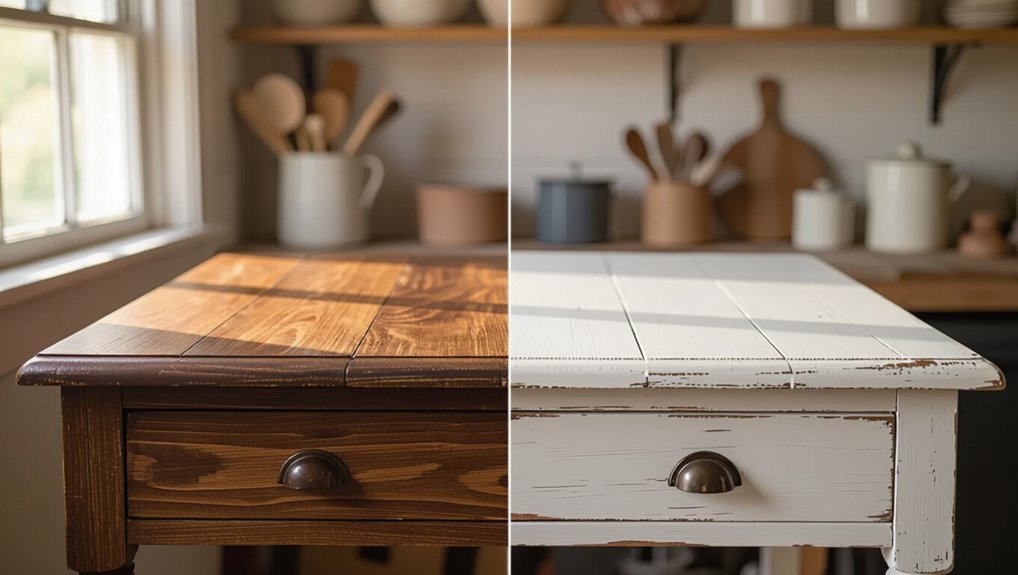
Because the wax mainly sits on the paint rather than chemically bonding, it will still change how the color and surface look.
You’ll notice increased sheen—usually a soft satin to low gloss—plus enhanced depth and richness as pigments appear slightly more saturated.
Expect minor darkening or warming, especially on lighter tones.
Apply sparingly and buff to control sheen and color intensity.
Durability and protection outcomes
A thin coat of Minwax Paste Finishing Wax will give chalk paint a basic, surface-level shield but won’t make it highly impact- or moisture-resistant.
You’ll get light scuff and dust protection, subtle water beading, and easier cleaning.
For heavy wear, outdoors, or wet areas, you should use a durable topcoat (polyurethane or acrylic sealer) to prevent chipping, staining, and moisture damage.
Step-by-Step Guide: How to Apply Minwax Paste Finishing Wax on Chalk Paint
Before you start, gather your materials—Minwax Paste Finishing Wax, a lint-free cloth, a soft brush or wax applicator, and a clean work surface—and make sure your chalk paint is fully cured and free of dust.
Do a small test patch to confirm compatibility and finish, then apply thin, even coats of wax, letting each dry briefly before buffing.
Keep buffing until you reach the sheen you want, adding light additional coats for more protection.
Materials and tools needed
When you’re ready to seal your chalk-painted piece, gather the right materials and tools so the job goes smoothly and looks professional.
You’ll need quality Minwax Paste Finishing Wax, clean application cloths, and a soft brush or foam applicator.
Have tack cloths, fine-grit sandpaper for burnishing, and gloves handy.
- Minwax Paste Finishing Wax
- Applicator cloths/brush
- Protective gloves and tack cloth
Surface preparation (cleaning, curing time for chalk paint)
Although chalk paint dries to the touch quickly, you’ll need to let it cure fully and clean the surface before waxing; curing typically takes 24–72 hours depending on humidity and coat thickness.
Before waxing, wipe dust and debris with a tack cloth or damp lint-free rag, then let dry.
Check for tackiness; fully cured paint guarantees even wax adhesion and prevents blemishes.
Application steps Step 1: Test patch
Now that the paint’s cured and the surface is clean, start with a small test patch in an inconspicuous spot to confirm color, sheen, and compatibility.
Apply a pea-sized amount of Minwax paste wax with a lint-free cloth or brush, rub gently, wait the recommended dry time, then buff.
Check adhesion, appearance, and any unwanted reactions before proceeding to full application.
Application steps Step 2: Applying thin coats
Work in small sections and apply the Minwax paste wax sparingly—thin, even coats give the best result.
Use a soft brush or lint-free cloth, loading lightly and spreading in long, consistent strokes following the grain. Overlap passes slightly to avoid gaps.
Wait a few minutes between coats for tack reduction, and add additional thin layers only if coverage or protection still seems insufficient.
Application steps Step 3: Buffing and achieving desired sheen
Begin buffing as soon as the paste wax turns tacky but no longer feels wet—this is when the wax has set enough to polish.
Use a clean, soft cloth or a foam pad and work in small circular motions, applying light pressure. Buff until the surface gleams evenly.
For higher sheen, repeat gentle buffing or add a very thin additional coat, then polish.
Application steps Step 4: Curing and recoat timing
After buffing, let the paste wax cure undisturbed so it hardens fully—this usually takes 24 hours at room temperature, though cooler or humid conditions can extend that time.
Wait at least 24–48 hours before light use. If you want a second coat for added protection or sheen, apply thinly after 48 hours and allow another full cure.
Avoid heavy use for one week.
Alternatives and When to Choose Them
You’ll want to weigh alternatives like water-based clear waxes versus paste waxes, Polycrylic, wax-poly blends, and oils based on durability and sheen.
Consider pros and cons—Polycrylic gives tougher protection for high-touch pieces, oils add depth but need maintenance, and wax blends balance feel and resilience.
Match the product to the project: furniture and decorative items often suit wax or blends, high-touch surfaces benefit from Polycrylic, and floors generally need harder finishes or oils formulated for traffic.
Water-based clear waxes vs. paste waxes
When you’re deciding between water-based clear waxes and traditional paste waxes, think about the finish, durability, and cleanup you want: you’ll choose water-based for low odor and easy cleanup, paste for deeper rub-in sheen and longer wear on high-traffic pieces.
| Type | Finish | Cleanup |
|---|---|---|
| Water-based | Matte/satin | Soap and water |
| Paste | Rich sheen | Mineral spirits |
| Best use | Indoor light use | Heavy-use furniture |
Polycrylic, wax-poly blends, and oils pros and cons
If you liked the low-odor cleanup of water-based wax or the durable sheen of paste, you’ll also want to weigh polycrylic, wax-poly blends, and oils as alternatives that balance appearance, protection, and maintenance differently.
Polycrylic gives clear, tough, fast-drying protection but can blush in high humidity.
Wax-poly blends add easy repairability with more durability.
Oils deepen color, heal scratches, but need reapplication and longer cure.
Best options per project type (furniture, high-touch surfaces, floors)
1 clear choice often depends on how the piece will be used: select paste wax or oil for low-traffic decorative furniture, wax-poly blends or polycrylic for tabletops and high-touch surfaces, and specialized floor finishes or multiple polycrylic coats for painted floors.
- Furniture: paste wax or oil for gentle sheen and easy touch-ups.
- High-touch: wax-poly or polycrylic for durability.
- Floors: floor finish or several polycrylic coats for abrasion resistance.
Common Problems and Mistakes to Avoid
Watch out for a few common mistakes when using Minwax Paste Finishing Wax on chalk paint.
If you apply too much, you’ll get sticky residue and uneven sheen or streaking. Some waxes can yellow or alter colors over time.
Also be careful mixing products—using incompatible topcoats or improper layering can ruin the finish.
Over-application and sticky residue
When you pile on Minwax Paste Finishing Wax thinking more will protect better, you’ll often end up with a sticky, tacky surface instead of a smooth finish.
You should apply thin, even coats, buff between layers, and remove excess promptly.
If wax feels gummy, strip the excess with mineral spirits or a gentle solvent, then reapply sparingly and buff to a satin feel.
Uneven sheen or streaking
If you notice blotchy shine or streaks after waxing, it’s usually because the paste wasn’t worked in evenly or excess wax wasn’t removed before buffing.
To fix it, reheat gently with a hairdryer, rub with a soft cloth in circular motions, and buff until uniform.
Apply thinner layers next time, work in small sections, and always remove surplus wax before it dries.
Yellowing or color alteration over time
Although paste wax protects chalk-painted surfaces, it can slowly yellow or change the paint’s tone, especially on lighter colors or under heat and UV exposure.
You’ll notice subtle warming or ambering over months or years.
To minimize this, test in an inconspicuous spot, use minimal wax, and keep pieces out of direct sunlight and heat sources to preserve original hues.
Incompatible topcoats and layering issues
Yellowing or altered tones aren’t the only risks you face after waxing chalk paint—layering the wrong topcoats or combining incompatible products can ruin a finish faster than UV exposure.
You should avoid oil-based varnish over wax, which repels adhesion, and incompatible solvent-based sealers that cause peeling or clouding.
Always test a small area, follow manufacturer guidance, and use compatible sealers for lasting results.
Tips and Best Practices for Long-Lasting Results
Before you start, test the wax on an inconspicuous spot to check compatibility and color.
Keep waxed surfaces clean with gentle dusting and occasional soft cloth buffing, and plan to refresh thin topcoats every year or as wear shows.
Always work in a well-ventilated area, use gloves, and follow re-waxing steps carefully to avoid buildup or tackiness.
Testing on an inconspicuous area
When you test Minwax paste finishing wax on an inconspicuous spot first, you’ll confirm how the wax reacts with your chalk paint’s color, sheen, and texture before committing to the whole piece.
Try a small hidden area, apply exactly as you’ll overall, let it cure, then inspect for color shift, adhesion, and desired finish.
Adjust technique or skip waxing if needed.
How to maintain waxed chalk-painted surfaces
After you’ve confirmed the wax works on that hidden spot, keep the finished surface looking great by establishing simple maintenance habits.
Dust frequently with a soft, dry cloth, avoid harsh cleaners, and wipe spills immediately.
Use coasters and felt pads to prevent scratches and heat rings.
For sticky spots, dampen a cloth lightly with water, then dry thoroughly to protect the waxed finish.
Refreshing and re-waxing advice
If you notice dull spots, minor wear, or water marks, give the piece a light refresh with Minwax Paste Finishing Wax to restore protection and sheen.
Clean gently with a damp cloth, let dry, then apply a thin, even layer with a lint-free rag or brush. Buff to desired sheen.
Re-wax high-use areas every 6–12 months for lasting results.
Safety and ventilation recommendations
Because Minwax Paste Finishing Wax contains solvents and can release fumes, you should work in a well-ventilated area and keep windows or fans running to prevent buildup.
Wear nitrile gloves and a respirator if sensitivity or prolonged exposure concerns you. Avoid open flames and sparks, store cans tightly closed, and dispose of rags safely to prevent unexpected combustion.
Take breaks to get fresh air.
Quick Comparison: Minwax Paste Wax vs. Popular Chalk Paint Finishes
When you compare Minwax Paste Wax to other chalk paint finishes, you’ll notice differences in durability — wax gives good surface protection but won’t be as hard-wearing as polycrylic or lacquer.
You’ll also see distinct appearance contrasts: wax offers a soft, low-sheen, hand-rubbed look while topcoats can be glossier and more uniform.
Finally, weigh cost and availability: Minwax is widely sold and affordable, whereas specialty chalk paint topcoats may be pricier or harder to find.
Durability comparison
Although chalk paint’s matte, velvety finish looks great on its own, you’ll want to take into account durability differences before choosing Minwax Paste Finishing Wax or another topcoat. You’ll find wax offers moderate surface protection and easy repairs, while polyurethanes and clear coats deliver tougher, longer-lasting resistance to scratches and moisture—better for high-use pieces.
| Finish Type | Durability |
|---|---|
| Paste Wax | Moderate |
| Beeswax | Low |
| Water-based Poly | High |
| Oil-based Poly | Very High |
Appearance and finish comparison
If you want a soft, vintage look, Minwax Paste Finishing Wax gives chalk paint a low-sheen, satiny patina that warms colors and slightly deepens brush strokes, while clear polyurethanes and water-based topcoats preserve the paint’s original matte or chalky appearance with higher sheen options and crisper surface detail.
| Wax | Emotion |
|---|---|
| Minwax | Cozy nostalgia |
| Polyurethane | Clean confidence |
| Water-based topcoat | Fresh clarity |
| Waxed distressing | Gentle charm |
Cost and availability comparison
1 major factor you’ll weigh is price and how easy each finish is to find locally or online.
Minwax paste wax is affordable, sold at big-box stores and online, and lasts a long time per tin.
Branded chalk paint and specialty waxes cost more and may be limited to craft shops or retailers.
Consider shipping, store availability, and sample sizes when budgeting.
FAQs
You probably have a few questions about using Minwax paste wax on chalk paint, like whether it works over distressed finishes or if it will darken the color.
You’ll also want to know curing time before waxing, whether polycrylic can go over the wax, and how to remove the wax if needed.
I’ll answer each point clearly so you can protect and restore your chalk-painted pieces with confidence.
Can Minwax paste wax be used over distressed chalk paint?
Wondering whether Minwax Paste Finishing Wax works over distressed chalk paint?
Yes — you can apply it to sealed or fully cured distressed chalk paint to protect and mellow edges.
Work sparingly, buff between thin layers, and focus on crevices to maintain that aged look.
Test a hidden area first to verify adhesion and the finish matches your desired patina.
Will Minwax paste wax darken or yellow chalk paint?
How much will Minwax paste wax change your chalk paint’s color?
You’ll notice slight deepening and a subtle warm amber cast, especially on lighter or white chalk paints.
It won’t dramatically yellow immediately, but build-up or oil-rich formulas can accumulate warmth over time.
Test a hidden spot first and apply sparingly to control sheen and color shift.
How long should chalk paint cure before waxing?
When should you wax chalk-painted surfaces? Wait at least 24 hours for surface dryness, but for full cure give 7–30 days depending on humidity, temperature, and paint thickness.
Lighter coats cure faster; thick layers need more time. Test a small, inconspicuous area before waxing.
Proper curing prevents tackiness, guarantees adhesion, and helps the wax buff evenly for durable, even protection.
Can I apply polycrylic over Minwax paste wax?
Yes—you can apply polycrylic over Minwax paste wax, but you’ll need to prepare carefully because wax repels liquids and can prevent proper adhesion.
Lightly scuff the waxed surface with fine-grit sandpaper or tack cloth to remove sheen, then test a small area. If polycrylic still beads, remove the wax.
Apply thin, even coats and allow full drying between layers for durable protection.
How do I remove Minwax paste wax from chalk-painted furniture?
If you tried polycrylic and it’s beading or you just changed your mind about the finish, you’ll want to remove the Minwax paste wax before re-coating.
Use mineral spirits or a dedicated wax remover on a soft cloth to dissolve wax; work small sections.
Wipe clean, rinse with mild soapy water, dry thoroughly, and lightly sand any residue with 320–400 grit before applying new finish.
