
Can You Use Exterior Paint for Interior: Pros, Cons, and Risks
You can use exterior paint indoors in a pinch, but you’ll trade finish and comfort for durability and mildew resistance. Expect stronger fumes, higher VOCs, glossier or thinner coverage, possible adhesion hiccups without the right primer, and longer off‑gassing that can irritate occupants. Prep surfaces carefully, ventilate heavily, and test a small area first; for living spaces or sensitive people it’s usually better to choose interior paint. Keep going to learn when and how it’s safest.
Quick Answer: Can You Use Exterior Paint for Interior?
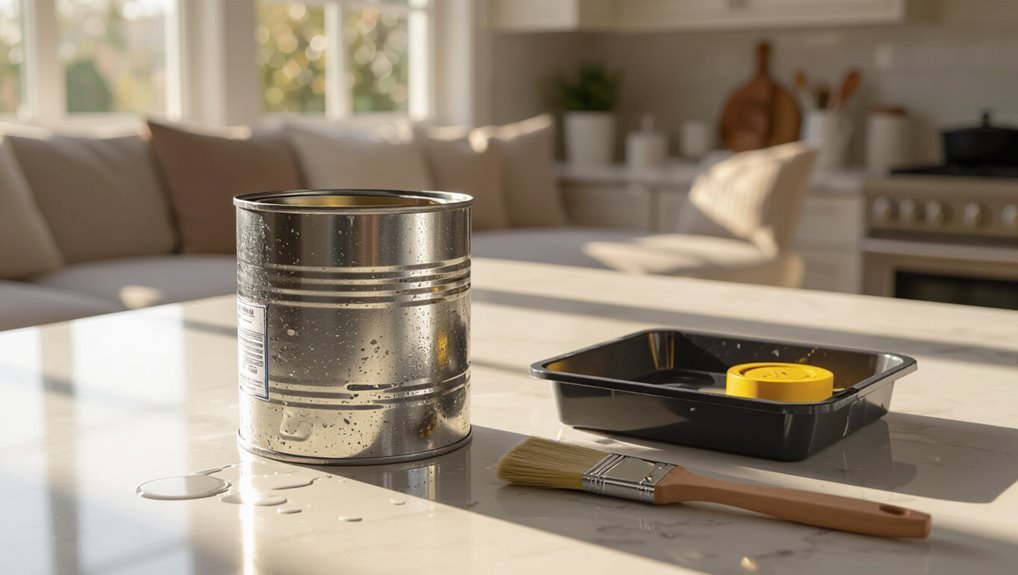
Yes — you can use exterior paint indoors in a pinch, but it’s not ideal.
Yes — exterior paint can work inside in a pinch, but expect stronger odors and a less ideal finish.
You’ll get quick benefits like durability and mildew resistance, and it can save time during emergencies.
You’ll also face quick drawbacks: stronger odors, different sheen, possible poor adhesion on interior primers, and harder cleanup.
Weigh short-term needs against comfort and finish quality before proceeding.
How to Decide Quickly: Use Exterior Paint Indoors or Not?
When you’re short on time, decide by weighing three quick factors: the room’s ventilation and occupancy (can you air it out and will people tolerate strong fumes?), the surface and primer compatibility (will the exterior paint stick and cure properly indoors?), and the finish and cleanup trade-offs (is a tougher, glossier coat acceptable even though it’s harder to clean up?).
Balance paint type comparison with indoor safety concerns, prioritize ventilation, test adhesion, and avoid using exterior paint in small, occupied spaces unless necessary.
Why Interior and Exterior Paint Formulations Differ
If you decide to use exterior paint indoors only as a last resort, it’s helpful to understand why manufacturers make different formulas for inside and out.
You’ll notice paint chemistry varies: interior paints prioritize low odor, faster curing, and softer finish; exterior paints resist UV, moisture, and mildew.
Different application techniques suit each—so match product to job to avoid finish or performance problems.
Why Exterior Binders and Additives Matter Indoors
Because exterior binders and additives are designed to withstand sun, moisture, and biological growth, using them indoors changes how paint behaves: you’ll get tougher, more water-resistant films but also stronger odors, slower drying, and potential adhesion or flexibility issues on interior substrates.
Consider these impacts on exterior paint formulations and indoor air quality:
- altered film hardness
- reduced breathability
- compatibility challenges with trim
- cleaning and maintenance differences
How VOC Levels and Odor Differ Between Paints
Those durability-focused additives also change how paints release volatile organic compounds and smell indoors, so you’ll notice stronger odors and higher VOC emissions from many exterior formulas compared with interior ones. You should weigh VOC Regulation Impacts and Odor Sensitivity Considerations before using exterior paint inside; choose low-VOC or ventilate thoroughly.
| Paint Type | Typical VOC | Odor Strength |
|---|---|---|
| Exterior | High | Strong |
| Interior | Low | Mild |
How Mildew and UV Additives Affect Indoor Air Quality
When you bring exterior paints indoors, their mildew inhibitors and UV stabilizers can change the chemical mix that off-gasses into your living space, sometimes producing compounds that linger longer or trigger sensitivities.
You should weigh mildew prevention and UV protection benefits against indoor air impacts:
- You may smell stronger, longer odors.
- Some additives can irritate lungs.
- Sensitive people react more.
- Ventilate and choose low-VOC options.
Surface Adhesion: Exterior Paint vs. Interior Substrates
When you use exterior paint indoors, you’ll need to check primer compatibility because some primers meant for interior substrates won’t bond well to exterior formulations.
Pay attention to sheen and surface grip—higher gloss can cling better on smooth surfaces but may show imperfections.
Also consider whether the surface is porous or nonporous, since absorption affects adhesion and may require different prep or bonding primers.
Primer Compatibility Issues
Although exterior paints can seem convenient for indoor touch-ups, their adhesion often conflicts with primers formulated for interior substrates.
You should check primer types and do proper surface preparation to avoid peeling or poor paint adhesion. Consider sealant compatibility and test a small area first.
- Match primer chemistry
- Prep and sand surfaces
- Test sealant interaction
- Observe dry-times and tack
Sheen And Surface Grip
Primer and primer-surface choices affect more than adhesion—they also change how sheen and surface grip perform on interior substrates. You’ll notice sheen comparison matters: exterior paints often have higher gloss that highlights surface texture and may feel slick. Pick primers that improve mechanical bond and adjust grip for trim, walls, or cabinets to avoid unwanted shine or slipperiness.
| Surface type | Typical sheen | Grip effect |
|---|---|---|
| Drywall | Eggshell | Moderate |
| Trim | Semi-gloss | Higher |
| Cabinets | High-gloss | Slick |
Porous Vs Nonporous Surfaces
Porous materials soak up paint, while nonporous surfaces don’t, and that difference drives how well exterior formulas will stick inside your home.
You should test adhesion and prep accordingly.
- Porous surfaces (drywall, wood) absorb primers and hold exterior paint better.
- Nonporous surfaces (tile, metal) repel it without proper sanding or primer.
- Use bonding primer on slick substrates.
- Patch and clean before painting.
Coverage and Finish Differences to Expect Indoors
Expect thinner coverage and weaker hiding power on interior drywall compared with paints made for walls, so you may need extra coats.
You’ll also notice different sheen and reflection—exterior paints can look glossier and show more imperfections under indoor lighting.
Finally, texture and application feel different: exterior formulations may roll or spray unevenly on smooth indoor surfaces.
Coverage And Hiding Power
When you use exterior paint indoors, you’ll notice it often needs more coats to fully cover colors or stains than interior paint would, because exterior formulas emphasize durability and weather resistance over hiding power.
You should plan for extra coats and adjust application techniques to manage color intensity and uniformity.
- Expect extra coats
- Use primer first
- Thin for smooth laydown
- Test small area
Sheen And Surface Reflection
Sheen affects how light hits and reveals imperfections, so you’ll notice exterior paints can read glossier or more satin-like indoors than their labeled finish suggests. Expect sheen variations with stronger reflections; small bumps in surface texture show more. Choose lower-sheen exterior formulas indoors to minimize glare and visible flaws.
| Finish | Indoor appearance |
|---|---|
| Gloss | Brighter glare |
| Satin | Soft reflection |
| Flat | Muted light |
| Eggshell | Subtle sheen |
Texture And Application Differences
Shifting from how sheen changes light, you’ll also notice exterior paints behave differently on indoor surfaces because of texture and formulation.
You’ll want a texture comparison and adjusted application techniques to avoid show-through, uneven gloss, or roughness.
- Rougher exterior binders may clump.
- Thicker body affects brush marks.
- Taping edges needs care.
- Sanding and primer often help.
Durability Trade-Offs: Toughness Versus Flexibility Indoors
Although exterior paints bring impressive hardness that resists scuffs and stains, you’ll often trade off some flexibility that indoor surfaces need.
Walls and trim expand and contract with humidity and temperature, and a brittle coating can crack or delaminate over time.
In a durability comparison you’ll weigh toughness versus elasticity, and a flexibility assessment helps you decide if exterior formulas suit your interior demands.
Flammability and Safety Differences to Watch For
When you use exterior paint indoors, pay attention to flash point differences because some formulations contain solvents that ignite at lower temperatures than typical indoor paints.
You’ll also need to evaluate common indoor ignition sources—like pilot lights, space heaters, and electrical outlets—when storing or applying these paints.
Take basic precautions (ventilation, no open flames, and proper storage) to reduce fire risk.
Flash Point Differences
Because exterior paints often contain solvents and additives formulated for outdoor durability, their flash points can be lower than those of indoor-grade paints.
So you need to treat them as potentially more flammable.
Consider flash point safety and key flammability factors:
- Store cans upright, sealed, cool
- Ventilate during application
- Avoid spark-producing tools nearby
- Dispose per local hazardous-waste rules
Indoor Ignition Sources
If you bring exterior paint indoors, watch for common ignition sources that aren’t an issue outside — pilot lights, space heaters, power tools, and even static from carpet can ignite solvent vapors.
You should identify indoor fire hazards, ventilate, and keep sources off while painting.
Store cans closed, use explosion-proof lighting, and avoid smoking to reduce ignition risks and protect occupants.
Health Risks of Using Exterior Paint in Living Spaces
Although exterior paints are formulated to stand up to sun, rain, and temperature swings, they can pose health risks when used inside your home.
You should know about exterior paint toxicity and how it can degrade indoor air quality. Consider these concerns:
- Strong VOCs causing headaches and nausea
- Long off-gassing periods
- Respiratory irritation for sensitive people
- Surface contaminants trapping allergens
Rooms Where Using Exterior Paint Is Least Risky
If you choose to use exterior paint indoors, start with less-used spaces like your laundry room and garage where ventilation is easier and exposure is limited.
You’ll still want to air the area well and keep children and pets out until the paint fully cures.
Treat these rooms as last resorts rather than ideal choices.
Laundry Rooms
Laundry rooms make sensible spots to use exterior paint because they tolerate tougher, less-finished coatings; you’ll get durable, moisture-resistant surfaces on walls and trim that handle humidity, detergent splashes, and frequent cleaning without showing wear.
You can balance laundry aesthetics and paint longevity while minimizing fumes and choosing washable sheens.
- Durable against splashes
- Hides minor imperfections
- Easy to wipe clean
- Use low-VOC options
Garages
Moving from laundry rooms, garages are among the safest indoor places to use exterior paint because they face rougher conditions—temperature swings, oil and chemical spills, and frequent abrasion—that exterior formulas are built to handle.
You’ll protect surfaces used for garage organization and heavy-duty storage, and exterior paint boosts paint longevity against stains and scuffs.
Ventilate, choose low-VOC exterior options, and test adhesion first.
Rooms Where Using Exterior Paint Is Most Risky
Although exterior paint’s durability is tempting, some rooms make its risks clear: kitchens, bathrooms, and bedrooms can expose you to stronger fumes, poor adhesion, or improper moisture control.
- Kitchens: risk assessment needed for heat, grease, and ventilation.
- Bathrooms: moisture can break adhesion quickly.
- Bedrooms: VOCs and odor affect sleep.
- Living areas: mismatched sheen and cleaning issues demand careful application techniques.
Using Exterior Paint on Trim, Doors, and Baseboards
If you loved exterior paint for its toughness but worried about fumes or moisture in living spaces, trim, doors, and baseboards are places where that durability can sometimes make sense — with caution.
You’ll weigh trim painting and door finishes against odor and VOCs, assess baseboard application techniques, consider aesthetic considerations and color matching, compare paint types for durability factors, and include these in project planning.
Using Exterior Paint on Concrete Basement Walls
When you want a tough, weather-resistant finish in a damp basement, exterior paint can be tempting for concrete walls.
However, you’ll need to address moisture, adhesion, and vapor movement first. You should test for leaks, use a masonry primer, and consider breathable coatings for proper moisture management and mildew resistance.
- Test for water intrusion
- Clean and etch surface
- Apply masonry primer
- Choose breathable coatings
Painting Garage Interiors With Exterior Paint: Pros and Cons
Because garages face grease, dust, temperature swings, and occasional moisture, using exterior paint indoors can seem practical—but it has trade-offs you should weigh.
You’ll get tough, weather-resistant coatings that boost paint longevity and handle stains, but exterior finishes may off-gas, feel rough, and limit garage aesthetics choices.
Prep thoroughly, ventilate during application, and test a small area before committing.
When Exterior Paint Can Work for Utility Rooms and Sheds
If you’re finishing a utility room or a shed, exterior paint can be a smart choice because it’s formulated to resist moisture and mold.
It also holds up better to knocks, temperature swings, and other harsh conditions than many interior paints.
Still, weigh ventilation and surface prep to make sure the coating performs as designed.
Moisture And Mold Resistance
Though exterior paints are formulated to resist water and mildew outdoors, they can work well inside for utility rooms and sheds where humidity, not constant condensation, is the main issue.
You should still treat surfaces and consider moisture barriers for mold prevention.
Tips:
- Choose mildew-resistant exterior formulas
- Prep and seal gaps
- Guarantee ventilation
- Recoat after water exposure
Durability In Harsh Conditions
When you need a finish that stands up to bangs, scrapes, and frequent cleaning, exterior paint can be a smart choice for utility rooms and sheds because it’s formulated for tougher wear; pick a high-quality, abrasion- and fade-resistant exterior enamel or acrylic to get the best results. You’ll benefit from weather resistance, but focus on surface preparation to guarantee adhesion and easy maintenance.
| Surface | Wear | Finish |
|---|---|---|
| Concrete | High | Satin |
| Plywood | Medium | Semi-gloss |
| Metal | High | Enamel |
| Drywall | Low | Primer |
Preparing Indoor Surfaces to Use Exterior Paint
Because exterior paint’s formulation differs from interior products, you’ll need to prepare surfaces more carefully before applying it indoors.
Focus on surface preparation and smart paint selection to avoid adhesion and odor issues.
Focus on proper prep and choosing the right exterior paint to prevent adhesion problems and strong odors indoors.
Do these steps:
- Clean grease, dust, and mildew thoroughly
- Sand glossy or peeling areas smooth
- Repair cracks and holes with filler
- Guarantee good ventilation and temperature control
Priming Rules When Switching to Exterior Paint Indoors
If you’re switching to exterior paint indoors, prime carefully to guarantee adhesion and block any outdoor-grade stains or tannins that could bleed through.
You should assess surface preparation first — clean, sand, and repair. Choose a high-adhesion, stain-blocking primer compatible with your exterior formula.
Apply thin, even coats, allow full curing, and sand lightly between coats for smooth, durable results.
Thinning, Mixing, and Solvent Compatibility Indoors
Although exterior paints often tolerate more solvent and heavier mixing, you’ll still want to thin sparingly when using them indoors to maintain coverage and reduce VOCs; follow the manufacturer’s recommended solvent type and maximum dilution rate, stir thoroughly with a clean paddle, and keep mixing times consistent to avoid color or sheen shifts.
Thin exterior paints sparingly indoors: follow recommended solvent and dilution, stir well, and keep mixing consistent to avoid shifts.
- Use proper thinning techniques for indoor compatibility.
- Respect mixing ratios.
- Match solvent types to paint chemistry.
- Test small batches for VOC levels and adhesion.
Application Techniques: Brushes, Rollers, and Sprayers
When you apply exterior paint indoors, choosing the right brush will keep brush marks to a minimum and improve coverage on trim and edges.
Decide between a sprayer and a roller based on room size, ventilation, and the finish you want—sprayers speed large areas but need more masking, while rollers give controlled texture with less overspray.
Pick tools that match the paint’s viscosity and your access to ventilation to get clean, even results.
Brush Selection Tips
Choosing the right brush can make or break an indoor job with exterior paint, so pick one that matches your paint type and the surface texture.
You’ll consider brush types, bristle materials, and brush sizes to control paint absorption and finish. Focus on painting techniques and application methods, then prioritize cleaning brushes and ongoing brush care.
- Natural vs synthetic
- Width selection
- Pile and nap match
- Washing and storage
Sprayer Versus Roller
Deciding between a sprayer and a roller comes down to speed, finish, and the room you’re painting: sprayers cover large, complex areas fast and leave a smooth, even coat, while rollers give you more control, less overspray, and easier touch-ups.
Consider Sprayer advantages like Application speed, Coverage efficiency, and Finish quality versus Roller benefits in Surface compatibility, simpler Cleanup process, and your Technique preference.
Drying Times and Curing Differences in Indoor Conditions
Because indoor air tends to be cooler and less ventilated than outdoor conditions, exterior paints will usually dry slower and may take much longer to fully cure inside. You’ll notice surface dryness before the paint reaches its full hardness and chemical resistance.
Because indoor air is cooler and less ventilated, exterior paint dries slower indoors and takes longer to fully cure.
Consider drying conditions and indoor humidity impacts:
- Expect tacky feel for days
- Avoid heavy use until cured
- Watch high humidity delays
- Test hardness gently
Ventilation and Odor-Control Strategies When Painting Inside
When you paint indoors with exterior paint, start by improving airflow—open windows, run fans, and create cross-ventilation to clear fumes fast.
Control odors safely by using low-VOC additives, activated charcoal or baking soda, and by keeping doors closed to limit spread.
Wear a respirator rated for organic vapors and eye protection so you’re protected while ventilation does the work.
Improve Airflow Quickly
How can you quickly clear paint fumes and keep fresh air moving through your space?
Use simple ventilation strategies to protect air quality and speed drying.
Try these steps you can do now:
- Open windows opposite each other for cross-breeze.
- Run box fans blowing out one window.
- Use ceiling fans to circulate air.
- Create a doorway draft with an inline fan.
Control Odors Safely
If you want to keep odors from lingering while you paint indoors, focus on ventilation plus targeted odor-control measures: open windows, use fans to create cross-breezes, and position exhaust toward outdoors.
Combine ventilation techniques with activated charcoal or baking soda for odor absorption.
Seal off adjacent rooms, run HVAC on fresh-air mode if available, and air out painted areas until odors subside before regular use.
Use Personal Protection
Protect your lungs and eyes by combining basic personal protective gear with the ventilation and odor-control steps you already use: wear an N95 or respirator rated for organic vapors, safety goggles, and gloves, and keep windows and fans running to push fumes outside.
- Open windows and cross-ventilate continuously
- Use box fans to exhaust air
- Place activated charcoal or baking soda near paint
- Take regular breaks outdoors
Follow safety precautions.
Personal Protective Equipment Recommendations
Because exterior paints can contain higher levels of volatile compounds and coarser pigments than interior formulas, you should wear proper personal protective equipment to reduce inhalation, skin contact, and eye exposure. Use safety gear: protective gloves, respiratory masks, painting goggles, and skin protection. Run ventilation equipment.
| Item | Purpose | Use |
|---|---|---|
| Gloves | Barrier | Always |
| Mask | Filter fumes | N95/respirator |
| Goggles | Eye shield | Fit snugly |
Test Patch: How to Test a Small Area Before Full-Room Application
Start with a small, discreet patch to see how the exterior paint behaves on your indoor surface before committing to the whole room.
Begin with a small, discreet patch to test how exterior paint behaves on your indoor surface before committing.
Use simple test methods and note drying time, adhesion, odor, and color shift. Perform a brief patch evaluation after 24–48 hours.
- Clean and tape area
- Apply single coat
- Observe odor levels
- Check adhesion and color
How to Evaluate Finish Quality After Painting
Once the paint has fully cured, inspect the surface systematically for finish quality so you can catch issues before they set in.
Walk the room in different light, feel for texture irregularities, and note gloss consistency.
Record runs, orange peel, or thin spots.
Consider adhesion tests and simulated wear to assess paint durability.
Document findings before deciding on fixes or recoat.
Long-Term Maintenance and Cleaning of Exterior Paint Indoors
After you’ve documented finish issues and adhesion, plan a maintenance routine that preserves appearance and performance of exterior paint used indoors.
You’ll face cleaning challenges and need a clear long term care plan. Consider these steps:
- Test mild cleaners in a hidden spot.
- Use soft cloths and nonabrasive cleaners.
- Address stains promptly to avoid etching.
- Reinspect surfaces seasonally for wear.
How Exterior Paint Affects Repainting Later With Interior Paint
Because exterior paints are formulated for durability and weather resistance, they’ll change how you prep and apply interior paints later on.
You’ll face repainting challenges: tougher adhesion, glossy or flexible films, and residue that resists standard primers.
Test for interior paint compatibility, sand or degloss, and use a high-quality bonding primer so your new interior coating adheres and performs as planned.
Cost Comparison: Leftover Exterior Paint Versus Buying Interior Paint
You can stretch your budget by using leftover exterior paint, but you should weigh its actual value against buying proper interior paint.
Compare purchase prices per gallon and factor in hidden costs like extra prep, ventilation needs, or earlier repainting due to poor adhesion or finish.
That cost comparison will help you decide whether the savings are real or just apparent.
Leftover Paint Value
When you’re weighing whether to use leftover exterior paint indoors, compare the real costs: the can’s purchase price, the time and materials to prep and test it, and the risk of inadequate coverage or finish that could force repainting.
Consider leftover paint usage and leftover paint storage value:
- Savings versus potential repaint
- Prep, primer, and testing time
- Health and VOC mitigation costs
- Resale or donation value
Purchase Price Comparison
Compare the sticker price of a new interior gallon to the effective cost of using leftover exterior paint by tallying what you’ll actually spend: the original purchase price prorated to the amount you’ll use, plus any primer, sealant, VOC mitigation, and the time for prep and testing.
You’ll weigh price variance against quality and long-term budget considerations to decide which option truly saves money.
Hidden Cost Factors
Although the sticker price matters, hidden costs can quickly erase any savings from using leftover exterior paint, so you’ll want to account for things like compatibility testing, extra coats, odor mitigation, and potential repairs to finishes that don’t accept the exterior formula.
- Surface preparation adds time and material quality checks.
- Unexpected expenses: sealers or primers.
- Repainting costs and labor costs if it fails.
- Ongoing maintenance requirements reduce long term savings.
Environmental Considerations and Proper Disposal of Exterior Paint
Because exterior paints often contain higher levels of volatile organic compounds (VOCs) and biocides, you should handle, store, and dispose of them with extra care to protect indoor air and the environment. Consider environmental impact and follow safe disposal rules. Use local hazardous-waste programs, keep containers sealed, and avoid indoor pouring.
| Action | Why |
|---|---|
| Hazard program | Proper processing |
| Seal & label | Prevent leaks |
| No indoor pour | Protect air |
When to Choose Low-VOC or Waterborne Exterior Formulas Indoors
If you’re using exterior paint inside, pick a low‑VOC exterior option to cut fumes and protect indoor air quality.
Choose waterborne exterior formulas when you need easier cleanup, faster drying, and reduced odor.
Both choices make sense for occupied rooms, sensitive inhabitants, or limited ventilation.
Low-VOC Exterior Selection
When should you consider a low-VOC or waterborne exterior formula for indoor use?
Choose low-VOC options when you need reduced fumes, better indoor air, and eco-friendly options.
Consider low VOC benefits for sensitive occupants or poorly ventilated spaces.
Use when durability matters but interior-grade alternatives aren’t available.
- occupied rooms
- allergy sufferers
- limited ventilation
- short-term projects
Waterborne Formula Benefits
Although exterior paints are formulated for tough outdoor conditions, choosing a waterborne, low‑VOC exterior formula for indoor projects gives you the best balance of durability and lower fumes. You’ll get water resistance benefits, easier cleanup, and reduced odors. Use mold prevention techniques like moisture control and proper ventilation when applying these paints indoors.
| Feature | Benefit |
|---|---|
| Durability | Long-lasting finish |
| VOCs | Lower fumes |
| Cleanup | Water-based |
| Moisture | Resists mildew |
Reading Labels: What to Look For on Exterior Paint Cans
Because exterior paint is formulated for weather and durability, its label tells you exactly what makes it different from indoor options.
Inspect for Label Inspection points: Paint Composition, Adhesion Properties, Coverage Expectations, Finish Quality, plus Safety Standards and Odor Control.
Note Environmental Impact and Application Techniques for Color Consistency.
- Check VOCs and odor control
- Verify adhesion and coverage
- Read safety standards
- Note composition and finish quality
Manufacturer Warranties and How Indoor Use May Void Coverage
Check the can and warranty documents because using exterior paint indoors can void the manufacturer’s warranty.
You’ll often find coverage limits tied to specified use, application surfaces, and environmental conditions.
If you’re unsure, contact the manufacturer before proceeding to avoid losing protection.
Warranty Voidance Risk
When you use paint formulated for exterior conditions inside your home, you could unintentionally void the manufacturer’s warranty, since most warranties specify approved applications and environments.
Manufacturers expect their products to be used only in the ways listed on the label and datasheet.
- Check warranty implications before applying.
- Keep purchase records and labels.
- Note altered paint longevity claims.
- Contact manufacturer for exceptions.
Coverage Limitations Indoor Use
Beyond warranty paperwork, you should also understand exactly what manufacturers exclude from coverage if their exterior products get used indoors.
Using exterior paint inside often voids claims for adhesion, finish failure, or indoor air quality issues.
Read labels for specified coverage techniques, document intended purpose and paint application, and get written approval from the manufacturer to avoid denied warranty repairs or disputes.
Alternatives to Using Exterior Paint Indoors (Tinting, Primers, Etc.)
Although exterior paint might seem like a quick fix, you’ll usually get better indoor results by tinting a water-based formula and using the right primer; these alternatives improve adhesion, color accuracy, and VOC performance without sacrificing durability.
Consider:
- Explore tinting options for accurate hues and lower VOCs.
- Choose primer types for adhesion and stain blocking.
- Use water-based enamel for durability.
- Test small areas first.
Common Mistakes People Make When Using Exterior Paint Inside
If you’re tempted to bring leftover exterior paint indoors, be aware of common mistakes that can undermine results and safety.
You might assume exterior formulas suit any surface—one of several common misconceptions.
You’ll also misuse finishes, skip proper ventilation, ignore adhesion or odor differences, and apply exterior paint in places where interior-specific products are the ideal applications.
These errors cost appearance and health.
Quick Safety-First Step-by-Step Plan If You Decide to Use It
When you decide to use exterior paint indoors, start by treating the project like a safety task: ventilate well, protect skin and eyes, and keep others—especially children and pets—out of the area.
Follow a concise safety-first plan with clear safety precautions and ventilation strategies:
- open windows and run fans for cross-ventilation
- wear respirator, gloves, goggles
- contain dust and drips with drop cloths
- dispose and store paint safely
DIY Decision Checklist: Should You Use Exterior Paint Inside?
You’ve covered the immediate safety steps; now decide whether exterior paint belongs in your indoor project at all.
Ask: will exterior formulas harm interior aesthetics or clash with finishes? Consider VOCs, odor tolerance, surface compatibility, and desired paint longevity.
Weigh short-term cost savings against potential touch-up difficulty, warranty voids, and long-term appearance.
If unsure, test a small, ventilated area first.
Final Decision: When to Use Exterior Paint and When to Buy Interior?
Although exterior paint can offer extra durability, choose it for indoor jobs only when its benefits clearly outweigh the downsides. You’ll weigh exterior paint benefits against interior paint drawbacks and practical needs.
Although exterior paint adds durability, use it indoors only when its benefits clearly outweigh the drawbacks.
Consider these points before deciding:
- high-moisture or high-traffic spots
- strong-odor or VOC concerns
- color and finish matching needs
- budget versus long-term performance
Frequently Asked Questions
Will Exterior Paint Release Harmful Particles When Sanding Indoors?
Yes — you’ll release harmful particles when sanding exterior paint indoors; paint toxicity matters, so prioritize sanding safety by using dust containment, HEPA filtration, respirators, and ventilation to minimize inhalation and contamination of living spaces.
Can Exterior Paint Interfere With Indoor Smoke/Carbon Monoxide Detectors?
Could exterior paint fumes trigger detectors? You’ll rarely set off smoke or CO alarms directly, but strong indoor fumes can affect detector sensitivity and cause false readings or temporary interference, so ventilate well and avoid heavy indoor use.
How Does Exterior Paint Affect Indoor Humidity and Mold Growth Long-Term?
Exterior paint can worsen humidity control and hinder mold prevention long-term because it’s less breathable; you’ll trap moisture in walls, encouraging mold growth unless you use proper ventilation, dehumidifiers, and mold-resistant primers or coatings.
Will Exterior Paint Cause Discoloration or Bleeding on Wallpaper?
Yes — it can: coincidentally, when exterior pigments meet indoor paper fibers, you’ll often see discoloration effects and reduced wallpaper compatibility; you’ll notice bleeding, staining, or adhesive failure unless you test, prime, or avoid painting.
Are Tenant/Landlord Insurance Claims Affected if Exterior Paint Used Inside?
Yes — using exterior paint indoors can affect tenant liability because insurers may cite improper use; tougher paint durability might help wear resistance but could worsen claims if damage, odors, or code violations arise, so check policies first.
Conclusion
If you’re tempted to use exterior paint inside, think twice: exterior formulas often contain stronger binders and higher VOCs meant for durability outdoors, not your indoor air. Studies show indoor air can have VOC levels up to five times higher after painting with high-VOC products, so choosing interior paint usually protects your health and finish. Use exterior paint indoors only for temporary projects or with excellent ventilation and proper PPE; otherwise buy interior-specific paint.
