
Does Mold Killing Primer Work? Real Effectiveness Explained
Yes — mold‑killing primer can help you control surface mold and block stains, but it won’t fix the root cause. You’ll need to clean and dry the area, stop leaks or humidity, and pick a primer formulated for your surface and room. These products kill or inhibit spores on contact and leave a protective film, yet they’re limited by moisture and heavy contamination. Keep monitoring and maintaining humidity; keep going and you’ll learn when primer alone isn’t enough.
Who This Article Helps and What It Answers
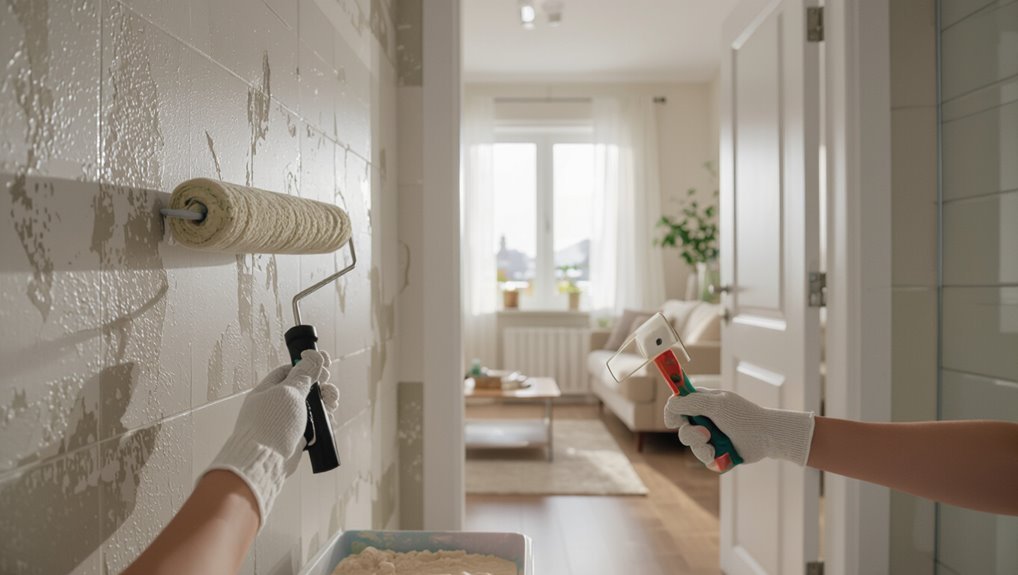
Who’s this for and what’ll you learn?
You’ll get concise mold prevention tips and clear primer selection criteria to decide if a mold‑killing primer suits your situation.
This helps homeowners, renters, and DIYers facing past or recurring mildew.
You’ll learn when to rely on products, what conditions need fixing first, and which primer features matter for durable, safer results.
Do Mold‑Killing Primers Actually Work?
You’ve learned when a mold‑killing primer might help; now let’s ask whether those primers actually stop mold long-term.
They can reduce spores and block stains when combined with proper mold prevention strategies and correct primer application techniques.
You’ll still need to fix moisture sources, clean affected surfaces, and monitor humidity.
Primers aid control but aren’t a permanent cure without addressing underlying causes.
How Mold‑Killing Primers Differ From Regular Primers
You’ll notice mold‑killing primers include antimicrobial active ingredients that regular primers don’t, so they can inhibit spore growth.
They’re formulated to penetrate porous surfaces more deeply for better anchoring and treatment.
And unlike standard primers, they leave a long‑term protective film that helps prevent future mold return.
Antimicrobial Active Ingredients
Mold-killing primers stand apart from regular primers because they contain antimicrobial active ingredients—compounds that inhibit or kill mold, mildew, and the bacteria that feed it.
You’ll see different active ingredient types like quaternary ammonium, zinc pyrithione, and titanium dioxide; each offers varying antimicrobial efficacy, spectrum, and longevity.
Choose based on targeted organisms and treated environment for best results.
Surface Penetration Ability
After choosing an antimicrobial active ingredient, consider how deeply the primer actually penetrates the surface—this determines whether it merely sits on top or reaches mold embedded in pores and cracks.
You’ll want a product with proven penetration depth to access spores in porous materials. Better penetration improves surface durability by bonding within substrate fibers, not just forming a superficial layer.
Long-Term Protective Film
While regular primers mainly focus on adhesion and appearance, mold-killing primers form a long-term protective film that actively resists microbial growth, so you get both coverage and ongoing defense against mold and mildew.
- You get long lasting protection that inhibits spores.
- The film boosts surface durability against moisture.
- It reduces repaint frequency.
- It keeps treated areas hygienic and easier to clean.
What “Mold‑Killing” Claims Usually Mean
When a primer claims to be “mold‑killing,” it usually means it contains biocides or antimicrobial agents that inhibit mold growth on painted surfaces.
You should know those claims often apply only to surface mold prevention and don’t guarantee eradication of existing, deep or hidden mold.
Also, effectiveness is limited by proper surface prep, product concentration, and environmental conditions.
What “Mold‑Killing” Means
“Mold‑killing” usually doesn’t mean every spore is instantly wiped out; it generally refers to a product’s ability to reduce visible mold, inhibit regrowth for a limited time, or kill a portion of the organisms on a treated surface.
You should know it varies by mold types and fits into wider prevention strategies:
- Surface sanitizing
- Biocidal action
- Temporary inhibition
- Complement to cleaning
Limitations Of The Claim
Knowing what vendors mean by “mold‑killing” helps, but you should also understand its limits. You’ll find primers reduce surface spores but won’t fix moisture, hidden colonies, or long-term mold prevention. Don’t rely solely on marketing; combine mold prevention strategies with repairs and cleaning. Be wary of primer effectiveness misconceptions and use primers as one tool, not a complete remediation solution.
| Claim | What it means | Reality |
|---|---|---|
| Kills mold | Surface reduction | Temporary |
| Prevents mold | Inhibits regrowth | Requires dryness |
| Sanitizes | Lowers spores | Not full remediation |
| Warranty | Manufacturer promise | Conditional on conditions |
Common Active Ingredients in Mold Primers
Several commercially available mold primers rely on a handful of active ingredients that you should recognize: quaternary ammonium compounds (quats) for broad-spectrum surface disinfection, sodium hypochlorite for rapid mold stain removal, hydrogen peroxide for a less corrosive oxidizing action, and specialized fungicides like isothiazolinones for longer-term prevention.
- Quats — supports mold prevention strategies when paired with proper primer application techniques.
- Bleach (sodium hypochlorite).
- Hydrogen peroxide.
- Isothiazolinones.
How Those Ingredients Act on Mold and Mildew
You’ll see that active ingredients either kill mold on contact or leave a lingering barrier that prevents regrowth.
Some act immediately by disrupting cell membranes or proteins, while others release slow-acting biocides that provide residual protection.
Understanding which action you need helps you pick a primer that matches the scope and duration of your mold problem.
How Active Ingredients Work
When you spray or apply a mold-killing primer, its active ingredient goes to work by disrupting mold cells’ essential processes—either breaking down their cell walls, denaturing proteins, or interfering with respiration—so the colony can’t grow or reproduce.
- You’ll see cell wall rupture.
- You’ll interrupt energy production.
- You’ll denature crucial enzymes.
- Use efficacy comparison to choose active ingredients.
Residual vs Immediate Action
Although some primers kill mold on contact, others leave a protective residue that keeps spores from recolonizing, and you’ll want to know which action matters for your project. You should weigh immediate effects versus residual action: immediate effects remove visible growth now, residual action prevents return. Choose based on moisture risk, surface type, and desired longevity.
| Action Type | Effect | Best Use |
|---|---|---|
| Immediate | Kills now | Short-term cleanup |
| Residual | Prevents return | High-moisture areas |
| Both | Kill+protect | Long-term control |
Kill Versus Inhibit: What Primers Can and Can’t Do
Because primers are formulated to do different jobs, it’s important to know whether one will actually kill mold or just keep it from growing.
Because primers serve different purposes, check whether one actually kills mold or merely prevents its growth.
You’ll assess primer effectiveness against various mold types, consider cleanup methods, and plan prevention strategies like surface preparation and moisture control.
Compare products for staining issues and note product comparisons for realistic expectations.
- Kill vs inhibit
- Residual action
- Practical limits
- Maintenance
When Using a Mold‑Killing Primer Is Appropriate
If you’re dealing with recent, surface-level mold and the underlying source of moisture is fixed, a mold-killing primer can be a sensible next step to both neutralize remaining spores and prepare the surface for paint.
You should use it after proper mold identification, cleaning, and drying.
Pair primer use with prevention techniques—ventilation, dehumidifiers, and repairs—to keep mold from returning.
When a Primer Is Not an Appropriate Fix
When mold has soaked deep into materials, or you’ve got ongoing moisture issues, a mold‑killing primer won’t fix the problem—you’ll just be covering symptoms.
- You need mold remediation when structural materials are compromised.
- Don’t rely on primer efficacy for hidden contamination.
- Stop painting over active leaks; fix the source first.
- Call professionals for extensive infestation or health risks.
Active Mold vs. Old Stains: How To Tell
You’ll want to tell active mold from old stains by looking for telltale signs like spreading patterns, fuzzy growth, or spots that reappear after cleaning.
Check the stain’s age indicators — faded, set-in discoloration usually means an old stain, while fresh, sharp edges suggest recent activity.
Trust your nose and touch: active mold often smells musty and feels slimy or powdery, whereas old stains are typically dry and odorless.
Active Mold Signs
Although mold and old stains can look similar at a glance, active mold shows telltale signs you can spot: fuzzy or slimy texture, musty odor, spreading edges, and areas that feel damp or stain darker over time.
- Visible fuzziness or glossiness.
- Persistent musty odor.
- Growth that expands despite cleaning.
- Damp patches you can’t dry.
Use mold identification techniques and note health impacts.
Stain Age Indicators
Spotting active mold often gives you clear sensory clues, but determining how old a stain is takes a different eye. You use mold detection cues like edge sharpness and spread rate for stain identification. Compare recent vs. old: recent edges sharp, color vivid; old stains fade, set-in, and resist cleaning.
| Emotion | Cue |
|---|---|
| Urgency | Sharp edges |
| Resignation | Faded color |
Smell And Texture
When you get close enough to actually smell it, mold and old stains tell different stories: active mold often gives off a musty, damp odor and feels slightly fuzzy or slimy to the touch, while older, inactive stains usually lack a strong odor and the surface feels dry and ingrained.
- Use odor assessment first.
- Do a texture evaluation gently.
- Note moisture presence.
- Photograph for records.
Test and Assess Moisture Sources First
Before you reach for a primer, test and assess the moisture sources that fed the mold so you can fix the problem rather than just covering it up.
You should use moisture detection tools and visual checks for leaks, condensation, or poor ventilation.
Prioritize source identification—trace plumbing, roof, or HVAC issues—so remediation addresses root causes rather than masking symptoms.
DIY Mold Checks and When to Get Professional Tests
Start with a visual home inspection, checking for discoloration, musty odors, and visible growth in corners, under sinks, and around windows.
Use a DIY moisture meter to spot damp areas and test suspect surfaces before you paint.
If you find widespread staining, hidden mold, or people with symptoms, hire professionals for air or surface testing and remediation.
Visual Home Inspection
Although you can catch obvious mold yourself, a careful visual inspection helps you decide if DIY cleanup is enough or if you need professional testing.
Use an inspection checklist and basic inspection tools to note visual indicators, surface evaluation, moisture assessment, and home conditions. Quick inspection techniques focus on mold detection and damage assessment.
- Look for stains and texture changes
- Check vents and corners
- Inspect under sinks
- Note musty odors
DIY Moisture Testing
Visual clues tell you where mold might be growing, but moisture measurements show whether conditions will keep it growing or return after cleanup.
You can use a moisture meter, humidity gauge, and simple DIY testing methods to check walls, floors, and crawlspaces.
Track moisture sources like leaks, condensation, or poor ventilation.
If readings stay high or you suspect hidden growth, consider professional testing.
When To Hire Professionals
When should you call in a pro? You can do basic DIY checks, but hire specialists for thorough mold assessment and lab testing when risks escalate.
Consider a professional evaluation if:
- Visible mold covers >10 sq ft
- Health symptoms worsen
- Mold returns after cleaning
- HVAC or structural contamination is suspected
Surface Prep Before Applying a Primer
Before you roll on primer, get the surface clean, dry, and sound so the product can bond and do its job: inspect for loose paint, mold stains, and damage.
Before priming, make sure the surface is clean, dry, and sound—check for loose paint, mold, and damage.
Use surface preparation techniques like scraping, sanding, and patching.
Employ effective cleaning methods—detergent wash, mildew cleaners, or diluted bleach—then rinse and fully dry.
Mask adjacent areas before priming.
Application Tips for Best Primer Performance
Once you’ve prepped the surface, apply primer in thin, even coats so it bonds properly and dries on schedule; use proper application techniques to boost primer effectiveness.
Follow these steps:
- Work in crosshatch strokes for uniform coverage.
- Maintain consistent speed and pressure.
- Overlap passes slightly to avoid gaps.
- Clean tools immediately to preserve finish and performance.
Drying, Coats, and Recoat Timing
After applying thin, even coats with steady strokes, let each layer dry fully so the primer can cure and form a stable barrier; rushing the next coat can trap moisture and reduce mold resistance. You’ll follow recommended drying times and planned recoat intervals to guarantee adhesion and mold control.
| Step | Guidance |
|---|---|
| Coat 1 | Dry fully |
| Coat 2 | Recoat per label |
| Final | Inspect before topcoat |
How Long Primers Stay Effective
How long a mold-killing primer stays effective depends on the product’s formulation, the surface it’s applied to, and the conditions it faces; manufacturers often rate effectiveness in months to years, but high humidity, leaks, or organic debris can shorten that window.
- Check label for primer longevity.
- Expect reduced effectiveness duration in damp areas.
- Reapply after visible wear or contamination.
- Maintain dryness to extend protection.
Scientific Limits: Spores, Biofilms, Porous Surfaces
Because mold primers mainly target surface contamination, they struggle against entrenched biological structures like spores, biofilms, and deeply porous materials.
You’ll find spore transmission continues from layers primers can’t reach, while biofilm formation protects colonies.
On porous materials, surface treatments may only seal, not eradicate.
Understanding mold ecology and environmental factors helps you choose remediation beyond primers for lasting control.
Common Scenarios Where Primers Only Mask Mold
When you cover visible mold with a primer without addressing the underlying moisture or contamination, the growth often returns or spreads beneath the coating.
You need to recognize mold type distinctions and avoid primer effectiveness myths.
Common masking scenarios you’ll encounter:
Common masking scenarios you’ll encounter: painted-over active mold, primer on wet seams, coated decayed wood, sealed spore-trapping masonry.
- Painted-over active mold in basements.
- Primer over wet drywall seams.
- Coating wood with hidden decay.
- Sealing porous masonry with trapped spores.
Health and Safety When Using Antimicrobial Primers
When you use antimicrobial primers, make sure the area is well ventilated to avoid inhaling fumes.
Wear gloves, eye protection, and a respirator as recommended so you don’t expose your skin or lungs.
Choose cleaning products with proven safety profiles and follow label instructions to protect yourself and others.
Proper Ventilation Practices
Although you’re working with antimicrobial primers to kill mold, proper ventilation is essential to keep fumes and airborne spores from building up; open windows, run exhaust fans, and position portable fans so air moves away from you and out of the workspace.
Benefits include ventilation benefits and improved air circulation.
Follow these steps:
- Open opposing windows.
- Use exhaust fans.
- Aim portable fans outward.
- Limit occupancy while airing.
Protective Gear Essentials
Good ventilation helps keep fumes and spores from building up, but you still need the right protective gear to keep yourself safe while applying antimicrobial primer.
Wear an N95 or better respirator, chemical-resistant gloves, goggles, and coveralls.
Follow safety precautions: avoid skin contact, change contaminated clothing, and wash hands thoroughly.
Inspect gear for damage and replace as needed to maintain protection.
Safe Cleaner Selection
Because antimicrobial primers work best over a clean surface, pick cleaners that remove dirt, mold residues, and biofilms without leaving harmful residues behind.
You should prioritize eco friendly options and non toxic alternatives while verifying cleaner effectiveness and surface safety.
- Test small area first.
- Rinse thoroughly after cleaning.
- Avoid bleach on porous surfaces.
- Wear gloves and ventilate well.
VOCs and Environmental Considerations
When you choose a mold-killing primer, consider the volatile organic compounds (VOCs) it releases, since they affect indoor air quality and long-term health.
Low-VOC or no-VOC formulations cut airborne toxins and lessen odor without sacrificing adhesion or mildew resistance.
You should check labels for VOCs impact, select certified low-emission products, and weigh environmental effects like disposal, production footprint, and indoor ventilation needs.
Comparing Primer Bases: Oil, Latex, Shellac, Specialty
When you compare oil, latex, shellac, and specialty primers, you’ll see oil-based options offer strong adhesion and stain-blocking but higher VOCs.
Latex primers are easier to clean and lower in VOCs, yet they can struggle with severe stains or porous surfaces.
Shellac and specialty primers each have unique strengths—shellac excels at sealing and odor control while specialty formulas target specific problems—so you’ll pick based on the job’s demands.
Oil-Based Primer Pros
If you’re tackling stubborn stains, bare wood, or glossy surfaces, oil-based primers give you stain-blocking power and strong adhesion where many water-based primers struggle.
You’ll get oil based benefits like superior sealing and a durability comparison that favors longer wear.
- Excellent stain blocking
- Strong adhesion on slick surfaces
- Good for raw wood
- Resists denting and abrasion
Latex Primer Limitations
Although latex primers dry fast and clean up with water, they can struggle with severe stains, tannin bleed, and adhesion on glossy or oily surfaces; you’ll often need a shellac or oil-based primer for heavy stain blocking or bare wood.
You’ll find latex primer effectiveness fine for mild stains and interior walls, but latex primer drawbacks show on moisture-prone, high-traffic, or contaminated surfaces.
Shellac Vs Specialty
Shellac primers excel at sealing heavy stains, blocking odors, and adhering to difficult surfaces, while specialty primers (like stain-blocking, bonding, or mildew-resistant formulas) target specific problems you might face—so pick shellac for broad, aggressive sealing and specialty when you need a tailored solution.
- You get shellac benefits for tough stains.
- Specialty uses solve adhesion or mildew.
- Use shellac on water damage.
- Choose specialty for targeted prevention.
Primer Versus Bleach and Cleaners: Pros and Cons
When you’re weighing options for treating mold, primers designed to kill spores offer a longer-lasting barrier than a one-time bleach wipe or household cleaner; they seal and inhibit regrowth while cleaners mainly remove surface residue. You’ll compare primer effectiveness against quick cleaning alternatives and decide based on substrate, damage, and desired longevity.
| Option | Key point |
|---|---|
| Primer | Inhibits regrowth |
| Bleach | Surface removal |
| Cleaners | Temporary control |
| Cost | Varies by product |
Alternatives for Long‑Term Mold Control
To keep mold from coming back, you should improve ventilation, control indoor humidity, and choose mold-resistant materials.
Upgrading fans, sealing ductwork, and adding vents can move moisture out of problem areas.
Pair dehumidifiers and moisture barriers with mold-resistant drywall or paint to cut long-term risk.
Improve Ventilation Systems
Good ventilation is one of the most effective long‑term defenses against mold because it reduces indoor humidity and removes airborne spores before they settle. You should evaluate and upgrade airflow pathways, exhaust fans, and intake vents to keep moisture levels consistently low.
Focus on improving airflow and enhancing insulation to prevent condensation.
- Inspect ducts
- Upgrade fans
- Seal gaps
- Add vents
Control Indoor Humidity
Because indoor humidity fuels mold growth, you’ll want to keep moisture levels consistently low by using alternatives like dehumidifiers, targeted ventilation, and moisture-absorbing materials; these options help control relative humidity in problem areas without major remodeling. You’ll improve indoor air quality and prevent recurrence by applying practical humidity control methods and monitoring levels regularly.
| Tool | Target Area | Benefit |
|---|---|---|
| Dehumidifier | Basement | Lower RH |
| Exhaust fan | Bathroom | Remove moisture |
| Silica packs | Closet | Absorb dampness |
Use Mold‑Resistant Materials
A practical step for long‑term mold control is choosing mold‑resistant materials during repairs and upgrades; they cut the chance of spores taking hold and reduce maintenance needs over time.
- Pick mold resistant coatings for walls and trim.
- Use moisture‑tolerant building materials in basements.
- Install water‑resistant drywall or cement board in wet areas.
- Choose treated wood or composite for trim and cabinets.
When to Call a Professional Remediator
When should you call a professional remediator? You should hire one if mold covers over 10 square feet, returns after DIY fixes, or you smell persistent mustiness.
Professionals perform a thorough mold assessment, recommend remediation strategies, handle hidden contamination, and protect HVAC and structure.
Call a pro if you or family have allergies, asthma, or weakened immunity to guarantee safe, complete removal.
Including a Primer in a Remediation Plan
Including a primer in your remediation plan helps seal surfaces, block lingering spores, and improve the adhesion of final coatings so your fix lasts.
You’ll pair proper mold remediation with targeted primer application to reduce recurrence and prepare surfaces for repair.
Follow these steps:
Follow these steps to properly remediate: clean and dry, remove damaged material, apply mold-resistant primer, then finish.
- Clean and dry affected areas.
- Remove damaged material.
- Apply mold-resistant primer.
- Recoat with final finish.
Cost Comparison: Primer, Remediation, and Repairs
Because you want to limit costs without sacrificing results, compare the price of mold-resistant primer, full remediation, and subsequent repairs up front so you can make informed choices.
You’ll weigh cost effectiveness of DIY priming versus professional remediation, factoring long-term repair risks and warranty differences.
Budget considerations should guide whether primer alone suffices or if investing in remediation prevents costlier structural repairs later.
Real‑World Results: Case Studies and User Reports
After weighing costs and warranty differences, look next at real-world performance to see how mold‑killing primers actually hold up over time.
After costs and warranties, focus on real-world durability: how mold-killing primers perform over months and years.
You’ll want concise case studies and user experiences for an effectiveness analysis focused on real life applications.
Compare outcomes, prep, and environment to judge durability.
- Long-term repaint reports
- Small-spot fixes
- High-moisture trials
- DIY vs pro results
How Manufacturers Test Antimicrobial Claims
When you read a manufacturer’s claim that a primer is “mold-killing” or “antimicrobial,” know that those words rest on specific lab tests—standardized challenge protocols that measure reduction of fungal or bacterial colonies under controlled conditions.
You should check reported methods: which organisms, exposure times, and pass/fail criteria. Antimicrobial testing follows manufacturer standards and lab accreditation, so verify protocols before trusting performance.
Red Flags on Labels and Marketing Copy
If a product claims it’s “mold-killing” or “antimicrobial” without citing test standards, target organisms, or certification bodies, treat the label skeptically.
You should watch for vague label transparency and exaggerated marketing tactics.
- Undefined claims
- No test references
- Buzzword-heavy copy
- Third-party logos without links
Choosing the Right Primer by Room and Material
Different rooms and surfaces face different moisture and mold risks, so pick a primer that matches the space and substrate.
You’ll consider room types and room usage to gauge moisture levels and environmental factors.
Check material compatibility and surface conditions, choose appropriate application methods, and select paint finishes that resist humidity.
Match primer specs to the substrate for lasting protection and proper adhesion.
Maintenance After Priming To Prevent Return
Because primer stops active mold growth but doesn’t change how a space behaves, you’ll need a regular maintenance plan to keep mold from returning.
- Inspect monthly for damp spots and address leaks immediately.
- Use dehumidifiers and improve ventilation as preventative measures.
- Clean surfaces with mild detergent during ongoing maintenance.
- Reapply sealant or primer touch-ups where coating wears thin.
Primer Decision Checklist: Use, Treat, or Hire Pros?
Wondering whether you should use a mold-killing primer yourself, treat the problem more thoroughly, or call in professionals?
Assess size, cause, and health risk: small, non-toxic patches could get primer benefits when combined with cleaning.
Assess size, cause, and health risk — small, non-toxic patches may respond to cleaning plus a mold-killing primer.
Larger infestations, recurrent issues, or structural moisture need treatment or pros.
Weigh primer drawbacks like limited penetration and temporary control; hire experts for hidden contamination or liability concerns.
Practical Summary: When Primers Help-And When They Don’t
When you’re deciding whether a mold-killing primer will help, focus on the size, location, and cause of the growth: primers can be effective on small, surface-only stains after proper cleaning, but they won’t fix hidden contamination, ongoing moisture, or structural damage.
- Small stains: use primer types after cleaning.
- Recurrent mold: address moisture first.
- Structural decay: hire pros.
- Health risks: don’t risk mold health; get remediation.
Frequently Asked Questions
Can Mold-Killing Primers Affect Indoor Air Quality Long-Term?
Yes — they can. You might inhale volatile compounds or disturbed mold spores if ventilation’s poor; with good air circulation and low-VOC formulations, long-term impacts lessen, but sensitive people could still experience persistent respiratory or allergic effects.
Do Primers Work on Mold in HVAC Ducts or Insulation?
Like putting a bandage on a leaking pipe, primers can’t fully treat mold in HVAC ducts or insulation. You’ll need mold prevention techniques, HVAC maintenance tips, cleaning, drying, and replacing contaminated insulation for lasting results.
Can Painted-Over Mold Cause Structural Damage Later?
Yes — if you just paint over mold, it can return and worsen, creating mold regrowth prevention failures and long-term structural integrity concerns, so you should remove and remediate mold before repainting to protect building health.
Will Primer Interfere With Future Wallpaper or Finishes?
Primers can affect primer compatibility and wallpaper adhesion, so you’ll want to choose a product labeled compatible with wallpaper or breathable finishes; otherwise the primer could reduce adhesion or trap moisture and cause future peeling or failure.
Are Mold-Killing Primers Safe Around Pets and Children?
Think of a gentle fog settling; you shouldn’t assume pet safety or zero child exposure. You’ll want low-VOC, labeled-safe products, ventilate, keep kids and pets away during application and curing, and follow manufacturer precautions closely.
Conclusion
You’re right to question whether mold‑killing primers really work — here’s the truth: they can stop surface mold and help prevent regrowth on previously cleaned, dry, and non‑actively infested surfaces, but they won’t fix hidden moisture, structural contamination, or heavy infestations. Use them after proper cleaning and moisture control, pick the right formulation for the room, and treat the source first. If in doubt or mold is extensive, hire a pro.
