
How Do You Remove Soot From Painted Walls Safely
You can safely remove soot from painted walls by first evaluating damage and ventilating the room, then dry-cleaning with a soft vacuum and chemical sponge to lift loose particles. For mild stains, wipe top-down with a pH-neutral detergent and warm water, blotting rather than scrubbing. For heavy soot, test a gentle alkaline cleaner or baking soda paste on an inconspicuous spot before wider use, rinse and dry, then neutralize odors and prime stubborn stains — keep going for full guidance.
What Is Soot and Why It Stains Painted Walls
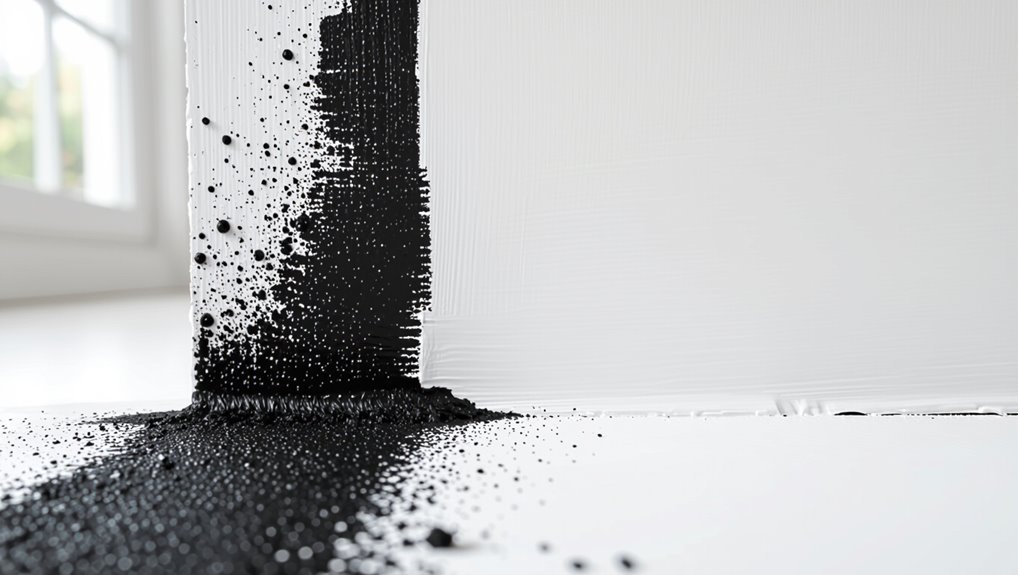
When soot settles on your painted walls, it’s actually a mix of tiny carbon particles, unburned fuel residues, and oily compounds produced by incomplete combustion.
These microscopic bits cling to paint by embedding in its tiny crevices and by bonding with any greasy film on the surface, so they both sit on and chemically interact with the finish, causing dark, stubborn staining.
You’ll learn soot composition and staining causes, helping you assess damage and choose cleaning methods.
Quick Overview: Clean Soot From Painted Walls in 5 Steps
Start by evaluating the damage and gathering supplies so you can clean soot from painted walls safely and efficiently.
Begin by assessing damage and gathering supplies to clean soot from painted walls safely and effectively.
Wear gloves and a mask, dry-dust gently, then vacuum with a brush.
Test wall cleaning solutions in a hidden spot.
Use mild detergent and soft sponge, rinse, and dry.
Consider repainting if stains persist.
Follow soot removal techniques stepwise for best results.
How to Assess Soot Damage Safely and Know Its Severity
Before you touch anything, assess the scene for safety and the extent of soot so you can prioritize what needs cleaning or professional attention.
Check ventilation, structural stability, and odor levels.
Use simple soot assessment techniques: visual mapping, tactile checks, and photos.
Note damage severity indicators like staining depth, paint blistering, and lingering smoke smell to decide DIY cleaning or pro intervention.
How to Test a Small Area Before Full Cleaning
Before you start, pick an out-of-sight spot like behind a piece of furniture or inside a closet to test.
Apply a mild cleaner on a soft cloth and gently rub the area to see if the paint or finish reacts.
If there’s no discoloration, bubbling, or paint loss after it dries, you can proceed with more confidence.
Choose An Out-Of-Sight Spot
Pick a discreet spot—behind a bookshelf, inside a closet, or near a baseboard—so you can try your cleaning method without ruining a visible area.
You’ll check for hidden damage and paint reaction before tackling larger sections.
Use simple test methods: apply your chosen approach, wait to dry, inspect under different light, and note any color change, lifting, or texture shifts.
Try A Mild Cleaner
When you’re ready to try a mild cleaner, work on the discreet test spot you chose and follow the product’s dilution instructions so you don’t overdo it.
Test briefly, then wait for full drying to check finish and color.
Try:
- a diluted soap solution avoiding mild abrasives
- a water-and-vinegar mix from natural cleaners
- blotting not rubbing to assess damage
Protective Gear and Room Ventilation for Soot Cleanup
Before you start cleaning, put on proper personal protective equipment like gloves, an N95 mask, and goggles to keep soot and particles off your skin and out of your lungs.
Open windows and use fans to create steady airflow that pushes contaminated air out of the room.
Keeping PPE on and maintaining ventilation will reduce exposure and make cleanup safer and more effective.
Personal Protective Equipment
One essential step is equipping yourself with proper protective gear and ensuring good room ventilation to limit inhalation and skin contact with soot.
You’ll use safety gear while applying gentle cleanup techniques to protect skin and lungs. Follow to minimize contamination:
- NIOSH-approved N95 or P100 respirator
- Disposable nitrile gloves and eye protection
- Disposable coveralls and shoe covers
Ventilation And Airflow
Although you’ll already be wearing protective gear, keep ventilation as your first line of defense by creating steady airflow that pushes soot-laden air out of the room; open windows and exterior doors, run box fans facing outward, and use a window exhaust fan or portable HEPA-filtered air scrubber to capture fine particles.
You’ll position intake and exhaust for effective airflow management, seal off other areas, and follow ventilation tips to reduce recontamination.
Dry-Clean Soot From Painted Walls: Vacuuming and Dry Sponges
Start by dry-cleaning the soot to prevent smearing and make later wet cleaning easier.
You’ll work carefully, using gentle vacuum techniques and choosing the right sponge types to avoid paint damage.
- Use a vacuum with a soft brush attachment, keeping it slightly off the surface.
- Test a dry sponge in an inconspicuous spot.
- Dab, don’t rub, lifting soot gradually.
Wet-Clean Mild Soot: Detergents and Safe Technique
For mild soot, pick a gentle detergent—like a pH-neutral dish soap or a cleaner labeled safe for painted surfaces.
Test your solution on a hidden spot first to make sure it won’t strip or discolor the paint.
When you clean, wring the cloth well and wipe with light, overlapping strokes to avoid smearing or soaking the wall.
Choose Mild Detergent
Pick a mild, pH-neutral detergent—like dish soap or a gentle all-purpose cleaner—and dilute it in warm water to lift light soot without harming paint.
Use soft cloths, gentle strokes, and change solution often. Understand mild detergent benefits and consider alternative cleaning solutions for tougher spots.
- Test sparingly on an inconspicuous area
- Wring cloths thoroughly
- Rinse and dry promptly
Test Hidden Area First
Before you wet-clean any soot, test a hidden area first so you won’t damage visible paint.
Pick inconspicuous hidden areas near baseboards or behind furniture, apply your diluted detergent with a cotton swab, and wait to check for discoloration, softening, or finish loss.
Use simple testing methods, record results, and only proceed if the paint shows no adverse reaction.
Gentle Wiping Technique
Now that you’ve confirmed the paint holds up in a hidden spot, you’re ready to wet-clean mild soot.
Use gentle materials and effective tools, like soft cloths and mild detergent solutions.
Work top-down, dabbing gently; don’t scrub. Rinse with clean water and dry.
- soft microfiber cloth
- mild detergent mix
- clean water rinse
Removing Heavy Soot: Safe TSP Alternatives and Methods
When soot’s thick and stubborn, you’ll need stronger cleaners than a damp cloth but safer options than traditional TSP (trisodium phosphate). You’ll try gentle alkaline cleaners, baking soda paste, or vinegar solutions as soot removal techniques and eco friendly solutions. Test a hidden spot, work top-down, and blot—don’t scrub.
| Method | Use |
|---|---|
| Baking soda paste | Lift soot gently |
| Vinegar mix | Break oils |
| Mild alkaline | Safer than TSP |
| Rinse & blot | Prevent stains |
Using Degreasers and Solvents on Soot-Stained Walls (Safety First)
Before you reach for any degreaser or solvent, pick a product meant for painted surfaces and test it on an inconspicuous patch to check for discoloration or finish damage.
Wear gloves, eye protection, and make certain the room is well ventilated or use a respirator if the label recommends it.
Work slowly, following manufacturer directions and never mix chemicals.
Choose Appropriate Solvent
Choosing the right solvent is essential because some cleaners will remove soot while others will damage paint or leave stains; always test a small, inconspicuous patch first.
You’ll pick solvent types and cleaning agents based on paint finish and soot severity. Try gentle options before stronger ones:
- Mild detergent or trisodium phosphate substitute
- Isopropyl alcohol for stubborn spots
- Commercial degreaser labeled safe for painted surfaces
Follow Safety Precautions
Because degreasers and solvents can be harsh, you should protect yourself and the room before you start cleaning: open windows for ventilation, wear gloves and eye protection, and use a respirator if the product label recommends it.
Test a discreet spot, follow label directions, keep kids and pets away, and prepare proper safety gear.
Dispose of rags and follow cleanup techniques to avoid contamination.
Soot Cleanup by Finish: Flat, Eggshell, Satin, and Gloss Tips
Different paint finishes show soot differently, so you’ll adjust your cleaning approach for flat, eggshell, satin, and gloss surfaces.
Use proper soot removal techniques and consider wall finish considerations when choosing cleaners and pressure.
Quick tips:
- Flat: dry-brush, then gentle sponge to avoid removing paint.
- Eggshell/Satin: mild detergent, soft cloth, test first.
- Gloss: more forgiving—use stronger cleaner and light scrubbing.
How to Neutralize Soot Odors After Cleaning
After you’ve removed visible soot, you’ll still notice lingering odors that cling to walls, fabrics, and HVAC systems; neutralizing them requires targeted steps rather than more surface wiping.
Open windows, launder textiles, and wipe surfaces with mild enzyme cleaners.
Open windows, launder fabrics, and wipe surfaces with mild enzyme cleaners to remove lingering odors.
Use odor neutralizers on fabrics and activated-charcoal or HEPA air purifiers for rooms and ducts.
Consider professional HVAC cleaning if smell persists.
When to Prime and Repaint: Best Primers and Paint Choices
1 clear sign you should prime is persistent staining or ghosting from soot that doesn’t lift with cleaners; when stains show through or the surface looks uneven, prime before repainting.
You’ll choose primer types and paint finishes based on porosity and odor-blocking needs.
- Oil-based stain-blocking primers
- Shellac primers for heavy smoke
- Low-VOC latex finishes for touch-ups
Preventing Future Soot Buildup and Smoke Damage
Once you’ve sealed stubborn soot with the right primer and repainted, you can take steps to reduce future soot and smoke damage so the work lasts longer.
Use soot prevention tips: maintain fireplaces, use proper vents, and choose candles carefully.
Maintain fireplaces, ensure proper venting, and pick candles wisely to prevent soot and smoke buildup.
Install and service detectors, run range hoods, and add air purifiers for air quality improvement.
Regular cleaning prevents buildup and preserves paint.
Troubleshooting Stubborn Soot Stains and Common Problems
If you still see stubborn soot after cleaning and repainting, don’t assume it’s permanent—there are specific causes and fixes you can try.
Identify soot sources, dismiss cleaning myths, and act decisively.
- Test degreasers and trisodium phosphate for embedded residues.
- Check HVAC, chimney, and appliance leaks for ongoing deposits.
- Consider sealed primer or professional remediation if stains persist.
Frequently Asked Questions
Can Soot Contaminate HVAC Systems and Ductwork?
Yes — soot can contaminate HVAC systems and ductwork, coming from various soot sources like fireplaces or cooking; you’ll need thorough HVAC maintenance, filter replacement, duct cleaning, and sealing to prevent spread and protect indoor air quality.
Are Children or Pets at Specific Risk From Soot Residues?
Yes — you should panic slightly: soot exposure can hit kids and pets harder, causing respiratory issues and other health risks, so you’ll clean thoroughly, limit contact, ventilate, and consult a doctor if symptoms show.
How Long After a Fire Is It Safe to Re-Enter and Clean?
You can usually re-enter after firefighters declare it safe and hazards are controlled; follow fire safety re entry guidelines, wait until structural, air quality, and utility checks are done, and don’t clean until professionals approve.
Do Professional Restorers Use Ozone or Thermal Fogging?
Yes — you’ll see professionals use both: ozone effectiveness varies for odor removal but can damage materials, while thermal fogging’s solvent-laden fog penetrates and neutralizes residues; you’ll want pros weighing risks, ventilation, and material compatibility.
Will Insurance Typically Cover Soot Cleanup Costs?
Often yes, often no: you’ll need to check your insurance policies for specifics. Many policies include cleanup coverage for soot from covered perils, but deductibles, exclusions, and limits can reduce or deny your claim.
Conclusion
Soot can seem like just a nuisance, but it’s worth addressing quickly — studies show indoor air pollution, including soot, can be 2–5 times higher than outdoor levels, so cleaning matters for health as well as appearance. You’ve learned safe steps, testing methods, and when to prime or repaint; now act carefully, wear protection, and ventilate well. If stains persist or damage’s severe, call a pro to protect your home and air quality.
