
Where Can I Get Cinder Blocks for Free? Smart Sources
You can score free cinder blocks from local construction sites, Habitat for Humanity ReStores, municipal surplus yards, Buy-Nothing or community Facebook groups, and Craigslist Free listings; landscaping companies and nurseries sometimes give away extras too. Always ask permission, document agreements, inspect blocks for cracks or spalling, measure for size and count with waste allowance, and bring gloves, a dolly and straps for safe transport. Keep an eye on seasonal cleanups and listings—keep going to learn tips on pickup, storage, and legal precautions.
Top Places to Get Free Cinder Blocks (Quick List)
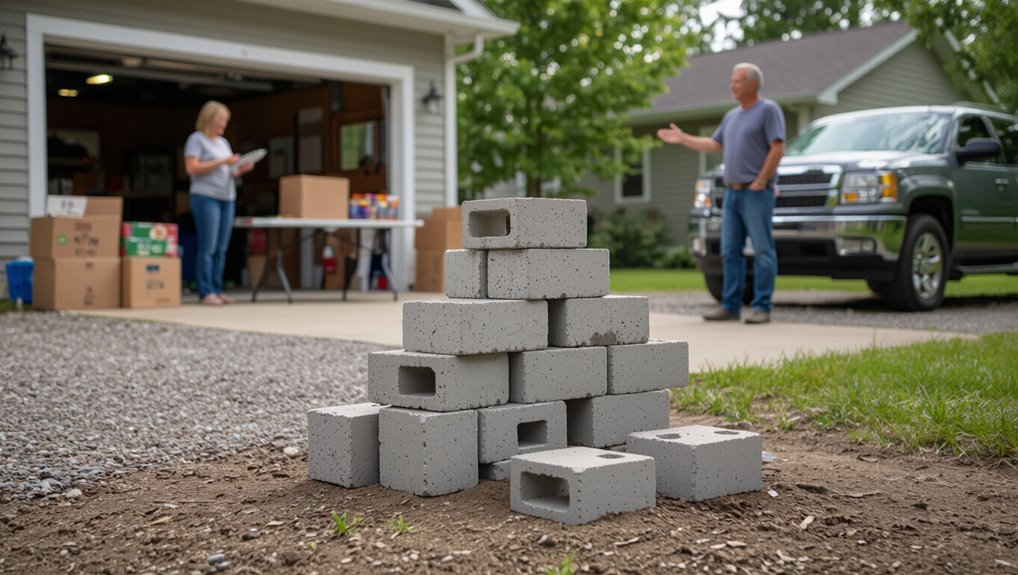
You can score free cinder blocks from several reliable sources if you know where to look: check construction sites, Habitat for Humanity ReStores, Craigslist Free, community Facebook groups, and municipal surplus yards.
Inspect for different cinder block types and condition, then plan creative uses like raised beds, shelving, or temporary supports.
Always ask permission and transport safely to avoid damage or liability.
Why Free Cinder Blocks Are Realistic and Legal
Although it might seem too good to be true, finding free cinder blocks is both realistic and legal when you follow a few common-sense steps.
You can tap community resources like buy-nothing groups, construction giveaways, and local nonprofits.
Check legal considerations—property rights, permits, and liability—before collecting.
Communicate clearly with donors, document agreements, and transport blocks safely to avoid disputes and fines.
Measure, Count, and Choose the Right Blocks
Start by measuring the area you’ll build and noting the block size and dimensions you need so everything fits right.
Then count how many blocks the layout requires and add a waste allowance (usually 5–10%) for cuts and breakage.
With measurements and a final tally, you’ll know exactly which free blocks will work.
Block Size And Dimensions
Before you haul any blocks, measure the project area and sketch a simple plan so you can count exactly how many units you’ll need.
Check common block varieties (8x8x16 in inches, half-blocks, interlocking) and match dimensions to your project ideas.
Consider thickness, voids, and weight so pieces fit and handle safely.
- Compare sizes
- Note opening placement
- Verify transport limits
Count And Waste Allowance
Now that you’ve matched block sizes to your plan, count how many full and half units you’ll need and add a waste allowance for cuts, breakage, and leveling.
Calculate a 5–10% buffer for routine loss, increase for complex cuts, and track extras separately.
Coordinate with suppliers and recycling initiatives to reuse scraps, and follow local waste management rules to dispose of unusable pieces responsibly.
Best Days and Seasons to Find Free Blocks
When should you hunt for free cinder blocks? You’ll score more by tracking seasonal trends and timing searches around local events when people clear yards or donate materials.
Check listings weekly and visit pickup hotspots after community cleanups, moving days, or garden seasons.
Scan listings weekly and swing by pickup spots after cleanups, moving days, and seasonal garden clearouts.
- Spring cleanup surges
- End-of-summer moves
- Post-event giveaways and swaps
Construction Sites: Where to Look and Why
If you’ve been checking cleanups and listings, broaden your search to nearby construction sites — they’re a steady source of leftover or damaged cinder blocks that crews won’t bother hauling off.
Walk the perimeter, note delivery zones and staging areas, and respect site safety and construction etiquette.
Don’t block access, wear visible clothing, and take only clearly discardable blocks to avoid disrupting work.
How to Ask Contractors and Site Managers
Approach contractors and site managers politely and directly—introduce yourself, explain what you need (how many blocks and when you’ll pick them up), and ask if they’ve leftovers or damaged units they’re willing to give away.
Build contractor relationships and follow site manager etiquette to stay welcome.
- Be punctual and clear.
- Offer to haul away.
- Respect safety rules.
Demolition and Remodeling: Scoring Leftover Blocks
You can also score free cinder blocks at demolition and remodeling sites by watching for leftovers from tear-outs and rebuilds.
Go early, ask crews about planned demolition techniques, and offer to haul blocks away. You’ll save disposal costs and support block recycling when you remove usable units.
Inspect for cracks, clean mortar, and load safely so you leave sites tidy and appreciated.
Ask Renovating Local Stores for Surplus Blocks
Call nearby renovating stores and ask if they’ve overruns from recent orders you can take.
Say you’d be happy to pick up end-of-day to avoid disrupting their work.
They’ll often set aside surplus blocks if you’re punctual and ready to haul them away.
Ask About Overruns
Ever wondered whether nearby renovation stores have extra cinder blocks sitting unused?
Ask about overruns directly and use overrun strategies tied to contractor relationships to score surplus blocks. Be polite, clear, and offer pickup help.
- Call stores and ask about recent overruns.
- Mention trusted contractor relationships if applicable.
- Arrange quick collection logistics to simplify their decision.
Request End-Of-Day Picks
Wondering if local renovation stores toss usable cinder blocks at the end of the day?
Ask managers about end of day strategies and offer to pick up surplus blocks after closing.
Be polite, punctual, and clear — effective communication boosts your chances.
Mention hauling help, bring straps or a truck, and confirm a regular schedule so stores know when to set aside usable pieces for you.
Free Cinder Blocks on Online Marketplaces
When you’re hunting for free cinder blocks online, start with the major classifieds and community apps—sites like Craigslist, Facebook Marketplace, OfferUp, and Nextdoor often have listings from people clearing out garages or finishing projects.
Use online ads and marketplace strategies: search saved queries, filter by free, and message posters promptly.
- Monitor daily
- Set alerts
- Offer pickup help
How to Write a “Wanted” Ad That Works
If you’ve been scanning classifieds and still haven’t found free cinder blocks, post a clear “Wanted” ad that makes sellers choose you.
State quantity, pickup time, and location, offer polite friendliness, and promise quick removal.
Use an ad effectiveness mindset: test phrasing, include a keywords strategy (cinder blocks, free, pickup), and refresh the ad until responses arrive.
Using Nextdoor and Facebook Groups Effectively
Join your local Buy Nothing groups and neighborhood pages on Nextdoor and Facebook so you can spot free cinder block offers fast.
When you post, be specific about quantity, size, and exact pickup location so people know what to expect.
Offer a flexible pickup window and confirm arrangements quickly to avoid missed opportunities.
Local Buy Nothing Groups
Local Buy Nothing groups on platforms like Nextdoor and Facebook make it easy to score free cinder blocks from neighbors who’d rather give them away than haul them off.
You’ll tap local resourcefulness and community engagement by posting what you need, responding quickly, and offering gratitude.
- Ask clearly
- Offer pickup help
- Follow group rules
Post Clear Pickup Details
After you post in Buy Nothing or neighborhood groups, make pickup details crystal clear so donors know exactly what to expect and you’re less likely to miss out.
State your preferred pickup window, vehicle size, help needed, exact address or meeting spot, and any safety notes.
Use Nextdoor and Facebook to confirm times, exchange contact info, and strengthen community connections while simplifying pickup logistics.
Municipal Bulky‑Item Pickup and Waste Programs
If your city or county offers bulky‑item pickup or special waste collection events, you can often score free cinder blocks by placing usable masonry at the curb on the scheduled day.
Check the program rules first, since many municipalities require items to be separated, free of mortar, or listed on a pickup form. You’ll save time and know bulky item guidelines and waste program benefits.
- Confirm pickup schedule and restrictions.
- Label usable blocks and remove debris.
- Monitor community exchange boards for listings.
Reuse Centers, Habitat ReStores, and Salvage Yards
Finding free or cheap cinder blocks at reuse centers, Habitat ReStores, and salvage yards can be more reliable than curbside pickups, so check these spots next.
You can visit reuse centers for sorted stock and learn reuse center benefits like low-cost sales, seasonal donations, and vetted condition.
Habitat restore partnerships often supply reclaimed blocks; call ahead, arrange pickup, and negotiate bulk discounts or reserve specific pieces.
Landscaping Companies and Nurseries With Excess Blocks
Ever wondered where pros stash their extra materials? You can ask landscaping companies and nurseries about cinder block sourcing through landscaping partnerships.
They often have leftover blocks from projects and will give or sell them cheap. Reach out, explain your need, and offer pickup.
- Call local landscapers
- Visit nurseries
- Offer hauling help
Get Overstock Blocks From Supplier Yards
When supplier yards overorder or change a job, they’ll often have surplus cinder blocks they need to move fast; call or visit local concrete and masonry suppliers to ask about overstock or clearance piles.
You can build sourcing strategies by checking weekly, offering to haul, and negotiating small discounts.
Cultivate supplier relationships so you’re top of mind when surplus appears.
Safely Take Leftover Building‑Supply Blocks
If you want leftover cinder blocks from building‑supply stores, approach the staff politely, explain you’ll haul them away, and ask about damaged, chipped, or surplus pallets they’re planning to discard.
Emphasize block safety and ethical sourcing, confirm permission, and offer to sign a release.
Consider:
- Inspect for structural cracks.
- Use gloves and proper lifting.
- Transport on secure pallets.
Freecycle, Swap Networks, and Local Swaps to Check
Look for local Freecycle groups, neighborhood swap networks, and community barter pages on Facebook where people regularly give away leftover cinder blocks; you’ll often find posts offering small piles for pickup if you comment quickly and arrange a safe time to collect them. Use community sharing and resource exchange rules, verify condition, and coordinate pickup safely.
| Group | Platform | Tip |
|---|---|---|
| Freecycle | Forum | Ask early |
| Swap page | Offer help | |
| Barter meet | Local | Inspect blocks |
Timing Tips: Best Pickup Days and Seasons
Because people clear projects and yards most often on weekends and at season changes, you’ll have the best luck checking listings late Friday through Sunday and during spring and fall cleanouts.
Use targeted pickup strategies tied to seasonal trends to snag free blocks quickly. Prioritize timing, communication, and transport.
- Monitor weekends
- Watch spring/fall cleanups
- Ready a vehicle and helpers
How to Evaluate Block Condition and Avoid Defects
When you pick up free cinder blocks, start with a careful visual inspection for cracks, spalling, and large chips that could weaken the unit.
Tap the block with a hammer or handle to listen for a solid sound—hollow or dull tones can signal internal damage.
Reject blocks with visible hairline fractures or uneven surfaces that compromise fit and structural integrity.
Visual Damage Inspection
Before you load up a pile of cinder blocks, inspect each one closely for visible damage—cracks, spalling, chips, and signs of previous structural stress all compromise strength and suitability.
You’ll use simple visual inspection techniques and basic damage assessment tools to screen blocks quickly.
- Look for hairline and through-cracks.
- Tap for hollow or delaminated areas.
- Reject crumbled corners or heavy spalling.
Structural Integrity Tests
To make sure a block will carry load and last, run a few quick structural integrity tests you can perform on-site without special gear. Tap for hollow sounds, check for cracks, measure dimensions, and do simple load testing with stacked weights. Note units that wobble or crumble. Basic structural analysis helps decide reuse.
| Test | What to watch for |
|---|---|
| Tap | Hollow sound |
| Crack check | Width/length |
| Measure | Size tolerance |
| Load test | Deflection |
| Visual | Surface flaws |
What to Bring: Tools, PPE, and Loading Gear
You’ll need a short, solid checklist of tools, personal protective equipment, and loading gear so you can move blocks safely and efficiently.
Pick appropriate tool types and follow basic safety guidelines: gloves, eye protection, and boots. Use tools and gear suited to block size and vehicle.
- Pry bar, dolly, straps
- Work gloves, goggles, steel-toe boots
- Ratchet straps, moving blanket, ramps
Safe Lifting, Loading, and Securing for Transport
Use your legs, keep the load close, and avoid twisting when you lift each cinder block to protect your back.
Stack and brace blocks in the truck or trailer so they won’t shift, and place heavier blocks on the bottom.
Secure the load with rated tie-downs or straps and check tension before you drive.
Proper Lifting Technique
Start by evaluating the block’s weight and your route—plan how you’ll lift, where you’ll set it down, and clear any trip hazards.
Use lifting safety and ergonomic techniques: bend knees, keep back neutral, hug the block close. Communicate if someone helps.
- Test a small lift.
- Use gloves and sturdy shoes.
- Take breaks and switch sides.
Secure Loading Methods
While you plan each lift, visualize the full loading sequence so you can move blocks smoothly from ground to vehicle, minimizing awkward reaches and regrips.
Use team lifts, gloves, and short carries to reduce strain. Stack blocks low and centered in the bed for stability.
Maintain loading safety by pacing yourself and checking footing. For block transportation, keep weight balanced and avoid sudden movements.
Transport Tie-Downs
Once your blocks are loaded, secure them with sturdy tie-downs so they can’t shift during transit; check straps for cuts, rated working load, and tightness before you move.
You should use proper transport safety and proven tie down techniques to prevent damage or injury.
- Use nylon ratchet straps rated above load.
- Cross straps to limit movement.
- Pad edges and recheck tension.
Short‑Term Storage and Weather Protection
If you’re collecting free cinder blocks for a short project or between jobs, keep them dry and off the ground to prevent staining, efflorescence, and shifting.
Stack them on pallets or pressure-treated lumber and cover them with a breathable tarp or tarp plus a few straps so moisture doesn’t get trapped.
For short term solutions, check weather considerations: slope site for runoff, elevate blocks, and ventilate covers.
Permissions, Etiquette, and Paperwork to Avoid Trouble
Because taking cinder blocks often involves other people’s property and local rules, you should always get permission and document it before you load anything into your vehicle.
Respect legal requirements and neighborly norms: get written consent, note location and time, and carry contact info.
- Written permission
- Photo proof of condition/location
- Permit or municipal check
Frequently Asked Questions
Can I Legally Transport Blocks Across City or County Borders?
Yes—you can, but you’ll need to follow transport regulations and local city ordinances; check weight limits, load securement, and any permit or hazardous material rules, and contact both jurisdictions to avoid fines or vehicle impoundment.
Do Cinder Blocks Leach Chemicals Into Soil or Plants?
Generally, cinder blocks rarely leach harmful chemicals, but you should investigate specific block composition to be sure. You’ll check for chemical leaching risks, test for soil safety, and avoid crushed or coated blocks near edible plants.
How Do I Cut or Drill Cinder Blocks Safely at Home?
You cut and drill cinder blocks using proper cutting techniques and drilling safety: wear goggles, gloves, dust mask, clamp the block, score with a masonry chisel, use a circular saw with diamond blade or angle grinder, and a masonry bit for drilling.
Can I Use Free Cinder Blocks for Load‑Bearing Structures?
Yes: you can, but inspect and test — check load capacity, confirm structural integrity, verify grade and condition, and follow engineer specifications; don’t assume uniform strength, don’t improvise connections, and don’t skip professional approval.
Do I Need to Disclose Free Block Sources When Selling a Finished Project?
You don’t usually have to disclose free block sources, but you should consider ethics of sourcing and project transparency; disclose relevant material origins if they affect safety, permits, warranties, or resale value to avoid liability and buyer disputes.
Conclusion
You’ve got a clear roadmap now — places to check, when to go, what to bring, and how to handle permissions — but before you grab a dolly or knock on the first construction gate, pause. There’s one final step that separates a smart haul from a costly mistake: one quick verification that could save you time, money, and headaches. Do that, and the rest falls into place; skip it, and you might wish you hadn’t. What will you choose?
