
How to Remove Paint From Cloths: Easy and Effective Cleaning Methods
Act fast: blot fresh paint, scrape off excess, then rinse water-based paint under cold water and pre-treat with dish soap. For acrylic or partially dried spots, apply rubbing alcohol or vinegar, gently work with a soft brush, then launder per the care label. Use mineral spirits or turpentine for oil-based paints, testing solvents on a hidden seam first and working in a ventilated area with gloves. Follow-up steps and fabric-specific tips will help you finish the job.
How This Guide Helps You Remove Paint From Cloths
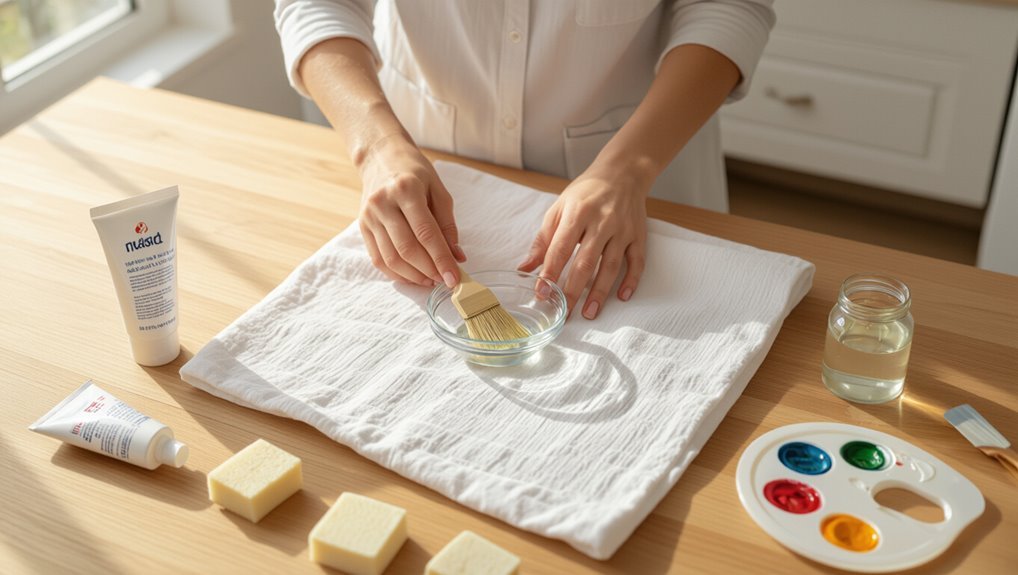
Although paint can feel permanent, this guide shows clear, step-by-step methods to get it out of fabric.
You’ll learn practical fabric care tips, targeted techniques for different paint types, and stain prevention strategies to minimize damage.
Follow concise instructions, use common supplies, and decide when professional help’s needed so you can restore garments efficiently without guessing or causing further harm.
Quick Answer: Remove Paint From Cloths Right Away
Act fast and treat the stain right away to keep it from setting.
Blot gently—don’t rub—to lift paint without spreading it.
Then pick the appropriate solvent for the paint type and follow the product instructions.
Act Fast Immediately
The sooner you treat a paint stain, the better your chances of removing it completely, so grab a clean cloth and start blotting to soak up excess paint before it sets.
Act fast: check fabric care, scrape off excess, then apply appropriate solvent for the paint type.
Quick response improves paint removal techniques and follows key stain prevention tips to stop permanent damage.
Blot, Don’t Rub
When paint gets on your clothes, blot the stain with a clean cloth or paper towel instead of rubbing, because rubbing spreads the paint and works it deeper into the fibers.
You’ll use simple blotting techniques: press gently from edges toward the center, change cloths as they absorb paint, and avoid rubbing risks like enlarging the stain or embedding pigment further into the fabric.
Use Appropriate Solvent
If blotting removes surface paint but some residue remains, reach for the right solvent and work quickly to prevent the stain from setting.
Identify solvent types—water for latex, mineral spirits or turpentine for oil-based—and test on a hidden seam.
Apply sparingly, blot outward, then launder per care label.
Prompt, proper solvent use guarantees effective cleaning without fabric damage.
Identify the Paint: Water-, Oil-, Acrylic-, or Spray?
First check the paint can or garment label for clues—water-based paints will usually say so, while oil-based or solvent-based paints may list turpentine or mineral spirits.
If there’s no label, smell the stain carefully: oil-based paints have a strong solvent odor, while acrylics and latex smell milder or slightly plasticky.
Identifying the type lets you pick the right remover and avoid making the stain worse.
Determine Paint Type
How can you tell what kind of paint you’re dealing with? Check paint characteristics visually and by touch:
Water-based feels milky and washes off; oil-based is glossy, sticky, and resists water; acrylic dries flexible and plastic-like; spray often has fine mist and even coverage.
Identifying type guides safe, effective cleaning techniques—use the solvent or detergent suited to that paint for best results.
Check Label/Smell
1 quick check you can do before any stain treatment is read the paint can label and take a smell test—both tell you whether you’re dealing with water-based, oil-based, acrylic, or spray paint.
If it smells solventy or oily, treat as oil/spray; if faint or like acrylic, use water-based methods.
Always follow fabric care tags to guide stain prevention and safe cleaning steps.
Identify the Fabric: Fiber and Its Removal Odds
Before you try any stain-removal method, check the fabric content and weave: natural fibers like cotton and linen usually tolerate stronger cleaners and higher heat, while synthetics and blends can melt, discolor, or shrink if treated too aggressively.
You’ll assess fabric types to gauge paint penetration and choose appropriate removal techniques—gentle solvents for delicates, stronger cleaners for sturdy weaves—always testing an inconspicuous spot first.
When You Must Act Fast vs When You Can Wait
Knowing the fabric tells you what treatments it can handle, but timing often matters more for paint: if the stain is fresh, act immediately to prevent setting; if it’s fully dry and you can’t treat it right away, you can often wait and use stronger, solvent-based methods later.
You should prioritize emergency response for fresh spots and plan stain prevention steps.
- Blot fresh paint
- Rinse promptly
- Reserve solvents for dry stains
Test a Cloth Before Treatment (Fast Checks)
Before you start treating a paint stain, check the fabric label for washing instructions and any warnings.
Test a hidden spot with water or your chosen solvent to make sure the color won’t run.
If the fabric isn’t colorfast or the label warns against solvents, choose a gentler approach or consult a pro.
Check For Colorfastness
Want to make sure your stain treatment won’t ruin the fabric? Do a quick colorfastness test to confirm fabric compatibility before applying solvents.
Dab a bit of cleaner on an inconspicuous spot, wait, blot with a white cloth. If color stays, proceed. If it bleeds, choose gentler methods or professional help.
- test spot
- blotting check
- alternate method
Inspect Fabric Label
When you grab the garment, check the fabric label first so you know what solvents and temperatures are safe—look for fiber content, washing symbols, and any warnings about dry-clean only or bleaching.
That label significance guides safe fabric care choices: you’ll avoid solvents that harm fibers, skip hot water on shrink-prone items, and decide if professional cleaning is required before attempting paint removal.
Tools and Supplies to Have on Hand
Gather a few essential tools and supplies so you can act quickly when paint lands on your clothes.
Keep basic paint removal tools and simple fabric care items nearby to prevent stains from setting. Have gloves, absorbent cloths, and a soft brush ready.
- Disposable gloves
- Absorbent rags/paper towels
- Soft-bristled brush and small container for pre-treatment
Household Products That Safely Remove Paint
You can often tackle fresh paint with simple household items before reaching for commercial removers.
Start with soap and warm water for water-based paints.
Try a vinegar and baking soda paste for stubborn spots, and use rubbing alcohol to lift dried stains on many fabrics.
Test any method on an inconspicuous area first and blot gently to avoid spreading the stain.
Soap And Warm Water
Soap and warm water work surprisingly well on fresh paint—act fast, and you can usually lift water-based paints with minimal scrubbing.
Wet the stain, apply a mild soap (consider different soap types like dish soap or liquid laundry detergent), and gently rub until color lifts. Rinse and repeat as needed; launder normally when mostly removed.
- Blot, don’t spread
- Use warm water
- Test fabric first
Vinegar And Baking Soda
If the paint’s fresh or water-based, vinegar and baking soda can often break it down without harsh chemicals.
You’ll heat white vinegar, dab it on the stain, then sprinkle baking soda to lift residue.
The vinegar benefits include softening pigments; baking soda effectiveness helps scrub and neutralize odor.
Rinse, launder promptly, and repeat if traces remain until the fabric looks clean.
Rubbing Alcohol Technique
When water and vinegar haven’t fully shifted the stain, reach for rubbing alcohol to dissolve many water-based and some acrylic paints without harming most fabrics.
You’ll blot, test an inconspicuous spot, then rinse. Rubbing alcohol benefits include quick lifting and minimal fabric damage; consider alternative cleaners for delicate materials.
- Blot gently
- Test first
- Rinse thoroughly
Safe Solvents for Water-Based (Latex) Paint
Because latex paint is water-based, you can usually remove fresh spills with mild, non-toxic solvents that won’t damage fabric—think warm water, dish detergent, and rubbing alcohol for tougher spots.
For safe removal, blot excess, rinse with warm water, apply detergent, gently rub, then launder.
For stubborn stains, repeat blotting and use rubbing alcohol sparingly before washing.
Test on an inconspicuous area first.
Solvents and Chemicals for Oil-Based Paint
For oil-based paint you’ll need stronger solvents like mineral spirits, acetone, or turpentine, so pick one recommended for your fabric and paint type.
Test the solvent on a hidden seam first and work in a well-ventilated area with gloves to avoid skin contact.
Follow product instructions and dispose of used solvent safely to protect yourself and the environment.
Choosing The Right Solvent
Although oil-based paints resist water, you can dissolve their binders with the right solvent—mineral spirits, turpentine, and paint thinner are the common choices, each with different strength, odor, and safety profiles.
You’ll pick based on solvent properties and solvent compatibility with fabric, finish, and paint type.
- Strength vs. gentleness
- Odor and ventilation needs
- Fabric sensitivity and colorfastness
Safe Solvent Usage
When you’re working with solvents like mineral spirits, turpentine, or paint thinner, prioritize ventilation, protective gear, and careful handling to minimize health and fire risks.
You should read labels, test a hidden fabric area, and keep solvents away from heat and flames.
Use small amounts for targeted solvent application, blot rather than rub, and store containers tightly closed to maintain solvent safety.
Removing Acrylic Paint From Cloths: Step-by-Step
Acrylic paint can be stubborn, but you can often lift it from fabric if you act quickly and use the right steps.
Pre-treat wet spots, scrape dried bits, then launder per fabric care instructions. Use gentle solvent or dish soap as needed.
Steps:
- Blot excess, rinse cold
- Apply solvent or detergent, agitate
- Wash and air-dry, repeat if needed
Removing Latex Paint From Clothing: Step-by-Step
Latex paint can be tricky, but you can often remove it from clothing if you act quickly and follow a clear process.
Scrape excess, rinse with cold water, pre-treat stains with liquid detergent or dish soap, then launder using the hottest safe setting.
Check before drying; repeat treatment if needed. These paint removal tips protect your garment and preserve fabric care.
Removing Oil-Based Paint From Cloths: Step-by-Step
Because oil-based paint bonds more strongly than water-based formulas, you’ll need solvents and a bit more elbow grease to get it out of clothing.
Test solvent on an inconspicuous spot first. Blot excess, apply mineral spirits or paint thinner, then launder per care label.
Consider fabric types when choosing treatment.
- pre-treat stains
- use appropriate solvent
- launder promptly
Tackling Enamel and Alkyd Paint on Fabric
If you get enamel or alkyd paint on fabric, act quickly and resist scrubbing, which can push pigment deeper into fibers; instead, scrape off any excess with a blunt edge, blot fresh spots with a clean cloth, and test solvents on a hidden seam before applying them.
For enamel paint and alkyd paint, choose solvents based on fabric types, use gentle blotting, and launder after successful stain removal.
Removing Spray Paint, Metallics, and Textured Finishes
When spray paint, metallics, or textured finishes land on clothing, act fast and work outward from the stain—don’t rub, which drives pigments deeper.
You’ll face removal challenges with paint adhesion across fabric types; use appropriate cleaning tools, drying techniques, and safety precautions.
Consider eco friendly options when possible.
- Assess fabric types and adhesion
- Choose tools and techniques
- Follow safety and disposal guidance
Wet Paint vs Dried Paint: What Changes
When paint is still wet you can usually blot or rinse it out before it soaks in, so act fast to prevent staining.
Dried paint bonds to fibers, becomes stiff or flaky, and often needs scraping, solvents, or stronger treatments.
You’ll use gentler, time-sensitive methods on wet paint and more aggressive, careful techniques on dried paint to avoid damaging the fabric.
Wet Paint Behavior
Although wet paint feels flexible and can be lifted or blotted away, dried paint bonds to fibers and becomes much harder to remove.
You’ll act faster because paint absorption and fabric interaction happen quickly; blot, don’t rub.
Quick steps:
- Blot excess with a cloth
- Rinse with cold water to limit spread
- Use mild detergent and gently agitate until stain lightens
Dried Paint Challenges
You acted fast with wet paint, but once it dries the situation changes dramatically: dried paint forms a rigid film or bonds chemically with fibers, so you’ll need different tools and techniques.
You’ll face tougher staining, possible fabric damage, and less margin for error. Choose appropriate cleaning techniques, test solutions on a hidden seam, and be prepared for more effort than with fresh spills.
Removal Technique Differences
Someone dealing with wet paint can often blot and lift it with minimal risk, but dried paint requires scraping, solvents, or mechanical abrasion and demands more care to avoid damaging fibers.
You’ll choose removal techniques based on paint state; here’s a quick effectiveness comparison:
- Wet: blot, rinse, mild soap — high success.
- Partially dried: solvent soak, gentle agitation — moderate.
- Fully dried: scrape, strong solvent, brush — lower.
Removing Paint From Delicate Fabrics (Silk, Wool)
Because silk and wool react differently than cotton, you’ll need gentler methods and quicker action to avoid permanent damage.
Blot excess paint, avoid rubbing, and test solvents on a hidden seam.
For silk care use mild detergent and cold water; for wool treatment, use wool-safe cleanser and cool blotting.
Prioritize stain prevention by acting fast and consider professional cleaning for stubborn or dried paint.
Removing Paint From Sturdy Fabrics (Cotton, Denim)
If you spill paint on cotton or denim, act fast to blot or scrape off excess before it sets.
Pick a solvent suited to the paint type—water for latex, acetone or mineral spirits for oil-based—and test it on an inconspicuous spot first.
After treating the stain, launder the item with a strong stain remover before drying.
Act Fast Promptly
When paint lands on sturdy fabrics like cotton or denim, act quickly to keep the stain from setting—fresh paint is far easier to remove than dried.
You’ll improve paint stain prevention and fabric care by blotting excess, rinsing under cold water, then treating promptly.
Follow simple steps:
- Blot or scrape gently
- Rinse from back of fabric
- Apply stain treatment and launder immediately
Choose Appropriate Solvent
Once you’ve blotted, rinsed, and treated the spot, pick a solvent that matches the paint type and fabric—using the wrong one can damage cotton or denim. For sturdy fabrics, focus on solvent selection and solvent properties: compatibility, volatility, and strength. Test hidden areas first.
| Paint Type | Solvent | Risk |
|---|---|---|
| Water-based | Soap/water | Low |
| Acrylic | Isopropyl | Medium |
| Oil-based | Mineral spirits | High |
Launder With Stain Remover
Start by treating the stained area with a commercial stain remover or a concentrated laundry detergent—work it into the fibers with your fingers or a soft brush so the product penetrates the paint residue.
Then follow these stain removal strategies and effective techniques before washing.
- Let sit per product directions
- Wash in warm water, sturdy cycle
- Air-dry and repeat if needed
Treating Blended or Unknown Fabric Mixes
Although you mightn’t know the exact fiber content, you can still treat blended or unknown mixes safely by testing, choosing gentler solvents, and working gradually; start with spot testing on an inconspicuous seam, use the mildest effective remover (cold water, dish soap, or rubbing alcohol), and escalate only if the fabric and dye hold up.
You’ll consider fabric types, apply stain prevention mindset, blot don’t rub, and rinse thoroughly.
Prewash Treatments That Lift Common Paint Types
With blended or unknown fabrics pretested and treated gently, you can move on to prewash methods that actually lift different paint formulas.
Pretest blended or unknown fabrics gently, then use tailored prewash methods to lift specific paint types.
Use simple prewash techniques after paint identification to choose solvents or enzyme cleaners. Try targeted approaches, avoid heat, and retest.
- Water-based: soap + warm water
- Latex: detergent soak
- Oil-based: solvent wipe
Using Rubbing Alcohol and Hand Sanitizer Safely
When paint won’t budge with soap and detergent, reach for rubbing alcohol or a gel hand sanitizer and test it on an inconspicuous seam first; these alcohol-based products dissolve many water- and some solvent-thinned paints but can also damage dyes or delicate fibers.
Work from the edge inward, blot (don’t rub), ventilate, wear gloves, and follow rubbing alcohol precautions while noting hand sanitizer effectiveness on small spots before laundering.
Using Acetone or Nail Polish Remover Without Damage
If rubbing alcohol or hand sanitizer doesn’t lift the paint, you can try acetone or nail polish remover—but handle them carefully because they’re much stronger.
Test an inconspicuous spot, work in a ventilated area, and blot gently.
Consider acetone alternatives if fabric is delicate.
Nail polish tips: use minimal product, rinse, then launder promptly.
- test first
- ventilate and blot
- rinse and launder
Using Paint Thinner and Mineral Spirits Safely
Because paint thinner and mineral spirits are far stronger than household solvents, you should use them sparingly and deliberately: work outside or in a ventilated area, wear gloves and eye protection, test an inconspicuous spot, blot—don’t rub—and dispose of soaked rags safely.
Follow paint safety precautions, avoid heat or flames, and consider solvent alternatives for light stains or sensitive fabrics to reduce risk.
Using Detergent and Dish Soap Effectively
When paint gets on your clothes, pre-treat the stain right away with a dab of dish soap or liquid detergent to loosen the pigment.
Pick a detergent that targets grease and stains, work it gently into the fabric, then let it sit for a few minutes.
Rinse, repeat the treatment if needed, and launder as usual once the stain has visibly lightened.
Pre-Treat Stains Immediately
Act quickly: the sooner you pre-treat a paint stain, the better your chances of removing it.
Use gentle agitation with dish soap and water, applying detergent directly to the spot. Employ pre treatment techniques and basic stain removal tools to lift paint before it sets.
Try these quick steps:
- Blot excess paint
- Apply soap, rub gently
- Rinse and repeat until lighter
Choose The Right Detergent
Choose a detergent that matches the paint type and fabric: water-based paints respond best to a regular liquid dish soap or laundry detergent, while oil-based paints need a stronger solvent-based cleaner or a degreasing laundry formula.
You’ll test detergent types on an inconspicuous area, apply gently, and judge stain effectiveness before full treatment.
Pick concentrated formulas for tougher spots and follow label warnings.
Rinse And Repeat Steps
After loosening the paint with detergent or dish soap, rinse the area under warm running water and repeat the application as needed until the stain fades; you’ll want to work from the fabric’s back to push paint out rather than further in.
Use rejuvenating techniques and consider alternative methods if needed:
- Agitate gently with detergent
- Apply dish soap directly, let sit
- Rinse, inspect, repeat
Vinegar and Baking Soda: When They Help
While vinegar and baking soda won’t lift every kind of paint, they can be surprisingly effective on fresh water-based stains and for loosening dried specks. You can use them to soften paint before scraping or to neutralize residue after a solvent treatment.
Use vinegar benefits by applying diluted white vinegar, then sprinkle baking soda to fizz and lift; blot, rinse, and repeat until the stain fades.
Commercial Stain Removers and Paint-Removal Products
Look for commercial stain removers and paint-removal products labeled for the type of paint you’re dealing with—water-based, oil-based, or acrylic—because each formulation uses different solvents and enzymes and works differently on fabric.
Choose products marked safe for fabric, test a hidden area, and consider eco friendly solutions.
Opt for fabric-safe products, patch-test first, and favor eco-friendly stain removers whenever possible.
- Follow label instructions
- Pretreat promptly
- Launder per fabric care instructions
When to Scrape or Brush: Techniques That Work
Start by evaluating the paint’s state—if it’s thick, crusted, or mostly dry, scrape or brush off as much as you can before applying solvents so you don’t push pigment deeper into the fibers.
Use gentle scraping techniques with a blunt edge, working outward from the stain, and try stiff-bristle brushing methods to lift flakes.
Don’t abrade delicate fabrics; test inconspicuously first.
Soaking Cloths Without Setting the Stain
After you’ve removed loose flakes, don’t soak the fabric blindly—improper soaking can set pigments instead of lifting them.
You should test water temperature, choose a suitable solvent for the paint type, and limit soak time to avoid embedding color.
Follow these soaking techniques for stain prevention:
- Test a hidden area first.
- Use cool water and mild solvent.
- Soak briefly, then blot gently.
Launder Treated Cloths Properly After Removal
Wash treated clothes promptly to prevent any remaining paint from setting and to remove solvent residues that can damage fabric or cause discoloration.
Wash treated clothes promptly to prevent paint from setting and remove solvent residues that can damage or discolor fabric.
Pretreat stains with a suitable remover, check care labels, and choose the hottest safe cycle.
Use a heavy-duty detergent and avoid bleach unless label allows.
Inspect garments before drying and repeat treatment if traces remain.
Follow laundry tips for proper fabric care.
Drying Tips to Avoid Re-Staining
When drying treated clothes, lay them flat to keep residual paint from spreading and to preserve shape.
Don’t use direct heat like a hot dryer or iron, which can set any lingering stains.
Keep contaminated items separate so they won’t transfer paint to clean garments.
Air Dry Flat
Lay the garment flat to dry on a clean towel so paint can’t re-soften and transfer to other areas or fabrics.
You should use air drying on a flat surface, smoothing fabric to prevent pooling and re-staining. Keep it isolated and level until fully dry.
- Smooth wrinkles gently
- Place on a clean towel
- Avoid stacking or folding until dry
Avoid Direct Heat
Because high heat can reactivate paint and set stains, don’t use a dryer or direct heat sources while the garment’s still tacky.
Instead, let the item air dry flat away from radiators, sunlight, or other heat sources.
Check fabric care labels for temperature guidance and only tumble dry once paint is fully removed and the fabric’s dry, preventing re-staining and damage.
Separate Contaminated Items
After the paint is no longer tacky, keep treated garments apart from clean laundry to prevent transfer during drying.
You’ll use simple separation techniques and fabric protection to avoid re-staining. Dry items separately, inspect before mixing, and air-dry when possible.
- Dry contaminated items alone
- Use barrier bags or covers
- Check for remaining spots before combining with other clothes
Cleaning Reusable Work Rags and Drop Cloths
Keep reusable work rags and drop cloths in rotation by sorting them immediately after use—separate oil‑ or solvent‑soaked items from water‑based paint debris so you can treat each group correctly and avoid spreading contaminants.
You’ll soak solvent‑safe rags in appropriate solvent, launder water‑based items with hot water and detergent, and adopt reuse strategies and stain prevention habits like frequent washing, drying fully, and storing clean cloths separately.
Restoring Favorite Clothing With Stubborn Paint Stains
If you want to save a favorite piece, act fast—fresh paint wipes and solvents can be much easier to remove than dried stains.
Check the paint type before treating it, since water-based, oil-based, and enamel paints each need different solvents and techniques.
Start with the gentlest method for that paint and only escalate if it doesn’t work.
Act Fast Immediately
When you notice paint on your favorite shirt, act immediately—fresh paint is far easier to remove than dried, so the minutes you spend now can save the garment.
You’ll start an emergency response to limit damage and follow stain prevention steps:
- Blot gently with a clean cloth to remove excess.
- Rinse under cold water from the back.
- Apply a mild detergent and launder promptly.
Treatment By Paint Type
Now that you’ve handled the initial emergency steps, you’ll need different methods depending on the paint type—water-based, latex, acrylic, or oil-based each respond differently. You’ll choose removal techniques: pre-soak, scrape, solvent, or brush and launder. Follow labels, test solvents, and repeat gently until stain lifts.
| Paint types | Best action |
|---|---|
| Water-based | Rinse, soap |
| Latex | Scrape, detergent |
| Acrylic | Alcohol, scrub |
| Oil-based | Solvent, dry-clean |
Removing Paint From Upholstery and Linens
Removing paint from upholstery and linens calls for quick action and the right approach, since fabric and padding can trap pigment and solvents differently than clothing.
You’ll assess fabric types and paint types, use appropriate cleaning tools, and prioritize upholstery care, fabric protection, and stain prevention.
Consider paint alternatives and eco friendly solutions for safe fabric maintenance and upholstery cleaning.
- Blot, don’t rub
- Test cleaners first
- Vacuum after drying
Handling Large Paint Spills on Fabric
Large spills demand immediate, organized action: you’ll contain runoff, blot excess paint gently, and remove items to a protected area.
Prioritize paint spill prevention by covering surroundings and wearing old clothes.
Cover surfaces and wear old clothes to prevent paint mishaps—small steps that save big cleanup time.
For soaked fabric, scrape dried edges, rinse with cold water, then apply appropriate fabric treatment techniques—detergent or solvent per paint type.
Repeat until stain lifts, then launder promptly.
Stay Safe: Protecting Yourself When Using Solvents
When you work with solvents, wear chemical-resistant gloves to keep your hands safe.
Make sure the area is well-ventilated or use a respirator to avoid breathing fumes.
Protect your eyes and any exposed skin with goggles and long sleeves.
Wear Chemical-Resistant Gloves
Before you handle solvents or paint removers, put on chemical-resistant gloves to keep your skin safe from irritation, burns, and long-term exposure.
You should follow safety precautions, choose correct glove types, and replace damaged pairs promptly.
- Nitrile: good solvent resistance
- Neoprene: flexible, durable
- Butyl: for stronger chemicals
Ensure Proper Ventilation
Even if you’re working with a small stain, make sure the area is well ventilated so solvent fumes don’t build up and harm your lungs or cause dizziness.
Open windows, run fans, or work outdoors to reduce vapors.
Understand ventilation importance before starting, follow safety tips like avoiding enclosed spaces, and stop if you feel lightheaded or nauseous.
Protect Eyes And Skin
Although solvents can clear paint fast, they can also irritate or burn your eyes and skin, so wear proper protection every time. You should always prioritize eye protection and skin safety when working.
Follow these quick steps:
- Wear sealed safety goggles to prevent splashes.
- Use chemical-resistant gloves and long sleeves.
- Keep eyewash and first-aid nearby for immediate treatment.
Protecting Brushes and Tools From Cloth Contamination
1 simple habit will save your brushes and tools from ruined bristles and clogged ferrules: keep them off contaminated cloths and set up a dedicated cleaning and storage station.
For effective brush care and tool maintenance, rinse immediately after use, wipe on clean disposable rags, and store bristles up or flat.
Label bins for dirty versus clean items to prevent accidental contact.
When a Cloth Is Beyond Saving
You can usually save rags and cloths with prompt care, but sometimes a piece is past recovery — saturated with dried paint, solvent stains, or fused fibers that will contaminate future projects.
You’ll know it’s irreparable damage when fabric durability is compromised. Dispose safely or repurpose for non-clean tasks.
- discard if brittle
- reserve for messy jobs
- label as contaminated
When to Consult a Professional Textile Cleaner
If stains persist after your best efforts or the fabric is delicate or vintage, consult a professional textile cleaner.
You should seek professional assessment when paint won’t lift, labels warn against home treatments, or the item has sentimental or monetary value.
A cleaner’s cleaning expertise reduces risk of damage and dye shift, and they can recommend conservation or restoration steps you shouldn’t attempt at home.
Cost-Effective Ways to Save Multiple Stained Cloths
When you’re facing several paint-stained garments, prioritize quick sorting and batch treatment to save time and money:
Treat items by paint type, soak similar fabrics together, and use affordable solvents for cost saving techniques while focusing on fabric preservation.
- Pre-sort by fabric and paint type
- Use bulk pretreat soak solutions
- Reuse gentle solvents and launder together
Common Mistakes That Make Paint Stains Worse
1 common mistake that makes paint stains worse is scrubbing them vigorously right away; hard rubbing forces pigment deeper into fibers and spreads the stain. You should blot, test solvents, and follow fabric care labels for stain prevention. Stay calm, act promptly, and avoid heat.
| Emotion | Reaction |
|---|---|
| Frustration | Pause |
| Panic | Breathe |
| Regret | Learn |
| Urgency | Plan |
| Hope | Try |
Why Paint Removal Fails (And Quick Fixes)
Because paint behaves differently depending on its type, fabric, and how long it’s sat, removal can fail even when you think you’ve done everything right.
Paint removal varies with paint type, fabric, and drying time—so even careful efforts can still fail.
You’ll need correct painting tips and basic fabric care to succeed.
Quick fixes:
- Act fast: scrape or blot excess.
- Match solvent to paint type.
- Test on hidden seam before treating further.
Eco-Friendly Methods to Remove Paint From Fabric
If you want to remove paint from fabric without harsh chemicals, choose simple, biodegradable options like white vinegar, baking soda, and plant-based dish soap; they work on fresh and some dried paints and limit environmental harm.
You can pretreat stains with vinegar, scrub with a baking soda paste, then launder using eco friendly products.
These natural alternatives are safe, effective, and biodegradable.
Preventive Habits to Avoid Future Paint Stains
When you plan ahead and adopt a few simple habits, you can keep most paint mishaps off your clothes:
Adopt preventive techniques and protective clothing, focus on paint handling and workspace organization, and practice stain prevention through cleaning habits.
Plan paint storage and fabric selection before projects, and use mindful painting and project planning to reduce risks.
- Wear dedicated coveralls
- Keep tidy trays and drop cloths
- Store and label paints properly
Decision Checklist: Step-by-Step Flow for Treating Paint on Cloths
Start by quickly evaluating the stain: note the paint type (water-based or oil-based), how long it’s been there, and the fabric’s care label so you can choose the right treatment path and avoid damaging the garment.
Next, isolate steps: scrape excess, test solvent, pre-treat, launder per fabric care, and repeat if needed.
Choose paint removal techniques appropriate to the fabric and paint.
Frequently Asked Questions
Can Paint on Cloth Cause Skin Irritation After Handling?
Yes — you can get irritated if paint contacts your skin. Depending on paint types and your skin sensitivity, you’ll react more to solvents, oils, or allergy-triggering additives, so wash thoroughly and use gloves to prevent problems.
Are Scented Household Cleaners Safe for Paint Removal?
Better safe than sorry: you shouldn’t assume scented household cleaners are always safe for paint removal, because scented ingredients can irritate skin and damage fabrics, and their cleaning effectiveness varies, so test a hidden patch first.
How Long Can Treated Cloths Be Stored Before Laundering?
You can store treated cloths up to 48–72 hours before laundering; for longer storage, limit to a week with airtight bags and refrigeration to aid cloth preservation and prevent paint transfer, mildew, or solvent evaporation.
Will Stain Removers Affect Printed or Embroidered Designs?
Careful caution can conserve: you’ll usually avoid damage if you test first. Stain removers can affect printed or embroidered designs, so prioritize design preservation and fabric care, choose gentle products, and spot-test before full treatment.
Can Frozen Cloths Make Paint Flakes Easier to Remove?
Yes — you can freeze stained garments: freezing frozen fabric can make paint adhesion brittle, so you’ll loosen flakes more easily. You’ll need to chip gently after freezing, then treat residue with appropriate solvent or detergent.
Conclusion
Act fast — about 80% of paint stains can be removed if you treat them within the first 24 hours — so don’t wait. Identify the paint and fabric, then use the right solvent, gentle agitation, and patience. For delicate fibers, opt for milder, eco-friendly methods or a professional. Learn prevention habits, keep emergency supplies nearby, and follow the decision checklist to save more clothes and frustration next time.
