
Will Bleach Damage Exterior Paint? What You Should Know
You can use diluted bleach on exterior paint for mildew and grime, but you’ll need to be careful: strong solutions or long contact times can fade, soften, chalk, or even etch finishes. Test a small area first, work in shade, limit contact to 5–10 minutes, rinse gently and thoroughly, and protect plants and hardware. Choose gentler oxygen-based cleaners for sensitive surfaces and consider repainting or professional help for heavy damage if you want to learn more.
Quick Summary: Will Bleach Harm Exterior Paint?
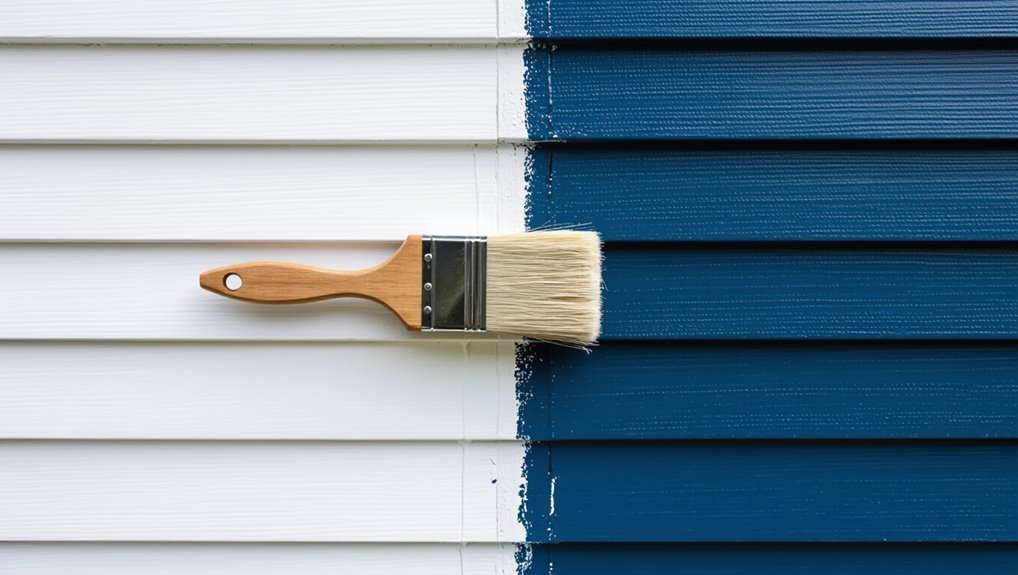
Wondering if bleach will ruin your exterior paint? You can use diluted bleach cautiously for mold and mildew, but repeated or strong applications may harm paint longevity by fading or softening finishes.
Test a small area, rinse thoroughly, and limit exposure.
Consider safer cleaning alternatives like oxygen bleach, mild detergents, or soft-bristle scrubbing to protect coatings and extend lifespan.
Who This Guide Is For and How to Use It
This guide is for you whether you own, rent, or maintain a property and need clear guidance on using bleach safely around exterior paint.
You’ll find practical tips that work for DIY weekend projects as well as reminders professionals rely on.
Use the advice to choose the right concentration, test small areas, and protect surfaces before you clean.
Homeowners And Renters
Are you a homeowner tackling mildew on siding or a renter dealing with stubborn stains on a balcony?
You’ll get practical homeowner guidance on surface preparation, paint maintenance, and color preservation.
Consider cleaning alternatives and eco-friendly solutions before bleach.
Try simple cleaning techniques suited to your lease and paint longevity.
- Assess risks
- Test a small patch
- Document for landlords
DIYers And Professionals
Whether you’re a weekend DIYer cleaning siding or a pro hired to restore a building, this section shows how to use the guide safely and effectively. You’ll find practical steps for exterior and interior cleaning, plus tips on paint preservation to avoid damage. Use the table to pick methods and PPE quickly.
| Task | Recommendation |
|---|---|
| Light cleaning | Gentle detergent |
| Heavy mildew | Diluted bleach |
Bleach Basics: Types and Common Household Concentrations
When you’re choosing a bleach for outdoor cleaning, know that “bleach” covers several chemicals with different strengths and uses: sodium hypochlorite (liquid household bleach), hydrogen peroxide solutions, and oxygen-based powders (sodium percarbonate) are the most common.
- Sodium hypochlorite — strong, versatile; note bleach properties and common household uses.
- Hydrogen peroxide — gentler, breaks down to water.
- Sodium percarbonate — powdered, oxygen-based stain remover.
Safe Bleach Dilution Ratios for Exterior Cleaning
You should mix household bleach with water at a safe ratio—typically 1 part bleach to 10 parts water for general exterior cleaning, or up to 1:3 for heavy mold and mildew.
Let the solution sit on the surface for no more than 10–15 minutes to work, then rinse thoroughly with clean water to prevent paint damage.
Always test a small, hidden area first and protect plants and hardware before applying.
Proper Bleach-To-Water Ratio
Although bleach is a powerful cleaner, using the right bleach-to-water ratio is critical to clean effectively without harming your exterior paint.
You should balance bleach safety and cleaning effectiveness by following simple dilutions:
- 1:10 for light mildew and general cleaning.
- 1:4 for heavy staining (use caution).
- 1:20 for delicate surfaces or color-fast paint.
Application Time And Rinse
After mixing the correct bleach solution, timing and rinsing determine whether your paint stays intact or gets damaged.
You should limit application timing to 5–10 minutes on most surfaces, checking a small test spot first.
Use gentle rinse techniques with a garden hose or low-pressure washer, rinsing thoroughly until runoff is clear.
Repeat only if necessary and avoid prolonged exposure.
Personal Protective Equipment and Environmental Precautions
Wear chemical-resistant gloves, eye protection, and a mask whenever you handle bleach near painted surfaces — it’s the simplest way to prevent skin burns, eye irritation, and inhalation of fumes.
Always wear chemical-resistant gloves, eye protection, and a mask when using bleach near painted surfaces to avoid burns, irritation, and fumes.
- Use protective gear and long sleeves.
- Keep runoff contained to protect plants and waterways.
- Dispose diluted bleach per local regulations to guarantee environmental safety.
How to Test Bleach on a Small Painted Area
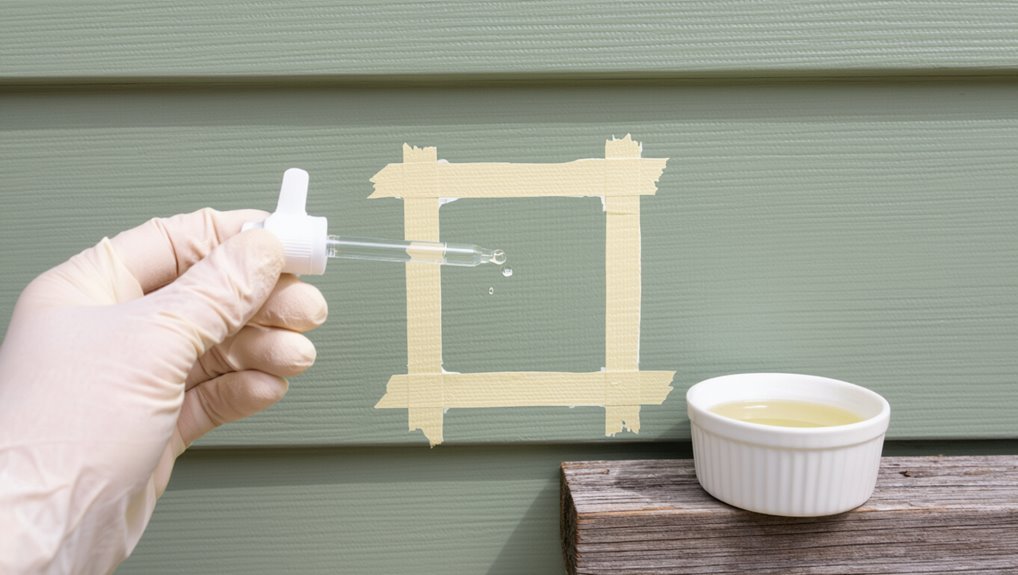
Now that you’ve suited up and protected surrounding plants, pick a hidden spot—like the underside of a trim or inside a corner—to test bleach on the paint.
Apply diluted bleach with a cotton swab, wait 10 minutes, then rinse.
Try multiple test methods on separate paint samples to compare fading, peeling, or texture change.
Document results before wider use.
Proper Application Methods to Minimize Paint Damage
When using bleach on exterior paint, you’ll want to mix it to the correct dilution so it’s strong enough to clean but not so concentrated that it strips the finish.
Apply the solution sparingly and let it sit only briefly, then rinse thoroughly with water to remove residues.
After rinsing, neutralize any remaining bleach with a mild vinegar solution to protect the paint and surrounding materials.
Dilution And Concentration
A proper bleach dilution is the single most important factor in preventing damage to exterior paint.
You should balance dilution benefits and watch concentration effects to protect finish.
Follow these concise steps:
- Mix per label—weak solutions first.
- Test a small, hidden area for 10 minutes.
- Use gentle application tools and avoid scrubbing abrasively.
Rinse And Neutralize
If you want to protect exterior paint after using bleach, rinse thoroughly and neutralize the surface immediately to stop chemical action and prevent discoloration. You should use gentle rinse techniques with plenty of water, then apply neutralization methods like diluted sodium thiosulfate or a vinegar rinse. Work top-to-bottom, avoid prolonged contact, and dry surfaces quickly to minimize paint damage.
| Step | Tool | Action |
|---|---|---|
| 1 | Hose | Flush area |
| 2 | Brush | Agitate gently |
| 3 | Neutralizer | Apply solution |
| 4 | Rinse | Remove residue |
| 5 | Dry | Air or towel |
Rinsing and Neutralizing Bleach After Cleaning
Because bleach can continue breaking down paint even after you’ve finished scrubbing, you should rinse it off thoroughly and neutralize any residue right away.
Rinse bleach off immediately and neutralize residue to prevent ongoing paint damage.
Use these steps to protect finish using proper rinsing techniques and neutralizing agents:
- Rinse with plenty of water, working top to bottom.
- Apply a mild neutralizer (vinegar or baking soda solution), then rinse.
- Dry surfaces and inspect for streaks.
How Concentration and Contact Time Change Damage Risk
When you increase bleach concentration or let it sit longer on painted surfaces, the risk of fading, chalking, and clear coat breakdown rises sharply. Stronger solutions and prolonged contact accelerate chemical oxidation and paint softening.
You should use the weakest effective mix, test a hidden area, and limit contact duration. Understanding concentration effects and monitoring time helps you prevent irreversible paint damage.
Why Fresh Paint Is More Vulnerable to Bleach
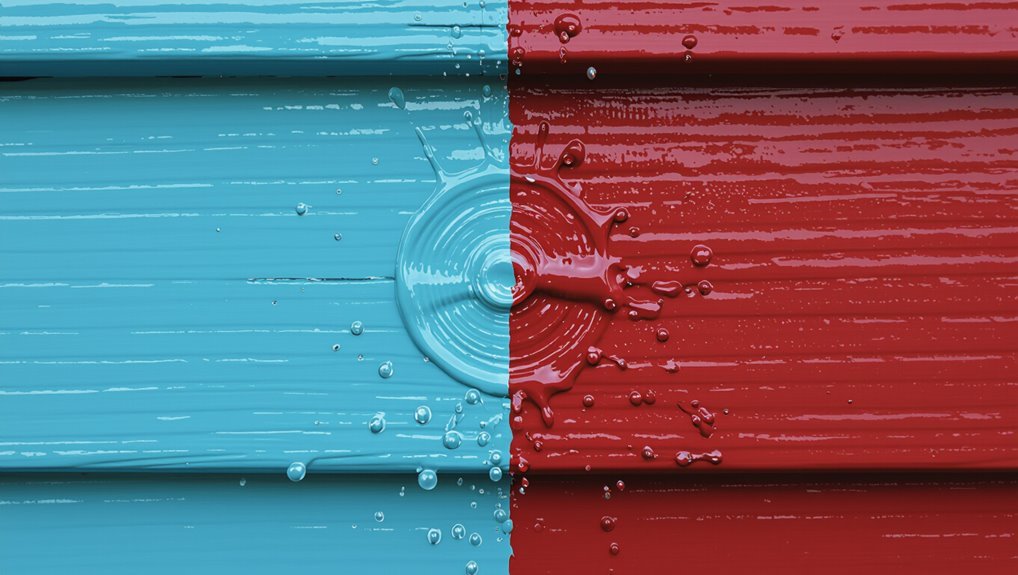
If your paint hasn’t fully cured, bleach can penetrate softer finishes and leave marks you wouldn’t see on older surfaces.
Wet or recently applied solvents in bleach solutions can react with residual paint ingredients and soften or strip the film.
Fresh paint is also more sensitive to UV and weather, so any chemical stress from bleach raises the risk of lasting damage.
Curing Time Matters
Fresh paint needs time to harden fully, and during that curing window it’s much more susceptible to bleach’s harshness.
You should understand curing effects and how they influence paint durability before cleaning.
Consider:
- Wait longer—new coats need days to cure.
- Test a hidden spot with diluted bleach.
- Rinse promptly to minimize contact time and protect the finish.
Solvent Interaction Risk
Because newly applied paint hasn’t fully cross-linked, bleach and its solvents can more easily penetrate the softer film and break down binders, thinning or clouding the finish.
You should avoid applying bleach while paint cures: different solvent types in cleaners interact with paint chemistry, dissolving or softening resins.
Wait recommended cure time, test a small inconspicuous area, and use milder cleaners if needed.
UV And Weather Sensitivity
When paint’s still curing, sunlight, heat, humidity and rain speed up chemical changes in the film, so you’ll find the finish more fragile and prone to bleaching agents.
UV rays break down binders and oxidize pigments while weather cycles swell and contract the soft film, opening pathways for bleach to penetrate and cause streaking or dullness.
- UV degradation weakens binders.
- Weather impact causes microcracks.
- Fresh films absorb cleaners.
How Temperature and Sunlight Change Bleach Reactions
Although bleach works as a strong oxidizer across conditions, temperature and sunlight change how quickly it reacts and what byproducts form, so you should consider environmental factors before using it on exterior paint.
You’ll see temperature effects: heat speeds reactions and evaporation, raising concentration and risk.
Sunlight exposure boosts breakdown and creates reactive species.
Work in cool shade, rinse promptly, and test a small area.
How Bleach Reacts With Paint Binders : Explained Simply
When you use bleach on painted surfaces, it can break down the paint binder through oxidation, weakening the film that holds pigment and filler together.
Bleach’s water and additives can also swell or soften certain binders, making the surface more vulnerable to abrasion.
Over time those chemical changes speed up color loss and fading, so what seems like a quick clean can shorten the paint’s life.
Oxidative Binder Breakdown
Because bleach is a strong oxidizer, it can attack the organic binder that holds paint pigments together, breaking chemical bonds and making the finish brittle or chalky.
You’ll notice oxidative damage that reduces binder integrity. Consider how this affects surfaces:
- Fading: pigments lose adhesion.
- Chalkiness: surface powders away.
- Cracking: brittle film fails prematurely.
Solvent Swelling Effects
Oxidative breakdown weakens the paint film, but bleach can also act like a solvent that temporarily soaks into the binder and makes it swell.
You’ll notice softening, tackiness, or reduced adhesion as solvent interaction disrupts polymer chains. That swelling stresses the coating, lowering paint durability until solvents evaporate; repeated exposure can cause cracking or premature failure, so rinse promptly and limit contact.
Long-Term Color Loss
If you leave bleach on paint long enough, it doesn’t just attack surface dirt—it breaks down the binders that lock pigments in place, causing colors to fade or shift over time.
You’ll notice reduced color vibrancy and compromised paint longevity.
Consider these actions:
- Rinse immediately to limit color fading.
- Test a hidden spot first.
- Repaint if binders are ruined.
Differences: Bleach on Latex vs. Oil-Based Paint
When you use bleach on exterior surfaces, its effects will differ depending on whether the paint is latex (water-based) or oil-based. You’ll find latex paint can absorb bleach faster, risking fading; oil based paint resists penetration but may soften or discolor with prolonged exposure.
| Paint Type | Typical Bleach Reaction |
|---|---|
| Latex paint | Faster fading |
| Oil based paint | Surface resistance, possible softening |
How Bleach Affects Different Paint Sheens (Flat, Satin, Gloss)
How will bleach interact with different paint sheens? You’ll notice varied paint sheen effects and bleach reactions depending on finish. Consider:
- Flat: absorbs more, can dull or discolor fast.
- Satin: resists better but may lighten slightly.
- Gloss: most resistant; surface wipes clean but prolonged exposure can etch or haze.
Test a hidden spot first and rinse thoroughly to limit damage.
What Bleach Does to Primer vs. Topcoat
Because primers are formulated to promote adhesion and seal the substrate, bleach tends to penetrate and weaken them more readily than it does a cured topcoat.
You’ll see primer degradation first—loss of binding and staining beneath paint. A cured topcoat resists bleach longer, but repeated exposure increases topcoat vulnerability, dulling finish and reducing protective function, so rinse promptly and limit contact.
How Bleach Can Cause Etching, Blistering, or Peeling
When you apply bleach to exterior paint, its strong alkalinity and oxidizing action can chemically etch the surface, leaving dull spots or roughened areas.
If moisture gets trapped under weakened paint, you’ll see blistering as the film separates from the substrate.
Left unchecked, those blisters and etched regions can lead to flaking and peeling that expose underlying layers to further damage.
Chemical Etching Effects
If you let concentrated bleach sit on painted surfaces, it can chemically attack the finish and cause etching, blistering, or peeling.
You’ll see how chemical reactions weaken coatings and lower paint durability.
Consider these actions:
- Rinse promptly to stop damage.
- Test a hidden area first.
- Neutralize with water and mild detergent so the finish recovers where possible.
Paint Blistering & Peeling
Although bleach is a strong disinfectant, it can break down paint binders and cause blistering or peeling on exterior surfaces if left concentrated or un-rinsed.
You’ll see reduced paint durability as moisture and chemical attack lift films, undermining surface protection.
Rinse promptly, test a small area, and avoid prolonged exposure to preserve finish integrity and prevent costly repairs.
Signs of Bleach-Related Fading vs. Normal Weathering
Because bleach reacts chemically with pigments, you’ll see different fading patterns than with ordinary sun and rain exposure.
Bleach alters pigments, producing distinct fading patterns unlike the gradual dulling caused by sun and rain exposure.
Watch for clear fading indicators versus weathering effects.
Compare:
- Patchy, high-contrast light spots where bleach contacted paint.
- Uniform, gradual dulling from sun and rain.
- Sharp edges or streaks along drip lines that point to chemical exposure rather than normal age.
Which Pigments and Colors Fade Fastest From Bleach Exposure
You’ll notice bleach attacks dyes with poor lightfastness first, so organic pigments often lose color faster than inorganic ones.
Bright, saturated hues and delicate pastels are especially vulnerable, showing streaks and washout sooner. Keep an eye on high-chroma areas if you’re worried about bleach contact.
Lightfastness Of Organic Dyes
When bleach contacts painted surfaces, organic pigments tend to lose color faster than inorganic ones. So you’ll notice certain hues fading or changing quickly; reds, pinks, purples, and some yellows—often made from anthraquinone, azo, and flavonoid-based dyes—are especially vulnerable because their molecular bonds break down under oxidative attack.
- Check dye composition for weak bonds.
- Test color stability first.
- Rinse promptly after spills.
Vulnerable Bright And Pastels
Bright and pastel paints are often the first to show bleach damage because their pigments have weaker molecular structures and lower pigment loadings.
How Bleach Affects Wood, Vinyl, Aluminum, and Stucco
Although bleach can be effective at removing mold and mildew, it reacts differently with wood, vinyl, aluminum, and stucco, so you’ll want to match your cleaning method to the material.
Consider these points:
- Wood effects: can strip finish and raise grain; rinse and test first.
- Vinyl reactions: usually safe diluted; avoid prolonged soaking.
- Aluminum impact and stucco sensitivity: aluminum can dull; stucco soaks bleach, use gentle application.
Using Pressure Washers With Bleach : Dos and Don’ts
When you use a pressure washer with bleach, pick a diluted solution that’s strong enough to clean but won’t strip paint.
You’ll want to shield any painted trim or nearby plants to prevent splatter damage.
After washing, rinse the surface thoroughly to remove all bleach residue.
Choose Appropriate Bleach Strength
Because bleach can strip paint and damage sealants if it’s too concentrated, you need to match the strength to the job and your surface.
Consider bleach concentration effects and paint surface compatibility:
- Mild mix (1:10) for painted siding and gentle mildew.
- Moderate mix (1:4) for stubborn stains on durable finishes.
- Strong mix (undiluted rarely) only for bare masonry, not painted areas.
Protect Painted Surfaces
If you’ll be using a pressure washer with bleach, take steps to protect painted surfaces from fading, lifting, or etching.
Test a small inconspicuous area first, mask trim and plants, and keep nozzle distance moderate.
Use low-pressure fan tips and diluted bleach for paint protection.
Rinse any overspray off nearby areas promptly and monitor for discoloration as part of routine surface care.
Rinse Thoroughly After Treatment
Although rinsing might feel like a final, small step, you need to wash away all bleach residue thoroughly to prevent paint fading, corrosion, or plant damage.
Use proper rinse techniques and monitor drying times.
- Start low-pressure, sweep thoroughly.
- Rinse until runoff is clear.
- Check painted seams and nearby foliage; repeat if needed.
Bleach vs. Oxygen Bleach for Mold on Painted Surfaces
When you’re tackling mold on painted exterior surfaces, choosing between chlorine bleach and oxygen bleach matters because they work differently and affect paint in different ways.
You’ll find oxygen bleach benefits include gentler action and less color loss, while chlorine kills spores faster but risks fading or etching.
Use proper mold removal techniques, test a small area, and rinse promptly to protect paint.
Bleach Alternatives: Oxygen Bleach, TSP, Surfactants
Since chlorine and oxygen bleach affect paint differently, you’ll want to contemplate other cleaners that can remove mold and grime while reducing risk to finishes.
- Oxygen bleach benefits: you’ll get stain lifting with less paint harm; use per label.
- TSP applications: degreasing and prep before repainting—rinse thoroughly.
- Surfactant effectiveness: boosts cleaning; choose biodegradable cleaners to protect surfaces and environment.
Comparing Effectiveness: Bleach vs. Oxygen Bleach for Mold
If you want to remove mold from exterior surfaces, chlorine bleach kills mold spores quickly while oxygen bleach lifts stains and loosens organic material without the same harshness to paint; each has trade-offs in speed, safety, and finish impact.
You’ll choose chlorine for fast mold removal on nonporous surfaces, or oxygen bleach as gentler cleaning solutions for painted wood and siding, balancing effectiveness and paint safety.
When to Avoid Bleach Altogether (Materials and Conditions)
Because bleach can strip finishes and react with some materials, you should skip it on surfaces that are porous, delicate, or chemically reactive—like unfinished wood, natural stone, polished concrete, aluminum, and many painted finishes.
Consider these points and choose bleach alternatives based on surface compatibility:
- Porous masonry — use oxygen bleach.
- Metal trim — avoid oxidizers.
- Delicate finishes — test mild cleaner first.
How to Remove Bleach Stains or Discoloration From Paint
When bleach leaves pale spots or chalky rings on your exterior paint, you can often restore the finish without repainting by neutralizing, rinsing, and using targeted touch-up techniques; first neutralize with a diluted vinegar or sodium thiosulfate solution, rinse thoroughly, then try stain removal techniques like gentle abrasion or commercial color restorers.
For persistent damage, use precise paint restoration methods—clean, feather edges, and blend touch-up paint carefully.
When Repainting Is the Only Fix: Matching Color and Finish
Although you’ve tried neutralizing and spot-treating, sometimes the bleach damage has gone too deep and repainting is the only reliable fix; matching color and finish becomes the priority to make repairs invisible and protect the surface.
- Get professional color matching to replicate hue and sheen.
- Test small panels with different finish types (flat, satin, gloss).
- Blend edges and feather coats so the repair disappears and resists future fading.
Preventive Maintenance to Reduce Heavy Cleaning Needs
If you keep up with simple, regular maintenance—like rinsing away dirt, cleaning spills promptly, and applying protective sealants—you’ll cut down on the need for harsh cleaners and lower the risk of bleach damage.
Use preventive strategies such as scheduled washes, gutter cleaning, and trimming plants.
Follow clear maintenance tips: gentle detergents, soft brushes, and prompt stain treatment to preserve paint without risky chemicals.
Cost and Time Trade-Offs: DIY Bleach Cleaning vs. Pros
Deciding between doing bleach cleaning yourself and hiring a pro comes down to how much time, money, and risk you’re willing to accept.
You’ll weigh cost effectiveness and time efficiency against skill and safety.
Consider:
- DIY: lower expense, higher time investment.
- Pro: faster, pricier.
- Compromise: rent equipment, save time, retain control.
Environmental and Legal Rules for Outdoor Bleach Use
Where can you legally apply bleach outdoors, and how will runoff affect your yard and neighbors?
You must follow local legal regulations—some areas ban discharge to storm drains or waterways.
Consider environmental impact: bleach can harm plants, pets, and aquatic life.
Consider environmental impact: bleach can damage plants, harm pets, and threaten aquatic life—use carefully and prevent runoff.
Contain and neutralize runoff, check municipal rules, and notify neighbors when necessary to avoid violations and damage.
Checklist: Safe Exterior Cleaning With Bleach in 10 Steps
Knowing the legal and environmental limits is only the start; now you’ll want a clear, practical checklist to keep your exterior bleach work safe and effective.
Follow these safety precautions and proven cleaning techniques:
- Test paint in a hidden spot and wear PPE.
- Dilute bleach, avoid runoff, work downwards.
- Rinse thoroughly, dry, inspect, and neutralize residue.
Frequently Asked Questions
Can Bleach Damage Automotive Exterior Paint or Car Finishes?
Yes — bleach can damage automotive exterior paint and clearcoat if you leave it on too long or use high concentrations; you should rinse promptly, seek paint restoration if needed, and maintain proper surface protection to prevent harm.
Will Bleach Harm Clear Coat on Composite Deck Materials?
Bleach can harm a composite deck clear coat if used undiluted or too often, so you’ll avoid damage by following composite deck maintenance guidelines and using alternative cleaning solutions like mild soap, oxygen bleach, or specialized deck cleaners.
Can Residual Bleach in Gutters Affect Painted Trim Over Time?
Like a slow drip eroding a cliff, yes — if you don’t rinse properly, residual bleach in gutters can harm painted trim over time. Regular gutter maintenance preserves paint longevity, so flush and neutralize bleach promptly.
Does Combining Bleach With Ammonia Accidentally Occur From Household Runoff?
Yes — you can accidentally mix bleach with ammonia via household runoff if cleaning residues or wastewater combine. You’ll risk toxic chloramine gases, so avoid mixing cleaners, rinse surfaces, and keep runoff isolated from drains and vents.
Can Bleach Degrade Exterior Caulking or Sealants Around Windows?
Yes — you’ll want to be cautious: bleach can subtly weaken caulking longevity and reduce sealant effectiveness over time, so avoid prolonged exposure, rinse thoroughly, and test a small area to prevent premature deterioration.
Conclusion
So yes, bleach can be a paint’s mortal enemy if you treat it like a magic wand. You’ll dilute, protect plants, rinse fast and maybe even call a pro — or risk turning your siding into a modern art piece called “Faded Regret.” Be responsible: wear gloves, save the environment, and don’t blame the paint when you ignored basic safety. Clean smart, not like you’re auditioning for a chemical splatter painting.
