
Will Paint Dry in 50 Degree Weather? Painting Guide
Yes — you can paint at 50°F, but expect slower drying and longer curing. You’ll get tack-free surfaces in a few hours, but full cure can take days, especially with oil-based or thick coats. Check the paint’s minimum temperature and the actual surface temp, control humidity and wind, and warm cans and substrates if you can. Take your time with prep and recoats to avoid adhesion issues, and keep going for details on techniques, timing, and additives that help.
Quick Answer: Can You Paint at 50°F?
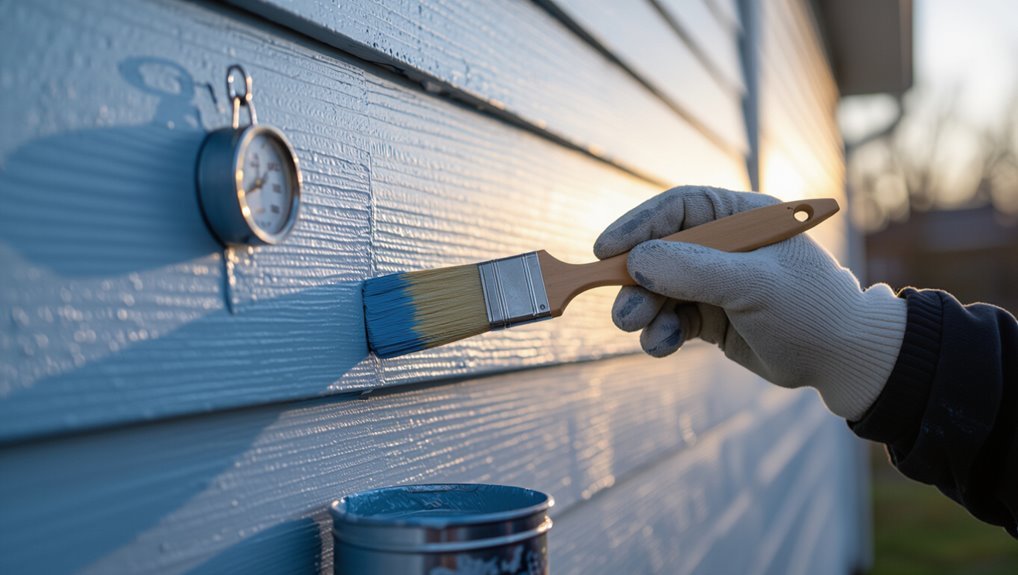
Want a quick yes-or-no? You can paint at 50°F, but temperature effects mean some paint types cure slowly.
You’ll need careful surface preparation and monitor drying conditions, humidity levels, and weather considerations to avoid common problems and adhesion issues.
Adjust project timelines or seek professional help if unsure, especially for exterior jobs or high-moisture environments where performance risks rise.
Surface vs. Air Temperature at 50°F
Even if the air is 50°F, the surface you’re painting can be warmer or colder, and that difference affects how the paint cures.
You should check the actual surface temperature with an infrared gun or thermometer because paint dries based on the substrate, not just the ambient air.
Pay attention to cooler surfaces that can slow drying and trap moisture, or warmer ones that can speed up skin formation and cause adhesion problems.
Surface Temperature Differences
When the air reads 50°F, the surface you’re about to paint can be several degrees warmer or cooler, and that difference affects drying, adhesion, and finish.
Check surface material considerations—metal, wood, and masonry hold heat differently.
Monitor temperature fluctuations between sun and shade, and feel the substrate before starting.
Adjust prep and timing to match the surface, not just the air.
Impact On Drying
If the surface is colder or warmer than the 50°F air, your paint’s drying rate will change—colder substrates slow solvent evaporation and film formation, while warmer ones speed them up and can thin the film.
You’ll adjust preparation tips and project planning to account for temperature effects, humidity factors, airflow impact and surface conditions so paint adhesion, drying times and paint formulations perform reliably in cold weather.
Drying vs. Curing : What Changes at 50°F
Though paint may feel dry to the touch at 50°F, the chemical curing process slows considerably, so you can’t assume it’s fully set or durable.
You’ll notice surface drying via evaporation still happens, but slower drying mechanisms and the deeper curing process lag.
That means tackiness, reduced hardness, and weaker adhesion can persist longer, so handle painted items cautiously until full cure.
Manufacturer Temperature Guidelines to Check First
Before you paint, check the manufacturer’s temperature and humidity recommendations—those specs tell you the safe operating range for both application and cure and are your best guide at 50°F.
You’ll follow manufacturer recommendations for minimum and maximum temps, dry times, and recommended substrates.
Account for temperature variations between day and night, and adjust timing, ventilation, or heating to stay within the listed range.
Which Paint Types Tolerate 50°F (Latex, Acrylic, Oil, Alkyd)
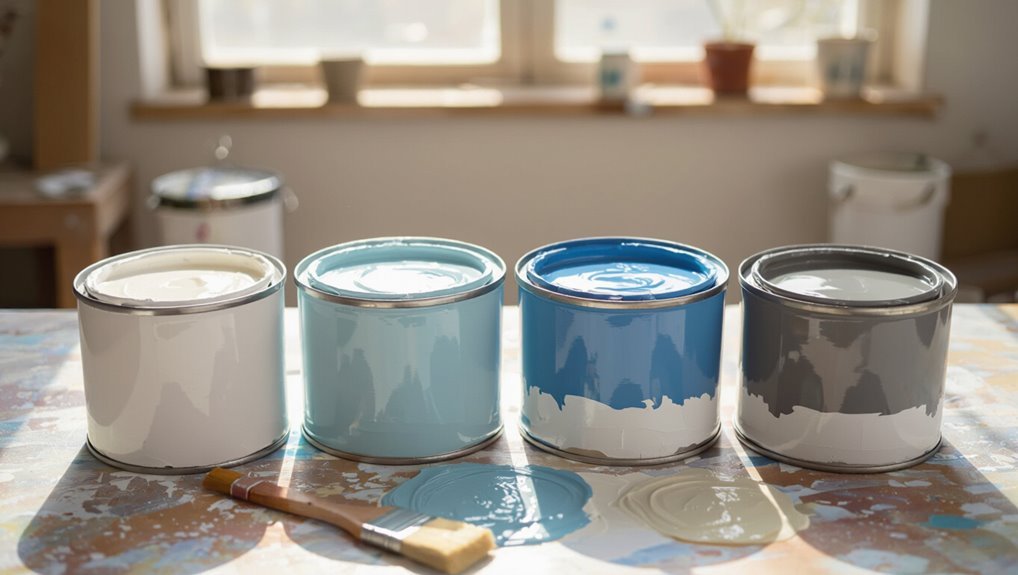
Manufacturer specs tell you what the paint can handle, but you’ll also want to know how different paint chemistries behave at around 50°F.
- Latex performance: decent surface adhesion, slower drying times, good paint durability.
- Acrylic advantages: flexible, resists temperature effects, maintains adhesion.
- Oil paint: longer drying times, excellent durability, sensitive to cold.
- Alkyd options: faster cure than oils, moderate adhesion, affected by temperature effects.
Choosing Low‑Temp Paint Formulations for 50°F
If you’ll be painting at around 50°F, pick formulations labeled for low‑temperature or all‑season use so the paint will wet out, level, and cure properly; these products include modified latex/acrylic blends with coalescing agents, fast‑evaporating solvents in alkyds, or specially engineered additives that keep resins flexible and pigments stable at cooler temps.
You’ll gain low temperature benefits by choosing appropriate paint formulation choices for reliable film formation.
Primer Choices for 50°F Painting
When you’re priming at 50°F, check the primer’s temperature limits to verify it can cure properly in cooler conditions.
Choose fast‑drying primer types formulated for low temps so you can recoat sooner and reduce dew or freeze risk.
Also prep the surface thoroughly—clean, sand, and remove moisture—to guarantee adhesion and avoid trapping cold‑related defects.
Primer Temperature Limits
Though primers vary, you should pick one rated for application and curing at or below 50°F to confirm proper adhesion and dry time. Many latex primers struggle in cooler temperatures, while certain alkyd or low-temp acrylic formulations are designed to perform reliably in the 40s.
- Check label for minimum temp to confirm primer effectiveness.
- Note temperature impact on curing speed.
- Prefer products with 40°F ratings.
- Test adhesion on a small area first.
Fast‑Drying Primer Types
Having picked a primer rated for lower temps, you’ll want a fast-drying type that still bonds and cures in the 40s—these primers let you move to topcoats sooner and reduce the risk of dust, dew, or tackiness overnight. Consider these fast drying options and primer effectiveness comparisons:
| Type | Temp Range | Dry Time |
|---|---|---|
| Acrylic | 35–50°F | 1–3 hr |
| Alkyd | 40–55°F | 2–4 hr |
| Latex | 40–50°F | 1–3 hr |
| Shellac | 30–50°F | 30–60 min |
Surface Preparation Tips
One clear rule: prep determines how well a primer performs at 50°F, so scrape loose paint, sand glossy surfaces, clean off dirt and grease, and dry the area thoroughly before priming.
You’ll tailor primer choice to surface textures to boost paint adhesion.
- Remove contaminants.
- Feather edges.
- Use bonding primer for slick substrates.
- Allow extended cure time.
Preparing Surfaces for Cold‑Weather Painting
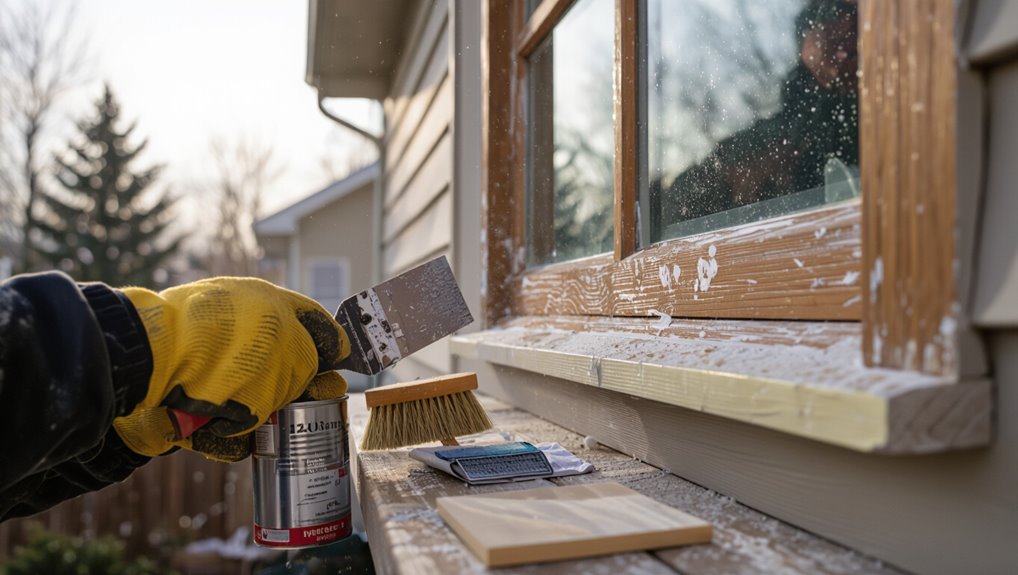
When temperatures hover around 50°F, preparing surfaces becomes more important because adhesion and curing slow down; you’ll want clean, dry, and properly profiled substrates before you open a can. Focus on surface cleaning, remove loose material, sand for profile, and choose primers suited for cold paint application.
| Task | Why |
|---|---|
| Clean | Removes contaminants |
| Sand | Creates profile |
| Prime | Improves adhesion |
| Tack | Removes dust |
| Inspect | Ensure dryness |
Humidity Effects at 50°F: High vs Low Moisture
At 50°F, you’ll notice high humidity slows drying and can cause milky finishes or poor adhesion.
Low humidity, by contrast, speeds evaporation and can lead to brush marks, poor flow, or surface skins.
We’ll compare how each condition affects timing and finish so you can adjust technique and product choice.
High Humidity Impact
Although 50°F might seem mild, high humidity changes how paints dry and adhere, so you’ll notice slower curing times, increased tackiness, and a greater risk of blushing or blooming in oil- and latex-based coatings.
You should monitor humidity effects and moisture levels to avoid problems:
- Extend drying time expectations.
- Use dehumidifiers if possible.
- Avoid recoat until tack-free.
- Choose moisture-tolerant products.
Low Humidity Effects
If humidity drops below about 40% at 50°F, paint will dry faster and you’ll often see surface skinning before solvents evaporate from deeper layers. This can trap solvents and cause poor adhesion or micro-cracking.
You should monitor moisture levels and slow drying by misting or using retarders; otherwise, humidity effects can produce brittleness, reduced intercoat bonding, and finish defects you’ll have to repair.
Wind, Ventilation, and Airflow Impacts
Because wind changes drying time and spray patterns, you’ll need to control airflow when painting in 50°F conditions to avoid runs, uneven sheen, and dust contamination.
- Assess wind effects and outdoor conditions before starting.
- Use ventilation strategy that balances airflow management and moisture control.
- Shield the workspace climate with barriers or windbreaks.
- Monitor temperature fluctuations and adjust fans or timing accordingly.
Drying and Recoat Times at 50°F (Realistic Estimates)
At 50°F, you’ll notice paint takes longer to dry than on warmer days, so expect tack-free times and full cure to stretch out beyond manufacturer cold‑temperature estimates.
Plan recoats based on the specific product — water‑based paints often need at least 6–12 hours and oil‑based types can require 12–24 hours or more under these conditions.
Check tackiness and follow label guidance rather than a strict clock to avoid adhesion or finish problems.
Dry Time Estimates
While cooler air slows chemical reactions, you can still get reliable dry and recoat times at 50°F by adjusting expectations and technique.
You’ll watch curing depend on drying conditions and choices that affect paint longevity.
- Thin coats dry faster.
- Use low-humidity days.
- Increase airflow gently.
- Expect tack-free in 2–6 hours, cure longer.
Recoat Interval Guidance
Now that you’ve set expectations for tack-free and cure times at 50°F, let’s look at practical recoat intervals you can rely on.
You should wait longer than on warm days: typical recoat timing ranges 6–24 hours for thin coats and 24–48+ hours for thicker applications.
Monitor tackiness, humidity, and temperature; when the surface’s not sticky and feels firm, it’s safe to recoat.
Tools & Techniques to Improve Leveling and Adhesion
Because low temperatures sap paint flow and slow curing, you’ll need the right tools and techniques to get smooth leveling and solid adhesion in 50°F conditions.
- Choose paint selection and tools that counter temperature effects.
- Use proper application methods for surface leveling and adhesion techniques.
- Mind environmental considerations to mitigate drying challenges.
- Consider paint additives sparingly and follow manufacturer guidance.
Additives for 50°F Painting: What Helps and Harms
If you’re painting at 50°F, choosing the right additives can speed drying, improve flow, and prevent adhesion problems—but the wrong ones can ruin finish and void warranties. You should match additive types to paint compatibility, consider temperature fluctuations, control moisture content, and adapt application techniques. Environmental factors and surface treatments matter.
| Additive | Benefit | Risk |
|---|---|---|
| Drying enhancers | Faster cure | Film defects |
| Flow agents | Smoother finish | Compatibility issues |
| Anti-foam | Easier application | Reduced adhesion |
Safely Warming Paint and Workspaces
When temperatures dip into the 50s, warming your paint and workspace helps coatings perform as designed, but you’ve got to do it safely to avoid fire hazards, off-gassing, or altered drying chemistry.
- Use low-heat, thermostat-controlled heaters.
- Keep paint storage sealed and off cold floors.
- Guarantee ventilation to prevent fumes.
- Add workspace insulation and monitor temperatures closely.
Warming Surfaces Without Damaging Materials
You can warm surfaces with low-heat sources like hair dryers on low, infrared lamps, or gentle room heaters to avoid overheating.
Protect sensitive materials by covering them with breathable drop cloths or using heat shields for nearby trim and varnishes.
Always monitor temperatures and keep heat moving to prevent scorching or warping.
Use Low-Heat Sources
Although the air might feel brisk, you can gently warm surfaces with low-heat sources to keep paint and materials safe.
Using hair dryers on low, heated blankets set to fabric-safe temperatures, or warm water bottles lets you raise surface temperature without blistering paint, melting adhesives, or warping substrates.
- Use controlled heat sources.
- Keep distance and monitor.
- Follow manufacturer safety measures.
- Avoid prolonged exposure.
Protect Sensitive Materials
If surfaces need gentle warming to cure or adhere properly, take steps that protect delicate finishes, fabrics, and adhesives from heat damage.
You’ll shield nearby items with insulating materials and moisture barriers, monitor temperature fluctuations, and use low, indirect heat.
Keep paint storage cool and sealed away from warmth.
Check adhesives and fabrics frequently to avoid warping or discoloration while you work.
Exterior Painting at 50°F: Timing and Weather Windows
When exterior temperatures hover around 50°F, choose painting times that let coatings dry and cure properly—work in the warmest, sunniest part of the day and avoid late afternoons when temps and humidity can drop rapidly.
Work on the warmest, sunniest part of the day when temps are around 50°F to ensure proper drying.
- Check forecast for temperature fluctuations.
- Paint during peak sun for ideal conditions.
- Skip days with high humidity or wind.
- Start early to maximize daylight and warmth.
Interior Painting in Cool Rooms and Garages
Because cool rooms and garages hold temperature and humidity differently than living spaces, you’ll want to adjust your prep and timing to guarantee paint dries and bonds properly.
Check interior insulation and seal drafts first. Use slow-curing formulations and prioritize paint selection rated for lower temperatures.
Raise ventilation and add temporary heat to maintain manufacturer-recommended drying ranges, monitoring humidity to avoid tacky or uneven finishes.
When to Postpone Painting Below 50°F: Red Flags
Although you can sometimes work near 50°F, you should postpone painting whenever conditions raise the risk of poor adhesion or long dry times.
If conditions risk poor adhesion or slow drying, postpone painting—even if temperatures hover near 50°F.
Use clear postponement criteria tied to temperature thresholds and surface moisture. Consider delaying if any of the following apply:
- Surface temp below manufacturer minimum
- Relative humidity above 85%
- Nighttime temps dropping under thresholds
- Wet or freezing substrate
How to Test a Small Area Before a Full Job
If any of the red flags apply, don’t commit to the whole job until you test a small area first.
Choose area selection wisely, checking surface evaluation and paint consistency.
Try multiple test methods to observe paint adhesion and temperature effects over hours.
Note environmental factors and record project timing.
Use results to adjust prep, product, or schedule before scaling up to the full job.
Common Cold‑Weather Paint Problems and Fixes
When you paint in chilly 50°F conditions, you can run into issues like paint film cracking, slower dry times, and adhesion failures.
Know how each problem shows up—hairline cracks, tacky surfaces that take forever to cure, or paint peeling off.
In the next section I’ll explain causes and quick fixes so you can keep your finish looking solid.
Paint Film Cracking
Because cold makes paint less flexible, you’re more likely to see fine lines or larger cracks develop in the dry film as temperatures fall.
Cold weather effects reduce paint durability, so you should prevent cracking by prepping properly and choosing tolerant formulas.
- Use flexible exterior paints
- Apply at recommended temperatures
- Sand and prime cracked areas
- Avoid thin coats and rapid curing
Slower Dry Times
Although cooler air slows solvent evaporation, you’ll notice paint stays tacky much longer in 50°F conditions, raising the risk of dust pickup, runs, and delayed recoating. You should plan longer cure times, use warm workspace strategies, and pick formulations rated for low temps to combat slow evaporation and other temperature effects.
| Issue | Fix |
|---|---|
| Tacky finish | Increase ventilation |
| Dust pickup | Work inside |
| Runs | Thin coats |
| Delayed recoat | Wait longer |
Adhesion Failures
If you apply paint in 50°F conditions without proper surface prep and temps, adhesion problems can show up as peeling, flaking, or blistering.
You can prevent adhesion issues by addressing:
- Remove surface contaminants thoroughly.
- Stabilize substrate against temperature fluctuations.
- Apply primer suited for cool temps.
- Control paint thickness to avoid trapped moisture and stress.
Estimated Project Timeline for Painting at 50°F
When you plan a painting project at 50°F, expect slower drying and add time for surface prep, primer, and each coat to cure. This means a job that might take a day in ideal conditions can stretch into several days.
Estimate longer project duration: allow extra curing hours between coats, plan for possible overnight waits, and monitor weather considerations to avoid trapping moisture or forcing incomplete adhesion.
Checklist: Prep, Materials, and Conditions for 50°F Work
1 clear checklist helps you avoid common cold-weather painting pitfalls: at 50°F you’ll need to prep surfaces thoroughly, choose compatible primers and paints, and control conditions so each coat can dry and cure properly.
- Surface preparation and paint selection checklist.
- Temperature monitoring and humidity control tools.
- Airflow management and drying techniques setup.
- Project planning for cold weather timelines and supplies.
When to Call a Pro for Cold‑Temperature Painting
After you’ve checked prep, materials, and drying conditions for 50°F work, you’ll want to know when it’s smarter to call a pro rather than press ahead yourself.
Call for professional advice if humidity or temps fluctuate, substrate or finish needs specialty coatings, or coverage and warranty matter.
If your cold weather preparation is uncertain or risk of failure is high, hiring a painter saves time and expense.
Quick Reference: Do’s and Don’ts for Painting at 50°F
You’ll find a few clear do’s and don’ts make painting at 50°F much less risky:
- Do check paint specs and additives to preserve paint durability.
- Don’t paint in high humidity or near freezing nights; temperature effects slow curing.
- Do warm cans and substrate slightly before starting.
- Don’t rush recoats; extend dry times and monitor tackiness for reliable adhesion.
Frequently Asked Questions
Will Paint Color or Sheen Change When Applied at 50°F?
Yes — color and sheen can shift slightly at 50°F; you’ll notice longer drying time and potential dulling or uneven finish. You’ll want to monitor paint adhesion and allow extra curing time to avoid problems and adjust conditions.
Will Low Temperatures Increase Paint Odor or VOC Off‑Gassing?
Measure twice, cut once: yes, low temps slow paint drying and can raise odor intensity because solvents linger longer, so you’ll notice stronger VOC off‑gassing; ventilate and warm the space to speed curing and reduce smell.
Can I Use Leftover Paint Stored in a Cold Garage at 50°F?
Yes — you can use leftover paint stored at 50°F, but you’ll check paint consistency first and stir thoroughly; you’ll adjust application technique (thinner coats, longer dry times) and warm the room to improve flow and adhesion.
Do Rollers and Brushes Perform Differently in 50°F Conditions?
Yes — they differ: you’ll find roller absorption slows in 50°F, holding and releasing paint less, while brush application feels stiffer, needs more effort for smooth strokes, and may require thinner or slower technique to compensate.
Will 50°F Affect the Lifespan of Exterior Paint Warranties?
Yes — colder 50°F conditions can affect warranty claims because manufacturers expect application within specified temperatures; if improper curing reduces paint durability, your claim may be denied, so follow label temperature and drying guidelines carefully.
Conclusion
You can paint at 50°F, but proceed with patience and preparation. Protect surfaces, pick paints rated for cooler temps, and plan for slower drying and longer curing. Monitor surface temperature, humidity, and weather, and use warm, dry conditions or heaters when needed. If the timing, finish, or conditions worry you, call a pro. Smart, steady steps will secure a strong, satisfactory surface—calm, careful choices cut chaos and create confident, clean results.
