
How to Get Pencil Off Walls Without Taking Paint Off Easily
You can remove pencil from painted walls without stripping the paint by starting with a soft, clean eraser and light, even strokes, then switching to a damp microfiber with mild, pH-neutral soap for stubborn marks; test any cleaner in a hidden spot first and blot instead of scrubbing to avoid abrasion or moisture damage. Try toothpaste or a baking soda paste for tougher smudges, rinse lightly, and touch up with paint if needed — keep going to find the best method for your wall type.
Quick Answer: Remove Pencil Without Damaging Paint
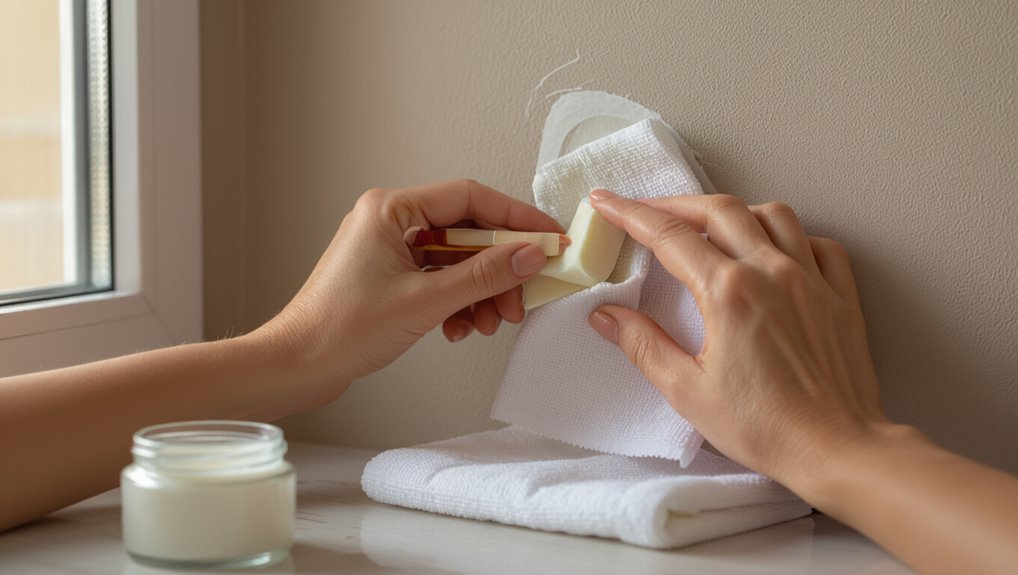
Start by gently erasing the pencil marks with a soft, clean eraser—use light, even strokes to avoid rubbing paint off.
Gently erase pencil marks with a soft, clean eraser—light, even strokes to protect the paint finish.
Then test a hidden spot before trying gentle soap and water, rubbing minimally.
Use targeted pencil removal techniques and follow paint preservation tips: blot, don’t scrub, and rinse carefully.
If marks persist, pause and reassess to protect the finish.
Quick Tools to Remove Pencil From Walls
You can tackle pencil marks with a few simple tools: a soft eraser for light smudges, safe household cleaners for tougher spots, and microfiber or soft cloths to wipe gently.
Start with the gentlest option and only step up if the mark won’t come off. I’ll show how to use each tool without harming your paint.
Soft Eraser Techniques
A soft eraser lets you lift pencil marks cleanly without damaging paint or wallpaper, and it’s often the quickest tool to try.
Choose eraser types by surface texture and pencil pressure; kneaded or vinyl work differently.
Combine gentle strokes with proper wall preparation. Note stain comparison to gauge cleaning efficacy.
Track cleaning frequency, use minimal removal tools, practice cleaning techniques, and adopt mark prevention habits.
Household Cleaners Safe
If the soft eraser doesn’t fully remove stubborn marks, gentle household cleaners can help without harming paint or wallpaper.
You should test a hidden spot, then use mild solutions and eco-friendly options to reduce fumes.
Try these quick tools:
- Diluted dish soap with water.
- White vinegar solution (gentle).
- Baking soda paste applied lightly and wiped clean.
Microfiber And Cloth
When quick cleanup is all you need, reach for a microfiber cloth or a soft cotton rag and work gently in small circles to lift pencil marks without damaging paint or wallpaper.
You’ll notice microfiber benefits: high absorbency, fine fibers that trap graphite, and low abrasion.
Try different cloth types—microfiber, cotton, or a slightly dampened microfiber pad—to see which removes marks best on your finish.
What to Gather First: Gentle Supplies You Likely Have at Home
Start by collecting a few gentle, household items so you can test and remove pencil without damaging paint or wallpaper.
Begin with gentle, household items to test and remove pencil marks without harming paint or wallpaper.
You’ll gather safe materials and gentle cleaners, prioritize paint protection, and plan cleaning techniques.
- Soft tools: microfiber cloth, sponge, cotton swabs.
- Eraser options: white vinyl eraser, soft art eraser.
- Household items: mild soap, water, baking soda — preparation steps for cleaning methods on wall surfaces.
Safe Testing Method: Try a Small Hidden Patch First
Before you start cleaning, pick an out-of-sight spot like behind a door or inside a closet.
Wipe the area gently to remove dust so your test shows the cleaner’s real effect.
Apply a small amount of your chosen cleaner and check for color loss or texture change.
Choose An Out-Of-Sight Spot
Pick a small, hidden area—like inside a closet, behind a baseboard, or the back of a door—and test your chosen pencil-removal method there first.
Use hidden locations for test patches to guarantee damage prevention on wall surfaces. Consider pencil types, art supplies, and household items when selecting cleaning methods.
- Note mark identification.
- Check surface protection.
- Proceed if safe.
Prepare The Wall Surface
Now that you’ve tested a hidden spot and confirmed the removal method won’t harm the finish, prepare the visible area by clearing dust and loose debris with a soft, dry cloth or microfiber duster.
For proper wall preparation, perform a quick surface assessment, note paint compatibility, and choose gentle cleaning techniques.
Focus on residue removal, take protective measures, set cleaning frequency, and prevent damage.
Test With Your Chosen Cleaner
Choose a small, inconspicuous spot—inside a closet, behind furniture, or near a baseboard—and apply a tiny amount of your chosen cleaner to check for discoloration, softening, or finish loss.
Test cleaning solutions for paint compatibility, wait a minute, then assess.
- Observe color change
- Feel texture shift
- Rinse and recheck before full use
How to Check Your Paint Type Before Cleaning
Before you start scrubbing, figure out what kind of paint is on the wall so you don’t damage the finish. Check sheen, test hidden spot, note wall textures and material durability. Match cleaning methods to paint finish for paint compatibility and damage prevention. Assess stain assessment, choose eraser types, plan surface preparation and cleaning frequency.
| Sheen | Test spot | Recommended method |
|---|---|---|
| Low | Fingernail | Gentle wipe |
| Medium | Hidden trim | Soft eraser |
| High | Baseboard | Mild solvent |
Why Finish Matters: Flat, Eggshell, Satin, Semi-Gloss, Gloss
Because the paint finish affects how easily pencil marks come off and how likely you’ll damage the surface, you should tailor your cleaning approach to the sheen:
- Flat/eggshell: low finish types, softer paint durability — gentle cleaning, low cleaning frequency, mind wall textures and finish maintenance.
- Satin/semi-gloss: higher sheen effects, better paint compatibility — firmer methods, moderate frequency.
- Gloss: highest durability, toughest cleaning challenges but watch texture and compatibility.
Common Risks When Removing Pencil From Painted Walls
When you remove pencil marks you need to take into account the paint finish, because flat and eggshell coatings can be more sensitive than satin or gloss.
Using abrasive cleaners or scrubbing too hard can scratch or dull the surface.
Too much moisture or soaking can lift or bubble the paint, so test first and work gently.
Paint Finish Sensitivity
If your walls have a delicate finish, you’ll need to be careful — common pencil-removal methods can dull, streak, or strip paint.
You should know paint finish types and assess paint durability before cleaning. Consider risks and test first:
- Flat/matte: low durability, avoid wet scrubbing.
- Eggshell/satin: moderate durability, gentle cleaners work.
- Semi-gloss/gloss: high durability, more aggressive options okay.
Abrasive Cleaner Damage
Although abrasive cleaners can remove stubborn pencil marks, they often damage paint by scratching, dulling, or removing the topcoat. You should weigh abrasive cleaner effects against paint durability concerns and test in an inconspicuous spot. Use gentler methods first to avoid permanent harm.
| Risk | Impact |
|---|---|
| Scratches | Surface marred |
| Dulling | Loss of sheen |
| Topcoat removal | Exposed substrate |
| Refinish need | Cost/time |
Moisture And Paint Lift
After abrasive cleaners, moisture is the next common cause of trouble when you’re removing pencil marks: too much water or a soaked cleaning pad can soften paint binder and pull the finish away from the wall.
You should focus on wall preparation and gentle methods to limit moisture impact and humidity effects.
- Use minimal cleaning agents.
- Control moisture retention.
- Protect paint adhesion and durability with surface protection.
Dry Erasers That Work: Rubber vs. Vinyl vs. Art Gum
Three common dry erasers—rubber, vinyl, and art gum—offer different balances of gentleness and abrasion for removing pencil from walls. You’ll test eraser types by light strokes, noting eraser materials, eraser durability, and eraser effectiveness for pencil marks. Compare cleaning methods and eraser comparisons below.
| Type | Use |
|---|---|
| Rubber | Firm, abrasive |
| Vinyl | Gentle, effective |
| Art Gum | Soft, crumbly |
How to Use a White Vinyl Eraser Without Scuffing Paint
When you need to lift pencil marks without damaging paint, a white vinyl eraser is usually your best bet because it’s soft enough to reduce scuffing yet firm enough to remove graphite.
Use white eraser techniques and focus on paint protection:
- Test discreetly to confirm finish compatibility.
- Erase gently with short, light strokes.
- Brush away crumbs and inspect for repeat passes.
How a Kneaded Eraser Lifts Graphite Gently
A kneaded eraser is soft and pliable, so you can shape it to target tiny pencil marks without pressing hard.
You’ll lift graphite by gently patting and rolling the eraser over the mark, which pulls particles into the rubber instead of rubbing pigment into the paint.
Use small, repeated lifts to avoid abrasion and keep the wall finish intact.
Kneaded Eraser Properties
Kneaded erasers lift graphite by sticking to particles and pulling them away from the surface, so you can dab repeatedly without scrubbing or damaging paint.
You’ll appreciate kneaded eraser benefits and kneaded eraser uses for delicate walls. Consider:
- Soft, pliable texture molds to marks.
- Non-abrasive action preserves finish.
- Reusable—knead to refresh grip.
Gentle Lift Technique
Press and dab rather than rub: the kneaded eraser picks up graphite by sticking to particles and lifting them from the paint surface, so you can gently pull marks away without sanding or smearing.
Use gentle techniques and lift methods as part of safe solutions for wall care.
These cleaning strategies and cleaning tools enable pencil removal while ensuring paint preservation, surface protection, and mark prevention.
Microfiber Cloths and Soft Brushes for Pencil Marks
Start with a clean, dry microfiber cloth and a soft-bristled brush, since they remove loose graphite without harming paint or wallpaper. You’ll appreciate microfiber benefits and gentle brush types.
Follow steps:
- Lightly wipe marks with cloth in one direction.
- Use soft brush to loosen edges.
- Rewipe gently, checking progress to avoid overworking paint.
Using a Soft Pencil Eraser Pad for Stubborn Smudges
Pick a soft pencil eraser pad that’s labeled non-abrasive so you won’t damage paint.
Test it on a hidden spot first to make sure it won’t discolor or rub the finish.
Then use gentle circular motions to lift stubborn smudges without pressing too hard.
Choose The Right Pad
When a regular eraser leaves faint lines or smudges, reach for a soft pencil eraser pad designed to lift graphite without abrading paint or wallpaper.
Choose pads based on wall types and surface compatibility. Consider:
- Appropriate materials, eraser choices, product recommendations.
- Application techniques, pressure application, pad effectiveness.
- Cleaning methods, cleaning frequency, maintenance tips, damage risks, tool alternatives, mark prevention, stain removal.
Test On Hidden Spot
Before you work on a visible stain, try the pad on a concealed spot—like inside a closet or behind furniture—to see how it affects the finish.
You’ll check hidden areas and test surfaces for gloss change, color lift, or texture loss before tackling prominent marks. If the finish stays intact, proceed; if not, stop and choose a gentler method or consult a pro.
Gentle Circular Motions
Reach for a soft pencil eraser pad and work in small, gentle circles over the smudge, keeping light pressure so you don’t abrade the paint or wallpaper.
Use these gentle techniques with care:
- Start at edges, move inward with a circular motion.
- Clean eraser crumbs frequently.
- Stop if paint dulls and test another spot.
Household Cleaners That Are Gentle on Paint: Soap and Water
Soap and water is the simplest, safest way to remove pencil marks without harming paint. You’ll use a gentle soap and pay attention to water temperature to avoid softening finish. Dab, don’t scrub, and rinse gently.
| Item | Purpose | Tip |
|---|---|---|
| Cloth | Lift marks | Use soft fiber |
| Soap | Cleanse | Mild, pH-neutral |
| Water | Rinse | Lukewarm only |
How to Make and Use a Mild Soapy Solution Safely
When you mix a mild, pH-neutral dish detergent with lukewarm water, you get a safe cleaning solution that lifts pencil marks without softening paint.
You’ll follow simple steps for cleaning safety and use a gentle soapy solution.
- Damp a soft cloth, wring well.
- Test a hidden spot briefly.
- Wipe gently, blot dry; repeat if needed.
How to Use a Melamine Sponge (Magic Eraser) Without Stripping Paint
Before you use a melamine sponge, test it on a hidden spot to make sure the paint won’t come off.
Use light, controlled pressure and stop if you see any paint lifting.
After you finish, wipe the area with a damp cloth and dry it to remove residue.
Test On Hidden Area
Want to be sure a melamine sponge won’t strip your paint? Test a hidden patch first.
Use this simple test method to check paint compatibility, cleaning effectiveness, and surface sensitivity before full use.
- Try different eraser types on a small hidden patch.
- Wait, inspect for fading or texture change.
- Prioritize a gentle approach for damage prevention.
Use Gentle Pressure
After confirming the sponge won’t harm your paint, work with light, controlled pressure so you can remove pencil marks without stripping the finish. You’ll use gentle techniques and careful pressure application on wall surfaces, pairing surface testing with suitable eraser materials. Follow cleaning methods matched to pencil types, observe paint sensitivity, and heed cleaning precautions to guarantee effective mark removal.
| Step | Tip |
|---|---|
| 1 | Test area |
| 2 | Light strokes |
| 3 | Match pencil |
| 4 | Monitor finish |
Rinse And Dry After
Wipe the spot with a damp microfiber cloth to remove any residue the melamine sponge left behind.
Then gently blot the area with a dry cloth so moisture doesn’t sit on the paint.
- Use gentle rinse techniques—light water, no soap.
- Pat with a soft towel, don’t rub.
- Let air-dry briefly, then check finish; repeat if faint marks remain.
When to Use a Baking Soda Paste and How to Apply It Safely
When pencil marks won’t lift with a dry eraser or gentle soap, try a baking soda paste; it’s mildly abrasive and safe for most painted walls when used correctly. You’ll appreciate baking soda benefits and careful paste application: dampen, mix to a spreadable paste, test discreetly, rub gently, then rinse and dry.
| Hope | Relief |
|---|---|
| Calm | Pride |
| Clean | Joy |
How to Use White Toothpaste (Non-Gel) on Pencil Marks
If the baking soda paste doesn’t do the trick or you want a less abrasive option, try plain white (non-gel) toothpaste to lift pencil marks.
You’ll use gentle toothpaste application for safe stain removal.
- Dab a small amount on a soft cloth.
- Rub lightly in circular motions.
- Wipe with a damp cloth and dry to inspect.
Using Vinegar Solutions: What Works and What to Avoid
Vinegar can be a handy, mild solvent for lifting pencil marks, but you’ll want to dilute it and test a hidden spot first to avoid dulling paint or wallpaper finishes. You should balance vinegar effectiveness with paint compatibility, surface testing, residue concerns, cleaning frequency, stain prevention, eco friendly options, and consider cleaning alternatives.
| Tip | Notes |
|---|---|
| Dilute | 1:1 water |
| Test | hidden spot |
Rubbing Alcohol Use: Quick Spot Treatment With Precautions
Before using rubbing alcohol, test it on an inconspicuous spot to make sure it won’t damage the paint.
Use a cotton swab to apply a small amount and gently rub the pencil mark.
Rinse the area with a damp cloth and dry it carefully to avoid streaks or softened paint.
Test Inconspicuous Area
Start by testing a small, hidden spot with rubbing alcohol to make sure it won’t damage the paint or finish.
You’ll check color, sheen, and adhesion using minimal test materials and note a short test duration.
Do this:
- Wipe a corner for 10–15 seconds.
- Wait 5–10 minutes to inspect.
- If unchanged, proceed carefully elsewhere.
Apply With Cotton Swab
If the test spot showed no damage, you can move on to spot-treating the pencil mark with rubbing alcohol and a cotton swab.
Dip the cotton swab lightly, squeeze excess, then dab gently; don’t rub hard. Use precision application to target the mark only.
Work in small strokes, replace the swab when soiled, and stop if paint softens or discolors.
Rinse And Dry Carefully
Gently rinse the treated area with a damp cloth to remove any remaining alcohol and loosened graphite, then pat it dry—don’t rub or scrub, which can spread the mark or lift paint.
- Use gentle rinsing to avoid soaking paint.
- Blot with a soft towel for controlled wall drying.
- Inspect; repeat spot treatment only if paint stays intact.
Commercial Pencil Stain Removers: When They’re Useful
Sometimes you’ll need a commercial pencil stain remover when home remedies don’t cut it—especially on textured paint, large or old marks, or surfaces that might suffer from abrasive scrubbing.
You’ll weigh commercial products via effectiveness comparison, eco friendly options, user reviews, safety considerations, application techniques, and cost analysis.
Test a small area, follow directions, and consider alternative methods if paint reacts.
Unsafe Tools to Avoid: What Damages Paint or Finish
Don’t grab abrasive scrubbing tools like steel wool or heavy-duty scouring pads, because they’ll scratch paint and ruin the finish.
Avoid harsh chemical solvents such as acetone or undiluted paint stripper, which can strip or discolor your wall covering.
Use gentle cleaners and soft cloths instead to protect the paint while removing pencil marks.
Abrasive Scrubbing Tools
1 common mistake people make when trying to remove pencil from walls is reaching for abrasive scrubbing tools—steel wool, heavy-duty scouring pads, or coarse brushes—which can quickly strip paint, leave visible scratches, or remove the finish entirely.
- Avoid abrasive materials; they harm surface safety and finish.
- Choose gentle scrubbing techniques to balance cleaning effectiveness and residue issues.
- Limit cleaning frequency to prevent wear; prioritize tool selection for damage prevention.
Harsh Chemical Solvents
While you may be tempted to reach for strong solvents like acetone, paint thinner, or undiluted rubbing alcohol, those chemicals can quickly dissolve paint, strip finishes, and leave discolored patches that are harder to fix than the pencil marks.
Avoid harsh chemicals; choose solvent alternatives and safe removers.
Consider environmental impact, cleaning efficacy, residue concerns, proper application methods, and safety precautions to protect finish and health.
Step-By-Step: Clean Small Pencil Marks
Start by gathering a few basic supplies—soft eraser, mild dish soap, a clean cloth, and warm water—so you can tackle small pencil marks without damaging the paint.
Start with simple supplies—a soft eraser, mild soap, cloth, and warm water to remove pencil marks gently.
Follow simple steps that respect pencil types, wall finishes, paint durability, and child safety.
- Gently erase.
- Dab soap solution.
- Rinse and dry.
Adjust cleaning frequency; store art supplies for stain prevention.
Best Approach for Large Drawings or Heavy Shading
Before you start, check the wall’s paint type and texture so you know how gentle you need to be.
Use soft erasers and microfiber cloths to lift graphite without scuffing, and test a small spot first.
For tougher shading, apply a targeted cleaner sparingly and blot rather than rub.
Assess Wall Surface First
If your child’s drawing covers a large area or has heavy shading, take a close look at the wall surface first so you can choose the safest, most effective removal method.
Check these points before you proceed:
- Inspect wall texture for rough spots that trap graphite.
- Note paint condition—glossy, flat, or peeling.
- Test a small, hidden area to avoid damage.
Use Soft Erasing Tools
Reach for soft erasing tools like a white vinyl eraser or a kneaded eraser when you’re dealing with large pencil drawings or heavy shading; they lift graphite without gouging paint or texture.
Use soft erasers with gentle pressure, testing rubber types and vinyl options first.
Learn art gum handling, basic cleaning techniques, and stain removal limits while checking surface compatibility to avoid damage.
Apply Targeted Cleaning Solution
Tackle large pencil areas by using a targeted cleaning solution that lifts graphite without stripping paint or leaving haze.
You’ll want gentle products and careful technique to protect finish. Use these effective techniques:
- Test solution on hidden spot, dilute as needed (targeted solutions).
- Apply with a soft cloth, blotting lightly.
- Rinse and dry, repeating until marks vanish.
How to Clean Pencil From Textured or Popcorn Walls
Because textured and popcorn walls trap graphite in crevices, you’ll need a gentler, more patient approach than you’d use on smooth surfaces.
Use textured wall techniques: start with a soft-bristle brush, then apply mild soap or diluted vinegar sparingly.
Test pencil removal products on a hidden spot first.
Blot—don’t scrub—work outward, repeating until marks lift, and let the wall dry.
How to Remove Pencil From Trim, Baseboards, and Moldings
While trim, baseboards, and moldings are tougher than painted walls, you can usually remove pencil marks without damaging finish by using gentle, targeted methods; start with a soft eraser or a melamine sponge and move to mild cleaners only if needed.
- Use soft eraser first for trim cleaning and baseboards care.
- Try melamine sponge for moldings maintenance.
- Finish with mild soap for wall protection, pencil prevention, child friendly surfaces, art friendly zones, safe cleaning.
Cleaning Pencil Marks Around Electrical Outlets and Switches Safely
After cleaning baseboards and moldings, you’ll often find pencil marks close to outlets and switches that need extra care because of wiring and plastic covers.
Turn off power, remove cover plates, and use a soft eraser or damp cloth for outlet maintenance. Work gently to avoid scratching plastic.
Reattach plates, restore power, and adopt pencil prevention habits. Prioritize electrical safety and switch protection.
Working Around Wallpaper and Painted Wallpaper Edges
When working near wallpaper or painted wallpaper edges, take extra care to avoid lifting adhesive or smudging paint; test any cleaning method on an inconspicuous strip first.
- Use a soft eraser and gentle strokes to respect wallpaper care and avoid tearing.
- Apply minimal moisture with a barely damp cloth for edge protection.
- Work slowly, rolling away from seams to prevent lifting.
Removing Pencil Near Painted Murals or Decorative Finishes
Because painted murals and decorative finishes are often delicate, you’ll need to remove pencil marks with extra caution to avoid damaging brushwork, glazes, or metallic accents. Use soft erasers, test hidden areas, and limit moisture. Follow pencil prevention tips and mural protection techniques to blend repairs.
| Tool | Test | Action |
|---|---|---|
| Kneaded eraser | Small area | Light dab |
| Cotton swab | Hidden spot | Minimal damp |
How to Treat Colored Pencil vs. Graphite Pencil Marks Differently
Although both leave visible marks, colored pencil and graphite respond differently to erasers, solvents, and pressure, so you’ll need distinct approaches for each.
Use these targeted tips:
- For colored pencil techniques: test a soft eraser, dab with mild solvent, avoid scrubbing.
- For graphite pencil strategies: try kneaded eraser, gentle buffing, light damp cloth.
- Always spot-test paint first.
Stain Age Matters: Fresh Marks vs. Old Embedded Graphite
Since fresh pencil marks sit on the surface while older graphite often gets ground into paint, you’ll need different tactics depending on how long the mark’s been there.
Assess graphite types and pencil quality, consider age impact and wall conditions, and choose application methods accordingly.
For fresh marks, eraser effectiveness and frequent cleaning help; for embedded stains, targeted stain removal balances paint reaction and mark prevention.
How to Handle Layered Marks: Pencil Over Crayon or Marker
First, you’ll check which medium is on top—pencil over crayon needs a different touch than pencil over marker.
Start with gentle cleaning like a soft eraser or mild soap and water to see how the wall reacts.
If the pencil won’t budge or the underlying crayon/marker resists, move to targeted solvent techniques suited to the specific inks or waxes.
Assess Layering And Medium
When you see pencil drawn over crayon or marker, take a moment to identify which layer is on top and what each medium is made of, because that determines what solvents or tools will work without spreading or embedding the pigments further; do a quick layer assessment and note medium types before acting.
- Observe texture differences.
- Test in an inconspicuous spot.
- Choose tools based on layers.
Start With Gentle Cleaning
Start gently: wipe the area with a soft, dry microfiber cloth to lift loose graphite without smudging the underlying crayon or marker.
Test a mild, damp cloth in an inconspicuous spot and use gentle products like diluted dish soap if needed.
Work in light strokes from the outside in.
Adjust cleaning frequency based on results, pausing to let the surface dry between attempts.
Use Targeted Solvent Techniques
If the gentle cleaning didn’t fully remove the graphite because pencil marks sit over crayon or marker, you’ll need more targeted solvent techniques to tackle the layered mess.
Choose solvent types by surface compatibility and environmental impact, watch drying times, and avoid residue concerns.
Follow safety precautions and assess cleaning effectiveness.
- Start mild.
- Spot test.
- Rinse well.
When to Call a Pro Restorer or Painter
Even with careful cleaning, you should call a pro restorer or painter when the pencil marks cover textured finishes, large areas, or old paint that’s chalky or brittle.
You’ll want a professional assessment for restoration options, painter consultation, and expert guidance on repair techniques and paint preservation.
Ask about restoration costs, timelines, and hiring professionals so you make a confident choice.
Quick Fixes: Using Touch-Up Paint Without Repainting the Whole Wall
If a pencil mark won’t come off with erasing, you can often hide it with touch-up paint that matches your wall.
Start by testing paint from leftover cans or bringing a small chip to the store for a color match. Then use a fine brush or sponge to blend the repair into the surrounding area.
Work in thin layers and feather the edges so the patch doesn’t stand out.
Matching Paint Tips
When you want to cover pencil marks without repainting the whole wall, getting a precise paint match makes the repair nearly invisible; focus on paint color matching and sheen consistency.
Follow these steps:
- Bring a chip to a paint store for matching.
- Test small swatches on the wall and let them dry.
- Use the same finish and apply thin layers for seamless blending.
Small Area Techniques
Matching paint gets you close, but you can often fix pencil marks without repainting the whole wall by using focused touch-up techniques.
You’ll test paint compatibility on spare trim, use gentle methods and safe supplies, and consider wall materials before applying small dabs.
Combine kid friendly surfaces, art strategies and pencil alternatives, practice wall protection, debunk cleaning myths, and follow maintenance tips to preserve results.
How to Match Paint Color and Sheen for Spot Touch-Ups
Because paint fades and finishes vary by room and age, getting a seamless spot touch-up means matching both color and sheen precisely.
Because paints age and finish differ, seamless touch-ups demand precise matching of both color and sheen.
You’ll use color matching, color swatches and paint samples to test. Follow a sheen guide and finish comparison for sheen types and surface compatibility.
Try these touch up techniques:
- Test small
- Blend edges
- Cure before reassess
Preventing Future Marks: Practical Child- and Pet-Proof Strategies
To keep walls cleaner, you can choose durable washable paints that shrug off crayon and pencil marks with a quick wipe.
You can also add protective coverings like chair rails, washable wallpaper panels, or clear acrylic sheets in high-traffic areas.
These simple upgrades cut down on touch-ups and make cleanup faster when kids or pets get creative.
Durable Washable Paints
When you choose durable washable paint, you’re investing in a practical way to keep walls looking fresh despite kids, pets, and everyday scuffs. These formulations resist staining and let you clean marks without stripping color or finish.
- Pick durable paint with washable options and protective finishes.
- Focus on surface preparation, finish selection, and application techniques.
- Use maintenance tips: cleaning frequency and repainting strategies to preserve paint durability.
Protective Wall Coverings
Durable washable paint helps you clean marks, but adding protective coverings will keep pencil, crayon, and paw scuffs from happening in the first place. Use clear protective coatings, vinyl wall coverings, or washable decorative finishes matched to paint types and wall textures. Choose wall treatments that prioritize stain prevention and easy maintenance strategies to preserve wall aesthetics and interior design.
| Option | Benefit | Care |
|---|---|---|
| Vinyl | Durable | Wipe |
| Clear coat | Invisible | Recoat |
| Board panel | Replaceable | Clean |
Teaching Kids Clean-Wall Rules and Providing Acceptable Surfaces
Although kids will test boundaries, you can teach clear, simple rules about where pencils belong and give them designated places to draw so walls stay clean.
Use short, positive clean wall guidelines and show acceptable surfaces.
Try a three-step approach:
- Explain rules and consequences.
- Offer paper pads or easels.
- Praise artwork on allowed areas and redirect immediately.
Best Wall-Friendly Art Zones: Chalkboard Paint, Whiteboard, and Panels
If you want to keep walls clean but still encourage creativity, create designated art zones using chalkboard paint, whiteboards, or removable panels.
You’ll enjoy chalkboard benefits and whiteboard versatility for quick sketches, while choosing panel materials that suit kid friendly options.
These creative spaces boost wall aesthetics, aid decor integration, offer surface protection, and deliver practical design inspiration without sacrificing your room’s look.
How to Set Up Protective Covers and Magnetic Panels for High-Traffic Areas
When you expect lots of foot traffic or little hands, plan protective covers and magnetic panels that are easy to install, remove, and clean.
For high-traffic or child-friendly areas, install easy-to-clean protective covers and removable magnetic panels for damage-free displays.
Use protective wall coverings and explore magnetic panel options to protect paint and display art.
- Choose thin, clear covers for low profile.
- Mount magnetic panels with removable adhesive strips.
- Label sections for rotating displays.
Recommended Erasers, Sponges, and Cleaners for Walls
Start with a soft, non-abrasive eraser, a couple of gentle sponges, and a mild cleaner so you can match the tool to the wall finish and the mark’s severity.
You’ll choose eraser types and cleaning tools per wall textures and paint finishes.
Use suitable cleaning solutions for stain removal, favor eco friendly options, follow cleaning frequency, apply protective measures, and follow concise maintenance tips.
Cost-Effective Supplies Checklist for Every Home
Although you don’t need specialty products to tackle most pencil marks, keep a small kit of affordable, versatile supplies on hand so you can clean quickly and avoid paint touch-ups.
You’ll use common household items and cost effective supplies to spot-treat marks fast.
- White eraser, microfiber cloth
- Gentle dish soap, warm water
- Magic eraser, baking soda paste
Troubleshooting: Paint Dulling, Streaks, or Residue After Cleaning
After you’ve tackled pencil marks with the basic kit, you might notice the cleaned area looks dull, streaked, or sticky compared with surrounding paint — that’s usually from residue, overworking the finish, or using the wrong cleaner.
Check cleaners’ pH, blot excess, rinse with plain water, and dry gently.
Use gentle paint preservation techniques and targeted residue removal strategies to prevent further harm.
How to Restore Sheen After Gentle Cleaning Without Repainting
When a cleaned patch looks dull or streaky, you can often bring back the original sheen without repainting by removing residue, evening out the finish, and using a targeted sheen-restoring product.
Begin by rinsing the area with plain water, blotting dry, and checking for any remaining cleaner film.
Begin by rinsing with plain water, blot dry, and check for any leftover cleaner film.
- Buff gently with a soft cloth.
- Apply a small amount of sheen restoration product.
- Test and blend to protect paint preservation.
Long-Term Maintenance: Regular Cleaning Schedule for Painted Walls
Now that you’ve restored the sheen and removed any cleaner residue, set up a simple cleaning schedule to keep painted walls looking their best over time.
Create wall maintenance tips by zoning high-traffic areas for weekly wipe-downs, moderate zones monthly, and low-traffic areas quarterly.
Note spots for touch-ups and record cleaning frequency guidelines so you’ll prevent build-up and preserve paint without over-cleaning.
Eco-Friendly and Non-Toxic Cleaning Options to Prefer
Because you’re likely removing pencil marks from walls in homes with kids or pets, choosing eco-friendly, non-toxic cleaners keeps air and surfaces safer without sacrificing effectiveness.
You’ll prefer products with eco friendly ingredients and non toxic alternatives.
Try these options:
- Baking soda paste for gentle abrasion.
- White vinegar diluted with water.
- Mild Castile soap solution for spot cleaning.
Safety Tips: Ventilation, Gloves, and Avoiding Fumes Near Kids and Pets
Along with choosing non-toxic cleaners, you should take basic safety steps to protect yourself, your kids, and pets while cleaning.
Prioritize ventilation importance and air circulation: open windows and run fans.
Prioritize fresh air—open windows and run fans to improve ventilation and reduce cleaning fumes.
Use protective gear like gloves, and practice fume awareness.
Tailor cleaner selection for kid safety and pet safety, clear the area, and finish workspace preparation before you start to minimize exposure.
Which Method Should I Use? Quick Decision Flowchart
Which method should you try first? Pick based on mark size and wall finish:
- Small marks on flat paint — gentle eraser, then damp cloth; great for pencil mark prevention.
- Larger or stubborn marks — baking soda paste, test hidden spot first.
- Delicate or textured paint/alternative surfaces — magic eraser gently or consult pro.
Always test, proceed gently, and avoid harsh scrubs.
Frequently Asked Questions
Can Pencil Removal Harm Lead Paint in Older Homes?
Yes — you might ruffle an old coat; pencil removal techniques can disturb fragile layers. You should treat lead paint considerations seriously, wear protection, test a small spot, and consult a pro if the surface seems unstable.
Will Erasing Pencil Near Art or Stencils Smear the Design?
Yes — you’ll risk smearing delicate details if you erase directly; use pencil eraser techniques like soft rubber or kneaded erasers and design protection strategies such as light tapping, masking tape edges, or testing a corner first.
How Do I Remove Pencil Marks on Painted Ceiling Fixtures?
Use a soft eraser or damp microfiber to tackle pencil mark removal on painted ceiling fixtures; you’ll gently lift marks without harming finish. For tougher spots, try mild soap, then rinse and dry during ceiling cleaning.
Can I Use Hairdryer Heat to Soften and Lift Stubborn Graphite?
Yes—you can use a hairdryer; heat application can soften graphite, letting you gently lift marks with a soft cloth or eraser. Don’t overheat paint; keep the dryer moving and test a small area first to avoid damage.
Are Ultrasonic or Steam Cleaners Safe for Painted Walls?
Yes — you can use them cautiously. Investigate ultrasonic cleaner effectiveness versus steam cleaner safety: ultrasonics aren’t ideal for painted walls, while low-pressure steam can work if you’re gentle, test a hidden spot, and avoid soft or damaged paint.
Conclusion
You can remove pencil marks gently without stripping paint if you act like a careful gardener pruning a rose: use soft erasers, mild cleaners, or baking-soda paste, test first, and work slowly. Match your method to your paint type, protect finishes, and keep vents open while using cleaners. Regular light cleaning prevents buildup, and choosing non-toxic options keeps kids and pets safe. With patience and the right tools, your walls will stay clean and undamaged.
