
What Finish for Cabinet Paint? Best Options for Durability
You’ll want a satin or semi-gloss water-based urethane or acrylic for painted cabinets because they give the best mix of durability, easy cleaning, and low VOCs. Water-based dries fast, keeps color true, and cleans up with soap and water; oil-based lasts long but smells and takes longer. Use a good primer, two topcoats, and test on a door first. Keep ventilation and simple touch-up supplies handy—keep going to get product picks and application tips.
Quick Decision: Best Finish for Painted Cabinets
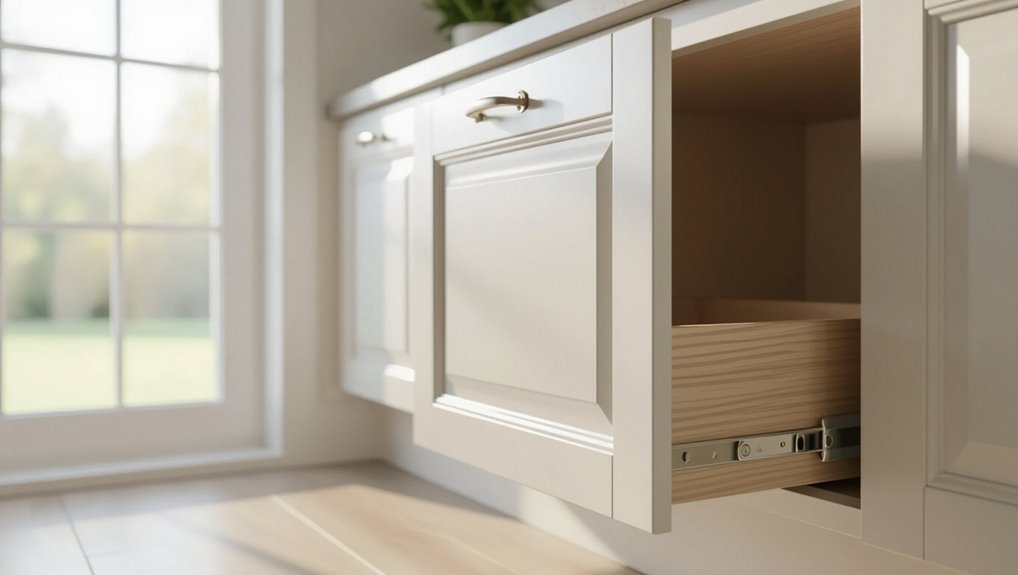
When you need to pick a finish fast, consider durability and sheen first: satin or semi-gloss give the best balance for painted cabinets—easy to clean, forgiving of fingerprints, and tough enough for daily use.
You’ll weigh paint sheen, finish longevity, application methods, and finish compatibility while balancing cabinet aesthetics, maintenance routines, water resistance, and eco friendly options for a smart, fast choice.
How to Choose a Finish for Daily Wear
Having settled on satin or semi-gloss for a quick, practical pick, you’ll next tailor the finish to daily wear by focusing on abrasion resistance, cleanability, and moisture protection. Use finish selection criteria: hardness, wipeability, and UV resistance. Follow simple cabinet maintenance tips: gentle cleaners, prompt spill cleanup, and periodic inspections.
| Hardness | Cleanability | Moisture |
|---|---|---|
| High | Easy | Sealed |
Decision Checklist: Pick the Right Cabinet Finish
Ready to make the final call on a cabinet finish? Use this checklist:
- Assess daily wear and traffic.
- Match finish to room lighting and color trends.
- Prioritize scratch and stain resistance.
- Confirm compatibility with your paint.
- Plan for finish maintenance and cleaning frequency.
- Set budget and timeline.
- Test samples on a cabinet door.
Decide based on durability, aesthetics, and upkeep needs.
Best Finishes for Durable Cabinet Paint (Quick List)
For long-lasting cabinets, choose a satin or semi-gloss paint—both resist scuffs and clean easily.
Top that with a tough polyurethane finish to protect against chips and moisture.
You’ll get durable, low-maintenance cabinets that still look professional.
Satin Or Semi-Gloss
Which sheen should you pick when durability matters most?
You’ll weigh satin sheen versus semi-gloss sheen in a clear finish comparison: satin offers subtle light reflection and softer aesthetic appeal; semi-gloss boosts color enhancement and cleaning ease.
Choose based on style and traffic.
For longevity, follow maintenance tips: gentle cleaners, avoid abrasives, and touch up chips promptly to preserve finish.
Tough Polyurethane Finish
If you want the most hard-wearing option after choosing a sheen, tough polyurethane is the go-to topcoat for cabinets that see heavy use.
You’ll get a tough texture and a long lasting sheen that resists chips and stains.
Choose oil- or water-based formulas for preference.
- Confidence
- Security
- Satisfaction
- Pride
Comparing Acrylic, Polyurethane, and Lacquer
You’ll want to compare acrylic, polyurethane, and lacquer by how they stand up to daily wear and how they’re applied and dried.
Acrylic gives good flexibility and a clear finish. Polyurethane offers the toughest protection, and lacquer dries fastest but can be more delicate.
Consider your traffic level and timeline to pick the best balance of durability and workability.
Durability And Wear
Because durability determines how well cabinets stand up to daily use, comparing acrylic, polyurethane, and lacquer on wear resistance is essential.
You’ll notice differences in scratch resistance, chemical tolerance, and impact resilience; follow cabinet maintenance tips and mind finish compatibility concerns.
Feel the choice emotionally:
- Relief
- Confidence
- Frustration
- Pride
Application And Drying
Start by understanding how each finish behaves during application and cure so you can choose the one that fits your timeline and skill level.
Acrylic is forgiving with brush or spray application techniques and has moderate drying times.
Polyurethane needs careful brushing, runs easily, and has longer drying times.
Lacquer sprays on smoothly, dries fastest, but demands good ventilation and practiced spray technique.
Water-Based vs Oil-Based Cabinet Finishes
Choosing between water-based and oil-based cabinet finishes comes down to what you prioritize: drying speed, durability, appearance, and cleanup.
You’ll weigh finish characteristics and application techniques: water-based dries fast, cleans easily, keeps color; oil-based levels nicely and resists wear but smells and takes longer.
Consider emotions—pride, relief, confidence, caution—when choosing.
- Pride
- Relief
- Confidence
- Caution
Semi-Gloss: Durability and Cleaning Benefits
When you want cabinets that stand up to daily use and wipe clean without fuss, semi-gloss is a smart choice; its higher sheen gives a tougher surface that resists scuffs, stains, and moisture while making dirt and grease easier to spot and remove.
You’ll appreciate results from durability testing and practical cleaning methods—gentle detergents, microfiber cloths, and quick spot wipes keep finishes bright without damage.
Satin: Balance of Look and Wear
Satin offers a middle ground between flat and semi-gloss, giving cabinets a soft, low-luster sheen that still stands up to everyday wear.
Satin strikes the balance between flat and semi-gloss, offering a soft, low-luster finish that withstands everyday wear.
You’ll like satin sheen for its forgiving look and practical resilience. Follow simple maintenance tips and enjoy subtle elegance.
- Feel: warm, inviting
- Clean: easy, forgiving
- Repair: hides minor flaws
- Longevity: reliable daily performance
High-Gloss: When It Helps and When It Hurts
If you want a bold, reflective look that’s easy to wipe clean, high-gloss can be a smart choice.
But it also highlights every imperfection and shows scratches and fingerprints more readily.
We’ll compare the key benefits and drawbacks so you can decide if the trade-offs suit your space.
High-Gloss Pros
High-gloss finishes give cabinets a mirror-like sheen that reflects light and makes colors pop, so you’ll get a bold, modern look and easier wipe-downs in busy kitchens or bathrooms.
You’ll enjoy high gloss sheen, easy cleaning, and durable surfaces if you follow simple high gloss maintenance.
- Sleek style
- Light bounce
- Simple cleanup
- Long-lasting shine
High-Gloss Cons
That mirror-like sheen looks great, but it also shows every fingerprint, scratch, and imperfection, so you’ll need frequent wiping and careful handling to keep cabinets looking pristine. You’ll weigh high gloss maintenance against durability; it resists stains but highlights flaws. Consider high gloss alternatives for busy kitchens.
| Situation | Benefit | Drawback |
|---|---|---|
| Small room | Reflects light | Shows flaws |
| High-traffic | Easy wipe | Scratches visible |
| Budget | Long-lasting | Costly touch-ups |
| Style | Modern | High gloss maintenance |
Best Finishes for Kitchens With Kids and Pets
When you’re juggling sticky fingers, muddy paws, and the daily messes of family life, choosing a durable, easy-to-clean cabinet finish matters more than style alone.
You want kid friendly options and pet proof finishes that resist scuffs and wipe clean fast.
- Satin—soft sheen, hides marks
- Semi-gloss—tough, easy wash
- Acrylic—durable, nonyellowing
- Urethane—top-tier protection
Best Finishes for Bathroom Cabinets (Humidity)
Because bathrooms see regular steam and splashes, you’ll want finishes that block moisture, resist peeling, and stay stable in humidity. Pick water-based or oil-modified enamels and polyurethane for humidity resistance and moisture protection. Seal edges and use satin or semi-gloss for cleanability.
| Finish | Benefit | Tip |
|---|---|---|
| Water-based enamel | Quick-dry, low odor | Use primer |
| Oil-modified enamel | Durable | Ventilate well |
| Polyurethane | Strong moisture protection | Thin coats |
Best Finishes for Laundry and Mudroom Cabinets
For laundry and mudroom cabinets, you’ll want finishes that stand up to moisture and heavy use.
Choose durable, water-resistant coatings and easy-clean surfaces like semi-gloss or satin enamel.
If humidity’s a concern, opt for paints formulated for high-humidity areas to prevent peeling and mildew.
Durable Water-Resistant Finishes
If your laundry or mudroom sees constant moisture, splashes, and heavy use, choose cabinet finishes that stand up to water and wear without demanding nonstop maintenance.
You’ll want water resistant formulas that boost finish longevity and resist peeling, swelling, and stains.
- Tough polyurethane
- Marine-grade varnish
- Two-component acrylic
- Catalyzed conversion coat
Easy-Clean Surface Options
When you want cabinets that wipe clean in seconds, choose finishes engineered for stain resistance and low maintenance. You’ll prefer easy clean surfaces with protective coatings that preserve color retention and finish longevity. Use proper cleaning methods and simple maintenance tips to protect surface texture and guarantee finish compatibility. Quick finish comparison:
| Finish | Benefit |
|---|---|
| Acrylic | Durability |
| Polyurethane | Stain resistance |
High-Humidity Paint Choices
Because laundry rooms and mudrooms see steam, splashes, and rapid temperature shifts, you’ll want paints and topcoats that resist moisture, prevent mildew, and keep adhesion under humid conditions.
Use humidity resistant paints and moisture proof finishes with steam resistant coatings for high humidity environments.
Consider mildew resistant options and bathroom cabinet solutions.
Apply kitchen humidity strategies and humidity control paints.
- Protect
- Trust
- Simplify
- Breathe
Primer Choices That Improve Cabinet Finish Durability
Though primers often sit under the finish, choosing the right one makes a big difference in your cabinets’ durability and long-term appearance.
You’ll weigh primer types, primer benefits and primer compatibility with paints and stains.
Focus on primer adhesion and primer durability for high-traffic doors, follow proper primer application, check primer reviews, and plan simple primer maintenance so your finish holds up longer.
Surface Prep Steps That Make Finishes Last
If you want a finish that lasts, start with meticulous surface prep: clean, sand, and degloss to remove oils, grime, and gloss that keep paint from sticking.
Use surface preparation techniques and ideal sanding methods, note cleaning products impact, and weigh primer selection importance.
- Fix surface imperfections fixing
- Consider environmental conditions influence
- Resolve finish compatibility issues
- Choose application tool choices, drying time effects, finish layering strategies
How Many Finish Coats Do Cabinets Really Need?
You’ll usually need more than one coat to get durable, even coverage—think primer plus two thin paint coats for most cabinets.
Consider whether you need a primer first or a paint-and-primer combo, since that affects adhesion and the total coats.
Finish with the right topcoat (polyurethane, water-based lacquer, or conversion varnish) to protect the paint and determine how many additional thin layers you should apply.
Number Of Coats
Most cabinet projects need two to three finish coats for durable, even coverage, but the exact number depends on the finish type, surface preparation, and how the cabinets will be used.
You’ll judge the number of coats by wear expectations and sheen. Use careful application techniques and sanding between layers.
Emotional checklist:
- Relief
- Pride
- Confidence
- Calm
Primer Versus Paint
After you’ve decided how many finish coats to apply, think about where primer fits into that count—primer isn’t just a first coat, it changes how many paint layers you’ll actually need.
Choose primer types for surface and stain-blocking; good priming improves paint adhesion so you can often use fewer finish coats.
Skip primer only on flawless, previously sealed surfaces to avoid problems.
Topcoat Types
Think about topcoats like a shield: you typically need two finish coats on cabinets to get even coverage and durable protection, though the exact number can change with your paint type and prep.
You’ll appreciate topcoat benefits—resistance, sheen control, ease of cleaning.
For a quick finish comparison, consider:
- Satin
- Semi-gloss
- Gloss
- Matte
Brushing vs Rolling vs Spraying Cabinet Finishes
Choosing between brushing, rolling, and spraying affects the look, durability, and time your cabinet project will take, so weigh each method’s trade-offs before you start.
You’ll use brushing techniques for control, rolling methods for speed on flat panels, and spraying advantages for smoothness.
Consider finish comparison, application challenges, coat thickness, durability factors, and finish maintenance to pick the right approach.
Drying and Curing Times That Affect Hardness
While paint may feel dry to the touch within hours, the real hardness that resists scratches and dents develops much more slowly.
Dry to the touch quickly, but true scratch-resistant hardness takes much longer—plan for curing, not just drying.
So you’ll need to plan around both drying and curing times when finishing cabinets. You’ll monitor drying times and curing effects; hardness development drives finish durability.
Environmental factors—temperature influence, humidity impact—and application techniques all change outcomes.
- Frustration
- Relief
- Patience
- Pride
How to Avoid Yellowing on Light Cabinet Paint
If you want light cabinets to stay crisp and bright, prevent yellowing by controlling the products and conditions you use from the start.
Choose water-based paints and low-VOC primers, avoid oil-based alkyds, and use UV-resistant pigments for yellowing prevention.
Keep humidity and heat steady while drying, clean surfaces before painting, and choose light colors formulated for durability to maintain true tones.
Best Clear Coats to Protect Painted Cabinets
When you want long-lasting protection for painted cabinets, choosing the right clear coat is key.
Water-based polyurethane gives you low yellowing and easy cleanup, while catalyzed conversion varnish provides exceptional durability in high‑traffic areas.
I’ll explain when to use each and how they affect sheen, feel, and maintenance.
Water-Based Polyurethane
Because water-based polyurethane dries clear and stays low-odor, it’s a top choice for protecting painted cabinets without yellowing over time.
You’ll appreciate water based benefits like quick cure, durable film, and easy cleanup.
Use proper application techniques: thin coats, light sanding, and dust-free environment.
Feel confident choosing it for lasting, subtle protection.
Catalyzed Conversion Varnish
Catalyzed conversion varnish gives painted cabinets a factory‑grade finish that resists scratches, chemicals, and yellowing far better than standard clears, so you’ll get long‑lasting protection with minimal maintenance.
You’ll appreciate catalyzed durability for high‑traffic kitchens; it cures hard and cleans easily.
Use precise application techniques, thin coats, proper curing times, and respirators—mixing and spraying yield the best, most consistent results.
Polyurethane Types: Oil vs Water for Cabinets
If you’re choosing between oil- and water-based polyurethane for cabinets, focus on durability, appearance, and application differences.
You’ll weigh oil based advantages like warmth and robustness against water based drawbacks such as slightly less build.
Consider finish compatibility, sheen variations, drying times, environmental considerations, application techniques, and maintenance tips.
- Pride
- Relief
- Confidence
- Satisfaction
Lacquer for Cabinets: Pros, Cons, and Myths
After comparing oil- and water-based polyurethanes, you’ll want to contemplate lacquer as a very different option for cabinet finishes—it’s fast-drying, builds a glassy, very smooth surface, and repairs easily, but it also brings stronger fumes, more prep work, and sensitivity to some topcoats and cleaners.
| Pros | Cons | Tips |
|---|---|---|
| Smooth finish | Fumes | Use respirator |
| Easy repair | Durability concerns | Prep thoroughly |
| Fast cure | Cleaner sensitivity | Test topcoats |
Lacquer myths, application techniques, finish comparisons, cabinet care, lacquer alternatives.
Why Acrylic Enamel Is Popular for Cabinets
You’ll notice acrylic enamel dries to a smooth, hard film that resists scratches and brush marks.
It forms a durable chemical bond with properly prepped cabinet surfaces, so finish failure is less likely over time.
That combination of toughness and a clean look is why many pros and DIYers choose it.
Smooth Hard Film
Smooth, durable coatings make acrylic enamel a favorite for cabinets because it forms a hard, protective film that resists chips, stains, and frequent cleaning.
You’ll appreciate cabinet finish techniques that focus on smooth film application for a sleek look and long life.
- Pride
- Confidence
- Relief
- Satisfaction
Durable Chemical Bond
Bonding power is why acrylic enamel stands out for cabinet work: it chemically fuses to properly prepared wood and primer, creating a durable, solvent-resistant layer that holds up to scrubbing, spills, and daily wear.
You’ll get superior chemical adhesion and reliable surface bonding, so chips and peeling are minimized.
Apply thin, even coats and sand between layers for long-lasting results.
Two-Component (2K) Finishes: What and When
Wondering what sets two-component (2K) finishes apart from conventional paints? You’ll notice two component benefits: superior surface adhesion, color retention, and extended finish lifespan.
Learn precise application techniques and curing process control to get factory-level results.
Consider environmental factors and follow maintenance tips to preserve durability.
- Confidence
- Pride
- Relief
- Satisfaction
Catalyzed Conversion Varnish : Is It Worth It?
Curious whether catalyzed conversion varnish lives up to its reputation? You’ll find catalyzed advantages include exceptional hardness, chemical resistance, and long-term durability for high-use cabinets.
It’s worth considering if you’re prepared for stricter safety controls and professional spraying. Focus on proper application techniques—thin, even coats, correct catalyzation ratio, adequate flash times—to achieve factory-quality results and maximize lifespan.
Best Finish Choices for Shaker Cabinets
For Shaker cabinets you’ll want a paint sheen that balances durability with the clean, simple look the style demands.
Pay special attention to edges and corners with slightly heavier build or protective topcoat to prevent wear.
Keep touch-up and recoat tips handy so minor chips blend in and future maintenance stays quick and painless.
Durable Paint Sheens
While durability matters most in busy kitchens, choosing the right paint sheen for your Shaker cabinets also affects how they look and how easily you clean them.
Pick durable paint and compare finish types: gloss boosts wear resistance; satin balances paint aesthetics and cleaning methods; eggshell masks flaws; matte demands gentle paint maintenance.
Consider finish compatibility, surface preparation, coat requirements, finish testing, and environmental impact.
- Gloss
- Satin
- Eggshell
- Matte
Edge And Corner Protection
You’ve picked a durable sheen, but edges and corners take the most abuse and need extra attention when choosing a finish for Shaker cabinets.
Use corner guards or protective trim, prioritize edge sealing and wear barriers to boost impact resistance and scratch resistance, and choose coatings that improve finish longevity.
Follow simple maintenance tips to preserve edges without full recoat.
Touch-Up And Recoat Tips
1 smart touch-up can save days of work down the road: when a Shaker cabinet shows chips or worn spots, pick a compatible finish (touch-up pens, thin brush-on lacquer, or small cans of manufacturer’s touch-up paint) and match sheen and color precisely so repairs blend with surrounding surfaces.
Use proper touch up techniques and respect recoat intervals.
- Calm reassurance
- Quick pride
- Restored beauty
- Lasting confidence
Best Finish Choices for Flat-Panel Modern Cabinets
When you’re choosing finishes for flat-panel modern cabinets, think minimalism, durability, and surface clarity first.
You’ll favor matte or satin polyurethane for subtle, durable protection that supports modern cabinet aesthetics.
Spray or brush with proper finish application techniques to avoid brush marks.
Consider waterborne options for low yellowing and quick recoat, and keep edges sealed to prevent wear.
How Sheen Changes Perceived Cabinet Color
Although the pigment stays the same, the sheen you choose will change how your eye reads the cabinet color: higher sheens reflect more light, making colors look brighter and slightly cooler, while lower sheens absorb light and deepen tones, often making the same paint appear richer and warmer.
You’ll notice sheen effects altering color perception emotionally:
- Joyful
- Calm
- Cozy
- Bold
Cleaning Routines by Finish Type
Different finishes call for different care, so pick the routine that matches your cabinet’s sheen and stick to it. You’ll set cleaning frequency by sheen: high-gloss needs gentle wipes, semi-gloss tolerates weekly washes, satin suits monthly touch-ups. Follow finish maintenance labels, use mild cleaners, and avoid abrasive pads to preserve coating.
| Finish | Cleaning frequency | Recommended cleaner |
|---|---|---|
| High-gloss | Daily/spot | Microfiber, mild soap |
| Semi-gloss | Weekly | Dilute dish soap |
| Satin | Monthly | Gentle cleaner |
Repairing Chips and Scratches by Finish
Cleaning regularly helps prevent grime from settling into scratches, but small chips and nicks will still happen over time.
You’ll assess wear and choose touch up techniques based on gloss levels and finish maintenance needs.
Focus on chip repair and scratch prevention using protective layering for minor damage.
Steps to calm frustration:
- Inspect
- Match sheen
- Fill
- Seal
Refinishing Painted Cabinets: Strip or Scuff?
When you decide to refresh painted cabinets, the key question is whether to strip down to bare wood or simply scuff the existing finish—and your choice should hinge on the condition of the paint, the type of finish, and how durable you want the new coat to be.
Use strip methods for flaking paint; scuff techniques and sanding options for sound surfaces.
Prioritize surface preparation, paint adhesion, finish selection, cabinet maintenance, and durability factors.
Affordable vs Pro-Grade Finishes: Cost Comparison
If you’re balancing budget and longevity, choosing between affordable and pro‑grade cabinet finishes comes down to how much wear you expect and how long you want the job to last.
You’ll weigh affordable options against pro grade benefits in a clear cost analysis and value comparison.
Consider these emotional factors:
- Relief: budget considerations met
- Pride: premium choices deliver
- Risk: shorter lifespan
- Confidence: long-term save
VOCs, Odor, and Ventilation for Cabinet Finishes
VOC levels in cabinet finishes vary widely, and you’ll want to know what you’re breathing during and after application.
Prioritize VOC safety by choosing low-VOC or water-based products.
For odor control, open windows, use fans, and mask when needed.
Follow ventilation tips during and 48–72 hours after application methods that spray or brush.
Consider health considerations for children, pets, and sensitive occupants.
Hardness vs Flexibility: Impact on Durability
Beyond choosing low-VOC products and ventilating properly, you’ll want to weigh finish hardness against flexibility because that trade-off determines how long cabinets really last.
You’ll balance surface hardness and cabinet flexibility to optimize finish durability and paint longevity.
Consider emotions and priorities:
- Security: impact resistance calms worry.
- Pride: wear resistance protects beauty.
- Relief: coating properties ease cabinet maintenance.
- Confidence: lasting finish.
How Hardware and Hinges Affect Wear Points
You’ll notice that where you place pulls and knobs changes how paint wears over time, with high-contact spots showing scuffs and sheen loss first.
The type and mounting of hinges also shift stress to edges and corners, so your choice of concealed versus surface-mounted hinges matters.
Consider both hardware placement and hinge style together to minimize rubbing and chipping.
Hardware Placement Wear
Anything you mount on a cabinet—handles, knobs, and hinges—changes where wear shows up, so plan their placement to minimize rubbing, chipping, and finish loss.
You’ll boost hardware placement and wear resistance by thoughtful spacing and alignment. Consider:
- Move pulls to distribute touch.
- Avoid edge-mounted knobs.
- Align hinges to prevent rubbing.
- Use backplates for protection.
Hinge Type Impact
Because hinge design controls how a door moves and where it contacts the cabinet, choosing the right type directly changes where wear appears—you’ll see different rubbing, chipping, and finish loss depending on hinge style, mount, and clearance.
You should consider hinge types, hinge placement, hinge materials and hinge durability; proper hinge adjustment and hinge compatibility reduce hinge wear while maintaining hinge aesthetics.
Repainting Over Existing Finishes: What to Know
Thinking about repainting cabinets over an existing finish? You’ll need prepping surfaces, removing grease, and scuffing to help new paint bond.
Don’t skip testing adhesion before committing. Expect minor surprises and plan time.
- Nervous — old finish hides issues
- Relieved — proper prep prevents peeling
- Proud — smooth, durable results
- Cautious — allow cure time
How to Test a Finish in a Small Area
Start by choosing a discreet spot—inside a cabinet door or the back of a drawer—so you can test cleaning, adhesion, and finish compatibility without affecting visible surfaces.
Sand lightly, apply the finish per label, and mark the test area.
After curing, perform a gentle cleaning and adhesion check.
Use a small area for multiple test application methods to compare sheen and durability.
Seasonal Factors That Affect Curing
After you’ve confirmed a finish behaves well in a small area, remember that temperature and humidity will change how it cures across seasons.
You’ll face temperature effects, humidity impact, curing time shifts, and application conditions to manage.
Seasonal humidity and temperature variations create curing challenges.
Seasonal swings in temperature and humidity complicate curing, requiring adjustments to application and drying expectations.
Consider:
- Cold slows cure.
- Heat speeds but risks defects.
- High humidity stalls drying.
- Low humidity can cause brittleness.
DIY Spray vs Pro Application: Longevity Tradeoffs
Although spraying cabinets yourself can save money up front, longevity often comes down to technique, equipment, and environment.
You’ll weigh spray techniques against professional tools: DIY lowers cost considerations but risks uneven application methods and longer cure hurdles.
Pros shorten project timelines and deliver consistent finish longevity with better prep and control.
Choose based on skill, budget, and desired durability.
Expected Lifespan by Finish Type
You’ll want to compare how long each finish actually lasts before refinishing is needed.
Oil-based paints usually hold up longest against wear. Water-based acrylics resist yellowing and can last many years with proper prep. Clear coats add extra protection that can extend service life.
Consider traffic, cleaning habits, and sunlight when estimating realistic timelines.
Oil-Based Paint Longevity
Oil-based paints can last a long time on cabinets, but the finish you choose has a big impact on that lifespan; gloss and semi-gloss finishes typically hold up best, resisting scratches and moisture for 15–20 years with normal use.
In contrast, satin and eggshell finishes usually show wear sooner and often need refreshes every 8–12 years.
- Pride
- Relief
- Frustration
- Satisfaction
You’ll weigh oil based advantages against oil based disadvantages when choosing durability.
Water-Based Acrylic Lifespan
When you pick a water-based acrylic for cabinets, the finish you choose largely determines how long it will stay looking fresh; high-gloss and semi-gloss acrylics typically resist wear and moisture best and can last about 10–15 years with normal use, while satin and matte sheens usually start showing scuffs and color fade sooner, often needing touch-ups or refinishing around 5–10 years.
You’ll find acrylic longevity depends on prep, application, and traffic.
Consider environmental impact when choosing low-VOC formulas and sustainable brands to balance durability with eco-consciousness.
Clear Coat Protection Time
Because clear coats form the primary barrier against scratches, stains, and moisture, choosing the right type directly affects how long your cabinet finish stays protected.
Consider drying time, curing process, surface compatibility, prep essentials, and environmental factors.
Use product recommendations and testing methods, apply proper application techniques, and follow maintenance tips to maximize finish longevity.
- Shocked
- Relieved
- Confident
- Proud
Signs It’s Time to Refinish or Replace Cabinets
If you’re seeing peeling paint, warped doors, or drawers that don’t close properly, it’s time to evaluate whether refinishing will restore function and look or if replacement is the smarter choice.
Check cabinet condition: loose joints, water damage, and hardware wear reduce paint longevity and signal deeper issues.
If structure’s sound, refinish; if not, replace for lasting performance and value.
Low‑VOC and Sustainable Cabinet Finishes
When you want a healthier, greener kitchen, choosing low‑VOC paint types is a smart first step.
You’ll also want to pick eco‑friendly topcoats that resist wear without off‑gassing harmful chemicals.
Together, these choices give durable, attractive cabinets with a smaller environmental footprint.
Low‑VOC Paint Types
Choosing low‑VOC paint lets you refresh cabinets while cutting harmful fumes and supporting greener practices.
You’ll find low VOC options like water‑based acrylics, hybrid alkyds, plant‑based paints, and breathable mineral paints.
Pick eco friendly alternatives that balance durability and scent.
Consider sheen, prep, and dry time so your cabinets look great and stay healthy for family and planet.
- Joy
- Relief
- Pride
- Comfort
Eco‑Friendly Topcoats
Though durability matters, you can protect and beautify cabinets with topcoats that keep indoor air cleaner and reduce environmental impact.
You’ll choose sustainable options and VOC alternatives like low impact coatings and natural finishes that offer eco friendly benefits.
Look for green certifications, biodegradable products, and renewable materials to guarantee performance and longevity while minimizing your home’s footprint.
Top Product Recommendations for Durable Cabinets
If you want cabinets that resist chips, stains, and everyday wear, focus on finishes and products formulated for durability—waterborne conversion varnishes, high-quality acrylic urethanes, and true conversion varnishes lead the pack.
Choose based on sheen, cure time, and your cabinet color trends; practice proper finish application techniques.
- Waterborne conversion varnish
- Acrylic urethane
- Two-part polyurethane
- Spray-applied conversion coat
Final Checklist: Choose and Apply the Right Finish
One clear checklist will keep you from making costly finish mistakes: confirm substrate prep, pick a finish based on use and sheen, verify compatibility with previous coatings, and plan the application and cure schedule so you meet warranty and performance expectations.
Then test on scrap, follow manufacturer steps during finish application, allow full cure, and set a simple finish maintenance plan to preserve durability and appearance.
Frequently Asked Questions
Can Cabinet Finish Affect Indoor Air Quality Long-Term?
Yes — your cabinet finish can affect indoor air quality long term. You’ll release volatile compounds from some paints and sealers, and long term exposure can worsen symptoms, so choose low‑VOC products and guarantee good ventilation.
Can Finishes Be Safely Used on Cabinets With Food-Contact Surfaces?
Yes — you can use food safe options on cabinet food-contact surfaces, and you should follow safe application steps. Choose FDA-compliant finishes, fully cure them, ventilate during application, and avoid low-quality or untested products for safety.
Will Finish Sheen Highlight Wood Grain or Fill Imperfections?
Sheen types do affect grain visibility: higher sheens highlight wood grain and surface flaws, while flatter sheens hide imperfections. You’ll choose satin or semi-gloss for clarity, matte to minimize texture and conceal bumps.
How Do Different Finishes Respond to UV Exposure Over Years?
Sun-scorched surfaces subtly shift: you’ll notice UV stability varies, weather resistance differs, and longevity factors like color retention and fade resistance hinge on finish type; you’ll manage maintenance needs to preserve looks and lifespan.
Are There Finishes Compatible With Radiant-Heated Cabinet Interiors?
Yes — you can use finishes rated for radiant heat compatibility; you’ll want low-VOC polyurethane or heat-resistant conversion varnish. Consider cabinet material considerations like plywood or MDF stability and adhesive tolerance to elevated temperatures when choosing.
Conclusion
Think of your cabinets as a well-traveled bridge: the right finish is the guardrail that keeps paint looking new through every crossing. Choose a durable, low‑VOC finish that fits your use, tools, and style—acrylic for clarity, polyurethane for toughness, lacquer for fast cures—then follow the checklist and maintenance cues. With the right protective coat, your cabinets won’t just endure daily traffic; they’ll age like copper, gaining character without losing strength.
