
What Is Best Paint for Interior Walls: Top Choices for Durability and Style
You’ll want a washable, durable acrylic‑latex for most rooms—think eggshell on living walls and semi‑gloss for trim and bathrooms. Choose acrylic for colorfastness and flexibility; oil for trim if you don’t mind longer cure time. Use moisture‑resistant or mildew‑inhibiting formulas in humid spaces, and low/zero‑VOC if indoor air quality matters. Prep with primer and two coats for best wear. Keep going to match finishes, formulas, and techniques to each room.
Who This Guide Is For and How to Use It
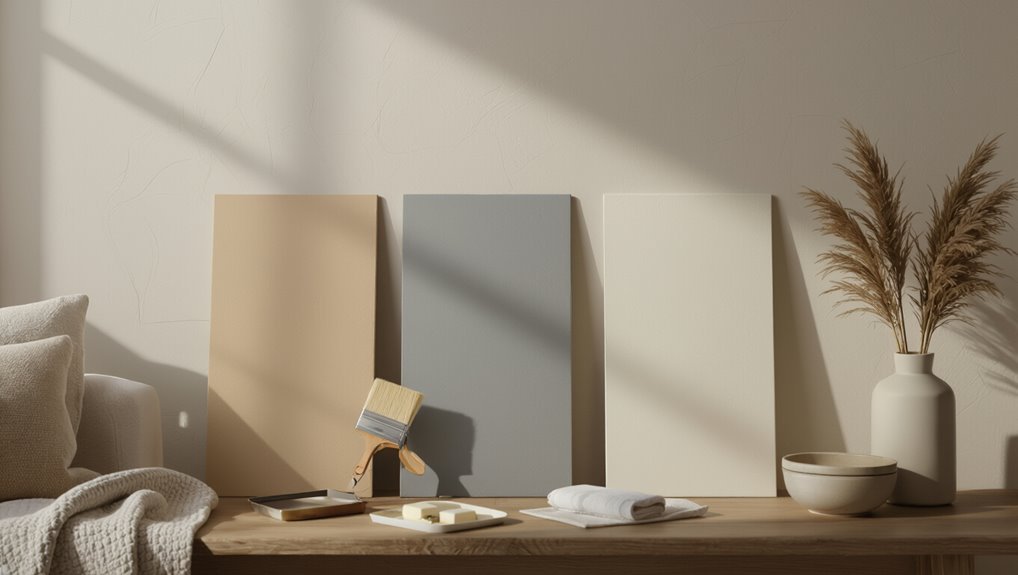
Who are you painting for—yourself, a family, or future buyers?
You’ll use this guide to match paint types to needs: durable options for busy homes, easy-clean for families, or neutral choices that appeal to buyers.
Follow concise sections on prepping, finish selection, and color trends so you pick practical, stylish solutions without getting bogged down in technical brand comparisons.
Quick Answer: Best Interior Paints at a Glance
If you want paint that stands up to scuffs and frequent cleaning, I’ll point out the most durable options you can trust.
If you’re after looks, I’ll highlight stylish finishes that bring a room to life.
Together these picks give you a quick, practical starting point for choosing interior paint.
Top Durable Options
Durability matters when you want paint that stands up to scrubbing, scuffs, and everyday wear, so here’s a quick look at reliable interior options:
You’ll prefer paints formulated with durable materials and advanced paint technology—high-quality acrylic latex, eggshell or satin sheens, and washable primers.
Choose brands with proven stain resistance and easy-clean finishes to keep walls looking fresh in high-traffic rooms.
Stylish Finish Picks
Pick the right finish and you’ll instantly lift a room’s style while keeping maintenance simple.
You’ll choose eggshell for subtle sheen in living areas, satin for durability in trim and kids’ rooms, and semi-gloss for high-traffic or moisture-prone spots.
Match finishes to modern textures and current color trends to create cohesion.
Test samples on walls to confirm look and cleanability before committing.
How to Choose: Durability vs. Appearance
When picking paint, you’ll balance how tough it needs to be with how you want it to look.
Consider finish options—flat hides flaws but is harder to clean, while satin or semi-gloss stands up to scrubbing but shows imperfections.
Think about how much maintenance you’re willing to do when prioritizing appearance versus durability.
Durability Versus Finish
While a stunning finish can make a room feel finished, you’ll want paint that stands up to daily life—scuffs, cleaning, and sunlight—so balance appearance with toughness when you choose. Consider durability factors and finish types: sheens affect washability and hide. Pick satin or semi-gloss for high traffic; matte for low-traffic elegance.
| Finish | Best use |
|---|---|
| Matte | Low traffic |
| Satin | High traffic |
| Semi-gloss | Trim |
Maintenance And Appearance
Think about how often you’ll clean and how much wear the walls will take before you choose a paint: high-traffic rooms need tougher, washable formulas and glossier sheens, while low-traffic spaces can favor matte paints that hide imperfections but require gentler care.
You’ll get better appearance enhancement and maintenance tips by matching sheen to use, tools, and cleaning routine.
- Scuffed kitchen wall after dinner
- Kid’s crayon marks on hallway
- Soft matte living room glow
Paint Formulas Explained: Latex, Acrylic, Oil
Because the binder determines how paint behaves, you’ll want to understand the core differences between latex, acrylic, and oil formulas before you pick a color. You’ll appreciate latex benefits for easy cleanup, acrylic versatility for flexible durability, and note oil drawbacks like longer cure. Consider paint application needs, room use, and mood.
| Emotion | Choice |
|---|---|
| Calm | Latex |
| Confidence | Acrylic |
| Caution | Oil |
Paint Finish Explained: Durability and Look
Now let’s look at how sheen levels affect both the look and wear of your walls.
You’ll learn which finishes stand up to scrubbing and which hide imperfections, so you can match durability to room use.
I’ll also cover how appearance and maintenance trade off so you can pick the right finish for your space.
Sheen Levels Compared
Sheen levels—flat, eggshell, satin, semi-gloss, and gloss—determine how paint looks and how it stands up to wear.
You’ll notice sheen impact immediately: flat hides imperfections, gloss highlights details with stronger reflective properties. Choose based on room use and desired look, balancing subtlety and shine.
- Soft, matte walls absorbing light
- Slightly luminous dining room
- High-gloss trim catching reflections
Durability Across Finishes
Shine affects appearance, but finish choice also dictates how well paint holds up to daily life—scrubbing, scuffs, and moisture. You’ll choose based on traffic and cleaning needs; tougher sheens boost paint longevity. Use this finish comparison quick guide to match room function.
| Finish | Durability | Best Use |
|---|---|---|
| Flat | Low | Ceilings |
| Eggshell | Medium | Living rooms |
| Semi-gloss | High | Trim/bathrooms |
Appearance And Maintenance
Pick a finish that matches how the room looks and how much care you’re willing to give it; higher-sheen paints highlight color depth and wipe clean easily, while flatter finishes hide imperfections but demand gentler maintenance.
You’ll balance color psychology and texture impact to set mood and upkeep. Visualize finishes:
- Glossy kitchen backsplash gleaming under lights
- Satin hallway resisting scuffs
- Matte living room calming and soft
When to Use Matte or Flat
When you want walls that hide imperfections and read as smooth, matte or flat finishes are the right choice.
When you want walls that hide imperfections and read smooth, matte or flat finishes are ideal.
You’ll appreciate matte benefits: low sheen, soft look, and forgiving texture in bedrooms, dining rooms, and ceilings.
Note flat drawbacks: harder to clean and less durable in high-traffic spots.
Use them where appearance matters more than frequent scrubbing.
Eggshell vs. Satin: Best Living-Area Choice
When choosing between eggshell and satin for living areas, you’ll want to weigh durability and how easy each finish is to clean.
Consider how their different sheens affect light reflection and how much texture they’ll reveal on your walls.
Think about the rooms you’re painting—eggshell often suits bedrooms and hallways, while satin can handle higher-traffic spaces like family rooms and kitchens.
Durability And Maintenance
Because you’ll be using living areas every day, durability and ease of maintenance matter more than a perfect sheen—eggshell and satin each strike a different balance.
You’ll pick long lasting options and follow simple maintenance tips to keep walls fresh:
- A friendly sponge for scuffs
- Quick spot primer and touch-up
- Gentle cleaners that won’t dull finish
Sheen And Light Reflection
Durability and upkeep matter, but how a finish interacts with light will shape how comfortable and spacious your rooms feel.
You’ll note sheen impact immediately: eggshell softens glare with higher light absorption, masking imperfections, while satin reflects more light for a subtle sheen and easier cleaning.
Choose based on desired mood and maintenance—eggshell for cozy, satin when you want slight luster plus durability.
Best Room Applications
Think of your living room as a stage: eggshell gives a warm, forgiving backdrop that hides minor flaws and creates a cozy feel, while satin adds a bit of polish and stands up better to frequent cleaning and traffic.
Choose eggshell for bedroom vibes and dining elegance; pick satin for hallway durability, kitchen aesthetics, bathroom moisture, entryway style, kids’ creativity, office productivity.
- Soft sofa glow
- Easy-wipe trim
- Playful wall art
Semi-Gloss and High-Gloss: Moisture and Scrubbability
If you’re dealing with humid rooms or surfaces that need frequent cleaning, semi-gloss and high-gloss paints are the smart choice: their harder, less porous finishes resist moisture and stand up to repeated scrubbing without wearing down.
You’ll enjoy semi-gloss benefits like stain resistance and easy wiping, though be aware of high-gloss drawbacks—it highlights imperfections and reflects light more intensely.
100% Acrylic, Vinyl, and Hybrid Formulations
When you compare paint labels, the percentage of acrylic tells you how much of the binder is acrylic resin versus vinyl or other ingredients.
That ratio determines flexibility, adhesion, and resistance to yellowing. You’ll choose acrylic benefits for colorfastness, vinyl durability for budget areas, or hybrid versatility for balanced performance; match application techniques to surface prep and porosity.
- Smooth rolled wall in daylight
- High-traffic hallway scuff test
- Trim brushed for sharp edges
Low‑VOC and Zero‑VOC Paints: Benefits and Tradeoffs
If you’re sensitive to odors or worried about long‑term indoor air quality, low‑VOC and zero‑VOC paints can cut harmful emissions and help keep your home healthier.
You should know they sometimes cost more and may vary in durability, coverage, or color depth compared with traditional formulas.
We’ll weigh those health benefits against performance and price so you can pick what matters most for your space.
Health And Indoor Air
Choosing low‑VOC or zero‑VOC paint can meaningfully reduce the chemical odors and indoor pollutants you bring into your home, improving air quality during and after painting.
You’ll notice fewer headaches and respiratory irritations, helping protect sensitive people and long‑term indoor air quality and health impacts.
Consider visuals:
- Fresh paint with open windows and sunlight
- A child playing in a newly painted room
- A potted plant near a drying wall
Performance And Cost Tradeoffs
Although low‑VOC and zero‑VOC paints reduce indoor pollutants and odor, they can behave differently than traditional formulas in coverage, drying time, and durability.
So you’ll want to weigh performance against cost. You’ll find tradeoffs: some eco formulas sacrifice performance longevity or need extra coats, raising cost despite better cost efficiency over time.
Test swatches and read specs before committing.
When You Need Stain‑Blocking or Primer-Paint Combos
When old water stains, nicotine, marker, or tannin bleed-through threaten your fresh color, reach for a stain‑blocking primer or a combined primer‑paint to stop the problem at the source.
You’ll appreciate primer benefits and stain resistant options that save time. Apply evenly, sand glossy spots, then repaint.
Visualize the fix:
- Cleaned ceiling with a fresh white patch
- Sealed trim around a window
- Even wall color after priming
Best Paints for Hallways and Kids’ Rooms
For hallways and kids’ rooms, you’ll want paints that stand up to scuffs and wipe-clean messes.
Choose durable, washable finishes for high-traffic areas and look for low-VOC formulations to keep indoor air safer.
I’ll outline the best finish types and kid-friendly low-VOC options next.
Durable Washable Finishes
A few rooms—hallways, playrooms, and kids’ bedrooms—need paint that stands up to fingerprints, scuffs, and frequent scrubbing.
Durable washable finishes give you that resilience without sacrificing appearance. You’ll choose based on a durability comparison and prioritize washable finishes that resist stains and clean easily.
- Little hands smudging near light switches
- Scuffed baseboards after toy battles
- Spilled juice wiped away without staining
Low-VOC Safe Options
You’ll want durability that’s also safe for the people who spend the most time in those rooms, so low‑VOC and low‑odor paints are the smart pick for hallways and kids’ bedrooms.
Choose certified eco friendly alternatives with antimicrobial and washable finishes to resist scuffs. They improve air quality, reduce odors during application, and keep maintenance simple—ideal for busy family spaces where safety and longevity matter.
Top Paint Picks for Kitchens and Dining Rooms
Because kitchens and dining rooms host both messy cooking and lively gatherings, you’ll want paint that balances durability with color that flatters food and skin tones.
Choose washable, semi-gloss or satin finishes and colors that suit kitchen color schemes and boost dining room ambiance.
Pick washable paints in satin or semi-gloss—durable finishes that flatter kitchen palettes and elevate dining-room ambiance.
Visualize the setting:
- Warm terracotta backsplash and cream trim
- Deep navy accent wall with brass fixtures
- Soft sage with natural wood table
Paints Built for Bathrooms and Humid Spaces
When you’re choosing paint for bathrooms and other humid rooms, pick moisture-resistant formulas that stand up to steam and splashes.
Look for products with mildew-inhibiting additives to keep walls looking fresh longer.
Make sure the finish is easy to clean so you can wipe away soap scum and splatter without damaging the surface.
Moisture-Resistant Formulas
If your bathroom or laundry room fights constant humidity, pick a paint that’s formulated to resist moisture, mildew, and peeling.
You’ll get improved moisture resistance and better paint longevity by choosing satin or semi-gloss interior formulas designed for wet areas. They clean easily and stand up to steam.
- Shiny, wipeable walls after showers
- Smooth finish despite steam
- Lasting color in damp corners
Mildew-Inhibiting Additives
Though moisture-resistant finishes help, you’ll get extra protection in bathrooms and humid spaces by choosing paints with built-in mildew-inhibiting additives.
These formulations contain biocides or fungicides that slow mold and mildew growth on the paint surface, keeping walls cleaner and reducing the need for frequent scrubbing.
You’ll appreciate the mildew resistance and additive benefits when humidity spikes, helping surfaces stay healthier and maintenance easier.
Easy-Clean Finishes
1 clear step to make bathroom care easier is choosing an easy-clean finish—paints formulated to resist stains, wipe clean without ghosting, and stand up to repeated scrubbing in humid conditions.
You’ll use easy clean techniques and gentle cleaning products to preserve sheen and color.
Visualize surfaces that shrug off soap scum and splashes:
- glossy subway tiles reflecting light
- satin walls with no streaks
- trim that wipes spotless
Choosing Paint for Bedrooms and Relaxation
When you’re choosing paint for a bedroom, prioritize colors and sheens that promote rest and reduce stimulation; soft neutrals, muted blues, and warm greiges create calm, while low-sheen finishes minimize glare and hide imperfections.
Use color psychology to select calming hues that suit your light and furniture. Test samples on different walls, live with them for days, and pick the one that soothes you.
How Color Affects Perceived Durability and Upkeep
If you pick darker, richer colors or mid-tones, they’ll hide scuffs, stains, and minor imperfections better than very light hues. This means your walls will look cared-for longer between touch-ups.
You’ll use color psychology and visual perception to influence perceived wear: choose tones that mask marks and feel resilient, saving time on cleaning and repainting.
Use color psychology and perception to choose resilient tones that mask marks, reducing cleaning and repainting frequency.
- Deep charcoal hiding smudges
- Warm taupe masking fingerprints
- Muted blue softening dents
Matching Sheen to Light and Surface Flaws
Choosing a color that hides wear is only part of the equation—sheen plays a big role in how light reveals or disguises surface flaws. You’ll use sheen selection to control light impact: higher sheen highlights texture, flatter finishes hide imperfections. Pick matte for low-glare rooms, satin for washable walls, semi-gloss for trim, and gloss sparingly where you want durability.
| Finish | Effect |
|---|---|
| Matte | Hides flaws |
| Satin | Mild sheen |
| Semi-gloss | Highlights trim |
| Gloss | Shows texture vividly |
Surface Prep: Cleaning, Patching, Priming
A clean, smooth surface is the foundation of any paint job, so start by washing walls to remove dust, grease, and mildew.
Then sand rough spots and fill holes with spackling or joint compound.
Sand rough spots and fill holes with spackling or joint compound for a smooth, paint-ready surface.
Use surface cleaning techniques and cleaning product selection, follow a surface preparation checklist, employ effective patching techniques and patching methods, choose priming product recommendations to avoid surface prep mistakes and guarantee prep for durability.
- damp sponge, degreasing suds
- sanded patch, feathered edges
- pale primer sealing stains
Essential tools needed: putty knife, sandpaper, microfiber.
Application Methods: Rollers, Brushes, Sprayers
Three main tools—rollers, brushes, and sprayers—handle almost every interior painting task, and knowing when to use each will save you time and improve finish quality.
You’ll pick roller techniques for large flat walls, choose brush types for trim and corners, and dial sprayer settings for even coverage.
Don’t skip surface prep; it guarantees adhesion and a professional result.
How Many Coats for Coverage and Wear Resistance
Most rooms need two coats to get reliable coverage and reasonable wear resistance, though one coat of a high-quality, tinted primer-plus-paint can sometimes do the job on light, well-prepped surfaces.
Most rooms benefit from two coats for reliable coverage and durability, though a tinted primer-paint may suffice.
You’ll use paint layering techniques and respect ideal drying times between coats to prevent peeling and uneven sheen.
- Smooth, even roller strokes
- Crisp brush-cut edges
- Uniform sheen across walls
Touch-Ups and Maintenance Tips
Anyone can keep painted walls looking fresh by tackling small blemishes quickly and storing leftover paint for future touch-ups.
You should clean stains gently, sand edges, and blend with thin layers using recommended touch up techniques.
Keep a simple maintenance schedule for dusting and spot checks every few months, note paint codes, and seal samples so repairs match seamlessly when scuffs or chips appear.
Budget vs. Premium Paints: When to Spend More
While you can save money on some projects by choosing budget paints, it’s worth spending more when durability, coverage, or a flawless finish matters—like on high-traffic rooms, trim, or darker colors where fewer coats and better hiding save time and bother.
Spend more where it counts: high-traffic areas, trim, and deep colors—better durability, coverage, and fewer coats.
You’ll weigh budget options against premium features: choose based on traffic, color depth, and desired longevity.
- Scuffed hallway
- Satin trim shine
- Deep navy wall
Top Durable Paint Brands and Standout Formulas
Because you want paint that stands up to daily wear, it helps to know which brands and specific formulas deliver the best durability without breaking the bank.
You’ll find Sherwin‑Williams Emerald and Benjamin Moore Aura for tough, washable finishes, and Behr Marquee for value.
Look for durable blends that align with sustainable paints movements and current color trends so your rooms stay stylish and resilient.
Eco-Friendly Durable Paints and Trusted Certifications
When you want durable paint that’s kinder to indoor air and the planet, look for low‑ or zero‑VOC formulas from reputable brands and third‑party certifications that verify performance and safety.
You’ll choose products with eco friendly certifications and sustainable practices on labels, ensuring washability and longevity without harmful emissions.
Choose paints labeled with eco certifications and sustainable practices for washable, long‑lasting finishes without harmful emissions.
- Creamy, scuff‑resistant finish on high‑traffic walls
- Smooth, mildew‑resistant bathroom coat
- Durable, matte living‑room look
Common Mistakes That Shorten Paint Life
If you skip proper surface prep or use the wrong primer, your fresh paint won’t last; poor adhesion, trapped moisture, and dirt lead to peeling, blistering, and premature fading.
You should follow surface preparation steps, choose compatible primers, and use correct paint application techniques.
Rushing coats, thinning paint too much, and painting in unsuitable humidity or temperature all shorten finish life and appearance.
Quick Decision Guide: Pick by Room and Problem
Pick the right paint for each room by matching the finish and formulation to the room’s use and problems—moisture, stains, traffic, or lighting.
You’ll choose based on durability, cleanability, color psychology, and desired texture effects to set mood and hide flaws.
Visualize outcomes:
- Bright kitchen with washable satin and warm hues
- Damp bathroom with mildew‑resistant semi‑gloss and cool tones
- Busy hallway with scrubbable eggshell and subtle texture effects
Pre‑Buy Checklist: Quantities, Tools, Warranties
Before you buy, make a quick checklist so you don’t run out of paint, tools, or time: calculate paint quantity estimation by measuring walls and accounting for coats, primer, and waste.
List essential painting tools—rollers, brushes, trays, tape, drop cloths, ladder—and verify compatibility with your chosen finish.
Check product warranties and return policies, and buy a bit extra for touch-ups.
Frequently Asked Questions
Can Paint Prevent Mold Growth in Poorly Ventilated Rooms?
Paint can help but won’t fully prevent mold in poorly ventilated rooms; you’ll need mold resistant paints plus ventilation solutions like fans or dehumidifiers, regular cleaning, and fixing leaks to keep moisture and spores under control.
How Long Should Newly Painted Rooms Be Left Unoccupied?
You should wait at least 24–48 hours before occupying freshly painted rooms; full curing can take up to two weeks. Keep ventilation strong to speed drying time and protect air quality, and avoid heavy use during curing.
Can Different Paintsheens Be Mixed on the Same Wall?
Yes — you can mix sheens like a painter blending colors, but keep sheen combinations subtle so wall finishes stay consistent; you’ll want compatible paints, even coats, and test samples to avoid visible shifts or uneven gloss.
Are Specialty Paints Safe for Nurseries and Pregnant Occupants?
Yes — you can use specialty paints in nurseries and during pregnancy, but choose eco friendly options; they’re formulated for low VOC benefits, reducing fumes and risks, and you should still ventilate and follow product safety guidelines.
Does Paint Color Affect Indoor Temperature or Energy Use?
Yes—you’ll notice light colors reflect heat, lowering color temperature indoors, while dark hues absorb warmth, slightly raising it. That shift can improve energy efficiency in heating or cooling, though insulation and HVAC have bigger impacts.
Conclusion
You’ve got the facts to pick paint that lasts and looks great—now act. Remember: high-quality eggshell or satin latex will stand up to most family life; semi-gloss is your go-to for trims and bathrooms. Fun stat: a single gallon of good interior paint typically covers about 350 square feet, roughly the size of a small studio apartment—so one can transform a whole room with a single coat if you prep properly. Go paint smart.
