
35 Key Differences Between Flats and Apartments Explained
You’ll notice flats typically refer to single-level, often older dwellings with spacious layouts, while apartments can be multi-level and feature modern designs with more compact, open plans. Flats offer greater flexibility for modifications and often come with lower costs but fewer amenities. Apartments usually have stricter ownership rules, better soundproofing, and premium amenities like rooftop access. Your choice depends on lifestyle, pet needs, and work setups—explore further to discover which suits you best.
Origins of the Terms: Flat and Apartment
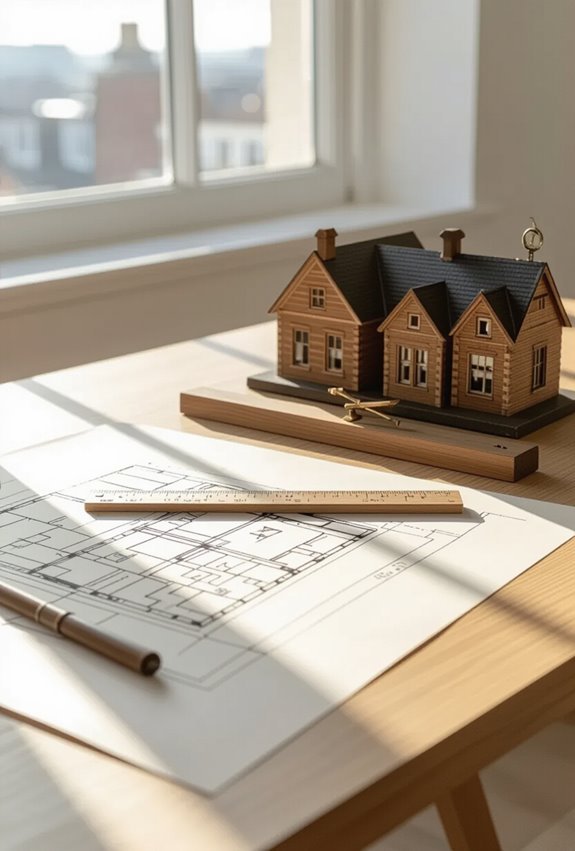
Understanding the subtle differences between flats and apartments starts with exploring where these terms come from. The etymology origins reveal that “flat” emerged from British English, highlighting a single level dwelling. Meanwhile, “apartment” traces back to French and Latin roots. Their linguistic evolution reflects cultural preferences, helping you grasp why each term suits different living spaces.
How Geography Shapes the Use of Flat and Apartment
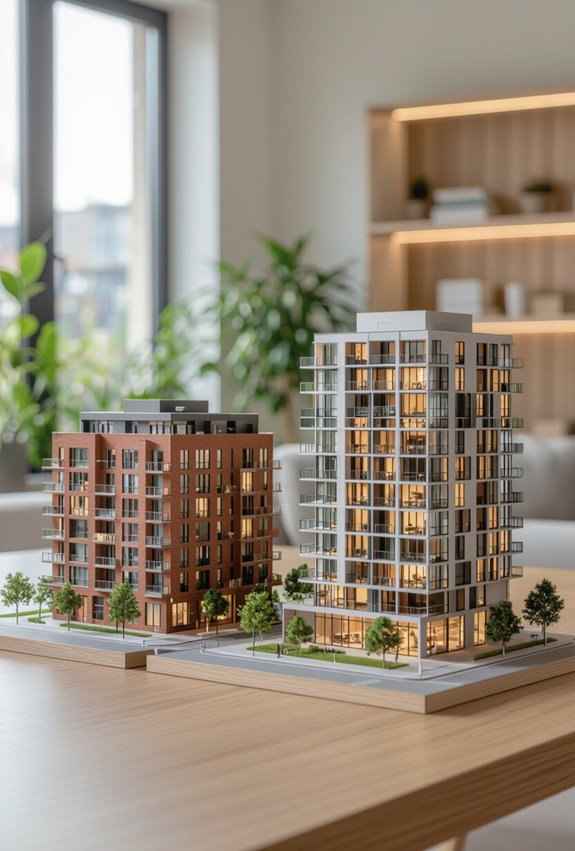
When you travel between countries, you’ll notice that the words “flat” and “apartment” aren’t used interchangeably. This difference reflects urban vocabulary shaped by local culture and climate adaptation.
In cooler climates, “flat” often describes compact, shared spaces, while warmer regions favor “apartment” for designs emphasizing ventilation and outdoor living, showing how geography influences language and housing concepts.
Differences in Building Ownership Structures
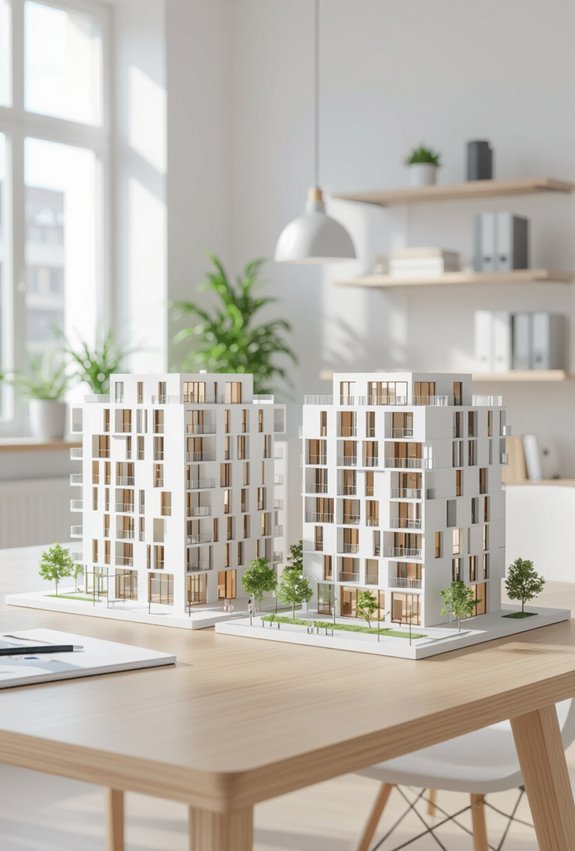
Geography influences more than just the terms used for living spaces; it also affects how buildings are owned and managed.
You’ll often find flats under cooperative ownership, where residents collectively own the building. Apartments, on the other hand, usually follow condominium governance, giving you individual ownership of your unit and shared responsibility for common areas. Understanding these structures helps you navigate your rights and responsibilities.
Typical Size Variations Between Flats and Apartments
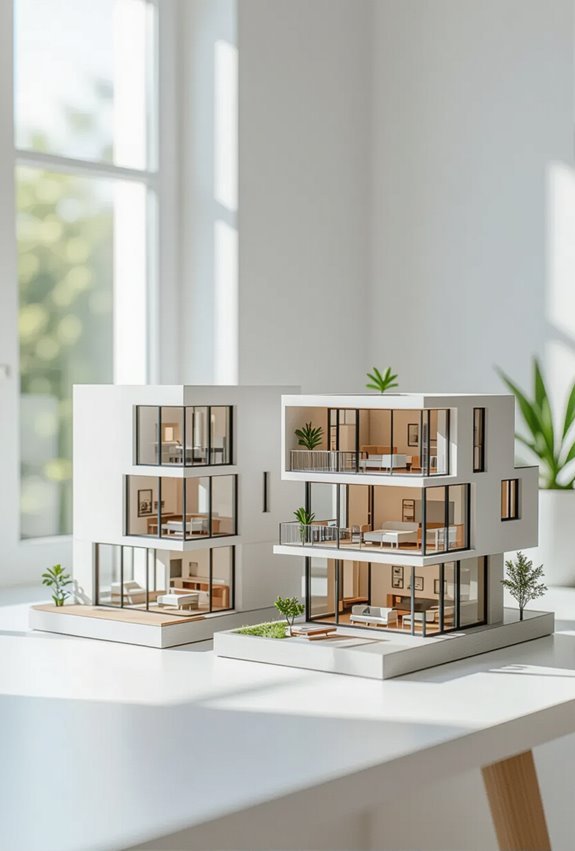
Although both flats and apartments serve as comfortable living spaces, they often differ substantially in size.
Flats typically offer more generous square footage, while apartments might include smaller units or studio conversions to maximize space.
When choosing between the two, consider how much room you need, since size variations impact comfort and functionality in everyday living.
Common Architectural Styles for Flats and Apartments
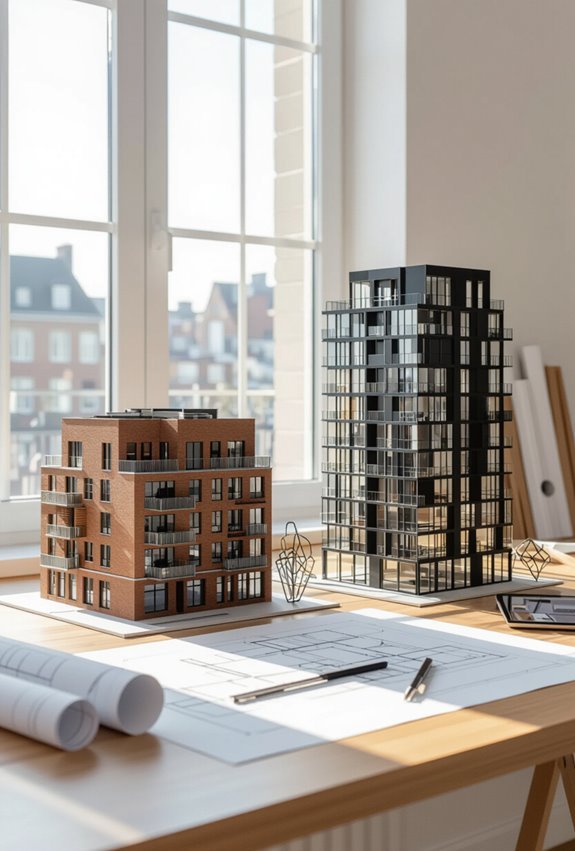
Many architectural styles shape the look and feel of flats and apartments, each offering unique characteristics that influence your living experience.
You might find Victorian terraces with ornate details and charming facades, giving a historic vibe. Alternatively, Modernist blocks showcase clean lines and functional design, providing a sleek, contemporary atmosphere.
Recognizing these styles helps you choose a home that fits your taste and lifestyle.
Differences in Entrance and Access Design
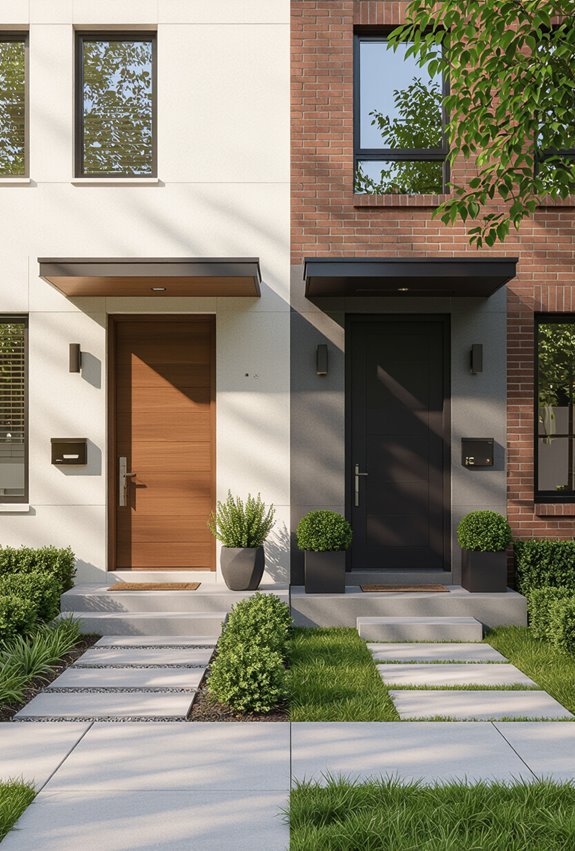
Although flats and apartments may look similar at first glance, their entrance and access designs differ markedly to suit their structures and residents’ needs.
Apartments often feature secure lobbies with controlled entry, giving you added safety.
Flats might prioritize step free access, making it easier for you and visitors with mobility challenges to enter without stairs, reflecting their typically lower-rise layouts.
How Common Areas Are Managed in Flats vs Apartments
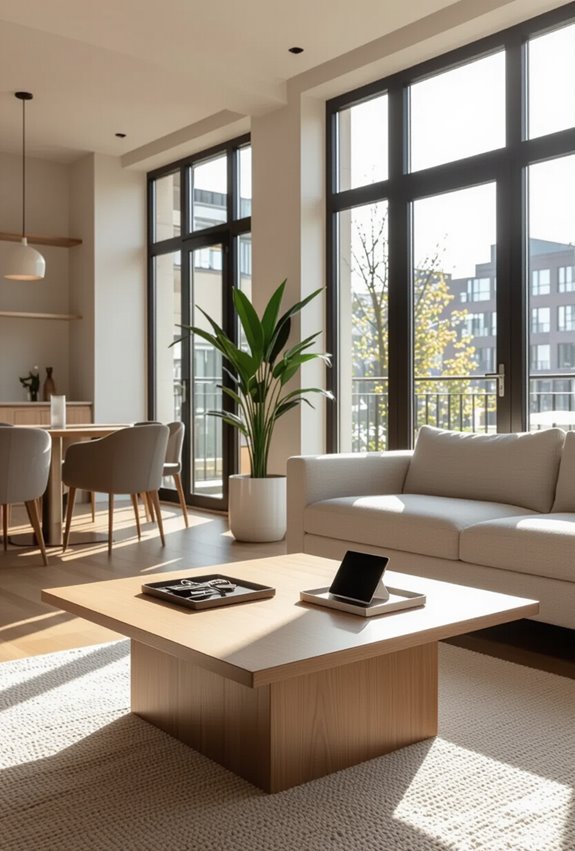
Since common areas play a vital role in your daily experience, understanding how they’re managed in flats versus apartments can help you choose the right living space.
Flats often have resident committees that oversee shared spaces and set cleaning schedules, giving you more input. Apartments usually rely on property management companies to handle maintenance, so your involvement tends to be limited but consistent.
Variations in Lease and Rental Agreements

Understanding the variations in lease and rental agreements can save you from unexpected surprises down the line.
Flats often offer more standardized tenant protections, while apartments might include stricter clauses on rent escalation.
Make sure you carefully review terms related to rent increases and tenant rights, so you know exactly what to expect throughout your lease period.
How Maintenance Responsibilities Differ
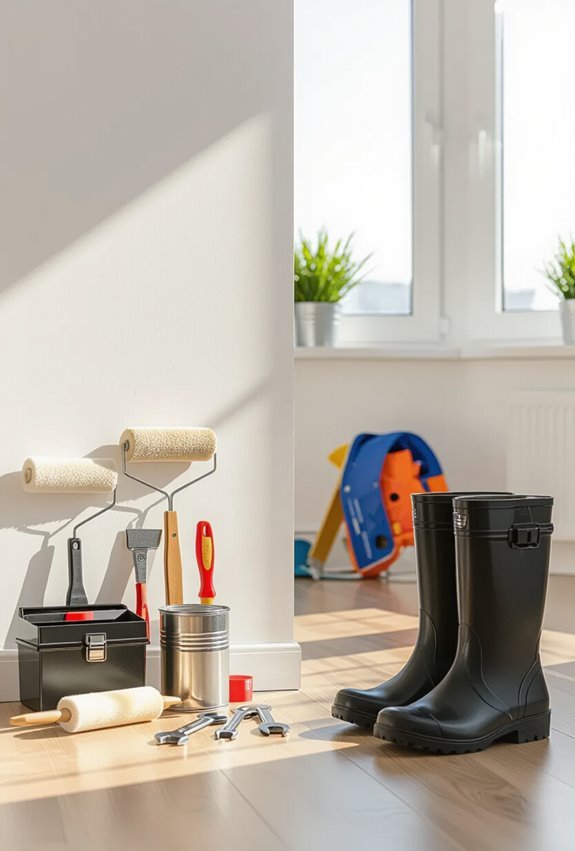
Although both flats and apartments require upkeep, the way maintenance responsibilities are divided can vary markedly.
In flats, your tenant obligations often include minor repairs, while landlord repairs cover structural issues. Apartments usually have clearer distinctions, with landlords handling most maintenance.
Understanding these differences helps you know when to address issues yourself and when to rely on your landlord’s support.
Differences in Amenities Offered With Flats and Apartments
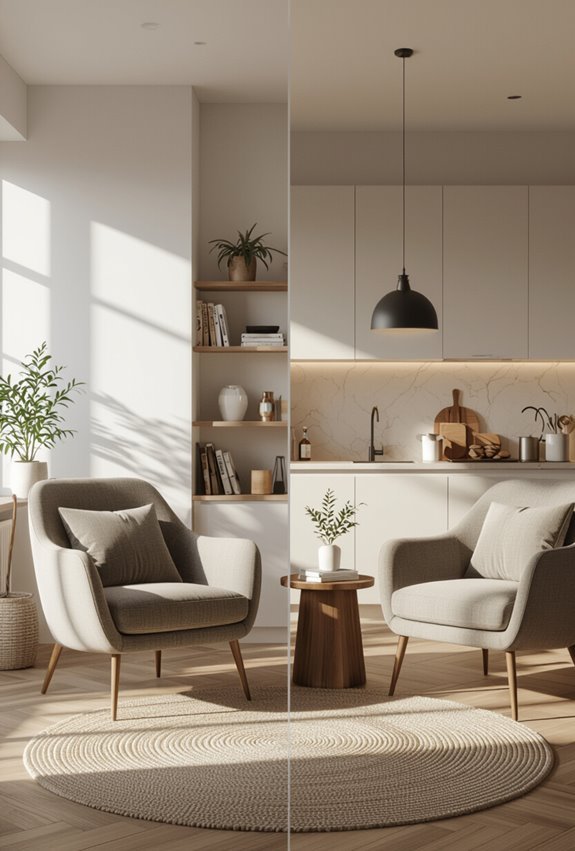
When choosing between flats and apartments, you’ll notice that the amenities offered can differ markedly.
Apartments often include perks like rooftop gardens and concierge services, enhancing convenience and lifestyle.
Flats, on the other hand, may offer fewer shared amenities, focusing more on individual living spaces.
Your choice depends on whether you prioritize community features or private simplicity.
Parking Availability and Policies in Flats vs Apartments
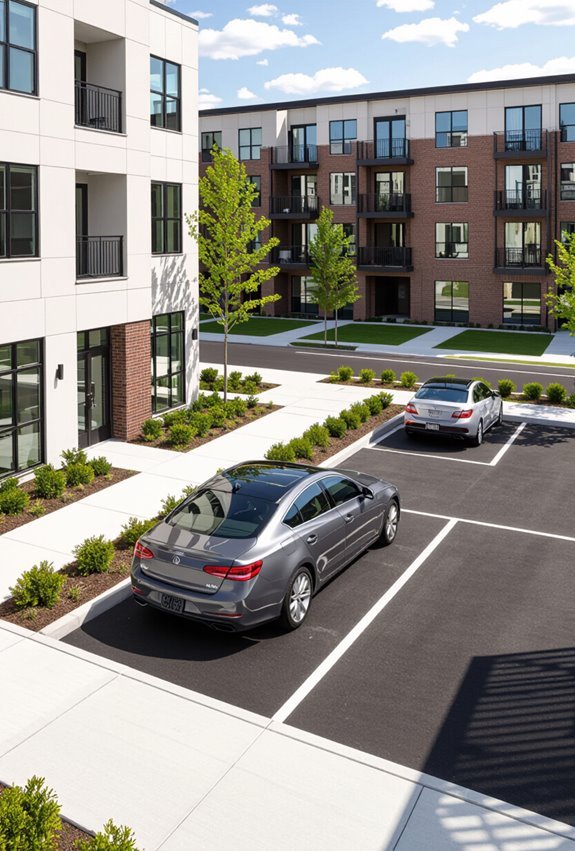
Along with amenities, parking availability and policies can markedly affect your living experience in flats and apartments. Flats often offer limited covered parking, relying on street parking or permit zones, which might require extra permits.
Apartments typically provide designated covered parking spots, making it easier for you to secure a space while avoiding permit zone restrictions and parking hassles.
Typical Tenant Demographics for Flats vs Apartments
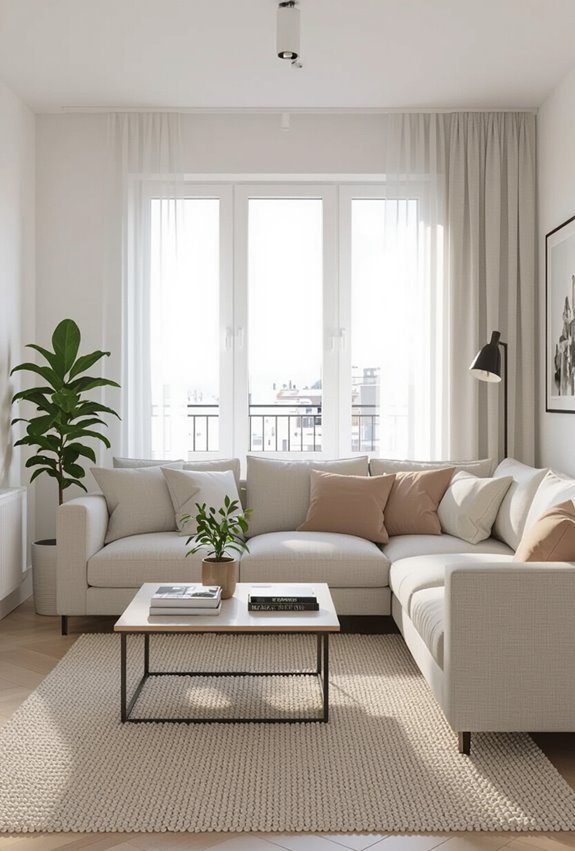
Many tenants choosing flats tend to be younger individuals, students, or those looking for more affordable housing options in urban areas.
You’ll often find young professionals renting apartments, attracted by modern amenities and convenient locations.
Meanwhile, retiree couples usually prefer flats for their quieter atmosphere and simpler layouts, making them ideal for a relaxed lifestyle without sacrificing community feel.
How Local Regulations Affect Flats and Apartments Differently
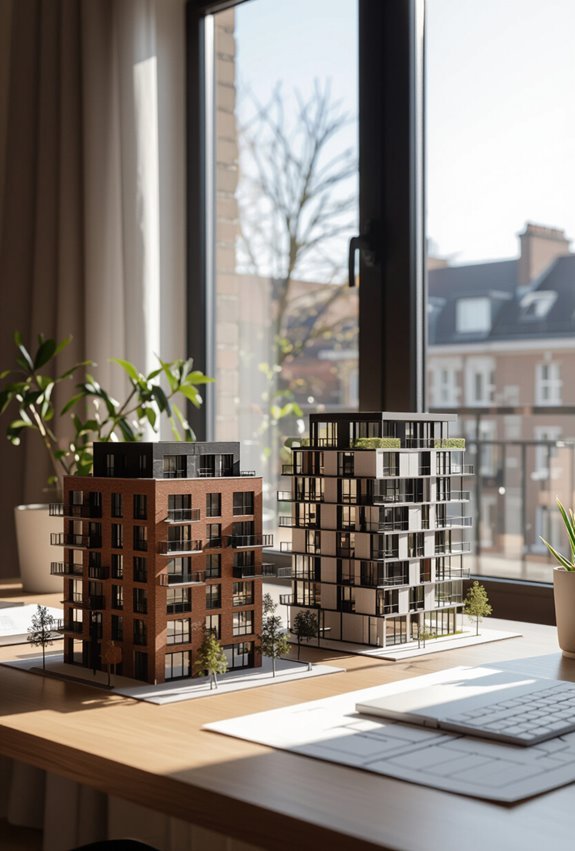
Because local regulations vary widely, they can impact flats and apartments in distinct ways that affect your living experience and investment decisions.
Zoning distinctions often dictate where flats or apartments can be built, influencing availability and community layout.
Additionally, differing licensing requirements for each can affect maintenance standards and landlord responsibilities, so you should understand local rules before choosing between them.
Furnishing Expectations: Flats vs Apartments
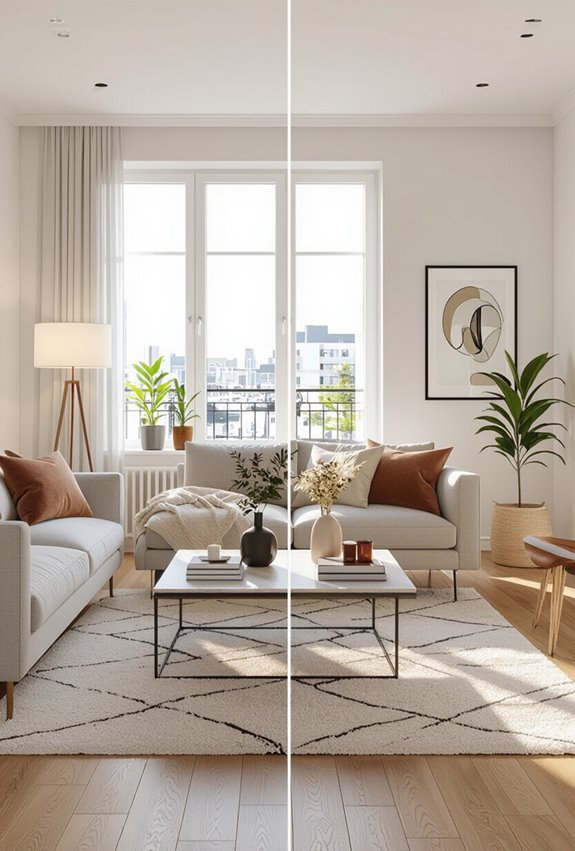
Understanding how people view flats and apartments worldwide also sheds light on what you might expect inside these homes.
Your move in expectations will differ: flats often come unfurnished, letting you tailor style preferences freely, while apartments may include basic furnishings.
Knowing this helps you prepare better, ensuring your new space matches your taste and comfort from day one.
Differences in Pet Policies and Restrictions
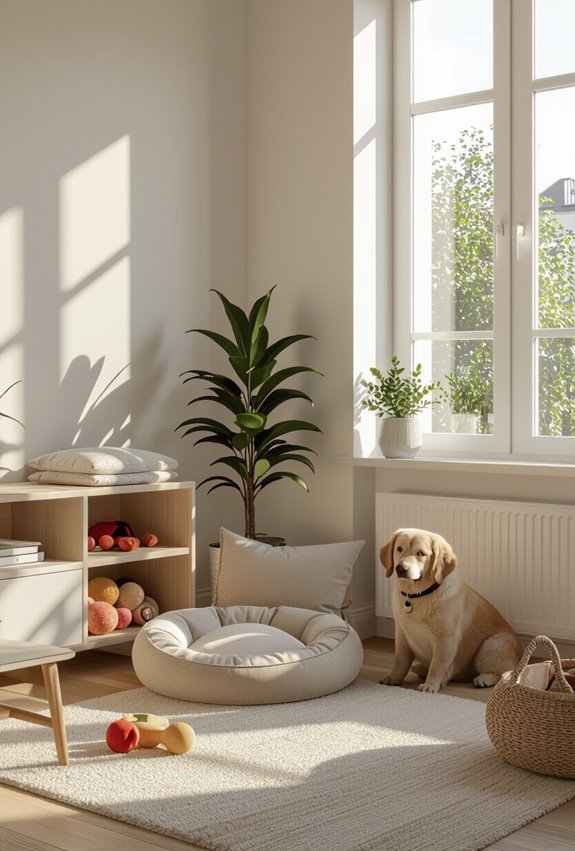
How do pet policies differ between flats and apartments? Generally, flats may have stricter breed restrictions, limiting certain dog types, while apartments often offer more flexibility.
Both usually accommodate service animals regardless of breed, following legal requirements.
You’ll want to review each property’s specific rules carefully to make sure your pet fits their guidelines without hassle.
Impact of Building Age on Flats and Apartments
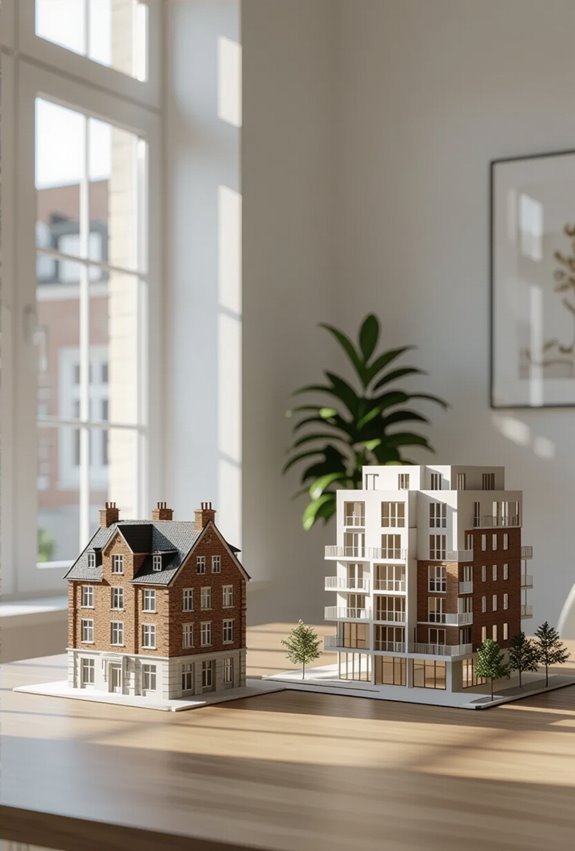
The age of a building greatly influences the characteristics and appeal of flats and apartments. Older buildings often require historic maintenance due to aging construction materials, which can affect durability and style.
You’ll find that newer apartments use modern materials, offering improved efficiency and fewer repairs. Understanding these differences helps you make informed choices based on maintenance needs and building quality.
Differences in Heating and Cooling Systems
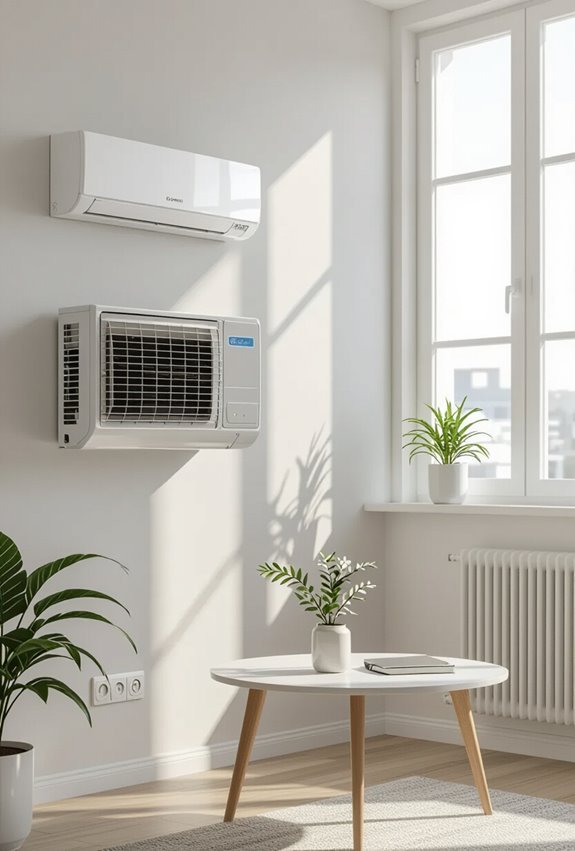
Because heating and cooling systems vary widely between flats and apartments, understanding these differences can help you manage comfort and energy costs more effectively.
Apartments often feature Zoned HVAC systems, allowing you to control temperatures room-by-room, while flats may rely on simpler setups. Using smart thermostats in either can optimize energy use and keep your space comfortable without wasting power.
Differences in Soundproofing Standards
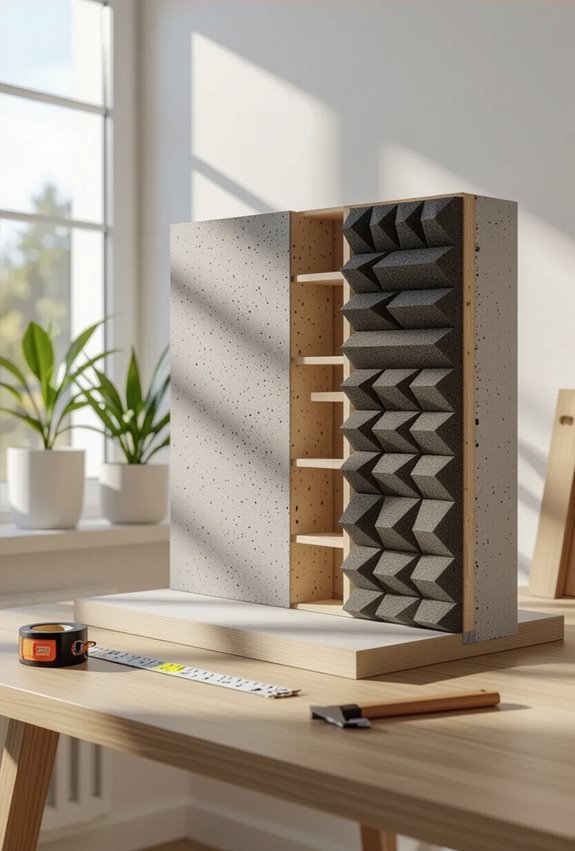
Building materials not only affect energy efficiency but also play a role in how sound travels between units. When you compare flats and apartments, you’ll find differences in soundproofing standards.
Flats often undergo stricter acoustic testing to meet lower decibel thresholds, reducing noise disturbances. Apartments might’ve more lenient requirements, so you could experience more sound transfer depending on construction quality.
Which Option Suits Different Lifestyle Needs Best?
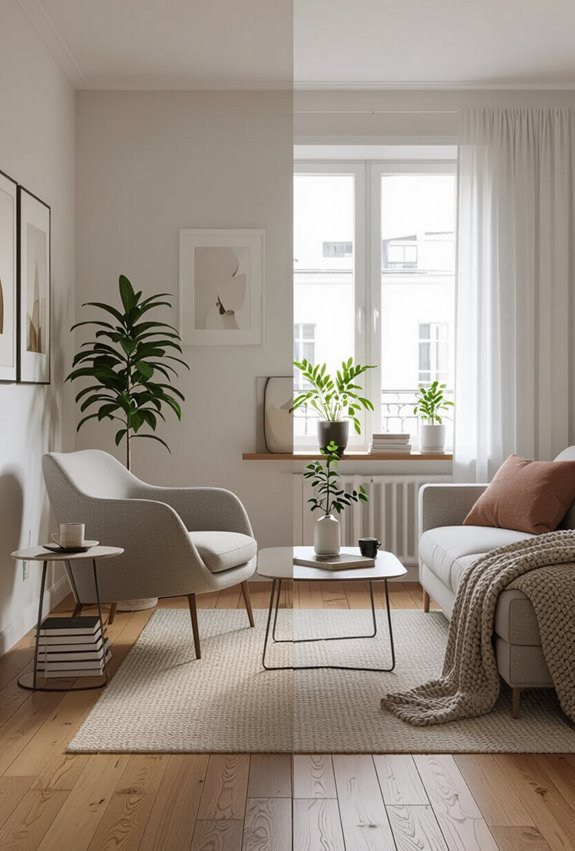
Because your lifestyle shapes your living space needs, choosing between a flat and an apartment depends on what matters most to you.
If you need remote workspaces, apartments often offer built-in amenities and quieter zones.
For pet compatibility, flats might provide more outdoor space and lenient pet policies.
Consider your daily routines and priorities to find the best fit for your lifestyle.
Understanding the Basics of Housing Terminology
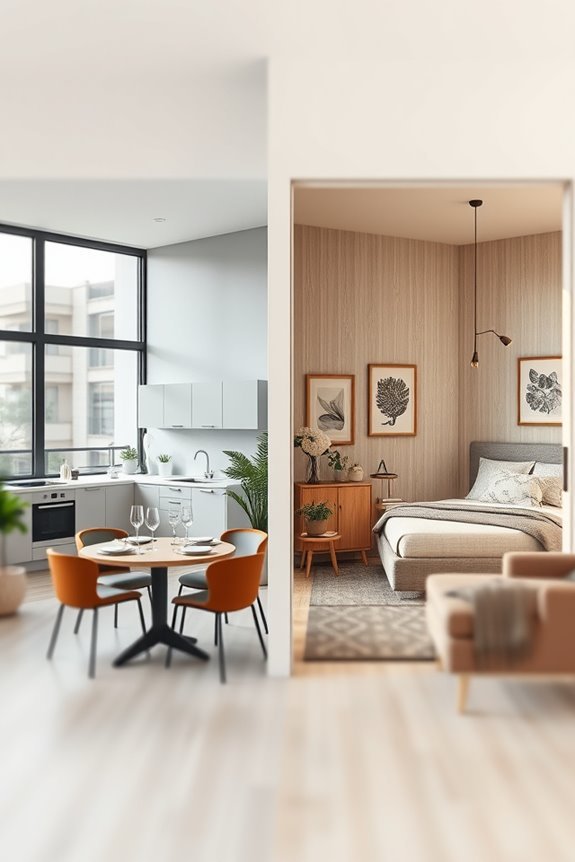
When you plunge into the world of housing terminology, you might notice that the terms “flat” and “apartment” often get thrown around interchangeably. Understanding the basics of these housing definitions is essential for guiding your living arrangements.
In many places, a flat refers to a single-story unit within a larger building, while an apartment can denote any residential unit, regardless of its number of stories. Both terms describe spaces designed for individuals or families to live in, but regional differences may influence their usage.
Knowing these distinctions can help you make informed decisions when searching for your next home. Whether you’re renting or buying, clarity in terminology guarantees you find the right living space for your needs.
The Origin of the Terms “Flat” and “Apartment”
The terms “flat” and “apartment” have interesting origins that reflect their cultural backgrounds. “Flat” traces its roots back to British English, where it originally described a level or story of a building, emphasizing the single-story aspect of many residential units.
In contrast, “apartment” comes from the French word “appartement,” which refers to a separate living space within a larger structure. Understanding these etymological roots offers insight into their historical context.
While “flat” suggests simplicity and straightforwardness, “apartment” carries a more sophisticated connotation. Both terms highlight different aspects of living arrangements, influenced by regional preferences and architectural styles.
Regional Differences: Flat Vs Apartment
When you travel, you might notice that the terms “flat” and “apartment” aren’t used the same way everywhere.
Each region has its own cultural significance and legal definitions that shape how these terms are perceived.
Understanding these nuances can help you navigate housing options more effectively wherever you go.
Terminology in Different Regions
Although the terms “flat” and “apartment” may seem interchangeable, their usage varies considerably across different regions. Understanding this regional terminology can help you navigate housing vocabulary more effectively.
Here are some distinctions:
- In the UK, “flat” is commonly used, often referring to a smaller dwelling within a larger building.
- In the US, “apartment” is the preferred term, encompassing a variety of rental units.
- Canadians might use both terms, with “apartment” being more prevalent.
- In Australia, “unit” is often synonymous with “flat” or “apartment.”
- In India, “flat” is commonly used, particularly for ownership rather than rental.
Recognizing these differences can enhance your communication about housing options across various regions.
Cultural Significance of Terms
Understanding the cultural significance of terms like “flat” and “apartment” reveals how language shapes our perception of living spaces.
In the UK, “flat” evokes a sense of home that’s often tied to community and history, while in the US, “apartment” suggests modernity and urban living.
These linguistic variations influence cultural perceptions, reflecting the lifestyles and values of each region.
When you refer to a “flat,” you might conjure images of cozy, quaint living in a bustling neighborhood, whereas “apartment” might bring to mind sleek designs in high-rise buildings.
Ultimately, the terms you choose can signal not just a type of dwelling but also your connection to the surrounding culture and its values.
Legal Definitions and Implications
In many regions, the legal definitions of “flat” and “apartment” can differ greatly, impacting everything from rental agreements to ownership rights. Understanding these legal classifications is essential for both tenants and landlords.
Here are some key points to reflect on regarding housing regulations:
- Lease Agreements: Terms can vary considerably between flats and apartments.
- Ownership Rights: Different laws may apply to ownership structures.
- Zoning Laws: Local regulations might dictate how properties are designated.
- Tenant Rights: Legal protections can differ based on terminology.
- Maintenance Responsibilities: Obligations might vary depending on the classification.
Architectural Distinctions
When you explore the architectural distinctions between flats and apartments, you’ll notice that these terms often reflect different design philosophies and layouts.
Flats typically emphasize simplicity and efficiency, showcasing minimal design elements that focus on functionality. You’ll find open floor plans that enhance spatial organization, allowing for easy movement and a sense of spaciousness.
Flats prioritize simplicity and efficiency, featuring open floor plans that promote movement and a sense of spaciousness.
In contrast, apartments might embrace more varied layouts, incorporating distinct rooms that cater to diverse lifestyles. They often include additional design features, like balconies or terraces, that enhance the living experience.
This difference in architectural approach not only affects aesthetics but also how you interact with your living space, ensuring that each option meets unique preferences and needs.
Size and Layout Considerations
Although both flats and apartments can vary in size, their layouts often reflect different priorities and functionalities. When choosing between the two, consider how the layout impacts your lifestyle.
Here are some key factors to think about:
- Studio layouts: Typically offer a single open space, perfect for minimalists or those who prefer a cozy feel.
- Open concept: These designs combine living, dining, and kitchen areas, providing a sense of spaciousness.
- Room separation: Apartments often feature more distinct rooms, allowing for privacy.
- Functionality: Think about how each space suits your daily routine and activities.
- Natural light: Layouts with large windows can enhance your living experience.
Ultimately, your choice should align with your needs and preferences.
Amenities and Features
When choosing between a flat and an apartment, the amenities and features can greatly impact your decision.
You’ll find that some common amenities, like gyms and pools, might be more prevalent in apartments, while flats may offer unique characteristics that cater to specific lifestyles.
Let’s explore how these options stack up against each other.
Common Amenities Offered
In urban living, both flats and apartments often come equipped with a variety of common amenities designed to enhance your lifestyle.
These amenities not only provide comfort but also foster a sense of community among residents. Here are some common amenities you might enjoy:
- Fitness center or gym
- Swimming pool
- Rooftop terrace or garden
- On-site laundry facilities
- 24-hour security and concierge services
These resident services make everyday life more convenient and enjoyable, ensuring you have access to everything you need right at your doorstep.
Whether you prefer a quiet evening by the pool or a workout session in the gym, the amenities available can greatly enrich your living experience.
Unique Features Comparison
While both flats and apartments offer a range of amenities, they often differ in unique features that can influence your living experience.
Flats typically boast a unique design, showcasing architectural styles that reflect local culture or history. This can create a more charming and personalized atmosphere for you.
On the other hand, apartments often focus on space efficiency, maximizing every square foot for modern living. You’ll find open floor plans and multifunctional spaces in many apartments, making them ideal for contemporary lifestyles.
Additionally, flats may offer communal gardens or unique rooftop views, enriching your environment.
Ultimately, your choice depends on whether you prioritize the distinct character of a flat or the practicality of an apartment.
Rental Market Trends
Rental market trends are shifting rapidly, and understanding these changes can help you make informed decisions.
Today’s tenants have evolving preferences, which can affect rental pricing. Here are some key trends to watch:
- Increased demand for flexible lease terms
- A preference for amenities like coworking spaces
- Rising interest in eco-friendly living options
- Growth in remote work influencing location choices
- A shift toward urban areas with more lifestyle offerings
Ownership and Investment Potential
Understanding the evolving rental market trends can also shed light on ownership and investment potential in real estate.
When considering flats and apartments, you’ll find various ownership types, from full ownership to shared equity. Each option impacts your investment strategies differently. For instance, buying a flat can offer more control over property management, while an apartment might provide lower entry costs and easier rental opportunities.
As you evaluate these choices, think about the long-term value appreciation potential and rental yield. A well-researched investment can lead to substantial returns.
Cultural Perceptions and Preferences
Cultural perceptions and preferences play a significant role in how people view flats and apartments. Your cultural attitudes shape not just what you call your living space but also the lifestyle you envision.
Here are some factors influencing these viewpoints:
- Urban vs. suburban living: City dwellers often prefer apartments for proximity to amenities.
- Family dynamics: In some cultures, larger flats accommodate extended families, while others favor smaller apartments for nuclear units.
- Affordability: Budget constraints can dictate whether you lean towards a flat or an apartment.
- Design aesthetics: Preferences for open spaces or traditional layouts can sway your choice.
- Social status: Some may associate apartments with luxury, while flats are seen as more practical.
Understanding these preferences can help you make informed choices about your living arrangements.
Legal Definitions and Regulations
When choosing between a flat and an apartment, it’s important to contemplate the legal definitions and regulations that govern these living spaces. Legal classifications can vary by region, affecting how these terms are applied. Housing codes play a vital role in determining the standards each type must meet, influencing everything from safety to occupancy limits.
Here’s a quick comparison of legal distinctions:
| Aspect | Flat |
|---|---|
| Legal Classification | Often classified as a single unit within a larger building |
| Housing Codes | May have specific regulations related to shared facilities |
| Ownership | Usually leased or rented |
| Usage | Primarily residential |
Understanding these factors helps you make informed decisions about your living environment.
Choosing the Right Option for Your Lifestyle
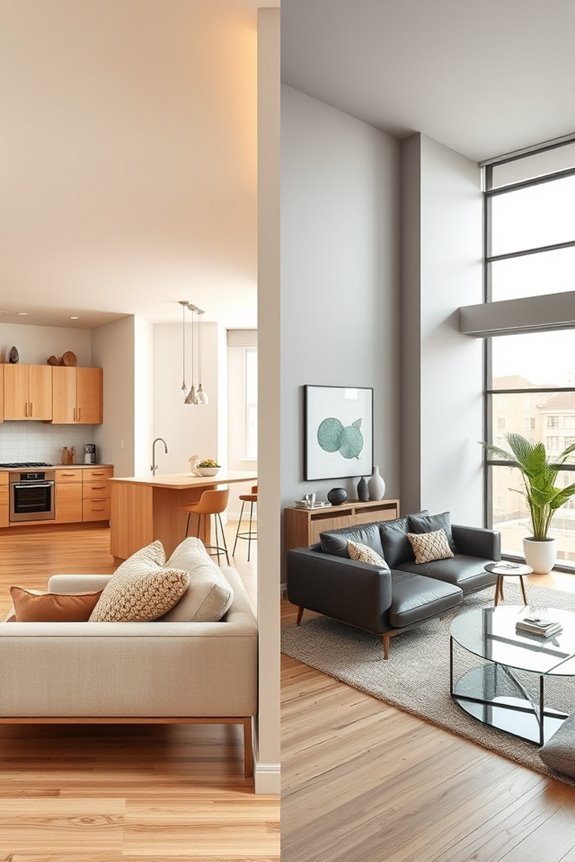
When choosing between a flat and an apartment, think about your needs for space and layout.
Consider how the location and community features match your lifestyle.
Making the right choice can enhance your living experience considerably.
Space and Layout Considerations
While both flats and apartments offer unique living experiences, understanding their space and layout can greatly influence your choice based on your lifestyle.
When evaluating your needs, think about how the design elements align with your daily routines.
Here are some factors to evaluate:
- Open floor plans: Ideal for socializing and maximizing space.
- Shared spaces: Great for community interaction and shared amenities.
- Room layout: How rooms flow together can affect functionality.
- Storage options: Adequate storage can make a big difference in organization.
- Natural light: Well-lit spaces can enhance your mood and energy.
Location and Community Features
Finding the right location and community features can greatly impact your lifestyle, especially when deciding between a flat and an apartment. Consider what matters most to you—urban accessibility or community engagement.
| Feature | Flat | Apartment |
|---|---|---|
| Urban Accessibility | Often located in city centers | May be in suburban areas |
| Community Engagement | Usually part of larger buildings | Often includes amenities and social events |
If you thrive in bustling environments, a flat might be ideal. However, if you seek a sense of community, an apartment complex with shared spaces could enhance your living experience. Assess your priorities to choose the best fit for your lifestyle.
Future Trends in Urban Living
As urban areas continue to evolve, you’ll notice that future trends in urban living are increasingly shaped by technology and sustainability.
Embracing sustainable living and innovative urban design, cities are transforming into more efficient, eco-friendly spaces.
Cities are evolving into efficient, eco-friendly spaces through sustainable living and innovative urban design.
Here are some key trends to watch:
- Smart homes with integrated technology for energy efficiency.
- Green spaces designed for relaxation and biodiversity.
- Mixed-use developments that combine residential, commercial, and recreational areas.
- Public transportation enhancements to reduce reliance on cars.
- Community-driven initiatives that foster social connections and local engagement.
These trends not only improve the quality of life but also create vibrant communities.
You’ll find that urban living is becoming more adaptive, ensuring a harmonious balance between modern conveniences and environmental responsibility.
Conclusion
In the world of housing, choosing between a flat and an apartment can feel like picking between two vibrant, colorful canvases. Each option paints its own picture of comfort and lifestyle, tailored to your needs. As urban living evolves, both flats and apartments continue to transform, offering unique spaces to call home. So, whether you prefer the cozy charm of a flat or the modern flair of an apartment, your ideal living space is waiting for you to discover it.
