
Will Alien Tape Damage Painted Walls? What You Should Know
You can usually use Alien Tape on painted walls without damage, but it depends on paint type, cure time, and surface prep. Test a hidden spot first, clean and dry the wall, and avoid fresh, delicate, or highly glossy finishes. Peel slowly at a low angle and check edges often to prevent lifting or residue. If you’re cautious and follow best practices, problems are uncommon — keep going to learn practical steps and safer alternatives.
Will Alien Tape Damage Painted Walls?
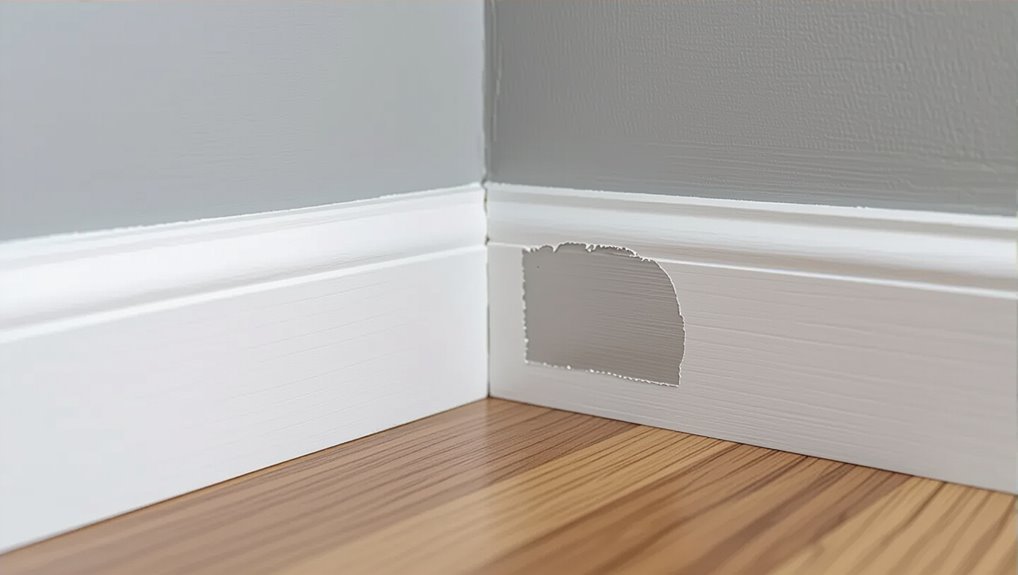
Wondering if Alien Tape will wreck your paint? You’ll find its adhesive longevity varies with conditions: higher humidity, heat, or long-term use can increase bonding.
Test a small hidden area first to confirm surface compatibility; freshly painted, low-porosity, or delicate finishes may be at greater risk.
Remove slowly and evenly, and don’t leave strips adhered for months without checking the paint.
Quick Answer: Damage and Residue Risks
Although Alien Tape holds strongly, it can peel paint or leave sticky residue on some finishes, especially if the paint is fresh, low-porosity, or already damaged.
You should test a small area first because adhesive longevity varies with temperature and exposure.
Consider surface compatibility—smooth, cured, high-porosity paints fare better—remove tape slowly and use heat or a solvent to reduce residue risk.
What Alien Tape Is and How It Works
Alien Tape is a double-sided, reusable adhesive tape made from a viscoelastic polymer gel that sticks by filling microscopic gaps on surfaces, creating strong tack without traditional glue.
You’ll press pieces onto clean, dry paint; the tape’s adhesive properties conform and grip, then release for reuse.
It’s marketed for lightweight mounting solutions like hooks, frames, and cable management around your home.
How Its Adhesive Technology Compares to Strips
You’ll notice Alien Tape uses a gel-like, reusable adhesive that’s different from the polymer strips many brands use.
That composition can mean less stress on paint but sometimes leaves slight residue depending on your wall finish.
Let’s compare how those material differences affect removal residue risk and paint safety.
Adhesive Composition Differences
Because its adhesive is a gel-based, viscoelastic formula rather than a rigid foam or solid strip, Alien Tape behaves differently on painted surfaces—it’s tacky and conforms to microtextures, so you’ll get more contact area but also different stress distribution when you remove it.
- Compare adhesive types: gel vs. strip
- Note wall compatibility variations
- Expect flexible shear response
- Mind paint hardness and finish
Removal Residue Risk
While gel-based, viscoelastic adhesives conform to paint microtextures and spread stress differently than solid strips. They also change how residue behaves when you remove them.
You’ll find removal methods affect residue types: slow peeling can leave gel smears, fast peeling may pull paint on weak finishes, and solvents remove tacky bits.
Test a hidden spot and follow manufacturer guidance to minimize damage.
Paint Types: Latex, Oil, and Enamel
Paint falls into three common categories—latex, oil, and enamel—each bonding and releasing adhesive tape differently. You’ll want to know which you’re dealing with before sticking Alien Tape to a painted surface.
You’ll check latex durability for flexibility, oil for strong adhesion, and enamel finish for hardness; test a hidden spot first.
- Latex: flexible, forgiving
- Oil: adheres firmly
- Enamel: hard, brittle
- Test first
Paint Finish: Flat, Eggshell, Satin, Semi-Gloss, Gloss
Now that you’ve considered paint types, you’ll also want to think about finish: flat, eggshell, satin, semi-gloss, and gloss each interact with adhesives differently.
You’ll find flatter finishes have lower finish sheen and can be more prone to lifting when tape is removed, while glossier surfaces resist adhesive but show residue.
Consider paint durability and test a small area before applying Alien Tape broadly.
New Paint vs. Cured Paint: Why Timing Matters
If you recently painted a wall, wait before applying Alien Tape because fresh paint hasn’t fully cured and can lift or peel when adhesive is removed.
You should respect paint curing times to avoid damage; timing impact is real.
Consider these points:
- Fresh paint is fragile for days to weeks
- Cured paint tolerates adhesive better
- Check manufacturer cure times
- Test a hidden spot first
How to Prepare Walls for Alien Tape
Before you stick Alien Tape to a wall, clean and prep the surface so the adhesive can grab firmly without causing damage.
For proper tape preparation, perform wall cleaning with mild detergent, dry completely, and conduct adhesive testing on a hidden spot.
Use careful application techniques, do wall inspections, verify paint compatibility, and add surface protection where needed to prevent marks.
How Long You Can Safely Leave Alien Tape
After you’ve prepped and tested the wall, you’ll want to know how long Alien Tape can stay up without harming paint or losing hold.
You’ll typically get weeks to months depending on surface, temperature, and load. Monitor edges and remove if residue appears to preserve adhesive safety and paint.
Expect weeks to months of hold—watch edges, avoid heat, and remove if residue appears to protect paint.
- Check weekly for lifting
- Avoid prolonged sun exposure
- Remove if residue forms
- Re-test on repaintable spot
How Much Weight Alien Tape Can Hold
Alien Tape can hold surprising amounts for a foam-based adhesive, but its real capacity depends on surface type, orientation, and temperature.
You’ll typically trust it for lightweight items—picture keys, small frames, or cable clips—yet you shouldn’t exceed recommended weight capacity.
Test each application, consider adhesive limits, and remove periodically to check hold.
When in doubt, use mechanical fasteners for heavier loads.
Surface Texture and Alien Tape Adhesion
You’ll notice Alien Tape sticks differently to smooth versus textured surfaces, with smooth walls giving the most contact area for adhesion.
On textured or porous paint, the tape can’t form a continuous bond and its holding power drops.
Consider surface porosity when planning where to use the tape to avoid failures or paint stress.
Smooth Vs. Textured
When deciding whether Alien Tape will hold, start by looking at your wall’s texture: smooth, flat surfaces give the tape far more contact area and stronger adhesion, while textured or heavily stippled walls reduce the tape’s grip by creating gaps between the pad and the paint.
- Smooth surfaces improve wall compatibility and weight distribution.
- Textured surfaces cause adhesion challenges.
- Surface preparation boosts paint durability.
- Consider removal techniques for minimal damage.
Porosity And Adhesion
Because porous paints soak up adhesives differently, you’ll notice Alien Tape sticks best to low-porosity, sealed finishes while high-porosity surfaces—like fresh drywall or unsealed plaster—can weaken the bond as they absorb the tape’s grip.
You should test small areas: wall texture and porosity directly affect tape performance, so dry, smooth, sealed paint gives the most reliable adhesion without risking damage.
Common Failure Modes and Signs to Watch
If Alien Tape starts to fail, you’ll usually see a few clear signs: the tape peels at the edges, leaves a sticky residue, or the bond simply gives way under weight.
Watch for these indicators and adjust application methods, surface testing, wall preparation, and removal techniques.
- Check paint compatibility and residue prevention.
- Note adhesive longevity and weight limits.
- Consider environmental factors.
- Compare user experiences.
Top Risk Factors That Cause Paint Damage
You’ll want to contemplate three main risk factors before sticking Alien Tape to a painted wall.
Adhesion strength levels determine how aggressively the tape pulls on paint.
Surface prep quality affects how well the paint originally bonded.
The paint’s age and condition influence its brittleness and likelihood to lift.
Understanding these points lets you judge the real risk to your finish.
Adhesion Strength Levels
Adhesion strength measures how well paint bonds to your wall and it’s the single biggest factor determining whether Alien Tape will peel off paint or stay put.
You should consider adhesion testing and surface compatibility before applying tape. Check these levels:
- High adhesion: tape likely safe if paint’s cured.
- Medium adhesion: test small area first.
- Low adhesion: peeling risk increases.
- Compromised: avoid tape.
Surface Prep Quality
Because paint adhesion only works when the surface is clean, dry, and properly cured, poor prep is one of the biggest causes of tape-related paint damage.
You should follow proper surface preparation: remove dust, grease, and loose flakes before applying tape.
Uneven wall textures trap tape edges and increase pull risk, so smooth or spot-prime textured areas to minimize lifting when you remove Alien Tape.
Paint Age/Condition
While newer, fully cured paint generally holds up well, older or poorly bonded finishes are far more likely to lift when you peel off Alien Tape.
You should assess paint age and condition before applying tape to protect paint durability and simplify wall maintenance.
- Check for flaking, chalking, or softness
- Note recent paint jobs vs. old layers
- Test a small, hidden area first
- Avoid high-tension pulls
How to Test Alien Tape on Your Wall Safely
Before you stick anything to a visible area, pick a small, inconspicuous spot and run a quick patch test so you can see how the tape reacts without risking a large blemish. Use gentle removal after 24 hours, note residue and finish change. Test methods focus on wall safety and paint integrity; document results.
| Step | Observation |
|---|---|
| Patch | Adhesion |
| 24h | Residue |
| Remove | Finish |
| Note | Action |
Correct Step-by-Step Application
Now that you’ve verified how Alien Tape behaves on a test patch, you’re ready to apply it correctly across the rest of the surface.
Follow these concise steps to guarantee proper surface preparation and maximize tape longevity:
- Clean and dry the area thoroughly.
- Measure and cut tape to fit.
- Press firmly, smoothing from center outward.
- Wait an hour before loading weight to set adhesion.
How to Remove Alien Tape Without Tearing Paint
When you pull Alien Tape off painted walls, work slowly and peel at a low angle to avoid lifting the paint.
If any sticky residue stays, use a damp microfiber cloth or a mild soapy solution to wipe it away without scrubbing hard.
Test any cleaner on a hidden spot first so you protect the finish.
Gentle Removal Techniques
Although Alien Tape clings strongly, you can remove it without stripping paint if you work slowly and use the right technique.
Use gentle techniques and consider varied removal options to protect finish:
- Peel at a low angle, slowly and evenly.
- Heat briefly with a hair dryer to soften adhesive.
- Stretch the tape sideways to release hold.
- Support paint edge with a plastic card as you pull.
Paint-Safe Residue Cleanup
How do you clean adhesive left from Alien Tape without risking the paint underneath? You’ll lift gently, test small areas, and use safe residue removal: a soft cloth, mild soap, or rubbing alcohol diluted. Move slowly, don’t scrub. Try commercial cleaning solutions rated for painted walls. If stubborn, warm with a hairdryer on low, then peel and wipe until surface is clean and undamaged.
| Step | Tool | Tip |
|---|---|---|
| 1 | Cloth | Test first |
| 2 | Soap | Mild only |
| 3 | Alcohol | Dilute |
| 4 | Hairdryer | Low heat |
| 5 | Cleaner | Paint-safe |
Using Heat: Safe Warming Techniques
If you need to warm Alien Tape to improve its stickiness, do it gently and evenly so you don’t soften the paint underneath.
Use safe heating and simple warming techniques to avoid damage. Heat briefly, test a corner, keep distance, and monitor paint temperature.
- Use low heat sources
- Move heat continuously
- Limit exposure time
- Test on hidden spot
Oils and Removers: What Works and What to Avoid
Because adhesives and paint react differently, you’ll want to choose oils and removers carefully to free Alien Tape without harming the finish. Test small areas (adhesive testing) after surface assessment. Focus on paint compatibility, removal techniques, residue management, and damage prevention. Consider oil types vs commercial removers for remover effectiveness and adhesion strength during wall preparation.
| Oil types | Remover effectiveness | Paint compatibility |
|---|---|---|
| Mineral | Moderate | Varies |
| Citrus | Low | Often safe |
| Commercial | High | Check label |
What to Do if Paint Peels During Removal
When paint starts to peel while you’re removing Alien Tape, act quickly to limit further loss and prepare the area for repair.
Assess damage, stop peeling, and choose suitable paint repair steps. Use careful removal techniques next time to prevent recurrence.
- Stabilize edges and remove loose flakes
- Clean surface gently
- Apply primer to bare spots
- Feather and repaint to match surrounding area
How to Clean Leftover Adhesive Safely
Before you get scrubbing, loosen the adhesive gently so you don’t damage the paint beneath: warm the residue with a hair dryer on low, peel up any softened bits with a plastic scraper, then wipe the area with a soft cloth and a mild solvent like isopropyl alcohol or a commercial adhesive remover recommended for painted surfaces.
For adhesive removal, test cleaning solutions on a hidden spot, work outward, rinse, and dry.
Protecting Trim, Moldings, and Baseboards
1 simple step to protect trim, moldings, and baseboards is to plan your tape placement and surface prep before you stick anything down.
You’ll preserve trim protection, moldings care, baseboard safety, and overall wall integrity by using gentle tape, testing a hidden spot, and keeping edges clean.
- Use low-tack tape
- Test a small area
- Clean edges first
- Remove slowly
When to Tell Your Landlord or Call a Pro
If you’re renting or unsure about your wall finishes, tell your landlord or call a pro as soon as you spot peeling paint, large adhesive residue, or any wall damage from tape—these issues can be costly if left unreported.
Prompt landlord communication protects your deposit. Seek professional advice for stubborn residue, torn drywall, or paint lifting.
Document damage with photos and dates before repairs.
Comparing Alien Tape to Command Strips
While both Alien Tape and Command Strips aim to hold items without nails, they work differently and suit different jobs.
Alien Tape uses a reusable, gel-like adhesive that sticks to many surfaces, while Command Strips rely on double-sided foam strips with a peel-off adhesive backing designed for single-use removal.
- You can reuse Alien Tape; Alien Tape pros include versatility.
- Command Strips benefits: predictable removal.
- Alien Tape grips textured surfaces better.
- Command Strips minimize residue risk.
Alternatives: Mounting Putty and Low-Tack Options
When you want a gentler hold than Alien Tape or Command Strips, mounting putty and low‑tack adhesives give you options that protect painted walls while still securing lightweight items. You can reposition easily, rely on removable adhesives, and use wall safe solutions for photos or decor. Compare options below.
| Option | Use case |
|---|---|
| Mounting putty | Temporary, reusable |
| Low tack options | Lightweight, repositionable |
Best Adhesives for Rental-Friendly Decorating
When you’re decorating a rental, pick adhesives that promise clean removal so you won’t risk losing your deposit.
You’ll want to balance tackiness with paint safety, choosing options that hold securely but peel off without lifting finish.
We’ll compare common damage-free products and how their strength stacks up against potential paint harm.
Damage-Free Removable Options
If you want to decorate without risking your security deposit, choose adhesives designed to come off cleanly; they stick firmly but peel away without lifting paint or leaving residue.
You’ll protect finishes using damage prevention methods and simple adhesive alternatives. Try options that balance hold and removability:
- Poster strips for light hangings
- Removable mounting putty
- Low-tack removable tape
- Command picture hooks
Strength Versus Paint Safety
Because you want your art to stay put without wrecking the walls, pick adhesives that balance grip and gentleness: strong enough to hold frames or shelves, yet engineered to peel away cleanly from painted surfaces.
You should perform a strength evaluation on a hidden spot, confirm paint compatibility with manufacturer guidance, and choose removable tapes rated for your paint type to avoid peeling or residue.
Real-World Tests and User Reports Summary
To gauge how Alien Tape performs on painted walls in everyday settings, reviewers and DIYers ran a range of simple, repeatable tests—applying strips to different paint types, leaving them up for varying durations, and checking for residue or paint lift after removal.
Reviewers tested Alien Tape on different paints and durations, checking for residue or paint lift after removal.
You’ll find real world experiences and user feedback show mostly clean removals, with some cautions:
- Short-term holds often cleanly peel away
- Older or glossy paint sometimes lifts
- Residue rare, removable with mild solvent
- Heavy loads increase risk on delicate finishes
DIY Experiments to Evaluate Risk at Home
When you want to test Alien Tape on your own walls, set up a few quick, controlled trials—apply short strips to samples of the different paints and finishes in one room.
Label each spot with the application time and weight, then remove them after predetermined intervals to check for lift or residue.
You’ll follow DIY safety tips, document results, and do proper wall preparation like cleaning and patch testing.
Wallpaper, Murals, and Vintage Paint Considerations
If your wall has wallpaper or a mural, you should be cautious because adhesives can pull paper or paint away when removed.
Vintage or poorly bonded paint is especially fragile, so even low-tack tape might lift flakes or leave discoloration.
Test a small, inconspicuous spot first and consider using alternative hanging methods for delicate surfaces.
Wallpaper Adhesion Risks
Although wallpaper can seem like a straightforward solution for covering imperfections, it introduces specific adhesion risks on painted walls—especially murals or surfaces with vintage paint that may be brittle, chalky, or poorly bonded.
You should assess wall preparation and adhesive longevity before applying paper; improper prep speeds failure.
Consider:
- Testing adhesion in an inconspicuous spot
- Using primers for better bond
- Avoiding heavy paste on fragile paint
- Monitoring edges for lift
Vintage Paint Fragility
Moving from wallpaper concerns to vintage paint, you’ll find older finishes—lead-based, limewash, or brittle oil layers—often won’t tolerate modern adhesives or tape removal.
You should test a small hidden area, use low-tack options, and avoid prolonged contact.
For murals and delicate finishes, consult a conservator.
Prioritize vintage paint care and treat fragile surfaces gently to prevent irreversible damage.
How Humidity Affects Alien Tape Performance
Because moisture changes the tape’s contact with surfaces, humidity can noticeably affect Alien Tape’s hold and removal. You’ll notice humidity impact as stickiness shifts, causing performance variability across rooms.
Check the following:
- High humidity can weaken adhesion and increase residue.
- Low humidity may make the tape firmer but brittle.
- Allow surfaces to dry before applying.
- Test a small area first.
How Temperature Affects Adhesion and Removal
When you apply Alien Tape, temperature alters both how strongly it sticks and how cleanly it comes off: heat softens the adhesive and increases tack, while cold firms the gel and can reduce grip or make removal more likely to lift paint. You should monitor temperature effects to maintain adhesion stability and test small areas before long-term use.
| Temp | Adhesion | Removal |
|---|---|---|
| Hot | High | Risky |
| Cold | Low | Brittle |
Best Practices for Hanging Heavy or Valuable Items
Start by evaluating the weight and value of the item and the condition of your wall—knowing both tells you whether Alien Tape alone is appropriate or if you need anchors, brackets, or professional installation.
Evaluate your item’s weight, value, and wall condition—decide if Alien Tape suffices or if anchors or pros are needed
You’ll choose hanging techniques that prioritize item security and minimal wall harm.
- Use anchors or studs for heavy pieces
- Test small loads first
- Combine tape with mechanical supports
- Prefer pros for valuable art
Quick Fixes for Minor Adhesive Damage
If you notice sticky residue, paint lift, or minor scuffs after removing Alien Tape, act quickly to limit further damage and simplify cleanup. Gently peel residue, use mild solvent or soapy water, and test first. Consider adhesive alternatives and better wall preparation next time. Quick touch-ups hide scuffs without repainting.
| Step | Tool | Time |
|---|---|---|
| Peel | Fingernail | 1 min |
| Wipe | Soap | 2 min |
| Solvent | Rubbing alcohol | 1 min |
| Buff | Microfiber | 1 min |
| Inspect | Eye | 30 sec |
How to Repaint Small Adhesive-Damaged Areas
First, you’ll assess the damage by checking for residue, peeling paint, or gouges.
Then prep the surface by cleaning, sanding lightly, and applying primer where needed.
Finally, match your paint and feather the edges so the repair blends with the surrounding wall.
Assess The Damage
Before you repaint, inspect the damaged area closely to determine whether you’re dealing with surface adhesive residue, peeled paint, or small gouges—each requires a different fix.
Assess paint adhesion and plan wall preparation accordingly.
- Remove residue and test adhesion.
- Note paint layers and edge lifting.
- Measure gouge depth for filler choice.
- Photograph for color matching reference.
Prep The Surface
Start by clearing away any leftover adhesive and loose paint so you’re working on a clean, stable surface.
After gentle surface cleaning, sand edges smooth, remove dust with a damp cloth, and let dry.
Use a light filler for small gouges, press it flush, then sand once set.
These wall preparation steps guarantee an even base before you prime and repaint.
Match Paint And Blend
Once the patched area is fully dry, match your paint to the surrounding wall by testing small swatches—hold them up in both daylight and artificial light to confirm the color and sheen, because lighting can change how a match reads.
Then follow these steps to guarantee color matching and wall compatibility:
- Feather edges with a small brush
- Use thin, even coats
- Match finish, not just hue
- Let each coat cure before evaluating
Cost vs. Repair Risk: Is It Worth It?
How much will you save using Alien Tape if it means risking paint damage?
You should run a cost analysis comparing tape savings against potential repainting.
Do a repair assessment: factor paint type, wall condition, and labor or DIY time.
If repair costs and hassle outweigh tape benefits, don’t risk it.
Choose safer mounting or accept replacement expenses if damage occurs.
10-Step Checklist for Safe Alien Tape Use
If you’ve weighed the savings against potential repainting in the previous section, use this checklist to minimize risk when applying Alien Tape.
Follow safety precautions and practical installation tips to protect paint and hold items securely.
- Clean and dry surface thoroughly.
- Test a small, hidden area first.
- Press evenly; avoid over-stretching.
- Remove slowly at recommended angle.
Should You Use Alien Tape? Quick Decision Guide
Ready to decide whether Alien Tape is right for your project?
You should choose it for light decorative uses, temporary displays, or smooth surfaces where removal matters.
Best for light decorative uses, temporary displays, or smooth surfaces when removability matters.
Avoid it on delicate, fresh, or textured paint.
Consider alternative mounting options—picture hooks, removable strips, or adhesives designed for specific paints—when weight, longevity, or finish sensitivity outweigh convenience.
Follow manufacturer guidance.
Frequently Asked Questions
Will Alien Tape Harm Textured Plaster or Venetian Plaster Finishes?
It probably will on textured or Venetian plaster if the adhesive strength’s high and surface compatibility’s poor; you should test a small area, use low-tack options, and proceed cautiously to avoid pulling paint or damaging finish.
Can Alien Tape Cause Discoloration on Aged or Nicotine-Stained Paint?
Sure — you probably won’t be surprised that yes, Alien Tape can worsen discoloration effects on aged or nicotine-stained paint; you should test first, since it can accelerate finish breakdown and reduce perceived paint longevity if residue interacts with stains.
Is Alien Tape Safe on Painted Metal Radiators or HVAC Covers?
Yes—you can use Alien Tape on painted metal radiators or HVAC covers, but you’ll test first: radiator materials vary, and strong adhesive strength might lift thin, aged paint or leave residue, so try a small, discreet patch initially.
Will Repeated Tape Use on the Same Spot Weaken Paint Over Time?
About 60% of adhesive failures involve surface issues, so yes, repeated tape use can weaken paint over time. You’ll reduce paint adhesion with frequent tape removal, so rotate spots, clean surfaces, and test first.
Can Adhesive Residue Affect Fire-Retardant or Sealed Paints?
Yes — adhesive residue can compromise fire-retardant or sealed paints; you’ll need to assess adhesive properties and paint compatibility, since residues can alter thermal/chemical barriers or bonding, so test small areas before prolonged use.
Conclusion
You can use Alien Tape, but proceed like you’re handling a live wire: cautiously and prepared for sparks. It can stick well without immediate damage on durable latex or enamel, but risks paint lift or residue on fresh, soft, or delicate finishes. Test a hidden spot, avoid long-term loads, and keep adhesive off edges. If damage appears, you can usually clean or touch up small spots. Decide based on weight, wall age, and how much risk you’ll accept.
