
Is Benjamin Moore Exterior Paint Good
Yes — Benjamin Moore’s exterior paints are a solid choice if you want long-lasting color and fewer recoats. You’ll get premium coverage, strong adhesion, and good UV and moisture resistance, especially from Aura and Regal lines, though they cost more upfront. Proper surface prep and the right primer are key to avoid peeling or chalking. If you want durability, color accuracy, and easier maintenance, keep going to learn which line and prep steps suit your project.
Quick Verdict: Should You Buy Benjamin Moore Exterior Paint?
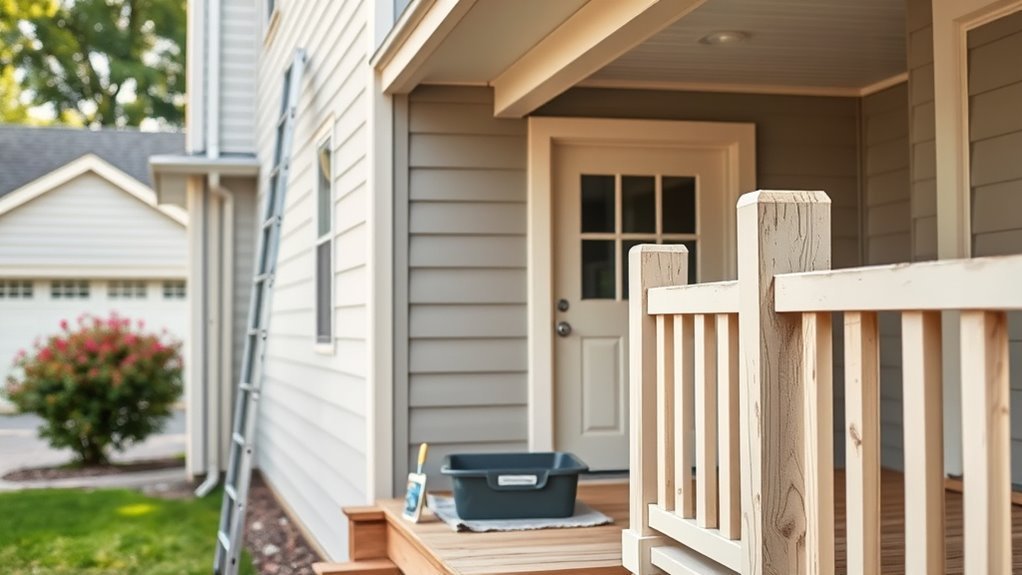
If you want premium coverage, durability, and a wide color range, Benjamin Moore exterior paints are worth considering. You’ll get products backed by a historical brand reputation and a track record for consistent color matching.
Expect excellent adhesion, fade resistance, and formulations that balance performance with eco-friendly formulations where available. Prices are higher than average, but you’ll likely spend less on touch-ups and recoats.
If you value longevity, color accuracy, and professional-level finishes, buy Benjamin Moore. If budget is the primary concern, compare alternatives first, but don’t dismiss their long-term value.
Which Benjamin Moore Exterior Lines To Compare
Since you’ve weighed the value and performance of Benjamin Moore exterior paints, the next step is comparing their main product lines so you can pick the one that matches your surface, climate, and budget. You’ll compare durability, finish, and Color consistency across Regal Select, Aura Exterior, and ben.
Compare Benjamin Moore’s Regal Select, Aura Exterior, and ben for durability, finish, color consistency, adhesion, and long-term maintenance needs.
The selection depends on whether you want premium coverage, mildew resistance, or budget-friendly protection. Also note available Eco friendly options if environmental impact matters.
Focus on adhesion for wood, masonry, and metal, and on warranty and touch-up ease so the line you pick fits your long-term maintenance plan.
- Regal Select
- Aura Exterior
- ben
How Benjamin Moore Formulates Paint For Outdoor Durability
You’ll want to look at how Benjamin Moore chooses resins and binders, since those determine film strength and adhesion.
Check the pigments and UV-stabilizers they use to see how well color and gloss resist fading.
Also note the additives—mildewcides, dispersants and flexibilizers—that boost weather resistance and longevity.
Resin And Binder Chemistry
When you’re evaluating exterior paint performance, the resin—or binder—is the ingredient that actually holds pigment and film together and determines most of the coating’s toughness, adhesion, and weather resistance.
You’ll want to understand Benjamin Moore’s resin formulation choices: acrylic and hybrid resins offer flexibility, chemical resistance, and long-term film integrity. Pay attention to binder properties like molecular weight, crosslink density, and copolymer composition; they control chalking, blistering, and water resistance.
Manufacturers tweak additives and surfactants to optimize film formation without sacrificing durability.
Key takeaways you should note:
- Resin selection drives adhesion and flexibility
- Binder quality limits moisture ingress
- Crosslinking enhances abrasion resistance
Pigment And UV Protection
Because sunlight drives most exterior failure modes, Benjamin Moore combines durable pigments with UV-stable additives to keep color and film integrity over time. You’ll notice pigment durability in their color retention; they select high-grade inorganic and organic pigments that resist fading and chalking. You rely on that stability to preserve appearance between repaints.
Benjamin Moore also incorporates targeted UV inhibitors to slow polymer breakdown, maintaining gloss and adhesion. When you choose their exterior lines, you get formulations balancing pigment load and UV protection so coatings resist photochemical damage without sacrificing application or coverage, extending service life under sun exposure.
Additives For Weather Resistance
How does Benjamin Moore make their exterior paints stand up to harsh weather? You’ll find targeted additives—flexibilizers, mildewcides, and UV stabilizers—that boost adhesion, resist cracking, and fend off biological growth. These components improve climate adaptability so coatings expand and contract with temperature swings without failing.
You’ll also appreciate their formulations that balance performance with reduced environmental impact, using lower-VOC solvents and responsibly sourced modifiers. Consider these practical effects:
- Enhanced flexibility to prevent flaking in freeze-thaw cycles
- Biocide protection against mold and mildew in humid climates
- UV absorbers that slow pigment breakdown and chalking
The Six Criteria For Judging Exterior Paint Performance
To judge an exterior paint like Benjamin Moore, focus on six clear performance criteria that tell you how it will protect and beautify your home: adhesion, durability, color retention, mildew and UV resistance, ease of application, and maintenance requirements.
You’ll verify adhesion to ensure coating bonds across substrates. Durability and weather durability measure resistance to chipping and erosion. Color retention tracks color fading over seasons.
Mildew resistance prevents biological staining in damp areas. Ease of application affects coverage and finish uniformity. Maintenance requirements tell you how often you’ll need touch-ups or full recoats to keep appearance and protection intact.
UV Fade Resistance: Benjamin Moore Performance
You’ll want paint that blocks strong UV rays to keep your siding from fading. Benjamin Moore’s formulations use durable pigments and binders designed to retain color over time.
Let’s look at how their UV protection, pigment quality, and binder chemistry work together.
High UV Protection
Wondering whether Benjamin Moore’s exterior paints can hold color under intense sunlight? You’ll find their paint formulation includes UV protection agents and polymer science that shields pigments from harsh rays. That doesn’t guarantee invincibility, but it reduces surface breakdown and fading compared with basic coatings.
You should still prep and apply correctly for best results.
- Choose top-tier exterior lines for stronger UV defense.
- Maintain surfaces to preserve the protective film.
- Use recommended primers and application thickness.
Benjamin Moore’s focus on UV protection in formulation helps prolong appearance and substrate integrity, especially in sunny, high-exposure environments.
Color Retention Over Time
Building on UV protection, color retention over time depends on paint chemistry, pigment quality, and how well you maintain the finish. You’ll find Benjamin Moore formulations resist fading when applied correctly and cleaned periodically.
Their eco-friendly formulations and low VOC emissions let you protect color without sacrificing environmental or indoor-air concerns.
To preserve vibrancy, you should follow recommended surface prep, primer choices, and recoat intervals; neglect speeds dulling.
Exposure matters too—direct sun, salt air, and pollutants accelerate change.
Pigment And Binder Quality
Because pigments and binders do the heavy lifting against UV, you should look closely at their quality when judging Benjamin Moore’s fade resistance. You’ll notice their premium pigments resist chalking and their acrylic binders form a flexible, UV-stable film. That combo preserves color and reduces repainting frequency, which lowers environmental impact compared with poor-performing paints.
Benjamin Moore also offers low-VOC formulas that maintain durability without sacrificing performance. Consider these practical points:
- High-quality pigments minimize photodegradation and color shift.
- Durable binders resist chalking and maintain film integrity.
- Low VOC levels reduce off-gassing while sustaining long-term protection.
Moisture, Mildew, And Freeze Protection: Real Results
When your home faces damp seasons, you’ll want paint that actually resists moisture, mildew, and freeze–thaw cycles rather than just look good. Benjamin Moore’s exterior lines act as effective moisture barriers and are labeled mildew resistant, so you’ll see fewer stains and less biological growth on siding and trim.
In real-world tests and homeowner reports, finishes shed water, slow saturation, and tolerate repeated cold-wet cycles without flaking. That won’t replace proper flashing, ventilation, or repair, but it does reduce maintenance and repaint frequency.
Choose the right primer and follow surface prep to get those protective benefits consistently.
Coverage & Hide: Benjamin Moore Coats Needed And Sq Ft/Gal
If you want consistent coverage with Benjamin Moore exterior paints, plan on roughly 250–400 sq ft per gallon for a single coat depending on the line and surface texture.
Expect most jobs to require two coats for full hide and durability. You’ll gauge actual spread by porosity, color selection, and sheen. Use proper application techniques—rolling and back-brushing for rough siding, sprayers for smooth surfaces—to get uniform hide.
Dark-to-light transitions often need extra passes. Estimate gallons by measuring area, then add 10–20% for waste and touch-ups.
- Two coats for reliable hide
- Adjust for texture and porosity
- Account for color changes
Prep And Substrate Compatibility For Best Results
Good coverage starts with proper prep, so before you open a can inspect the siding, trim, and any substrates for loose paint, mildew, chalking, or water damage. You’ll remove loose material, wash mildew with a fungicide, sand glossy spots, and repair rot or gaps.
Surface preparation affects adhesion and longevity; don’t skip it.
Choose Primer selection based on substrate—stain-blocking for tannin bleed, high-adhesion primers for vinyl or metal, and oil- or shellac-based primers for tough stains.
Match Benjamin Moore’s exterior finish to the prepared substrate and primer to ensure durable, uniform results.
How Easy Is It To Apply? Tips For Brushing, Rolling, Spraying
Before you start, make sure you clean and prep surfaces so the paint sticks and lasts.
Use quality brushes, rollers, or a sprayer recommended for Benjamin Moore’s exterior formulas to get even coverage and fewer touch-ups.
Keep an eye on the label for drying and recoat times so you plan work around weather and avoid lifting or streaks.
Prep And Surface Cleaning
How you prep and clean surfaces will determine how easily Benjamin Moore exterior paint goes on and how well it lasts. You’ll want thorough surface preparation: scrape loose paint, sand glossy spots, and repair damage.
Use appropriate cleaning techniques—pressure wash or scrub with trisodium phosphate alternative—to remove dirt, mildew, and chalking. Let surfaces dry completely before priming.
For tricky areas, spot-prime bare wood or rusted metal to guarantee adhesion. Follow manufacturer drying times and avoid painting in direct sun or extreme humidity.
Proper prep cuts rework and extends finish life.
- Clean, dry surfaces
- Remove loose material
- Spot-prime bare areas
Best Tools For Application
When you choose the right tools, Benjamin Moore exterior paints go on smoothly and finish well—brushes for cutting in, medium-nap rollers for siding, and a quality sprayer for large areas each have their place. You’ll use a synthetic brush for acrylics, a ¾” nap roller for textured surfaces, and an HVLP sprayer for even coats. For precise Color mixing, keep thin test panels. Favor eco friendly formulations and low-VOC options; they spray and brush cleaner. Clean tools promptly to preserve edges. Practice consistent stroke pressure and maintain a wet edge for uniform coverage.
| Tool | Best Use |
|---|---|
| Brush | Cutting in |
| Roller | Siding |
Drying And Recoat Times
With your tools chosen and prepped, you’ll want to factor drying and recoat times into your plan so coats go on smooth and bond properly. Benjamin Moore’s exterior formulas often show a modest drying time under ideal conditions—roughly 1–2 hours to touch and longer to cure—so check the label.
You’ll manage humidity and temperature to avoid a premature recoat delay that traps solvents. For brushing, rolling, or spraying, keep consistent film thickness and follow recommended wait periods.
Quick tips:
- Wait full recommended recoat delay between coats.
- Avoid painting in high humidity or direct sun.
- Thin only if label allows and spray accordingly.
How Long Benjamin Moore Exterior Paint Lasts In Real Homes
Although actual lifespan varies by climate and prep, Benjamin Moore exterior paint commonly lasts 8–15 years on well-prepared, properly maintained homes. You’ll see longevity depend on exposure, surface prep, and product line—AURA and Regal often outperform basics.
Historical trends show gradual improvements in formulation, UV resistance, and mildew control, so newer jobs tend to last longer than older coats. You should factor workmanship, flash rust, and caulking quality.
Regular cleaning, prompt touch-ups, and good drainage extend life. Also weigh Environmental impact: low-VOC options reduce fumes without sacrificing durability, helping your home and the neighborhood breathe easier.
Contractor & Homeowner Pros And Cons: Common Praise And Complaints
Knowing how long a coat lasts helps, but contractors and homeowners care just as much about everyday performance and ease of use. You’ll hear praise for smooth application, reliable coverage, and strong adhesion, plus recognition of Benjamin Moore’s eco friendly options and noted interior compatibility when matching finishes.
Common complaints mention higher price, occasional fading in intense sun, and limited DIY color-matching consistency. Expect pros like durability and fewer touch-ups, but weigh trade-offs for budget jobs.
Consider these quick takeaways:
- Professional finish favored by contractors
- Homeowner satisfaction with low-VOC eco friendly options
- Some report price-related hesitation
Cost Comparison: Benjamin Moore Vs. Major Competitors
You’ll notice Benjamin Moore often costs more per gallon than big-box brands, so you’ll want to weigh that upfront price. Consider how coverage, durability, and fewer touch-ups can lower your long-term cost even if the sticker is higher.
Compare warranty terms and expected lifespan to decide which option gives you the best value over time.
Price Per Gallon
When comparing price per gallon, Benjamin Moore tends to sit at a higher price point than big-box brands like Behr or Valspar, but it’s often cheaper than some boutique or specialty lines.
You’ll notice price variation across Benjamin Moore’s lines—Regal, Aura, and ben—so do a value assessment for coverage and durability versus sticker price. Consider what you need for the project and shop samples.
- Compare coverage estimates per gallon before buying.
- Factor in primer needs and coat count for true cost.
- Watch for sales, contractor discounts, or paint-store rebates to lower expense.
Long-Term Value
Price per gallon matters, but long-term value comes down to how often you’ll need to repaint and how well the finish holds up. You’ll pay more upfront for Benjamin Moore, but its durability can lower lifecycle cost, especially if you factor in environmental impact and labor. Eco friendly formulations may cost a bit more, yet they reduce VOC concerns and repaint frequency.
| Feeling | Choice |
|---|---|
| Confidence | Benjamin Moore — lasts longer |
| Relief | Competitors — lower upfront cost |
| Pride | Eco friendly formulations reduce harm |
Compare expected years between jobs to decide.
When DIYers Should Choose Benjamin Moore (And When To Skip)
If you’re tackling a small- to medium-sized exterior project and want pro-level durability without hiring a contractor, Benjamin Moore is a smart choice—its top-tier formulas cover well, resist mildew, and hold color longer than many store-brand options.
You should pick Benjamin Moore when you value lasting finish, need advanced color formulas, and can invest in proper primer selection for adhesion.
Skip it if budget constraints force you to buy the cheapest option or if a one-season rental will do.
Consider these quick scenarios:
- You want fewer coats and superior coverage.
- You need fade-resistant, long-lasting color.
- You’re prepared to buy quality primer.
Warranty, Support, And Color-Matching: What’s Covered
You’ll want to understand what Benjamin Moore’s warranty actually covers and any conditions that could void it. Their customer support can help clarify coverage limits and guide you through a claim if needed.
If you need an exact shade, they also offer color-match assistance to recreate or tweak existing colors.
Warranty Coverage Details
When you buy Benjamin Moore exterior paint, the company backs many of its products with limited warranties and customer support options that cover defects in formulation and performance under normal use.
You should note warranty nuances: coverage length varies by product line, exclusions apply for improper prep or application, and finish-specific limits can depend on exterior sheen.
Claims usually require proof of purchase and photos. Support teams guide troubleshooting and can authorize replacements when terms are met.
Key takeaways include:
- Check product-specific warranty durations and exclusions.
- Keep receipts and application records for claims.
- Follow recommended prep and application to preserve coverage.
Color Match Assistance
Alongside warranties and troubleshooting, Benjamin Moore also provides color match assistance to help you maintain a consistent exterior look after repairs or touch-ups. You can bring a sample or use their fan decks and digital tools to get precise color matching, reducing visible seams between old and new paint.
Customer service guides you through lighting, substrate differences, and fading concerns so repairs blend in. They’ll recommend products and application tips that preserve exterior durability while matching shade and sheen.
If you’re unsure, request a small test patch to confirm the match before committing to larger repairs.
Common Problems And Fixes With Benjamin Moore Products
Although Benjamin Moore paints are high-quality, you may still run into issues like peeling, chalking, or color mismatch that require specific fixes. You should identify the cause first: moisture, improper prep, or incompatible surface treatments.
For outdoor stains, clean thoroughly and use stain-blocking products before repainting. If adhesion fails, sand and apply suitable paint primers.
For chalking, wash and recoat with a durable acrylic exterior.
For color mismatch, confirm batch and tints, and use a tint adjustment or full repaint when needed.
Follow manufacturer cure times and environmental guidelines to prevent recurrence.
- Prep properly every time
- Use stain-blocking primers
- Check batches and tints
Buying Strategy: Pick The Right Line, Finish, And Primer
Fixing problems gives you a good feel for what went wrong, but picking the right product from the start saves time and money. When choosing a Benjamin Moore line, match performance to substrate: Select Aura or Regal for durability, Advance for trim, and a masonry-specific option for stucco.
Pick finish by exposure and desired sheen—flat hides flaws, satin resists dirt, semi-gloss cleans easily. Always pair with a compatible primer to guarantee adhesion and blocking resistance.
If eco friendly formulations matter, check VOC levels and certifications to minimize environmental impact.
Buy slightly more than needed for touch-ups and future maintenance.
Final Decision Checklist: Is Benjamin Moore Right For Your Project?
When you weigh durability, substrate, finish, budget, and environmental concerns together, you can clearly decide whether Benjamin Moore fits your project’s needs.
You’ll assess outdoor performance, compare indoor durability expectations for adjacent spaces, and confirm color consistency across batches. Check warranty terms and application requirements, then match product line to surface and climate.
Ask if specialty primers or prep work are needed and factor labor time.
- Match product line to substrate and exposure.
- Confirm color consistency with sample patches.
- Balance upfront cost against longevity and maintenance.
If those align, Benjamin Moore likely suits your project.
Quick Resources: Where To Buy, Find Color Samples, And Contractors
If you’re ready to buy Benjamin Moore paint, start by checking authorized dealers and the brand’s store locator to guarantee you get genuine products and access to in-store color matching. You can order samples, pick up swatches, and ask about how Weather patterns affect finish choices. Hire certified contractors via dealer referrals, and consider how Outdoor plants near siding influence sheen and cleanability.
| Resource Type | What to Expect | Quick Tip |
|---|---|---|
| Dealers | Genuine stock, samples | Use store locator |
| Online | Convenience, reviews | Buy samples first |
| Contractors | Certified pros | Ask for references |
Frequently Asked Questions
Can Benjamin Moore Exterior Paints Be Used on Commercial Buildings?
Yes — you can use Benjamin Moore exterior paints on commercial buildings; they’ll deliver strong color durability, and you’ll need appropriate application methods like spraying, rolling, or brushing, plus proper surface prep and commercial-grade primers for best results.
Are Benjamin Moore Exterior Paints Voc-Compliant Internationally?
Yes — you’ll need to check specific VOC regulations and international compliance, since Benjamin Moore offers low-VOC and zero-VOC exterior options, but allowable limits and labeling vary by country and region, so confirm local certification before buying.
Do Benjamin Moore Colors Shift Under LED or Sodium Vapor Lighting?
Yes — Benjamin Moore colors can shift under LED or sodium vapor lighting; you’ll notice light influence on hue and saturation, so test samples in your actual lighting to confirm color consistency before committing to large exterior areas.
Can Benjamin Moore Exterior Paints Be Applied Over Oil-Based Coatings?
Yes — you can, but you’ll need proper surface preparation: clean, sand, and prime glossy oil surfaces with a bonding primer so the new Benjamin Moore exterior paint adheres well and delivers ideal paint durability against weathering.
Is Benjamin Moore Paint Safe for Use Around Edible Garden Structures?
Yes — you can use Benjamin Moore near edible garden structures, but you’ll need to avoid direct food contact until fully cured; think of paint drying like a clear seal around soil, ensuring garden safety and preventing food contact risks.
Conclusion
Picture your house standing proud after a storm, its color bright and unblinking — that’s what Benjamin Moore exterior paint can give you when you pick the right line, finish, and primer. You’ll get strong UV resistance and lasting adhesion for most climates, though occasional touch-ups or specific prep work might be needed. If you want premium durability and rich color with thoughtful product matching, Benjamin Moore is a solid choice for your project.
