
Is Matt Paint Good for Walls
Matt paint is a great choice for many walls because it soaks up light, hides bumps and brush marks, and creates a soft, sophisticated backdrop that feels cozy and calming. It works best in low‑traffic rooms like bedrooms and living areas, and pairs well with textured accent walls or shinier trim. It’s less durable for heavy wear and needs gentle cleaning, but smart prep and touch‑ups keep it looking fresh — keep going to see when and how to use it well.
What Search Intent Does “Is Matt Paint Good for Walls?” Satisfy?
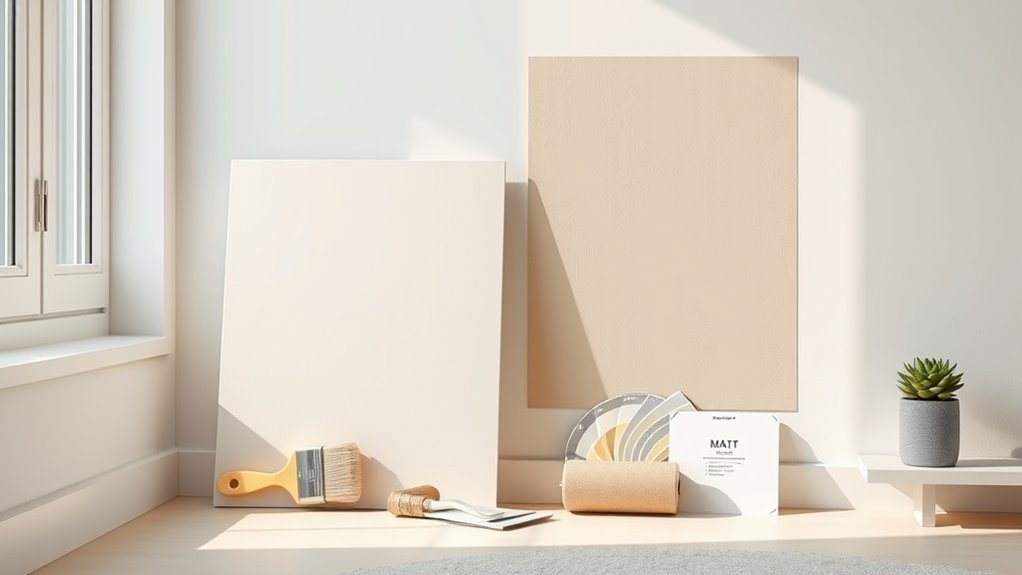
What do people really want when they type “Is matt paint good for walls?”—answers about durability, appearance, and practicality. You’re likely hunting practical guidance: longevity, scuff resistance, and maintenance effort.
You also want aesthetic cues: how matt finish alters color perception and color psychology in a room. Some searchers care about application—coverage, touch-up ease—and others want health and sustainability notes, like VOC levels and environmental impact.
Your intent mixes comparison, decision-making, and reassurance: practical pros and cons, visual effects, and eco considerations. Delivering concise facts, backed by examples and sources, satisfies that multifaceted intent.
Quick Answer: Is Matt Paint a Good Choice for Walls?
If you want a soft, non-reflective finish that hides wall imperfections, matt paint is a strong option.
It’s less durable than eggshell or satin, so you’ll need to touch up or clean with care.
We’ll weigh the look against the maintenance to help you decide.
Appearance And Finish
Because matt paint absorbs light rather than reflecting it, it gives walls a soft, velvety look that hides minor surface flaws and creates a calm, contemporary finish you’ll often see in living rooms and bedrooms.
You’ll notice colors read richer and deeper, so color psychology matters: cool matt tones soothe, warm matt hues cozy up a space.
Matte minimizes glare, making textured walls and subtle architectural details more cohesive.
If you care about environmental impact, many manufacturers offer eco friendly options in matt sheens with low VOCs.
Choose samples and view them at different times to confirm the desired mood.
Durability And Maintenance
While matt paint gives walls a beautiful, low‑sheen finish, it tends to be less durable and harder to clean than glossier options, so you should weigh appearance against practicality for high‑traffic areas. You’ll love the subtle texture that supports color psychology, but scuffs show and repeated washing can dull the finish. Consider tougher alternatives for kitchens, hallways, and kids’ rooms. Also factor environmental impact: many matt formulas now offer low‑VOC options.
| Aspect | Consideration |
|---|---|
| Durability | Prone to scuffs |
| Maintenance | Gentle cleaning only |
| Eco factors | Low‑VOC choices available |
Decision Framework: When to Choose Matt Paint (Brief Checklist)
If you prefer a low-sheen, understated finish, matt paint is a solid option that softens glare and gives a more modern, subtle look.
Keep in mind that matt finishes can make surface imperfections more noticeable, so you’ll want smoother walls or extra prep before painting.
Use this checklist to weigh your preference for low sheen against the condition of the wall before committing.
Low-Sheen Preference
When you want walls that hide imperfections, reduce glare, and feel more contemporary, choose matt paint—it softens light and masks surface flaws better than glossier finishes.
You’ll favor low-sheen finishes when you want a restful backdrop that emphasizes color psychology—muted tones read richer without reflections, making rooms feel cozy or sophisticated.
Low sheen also tolerates simpler paint application; touch-ups blend discreetly, so maintenance feels easier.
Pick matt for living rooms, bedrooms, and gallery walls where subtlety matters.
Avoid it only when you need washability or heavy-duty scrubbability—there, satin or semi-gloss serve better.
Surface Imperfections Visible
Because matt paint absorbs light instead of reflecting it, it’s your best choice if surface flaws are noticeable and you want them to stay subtle. You’ll hide minor bumps, small dents, and texture issues better with matt than with satin or gloss. It won’t mask major damage, so prep matters. Matt also softens uneven patches and reduces glare that highlights imperfections. Note matt can show scuffs and suffers more from color fading in high-traffic or sunlit areas, so balance aesthetics with durability.
| Benefit | When to Use |
|---|---|
| Hides texture issues | Low light rooms |
| Softens bumps | Living areas |
| Reduces glare | Bedrooms |
| Shows scuffs | Hallways |
What Is Matt (Flat) Paint?
Although it lacks sheen, matt (or flat) paint gives you a smooth, non-reflective finish that hides surface imperfections and creates a soft, velvety look on walls. You’ll find it’s pigment-rich, so color theory matters: darker tones feel denser, lighter ones more open.
Because it absorbs light, matt emphasizes texture and depth rather than shine. It’s forgiving during application, masking minor brush marks if you use proper technique.
During paint mixing, follow manufacturer ratios to maintain color consistency and opacity. Matt dries to a matte surface that’s elegant, understated, and ideal when you want muted, sophisticated walls.
How Matt Paint Differs From Eggshell, Satin, and Gloss
If you’re deciding between matt, eggshell, satin, and gloss, focus on sheen, durability, and how much surface texture you want to show.
Matt gives a flat, velvety look that hides imperfections. Eggshel adds a subtle low lustre with slightly better washability. Satin boosts sheen and toughness for higher-traffic areas. And gloss delivers the hardest, most reflective finish that highlights every detail.
Matt: flat and forgiving. Eggshell: soft sheen, easier to clean. Satin: tougher sheen for traffic. Gloss: ultra-reflective detail.
You’ll choose matt when you want soft, muted rooms and favorable color psychology—calming, understated tones.
Consider cleaning needs and environmental impact: higher-sheen finishes often resist scrubbing longer but may contain different binders and VOC levels.
How Sheen Changes Color and Depth
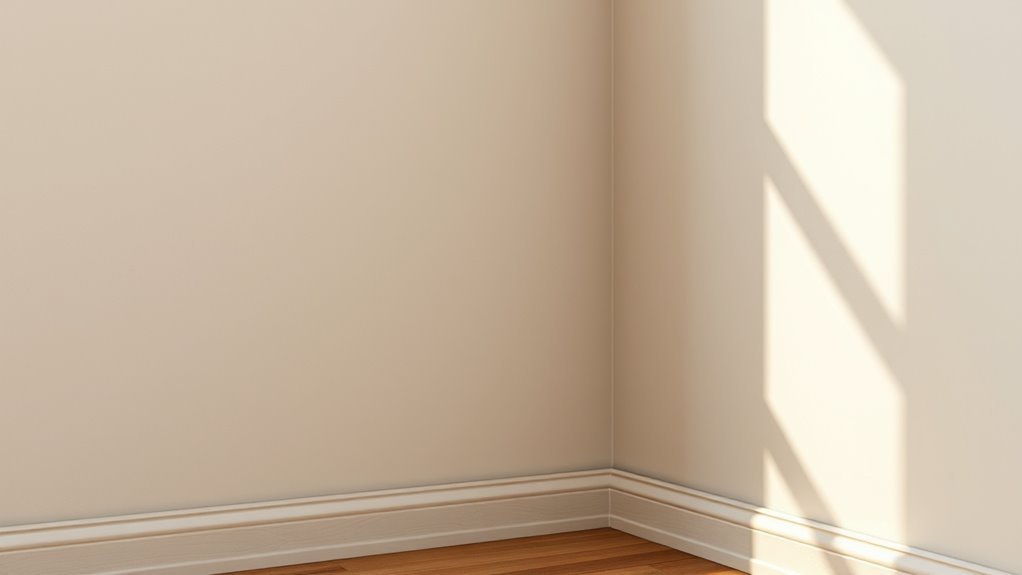
When you change a paint’s sheen, you change how light interacts with the surface, and that shifts both perceived color and visual depth.
You’ll notice matte finishes absorb light, muting highlights and promoting color consistency across walls.
Higher sheens reflect more, intensifying hues and creating subtle shifts as viewing angles change.
That sheen impact can make the same pigment look richer or cooler, depending on light and texture.
When choosing a finish, consider how reflections will alter mood and perceived space.
Test samples in different lighting to confirm the color consistency you want before committing to a sheen.
Will Matt Paint Hide Wall Imperfections?
Because matt paint scatters light instead of reflecting it, it’s your best option for minimizing visible flaws on walls. You’ll notice bumps, hairline cracks, and minor texture less when light diffuses across a flat finish.
That doesn’t mean it erases serious damage—you’ll still need proper repair and priming for deep gouges or stains. Choose a matt formula that balances durability with low-VOC options to lessen environmental impact.
Also consider how color psychology affects perception: darker matt tones can mask imperfections more, while very light matt shades may reveal unevenness despite the finish’s forgiving nature.
How Lighting Affects Matt Paint Color
Although matt paint reduces glare, the type and direction of light still change how its color reads in a room. You’ll notice cool north light makes colors appear muted and slightly bluer, while warm south or west light brings out richer, warmer tones.
Artificial bulbs vary too: LED daylight renders truer hues, incandescent warms them. Consider color psychology when choosing shades—soft matt neutrals calm, while deeper matt tones feel cozy under warm light.
Also factor environmental impact: energy-efficient lighting can alter perceived color, so test samples under your actual lights before committing to a full repaint.
Matt Paint in Small Rooms vs. Large Rooms
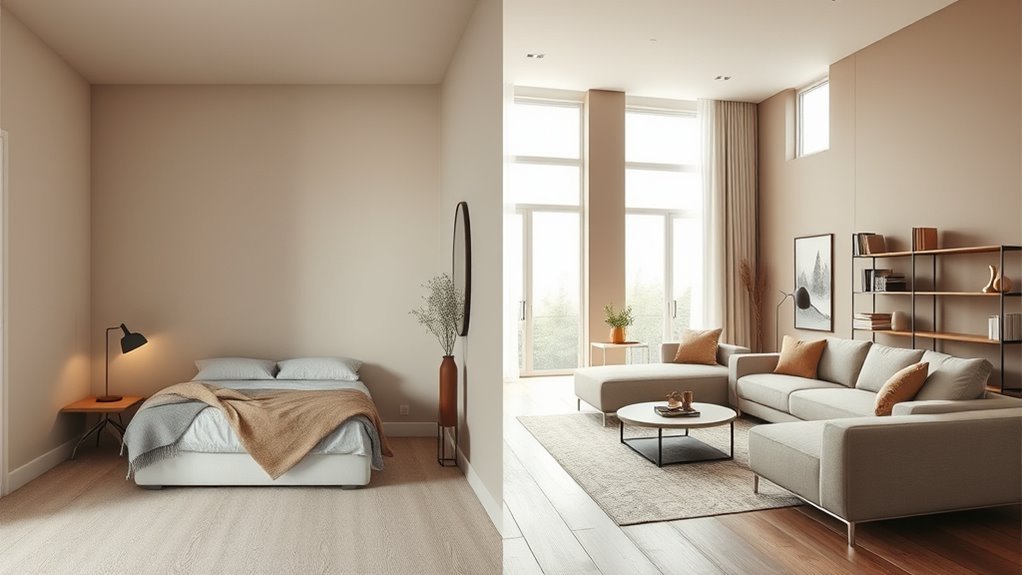
If you’re working with a compact space, matt paint can make walls feel softer and less busy. In larger rooms, it creates a cozy, enveloping look that helps tame scale.
You’ll use lighter matt shades to reflect limited light in small rooms, avoiding heavy tones that close them in. In big spaces, deeper matt hues add intimacy without glare.
Consider color blending to shift between zones and employ careful paint mixing to maintain consistent depth across walls. Test swatches at different times of day so you’ll choose finishes and tones that suit your room’s proportions and lighting.
Matt Paint Durability: Wear and Lifespan
When you choose matt paint, expect a soft, low-sheen finish that’s less forgiving of scuffs and stains than glossier alternatives. So durability hinges on formulation and surface prep. You’ll find high-quality matt paints resist everyday wear better, especially when applied over a sealed, primed surface.
In high-traffic areas, plan for touch-ups sooner; in low-traffic rooms, lifespan extends. Your color psychology choices can mask or highlight wear—darker, textured tones hide imperfections more effectively.
Also weigh environmental impact: low-VOC formulations preserve indoor air quality but may trade off slightly in hardness. Regular maintenance and correct prep maximize longevity.
Matt Paint vs Eggshell: Washability and Stain Resistance
Because eggshell has a slight sheen and a tighter film, it cleans up more easily than matt, so you’ll find stains and marks come off with less scrubbing and milder cleaners. You’ll notice matt soaks spills and scuffs more readily, making spot-cleaning harder and sometimes leaving faint ghost marks after wiping.
If you’re juggling high-traffic areas, eggshell gives better stain resistance without sacrificing too much texture. Matt still wins for hiding surface flaws and offering richer color blending when worked by hand.
Consider Eco options in both sheens if low-VOC and durability matter to your household’s cleaning routine.
When to Choose Washable or Scrubbable Matt Formulas
Although matt paint can be less forgiving than glossier finishes, you’ll want washable or scrubbable formulas in areas that see regular contact or messes—think children’s rooms, hallways, kitchens, and rental units. You’ll balance durability with Color depth and Light reflection: scrub-ready matt retains soft appearance while resisting stains. Choose scrubbable matt for high-traffic surfaces; washable matt suits occasional cleaning. Test a sample to confirm finish and stain resistance. Keep cleaning methods gentle to avoid sheen changes. Use the table below to compare options and guide your choice.
| Feature | Washable Matt | Scrubbable Matt |
|---|---|---|
| Durability | Medium | High |
| Cleaning | Light wipes | Aggressive scrubs |
| Finish impact | Minimal | Slight sheen increase |
Best Rooms for Matt Paint (Living Areas, Bedrooms)
You’ll find matt paint creates a calm, sophisticated atmosphere that suits living rooms and communal spaces.
It holds up well in high-traffic areas when you choose more durable or washable matt formulas.
For bedrooms, opt for soft, warm matt shades to enhance coziness and restful vibes.
Ideal Atmosphere For Living
When you want a calm, cozy feel in living rooms and bedrooms, matt paint is an excellent choice because it soaks up glare and softens light, making spaces feel more intimate and relaxed. You’ll use color psychology to choose muted tones that soothe, while paint texture hides minor wall flaws and creates a velvety backdrop. Arrange furnishings to enhance warmth and avoid glossy accents that compete. Consider layered lighting and soft textiles to complement the matte finish. The table below shows quick pairings to guide your choices.
| Room | Suggested Tone |
|---|---|
| Living | Warm beige |
| Bedroom | Dusty blue |
| Nook | Soft gray |
Durability In High Traffic
Because matt paint absorbs light and hides imperfections, it can be forgiving in living rooms and bedrooms. However, it’s not as tough as silk or satin finishes in high-traffic spots. You’ll want to limit its use where hands, toys, or furniture frequently rub walls.
Choose high-quality matt formulations; they resist scuffs better and tolerate gentle cleaning. During color mixing, add only recommended tints to avoid weakening durability. Allow full paint drying between coats to build strength.
For hallways or playrooms, consider washable matt or a more durable finish on lower wall zones while keeping upper areas matte for atmosphere.
Cozy Bedroom Color Choices
After considering where matt paint can’t take heavy wear, focus on rooms where its soft, light-absorbing finish really shines—bedrooms and living areas. You’ll pick calming hues—muted blues, warm greys, earthy greens—that make rest easier and hide minor imperfections. Choose eco friendly options to reduce VOCs and improve indoor air. While matt isn’t for exterior tasks needing outdoor durability, it excels inside. Use accent walls behind beds or sofas for depth. Consider durable trim finishes where needed, and pair matt walls with textured fabrics for contrast.
| Room | Suggested Hue | Why it Works |
|---|---|---|
| Bedroom | Muted blue | Calming |
| Living room | Warm grey | Cozy backdrop |
| Guest room | Earthy green | Restful |
| Nursery | Soft beige | Gentle light |
| Reading nook | Deep plum | Intimate |
Rooms to Avoid Matt Paint and Safer Alternatives
Although matt paint gives walls a soft, glare-free look, you should skip it in high-traffic, moisture-prone, or hard-to-clean rooms because it stains and scuffs more easily than glossier finishes.
In the kitchen, kitchen hazards like splatters and steam call for washable satin or semi-gloss that resists stains and wipes clean.
For bathrooms, choose moisture-resistant enamel or mildew-resistant eggshell to prevent peeling.
Entryways and kids’ rooms benefit from durable, scrub-able finishes that handle bumps and crayons.
For exterior spaces, consider products with superior outdoor durability rather than matt interior formulations to withstand weather and fading.
Prep Checklist: Getting Walls Ready for Matt Paint
Before you roll on matt paint, clean and repair the wall so dirt, grease, and cracks won’t show through. Patch holes, sand rough spots, and wipe the surface so the finish goes on smoothly.
Then apply a suitable primer to guarantee even coverage and true color.
Surface Cleaning And Repair
How clean are your walls right now? You should remove dust, grease, and cobwebs—use a microfiber cloth and mild detergent—to make certain matt paint adheres and color psychology works as designed; grime can dull tones and alter perception.
Address holes and cracks by scraping loose paint, filling with spackle, and sanding smooth. Tackle mold with a vinegar solution, and rinse thoroughly to limit environmental impact from harsh chemicals. Allow surfaces to dry completely.
Check for flaking or glossy patches and sand them to a uniform texture. Proper cleaning and repair saves time and yields a truer, longer-lasting matte finish.
Priming For Even Coverage
When you want a smooth, consistent matte finish, priming is essential. You’ll seal repairs, block stains, and create an even base so matt paint lays flat without patchy sheen.
Choose a primer suited to your substrate—drywall, plaster, or previously painted surfaces—and apply thin, even coats. Consider primer tinting to the final shade; it aids coverage and reinforces color psychology so the matte hue reads true.
If sustainability matters, pick low-VOC or eco-friendly finishes to reduce fumes. Let primer dry fully, sand lightly if needed, then dust off before rolling your matt paint for best results.
Application Tips: Brushes, Rollers, and Technique
Although matte paint hides imperfections better than gloss, getting a smooth, even finish still depends on your tools and technique. Choose a high-quality synthetic brush for trim and a 3/8″–1/2″ nap roller for walls to minimize stipple.
Work in small sections, maintain a wet edge, and use long, even strokes to avoid lap marks. Lightly sand between coats where necessary and remove dust before painting.
Consider color psychology when planning accents and test swatches in different light. For low-VOC, eco-friendly options, pick reputable brands and follow manufacturer drying times for best adhesion and durability.
How Many Coats of Matt Paint Do You Need?
Because matt paint absorbs light and tends to be less reflective, you’ll usually need two coats to achieve full, even coverage; however, the exact number can vary with color, surface porosity, and paint quality. You should assess primer needs and test a small area: darker or bold hues often need extra coats for true Color psychology effects, while porous plaster soaks paint and demands more layers. Choose high-quality, Eco friendly options to minimize coats and improve opacity. Quick table for guidance:
| Surface Type | Typical Coats |
|---|---|
| Newly plastered | 3 |
| Previously painted | 2 |
| Dark color | 3 |
| Smooth surface | 1-2 |
| Porous surface | 3 |
Touch-Ups and Repairs: Hiding Marks on Matt Walls
Since matte paint shows scuffs and repairs more than glossier finishes, you’ll want a careful approach to touch-ups that blends color, texture, and sheen. Match the original batch or get a small sample for exact color; test in an inconspicuous spot to check for sheen differences and lingering paint odor.
Because matte reveals touch-ups, match color and test discreetly to blend sheen, texture, and odor before repairing.
Feather edges with a damp sponge, then stipple lightly to mimic wall texture. For deeper gouges, fill and sand before repainting.
Consider tools and timing:
- Use small brushes or mini rollers for controlled coverage.
- Keep touch-up coats thin to avoid lap marks.
- Allow full drying between passes.
How to Clean Matt-Painted Walls Safely
When you clean matt-painted walls, you want gentle methods that remove dirt without flattening or staining the finish. Begin with a soft brush or microfiber to dust.
Then, test a small hidden spot with diluted mild detergent (a few drops in warm water). Use light pressure, blotting rather than rubbing, and rinse with a damp cloth.
For scuffs, try a melamine sponge sparingly. Avoid harsh solvents or abrasive pads that alter color psychology by creating shiny patches.
Dispose of waste responsibly and choose eco-friendly cleaners to minimize environmental impact while preserving appearance.
Choosing Matt Paint for Rentals vs. Owned Homes
When you’re choosing matt paint, think about durability and how much wear the walls will get in a rental versus your own home.
Consider how easy touch-ups and maintenance will be—renters may need quick fixes, while owners might accept more delicate finishes.
Also pick rental-friendly, neutral colors that hide minor scuffs and satisfy landlords, or bolder shades if you own the place and plan to stay.
Durability And Wear
If you’re weighing matt paint for a rental or your own home, think about how each space will be used and maintained. You’ll want to balance color psychology and ventilation factors: darker matt hides imperfections but shows scuffs, while lighter tones reveal wear differently.
In rentals, durability matters more; in owned homes, you can accept gentle aging. Consider traffic and cleaning frequency.
- High-traffic areas need tougher finishes or protective measures.
- Bedrooms or low-traffic rooms tolerate matt finishes better.
- Landlords should prefer washable variants or plan for repainting.
Decide based on usage, budget, and expected lifespan.
Touch-Up And Maintenance
Since high-traffic areas demand tougher finishes, you’ll also want to think about touch-up and maintenance strategies that match whether the property’s rented or owner-occupied.
If you own the home, you’ll likely accept periodic repainting to preserve a matte look, using spot primers and matched mattes for seamless repairs.
In rentals, prioritize easy-to-clean formulations or consider satin trims to reduce visible scuffs and turnover work.
Keep a small labeled pot of the exact batch for fast patching.
Also weigh color psychology when choosing tones that hide wear, and consider environmental impact of paints and disposal when planning maintenance.
Rental-Friendly Color Choices
How do you pick matt paint colors that survive rental life and still look intentional? You’ll balance practicality and style: neutral bases resist quick fatigue, accent walls add personality, and finishes hide minor scuffs. Consider color psychology to choose tones that feel calming or energizing depending on room use.
Pick shades landlords accept and that repaint easily when you move. Also favor eco friendly options to limit VOCs and simplify touch-ups.
- Use muted neutrals for longevity.
- Add one washable, deeper accent for impact.
- Test samples under real light before committing.
Eco-Friendly and Low-VOC Matt Paint Options
Looking for a low-odor, low-toxicity way to brighten your walls? You can choose eco-friendly matt paints labeled low-VOC or zero-VOC that cut fumes and indoor pollution. Look for certifications like Green Seal or Greenguard and check ingredient lists for fewer solvents.
These matt formulas suit living rooms, nurseries, even garden decor accents and coordinate with non-toxic furniture finishes for a cohesive home. Apply with proper ventilation and use washable matt options where durability matters.
You’ll reduce chemical exposure without sacrificing depth or coverage, and you’ll maintain a soft, modern matte look that’s healthier for occupants.
Cost Comparison: Matt vs Eggshell, Satin, and Gloss
Eco-friendly matt paints can save you on health and ventilation costs, but you’ll want to compare their sticker price and lifecycle expenses to eggshell, satin, and gloss finishes before deciding.
You’ll find matt often costs similar per litre to eggshell, slightly less than satin, and usually cheaper than high-gloss when factoring prep and multiple coats.
Consider upkeep: gloss needs less frequent repainting; matt hides imperfections but may require touch-ups.
Think about color matching and paint longevity for future repairs.
Key points to weigh:
- Initial cost vs repaint frequency
- Ease of touch-up and color matching
- Durability and paint longevity
Combining Matt Walls With Trim and Ceiling Finishes
When you pair matt walls with trim and ceiling finishes, aim for contrast and purpose. You’ll balance textures: a flat matt wall soaks in light while semi-gloss trim reflects it, defining edges. Choose ceiling sheens intentionally—flat for intimacy, a slight sheen to bounce light.
Let color psychology guide decisions: cool ceilings enlarge, warm trims ground a space. Test combinations from trusted paint brands to guarantee true hues and durability.
Keep trim crisp with cleaner finishes for scuffs, and avoid matching everything; subtle contrast reads intentional. This approach keeps rooms cohesive, practical, and visually layered without overpowering.
Using Accent Walls in Matt to Create a Cozy Look
You can use a matt accent wall to add texture and visual interest without flashy finishes.
Choosing deep, warm hues in matt amplifies coziness and makes the room feel more intimate.
Pair that textured look with softer furnishings to balance the richness.
Texture-Rich Accent Walls
Although matt finishes absorb light, they actually highlight surface texture and make an accent wall feel warm and intimate, so you can use them to create a cozy focal point that anchors a room. You’ll lean into visible brushstrokes, plaster effects, or reclaimed wood grain to add depth without glare.
Consider color psychology and test samples before committing; bring swatches when paint shopping to see texture interact with light. Pair the textured matt wall with smooth surrounding walls and soft textiles to balance tactile contrast.
- emphasize texture over shine
- test samples in different light
- balance with smooth surfaces
Warmth Through Deep Hues
Craving a cozy, enveloping room? You can use a matt accent wall in deep hues to anchor a space, drawing warmth without glare. Choose colors informed by color psychology—rich burgundy, deep teal, or warm chocolate—to evoke comfort and intimacy.
Apply a matt finish for a soft, tactile look that absorbs light and hides imperfections. Balance with lighter furnishings and layered textiles so the dark wall feels intentional, not heavy.
Note historical trends: period interiors often used saturated tones to create snug, human-scaled rooms. With careful contrast and lighting, a matt deep-hue accent wall makes your space inviting.
Common Mistakes With Matt Paint and How to Avoid Them
When you pick matt paint for its soft, non-reflective finish, it’s easy to overlook preparation and application steps that make the difference between a flawless wall and one that shows every imperfection. You’ll also want to remember how color psychology affects perception; darker matt tones hide flaws differently than lighter ones, and historical finishes might inspire texture choices.
Matt paint’s soft, non-reflective finish demands careful prep and lighting—color and texture choices affect how flaws appear.
Common mistakes are avoidable if you follow basics and adjust technique. Pay attention to surface prep, lighting, and tools:
- Skipping proper priming leads to uneven absorption.
- Using low-quality rollers causes streaks.
- Ignoring lighting hides missed touch-ups.
Quick Decision Checklist: Should You Use Matt Paint for This Room?
If you want a soft, non-reflective look that hides minor surface flaws, matt paint can be a great choice—but only if the room’s use, lighting, and maintenance needs match its qualities. Use this checklist to decide quickly: consider traffic, cleanability, light levels, Color psychology needs, and environmental impact of the product. Answer yes/no, then choose matt if mostly yes.
| Factor | Matt Suitable? | Notes |
|---|---|---|
| High traffic | No | Scuffs show, hard to clean |
| Low light | Yes | Prevents glare |
| Mood needed | Yes | Softens color psychology |
| Eco concerns | Depends | Pick low-VOC matt paints |
Frequently Asked Questions
Can Matt Paint Be Used on Ceilings Safely?
Yes — you can safely use matt paint on ceilings if you prep properly: focus on wall surface preparation, repair and clean first, then use proper paint application techniques like rolling with an extension pole, even strokes, and thin multiple coats.
Does Matt Paint Work Well Over Wallpaper?
Yes — you can, but it’s a mixed bag: if wallpaper removal’s impractical, a properly primed surface lets matte finish durability look great, though seams and adhesive may show, so test a small area and expect prep work.
How Long Does Matt Paint Take to Fully Cure?
Matt paint typically feels dry in a few hours, but it takes 2–30 days to fully cure depending on paint texture, humidity, and ventilation. You’ll notice final hardness and washability improve over that curing period.
Can I Tint Matt Paint at Home Accurately?
Want a smooth, consistent hue—can you match it by eye? You can tint matt paint at home, but use precise color mixing tools and test samples, since accuracy affects paint durability and final appearance.
Is Matt Paint Suitable for High-Humidity Bathrooms?
Matt paint can work in high-humidity bathrooms, but you’ll need Bathroom durability upgrades and Moisture resistance measures: choose mold-resistant, high-quality matt formulas, use good ventilation, and consider semi-gloss in wet zones for extra protection.
Conclusion
You’ll probably find matt paint quietly wins when you want walls that hide blemishes and foster a calm, cozy vibe—think of it as the room’s soft-spoken friend. It’s best for low-traffic spaces, textured surfaces, and areas where subtlety matters; just be aware it’s not keen on scrubbing or high-gloss trim. If you want warmth without fuss, choose matt. If durability or shine matters more, consider a tougher finish instead.
