
What Is the Temperature Range for Exterior Painting?
You should paint exterior surfaces when temperatures are consistently between about 50°F and 85°F (10°C–29°C) so the paint can dry, cure, and stick properly. Check both air and surface temperatures and avoid direct sun or wet, humid conditions that prolong tackiness or cause blistering. For oil‑based paints you can go slightly cooler, and hot, windy days can hurt finish quality. Keep an eye on forecasts and follow product limits to guarantee a lasting job—keep going for more guidance.
Quick Answer: Ideal Exterior Painting Temperatures
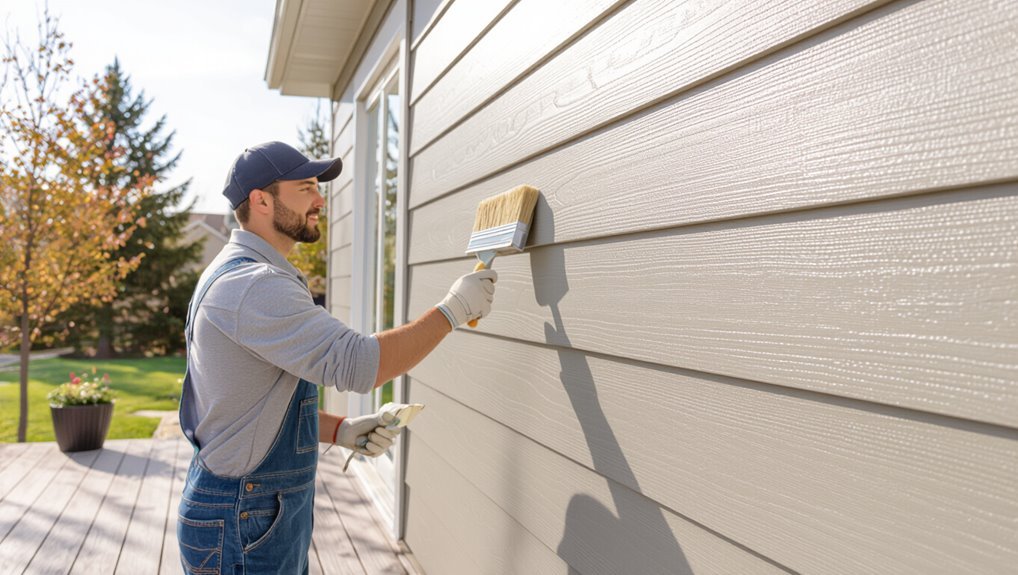
Most exterior paints perform best when temperatures stay between about 50°F and 85°F (10°C–29°C); if you paint outside that range, the coating may not dry or adhere properly.
You’ll aim for that window during paint application to guarantee cure time and adhesion. Check forecasts and choose days without rain or extreme humidity.
Before you open a can, do proper surface preparation: clean, scrape loose paint, sand, and prime where needed so the new coat bonds.
Work during steady conditions—mornings or late afternoons often help. If temperatures shift, pause the job rather than risk a failed finish.
Quick Checklist: Safe Temperature and Humidity to Start
You’ve picked the right temperature window; now make a quick checklist to confirm conditions before you start.
You’ll want to verify temperature effects and humidity levels so paint adheres and cures as aimed. Use short observations and simple tools.
- Check current air temperature and forecast for the next 24 hours.
- Measure surface temperature; it should match the acceptable range for your paint.
- Confirm humidity levels stay within the paint manufacturer’s recommendations.
- Make sure no rain or heavy dew is expected during drying time.
- Verify wind speed and direct sun won’t accelerate drying excessively.
Why Temperature Matters for Exterior Paint Performance
You’ll notice temperature controls how the paint film cures and reaches its full toughness.
If it’s too cold or too hot, adhesion and bonding to the surface suffer, increasing the risk of peeling or blistering.
Those temperature-driven defects are exactly what you’re trying to prevent by choosing the right painting window.
Paint Film Cure
Paint dries, but it also has to cure—and temperature controls how well that curing happens.
You’ll notice cure time varies with temperature: colder air lengthens it, hotter speeds it up, affecting final durability. Proper curing lets solvents escape, crosslinking finish into a resilient film; incorrect temperatures can leave a weak surface or tacky spots.
You should monitor ambient and surface temps and adjust application and film thickness for recommended ranges so paints reach full performance.
- Check manufacturer cure time for your product
- Avoid painting near temperature extremes
- Apply appropriate film thickness per instructions
- Allow extra time in cool conditions
- Use heaters or fans when needed
Adhesion And Bonding
When temperatures fall outside a paint’s recommended range, the coating won’t bond properly to the substrate. As a result, you’ll see poor adhesion, premature peeling, or flaking down the line.
You need to take into account adhesion factors like surface cleanliness, moisture content, and thermal shock. Cold slows chemical bonding, while heat can cause skinning before proper wetting.
Apply bonding techniques such as using primers formulated for the temperature, warming the surface, or employing additives that improve flow and wetting.
Always follow manufacturer temperature and dew point guidelines so your paint makes full contact and forms a durable, long-lasting bond.
Temperature-Driven Defects
Although temperature might seem like a background factor, it directly drives specific defects that shorten exterior paint life and undermine appearance.
You need to account for temperature fluctuations and seasonal considerations because they worsen drying issues and humidity effects, causing adhesion problems and eventual paint failures. Proper surface preparation and timing prevent many issues, but understanding local weather conditions is essential.
- Cracking from rapid temperature swings
- Blistering due to humidity effects and trapped moisture
- Poor cure and drying issues in cold or damp air
- Adhesion problems from painting too hot or cold
- Peeling after repeated weather conditions cycling
Ideal Temperature for Latex (Water‑Based) Exterior Paint
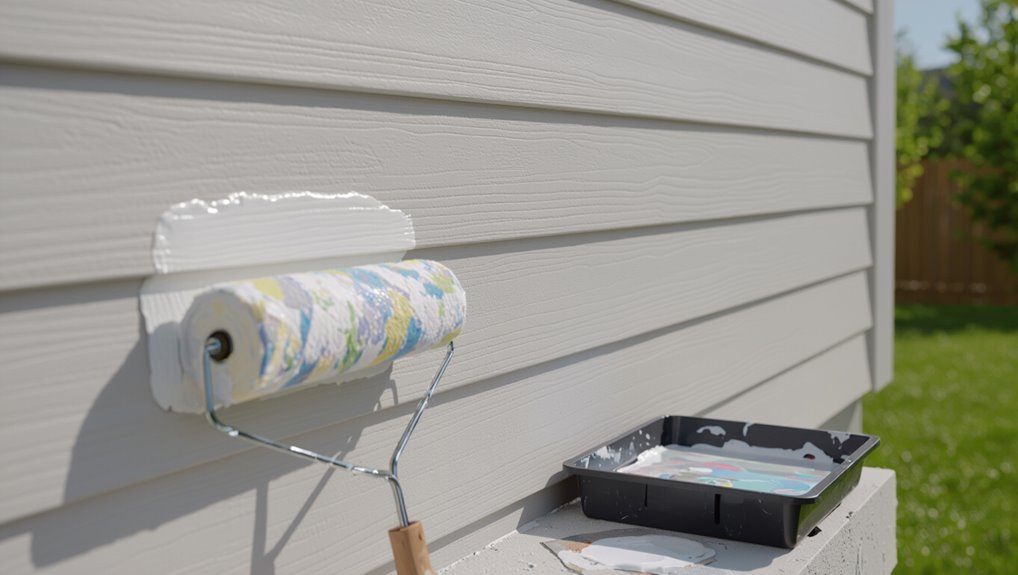
For latex exterior paint, you’ll usually want temperatures between about 50°F and 85°F to guarantee proper flow and adhesion.
Watch the dew point—painting when the surface is cooler than the air can cause condensation that ruins the finish.
Also remember that cooler or humid conditions slow curing, so allow extra drying time before exposing the surface to moisture or heavy use.
Recommended Temperature Range
If you’re planning an exterior paint job, aim to apply latex (water‑based) paint when daytime temperatures consistently sit between about 50°F and 85°F (10°C–29°C). You’ll control temperature effects to preserve paint quality, avoid skinning, poor adhesion, or extended curing times.
Choose days with stable forecasts and moderate nights so coatings set properly.
- Start when highs and lows stay within range for 24–48 hours.
- Avoid early morning freezes or late‑day heat spikes.
- Follow manufacturer min/max temps on the can.
- Use lighter colors in hotter climates to reduce surface temperature.
- Postpone if rapid temperature swings are forecast.
Dew Point Considerations
Besides watching daytime and nighttime temperatures, you should check the dew point before painting, because condensation can ruin a fresh latex coat.
You’ll want the dew point impact to be favorable: paint when surface temperature is at least 5°F (3°C) above the dew point to avoid moisture levels that cause blushing, poor adhesion, or delayed drying.
Measure both air and surface temps and avoid painting in high humidity near sunset when the dew point rises.
If moisture levels are borderline, wait for a drier window or choose a low‑temperature, quick‑dry latex formulated to tolerate higher dew point conditions.
Curing Time Effects
When temperatures drop below a paint’s recommended range, curing slows dramatically and you’ll see longer tack times, weaker film formation, and greater risk of damage from dust or dew.
You should plan around the curing process because temperature effects change how fast water-based latex coalesces and hardens. Cooler nights or sudden cold snaps can extend dry times from hours to days, increasing susceptibility to rain, scuffing, and poor adhesion.
To protect your job, monitor forecasts, use warm-weather formulations when possible, and avoid painting when temperatures will fall near or below the manufacturer’s lower limit.
- Check forecasted lows
- Use appropriate formulation
- Delay if dew expected
- Keep surfaces warm
- Allow extra cure time
Ideal Temperature for Oil‑Based and Alkyd Exterior Paint
Although oil‑based and alkyd exterior paints dry more slowly than latex, they tolerate a slightly wider usable temperature span and give you a tougher, more durable finish in cooler conditions.
You should follow oil based guidelines: apply when temperatures are consistently between about 40°F and 85°F, avoiding freezing nights and hot direct sun that can skin over.
Alkyd performance excels at lower temps compared with latex, but humidity still matters; aim for dry conditions and moderate dew points.
Work in thin coats, allow ample tack‑free time, and check weather forecasts so your finish cures without trapping moisture or dirt.
Air vs. Surface Temperature: Minimums and Maximums
You’ve considered the paint type and ambient conditions, but the thermometer on the wall doesn’t tell the whole story—surface temperature can be quite different from air temperature, and that difference affects adhesion, drying, and curing.
You should always check the surface—not just the forecast. Paints have specific minimum and maximum surface temperature ranges; applying outside them risks poor film formation, blistering, or failure.
Sun, shade, and wind create hotspots or cold surfaces even when air temperature looks fine.
- Check surface temperature before you start.
- Avoid painting on hot, sun-baked surfaces.
- Don’t paint if surface approaches freezing.
- Allow shaded surfaces to warm.
- Use infrared thermometers for accuracy.
How Humidity Changes Drying and Curing
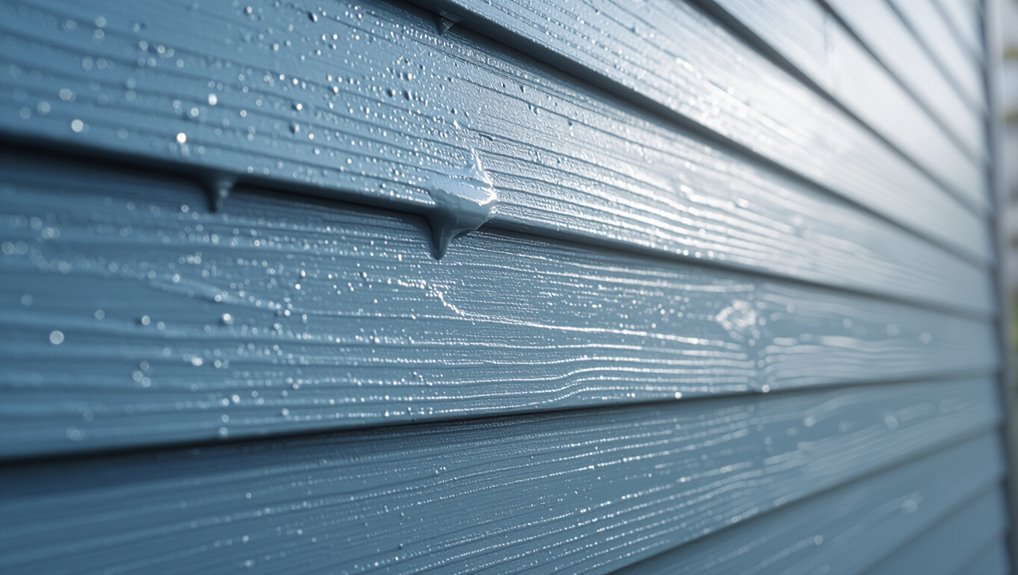
Because moisture in the air slows solvent evaporation and affects chemical curing, relative humidity directly changes how fast your exterior paint dries and how well the film forms.
You’ll notice humidity impact most when levels exceed about 70%—dry times lengthen, tackiness lingers, and solvent-borne paints can fail to cure properly.
Low humidity speeds evaporation, which can cause brush marks or poor flow.
Low humidity accelerates evaporation, leading to visible brush marks and poor paint flow—use slower-drying formulas or humidify the air.
To manage drying effects, pick products rated for expected humidity, follow manufacturer recoat windows, and avoid painting during prolonged damp conditions.
Use moisture readings, plan for longer cure times after humid nights, and test a small area first.
How Wind and Sun Alter Effective Painting Temperature
When you’re painting outside, wind speed can cool the surface and thin the paint film, while direct sunlight can warm it and speed solvent evaporation.
Those opposing effects change the effective temperature the paint experiences and can shorten or lengthen drying and curing times.
You’ll need to account for both wind and sun when planning timing and technique to get proper adhesion and finish.
Wind Speed Effects
Although air temperature is what you usually check before painting, wind and sun change the effective temperature your paint actually experiences. You’ll notice wind speed effects accelerate surface cooling and boost paint drying, sometimes causing premature skinning or poor adhesion.
Manage conditions and techniques to protect finish.
- Wind increases evaporation, thinning the film.
- High gusts promote uneven drying and brush marks.
- Constant breeze cools substrate below measured air temp.
- Wind-driven dust contaminates tacky surfaces.
- Shelter or windbreaks stabilize drying time and film formation.
Anticipate wind when planning exterior painting to guarantee proper cure and durability.
Sunlight Heating
Since direct sun can raise surface temperatures well above the ambient air, you’ll need to factor solar heating into your painting plan to avoid problems like blistering, accelerated skinning, or poor adhesion.
You should assess sun exposure on different elevations and at various times; south- and west-facing walls heat more. Materials with high heat retention—dark siding, metal trim—can stay hotter longer, so touch surfaces before painting.
Work in morning or shaded periods when possible, and use temporary shade to control surface temperature. Monitor both air and surface temps, and postpone work if surfaces remain hotter than the coating’s recommended limits.
Drying Time Changes
Because wind and sun both speed how quickly solvents and water leave a coating, they change the effective temperature you’re working in and can considerably shorten drying windows.
You’ll notice drying rates increase on breezy, sunlit days, which raises the temperature impact on film formation. Monitor conditions so you don’t paint too quickly or cause skinning, blistering, or poor adhesion. Adjust technique, thinning, and timing to match real-world drying behavior.
- Check wind speed and direct sun exposure before starting.
- Test small area for tack-free time.
- Use slower-drying formulations if needed.
- Shade or cover sections during peak sun.
- Avoid painting in gusty conditions.
How Seasonal Swings Affect Painting Timelines
When seasonal swings shift temperature and humidity, they directly change when you can paint outside—wet, cold, or hot extremes shorten workable windows and affect drying times.
You’ll notice seasonal impacts on prep, application, and cure: spring’s damp mornings delay starts, summer heat speeds skin formation but risks blistering, autumn cool nights slow cure, and winter can halt jobs entirely.
Temperature fluctuations between day and night stress coatings and substrates, so you’ll schedule coats during steady periods and avoid late-day application.
Plan buffer days, monitor forecasts, and adjust timelines rather than forcing work in risky conditions to protect finish quality.
How to Read Manufacturer Temperature Guidance
Check the manufacturer’s temperature limits before you start, since those numbers tell you the minimum and maximum air and surface temperatures the product can handle.
Pay attention to wet-film versus dry-film guidance so you know how long the coating needs to cure before it tolerates cold or moisture.
Also compare substrate-specific notes and the forecast to avoid applying when the surface or upcoming weather will violate those limits.
Manufacturer Temperature Limits
Although manufacturer temperature limits might seem straightforward, you should read them carefully because they tell you the exact conditions the coating needs to cure and perform as advertised.
You’ll follow manufacturer guidelines to avoid poor adhesion, blistering, or extended curing. Note how low and high limits, dew point rules, and substrate temperature affect results.
Check whether limits apply to application, curing, or storage.
- Confirm minimum and maximum application temps
- Note substrate vs. air temperature differences
- Observe dew point and humidity notes
- Follow recommended curing time at specified temps
- Record conditions to validate warranty and quality
Wet Film vs. Dry
Because manufacturers often specify different limits for wet film and dry-film conditions, you should read their temperature guidance carefully to know exactly how and when the coating will behave.
You’ll see wet film limits that refer to application conditions—temperature of the paint and air when it’s applied—and dry film limits that refer to curing and performance once the coating sets.
Follow lower of the two when in doubt: apply within wet film range, then make sure conditions allow the dry film to form properly.
If guidance conflicts with weather or job timing, contact the manufacturer for clarification before you start.
Substrate And Forecast
Understanding wet and dry film limits helps, but you also need to read manufacturer temperature guidance with the specific substrate and upcoming forecast in mind.
You’ll check product data for minimum and maximum application temps, dew point restrictions, and recommended cure times relative to substrate preparation. Combine that with local weather forecasting to avoid condensation, freeze, or heat stress during cure.
- Verify substrate type and moisture content before mixing.
- Compare product temp range to expected day/night swings.
- Note dew point and humidity limits for each coat.
- Allow extra dry time in cool, damp conditions.
- Postpone if forecast predicts rain or frost.
Testing Exterior Surface Temperature Before You Paint
Before you load your brush or spray rig, check the surface temperature with a reliable infrared thermometer or touch test to confirm the siding, trim, or deck is within the paint manufacturer’s recommended range.
You’ll perform surface temperature testing at several spots — north- and south-facing areas, shaded and sunlit sections — to catch hotspots or cold spots that affect adhesion and cure.
Follow paint temperature guidelines for both minimum and maximum surface temps, and avoid painting on surfaces heated by sun or cooled by overnight chill.
If readings fall outside limits, wait or schedule for better conditions to guarantee a proper finish.
Tools to Measure Air, Surface, and Dew Point
You’ll want a reliable thermometer to measure the air temperature before you start painting.
Use an infrared or contact thermometer to check the surface temperature so paint will adhere properly.
To avoid condensation problems, calculate or use a dew point meter so you know when the surface might be at risk of moisture.
Measuring Air Temperature
When you’re preparing to paint outside, accurate temperature readings for the air, surfaces, and dew point let you choose the right time and products. Simple, reliable tools will give you the data you need to avoid adhesion failures, blistering, or extended cure times.
You’ll use a basic thermometer or digital probe to check air temperature near the work area, keeping sensors out of direct sun and off hot surfaces for true ambient readings. Regular temperature measurement during the job prevents surprises and guarantees paint performs as expected.
- Digital ambient thermometers
- Instant-read probes
- Weather stations
- Infrared thermometers (for distance)
- Smartphone sensor apps
Determining Dew Point
How can you tell if conditions will cause paint to blister or tack up? Use reliable tools: a digital hygrometer for humidity, an infrared thermometer for surface temperature, and a dew point calculator or chart.
Measure air and surface temperatures, then compare to the dew point to avoid condensation. Accurate dew point measurement prevents wet film problems; note dew point implications for drying times and adhesion.
If surface temperature is within 3–5°F of the dew point, postpone painting until it’s warmer or drier.
Record readings at start and during the job to guarantee conditions remain safe and consistent for proper curing.
What Dew Point Means for Paint Adhesion
Understanding dew point matters because it tells you when moisture will condense on surfaces, and that condensation can ruin paint adhesion.
You need to monitor dew point effects closely, because painting when surfaces are at or below the dew point traps moisture under film, weakens bonds, and increases failure risk.
Adhesion importance means you’ll wait for surfaces to be dry and for air temperature to be comfortably above dew point before painting.
- Check forecasted dew point vs. surface temp.
- Avoid painting during rising humidity.
- Use moisture meters when unsure.
- Apply primers designed for marginal conditions.
- Schedule jobs in stable, dry periods.
Safe Temperature Ranges by Material: Wood, Metal, Stucco
When you’re planning exterior painting, you need to match temperature limits to the surface—wood typically needs milder, stable temps to avoid swelling or shrinkage.
For metal, you’ll want conditions that prevent condensation and allow primer and topcoat to cure properly.
Stucco needs warm, dry conditions so paint bonds and doesn’t trap moisture in the porous surface.
Wood Temperature Limits
Because wood absorbs and releases heat differently than other surfaces, you’ll need to evaluate both the air and substrate temperatures before you paint. Paint applied to wood that’s too cold can fail to cure, while wood that’s too hot or moving from moisture can cause adhesion and cracking issues.
You should check wood moisture and guarantee paint compatibility with the species and existing finish. Ideal substrate temps usually range 50–85°F (10–29°C), with surface fully dry and stable. Paint when humidity is moderate and night temps won’t drop below manufacturer minima. Follow product data for best results.
- Measure wood moisture content
- Verify surface temperature
- Choose compatible primer/paint
- Avoid painting in direct scorching sun
- Allow adequate drying time
Metal Painting Conditions
After checking wood temperatures and moisture, shift attention to metal—its thermal behavior and preparation needs differ and will change how and when you paint.
You’ll want substrate temperatures between 50–90°F (10–32°C) for most primers and topcoats; avoid painting metal when dew, frost, or condensation might form.
Focus on metal surface preparation: remove rust, oil, and old coatings; abrade for profile; clean with solvent or etch primer.
Choose coatings formulated for metal—metal paint selection matters for adhesion, flexibility, and corrosion resistance.
Follow manufacturer minimum and maximum temperature and humidity limits to guarantee cure and long-term performance.
Stucco Temperature Guidelines
If you’re painting or applying finish coats to stucco, keep substrate and ambient temperatures within the manufacturer’s recommended band—typically 50–90°F (10–32°C)—and avoid work when frost, freezing nights, or rapid temperature swings can interrupt curing.
You’ll check stucco moisture before starting and confirm stucco preparation, repairs, and substrate integrity are complete. Match stucco paint types to texture and climate for proper adhesion and stucco finish quality.
Temperature affects stucco longevity and maintenance intervals, so schedule work during stable conditions. Use gentle heat only if manufacturers permit, and postpone if humidity or cold will compromise curing.
- Check stucco moisture with a meter
- Confirm stucco preparation and repairs
- Choose stucco paint types for texture
- Avoid painting during rapid temperature swings
- Plan for stucco maintenance to guarantee longevity
Choosing Paints for Cold‑Weather Projects
When temperatures drop, you’ll want paints formulated to cure at lower temps and resist freeze-thaw cycles; standard latex and oil formulas often won’t perform reliably in cold conditions.
You should choose cold weather paint types labeled for low-temperature application and check manufacturer limits.
Focus on surface preparation: remove frost, moisture, and loose material so adhesion issues don’t appear.
Expect longer drying times and monitor temperature effects during and after application.
Work in stable outdoor conditions, avoid imminent freezes, and use proper tools like low-temp rollers and synthetic brushes.
Follow product instructions and plan extra cure time before exposing surfaces to stress.
Choosing Paints for Hot‑Weather Projects
Cold-weather techniques focus on keeping paint from freezing and curing slowly, but hot conditions create opposite challenges that you’ll want to address differently.
You’ll face high temperature challenges like rapid drying, blistering, and adhesion loss, so focus on paint selection tips that tolerate heat and UV.
Pick formulations labeled for exterior, high-UV resistance, and extended open time. Work early or late to avoid peak heat. Test a small area first.
- Choose high-UV, exterior-rated paints
- Prefer acrylics with proven heat stability
- Look for “extended open time” on labels
- Avoid low-VOC formulas that flash dry in heat
- Test adhesion before full job
Additives That Safely Change Drying Time
Because extreme temperatures can make paint dry too fast or too slow, you’ll want additives that safely adjust open time without harming adhesion or finish. You’ll choose additive types based on paint chemistry and temperature effects: drying accelerators for cold mornings, retarders for hot, fast-evaporating conditions, and balanced wetting agents for variable humidity. Read manufacturer guidance, test small areas, and avoid overuse that alters gloss or adhesion. Below is a quick reference table to compare common options and their typical impact so you can match product choice to job conditions.
| Additive | Typical Use | Effect |
|---|---|---|
| Accelerator | Cold | Speeds cure |
| Retarder | Hot | Extends open time |
| Wetting agent | Humid | Improves flow |
| Balanced | Variable | Stabilizes drying |
Preparing Surfaces in Cool Conditions
If temperatures are dipping toward the low end of the paint’s recommended range, prep your surfaces more carefully to secure adhesion and a smooth finish.
In cool conditions, moisture and slow curing matter, so you’ll clean, dry, and repair thoroughly before painting. Pay attention to dew, condensation, and surface temperature; use a thermometer and avoid painting late in the day.
Prime with a product rated for lower temps and allow extra dry time between coats. Plan for warmer daytime windows and monitor forecasts.
Use a cold-weather primer and extend drying times between coats; schedule painting during warmer daytime windows.
- Remove dirt, mildew, and chalking
- Confirm surfaces are fully dry
- Sand and repair flaws
- Use low-temp primer
- Time coats for warmer hours
Preparing Surfaces in Hot Conditions
When you’re prepping surfaces in hot conditions, watch the surface temperature limits to guarantee paint will adhere and cure properly.
Hot weather speeds evaporation, so you’ll risk poor film formation and adhesion if you don’t control moisture loss.
Use cooling and shading techniques—work in the shade, mist surfaces, or schedule early-morning jobs—to lower surface temps and slow evaporation.
Surface Temperature Limits
Although hot weather speeds up drying, you still need to watch surface temperatures before you paint; too-hot substrates can cause blushing, poor adhesion, or uneven film formation.
You should measure surface temperature, not just air temp, during surface preparation and verify material compatibility with high-heat conditions. Paint manufacturers often give max substrate temps—usually 90–120°F (32–49°C).
If surfaces exceed limits, wait for cooler periods, shade the area, or use misting to lower temps. Check metals, plastics, and previously coated areas carefully.
- Use an infrared thermometer to read surfaces.
- Follow manufacturer max-temp guidance.
- Cool surfaces before priming.
- Test adhesion on a small area.
- Avoid painting in direct midday sun.
Rapid Evaporation Risks
Because high heat speeds solvent and water loss, you’ll face rapid evaporation that can ruin surface prep and the paint film if you don’t control it. You must monitor evaporation speed and substrate moisture content before and during work. Check tack, adhesion, and porosity; don’t paint over brittle, powdery, or dry surfaces. Work slower on detailed areas, use slower-evaporating primers where allowed, and schedule tasks when evaporation speed is moderate. Watch for flash drying that traps moisture beneath the film. Use consistent testing and records to decide when conditions are acceptable; stop if surface tests fail.
| Sign | Action |
|---|---|
| Powdery | Clean |
| Brittle | Assess |
| Flash dry | Halt |
| Wet core | Delay |
Cooling And Shading Techniques
If you’re prepping surfaces in hot conditions, actively lower substrate temperature and block direct sun to keep paint and primers behaving predictably.
You’ll use cooling methods and shading strategies to prevent blistering, premature drying, and poor adhesion. Work early or late, mist surfaces lightly, and create temporary shade so coatings cure evenly.
Monitor surface temperature, not just air temperature, and adjust tactics as heat shifts.
- Erect portable shade cloths or awnings
- Schedule work during cooler hours
- Use fans and evaporative cooling cautiously
- Pre-wet masonry or wood surfaces briefly
- Cover painted areas from reflected heat
How Long to Wait Between Coats at Different Temps
When you’re painting outdoors, the temperature you’re working in is one of the biggest factors that determines how long you should wait between coats; colder temps slow drying, while warmer conditions speed it up. You should factor coating intervals and temperature impacts into timing: low temperatures (near minimum) can double or triple wait times, moderate temps follow label times, and hot/dry conditions shorten tack-free times but may affect film formation. Use this simple guide to plan recoat times by temp:
| Temperature | Typical Wait |
|---|---|
| <40°F (4°C) | 24–72+ hrs |
| 40–50°F | 12–24 hrs |
| 50–70°F | 6–12 hrs |
| 70–85°F | 2–6 hrs |
Planning Schedule to Hit Ideal Temperature Windows
Although outdoor temps can swing through the day, you can still plan painting sessions to hit the ideal temperature window by scheduling work during the warmest, most stable hours and monitoring forecasts.
Use weather forecasting and simple temperature monitoring to pick days and times that let coatings cure properly. Check dew point, mid-day highs, and overnight lows to avoid rapid swings.
Prepare a short checklist:
- Pick mid-morning to mid-afternoon when temps peak
- Avoid early morning dew and late-day cooling
- Monitor 48-hour forecasts for consistency
- Confirm surface temps, not just air temps
- Reschedule if humidity or fronts change
Jobsite Controls to Expand Your Workable Temperature
Because weather doesn’t always cooperate, you can use simple jobsite controls to widen the hours and temperatures that let paint cure properly. You’ll deploy temporary heaters, cooling fans, and windbreaks to keep surfaces within specified ranges, always prioritizing jobsite safety and following manufacturer limits. Use temperature monitoring to track surface and ambient temps, logging readings so you adjust controls in real time. Coordinate equipment placement to avoid off-gassing hazards and trip risks. The table below summarizes options, conditions, and benefits for quick reference.
| Control | Best Use | Benefit |
|---|---|---|
| Heaters | Cold mornings | Speeds curing |
| Fans | Hot days | Improves airflow |
| Windbreaks | Windy sites | Stabilizes temps |
Common Temperature‑Related Painting Mistakes
You’ve learned how heaters, fans, and windbreaks can extend workable conditions, but even with controls in place you can still make temperature-related mistakes that ruin a job.
You’ll avoid errors by respecting temperature effects on drying, adhesion, and viscosity, and by choosing appropriate painting techniques. Don’t let shortcuts or assumptions sabotage results.
- Painting in too-cold conditions, causing long tack time
- Applying thick coats to speed work, trapping solvents
- Ignoring surface temperature versus air temperature
- Using wrong thinners or accelerants for conditions
- Rushing cure times before exposure to dew or freeze
Signs Paint Failed From Temperature or Humidity Issues
When paint fails due to temperature or humidity, the signs are usually obvious and happen fast: tacky surfaces, blistering, fisheyeing, sagging, peeling, or a chalky, powdery finish all point to improper drying or moisture intrusion.
You’ll notice uneven sheen, premature dirt accumulation, and color shifts where sun-warmed areas dried differently.
Interior condensation, wet siding, or recent rain can reveal humidity effects causing bubbling or adhesion loss.
Run your hand; if paint rubs off or feels sticky, that’s a key paint failure sign.
Photograph affected areas, note recent weather, and avoid repainting until conditions stabilize.
Warranty and Maintenance Tied to Painting Temperature
Those visible failures—tacky spots, blistering, peeling—don’t just ruin the look; they can void paint warranties and increase your maintenance needs if temperature guidelines weren’t followed.
You should document conditions and follow label limits to protect warranty implications and reduce future maintenance requirements. If a maker’s temperature window wasn’t respected, claims may be denied.
Keep records, take photos, and note readings. Regular inspections catch early issues so you can act before widespread damage.
- Note product temperature range before painting
- Record surface and air temperatures
- Photograph application conditions
- Keep receipts and product data sheets
- Schedule seasonal inspections
Final Checklist: Temperature and Humidity Before You Start
Before you lift a brush, confirm both air and surface temps and relative humidity fall within the product’s specified range so the paint can cure properly and your warranty stays intact.
Check your thermometer and hygrometer at several spots and heights, noting morning and late-afternoon readings. Use temperature monitoring for both ambient air and surfaces—metal and dark siding heat differently.
Complete surface preparation: clean, dry, and repair areas that trap moisture.
Postpone work if dew, rain, or extreme swings are forecast during cure time.
Record readings and photos; they help troubleshoot adhesion issues and validate warranty claims if problems arise.
Frequently Asked Questions
How Does Temperature Affect VOC Emissions During Exterior Painting?
Temperature affects VOC emissions: you’ll see higher VOC release in heat and slower release in cold, so follow VOC regulations; temperature effects interact with paint drying and humidity levels, changing evaporation rates and overall emission profiles during exterior painting.
Can Extreme Temps Alter Paint Color or Sheen Over Time?
Yes — extreme temps can cause color fading and sheen degradation over time; you’ll notice pigment breakdown, uneven fading, and finish dulling from UV heat cycles, and your paint may chalk, crack, or lose gloss prematurely.
Do Insects or Pests Increase During Specific Painting Temperature Ranges?
Absolutely — you’ll think insects swarm like a hurricane: warmer, humid painting windows can boost insect attraction and increase pest activity, so you’ll schedule work during cooler, drier times to reduce bugs and keep paint pristine.
How Do Temperature Swings Affect Paint Adhesion on Previously Painted Surfaces?
Rapid temperature swings weaken adhesion on previously painted surfaces because they’ll expand and contract; you should prioritize paint surface preparation, control humidity effects, sand, clean, and prime so coatings bond consistently despite thermal cycling.
Are Temperature Considerations Different for Spray vs. Brush/Roller Application?
You’ll absolutely need different temp care for spray versus brush/roller: spray needs narrower ranges and faster curing, while brushes tolerate swings more. Adjust application methods, account for surface preparation, and avoid extremes for reliable adhesion.
Conclusion
You’re about to paint in weather that’s patient and demanding at the same time: ideal temperatures cradle the paint as it cures, while extremes will betray your work. Don’t rush into heat that dries too fast or cold that won’t let film form—choose the middle ground. A little patience now keeps colors bright and trim intact; impatience later means peeling, touch‑ups, and regret. Pick the right day, and your work will thank you.
