
How to Remove Dried Paint From Vinyl Windows Safely
You can safely remove dried paint from vinyl windows by testing a remover on a hidden spot, using plastic scrapers, mild detergent, rubbing alcohol for latex, or vinyl-safe solvents for oil-based paint, all with chemical-resistant gloves, eye protection, and good ventilation. Soften stubborn spots with low heat or a citrus-based remover, wipe gently, rinse and dry, then protect the finish with a vinyl polish and check seals. Keep going to learn step-by-step methods and product choices.
What This Guide Helps You Fix (Quick Scope)
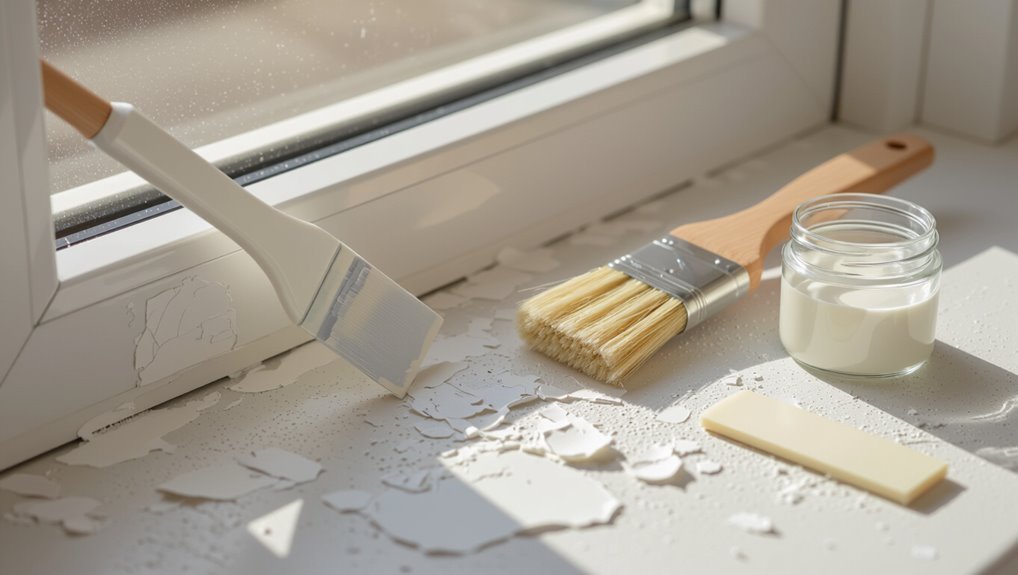
If you’ve found flakes or smears of dried paint on your vinyl window frames or sills, this guide shows how to remove them safely without damaging the vinyl or surrounding glass.
You’ll learn targeted vinyl care steps for water-based and oil-based paint types, how to assess adhesion, which tools and cleaners are appropriate, and when to stop to avoid scratching or chemical damage.
Fast Solution: Safest Way To Remove Dried Paint From Vinyl Windows
Start by working on a small, hidden spot to confirm the paint type and test your chosen remover—this keeps you from accidentally warping or discoloring the vinyl. Use gentle solvent, plastic scraper, and soft cloths; rinse and dry. Focus on paint removal techniques and vinyl preservation tips to protect finish.
| Tool | Action | Result |
|---|---|---|
| Solvent | Dab | Loosens |
| Scraper | Sweep | Lifts |
| Cloth | Wipe | Cleans |
| Rinse | Wash | Removes |
| Dry | Buff | Restores |
Safety First: PPE, Ventilation, And Workspace Setup
Before you begin scraping or applying solvents, make safety practices your first step: put on chemical-resistant gloves, eye protection, and a respirator or mask rated for organic vapors if you’re using stronger solvents.
Guarantee good ventilation by opening windows and using fans.
Follow safety precautions, keep kids and pets away, and maintain workspace organization with clear pathways and a stable work surface to prevent spills and trips.
Gather Materials And Tools
Before you start, gather the right gear so you can stay safe and work efficiently.
You’ll need essential safety items (gloves, goggles, a mask), recommended cleaning supplies (mild detergent, rubbing alcohol, a citrus-based remover), and tools for gentle removal (plastic scrapers, microfiber cloths, and soft-bristled brushes).
Having everything ready will make the process quicker and prevent accidental damage to the vinyl.
Essential Safety Gear
You’ll need a few key safety items before you touch dried paint on vinyl windows: chemical-resistant gloves, safety glasses, a respirator or mask rated for solvents, and protective clothing or a disposable coverall to keep skin and clothes safe.
Put on safety goggles or glasses, chemical gloves, a respirator mask, and protective clothing.
Work in ventilation, and remove gear carefully to avoid contamination.
Recommended Cleaning Supplies
Gather a compact kit of the right tools so you can remove dried paint from vinyl windows efficiently and without damaging the surface.
Pack gentle cleaners, cloths, and safe solvents—choose eco-friendly options or simple homemade solutions when possible. Prioritize nonabrasive items and test in a hidden spot first.
- Microfiber cloths
- Mild detergent
- Rubbing alcohol
- Vinegar-based homemade solutions
- Plastic scraper
Tools For Gentle Removal
Equip yourself with a small set of gentle tools that’ll let you remove dried paint from vinyl without scratching or discoloring the frame. Use plastic scrapers, soft-bristle brushes, microfiber cloths, and a plastic putty knife. Try gentle techniques first; reserve stronger solvents as alternative methods.
| Tool | Purpose |
|---|---|
| Plastic scraper | Lift paint |
| Microfiber cloth | Wipe residue |
How To Test A Small Area First
Before you tackle the whole window, pick a hidden corner or the underside of the frame to test your chosen remover so you can confirm it won’t damage the vinyl or finish.
Do a small paint test to check vinyl compatibility, wait for drying, then inspect for discoloration or softening. If safe, proceed; if not, choose a gentler method.
- Clean area first
- Apply remover sparingly
- Wait full dry time
- Inspect under light
- Record results
How To Protect Frames, Weatherstripping, And Surrounding Finishes
Before you start scraping or applying any solvent, mask off surrounding surfaces with painter’s tape and drop cloths so paint or chemicals don’t wander.
Pay special attention to weatherstripping edges—seal them with low-tack tape or removable foam to keep cleaners out.
For delicate finishes, use gentle barrier films or plastic sheeting that won’t stick or leave residue.
Mask Off Surrounding Surfaces
Masking off surrounding surfaces is a simple step that prevents accidental damage to frames, weatherstripping, and nearby finishes while you remove dried paint.
Use masking techniques and surface protection to keep edges clean, avoid solvent contact, and protect finishes. Work methodically and press tape firmly.
- Clean area first
- Use painter’s tape
- Cover with drop cloths
- Press seams tight
- Trim excess carefully
Protect Weatherstripping Edges
Protecting the weatherstripping and frames keeps your windows working and looking good while you remove dried paint.
Before scraping, press painter’s tape along seals and frame edges to prevent gouging. Use soft cloths and a mild solvent on a cotton swab for targeted cleanup, practicing weatherstripping care.
Avoid abrasive tools; maintain vinyl protection by testing products in an unseen spot first.
Use Gentle Barrier Films
When you’re prepping to remove dried paint, cover frames, weatherstripping, and nearby finishes with gentle barrier films to catch flakes and shield surfaces from solvents and tools.
You’ll use gentle adhesion techniques and protective layering methods so films peel cleanly without residue. Apply, smooth, and tape edges; remove films promptly after work.
- Cut films to fit
- Avoid high-tack tape
- Overlap seams
- Protect hardware
- Inspect before peeling
How To Identify Paint Type On Vinyl Windows
Curious which kind of paint you’re dealing with on your vinyl windows? Inspect paint characteristics: sheen, thickness, and how it chips.
Smear a tiny area with rubbing alcohol—latex will soften, oil or enamel won’t. Check drying time and odor; oil feels tackier and smells stronger.
Note vinyl compatibility information on nearby labels or packaging before choosing removal methods.
Removing Fresh Or Tacky Latex Paint With Household Supplies
Act quickly: fresh or tacky latex paint comes off vinyl easily with common household items if you act before it cures.
Gently blot and lift with a damp cloth, avoid scrubbing hard. Test any cleaner on an inconspicuous spot first. Use safe tools and patience to prevent damage.
- Warm water
- Mild dish soap
- Soft cloths
- Plastic scraper
- Rubbing alcohol
How To Soften Dried Latex Paint With Water And Soap
1. You’ll soften dried latex by wetting the area, adding mild soap, and letting it sit; this exploits paint properties that allow rehydration.
Use a soft cloth or sponge, gentle pressure, and repeat rinsing to lift softened residue.
These cleaning techniques avoid harsh solvents, protect vinyl frames, and prepare stubborn spots for safer removal without scrubbing aggressively.
Using Rubbing Alcohol For Small Paint Spots
If gentle soap and water don’t fully lift tiny latex spots, rubbing alcohol can help break down the remaining paint without harming vinyl.
You’ll dab alcohol on a soft cloth, test a hidden area, then gently rub until the spot loosens. This quick paint removal techniques step supports careful vinyl window care.
- Use 70% isopropyl
- Test first
- Dab, don’t soak
- Gentle circular motion
- Rinse afterward
How To Remove Oil-Based Paint With Mineral Spirits Safely
Before using mineral spirits on oil-based paint, test a small hidden area to make sure the solvent won’t damage the vinyl.
Work with windows open or a fan on to keep fresh air moving while you apply the solvent.
Use a soft cloth to gently lift softened paint, rewetting as needed and wiping away residue.
Test On Hidden Area
Want to make sure mineral spirits won’t damage your vinyl? You should try small test methods on hidden spots before full use.
Use a soft cloth, dab sparingly, wait a few minutes, and inspect for discoloration or warping. If safe, proceed cautiously.
- Choose an inconspicuous corner
- Clean the area first
- Apply minimal solvent
- Wait and observe
- Rinse gently
Use Proper Ventilation
A window propped open and a box fan will make a big difference when you’re using mineral spirits—these solvents give off fumes that can irritate your eyes, throat, and lungs, so keep fresh air moving through the room the whole time.
Use PPE, position fans for cross-ventilation, and crack doors to boost air circulation.
Follow ventilation tips: don’t leave vapors trapped.
Clean With Soft Cloth
With fresh air moving, grab a soft, lint-free cloth and pour a small amount of mineral spirits onto it—don’t soak the cloth.
You’ll use soft cloth techniques and gentle wiping methods to lift oil-based paint without damaging vinyl. Work small, test a hidden spot, and replace the cloth when dirty.
- Test first
- Wipe gently
- Rinse residue
- Dry fully
- Dispose safely
Use A Plastic Scraper Without Scratching Vinyl
Grab a soft plastic scraper and work slowly along the paint edge to lift flakes without digging into the vinyl.
Use gentle scraper techniques, angling the blade shallowly and testing pressure frequently to avoid gouges.
Angle the scraper shallowly and test pressure often—gentle, steady strokes prevent gouges while lifting paint flakes
Stop when resistance increases, then soften remaining spots with appropriate solvent per vinyl care guidance.
Wipe debris away and inspect for scratches before finishing.
How To Use A Nylon Brush And Microfiber Cloths Effectively
Pick a nylon brush with medium to soft bristles so you can scrub paint without scratching the vinyl.
Use microfiber cloths in layers—one to lift loosened paint, another clean one to finish and polish.
Work in short, controlled strokes so you don’t spread residue or abrade the surface.
Choose Proper Brush Stiffness
When you’re removing dried paint from vinyl windows, choose a brush whose stiffness matches the task: softer nylon bristles for delicate trim and flexible edges, stiffer nylon for thicker latex scuffs, and a microfiber cloth for final wiping and light abrasion.
Match brush materials and brush types to the job, test on a hidden area, and adjust pressure.
- Soft nylon for creases
- Stiff nylon for scuffs
- Small detail brush
- Flat scrub brush
- Microfiber final wipe
Layer Microfiber Wiping
After matching brush stiffness to the job, layer your cleaning: use the nylon brush to loosen and lift paint from creases and textured areas, then follow immediately with a microfiber cloth to absorb softened residue before it dries back onto the vinyl.
Rotate cloth sections, rinse or replace when saturated, and use short, controlled strokes.
These cleaning techniques highlight microfiber benefits: lint-free pickup, gentle abrasion, and faster cleanup.
Use A Heat Gun Safely : Avoid Warping Vinyl
Because vinyl softens quickly under high heat, you’ll need to use a heat gun with care to loosen dried paint without warping the frame.
Adjust low heat settings, keep the gun moving, and test vinyl flexibility nearby. Work slowly, stop if you see sagging, and cool areas with a damp cloth.
- Keep distance
- Use low settings
- Move constantly
- Test frequently
- Cool promptly
Why You Should Avoid Metal Scrapers And Harsh Abrasives
Don’t use metal scrapers or harsh abrasives on vinyl — they’ll score the surface and leave permanent scratches.
You’ll also risk damaging seals and the window frame, which can cause leaks or alignment problems.
Over time those abrasions wear away the finish and make the vinyl look dull and aged.
Surface Damage Risk
Scrape carefully—metal tools and harsh abrasives can easily gouge or dull vinyl, leaving permanent scratches and exposing softer layers beneath the finish.
You’ll reduce vinyl durability and interfere with paint adhesion; choose gentler methods to avoid irreversible harm.
- Use plastic scrapers
- Try warm soapy water
- Apply a soft cloth
- Test solvents first
- Work slowly and gently
Seal And Frame Harm
1 simple nick from a metal scraper can pry sealant away from the frame, letting moisture and drafts sneak in.
You shouldn’t use metal scrapers or harsh abrasives because they compromise seal integrity and can gouge vinyl.
Choose plastic tools and gentle solvents to protect seals, preserve frame longevity, and prevent costly repairs.
Work carefully and inspect seals after cleaning.
Long-Term Finish Loss
Along with threatening seals, metal scrapers and harsh abrasives slowly wear away the vinyl’s protective surface, leaving it dull, pitted, and more vulnerable to UV damage and staining over time.
You’ll reduce paint durability and face long term effects like cracking and faster aging. Avoid aggressive tools; use gentle, appropriate cleaners.
- Prevent surface abrasion
- Preserve finish gloss
- Maintain paint durability
- Reduce UV vulnerability
- Limit long term effects
How To Choose Vinyl-Safe Commercial Paint Removers
Choosing the right commercial paint remover matters because vinyl can warp, discolor, or soften if you use harsh solvents.
Pick products labeled safe for vinyl or PVC, check ingredient lists for methylene chloride and strong ketones (avoid them), and prefer water-based, low-VOC formulas or ones specifically marketed for vinyl surfaces.
Compare manufacturers, read labels and reviews, weigh eco-friendly options, and use clear product comparisons before buying.
Natural Alternatives: Vinegar, Baking Soda, And Citrus Solvents
You can soften dried paint with household vinegar by warming it slightly and letting it sit on the spot to loosen the film.
For gentle scrubbing, make a thick baking soda paste and rub with a soft cloth to avoid scratching the vinyl.
For tougher spots, use a citrus-based solvent sparingly and test an inconspicuous area first to guarantee it won’t damage the finish.
Vinegar For Paint Softening
Heat or soak—vinegar works by loosening dried paint’s bond to vinyl so you can lift it without harsh chemicals.
You’ll test vinegar effectiveness by warming white vinegar, applying briefly, then gently scraping for safe paint removal.
- Warm vinegar in a bowl
- Soak a cloth, not the frame
- Let it sit 5–10 minutes
- Use a plastic scraper
- Wipe residue clean
Baking Soda Abrasive Paste
Mix baking soda with a little water to form a thick paste, then apply it to dried paint on vinyl to gently abrade and lift without harsh chemicals.
You’ll let it sit briefly, scrub with a soft cloth or nonabrasive pad, and rinse well.
This method highlights baking soda benefits for safe DIY paint removal, minimizing damage while avoiding strong solvents.
Citrus-Based Solvent Use
If baking soda didn’t fully remove the residue, citrus-based solvents offer a gentle, plant-derived option that’s stronger than vinegar but still safer than harsher chemicals.
You can apply, wait, then wipe; they highlight citrus benefits and good solvent safety when used sparingly.
- Test in an inconspicuous spot
- Use a soft cloth
- Ventilate the area
- Rinse thoroughly
- Avoid prolonged contact
Step-By-Step: Removing Baked-On Paint From Glass Panes
Start by protecting the surrounding vinyl and hardware, then gather a razor blade, plastic scraper, denatured alcohol or a commercial paint remover safe for glass, clean rags, and gloves.
Work in small sections: soften paint with solvent, gently scrape at a shallow angle, wipe residue, repeat until clear.
Rinse glass, dry, and follow paint removal techniques and window care tips to prevent scratches.
Step-By-Step: Removing Baked-On Paint From Vinyl Frames
Tackle baked-on paint on vinyl frames carefully to avoid gouges, discoloration, or damage to seals and weatherstripping.
You’ll soften stubborn spots, test solvents on a hidden area, and scrape gently with plastic tools to preserve paint adhesion and follow vinyl care best practices.
- Test solvent on hidden spot
- Heat slightly with hairdryer
- Use plastic scraper
- Clean residue with mild detergent
- Rinse and dry thoroughly
Removing Paint From Vinyl Window Tracks
Before you start scraping the tracks, identify the paint type so you know whether you need a solvent or just a mechanical method.
Gather safe tools like plastic scrapers, soft brushes, and a mild cleaner, and put on gloves and eye protection to protect the vinyl and yourself.
Clean the tracks first to remove dirt and loose paint, then protect surrounding seals and hardware before proceeding.
Assess Paint Type
Wondering whether that flaky residue is latex, oil-based, or something else? You’ll use simple paint identification techniques to protect vinyl window care and choose safe removal.
Check these quick clues:
- Smell test for solvents
- Scratch a hidden spot
- Dab with rubbing alcohol
- Note gloss and thickness
- Compare to nearby painted surfaces
These help you identify paint before removal.
Gather Safe Tools
Gather a few reliable tools so you can remove dried paint from vinyl window tracks without scratching or staining the frame. For safety precautions, wear gloves and eye protection. Your tool selection should include nonmetal scrapers and soft brushes. Use gentle solvent sparingly.
| Tool | Purpose |
|---|---|
| Plastic scraper | Lift paint |
| Nylon brush | Sweep debris |
Clean And Protect
Start by wiping the track with a damp cloth to remove loose dirt and dust. Then use your plastic scraper and nylon brush to lift softened paint without scratching the vinyl.
After cleaning, dry thoroughly and apply a light silicone lubricant to protect seals and ease future cleaning—part of good vinyl care and paint prevention.
- Remove debris
- Scrape gently
- Brush residue
- Dry completely
- Lubricate tracks
Removing Paint From Hinges, Seals, And Weatherstripping
Carefully work around hinges, seals, and weatherstripping—these parts are delicate and can be damaged by harsh scraping or solvents.
Use gentle hinge cleaning with a soft cloth and mild solvent sparingly.
For seal treatment, apply small amounts of isopropyl or a manufacturer-recommended cleaner.
Prioritize weatherstripping care: lift paint with a plastic pick, avoid sharp tools, and test paint removal techniques on an inconspicuous spot first.
How To Safely Remove Paint From Double-Pane (Insulated) Windows
When you work on double-pane (insulated) windows, first determine whether the paint is on the glass or on the seal so you don’t damage the spacer or gasket.
If the paint’s on the glass, use gentle, nonabrasive methods like a plastic scraper or a razor held at a low angle with soapy water; avoid solvents that can seep into the seal.
If paint’s bonded to the seal, stick to soft tools and mild cleaners or consult a pro to prevent breaking the seal and fogging the unit.
Identify Glass Versus Seal
Before you try scraping or softening dried paint, make sure you can tell the glass from the spacer and seal on a double-pane window — damaging the seal can let moisture in and ruin the insulating unit.
Check glass clarity and preserve seal integrity; work only on the visible pane.
- Inspect edge for spacer gap
- Look for black or butyl seal
- Tap for hollow sound
- Use magnifier for paint beads
- Note fogging signs
Use Noninvasive Removal Methods
Start by trying the least aggressive options so you don’t compromise the seal or glass: soften the paint with warm soapy water, a damp microfiber cloth, or a commercial water-based adhesive remover.
Then gently rub with a plastic scraper or fingernail to lift flakes.
Use non-invasive techniques and gentle solvents, work slowly, avoid scraping near the spacer, and stop if moisture appears.
Cleanup: Neutralize Solvents And Restore Vinyl Finish
Neutralize any remaining solvents promptly to protect the vinyl and your health.
You’ll rinse surfaces with mild detergent, ventilate, and wear gloves; follow solvent safety guidelines.
After drying, apply a vinyl restoration polish to blend finish and protect against UV.
Maintain records of products used.
- Rinse with soap and water
- Ventilate area thoroughly
- Wear chemical-resistant gloves
- Use recommended vinyl restoration polish
- Dispose of rags safely
How To Tell If Vinyl Is Etched Or Permanently Stained
After you’ve rinsed, dried, and restored the surface, you’ll need to determine whether the damage is superficial or permanent.
Check under direct light for dull spots, surface roughness, or white haze—these are etching indicators.
For stain assessment, try a mild solvent on an inconspicuous area; if color lifts, it’s a stain; if texture or opacity remains, it’s likely etched and permanent.
Common Mistakes That Damage Vinyl And How To Avoid Them
When you’re trying to clean or repair vinyl, a few common missteps can make damage worse—using abrasive tools, harsh chemicals, or abrasive scrubbing patterns can scratch, etch, or discolor the surface.
- Don’t use metal scrapers or wire brushes.
- Avoid strong solvents; choose vinyl care cleaners.
- Skip rough scouring pads.
- Test any product first.
- Use gentle techniques for paint prevention.
Troubleshooting: Paint That Won’t Budge After Multiple Attempts
If stubborn paint still won’t come off after several tries, don’t panic—you can take a more methodical approach to avoid damaging the vinyl.
First, switch among gentle paint removal techniques: soft plastic scraper, heat from a hair dryer, and a mild solvent tested in an inconspicuous spot.
Work slowly, reapply cleaner, and use stubborn paint solutions like a poultice of warm soapy water before repeating.
When To Avoid DIY And Call A Professional
Although you can handle most dried paint on vinyl yourself, call a professional if the paint covers large areas, sits in textured or hard-to-reach trim, or if you spot discoloration, warping, or chemical damage—those signs mean DIY methods could make things worse.
If paint is extensive, on textured trim, or causes discoloration or warping, stop and hire a pro.
You’ll save time and avoid costly mistakes by recognizing DIY Limitations and hiring Professional Expertise.
- Extensive coverage
- Damaged vinyl
- Complex trims
- Unsafe solvents
- Time constraints
When Repainting Or Refinishing Vinyl Is A Better Choice
Because paint buildup or surface wear can signal deeper issues, you should consider repainting or refinishing vinyl when simple cleanup won’t restore a uniform, durable finish. You’ll weigh Vinyl maintenance needs, choose compatible Paint types, and address oxidation, peeling, or color mismatch to extend lifespan.
| Issue | Action | Result |
|---|---|---|
| Oxidation | Refinish | Restored sheen |
| Peeling | Repaint | Stable coating |
| Mismatch | Color match | Uniform look |
| Damage | Repair+refinish | Longer life |
How To Protect Windows Before Future Painting Projects
When you’re getting ready to paint, take steps to protect your vinyl windows so dried paint never becomes a problem:
- Apply painter’s tape tightly for precise window protection.
- Use plastic sheeting as temporary paint barriers.
- Cover frames with paper or drop cloths.
- Remove or mask hardware to prevent splatter.
- Work from top down to avoid drips and check seals regularly.
Quick Maintenance Checklist After Paint Removal
1 simple checklist will help you finish up after removing paint from vinyl windows:
inspect seals and weatherstripping for nicks,
wipe frames with a mild cleaner to remove residue,
lubricate moving parts and hinges,
touch up any bare spots with compatible sealant or paint,
and clean the glass and surrounding trim so everything functions and looks like new.
Use preventative measures and maintenance tips to prevent future buildup.
Cost And Time Estimates For Typical DIY Jobs
Expect most DIY paint-removal jobs on vinyl windows to take 30 minutes to a few hours per window and cost anywhere from $10 to $75 in materials, depending on the method you choose—soap and water or rubbing alcohol will be cheapest, specialty removers and silicone scrapers raise costs, and rented tools like heat guns add more but speed the work.
- Quick cost breakdown checklist
- Prioritize time management per window
- Budget for disposables
- Factor rental fees
- Plan work in stages
Recommended Products And Vinyl-Safe Removers
Before you start, pick products labeled safe for vinyl and formulated for the type of paint you’re removing—water-based (latex) needs milder cleaners like dish soap, rubbing alcohol, or a vinyl-safe citrus remover, while oil-based paints often require stronger, vinyl-compatible solvents or commercial paint strippers made specifically for plastics.
Choose eco friendly options when possible, follow manufacturer instructions, and test small areas; use proven DIY techniques for gentle, controlled removal.
Further Resources And Professional Service Links
If you hit a stubborn spot or want expert help, check these further resources and professional links to find vetted cleaners, step-by-step videos, and local contractors who specialize in window restoration.
You’ll get professional cleaning, paint removal tips, vinyl maintenance guides, expert advice, and safety protocols for home improvement.
- Manufacturer care pages
- How-to video playlists
- Local restoration pros
- Safety protocol checklists
- Product review aggregators
Frequently Asked Questions
Can Paint Removal Void My Window Warranty?
Yes — it can. You should check warranty details before using paint removal methods, since aggressive solvents or scraping might void coverage. If unsure, contact the manufacturer or use approved techniques to avoid risking your warranty.
Can Dried Paint Cause Condensation Between Double Panes?
Yes — but usually indirectly. If solvent-laden paint types or improper window maintenance let moisture breach seals, condensation can form between double panes. Act quickly to avoid seal damage and trapped moisture worsening over time.
Will Paint Remover Affect Tinted or Low-E Coatings?
Yes — some paint remover types can damage tinted or low-e coatings, so you’ll test a small area first, use gentler window cleaning methods like mild detergents or rubbing alcohol, and avoid harsh solvents or abrasives.
How to Dispose of Solvent-Soaked Rags Safely?
You should contain, cool, and dispose correctly: wring rags into sealed metal can or approved container, label and store away, follow solvent disposal rules, call local hazardous-waste facility, and prioritize rag safety to prevent fires and spills.
Can Pets Be Harmed by Fumes After Treatment?
Yes — pets can be harmed by fumes after treatment, so you’ll want ventilation tips: open windows, run fans, and keep pets out until odors dissipate; follow pet safety guidance and use low-toxicity products whenever possible.
Conclusion
You’ve cleared the stubborn paint like uncovering a hidden window — the vinyl’s smooth face now reflecting care. Keep the tools close, the safer cleaners trusted, and test spots like gentle taps before full strokes. Think of this upkeep as pruning: small, regular attention keeps your view bright and lasting. If a stain won’t yield, call a pro—better to pass the branch than risk the whole tree.
