
How to Remove Dried Paint From Screen Without Damage
You can remove dried paint from a window or door screen without tearing the mesh by working gently and using the right tools. Start by identifying water- or oil-based paint; test a small spot. Lay the screen on a backing board, loosen flakes with warm soapy water, a soft-bristle brush, or a thin plastic scraper at a shallow angle, and use alcohol or mineral spirits sparingly for stubborn spots. Wear gloves and ventilate well, and if you keep going you’ll find step-by-step tips and fixes.
Who This Guide Helps and What You’ll Fix
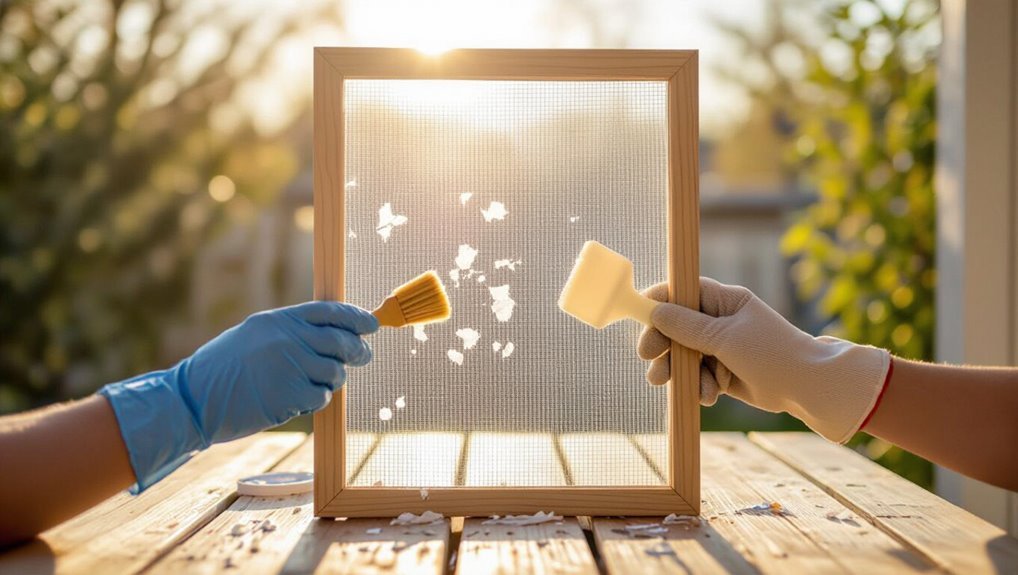
This guide helps homeowners, renters, and DIYers who’ve got dried paint stuck on window or door screens and want a reliable way to remove it without damaging the mesh.
You’ll learn quick, safe techniques for restoring mesh integrity, steps for screening fragile frames, and when to prioritize screen protection.
Advice covers common paint types, tool choice, and when to consult a pro.
Identify Water-Based Vs Oil-Based Paint on Screens
Now that you know who benefits from these techniques and what you’ll be fixing, the next step is telling water-based and oil-based paint apart on your screen.
Now that you know who benefits and what you’ll fix, next learn to distinguish water- from oil-based paint on screens.
You’ll check paint characteristics against screen materials and test small areas gently. Consider:
- Water-based: softens with water, lighter odor.
- Oil-based: resists water, stronger odor.
- Texture: brittle vs flexible when dry.
Quick Method: Remove Most Dried Paint From Screens
Start by working on a small section of the screen so you can move quickly and avoid damaging the mesh: lay the screen flat, dampen a clean cloth or sponge with warm soapy water (for water-based paint) or a solvent recommended for your screen material (for oil-based), then gently rub the dried paint in a circular motion to lift loose flakes—repeat and switch to a soft-bristle toothbrush for stubborn spots.
Afterward, rinse and pat dry to aid screen preservation, and remember different paint types may need repeated gentle cycles rather than aggressive scraping.
Safety Essentials: PPE and Ventilation for Paint Removal
Before you tackle more stubborn paint spots, make sure you’re protecting yourself and the area: wear chemical-resistant gloves, safety glasses or goggles, and a respirator or mask rated for the solvent or paint fumes you’re using.
Keep the workspace well-ventilated by opening windows and using a fan to push air out.
- Follow PPE guidelines for gloves, eye protection, respirators
- Use ventilation tips: cross-ventilate, exhaust fans
- Note safety precautions based on paint types and solvent hazards
Tools You Need to Remove Paint From Screens
You’ll want a few essential cleaning tools—soft brushes, plastic scrapers, microfiber cloths, and mild solvents—to get paint off screens without damage.
Don’t forget protective safety gear like gloves, eye protection, and a mask if you’re using chemicals.
I’ll walk you through what each tool does and how to use it safely.
Essential Cleaning Tools
Although tackling dried paint on a screen can seem tricky, having the right tools makes the job straightforward and faster. You’ll pick items that suit different paint types and cleaning techniques to avoid damage.
Essential tools include:
- Soft-bristled brush and microfiber cloth for gentle scrubbing
- Plastic scraper or credit card for lifting flakes
- Spray bottle with mild detergent solution for dissolving residue
Protective Safety Gear
Because scraping and solvents can fling chips and fumes, you should gear up with basic protective equipment before you start.
Put on protective gloves and safety goggles to shield skin and eyes. Use a respirator mask rated for solvents when needed.
Guarantee workspace ventilation with open windows, fans, or an exhaust to remove fumes.
Check fit and replace damaged gear promptly.
Screen-Safe Household Cleaners and Solvents
Start with a mild dish soap solution and a soft cloth to loosen fresh or light paint without harming the screen.
For tougher spots, you can use isopropyl alcohol wipes sparingly, testing a small area first to make sure the finish isn’t affected.
Always work gently and stop if the mesh shows signs of wear.
Mild Dish Soap Solutions
Mild dish soap mixed with warm water is one of the safest, most effective screen-safe cleaners you can use to loosen and lift dried paint without damaging coatings or anti-glare layers.
You’ll use gentle agitation and patience; dish soap effectiveness matters in paint removal techniques.
- Dampen microfiber, apply solution
- Gently blot and lift softened paint
- Rinse, dry, inspect for residue
Isopropyl Alcohol Wipes
One to two wipes soaked in 70% isopropyl alcohol can quickly loosen small patches of dried paint without harming most screen coatings.
However, you should test an inconspicuous corner first and use light pressure to avoid abrasion.
Gently dab and lift softened paint, switching wipes as they clog.
Rinse the area with a damp microfiber cloth afterward to remove residue and protect the screen.
Prepare the Screen: Secure, Protect Frame, and Test Spot
Before you apply any cleaners or scrapers, secure the screen so it won’t shift, cover the frame to protect the finish, and test a small hidden area to confirm your method won’t damage the mesh or coating.
Secure the screen, protect the frame, and test a hidden spot before cleaning to avoid damage.
- Anchor edges with tape for screen protection.
- Lay drop cloths to shield surrounding trim.
- Perform paint testing on an inconspicuous spot to verify safety.
Step-by-Step: Remove Light Water-Based Paint Splatters
Now that the screen is secured and you’ve tested a hidden spot, you can tackle light water-based paint splatters with minimal tools.
Gently moisten a microfiber cloth with warm soapy water, blot and roll to lift spots, then use a soft toothbrush for stubborn flecks.
Rinse, pat dry, and follow screen protection tips.
These simple paint removal techniques prevent damage and restore clarity.
Step-by-Step: Remove Heavier Water-Based Paint Drips
If drips are thicker, start by softening the paint with warm water so it loosens without damaging the screen.
You’ll then gently scrape off softened blobs with a razor held at a low angle, taking care not to tear the mesh.
Finish by cleaning residual streaks with a soft brush or cloth and rinsing thoroughly.
Soften Paint With Warm Water
Soak the screen gently with warm (not hot) water to loosen heavier water-based paint drips; this helps soften the film so you can remove it without tearing the mesh.
Use warm water for paint softening and follow gentle techniques for effective paint removal:
- Blot excess moisture with a soft cloth.
- Let the soaked area sit 5–10 minutes.
- Reapply warm water as needed and work patiently.
Gently Scrape With Razor
Once the paint has softened from the warm water, you can carefully lift thicker drips with a razor blade held at a low angle; this gives you control and helps avoid tearing the mesh.
Use firm, short strokes, keeping the blade almost flat.
Practice razor techniques on a spare screen edge, vary scraping methods by angle and pressure, and stop if mesh resists.
Clean Residue And Rinse
Start by blotting away loosened paint with a damp microfiber cloth. Then work in small, overlapping strokes to lift softer residue without stretching the mesh.
After scraping, rinse gently to avoid pushing pigment through. Use appropriate cleaning techniques for the paint types involved.
- Rinse with low-pressure water
- Dab sudsy mild detergent
- Pat dry with clean microfiber
Step-by-Step: Remove Small Oil-Based Paint Spots
When you spot small oil-based paint dots on your screen, act quickly to prevent them from hardening further; you’ll need just a few tools—mineral spirits or rubbing alcohol, cotton swabs, a soft cloth, and patience—to lift them without damaging the mesh. Use gentle dabs, test solvent, work outward, and blot. Paint types matter; follow safe cleaning techniques.
| Step | Action |
|---|---|
| 1 | Test solvent |
| 2 | Dab gently |
| 3 | Blot dry |
| 4 | Repeat |
| 5 | Inspect |
Remove Large Oil-Based Paint Smears Safely
Tackle large oil-based paint smears carefully to avoid stretching or tearing the screen: gather mineral spirits or a dedicated paint remover for oil-based products, soft-bristle brushes, plastic scrapers, clean rags, and protective gloves.
Then work in a ventilated area and test the solvent on an inconspicuous spot. Use gentle blotting and slow solvent application; follow these paint removal techniques and screen preservation tips:
- Apply solvent sparingly with a rag.
- Loosen softened paint with a soft brush.
- Blot residue; avoid aggressive rubbing.
Use a Plastic Scraper Without Tearing Mesh
Pick a flat plastic scraper with a thin, flexible blade so you can get under paint without gouging the mesh.
Hold the scraper at a shallow angle and push gently to lift flakes instead of scraping across the fibers.
Support the screen from behind with your free hand or a backing board to keep the mesh taut and reduce tearing.
Choose The Right Scraper
1 good scraper can save your screen: choose a thin, flexible plastic scraper and you’ll lift dried paint without gouging the mesh.
Pick the right tool by considering scraper types and material compatibility. Test on an inconspicuous spot first.
- soft plastic blade for delicate mesh
- firmer plastic for stubborn spots
- replaceable blades to avoid wear
Maintain A Shallow Angle
Angle your plastic scraper almost flat against the screen—about 10–20 degrees—so you lift paint instead of digging into the mesh. Use shallow angle techniques and gentle pressure for screen protection; work slowly, checking progress.
| Action | Tip |
|---|---|
| Angle | 10–20° |
| Tool | Plastic scraper |
| Pressure | Light |
| Motion | Lift, not scrape |
| Check | Stop if mesh pulls |
Support Mesh From Behind
Before you scrape, press a flat support—like a piece of stiff plastic or a wide putty knife wrapped in a soft cloth—against the back of the screen so the mesh has something firm to bear against; this prevents the mesh from flexing and lets you transfer scraping force through the screen without tearing the wires.
Use a plastic scraper gently to preserve screen protection and mesh integrity.
- Hold support steady
- Work small sections
- Scrape at shallow angle
Use a Soft-Bristle Brush for Micro-Scrubbing
Grab a soft-bristle brush and work in small, gentle circles to loosen dried paint without damaging the screen’s mesh.
You’ll use micro scrubbing techniques to target flakes, keeping pressure light. Test brush types—nylon or natural fibers—on an inconspicuous area first.
Brush from both sides, clearing debris with a vacuum or soft cloth, and repeat until paint loosens.
When to Use Rubbing Alcohol or Acetone Safely
Don’t use rubbing alcohol or acetone on delicate or painted frames, plastic screens, or any finish that might soften or discolor.
Before applying a solvent broadly, test a small hidden area to make sure it won’t damage the material.
If the test shows no harm, work slowly and use minimal solvent.
When To Avoid Solvents
While solvents like rubbing alcohol and acetone can dissolve dried paint quickly, you should skip them on delicate screens, plastic trim, or any finish that might soften, discolor, or lose its coating.
Consider solvent types and paint compatibility before proceeding.
You should avoid solvents when:
- the screen frame is plastic or painted
- coatings or decals are present
- ventilation is poor or you’re sensitive to fumes
Test On Hidden Area
Wondering whether rubbing alcohol or acetone is safe for your screen?
You should always try a small test area first on an out-of-sight corner or frame. Apply the solvent, wait a minute, then rinse and inspect for hidden impacts like discoloration, softening, or finish loss.
If nothing changes, proceed cautiously; if you see damage, stop and choose a gentler method.
Use Heat (Hair Dryer) to Soften Dried Paint: Dos and Don’ts
If the paint’s only lightly bonded, applying heat with a hair dryer can soften it enough for gentle scraping or wiping without chemicals.
Use heat application tailored to paint types and screen materials, follow safety precautions, and choose softening techniques that aid damage prevention.
Try these cleaning methods:
- Low heat, short bursts with a hair dryer
- Gentle plastic scraper only
- Cool, test area after each pass
Use a Steam Cleaner on Screens: Benefits and Precautions
You can use a steam cleaner to loosen dried paint quickly while avoiding harsh chemicals.
Set the steamer to a low-to-moderate temperature and keep the nozzle moving to prevent warping or damaging the screen.
After steaming, gently wipe away softened paint and dry the screen completely to stop moisture-related issues.
Steam Cleaner Benefits
While steam cleaners use only heat and water, they’re powerful at loosening and lifting dried paint from window and door screens without harsh chemicals.
You’ll enjoy steam cleaner advantages like gentle cleaning and efficient paint removal. Use short bursts, keep a safe distance, and blot loosened paint.
- Quick lifting action
- No solvents needed
- Preserves screen integrity
Safe Temperature Settings
Having seen that steam loosens dried paint without chemicals, set the machine to a safe temperature to protect mesh and frames.
You should start low (around 120–150°F/49–66°C) and test an inconspicuous area. Increase cautiously if needed, monitoring paint compatibility and screen material.
Keep sessions brief, move steadily, and avoid overheating edges or coated finishes to prevent warping or delamination.
Post-Steam Care
After steaming, let the screen cool briefly before you handle it so frames and mesh regain their original tension and any softened paint firms up enough for safe removal.
Use these Post steam care tips and Screen drying techniques to finish safely:
- Blot excess moisture with a microfiber cloth.
- Air-dry upright to avoid warping.
- Inspect mesh, then gently scrape softened paint with a plastic tool.
Remove Paint From Metal and Wooden Frames Safely
When you’re tackling dried paint on metal or wood frames, start by identifying the frame material and the paint type so you can choose a method that removes paint without harming the surface; metal tolerates stronger solvents and abrasives than most wood, which needs gentler approaches to avoid gouging or stripping finish. Use paint removal techniques and frame protection:
| Material | Recommended Method |
|---|---|
| Metal | Solvent, steel wool |
| Wood | Mild stripper, plastic scraper |
Cleaning Paint From Fiberglass and Nylon Mesh Screens
First check whether your screen is fiberglass or nylon and what kind of paint dried on it, since that decides how aggressive you can be.
For water-based paint you can usually loosen spots with warm soapy water and a soft brush, while solvent-based paint may need a milder solvent tested on an inconspicuous area first.
Always work gently to avoid stretching or tearing the mesh and rinse thoroughly when the paint softens.
Assess Material And Paint Type
Before you start scrubbing, identify the screen material and the paint type so you pick a safe, effective method: fiberglass and nylon mesh react differently to solvents and agitation, and water-based paints rinse out far easier than oil-based or enamel finishes.
Check these factors before choosing a cleaner:
- Inspect screen materials for coating or weakness.
- Note paint types and dry time.
- Test a hidden spot first.
Gentle Removal Techniques
Start gently: soak the affected area with warm soapy water and let it sit for several minutes to soften the paint.
Then blot and lift with a soft-bristled brush or microfiber cloth rather than scrubbing hard.
For fiberglass and nylon mesh, continue gentle techniques: work small sections, use a plastic scraper at shallow angles, rinse frequently, and repeat soaking until paint removal finishes without stretching or tearing the screen.
Remove Paint From Delicate or Vintage Screens
If you’re working with delicate or vintage screens, treat them gently and assume the mesh, frame, and finish could be damaged by aggressive scraping or harsh chemicals.
For vintage screen care and delicate material concerns, proceed cautiously:
- Test solvent on hidden spot first.
- Use soft brushes and wooden tools.
- Blot, don’t rub; rinse with mild soap and water.
Paint Soaked Into the Frame Edge: What to Do
First, check what the frame is made of—wood, aluminum, or vinyl will need different approaches.
Then soften the dried paint with the appropriate solvent or heat so you can lift it without widening the damage.
Finally, protect any exposed edges and plan for minor repairs or touch-ups to restore the frame once the paint’s removed.
Assess The Frame Material
When paint soaks into the frame edge, you’ll need to identify what the frame’s made of before you pick a removal method; different materials—wood, aluminum, vinyl, or composite—react very differently to solvents and scraping.
Assess frame durability and match the paint types to avoid damage.
Check material clues:
- Wood: softer, seal or sand carefully
- Aluminum: firm, scrape gently
- Vinyl/composite: avoid harsh solvents
Soften The Dried Paint
Now that you’ve identified the frame material, you’ll want to soften the dried paint so removal won’t gouge or strip the surface.
Test a small spot with compatible paint softening methods—mild solvent, warm soapy water, or a commercial remover made for that finish.
Work gently with a soft brush or plastic scraper.
Use paint removal techniques that prioritize the frame’s coating and structural integrity.
Protect And Repair Edges
If paint has wicked into the frame edge, act quickly to protect the surrounding finish and prevent further seepage. Start by masking the glass and intact frame surfaces with low‑tack painter’s tape and thin cardboard to create a clean work boundary.
You’ll use careful edge protection and targeted frame repair steps:
- Scrape gently with a plastic blade.
- Soften residue with appropriate solvent.
- Fill and touch up damaged finish.
Make and Use Solvent Poultices for Paint Softening
Soften stubborn spots by making a solvent poultice that stays put and works slowly: mix an appropriate solvent (mineral spirits for oil-based paint, denatured alcohol or lacquer thinner for shellac, acetone for some fast-drying coatings) with an inert absorbent like talc, diatomaceous earth, or cellulose-based paste until you get a spreadable, peanut-butter–thick consistency.
Then apply it directly to the paint, cover with plastic to slow evaporation, and let it dwell until the film relaxes enough to scrape or wipe away.
Use proper solvent types and application techniques: control contact time, avoid excess pressure, test a small area first, then gently lift softened paint with a plastic scraper or cloth.
Avoid Holes, Stretching, or Sagging While Cleaning
Once the paint has loosened, focus on preserving the screen’s integrity so you don’t create holes, stretch the mesh, or cause sagging while you remove the softened film.
Handle gently, support from behind, and avoid sharp tools.
For effective screen maintenance and paint prevention:
- Use soft plastic scrapers or microfiber.
- Work small sections, steady pressure.
- Stabilize frame with clamps or a helper.
Rinse and Dry: Restore Airflow and Remove Residue
Rinse the screen thoroughly with a gentle stream of clean water to wash away loosened paint particles and cleaning solution before they dry back into the mesh.
Tilt the frame, use soft rinse techniques, and pat excess water with a microfiber cloth.
Let the screen air-dry fully in a shaded, breezy spot to guarantee airflow restoration and prevent moisture damage before reinstalling.
Quick Fixes for Missed Spots and Stubborn Flakes
Even after drying, you may spot stubborn flakes or tiny missed specks that affect airflow and appearance; don’t worry—those usually come off with targeted attention.
Use gentle paint removal techniques and follow screen preservation tips to avoid damage.
Try these quick fixes:
- Soft-bristled brush and gentle tapping
- Cotton swab with mild solvent for tiny spots
- Microfiber wipe and careful scraping with a plastic blade
When to Call a Professional Screen Restorer
When should you call a professional screen restorer?
Call one if paint covers large areas, the mesh’s integrity is compromised, or solvents risk warping frames. A professional assessment helps determine whether paint restoration or partial replacement is needed.
You should also contact a pro if prior DIY attempts made the damage worse or if the screen is historic, costly, or hard to replace.
DIY Cost Vs Professional Repair or Replacement
Compare the costs up front: doing it yourself saves on labor but can eat into savings if you need specialty solvents, replacement mesh, or tools.
Mistakes can force a full professional replacement. You’ll weigh DIY Savings against Repair Costs and Replacement Options, considering Professional Services, Budget Considerations, and Time Investment.
- Tools vs hiring
- Parts and mesh pricing
- Time versus warranty
Prevent Paint on Screens: Jobsite Setup Tips
After weighing DIY costs against professional options, you can stop paint problems before they start by setting up the jobsite to protect screens and save time later. Use clear jobsite organization, designate staging areas, and apply temporary barriers for paint protection. Keep tools off walkways and label zones to prevent spills.
| Task | Tip |
|---|---|
| Staging | Clear zones |
| Barriers | Plastic sheeting |
| Tools | Storage bins |
| Labels | Visible signs |
Protect Screens During Painting: Best Practices
Because screens catch stray paint so easily, you’ll want to take a few straightforward precautions before you start rolling or spraying:
- Use secure protective coverings taped around frames for reliable screen protection.
- Follow painting tips: mask edges, maintain proper venting, and avoid overspray.
- Prioritize surface preparation so coverings adhere and paint won’t migrate, minimizing cleanup and damage risk.
Eco-Friendly Cleaners and How to Dispose of Them
Even with good masking and careful painting, some paint will still hit the screen. Choosing the right cleaners helps you remove it without harming mesh or the environment.
Use mild, eco-friendly solutions like diluted vinegar, biodegradable soap, or citrus-based removers.
Rinse screens outdoors sparingly, collect wash water, and follow local paint disposal rules—never pour solvents down drains.
Troubleshooting Common Problems After Paint Removal
If stubborn spots, stretched mesh, or residue show up after you remove paint, don’t panic—most issues are fixable with a few simple checks and the right tools.
Check for paint adhesion issues and verify screen material compatibility.
Quick fixes:
- Rinse and blot gently to lift residue.
- Use appropriate solvent for the mesh type.
- Re-tension frame if mesh is slack.
Patch Small Tears or Pinholes Found During Cleaning
After you’ve removed residue and re-tensioned the frame, check the mesh closely for small tears or pinholes that can let insects through.
If you find damage, trim loose fibers, apply a tiny dab of clear adhesive or silicone, and press a matching mesh patch for screen repair.
For tiny paint-affected holes, clean edges first so paint patching and adhesive bond securely, then let cure before reinstallation.
Checklist: Step-by-Step Actions to Remove Dried Paint Without Damage
Start by gathering everything you’ll need—soft-bristle brush, plastic scraper, rubbing alcohol or mineral spirits (depending on paint type), mild detergent, clean rags, and a magnifying light—so you can work methodically and avoid repeating steps.
Follow this checklist for paint removal techniques and screen maintenance tips:
- Test solvent on a hidden area.
- Gently scrape, then clean with detergent.
- Inspect, rinse, dry, and repair if needed.
Frequently Asked Questions
Can Paint Removal Void My Screen Warranty or Homeowner Insurance Claim?
Yes — you could void warranty implications if you use improper removal methods, and insurance coverage may exclude DIY damage; check manufacturer terms and your policy, document damage, and consider professional service to protect claims.
Can I Safely Remove Paint From Screen Doors With Built-In Blinds?
Yes — you can safely remove paint from screen doors with built-in blinds. Picture gently brushing away flakes; use appropriate screen cleaning, test for paint types, avoid harsh solvents, and work slowly to protect mesh and sealed blinds.
Will Paint Residue Cause Allergic Reactions or Indoor Air Problems?
Yes — certain paint types’ fumes or dust can trigger allergy symptoms; you should guarantee good indoor ventilation, use safety precautions like masks and gloves, and remove residue promptly to minimize reactions and indoor air problems.
How Do I Remove Paint From Screens Attached to Electronics (E.G., Patio Heaters)?
You’ll power off and disconnect the device, test a paint removal technique on a hidden corner, gently soften paint with mild solvent or warm soapy water, scrape carefully with a plastic tool, and follow screen protection tips to avoid damage.
Can Paint Removal Affect Screen Tinting or UV Protection Layers?
Yes — you can damage screen protection and UV layers if you use harsh solvents; test first. Use gentle methods matched to paint types (water‑based vs. oil), avoid abrasives, and follow manufacturer cleaning guidance.
Conclusion
You’ve got this — removing dried paint from screens isn’t rocket science, and with the right steps you’ll preserve mesh and frame without a sweat. Start by identifying the paint type, use gentle tools and eco-friendly cleaners, and always wear PPE with good ventilation. Work slowly, patch any tiny tears, and follow the checklist so nothing’s missed. In no time your screen will look brand-new, like it never met a stray paint drop!
