
How Do I Get Paint Out of Clothes: Simple Stain Removal Guide
Act fast: scrape off excess paint with a dull edge, blot wet spots, and avoid rubbing. If the paint’s water‑based, rinse under cold water, apply liquid detergent, and repeat until it lifts. For oil‑based paint, blot gently, test a solvent like mineral spirits on a hidden seam, and use it sparingly in a ventilated area with gloves. After treatment launder per the care label and air‑dry. Keep acting promptly and you’ll learn simple steps to save more garments.
Fast Fix: What to Do in the First 5 Minutes
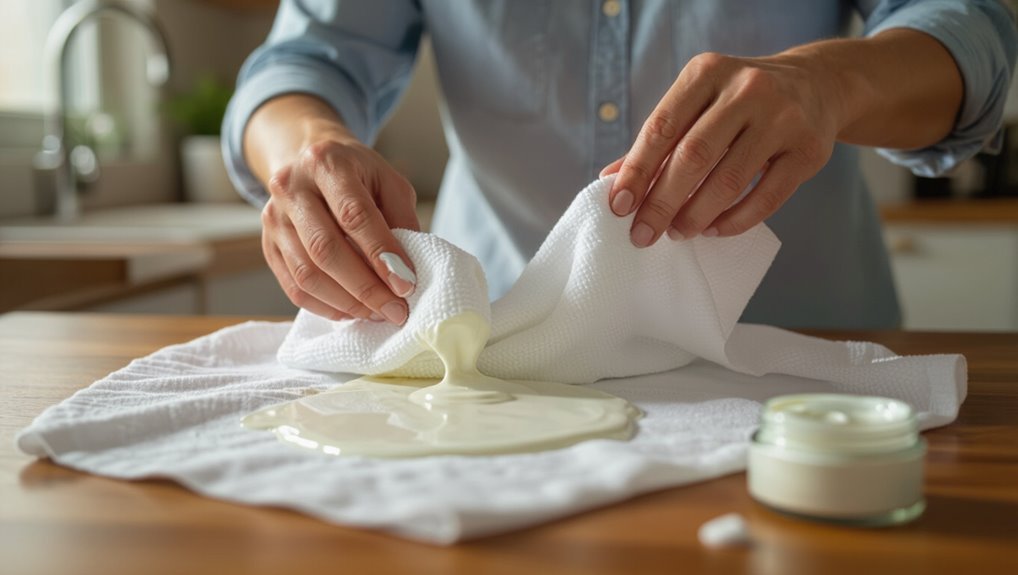
If you catch paint on your clothes within the first five minutes, act now: scrape off excess with a dull knife or credit card, then blot—don’t rub—with a clean cloth to lift wet paint.
Use cold water, mild soap, and whatever emergency supplies you have to prevent set-in stains.
Pat dry, repeat blotting, and treat promptly for effective stain prevention.
Tell Water- vs Oil-Based Paint on Clothes
When paint lands on your clothes, the quickest way to tell whether it’s water- or oil-based is to check how it reacts to water: water-based (latex, acrylic) will soften, smear, or rinse out with water and soap, while oil-based paints stay tacky and resist water, needing solvents to break them down.
Look for water paint characteristics like easy rinsing; oil paint properties include tackiness and solvent need.
Immediate Steps Before Any Cleaning
Now that you know whether the paint is water- or oil-based, act fast to limit staining before any cleaning begins. Blot excess gently, scrape dried bits, and check care labels — fabric care guides how aggressive you can be. Keep paint types in mind when choosing solvents, test inconspicuously, and avoid heat until treated.
| Fear | Hope | Action |
|---|---|---|
| Stain | Save | Blot |
| Panic | Learn | Test |
| Loss | Fix | Act |
Remove Fresh Water-Based Paint
Start by acting quickly while the paint is still wet: blot away as much as you can with a clean cloth or paper towel, working from the outside of the stain inward to avoid spreading it.
Rinse under cold running water, then treat with liquid detergent or stain remover.
For water-based paint types, repeat these cleaning methods until the stain lifts, then launder as usual.
Remove Dried Water-Based Paint
If the water-based paint has dried, start by softening it with warm water to loosen the film.
Once the paint feels pliable, gently scrape with a dull knife or credit card to lift off residue.
Repeat soaking and scraping until most of the paint is removed before treating the stain.
Soften Paint With Warm Water
When water-based paint has hardened on fabric, soaking the area in warm water will help loosen and rehydrate the pigment so you can lift it.
Use a gentle soaking method suited to the paint types involved—latex or acrylic—testing a hidden seam first.
Keep fabric submerged 15–30 minutes, gently agitating, then blot excess moisture.
Repeat until the paint feels pliable before treating further.
Scrape And Lift Residue
Once the paint’s softened and pliable, you can begin gently scraping away residue with a dull tool—like a credit card or plastic putty knife—to lift flakes without damaging the fabric.
Work from edges inward, testing fabric tolerance, then spot-treat remaining marks. Use appropriate cleaning tools for different paint types and finish with laundering per care label.
- credit card or plastic scraper
- soft-bristle brush
- damp microfiber cloth
Remove Fresh Oil-Based Paint
If you get fresh oil-based paint on your clothes, act quickly to prevent it from setting.
Use a solvent like mineral spirits or turpentine in a well-ventilated area and follow safety instructions to protect your skin and lungs.
After treating the stain, launder the garment according to its care label to remove residue.
Act Quickly
Because oil-based paint soaks in fast, act right away to prevent a permanent stain. You’ll do paint type identification quickly, blotting excess with a cloth and avoiding rubbing.
Use stain prevention techniques like lifting, isolating the spot, and preparing a safe workspace before treatment.
- Blot excess paint gently
- Protect surrounding fabric
- Keep testing area-controlled
Use Solvent Safely
Although oil-based paint demands solvents, you should only use them in a well-ventilated area while wearing gloves and eye protection.
Choose appropriate solvent types (mineral spirits or paint thinner) for the fabric, test an inconspicuous spot, then blot—don’t rub.
Use measured application techniques: apply with a cloth, work from edges inward, change contaminated cloths, and dispose of waste safely.
Launder As Directed
1. You’ve blotted solvent-treated oil paint, now launder as directed to finish cleaning.
Check laundry symbols and care labels for fabric types, then choose temp and cycle accordingly.
- Separate stained items and test a hidden seam.
- Use detergent and an enzyme booster if safe.
- Air-dry to confirm stain removal before machine-drying.
Remove Dried Oil-Based Paint
Start by scraping or rubbing off as much of the dried oil-based paint as you can with a blunt tool or your fingernail, taking care not to damage the fabric.
Test any remover on an inconspicuous area, considering paint types and fabric considerations.
Work from edges inward, blotting loosened flakes, then launder per care label or consult a professional for delicate or persistent stains.
Safe Household Solvents for Clothes
You can try common household solvents like rubbing alcohol, acetone (nail polish remover), and mineral spirits to break down paint on clothes.
Test a hidden seam first and use them in a well-ventilated area with gloves to avoid skin contact.
Keep solvents away from heat, open flames, and children, and never mix different products.
Household Solvent Options
When paint gets on your clothes, choosing the right household solvent can make the difference between saving the item and ruining it. Common safe options include rubbing alcohol, dish soap, white vinegar, and non-acetone nail polish remover.
Use acetone alternatives and vinegar solutions cautiously; test a hidden seam first.
- Rubbing alcohol for fresh latex
- Dish soap for oily residues
- Non-acetone remover for small spots
Solvent Safety Tips
Although common household solvents can rescue a stained shirt, treat them like chemicals: wear gloves, work in a well-ventilated area, and test a hidden seam first to check colorfastness.
You should know solvent types and read labels, avoid mixing products, and keep lids tight.
Store solvents high or locked, follow storage precautions, dispose of waste safely, and keep children and pets away.
Mistakes That Make Paint Stains Permanent
If you act too quickly or use the wrong methods, you’ll make paint stains far harder—or impossible—to remove. You risk setting stains by drying, rubbing, or mixing incompatible cleaners.
Avoid paint color confusion; take preemptive measures like testing solvents and isolating the spot.
- Rubbing wet paint into fibers
- Using heat on solvent-treated areas
- Mixing cleaning chemicals or bleach together
How to Wash and Dry After Spot Treatment
Now that you’ve treated the stain, launder the garment promptly according to its care label, using the warmest water safe for the fabric and a heavy-duty detergent to flush out loosened paint particles. Check for residue before drying; heat can set stains and cause color fading or fabric damage. Air-dry if unsure, then repeat treatment if needed.
| Step | Action |
|---|---|
| 1 | Rinse |
| 2 | Wash |
| 3 | Inspect |
| 4 | Dry |
When to Call a Professional or Discard Clothes
When should you call a professional or accept that a garment is beyond repair? You should seek professional services for expensive, delicate, or sentimental pieces if home methods fail.
If home cleaning fails, hire a pro for valuable, delicate, or sentimental garments rather than risking further damage.
Choose clothing disposal when paint’s soaked, fused, or fibers are damaged beyond cleaning.
- Designer silk with set paint
- Heavy layered paint on denim
- Molded or melted synthetic fabric
Quick Habits to Prevent Future Paint Stains
Even after you’ve decided to repair or discard a stained garment, you can cut future headaches with a few simple habits.
Wear old clothes or dedicated work shirts, use drop cloths and aprons, and clean tools immediately.
Choose stain resistant fabrics for frequent projects and launder gear promptly.
These preventive measures save time, reduce ruined items, and keep paint off your best clothing.
Quick Kit: What to Keep on Hand for Spills
Keep a compact spill kit within arm’s reach so you can act fast—stains set quickly, and prompt steps make removal far easier.
You’ll want items that support spill prevention and let you test paint alternatives safely. Store them in a small box or tote near work areas so you can grab them immediately.
- Disposable gloves, paper towels
- Mild detergent, stain remover pen
- Small plastic scraper, clean cloth
Frequently Asked Questions
Can Paint Fumes Harm Me While Cleaning Stained Clothes Indoors?
Yes — paint fumes can harm you while cleaning stained clothes indoors. You should follow paint fume safety: ventilate well, wear a respirator and gloves, avoid prolonged exposure, and use indoor cleaning precautions to minimize risks.
Can Paint Transfer in the Dryer After Partial Stain Removal?
About 30% of fabric stains set permanently after heat. Yes, if you haven’t fully removed paint types like oil- or latex-based, they can transfer in the dryer, so you’ll prevent staining by thorough stain prevention and re-washing first.
Will Paint Removers Damage Embroidered or Beaded Garments?
Yes — paint removers can damage embroidery or beads. You’ll risk color loss, melted threads, or weakened bead glue depending on stain types and fabric care. Test inconspicuously, use gentle solvents, and consult a pro for delicate items.
Can Natural Fibers Like Wool or Silk Be Treated the Same Way?
No, you shouldn’t treat them the same; you’ll need gentler wool treatments and silk care. Test a hidden area, use mild detergent or specialist solvent, blot gently, avoid heat, and consider professional cleaning for delicate items.
Are There Eco-Friendly Paint Removers That Actually Work?
Yes — you can use biodegradable options that work: try citrus cleaners or soy-based removers on fresh water-based paints, spot-test delicate fabrics first, and follow with mild detergent; they’re eco-friendly and effective when used properly.
Conclusion
Act fast — about 80% of paint stains respond best within the first hour — so treating spills immediately boosts removal success. If it’s water-based, you can usually blot, rinse, and launder; if it’s oil-based, scrape and use solvent before washing. Always test cleaners, air-dry to check results, and consider a pro for stubborn or valuable garments. Keep a small spill kit handy to turn future accidents into minor inconveniences, not ruined clothes.
