
How to Clean Matte Paint Walls: Safe Cleaning Methods
You can clean matte-painted walls safely by testing a small hidden spot, then wiping with a damp microfiber cloth and lukewarm water using gentle circular motions. For stubborn marks, dab a diluted mild dish soap or pH-neutral cleaner, rinse with a clean damp cloth, and blot dry to avoid water rings or shine. Avoid abrasive pads, strong solvents, and heavy scrubbing. Follow simple tools and spot techniques to keep the finish uniform, and the next section shows more tips.
Quick How-To: Clean Matte Paint Walls Without Creating Shine
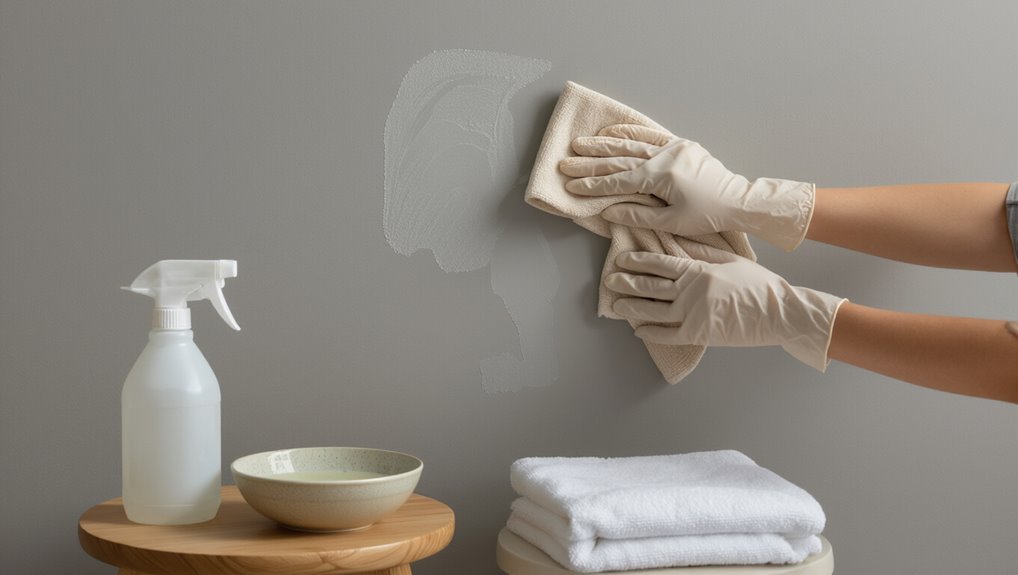
Start by testing a small, out-of-sight area—this tells you whether your cleaner or scrubbing method will dull the finish or leave shine.
Use a soft microfiber, lukewarm water, and gentle circular motions for matte paint maintenance.
For stubborn spots, dab diluted mild detergent, then rinse and blot dry.
Avoid abrasive pads, strong solvents, and excessive scrubbing to preserve the flat appearance.
What to Know Before You Clean Matte Walls
Before you clean, know what the paint can—and can’t—handle so you don’t accidentally add shine or damage the finish.
Test cleaners in an inconspicuous spot, use soft cloths and mild solutions, and avoid abrasive tools.
Establish a sensible cleaning frequency based on traffic and stains. Regular matte wall maintenance prevents buildup while preserving the flat, nonreflective look you want.
Why Matte Paint Needs Gentler Care Than Eggshell or Satin
Because matte paint has little to no sheen, it’s more prone to showing damage from scrubbing or harsh cleaners, so you’ll need to treat it gently. You should understand matte paint characteristics and avoid common care misconceptions. Clean with soft cloths, mild solutions, and light pressure to preserve finish.
| Surface | Cleaner | Pressure |
|---|---|---|
| Matte | Mild | Light |
| Eggshell | Moderate | Medium |
| Satin | Mild | Medium |
What Damages Matte Paint: Abrasives, Solvents, Heat, and Friction
One quick mistake—using the wrong tool or cleaner—can leave matte paint looking scraped, stained, or patchy.
You should avoid abrasive pads, harsh solvents, high heat, and aggressive rubbing; they remove pigments and texture.
Choose gentle cleaning techniques, prioritize wall care, and use soft cloths for surface protection.
When in doubt, stop and reassess to prevent irreversible damage.
How to Test a Small, Hidden Spot Before Cleaning
Want to make sure your cleaning won’t ruin the finish? Choose an inconspicuous section—inside a closet, behind furniture, or a trim corner—and try conservative test methods: dab with a damp microfiber or mild detergent on a cotton swab.
Wait to check for color loss, sheen change, or swelling. If the spot holds up, proceed; if not, adjust your solution or stop.
Essential Cleaning Tools for Matte Paint Walls
Start with a few reliable tools that will make cleaning matte-painted walls safer and easier: a soft microfiber cloth, a gentle sponge (non-abrasive), a spray bottle for diluted cleaners, a bucket for rinse water, and a soft-bristled brush for textured areas.
You’ll also want mild detergent, a ladder for high spots, and rubber gloves. These items support effective cleaning techniques and simple maintenance tips.
Cleaning Cloths: Microfiber vs Cotton vs Sponge
With your basic tools ready, pick the right cleaning cloth to protect matte paint while removing dirt effectively.
You’ll find microfiber benefits include gentle, lint-free wiping and superior cleaning effectiveness with minimal water.
Cotton absorbency helps for spills but can leave fibers.
A soft sponge offers sponge durability for tougher spots but use gently to avoid abrasion and test first.
Brushes and Erasers That Are Safe for Matte Paint
When you need to remove dust or cobwebs, reach for a soft-bristle brush to avoid scratching the matte finish.
For scuffs and marks, a gentle magic eraser used with light pressure can work wonders without dulling the paint.
Test any eraser on a hidden spot first to make sure it won’t remove color.
Soft-Bristle Brushes
Reach for a soft-bristle brush when you need gentle agitation to lift dust, cobwebs, or dry dirt from matte-painted walls without marring the finish.
You’ll appreciate soft bristle benefits: they sweep away particles without abrasion.
Choose appropriate brush types—microfiber dusters, natural-hair paint brushes, or padded upholstery brushes—and work lightly in even strokes, testing an inconspicuous area first to verify no finish disruption.
Gentle Magic Erasers
Think of gentle magic erasers as a careful companion for spot-cleaning matte paint: they combine soft, nonabrasive materials and light pressure to lift scuffs, pencil marks, and stubborn fingerprints without sanding the finish. You’ll use gentle eraser benefits with measured strokes, testing first. Follow matte wall techniques: dab, don’t scrub, and rinse the area.
| Tool | Use |
|---|---|
| Foam eraser | Light dabs |
| Microfiber | Final wipe |
Which Commercial Cleaners Are Safe for Matte Paint
When you need a commercial cleaner for matte paint, choose gentle options like mild dish soap diluted in water to avoid stripping the finish.
Look for pH-neutral all-purpose cleaners labeled safe for painted surfaces, and always test a small, hidden area first.
For tougher stains, consider specialty matte paint cleaners designed to clean without glossing or damage.
Mild Dish Soap Options
Cleaning matte-painted walls calls for gentle, low-residue cleaners, and mild dish soaps are often the safest commercial choice you’ll find.
You should pick products with gentle surfactants, avoid antibacterial or bleach formulas, and dilute per label instructions.
If you prefer dish soap alternatives, choose castile or eco-friendly brands with minimal additives.
Test a hidden area first to guarantee no sheen or color change.
pH-Neutral All-Purpose Cleaners
One smart choice for keeping matte paint looking its best is a pH-neutral all-purpose cleaner, because its balanced formula removes dirt and grease without stripping paint or leaving a shiny residue.
You’ll appreciate pH neutral benefits: gentle cleaning, safe for touch-ups, and reduced streaking.
Use for all purpose applications like fingerprints, scuffs, and general grime—wipe gently, test first in a hidden spot.
Specialty Matte Paint Cleaners
If you want stronger stain-fighting power than a pH-neutral cleaner without risking sheen or damage, look for products made specifically for matte finishes. You’ll choose specialty cleaners labeled safe for matte paint, test a hidden spot, then wipe gently. Avoid abrasive pads and bleach. Below is a quick comparison table to guide purchases.
| Product | Notes |
|---|---|
| Brand A | Gentle, dye-free |
| Brand B | Low odor |
| Brand C | Stain remover |
| Brand D | Quick rinse |
| Brand E | Painter-approved |
Gentle Cleaners: Homemade Recipes and Safe Use
You can tackle most marks on matte-painted walls with a few gentle, homemade cleaners that won’t strip finish or leave streaks.
Use simple homemade cleaner recipes—mix distilled water with a touch of white vinegar or baking soda paste for spots.
Follow safe ingredient guidelines: test a hidden area, use soft cloths, dilute properly, and avoid bleach or harsh solvents that can damage matte surfaces.
How to Make and Use a Mild Detergent Solution
Pick a gentle, phosphate-free dish soap and mix just a few drops with a quart of warm water to avoid residue.
Test the solution on an inconspicuous spot first to make sure it won’t affect the matte finish.
Apply with a soft cloth or sponge, working gently in circular motions and rinsing the area with clean water.
Choose Gentle Dish Soap
When cleaning matte-painted walls, choose a gentle, pH-neutral dish soap to avoid stripping finish or leaving streaks.
You’ll want mild cleaners and eco-friendly cleaning solutions; consider gentle dish soap alternatives if fragrance or additives concern you.
- Test a hidden spot.
- Use soft cloths.
- Rinse residue thoroughly.
- Dry gently to prevent water marks.
Mix Correct Water Ratio
After testing a hidden spot and gathering a gentle, pH-neutral dish soap, mix the cleaning solution with care: add about one teaspoon of soap to a quart (about one liter) of warm water for a mild, effective detergent. Use moderate water temperature and adjust concentration by cleaning frequency. Keep solution fresh; discard after each use.
| Amount | Water | Notes |
|---|---|---|
| 1 tsp | 1 qt | Mild |
| 2 tsp | 1 qt | Heavier |
| — | — | — |
Test And Apply Carefully
Once you’ve mixed your mild detergent, test it on an inconspicuous patch about the size of a credit card to make sure it won’t affect the matte finish; if the paint shows no discoloration or sheen after drying, lightly dampen a microfiber cloth with the solution and work from the bottom up in gentle, overlapping strokes to avoid streaks and drips.
- Use gentle test methods.
- Wait full drying.
- Apply solutions sparingly.
- Rinse and blot immediately.
Using White Vinegar Safely on Matte Walls
One simple, inexpensive solution for cleaning matte paint is diluted white vinegar, but you should use it cautiously to avoid dulling the finish.
Mix a mild vinegar solution (one part vinegar to four parts water), test hidden areas, and blot gently.
Monitor wall pH impact and rinse with plain water to neutralize.
Repeat only if appearance stays unchanged.
When to Use Diluted Ammonia and When to Avoid It
Although ammonia can cut through grease and grime that vinegar can’t, use a diluted solution (about one tablespoon ammonia per cup of water) only on washable matte paints and in well-ventilated areas; test a hidden spot first, wear gloves, wipe with a damp cloth to remove residue, and avoid ammonia on flat finishes, near strong odors, or around children and pets.
- Check paint washability.
- Ventilate well.
- Rinse thoroughly.
- Store safely, follow ammonia safety tips and diluted ammonia usage.
Solvent Cleaners: Why Most Are a Bad Idea for Matte Finishes
If you’re tempted to reach for a solvent cleaner because it seems powerful, don’t—most solvents strip or dull matte paint’s delicate finish, leaving shiny spots or uneven discoloration that you can’t easily fix.
You should test solvent types on an inconspicuous patch and consider manufacturer guidance: prioritize cleaners with clear paint compatibility, avoid strong solvents, and opt for gentler options to preserve the flat finish.
Step-by-Step Spot-Cleaning Method for Fingerprints and Smudges
Start by gathering a soft microfiber cloth, a mild detergent solution (a few drops of dish soap in warm water), and a clean spray bottle or bowl—having everything ready makes the process quick and controlled.
- Lightly mist the cloth, don’t soak the wall.
- Gently blot fingerprints; avoid rubbing.
- Rinse cloth, repeat if needed.
- Dry with a fresh microfiber to prevent streaks.
This spot cleaning uses gentle cleaning techniques.
Removing Greasy Kitchen Splatters From Matte Paint
Fingerprints come off with gentle blotting, but greasy kitchen splatters need a bit more muscle without harming matte paint.
Mix warm water with a few drops of mild dish soap, test inconspicuously, then gently wipe splatters with a microfiber cloth.
Rinse with clean water and pat dry.
This grease removal method supports ongoing kitchen maintenance without abrasive scrubbing or harsh chemicals.
How to Lift Scuff Marks Without Leaving Sheen
Before you try any method, test a hidden area to make sure the finish won’t change.
For most scuffs, start with a gentle eraser and rub lightly in one direction. If a mark won’t lift, stop and reassess to avoid creating sheen.
Test Hidden Area First
Although the scuff looks small, test a hidden spot first so you don’t accidentally leave a shiny patch on the whole wall.
You’ll check finish match and cleaning frequency effects before treating visible areas. Do a quick test patch, wait to dry, then proceed only if sheen doesn’t change.
- Choose hidden area
- Use mild method
- Wait and inspect
- Record results
Use Gentle Erasers
Reach for a gentle, nonabrasive eraser—like a soft melamine or art gum—to lift scuffs without polishing the matte finish.
Use gentle eraser types sparingly, testing pressure on a hidden spot. Rub gently in one direction, then brush away crumbs.
Combine with targeted cleaning techniques: light damp cloth afterward if needed, avoiding solvents.
Stop if sheen appears and try a softer option.
Tackling Crayon, Marker, and Ink Stains Safely
When kids—or guests—leave crayon, marker, or ink on your matte-painted walls, you’ll want to act carefully to remove the marks without damaging the finish; start by testing any cleaner on an inconspicuous spot and work gently with a soft cloth or eraser.
- Use crayon removal techniques: gentle eraser first.
- Try marker lifting methods: rubbing alcohol sparingly.
- Apply ink stain solutions: diluted dish soap.
- Follow safe cleaning hacks: blot, don’t scrub.
Removing Water Rings and Mineral Deposits
Water rings and mineral deposits usually come from hard water splashes, leaky pipes, or plants sitting against the wall.
Start by identifying the source to prevent repeats. You can often remove deposits gently with a solution of equal parts white vinegar and water applied with a soft cloth, testing a hidden spot first.
If residue’s stubborn, use a soft-bristled brush and repeat the gentle treatment rather than scrubbing hard.
Identify Mineral Stain Sources
Mineral stains—those pale rings or gritty streaks that show up after spills or leaks—come from dissolved salts and minerals left behind as moisture evaporates, so you’ll want to pinpoint their source before cleaning.
- Check mineral sources: pipes, faucets, windows.
- Note stain types: rings, streaks, powdery residue.
- Identify common culprits: hard water, leaks, condensation.
- Use prevention tips: fix leaks, improve ventilation, wipe spills.
Gentle Removal Techniques
You can gently lift water rings and mineral deposits from matte paint without damaging the finish by using soft tools and mild solutions applied sparingly; start with a microfiber cloth and distilled water, blotting rather than rubbing.
For stubborn spots, mix a dilute vinegar solution, test discreetly, and use gentle scrubbing techniques with a soft sponge.
Rinse, pat dry, and repeat only as needed with safe cleaning solutions.
Dealing With Mold, Mildew, and Dark Spots on Matte Walls
If mold, mildew, or stubborn dark spots appear on your matte walls, act quickly to prevent staining and surface damage.
- For mold prevention, improve ventilation and fix leaks.
- Use a mild detergent and soft cloth for dark spot removal.
- Apply a diluted bleach solution for mildew treatment, testing first.
- Maintain a regular cleaning frequency to catch issues early and protect the finish.
How to Clean High-Traffic Areas Without Overworking the Paint
When you clean high-traffic spots, focus on targeted spot treatment to avoid scrubbing the whole wall.
Use soft microfiber cloths and gentle brushes so you don’t abrade the matte finish.
Stick to paint-friendly, mild cleaners to lift grime without stripping pigment.
Targeted Spot Treatment
Spot-clean high-traffic spots with gentle, deliberate strokes so you remove marks without dulling the finish.
- Test a hidden area for spot cleaning effectiveness and paint reaction.
- Blot soft stains, don’t rub, to aid stain removal without spreading.
- Use mild cleaner diluted per label, applying sparingly with minimal pressure.
- Rinse and pat dry to prevent residue and inspect—repeat only if necessary.
Gentle Cleaning Tools
Because high-traffic areas take more wear, choose soft, nonabrasive tools that lift dirt without scuffing the matte finish.
Use microfiber cloths, soft sponges, and a soft-bristle brush for gentle scrubbing.
Work in small sections, rinse tools often, and blot rather than rub when possible.
These cleaning techniques let you remove grime efficiently while preserving texture and minimizing repainting.
Paint-Friendly Cleaning Solutions
Soft tools protect the finish, but the cleaning solution you use matters just as much—especially in high-traffic zones where grime builds up.
- Use mild detergent and warm water for regular spots.
- Try eco friendly solutions like diluted vinegar for stubborn marks.
- Test homemade cleaners on a hidden area first.
- Rinse and blot dry; don’t scrub hard or overwork the paint.
Best Approach for Baseboards and Trim Painted Matte
When tackling matte-painted baseboards and trim, start by removing dust and loose dirt with a dry microfiber cloth or a soft-bristled brush so any cleaning solution only has to deal with grime, not grit. For baseboard cleaning and trim maintenance, wipe with mild detergent, rinse, and dry promptly to avoid streaks.
| Task | Frequency |
|---|---|
| Dust | Weekly |
| Wash | Monthly |
| Touch-up | As needed |
Cleaning Textured Matte Walls Versus Smooth Matte Walls
You’ll notice textured matte walls trap dirt in nooks while smooth matte walls show smudges on the surface.
That difference means you’ll use different cleaning methods—soft brushes or vacuum attachments for textured areas and gentle cloths or sponges for smooth ones.
For stains, treat textured surfaces with spot-scrubbing and more forgiving cleaners, while on smooth paint you can usually use a milder solution and light rubbing to remove marks.
Surface Texture Differences
Because texture changes how dirt and cleaning solutions behave, you’ll need different approaches for textured matte walls versus smooth matte walls.
Note matte finish characteristics and texture impact when planning cleaning.
- Smooth: wipe gently with soft cloth.
- Textured: brush debris from crevices first.
- Test a hidden spot for staining.
- Use milder solutions to avoid dulling finish.
Cleaning Method Variations
Although both types need gentle care, textured and smooth matte walls require different techniques to avoid damage and get the best results. You should adjust cleaning frequency based on wall texture and visible dust. Use soft brushes for textured surfaces and microfiber cloths for smooth ones. Test solutions in a discreet spot before full cleaning.
| Surface | Recommended tool |
|---|---|
| Textured | Soft brush |
| Smooth | Microfiber cloth |
Stain Removal Techniques
Now that you’ve adjusted tools and frequency for textured versus smooth matte walls, stain removal calls for different tactics to avoid damaging the finish.
- Test a hidden spot with mild detergent; follow cleaning frequency recommendations.
- Blot stains on smooth walls gently; avoid harsh scrubbing.
- Use soft-bristled brush for textured surfaces; lift, don’t grind.
- Adopt stain prevention tips like prompt cleanup and protective barriers to minimize future issues.
How to Dry and Buff Matte Paint After Cleaning
After cleaning, dry the matte paint promptly to prevent water spots and streaks—you’ll want to blot excess moisture with a soft, lint-free cloth or microfibre towel rather than rub, which can leave marks.
Use gentle drying techniques: pat in sections, change towels as they dampen, and allow air to finish.
For buffing methods, lightly buff with a dry microfiber in circular motions to even sheen.
When Gentle Cleaning Isn’t Enough: Safe Options for Stubborn Stains
If blotting and gentle buffing don’t lift a mark, you’ll need stronger but safe methods that won’t damage the matte finish.
Use targeted cleaning techniques and safe solutions to tackle stubborn stains while preserving paint protection.
Try, in order:
- Mild detergent paste and soft sponge.
- Vinegar diluted spot test.
- Baking soda gentle rub.
- Commercial matte-safe stain remover.
How to Retouch Dulled or Uneven Patches After Cleaning
After cleaning, you’ll want to prep the surface by letting it dry and lightly sanding or wiping away any residue so new paint sticks.
When you touch up, feather the paint edges with a small brush or sponge to blend into the surrounding finish.
Finally, make sure the touch-up paint matches both the color and matte finish to avoid noticeable patches.
Prep Surface First
1 simple step before you repaint is to check for dulled or uneven patches so you can address them now rather than later.
Prep surface first: clean gently, let dry, and mask areas for wall protection.
Then sand light spots and apply a thin primer where needed.
Follow these steps:
- Clean and dry
- Mask and protect
- Lightly sand
- Prime patched areas
Feather Paint Edges
Feathering your paint edges lets you blend retouches seamlessly into the surrounding matte finish so repairs don’t show.
After cleaning, lightly scuff dulled patches, thin small amounts of matching paint, and use soft brushes or a damp sponge for feathering techniques.
Work outward from the center with gentle strokes for subtle edge blending, letting each thin layer dry before evaluating color and texture.
Match Paint Finish
When you need to retouch dulled or uneven patches, match the original matte finish by evaluating both sheen and paint composition before you start; using the wrong sheen or formula will make repairs stand out even if the color is perfect.
- Test small areas to compare sheen comparison.
- Use same brand/formula for matching wall colors.
- Thin touch-ups to blend edges.
- Let cure, then reassess and recoat if needed.
When to Repaint Instead of Continuing to Clean
If cleaning repeatedly leaves stains, scuffs, or uneven finish that won’t come out, it’s time to contemplate repainting instead of persisting with more cleaning attempts.
You should assess repainting frequency based on wear patterns and room use, then plan color selection to refresh appearance and hide imperfections.
Repainting lets you restore uniformity efficiently when cleaning no longer suffices.
Choosing Touch-Up Paint That Matches Matte Sheen
Because matte finishes vary in flatness and pigment, you’ll want touch-up paint that matches both color and sheen to avoid obvious patches.
- Test small swatches for color matching under room light.
- Compare sheen variations by drying samples on the wall.
- Buy from the original manufacturer when possible.
- Blend new and leftover paint gently for a seamless repair.
Preventive Habits to Keep Matte Walls Clean Longer
While matte paint hides imperfections, you’ll keep it looking fresh far longer by adopting a few simple habits: wipe spots promptly with a soft cloth, avoid abrasive scrubbing, and use gentle cleaners.
Establish preventive maintenance routines like regular dusting, keeping hands and pets away from painted surfaces, and adding wall protection near high-traffic areas to minimize scuffs and extend the finish’s life.
Household Products to Avoid on Matte Paint
When you’re caring for matte-painted walls, steer clear of harsh household products that strip finish or leave shiny patches; they can permanently alter the paint’s flat look.
- Bleach solutions — damage pigments, debunk cleaning myths that stronger is better.
- Abrasive scrubbers — create sheen and scuffs.
- Ammonia-based cleaners — reduce paint durability.
- Solvent-based degreasers — dissolve flat binders and cause uneven gloss.
How Often to Deep-Clean Matte Paint Walls by Room Type
If you live in a high-traffic kitchen or kid’s room, plan to deep-clean matte walls every 3–6 months.
Lower-traffic areas like bedrooms and formal living rooms usually only need a deep clean once or twice a year.
Adjust deep clean frequency for bathrooms, hallways, and entryways.
Use room specific tips: spot-test cleaners, tackle stains promptly, and schedule routine light cleaning between deep sessions.
Child- and Pet-Safe Cleaning Strategies for Matte Finishes
Kids and pets mean you’ll want cleaning methods that’re both gentle on matte paint and safe for tiny hands and curious noses.
- Use eco friendly options like vinegar-water for spot cleaning.
- Choose child safe practices: store cleaners high, label bottles.
- Pick pet friendly solutions: fragrance-free, non-toxic formulas.
- Schedule gentle maintenance: soft cloths, light pressure, test a hidden patch first.
Cleaning Matte Paint in Humid or Coastal Environments
Because humid and coastal air carries salt, moisture, and mold spores that can quickly mar matte finishes, you’ll need routines that tackle grime without stripping paint or trapping moisture. Use dehumidifiers, gentle cleaners, and prompt spot treatment to mitigate humidity effects and coastal challenges, preserving finish and preventing mold in damp environments.
| Action | Tool | Frequency |
|---|---|---|
| Dehumidify | Dehumidifier | Daily |
| Spot-clean | Mild detergent | Weekly |
| Inspect | Flashlight | Monthly |
| Protect | Sealant | Yearly |
Moving Day: Quick Cleaning Checklist for Matte-Painted Rooms
Before you pack, you’ll want to run a quick dusting routine from ceiling to baseboards to prevent grime from settling during the move.
Keep a small bucket with mild detergent and a microfiber cloth handy to spot-clean scuff marks and smudges as they appear.
Tackle visible blemishes promptly so rooms look fresh for the next occupant.
Pre-Move Dusting Routine
When you’re about to move out, a quick dusting routine keeps matte-painted walls looking fresh and helps avoid stubborn smudges later on.
Use a pre move checklist and simple dusting techniques:
- Start top-down with a microfiber duster.
- Vacuum baseboards and corners.
- Wipe trim gently with a damp cloth.
- Inspect under light for missed dust.
Spot-Clean Scuff Marks
After you’ve removed dust and vacuumed trim, tackle scuff marks next so they don’t set into the matte finish.
Use a soft eraser or microfiber cloth with mild detergent to gently lift marks, testing an inconspicuous spot first. For stubborn spots, try a magic eraser sparingly.
Note scuff mark prevention tips and keep touch up techniques ready with matching paint for flawless repairs.
When to Call a Pro for Matte Paint Cleaning
If stains won’t budge with gentle cleaning, or if your matte finish shows inconsistent sheen after spot treatment, call a pro—especially for large areas, delicate surfaces, or textured finishes that can easily look worse with amateur fixes.
- You’ll hire professional cleaning for stubborn marks.
- Cleaning specialists assess damage and select products.
- They preserve matte paint and finish uniformity.
- Pro wall maintenance prevents costly repainting.
How Lighting Affects Perception of Sheen After Cleaning
After you clean matte walls, check them in natural light because sunlight will reveal any remaining streaks or sheen changes.
Artificial lighting can flatter the finish and hide slight gloss, so don’t rely on indoor bulbs alone.
Compare both lighting types before declaring the job done.
Natural Light Reveals Imperfections
Ever notice how a wall that looked spotless under lamps suddenly shows streaks and sheen near a window?
Natural light exposes hidden flaws and changes sheen perception, so adjust cleaning techniques and wall maintenance accordingly.
- Inspect in daylight for paint texture issues.
- Use gentle, consistent wipes.
- Avoid overwetting to prevent sheen.
- Reassess after drying for touch-ups.
Artificial Light Hides Sheen
When you clean matte walls under artificial light, the room’s softer, directional glow can mask slight sheen or streaks that would be obvious in daylight.
So don’t assume a uniformly matte finish just because it looks even at night.
Check finished walls in natural light too; artificial lighting effects reduce sheen visibility, so inspect at different times to catch spots, streaks, or inconsistent finish.
Tools and Techniques to Prevent Streaks and Gloss Spots
1 simple rule will save you from most streaks and gloss spots: clean with the right tools and gentle, consistent motions.
Use targeted cleaning strategies and care techniques to guarantee streak prevention and gloss prevention while prioritizing wall maintenance and paint preservation.
Targeted cleaning and gentle care prevent streaks and gloss loss while protecting paint and preserving wall finish.
Monitor cleaning frequency and follow product recommendations.
- Microfiber cloth
- Soft sponge
- Mild detergent
- Even strokes
Eco-Friendly Cleaners That Are Safe for Matte Paint
Because matte paint shows wear easily, pick cleaners that clean gently and leave no residue.
You’ll favor eco friendly ingredients like diluted white vinegar, castile soap, or baking soda for spot cleaning.
Test a hidden area first. Mix natural cleaning alternatives in small batches, apply with a soft cloth, and rinse lightly.
These choices protect finish while reducing chemicals and residue.
Quick Troubleshooting: Fix Common Cleaning Mistakes on Matte Walls
If you’ve used too-strong cleaners, scrubbed hard, or left residue behind, don’t panic—most mistakes on matte walls are fixable with a few targeted steps.
- Rinse gently with clean water to remove residue and reassess texture.
- Blot stains; avoid scrubbing to prevent sheen changes.
- Use mild detergent for stubborn spots; test first.
- Re-evaluate cleaning frequency to avoid repeat issues and common misconceptions.
Cost-Effective Supplies List for Ongoing Matte Wall Care
A handful of inexpensive, multipurpose items will keep matte walls looking fresh without breaking the bank: stock microfiber cloths, a soft-bristle brush, gentle detergent, white vinegar for eco friendly options, and a spray bottle.
These cost effective supplies support routine cleaning, preventive care, stain prevention, wall protection, surface preservation, and simple cleaning techniques so you can maintain matte paint and manage wall maintenance efficiently.
Frequently Asked Questions
How Do I Remove Nicotine or Smoke Stains From Matte Walls Safely?
You’ll start by dry-dusting, then use gentle cleaning solutions—vinegar or trisodium phosphate diluted—to wipe smoke residue with a soft sponge, working top-down, rinsing and patting dry, and repeating gently until stains lift.
Can Matte-Painted Wallpaper Be Cleaned the Same Way as Painted Walls?
“Don’t judge a book by its cover.” You shouldn’t assume matte wallpaper cleans like matte paint; test first. Use gentle cleaning techniques, mild solutions, and soft cloths—some wallpapers tolerate less abrasion and water than painted walls.
Will Steam Cleaners or Steam Mops Damage Matte Wall Paint?
Yes—you shouldn’t use steam cleaners or steam mops on matte wall paint; they can soften coatings and reduce paint durability. While steam cleaning benefits floors and grout, it risks blistering, sheen changes, and permanent damage to painted walls.
How Can I Restore Color if Cleaning Causes Slight Fading?
Contrast matters: you can’t ignore subtle fading, yet you can fix it. You’ll use color restoration techniques and careful paint touch ups, matching pigments, feathering edges, and testing small areas so repairs blend seamlessly into your wall.
Are There Special Cleaning Considerations for Matte Metallic or Chalk-Style Paints?
Yes — you’ll treat matte finishes, paint types like metallic or chalk-style gently: avoid abrasives, test cleaners first, use mild detergents and soft cloths, and don’t over-scrub to prevent sheen loss or pigment disruption.
Conclusion
Matte paint covers about 40% of interior wall finishes today, so knowing how to care for it matters. You’ve learned to avoid abrasives, test a hidden spot, and use gentle, eco-friendly cleaners to prevent shiny patches. Stick to soft microfiber cloths, mild detergent, and light pressure to keep the finish uniform. With these simple habits and a few cost-effective supplies on hand, you’ll preserve that soft, velvety look for years.
