
How to Fix Peeling Paint in Bathroom and Prevent It Returning
Find and fix the moisture source first—check for leaks, poor ventilation, or condensation—and keep humidity below about 60%. Remove loose paint, clean and treat any mildew, then repair or skim damaged drywall or plaster. Prime bare areas with a mildew‑resistant, moisture‑blocking primer and repaint using a satin or eggshell bathroom paint; use semi‑gloss on trim. Maintain exhaust fans, monitor humidity, and inspect for leaks regularly, and you’ll prevent most recurrences—more tips ahead.
Why Bathroom Paint Peels : What It Signals
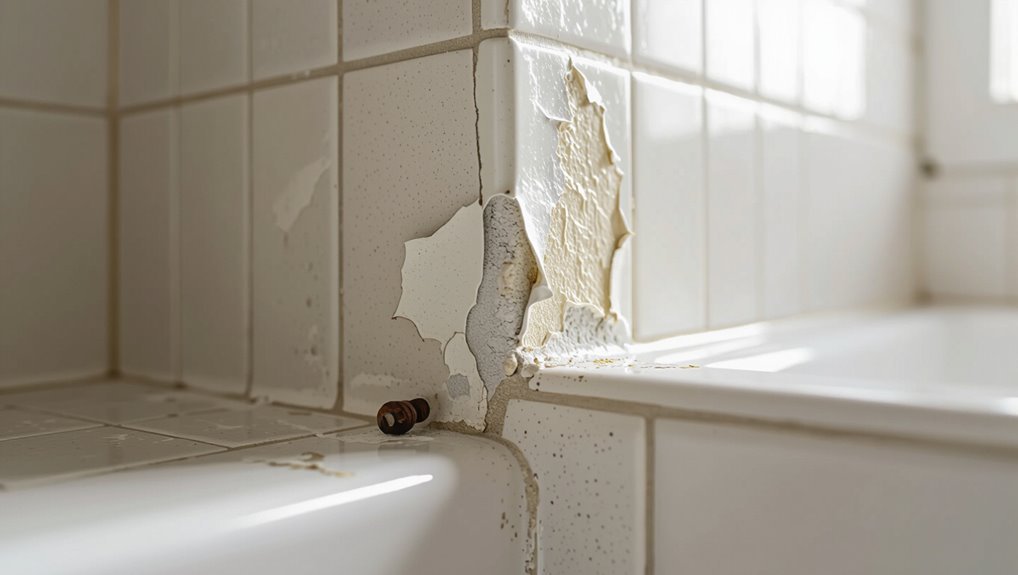
When paint peels in your bathroom, it’s usually signaling a problem rather than just bad aesthetics.
You’re seeing peeling causes like persistent moisture sources and humidity factors that drive paint deterioration.
Check surface conditions and note application errors that weaken adhesion.
Environmental influences and temperature fluctuations can stress coatings, so you’ll need to address underlying moisture and prep to stop further deterioration.
Quick Checklist: What to Do First
Before you start scraping or repainting, take a quick inventory so you don’t waste time fixing the wrong thing: identify all peeling spots and note whether they’re localized (around the tub, shower, or window) or widespread; check for active leaks, condensation, or poor ventilation; test the wall surface by pressing and tapping to find soft or blistered areas; and gather basic tools and safety gear (scraper, sandpaper, patching compound, primer, mask, and gloves) so you can move straight into repairs once you’ve diagnosed the cause.
- Feel frustration, then focus.
- Picture fresh, matching paint types.
- Imagine smooth, repaired surface textures.
- Breathe relief as progress begins.
Is the Peeling Cosmetic or Structural?
Now that you’ve inventoried the damage and gathered tools, decide whether the peeling is cosmetic or structural — that determines how much work you’ll do.
If it’s surface flaking, you’re addressing cosmetic concerns: sand, prime, repaint.
If paint is blistering, plaster crumbling, or mold hides beneath, you’re facing structural issues that need repair before repainting.
Assess thoroughly, then plan fixes accordingly.
Check Bathroom Ventilation and Airflow
Because poor ventilation is a common cause of peeling paint, check how air moves in your bathroom and whether the exhaust fan and vents are doing their job.
You’ll want proper air circulation and basic humidity control so paint can bond and stay.
Inspect, clean, and run fans during showers; consider window use.
Measure Humidity: What Levels Cause Failure?
If you want paint to stick and last, keep bathroom humidity below about 60% most of the time.
Monitor humidity levels with a reliable hygrometer and log readings after showers and overnight. Aim for 30–50% during normal use; spikes above 60% promote peeling.
Regular moisture measurement helps you time ventilation, dehumidifiers, and drying to prevent recurrent paint failure.
How to Spot Hidden Plumbing Leaks
How can you tell when a leak is hiding behind walls or under floors? You’ll spot musty smells, warped baseboards, or sudden mold—signs that demand prompt leak detection and a plumbing inspection.
Don’t ignore subtle drops in water pressure or unexplained bills. Act fast to protect paint and structure.
- Panic at mold
- Anger at stains
- Fear of rot
- Relief when fixed
When Exterior Water or Roof Issues Affect Paint
If you’re seeing repeated peeling in an upstairs bathroom, check for roof leaks that could be letting water into the walls.
Also inspect gutters and downspouts for clogs or damage that send water toward the house.
Exterior wall moisture from poor flashing or siding gaps can also soak through and ruin interior paint.
Roof Leak Detection
When exterior water finds its way into your home, the first place you’ll notice it’s often the ceiling paint: bubbling, staining, or peeling where roof issues have let moisture in.
You should inspect attic, flashings, and underlayment, prioritize roof maintenance and moisture barriers, and act fast to stop spread.
- Panic
- Frustration
- Relief
- Pride
Gutter And Downspouts
Because clogged or misaligned gutters redirect water toward your walls and eaves, you’ll often see peeling paint on exterior surfaces below them.
Keeping gutters and downspouts clear and properly pitched prevents overflow that soaks siding and trim. Inspect regularly, perform gutter maintenance, remove debris, and fix hangers.
Verify downspout installation directs water well away from foundations and repaint damaged areas after repairs to stop recurring peeling.
Exterior Wall Moisture
Although you mightn’t notice it at first, exterior wall moisture from roof leaks, flashing failures, or poor siding seals will quickly undermine paint and lead to bubbling, cracking, and peeling.
You’ll need to trace moisture sources and fix exterior drainage to stop recurrence. Act fast to protect interiors.
- Shock
- Frustration
- Relief
- Pride
Identify Your Wall Substrate: Drywall, Plaster, Cement Board
Start by determining what material lies beneath your peeling paint—drywall, plaster, or cement board—since each requires a different repair approach.
You’ll inspect drywall types (standard, moisture-resistant), note plaster characteristics (harder, layered, often lathe-backed), and recognize cement board for wet areas.
Understanding substrate differences guides products and techniques, so you choose proper patching, priming, and moisture-management steps for lasting results.
Is Mold or Mildew Causing Paint Lift?
How can you tell if mold or mildew is lifting your bathroom paint? Look for discoloration, musty smell, fuzzy spots, or bubbling paint.
How can you tell if mold or mildew is lifting your bathroom paint? Look for discoloration, musty smell, fuzzy spots, bubbling paint.
If you notice these, act fast with mildew treatment and mold prevention strategies to stop spread and protect finishes.
- Panic at stains
- Anger at recurring damage
- Relief when treated
- Determination to prevent recurrence
Tools and Materials to Have Ready
You’ll want a compact toolkit before you strip, clean, and repaint: gloves, goggles, a respirator, drop cloths, sandpaper (various grits), a putty knife, spackle or patching compound, mildew cleaner, primer rated for bathrooms, and a quality semi-gloss or satin bathroom paint.
Gather brushes, rollers, painter’s tape, and a paint tray. Choose paint types suited to humidity and prioritize thorough surface preparation.
Safety Gear and Mold-Safe Practices
Because bathrooms hide moisture and mold in seams and behind fixtures, wear proper safety gear before you touch peeling paint.
You’ll need simple safety precautions and mold prevention steps so you stay healthy while removing damaged surfaces.
Feel empowered—protect yourself, limit contamination, and stop mold returning.
- N95 mask
- Gloves
- Eye protection
- Disposable coveralls
Prep the Room and Protect Fixtures
Before you start scraping or sanding, clear the room and shield everything you want to keep dry and paint-free. Lay drop cloths, tape trim, remove shower curtains, and bag vents. Consider paint types for project needs and ventilate. Prioritize fixture protection for taps, lights, and fans to avoid damage or overspray.
| Item | Action |
|---|---|
| Floor | Drop cloth |
| Fixtures | Tape & bag |
| Vents | Cover |
| Trim | Remove/coat |
Remove Loose and Flaking Paint Correctly
Start by scraping away any loose, blistered, or flaking paint with a stiff putty knife or paint scraper, working gently to avoid gouging the drywall or plaster.
You’ll expose firm edges, improving paint adhesion and making surface preparation effective.
Smooth changes with light sanding, remove dust, then prime bare spots before repainting.
- Frustration
- Relief
- Confidence
- Pride
Clean Surfaces: Detergent, Mildewcide, Rinse
Once you’ve scraped and sanded to solid edges, clean the area thoroughly to remove dirt, soap scum, and mildew that would keep new paint from sticking.
Use a mild detergent application to lift grime, scrub with a soft brush, then apply a mildew product per label to guarantee mildewcide effectiveness.
Rinse thoroughly, let fully dry, and inspect before priming and painting.
Repair Damaged Drywall and Plaster
If you find soft, crumbling, or cracked drywall or plaster after cleaning, remove all loose material and cut back to solid edges so repairs bond well; then measure the damage to decide whether a simple patch, a new drywall piece, or a skim coat is best.
You’ll choose appropriate drywall repair or plaster restoration products, match textures, and secure backing before finishing.
Skim Coat and Sand for a Smooth Base
After you’ve removed loose material and secured any backing, apply a thin, even skim coat of joint compound or plaster over the repair area to create a uniform surface; feather the edges so the new material blends smoothly with the surrounding wall.
Use proven skim coat techniques, let it dry fully, then employ progressive sanding methods with fine-grit paper.
Wipe dust, inspect for imperfections, and repeat thin layers as needed.
Treat Moldy Areas Before Repainting
Before you repaint, check for mold by looking for discoloration, musty smells, or soft spots so you catch it early.
Clean affected areas with an appropriate cleaner or a bleach solution, scrubbing until stains and spores are gone and letting the surface dry completely.
Then seal with an antimicrobial primer to prevent regrowth before applying your new paint.
Identify Mold Early
Mold can hide behind bubbling or flaking paint, so check corners, grout lines, and ceiling seams as soon as you notice peeling.
You’ll want quick mold identification and an early warning mindset to stop spread and protect health.
- Smell musty odors — trust your nose.
- Look for dark spots or discoloration.
- Tap soft areas for dampness.
- Note recurring damp patterns.
Use Proper Cleaning
1. You should treat moldy spots before repainting: wear protection, ventilate, and test a small area.
Use proven cleaning techniques—bleach or hydrogen peroxide solutions, or a commercial mold cleaner—scrub gently, rinse, and let dry fully.
Address staining and residue to guarantee surface maintenance.
Only repaint once the surface is clean, dry, and free of mold traces to prevent recurrence.
Apply Antimicrobial Primer
Apply an antimicrobial primer to the cleaned, dry surface to block future mold growth and give paint something stable to stick to.
You’ll choose based on primer selection, balancing antimicrobial benefits and adhesion.
Coat evenly, let cure fully, then repaint.
Feel confident protecting your bathroom.
Choose Primers for Damp Rooms
Because bathrooms stay humid, you’ll want a primer that blocks moisture, resists mildew, and promotes strong adhesion to prevent future peeling. Choose primers with mildew resistance and built-in moisture barriers, apply properly to bare or patched drywall, and follow drying times.
| Feature | Why it matters |
|---|---|
| Mildew resistance | Stops growth |
| Moisture barriers | Prevents seepage |
| Adhesion | Keeps paint stuck |
| Quick-dry | Speeds project completion |
Best Paint Finishes for Bathrooms
When you repaint, choose a satin or eggshell finish for walls because it resists moisture yet looks soft.
Use semi-gloss on trim and doors so it’s easier to wipe down and holds up to cleaning.
For extra protection, pick a mold-resistant bathroom paint to prevent future peeling and stains.
Satin Or Eggshell Finish
Although not as glossy as semi-gloss, satin or eggshell finishes give bathrooms a soft, low-sheen look that still resists moisture and cleans up more easily than flat paint.
You’ll appreciate satin sheen and eggshell durability for walls that stay fresh without harsh glare. Choose these if you want subtle elegance and practical protection.
- Comfort
- Relief
- Confidence
- Calm
Semi-Gloss For Trim
If you prefer satin or eggshell on the walls, pick semi-gloss for trim to create a crisp, durable contrast that stands up to bathroom conditions.
You’ll appreciate semi-gloss benefits: easy cleaning, moisture resistance, and a smooth reflective look that highlights moldings.
For tidy trim maintenance, wipe regularly with mild cleaner, touch up nicks promptly, and avoid abrasive scrubbers to preserve finish and prevent peeling.
Mold-Resistant Bathroom Paint
Because bathrooms stay damp, choose mold-resistant paint to stop mildew before it starts.
You’ll get better mold prevention and paint longevity by picking high-quality, mildew-resistant formulas and proper prep. Apply primer, guarantee ventilation, and maintain surfaces.
- Relief: breathe easier
- Confidence: lasting finish
- Pride: clean walls
- Calm: low upkeep
Mildew-Resistant and Breathable Paint Options
When you’re tackling peeling paint in a damp bathroom, choosing mildew-resistant and breathable paints makes a big difference in preventing regrowth and allowing trapped moisture to escape.
You should pick mildew resistant paints labeled for high-humidity rooms and opt for breathable options like vapor-permeable emulsions.
These let walls dry, reduce peeling risk, and work best with good ventilation and routine cleaning to keep surfaces mold-free.
Proper Priming Technique for Adhesion
Before you prime, clean the surface thoroughly and scuff glossy areas so the primer can grip.
Pick a primer formulated for bathrooms and the substrate you’re working with—mildew-resistant or bonding primers are often best.
Apply the primer evenly, follow drying times, and sand light spots if needed to guarantee strong adhesion.
Surface Cleaning And Scuffing
Although it’s tempting to skip prep, you’ll get durable paint only if you thoroughly clean and scuff the bathroom surface first.
Use surface preparation techniques and consistent paint application methods to guarantee adhesion. Clean with degreaser, sand glossy spots, remove dust, and wipe with a damp cloth.
Follow this simple checklist to feel confident and relieved:
- Degrease
- Sand
- Dust-off
- Wipe
Right Primer Selection
Now that the surface is clean and lightly scuffed, pick the right primer to make your new paint stick and resist moisture.
Choose a high-quality stain-blocking, mildew-resistant primer—oil-based or shellac for stains, acrylic latex for general use.
Match primer types to substrate and humidity.
Consider recommended application methods for coverage and adhesion, and verify compatibility with your finish paint before proceeding.
Proper Primer Application
Start by laying down primer in thin, even coats so it bonds well and dries uniformly; use a high-quality brush for corners and a roller with the right nap for flat areas.
You’ll choose primer types for moisture and adhesion, applying two coats when recommended.
Remember primer benefits: better topcoat hold and mold resistance.
- Relief
- Confidence
- Pride
- Calm
Painting Tips: Coats, Dry Times, Ventilation
When you’re repainting a bathroom, plan your coats, drying times, and ventilation before you open the can so each layer cures properly and resists moisture.
You’ll follow surface preparation, choose paint selection and primer options, use proper paint application and drying techniques, and apply ventilation strategies.
Control humidity management and moisture control with fans and timed coats so paint bonds and peeling won’t return.
Paint Ceilings and High-Moisture Zones Safely
Before you paint ceilings or other high-moisture zones, check for leaks, condensation, or plumbing issues so you’re fixing the source, not just the symptom.
Choose a mold- and mildew-resistant primer and paint formulated for bathrooms to prevent future peeling.
Finally, boost ventilation and allow thorough drying between coats so moisture won’t undermine your work.
Assess Moisture Sources
If you’ve got peeling paint in the bathroom, the first thing to do is pinpoint where moisture’s coming from so you can stop it at the source—ceiling leaks, poor ventilation, and steam-heavy zones all behave differently and need different fixes.
Check moisture sources and monitor humidity levels. Then act emotionally but rationally:
- Inspect ceiling and roof
- Test vent performance
- Watch shower steam patterns
- Check hidden plumbing
Use Mold-Resistant Paint
Once you’ve identified and addressed moisture sources, protect painted surfaces by choosing a mold-resistant paint formulated for bathrooms and other wet areas.
You’ll gain mold resistant benefits like inhibited mildew growth and easier cleaning.
Apply a high-quality primer, use paints labeled for ceilings and showers, and follow recommended recoating times to maximize paint durability and reduce the chance of future peeling.
Improve Ventilation And Drying
Although bathroom paint can look fine when it’s dry, inadequate ventilation and slow drying let moisture linger and cause peeling, especially on ceilings and around showers.
You should boost airflow, run fans, and use heating or dehumidifiers to speed drying. Follow these ventilation tips and drying techniques to stop return damage and protect finishes:
- Install/exhaust fan
- Open windows
- Use dehumidifier
- Heat briefly
Seal Joints and Trim to Stop Water Intrusion
Because joints and trim are the most common paths for moisture, you should seal them tightly to stop water from getting behind paint and causing peeling. Use proper caulking techniques and joint sealing with silicone or paintable caulk. Prep surfaces, remove old caulk, and smooth beads for a tight fit.
| Tool | Purpose |
|---|---|
| Caulk gun | Apply caulk |
| Utility knife | Remove old caulk |
Upgrade Waterproofing Behind Showers and Tubs
After sealing joints and trim, you’ll want to upgrade the waterproofing behind showers and tubs to stop moisture at its source.
You’ll install a waterproof membrane as a moisture barrier, apply shower sealant, and renew tub caulking using proven installation techniques.
Follow renovation tips to prevent paint failure and protect finishes.
- Fear relieved
- Confidence restored
- Pride reclaimed
- Calm maintained
Fix Common Leaks That Keep Paint Coming Back
Start by hunting for hidden water sources behind walls, under vanities, and around fixtures so you can stop the moisture at its origin.
Fix any faulty plumbing you find—tighten fittings, replace worn seals, or call a pro for stubborn leaks.
Finally, improve ventilation paths with a working exhaust fan and clear airflow to dry surfaces faster and prevent paint from coming back.
Locate Hidden Water Sources
If your bathroom paint keeps peeling, you’ll need to hunt down hidden water sources before you repaint; otherwise the problem will return.
Use moisture meters and visual inspections for water damage and basic leak detection.
Follow signs—stains, musty smells, warped trim—and act fast to stop spread.
- Stains
- Warping
- Odor
- Mold
Repair Faulty Plumbing
Track down and fix any leaky plumbing before repainting—small drips and hidden pinhole leaks can keep moisture in the walls and make fresh paint peel again.
You should perform routine plumbing inspections and use professional leak detection when needed.
Repair or replace corroded valves, loose fittings, and worn seals, and confirm repairs with follow-up inspections so moisture won’t return to undermine new paint.
Improve Ventilation Paths
1 simple change can save your new paint: improve how moist air leaves the bathroom. You’ll stop peel by fixing ventilation systems, clearing vents, and directing air circulation outwards.
Act fast to prevent hidden damp.
- Replace weak fan
- Clean clogged ducts
- Add a timed switch
- Seal gaps around vents
Improve Ventilation: Fans, Timers, Ducts
Good ventilation solves most bathroom paint-peeling problems by cutting humidity before it damages surfaces.
You should upgrade to a high fan efficiency model, size it to the room, and install a timer so the fan runs long enough after showers.
Check and clean ducts regularly for blockages and seal connections to guarantee exhaust leaves the house rather than recirculating moisture.
Daily Habits That Reduce Bathroom Humidity
Simple daily habits can cut bathroom humidity before it soaks into paint and causes peeling. You can take small steps to improve humidity control and moisture management so paint stays intact.
Follow routines that feel natural and protective:
- Wipe showers and tubs after use to remove lingering moisture.
- Leave the door open briefly to air the room.
- Use a squeegee on walls and glass.
- Hang towels to dry immediately.
When to Call a Plumber, Roofer, or Mold Pro
If you notice recurring paint peeling, persistent damp spots, or a musty smell that won’t go away, call a pro—these signs often mean the problem goes beyond surface fixes and needs a plumber, roofer, or mold specialist to diagnose and stop ongoing water intrusion. They’ll check plumbing problems, roofing issues, mold growth, water damage, and suggest ventilation solutions or humidity control.
| Issue | Professional |
|---|---|
| Leaks | Plumber |
| Roof stains | Roofer |
| Mold | Mold pro |
| Hidden water | Inspector |
| Ventilation | HVAC/contractor |
Cost Estimates and Budgeting for Repairs
Wondering how much fixing peeling bathroom paint will cost? You’ll get rough cost estimates for DIY vs. pro jobs, plus budgeting tips to avoid surprises.
Prioritize repairs, gather quotes, and set a contingency.
- Shock at initial quotes
- Relief with DIY savings
- Anxiety over hidden damage
- Satisfaction when budget holds
Troubleshoot Recurring Peeling After Repainting
If paint keeps peeling after you’ve repainted, start by identifying moisture sources like leaks, poor ventilation, or rising damp.
Then check whether the surface was properly prepped—cleaned, sanded, and primed—before the last coat.
Finally, make sure you used a moisture-resistant primer and paint designed for bathrooms.
Identify Moisture Sources
Where’s the moisture coming from?
You’ve got to find leaks, humidity pockets, and hidden moisture traps that fuel condensation issues and peeling paint.
Inspect vents, fans, windows, and plumbing quickly so you can act.
- Leaky pipe panic
- Steamy shower dread
- Cold window shame
- Blocked vent frustration
Check Surface Preparation
Before you slap on another coat, make certain the surface was prepped correctly the first time — poor sanding, leftover soap or mildew, and paint applied over glossy or damp surfaces are the usual culprits behind recurring peeling.
Do a careful surface assessment: scrape loose paint, sand feathered edges, clean residues, and let it fully dry.
Use proven preparation techniques to guarantee adhesion.
Choose Proper Paint
When repainting a bathroom after fixing the surface, pick a paint formulated for high-moisture rooms so you don’t waste your prep work.
Look for mildew-resistant, water-resistant latex or acrylic paints with a satin or semi-gloss finish, which stand up better to steam and frequent cleaning.
Choose based on paint durability and color selection to protect and refresh your space.
Pre-Paint Checklist Before Your Next Bathroom Job
1. Make a checklist: confirm paint types (mildew-resistant satin or semi-gloss), inspect and repair damage, remove loose paint, sand glossy spots, wash surfaces, and apply primer suited to moisture.
Ventilate and protect fixtures.
Gather tools—putty, scraper, sandpaper, cleaner, brushes, rollers, drop cloths.
Schedule work on a dry day and follow drying times to prevent peeling recurrence.
Frequently Asked Questions
Can Peeling Paint Be Caused by Old Lead-Based Paint Hazards?
Yes — peeling can be caused by old lead paint, and you’re facing health risks if flakes or dust are disturbed. You should assume danger, avoid DIY removal, and hire certified abatement professionals to manage it safely.
How Long Should a Bathroom Paint Job Last Under Normal Conditions?
A typical bathroom paint job should last 5–10 years under normal conditions. You’ll extend paint durability with maintenance tips like using high-quality semi-gloss, ensuring proper ventilation, fixing leaks promptly, and cleaning surfaces gently every few months.
Can Humidity Sensors Automatically Control Bathroom Fans?
Yes — you can: studies show humidity-triggered systems reduce moisture events by about 40%, and you’ll get automatic humidity control, improved fan efficiency, lower mold risk, and quieter, smarter ventilation without constant manual switching.
Will Heated Towel Racks Increase Paint Failure Risk?
Yes — if your towel rack installation concentrates heat and moisture on painted walls, it can reduce paint durability; you should mount racks with clearance, use heat-resistant finishes, and guarantee ventilation so paint won’t degrade prematurely.
Are Peel-Resistant Paints Safe for Children’s Bathrooms?
Yes — you can use peel-resistant paints in children’s bathrooms; they’ll offer paint durability and low VOC formulations. Choose certified child safe options, guarantee proper ventilation, and follow manufacturer’s prep instructions to maximize safety and long-term performance.
Conclusion
Peeling paint in your bathroom’s like a warning flag — don’t ignore it. By checking ventilation, humidity, and hidden leaks, you’ll nip problems before they bloom. If the damage’s cosmetic, sand, prime, and use moisture-rated paint; if it’s structural, call the pros. Treat causes, not just symptoms, and your walls will breathe easy again. With the right prep and persistence, you’ll turn flaking chaos into a calm, lasting finish that feels like a fresh start.
