
What Does Paint Smell Like? Causes and Safety Info
You’ll notice fresh paint as a sharp, solvent-like sting—sweet, chemical, sometimes plasticky or metallic—caused by volatile organic compounds (VOCs), solvents, additives and occasional mildew. Short-term exposure can cause headaches, dizziness, eye or throat irritation, and people with asthma, kids, pregnant people and pets are more at risk. Ventilate well, use low-VOC options, and leave the area if you feel sick; keep reading to learn how to test, report, and reduce paint odors.
Quick Answer: What Paint Usually Smells Like and When to Worry
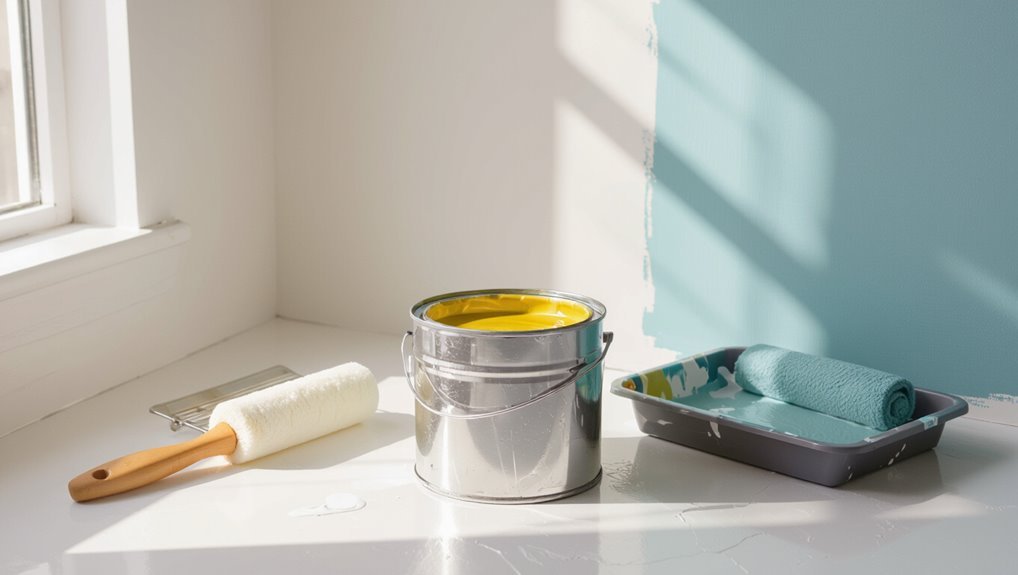
Wondering what paint typically smells like and when you should be concerned? You’ll notice chemical, solvent, or fresh latex notes depending on type; paint odor sources include VOCs, additives, and mildew.
If you feel headaches, dizziness, nausea, or respiratory irritation, treat symptoms seriously. Ventilate, leave the area, and seek medical advice for persistent or severe health implications to reduce risk.
Why an Explainer Answers “What Does Paint Smell Like?”
Why does it matter what paint smells like? You’ll learn paint odor origins so you can distinguish normal solvent or latex scents from warning signs.
An explainer shows symptoms to watch for, exposure limits, and practical safety precautions you can take—ventilation, masks, and timing—to reduce risk and decide when to seek fresh air or professional help.
What Does Fresh Paint Smell Like in Plain Terms?
When you smell fresh paint, you’ll notice a sharp chemical tang—often a mix of solvent and plastic-like notes.
That scent can hit your nose as a quick sting, sometimes making your eyes water or leaving a faint headache.
I’ll explain what those chemical cues mean and how your senses interpret them.
Chemical Odor Description
If you’ve ever stood in a room right after a coat of paint, you’ll notice a sharp, solvent-like sting that hits the back of your nose and throat; it’s a mix of sweet, chemical, and slightly metallic notes that cling to the air.
You detect volatile compounds from fresh coatings as chemical reactions release VOCs, and your odor perception quickly rates intensity and irritancy, prompting ventilation.
Sensory Experience Explained
That sharp, solvent sting you felt is the headline; in plain terms, fresh paint smells like a concentrated mix of sweet chemicals, bitter metallic tang, and a faint oily or plastic note that lingers in the back of your throat and behind your nose. You’ll notice sensory perception cues and common odor associations guiding your reaction.
| Note | Texture | Reaction |
|---|---|---|
| Sweet | Sharp | Irritation |
| Metallic | Thin | Coughing |
| Oily | Persistent | Nausea |
Which Ingredients in Paint Create That Chemical Odor?
When you notice that sharp paint smell, it’s usually caused by volatile organic compounds (VOCs) off-gassing from the paint.
Solvents and certain additives help the paint flow and dry but also contribute strongly to that chemical odor.
Next, you’ll learn which common VOCs and solvents are most responsible and how additives change the scent.
Volatile Organic Compounds
Because many common paint components evaporate as they dry, you’ll often notice a sharp, chemical smell driven by volatile organic compounds (VOCs).
You should learn VOC regulations, safety guidelines, and environmental concerns to limit health impacts on indoor air.
Choose paint types and eco-friendly options or paint alternatives for odor control.
Your scent perception guides when ventilation and precautions are needed.
Solvents And Additives
1 main reason paint smells chemical is the solvents and additives manufacturers use to make it spreadable, stable, and long-lasting.
You’ll learn solvent types and additive sources that raise odor intensity and health implications.
Check ingredient transparency, choose alternative solvents to reduce environmental impact, and follow safety measures.
Understand additive effects and use odor mitigation—ventilation and low-VOC products—to protect yourself and others.
What Are VOCs and Why They Matter for Paint Smell?
If you’ve ever noticed a sharp, lingering odor after painting, that’s often caused by volatile organic compounds (VOCs) — chemicals that evaporate from paint into the air and can affect indoor air quality and your health.
You should understand VOCs impact on sensory perception and health concerns, plus paint safety and environmental effects.
Use ventilation strategies and painting techniques for odor management and odor reduction.
- Choose low‑VOC paints (chemical composition matters)
- Plan ventilation strategies during and after painting
- Combine techniques for paint safety and reduced environmental effects
Which Common VOCs Are Found in Household Paints?
When you open a can of household paint, a mix of volatile organic compounds (VOCs) — like toluene, xylene, ethylbenzene, formaldehyde, and various glycol ethers — begins evaporating into the air, and those are the main contributors to that sharp, familiar odor and potential health effects.
You’ll encounter VOC sources across Paint types, causing Smell variations that affect Odor perception, Fume exposure, Health risks, Environmental impact, so choose Low odor options, follow Safety measures, and use proper Painting techniques.
Do Solvents or Binders Make Paint Smell Worse?
You’ll usually notice solvents first because their VOCs evaporate quickly and have a sharp, chemical odor that dominates a room.
Binders—like acrylics or alkyds—tend to contribute milder, lingering scents as they cure rather than the initial punch.
Understanding solvent odor strength versus binder contribution level helps you pick lower-odor formulations and time ventilation.
Solvent Odor Strength
Because solvents evaporate quickly, they’re usually the biggest contributors to paint’s smell — not the binders.
You should evaluate solvent types, odor intensity, and evaporation rates to judge odor perception and exposure duration; consider health implications if levels stay high.
- Compare solvent types and evaporation rates.
- Note odor intensity changes over time.
- Limit exposure duration for safety.
Binder Contribution Level
Solvents usually dominate a paint’s initial smell, but binders can still affect overall odor and its persistence.
You’ll notice some binder types—like oil-based alkyds—add a faint, lingering richness, while acrylic or latex binders smell milder.
Binder functions (film formation, adhesion) influence how long volatile components are trapped or released, so binder choice alters odor duration more than peak intensity.
Which Pigments and Additives Alter Paint Odor?
While base resins and solvents set the stage, pigments and additives play a big role in changing a paint’s smell by introducing trace volatiles and altering how other components evaporate.
Certain organic pigments, plasticizers, biocides, and UV stabilizers can release characteristic odors or interact with solvents to make the overall scent sharper, sweeter, or more chemical.
Certain organic pigments, plasticizers, biocides, and UV stabilizers can emit distinct odors, sharpening, sweetening, or chemicalizing a paint’s scent.
You’ll notice:
- Organic pigment types: floral or musty notes.
- Additive impacts: plasticizers add sweetness.
- Biocides/UV stabilizers: sharp, medicinal odor variations affecting scent perceptions.
How Oil-Based Paint Smells Compared With Water-Based Paint
Contrast is the easiest way to grasp how oil-based and water-based paints smell: oil-based paints give off stronger, heavier solvent and resin notes—petroleum, turpentine, and a lingering varnish-like sweetness—whereas water-based (latex) paints smell fresher and lighter, with sharper chemical or ammonia-like top notes that fade faster.
You’ll note oil based characteristics affect paint application, drying time, odor perception, health implications, environmental impact, and surface compatibility; water based benefits reduce lingering smell.
How Latex Paint Smell Differs From Acrylic Paint Smell
Because both are water-based, latex and acrylic paints can smell similar at first, but you’ll notice key differences: latex (often a broader category that includes vinyl-acrylic blends) tends to have a milder, slightly musty or plasticky odor that fades fairly quickly.
Whereas pure acrylics usually give off a sharper, slightly sweet or chemical note from their acrylic polymers and coalescing agents that can seem crisper and sometimes more noticeable during curing.
- Ventilation reduces both odors.
- Surface porosity affects persistence.
- Temperature speeds curing and scent release.
Why Some Low-VOC Paints Still Have Noticeable Odors
Even though low-VOC paints cut down on the most harmful solvents, you’ll still notice odors because other volatile compounds and additives remain — coalescents, preservatives, fragrances, and residual solvents from manufacturing or application can all give off smells as the paint cures.
You should know low VOC misconceptions: reduced VOCs don’t mean odorless. Your odor perception varies with sensitivity, ventilation, and surface chemistry.
How Paint Formula and Brand Affect Odor Intensity
While many paints look similar in the can, the specific formula and brand you pick will shape how strong and how long the odor lingers. Different binders, solvents, and additives evaporate at different rates and produce distinct scent profiles.
You should do product research and brand comparison to judge paint composition and formulation variations that affect odor perception and scent intensity.
- Ingredient impact on VOCs
- Formula differences in solvents
- Comparative testing for odor profiles
How Paint Sheen (Matte to Gloss) Influences Odor Persistence
Beyond formula and brand, the paint’s sheen also affects how long you’ll notice its smell: matte, eggshell, satin, semi-gloss, and gloss finishes differ in binder and solvent content and in how they cure, which changes VOC release and odor persistence.
You’ll notice sheen impact as glossier paints often cure faster with shorter odor duration, while flatter sheens can trap solvents and prolong smell.
How Room Temperature and Humidity Change Paint Smell Duration
You’ll notice paint smells stronger and fades faster in warmer rooms because heat speeds up off-gassing.
High humidity can slow evaporation of solvent-based odors, while very dry air usually helps them dissipate more quickly.
Combine ventilation with temperature and humidity control and you’ll shorten how long the smell lingers.
Temperature Effects On Off-Gassing
If you raise the room temperature and keep humidity low, paint will off-gas faster and the smell will peak sooner; cooler, more humid conditions slow the chemical evaporation and stretch the odor over a longer period.
You should monitor temperature impact and evaporation effects as environmental factors in your indoor climate to predict off gassing duration and apply humidity considerations.
- Raise temp to accelerate.
- Cool to slow.
- Ventilate strategically.
Humidity’s Role In Evaporation
While temperature sets the pace, humidity controls how quickly paint’s solvents actually evaporate and how long that fresh-paint smell lingers: higher humidity slows solvent evaporation by saturating the air, stretching odor duration, while lower humidity speeds evaporation and brings the smell to a quicker peak and fade. You’ll notice humidity effects on evaporation rate, moisture impact on air quality, and odor persistence.
| Condition | Evaporation | Smell |
|---|---|---|
| High humidity | Slow | Long |
| Moderate | Moderate | Moderate |
| Low | Fast | Short |
Ventilation Interaction With Climate
Humidity and temperature set how fast solvents escape from paint, but ventilation determines where those vapors go — and that changes how long you notice the smell.
You should adjust airflow to manage climate effects and preserve indoor air quality.
- Increase cross-ventilation to disperse odors faster.
- Use fans and open windows during warm, dry conditions.
- Dehumidify in humid climates to speed drying.
How Ventilation Affects How Quickly Paint Smell Dissipates
Because fresh paint releases volatile compounds into the air, good ventilation speeds their removal and shortens how long the smell lingers.
You should open windows, run exhaust fans, and use box or inline fans to create cross‑flow; these ventilation strategies accelerate air exchange and support odor reduction.
Continue ventilation for several hours to a few days until VOC levels and smell are acceptably low.
How Surface Type (Wood, Drywall, Metal) Changes Odor Absorption
When you paint, the surface type changes how much odor sticks around because porous materials like raw wood and unsealed drywall soak up more VOCs than nonporous metal.
A glossy finish or a sealant can lock in or block those smells, so sealed wood or primed drywall will emit less odor over time.
Think about prepping and sealing porous surfaces if you want fumes to dissipate faster.
Porous Versus Nonporous Surfaces
Although paint odors come from the same vapors, the surface you’re painting changes how strongly and how long you’ll smell them.
Porous materials like wood and drywall soak up solvents and pigments, releasing fumes slowly, while nonporous surfaces such as metal or glossy plastic let most fumes dissipate faster.
- Consider paint absorption, surface interaction, and odor persistence.
- Account for material compatibility, surface preparation, and surface treatment.
- Note environmental factors, odor release, paint formulation, and coating types.
Surface Finish And Sealants
You’ve seen how porous and nonporous substrates affect how long paint fumes linger; surface finishes and sealants further control that behavior by blocking or trapping solvents and pigments. You’ll notice wood soaks odors unless sealed; drywall holds primer scents; metal reflects fumes. Use surface preparation techniques and proper sealant applications to reduce off-gassing.
| Wood | Drywall | Metal |
|---|---|---|
| Unsealed | Primered | Bare |
How Paint Thickness and Number of Coats Impact Smell Duration
Because thicker layers trap more solvent, heavier paint films and extra coats typically make odors linger longer.
So you’ll notice the smell persists until solvents evaporate sufficiently. Control odor duration via careful paint application and surface preparation.
The smell lingers until solvents evaporate—minimize odor by applying thinner coats and preparing surfaces carefully.
Consider:
- Monitor coat thickness and paint layering to limit smell intensity and drying time.
- Improve air circulation; account for environmental factors.
- Use odor mitigation products or thinner coats.
How Long Does Paint Smell Last Indoors?
Thicker coats and poor ventilation don’t just slow drying — they also extend how long you’ll notice paint odors inside. You can expect varying paint odor duration based on paint drying time, ventilation, and sensory sensitivity. Use odor mitigation techniques and painting safety precautions to protect indoor air quality and reduce household health impacts.
| Factor | Effect |
|---|---|
| Ventilation | Speeds dissipation |
| Coats | Increases duration |
| Paint type | Varies VOCs |
| Sensitivity | Alters perception |
When Paint Smell Typically Fades Versus When It Lingers for Weeks
When paint dries under good conditions—low humidity, steady airflow, and only one or two thin coats—you’ll usually stop noticing the smell within 24–72 hours, though tiny traces can persist a week or two.
However, poor ventilation, multiple heavy coats, oil-based formulas, or sealed spaces can let odors linger for several weeks or longer.
- Ventilate to speed odor fading; follow painting tips.
- Note environmental factors affecting paint duration and scent perception.
- Use safety measures to reduce lingering effects and limit health impacts.
Short-Term Health Effects of Breathing Paint Fumes
How does breathing paint fumes affect you in the short term? You may notice immediate health symptoms like headaches, dizziness, eye or throat irritation, nausea, and increased odor sensitivity.
Fume exposure can worsen asthma or trigger allergic reactions.
Take safety precautions: ventilate the area, wear a respirator rated for organic vapors, limit time near fresh paint, and seek fresh air if symptoms start.
Long-Term Health Concerns Linked to Repeated VOC Exposure
Because small, repeated exposures to volatile organic compounds (VOCs) add up over time, you can face health risks beyond the immediate irritation they cause.
Repeated VOC exposure indoors can lead to long term effects like chronic conditions and increased chemical sensitivity, especially with poor indoor air.
Watch for emerging respiratory issues and consult a clinician for ongoing symptoms.
- Chronic conditions
- Chemical sensitivity
- Respiratory issues
Which Populations Are Most Sensitive to Paint Smells (Kids, Pregnant People, Pets)?
You should be especially cautious around paint fumes because kids have developing lungs and breathe more air per pound, making them more vulnerable to respiratory irritation.
If you’re pregnant, even low-level exposure could matter for fetal development, so minimizing fumes and increasing ventilation is wise.
Don’t forget pets — their keen senses and different metabolisms can make them react more strongly to odors and toxins, so keep them out of treated areas.
Children’s Respiratory Vulnerability
When small children inhale paint fumes, their developing lungs and faster breathing rates make them especially vulnerable to irritation and short-term respiratory symptoms.
You should monitor any cough, wheeze, or eye irritation as signs of paint sensitivity and protect their respiratory health.
Consider these precautions:
- Ventilate rooms well during and after painting.
- Keep kids out of painted areas until odors subside.
- Use low-VOC paints.
Pregnant People’s Exposure Risks
Although paint fumes are often dismissed as a short-term nuisance, pregnant people face distinct risks because some chemicals can cross the placenta and affect fetal development.
You should minimize exposure by choosing low-VOC or water-based paints, increasing ventilation, and avoiding time in freshly painted spaces whenever possible.
You should follow health guidelines, monitor indoor air quality, limit chemical exposure, recognize fume sensitivity, and use safety precautions to reduce respiratory impact and respect lowered odor tolerance.
Pets’ Sensory And Metabolism
Because pets have different noses, lungs, and metabolisms than humans, they can be more sensitive to paint fumes and absorb chemicals differently.
You should limit exposure, ventilate well, and choose low-VOC options to protect animals with varying pet sensitivities and lower odor thresholds.
Consider:
- Removing pets during painting.
- Using air purifiers.
- Waiting until smells dissipate before returning.
How to Recognize Signs of Acute Chemical Exposure From Paint
If you’re exposed to strong paint fumes, your body will usually give clear, sudden warnings — headaches, dizziness, nausea, eye or throat irritation, and trouble breathing are common immediate signs of chemical exposure from paint.
You may notice heightened chemical sensitivity or altered odor perception, sudden skin flushing, coughing, or chest tightness.
Track onset, remove yourself from the area, and ventilate quickly.
When to Seek Medical Help for Paint Fume Exposure
If your coughing, wheezing, or shortness of breath doesn’t improve after fresh air and rest, get medical attention.
If you notice confusion, severe headache, numbness, or other sudden neurological changes, seek help right away.
Also see a provider promptly for chemical burns, persistent eye pain, or vision changes from paint exposure.
Persistent Respiratory Symptoms
When paint fumes stick around and your cough, wheeze, or breathlessness doesn’t improve after a day or two, get medical attention — you may be dealing with irritation or a more serious reaction that needs treatment.
If respiratory irritation persists, especially after chronic exposure, see a clinician. They’ll assess lung function and treat inflammation.
- Pulmonary function tests
- Chest imaging
- Anti-inflammatory therapy
Neurological Changes Or Confusion
Persistent breathing problems can sometimes accompany or precede effects on your nervous system, so also watch for sudden confusion, dizziness, severe headaches, tremors, numbness, or difficulty speaking or walking after paint-fume exposure.
If you notice neurological symptoms, cognitive effects, sensory overload, or abrupt behavioral changes alongside respiratory distress, seek immediate care—especially with known chemical sensitivity or worsening exposure reactions that impair mental clarity or mobility.
Chemical Burns Or Eye Injury
Because paint fumes and splashes can contain corrosive solvents or strong pigments, you should act quickly if your skin or eyes sting, burn, or start to blister after exposure.
Rinse immediate, remove contaminated clothing, and seek help. Follow safety precautions to limit chemical exposure.
- Flush eyes 15–20 minutes.
- Wash skin thoroughly.
- Get emergency care if symptoms persist.
How to Choose Paints With Lower Odor and Safer VOC Profiles
If you want lower-odor, safer paints, focus on VOC content, label claims, and certified third-party standards before you buy.
Choose eco-friendly options and scent-free brands, check for odor neutralizing additives, and prefer water-based formulas.
Use paint selection tips: test small samples, ventilate during application, and prioritize certifications like Green Seal or UL ECOLOGO to reduce fumes and health risks.
How to Read Paint Labels for VOC Content and Safety Claims
Reading paint labels is the quickest way to judge VOC levels and safety claims before you buy, so learn where manufacturers list that info and what the terms actually mean.
You’ll improve label comprehension and verify safety standards by checking specific entries:
- VOC content (g/L) and test method.
- Certification logos (Green Seal, Greenguard).
- Ingredient disclosure and precautionary statements.
How to Compare “Low-VOC,” “Zero-VOC,” and “No Added VOC” Claims
Now that you know where to find VOC numbers and certification marks on a label, you can use that information to tell apart marketing claims like “low-VOC,” “zero-VOC,” and “no added VOC.”
These terms aren’t interchangeable: “low-VOC” means the product meets a specified upper limit of grams per liter, “zero-VOC” typically indicates very low measured VOCs but may allow small amounts (often from colorants or exempt compounds), and “no added VOC” means the manufacturer didn’t intentionally add VOC-containing ingredients though trace VOCs can still be present.
Use VOC comparisons and measured numbers to predict likely odor perceptions rather than relying on marketing.
Do Green Certification Labels (Green Seal, GREENGUARD) Mean Low Odor?
Certification labels like Green Seal and GREENGUARD mean the paint meets specific emissions and chemical limits, not necessarily that it will be odorless.
You should know these programs focus on measured pollutants (like VOCs and formaldehyde) rather than subjective smell.
Certification Standards Explained
Because green labels focus on health and indoor air quality, they can give you useful information about a paint’s emissions—but they don’t always guarantee a truly odorless product.
You should check certification standards, product labeling, and compliance measures to judge environmental impact and safety regulations.
Consider these points for consumer awareness and health implications:
- Testing protocols per industry guidelines
- VOC limits and reporting
- Manufacturer documentation
Odor Versus Emissions
While green labels like Green Seal and GREENGUARD focus on limiting harmful emissions, they don’t always mean a paint will be odorless; you can still notice smells from low-VOC or certified products because odor and chemical emissions are related but distinct metrics.
You should consider odor perception, emission sources, sensory thresholds and chemical analysis to judge exposure risks, health implications, safety measures and environmental impact.
Simple Pre-Paint Steps to Minimize Post-Paint Smell
Before you open a can of paint, take a few simple steps that cut down on lingering odors and make the room more comfortable afterward.
Focus on paint preparation and odor reduction so your project starts clean and efficient.
- Clean surfaces and remove dust.
- Use quality primers to seal substrates.
- Store paints sealed and at moderate temperature.
How to Ventilate During and After Painting to Reduce Paint Smell
Good ventilation makes the biggest difference in how quickly paint smell fades, so open windows and doors, run fans to move air out, and create a cross-breeze that pulls fumes away from the work area.
Use targeted ventilation techniques: position exhaust fans toward outdoors, ventilate continuously while painting and several hours after, and rotate air to speed odor reduction and lower lingering VOC concentration.
Which Air Purifiers or Filters Help Reduce Paint Odor and VOCs?
To tackle paint smell and VOCs, you’ll want a purifier with a True HEPA stage for particles plus an activated carbon layer to adsorb odors and many solvents.
Some units are specifically marketed for VOC removal and use advanced carbon blends or catalytic filters that target common paint chemicals.
Check CADR ratings and VOC-specific test data so you’ll pick a model proven to reduce both odor and gaseous pollutants.
HEPA And Paint Odor
Though HEPA filters excel at trapping dust, pollen, and paint particles, they won’t remove most volatile organic compounds (VOCs) that give paint its odor.
To address fumes, you need activated carbon or specialized chemical adsorbents alongside HEPA.
You should combine HEPA filters with ventilation strategies to improve air quality, reduce chemical exposure, and protect health effects during home improvement and paint safety.
- HEPA filters
- Filtration systems
- Odor removal
Activated Carbon Filters
Activated carbon filters pair well with HEPA because they adsorb the volatile organic compounds (VOCs) and odor-causing molecules that HEPA can’t capture.
So you should look for purifiers that combine both media or add a dedicated activated carbon stage to cut paint fumes effectively.
You’ll improve indoor air and air quality during home improvement, boosting paint safety through chemical absorption, odor reduction, and higher filter efficiency.
VOC-Specific Air Purifiers
When you’re tackling paint fumes, choose purifiers designed specifically for VOC removal: they combine HEPA for particles with ample activated carbon, catalytic media, or specialized VOC filters to strip away solvent vapors and odors.
They improve indoor air, help meet VOC regulations, reduce health risks, and support paint safety and environmental impact.
- Pick high carbon load units.
- Check CADR and specs.
- Use alongside painting tips and surface preparation.
Do Activated Charcoal, Baking Soda, and Houseplants Reduce Paint Smell?
If you’re trying to cut paint odors quickly, you’ve probably heard that charcoal, baking soda, or houseplants can help—but their effects are limited.
You can try activated charcoal for charcoal effectiveness at adsorbing some VOCs, baking soda for minor odor neutralization, and houseplants impact on air quality is minimal.
Use them as supplements, not replacements for ventilation and source control.
Can You Safely Speed Up Paint Curing to Reduce Odor?
You can cut paint smell by speeding up curing with a few safe steps.
Increase ventilation immediately, consider approved accelerants designed for your paint type, and control temperature and humidity to help it dry evenly.
Follow product instructions and don’t use flammable or untested shortcuts.
Increase Ventilation Fast
Three quick fixes can make a room breathable faster: open windows, run fans, and boost fresh-air intake from outdoors.
Use ventilation techniques to accelerate drying without chemicals, and prioritize air circulation to move fumes out.
- Create cross-ventilation with opposing windows.
- Position box fans to exhaust indoor air.
- Run HVAC on fresh-air mode and replace filters.
Use Safe Accelerants
Although speeding paint curing can cut odor and downtime, you should be careful: not every accelerant is safe for indoor use.
You can choose safe accelerants formulated for low VOCs or use approved paint alternatives like quick-dry waterborne coatings.
Read labels, follow manufacturer directions, and avoid improvised solvents or fuels.
When in doubt, test a small area and prioritize ventilation and protective gear.
Manage Temperature Humidity
If you want to speed paint curing to cut odor, control temperature and humidity carefully—both can meaningfully shorten dry time without adding chemicals.
You’ll use temperature control and humidity management to optimize curing and reduce off-gassing. Balance warmth and ventilation; avoid extreme heat that traps solvents.
- Raise temperature moderately.
- Lower ambient humidity.
- Increase fresh airflow.
How to Mask Paint Smell Versus Remove It (And Why Masking Fails)
When you want the room to smell pleasant right away, it’s tempting to mask paint odor with candles, air fresheners, or heavy cleaners.
However, those tactics only cover the scent temporarily and can create new indoor air problems.
You should prioritize ventilation strategies and odor removal techniques, use certified odor control products, and follow paint fume safety to reduce chemical exposure risks and shorten paint smell duration.
How to Store Leftover Paint Safely to Prevent Strong Odors
To keep leftover paint from stinking up your space, seal the can tightly and wipe the rim before closing so air can’t sneak in.
Store cans in a cool, well-ventilated area away from direct sunlight or heat sources to slow chemical off-gassing.
Label each can with the date and color so you don’t open extra containers looking for the right match.
Seal Containers Tightly
A tightly sealed paint can keeps fumes locked in and air out, so press the lid down firmly and give it a gentle tap around the rim with a rubber mallet or scrap wood to create a snug fit.
You’ll follow paint storage and container sealing best practices for odor prevention and paint safety.
- Use airtight containers.
- Label contents, date.
- Prep for proper paint disposal and fume reduction.
Store In Cool Ventilation
After sealing the lid tightly, place leftover paint somewhere cool with steady airflow to keep odors down and slow chemical breakdown.
Store cans off concrete, elevated on a shelf or pallet, and away from heat sources and sunlight.
You’ll improve paint storage life by ensuring good air circulation in the room, labeling cans with date and color, and checking seals periodically.
How to Dispose of Smelly Paint and Contaminated Rags Responsibly
If leftover paint still smells strong, don’t toss it in the trash or pour it down the drain; you’ll need to neutralize or dispose of it through proper channels to protect people and the environment.
Use approved paint disposal methods and secure rag containment to prevent ignition or fumes.
- Harden latex with cat litter, then recycle.
- Take oil-based to hazardous waste.
- Seal contaminated rags in metal cans.
How to Plan Painting When Living With Pets or Asthma Sufferers
When you’re planning paint jobs around pets or people with asthma, prioritize ventilation, low- or zero-VOC products, and scheduling to keep everyone out of harm’s way; pick rooms you can isolate, plan overnight drying with fans and open windows, and use air purifiers to reduce lingering fumes and particulates. Use pet safety, asthma management, painting techniques, odor reduction, ventilation strategies, paint selection, environmental impact, health precautions.
| Tip | Benefit | Action |
|---|---|---|
| Isolate room | Limits exposure | Close doors, seal vents |
| Time schedule | Evacuate occupants | Paint when they can stay away |
| Air cleaners | Remove VOCs | Run HEPA+carbon filters |
| Low-VOC paint | Less odor | Choose certified brands |
How to Paint a Bedroom or Nursery With Minimal Odor Exposure
Because bedrooms and nurseries are places you want kept safe and comfortable, plan paint jobs to minimize fumes, dust, and disruption. Use low-VOC paints, seal vents, and schedule when room is unoccupied.
Combine odor reduction techniques and paint ventilation methods so exposure stays minimal.
- Paint during daytime for cross-ventilation.
- Use air purifiers with activated carbon.
- Seal and clean thoroughly afterward.
How to Choose Professional Painters Who Prioritize Low-Odor Options
After you’ve minimized fumes and planned ventilation for a bedroom or nursery, it’s wise to hire painters who’ll carry that low-odor approach through the job. Ask about painters’ expertise, odor free options, environmental impact, paint quality, client testimonials, pricing strategies, project timelines, safety protocols, color selection, and surface preparation. Compare bids, check references, and confirm written guarantees.
| Criterion | Question |
|---|---|
| Experience | Years, specialties |
| Products | Low-odor brands |
| Safety | Protocols used |
| Timeline | Estimated dates |
| Cost | Itemized pricing |
How to Spot Counterfeit or Mislabeled Low-VOC Paints at Retail
How can you tell if a can labeled “low-VOC” is genuine or just marketing spin? You inspect labels, verify claims, and trust certifications.
Use counterfeit detection tactics and check paint labeling thoroughly.
- Scan QR codes and cross-check batch numbers.
- Look for third-party seals (EPA, GREENGUARD).
- Smell-test a small area after opening; strong solvents suggest mislabeling.
How Seasonal Timing (Winter vs Summer) Affects Paint Smell Management
When you plan painting for a particular season, ventilation needs, drying times, and odor intensity change considerably—winter’s closed windows and higher humidity trap fumes and slow curing, while summer’s warmth speeds drying and disperses smells faster.
You should adjust painting techniques for seasonal humidity and temperature variations: use low-VOC products, increase airflow, run dehumidifiers or fans, and schedule work for ideal odor mitigation and faster cure.
How to Test Indoor Air After a Paint Job (What Tests to Run)
Because paint can release volatile and particulate contaminants long after you finish rolling, you should verify indoor air quality rather than assume it’s safe.
You’ll want targeted paint fume testing and particle checks to confirm ventilation and exposure limits.
- VOC meter for real-time indoor air quality readings.
- Passive VOC samplers sent to lab for speciation.
- PM2.5/PM10 monitor and formaldehyde detector.
How to Document and Report Persistent Odor Problems to Manufacturers or Landlords
1 clear, dated record makes it much easier to get action from a manufacturer or landlord when paint fumes linger longer than they should.
You should log dates, symptoms, and odor assessment findings, include photos and test results, and follow the reporting process specified.
Send concise odor documentation to request manufacturer feedback and use formal landlord communication to escalate persistent issues until you get remediation or guidance.
How to Balance Aesthetics, Durability, and Odor When Selecting Paint
Although you want your room to look great, you also need paint that stands up to wear and doesn’t leave you breathing fumes.
Make your room beautiful without the fumes — choose paint that resists wear and keeps air clean.
So weigh appearance, finish longevity, and VOC levels together before you buy.
You’ll focus on aesthetic balance, durability concerns, and odor management during paint selection:
- Choose low-VOC formulas with the finish you need.
- Prioritize durable finishes for high-traffic areas.
- Test small samples for scent and wear.
How to Use This Guide to Plan a Safer, Less Smelly Repainting Project
You’ve weighed appearance, finish, and VOCs—now use this guide to map out a repainting plan that keeps your space looking good without filling it with fumes.
Start project planning by choosing paint alternatives and eco friendly options, outline painting techniques, schedule ventilation, and limit fume exposure.
Follow safety precautions for paint storage, monitor air quality, and use odor management strategies for a safer refresh.
Frequently Asked Questions
Can Paint Smell Trigger Migraines in People Without Chemical Sensitivities?
Yes — paint odor can trigger migraines even if you lack fragrance sensitivity; you might react to VOCs, strong fumes, or irritation. Take breaks, increase ventilation, and avoid lingering near fresh paint to reduce migraine triggers.
Do Primers and Sealers Emit the Same VOCS as Topcoats?
No, primers and sealers don’t always emit the same VOCs as topcoats; you’ll find differences based on primer composition and sealer effectiveness, with some solvent-based primers releasing more VOCs while water-based options and effective sealers reduce emissions.
Can Painted Furniture Off-Gas for Months After Curing?
Yes — you might think it never stops; painted furniture can off-gas for months after curing. You’ll monitor off gassing duration, improve ventilation, and protect furniture safety by airing, using low‑VOC finishes, and sealing emissions.
Are Spray Paints More Likely to Cause Prolonged Indoor Odor Than Brush-Applied Paints?
Yes — spray paint often causes stronger, longer-lasting indoor air odors than brush-applied paint because it creates finer aerosolized particles and higher VOC release; you should ventilate, use low-VOC formulas, and wear proper respiratory protection.
Do Paint Additives (Fungicides, UV Stabilizers) Change Allergenicity of Fumes?
Yes — additives can alter allergenicity: you’ll find additive effects change fume composition, sometimes increasing irritants or sensitizers; you’ll notice different reactions depending on additive type, concentration, and your individual sensitivity.
Conclusion
You’ve got the tools to judge paint smell, test indoor air, and push for fixes when odors linger—so don’t let it be swept under the rug. Choose low-VOC or water-based paints, ventilate well, and document problems promptly with photos, dates, and test results. If symptoms or smells persist, insist your landlord or manufacturer address it. With a little planning, you can get the look you want without sacrificing safety or comfort.
