
Can You Paint Plastic Wall Panels? Step-By-Step Guide
Yes — you can paint plastic wall panels if you prep them right. Start by cleaning and degreasing, sand lightly with fine-grit paper, and use a primer made for vinyl/PVC or the specific plastic type. Choose compatible paint or a spray designed for plastics, apply thin even coats, and let each layer cure fully. Seal with a clear protective finish for durability. Followed correctly, the result lasts well — keep going to learn detailed steps and tips.
Can You Paint Plastic Wall Panels?
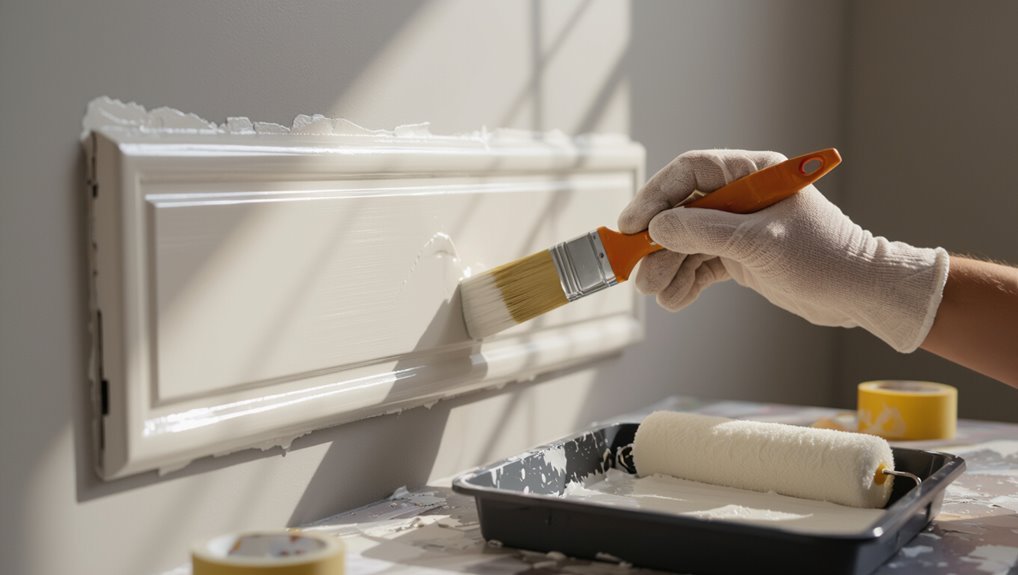
Can you paint plastic wall panels? You can, but you’ll assess panel durability, surface texture, and material type first.
Choose primers and paints suited to plastics, and plan color selection to match light and room size.
Pick primers and paints made for plastic, and choose colors that suit the room’s light and size.
You’ll sand lightly, clean thoroughly, and use adhesion-promoting primer.
Test a small area to confirm bond and finish before painting full panels.
Quick Answer: When Painting Plastic Panels Makes Sense
Three situations make painting plastic panels a smart choice: when panels are faded or mismatched and you want a quick, inexpensive refresh; when you’re updating the room’s style without replacing durable panels; and when you need to correct minor surface blemishes or stains that cleaning alone won’t fix.
You’ll choose painting when panel aesthetics matter and you accept tradeoffs in long-term paint durability versus replacement.
Which Plastic Panels Can You Paint?
If you decide painting is the right fix, the next question is which plastic panels will actually take paint.
If you opt to paint, first determine which plastic panels will reliably accept paint and finish well.
You’ll have success with PVC, ABS, and smooth acrylic panels when you confirm surface compatibility and clean properly.
Avoid polyethylene and polypropylene unless you use special primers.
Match primer and paint to the plastic panel types for lasting adhesion and a professional finish.
How Textured Panels Affect Paint Adhesion
Textured panels change how paint grips the surface, so you’ll need to assess the depth and pattern of the texture before you start.
Deep grooves and heavy textures can prevent full paint penetration and lead to uneven coverage or flaking.
You’ll want to choose techniques and products that improve adhesion and fill or bridge the texture where necessary.
Surface Texture Impact
Surface texture changes how paint bonds to plastic panels, so you’ll need to adjust prep and product choices accordingly.
You’ll assess texture types—smooth, semi-rough, or deeply grained—and choose primers and tack reduction methods.
Focus on adhesion factors like surface energy and mechanical grip.
Sanding, de-greasing, and using a compatible bonding primer improve results without addressing paint penetration specifics.
Paint Penetration Challenges
While you’ve focused so far on sanding, degreasing, and choosing primers for different textures, the way paint actually penetrates those contours makes a big difference in adhesion.
You’ll face paint absorption issues on deep grooves and raised patterns; use targeted surface preparation techniques—scuffing, brushed primer application, and pressure-washable cleaners—to make certain primer wets edges and fills crevices so topcoat bonds evenly and resists peeling.
When Replacing Plastic Panels Is Better Than Painting Them
If panels show severe structural damage, you should consider replacement instead of painting.
You’ll also want new panels when mold or mildew keeps coming back despite cleaning.
Over the long term, replacing panels can be more cost-effective than repeated paint and remediation.
Severe Structural Damage
When damage has compromised the panel’s core—cracks that run through the material, warped sections that no longer sit flush, or panels that crumble under pressure—you’ll want to replace rather than paint, because repairs and coatings won’t restore structural integrity or safety.
Do a damage assessment, weigh repair options, then act.
- Unsafe panels
- Hidden failures
- Load risks
- Lasting solution
Persistent Mold Or Mildew
Because mold and mildew can penetrate textured or aged plastic, you shouldn’t assume a surface cleaning or paint will solve persistent growth.
If recurring colonies resist mildew removal and odor returns, replace panels. You’ll reduce health risks and simplify future mold prevention.
Replacing also restores proper sealing and airflow, which painting can’t reliably achieve when contamination is deep or panels are compromised.
Long-Term Cost Efficiency
Persistent mold or recurring odors often mean replacement will save you money and headaches over time.
You should weigh long term durability and maintenance considerations before repainting.
Replacing can be smarter when damage’s extensive.
Consider:
- Repair vs replacement cost
- Expected lifespan after repaint
- Ongoing maintenance needs
- Health risks and resale value
Choose replacement if savings and longevity clearly win.
Which Paints Work Best on Plastic Panels?
1 key factor in choosing paint for plastic panels is adhesion—pick paints formulated for plastics or those labeled “multi-surface” with adhesion promoters.
You’ll want acrylic or urethane-based paints for strong paint durability and good flexibility.
Look for primers and topcoats compatible with plastics.
Consider available color options and UV resistance, and test a small panel to confirm bonding and appearance before tackling the whole wall.
Choosing the Right Paint Finish for Plastic Panels
When you’re picking a finish for plastic wall panels, think about how the surface will handle light, wear, and cleaning. Glossy finishes hide stains and wipe clean easily but highlight imperfections. Satin provides a balanced sheen and durability for high-traffic areas. Matte minimizes glare while showing more scuffs.
Choose a finish that matches the room’s function and the panel’s texture, and test a sample to confirm appearance and adhesion.
- Glossy: easy cleaning, shows flaws.
- Satin: good balance, boosts panel durability.
- Matte: low glare, hides texture.
- Semi-gloss: tougher for kitchens/bath.
Why Primer Matters for Plastic Surfaces
Before you paint, you’ll need to prep the plastic surface so the primer can bond—cleaning, sanding, and removing oils are nonnegotiable.
Pick a primer formulated for plastic to guarantee adhesion and compatibility with your finish coat.
Follow the maker’s instructions on application and drying times so the paint cures properly and won’t peel.
Surface Preparation Importance
Although plastic panels may look smooth and ready, they won’t hold regular paint without a proper primer; you’ll get poor adhesion, uneven coverage, and peeling over time.
- Clean thoroughly to remove surface contamination issues.
- Sand lightly using proper surface preparation techniques.
- Wipe dust and oils with solvent-safe cloths.
- Inspect for residues before priming to guarantee lasting paint adhesion.
Choosing The Right Primer
Now that you’ve cleaned and sanded the panels, pick a primer formulated for plastics to guarantee the paint bonds and lasts; standard primers won’t grip slick surfaces and will lead to flaking and uneven coverage. Choose from specialty primer types, perform adhesion tests on scrap, and note compatibility with your topcoat.
| Primer | Surface | Notes |
|---|---|---|
| Plastic-bonding | Smooth | Best |
| Adhesion promoter | Vinyl | Spot-test |
| Universal | Mixed | Limited |
Application And Drying Times
Because plastic repels moisture and resists adhesion, you’ll need to apply primer in thin, even coats and allow adequate flash and cure times so the topcoat bonds properly; rushing this step causes peeling, tacky spots, and uneven sheen.
- Wipe, scuff, and degrease.
- Use light, overlapping application techniques.
- Monitor drying conditions: temp and humidity.
- Wait full cure before topcoat to guarantee adhesion and uniform finish.
Which Primers Bond to Vinyl and PVC?
Which primer will actually stick to vinyl and PVC?
Use primers labeled for vinyl bonding or PVC adhesion—typically solvent-based or specially formulated acrylic primers.
Apply a thin, even coat following manufacturer instructions, ensuring surfaces are clean and dry. These primers chemically promote grip and resist peeling.
Avoid generic latex primers; choose products specifically stating vinyl/PVC compatibility for durable results.
How to Test Adhesion (Tape and Solvent Tests)
Before you commit to painting, test adhesion with simple tape and solvent checks to avoid peeling later. You’ll confirm surface preparation worked and that the primer will bond.
Perform these quick steps:
- Clean a small area thoroughly.
- Press strong tape, pull sharply, inspect for lift.
- Rub isopropyl on a hidden spot; look for finish removal.
- Repeat if unsure.
Tools and Supplies You’ll Need to Paint Plastic Panels
Now that you’ve checked adhesion, gather the right tools and supplies so the job goes smoothly.
You’ll need fine-grit sandpaper, tack cloths, degreaser, primer designed for plastics, and suitable paint types (acrylic or spray enamel).
Have brushes, foam rollers, drop cloths, painter’s tape, respirator, gloves, and mixing sticks.
Proper panel preparation saves time and guarantees lasting adhesion.
How to Safely Prepare Your Workspace
Set up a well-ventilated, dust-free area by working outdoors or opening windows and using a fan to direct fumes away; wear a respirator and gloves, lay down drop cloths, and tape off nearby surfaces to protect them from overspray and drips.
- Check workspace lighting.
- Don protective gear.
- Remove clutter and cover floors.
- Position panels for stable, accessible painting.
How to Clean Plastic Panels for Painting
Before you start painting, remove surface dust with a soft brush or microfiber cloth so the finish will stick evenly.
Next, degrease the panels with a plastic-safe cleaner or a mild detergent solution to lift oils and residues.
Rinse thoroughly with clean water and let the panels dry completely before priming or painting.
Remove Surface Dust
Start by wiping the panels with a microfiber cloth to lift loose dust and dirt—this simple step prevents grit from interfering with adhesion and gives you a clean surface to work on.
Use these quick cleaning techniques for dust prevention:
- Work top to bottom.
- Shake out cloths often.
- Use gentle back-and-forth strokes.
- Inspect under light for missed particles.
Degrease With Cleaner
Degrease the panels with a strong cleaner to remove oils, silicone, and other residues that prevent paint from sticking.
Use a solvent-based degreaser or isopropyl alcohol, testing on an inconspicuous spot for different panel types.
Apply with microfiber or lint-free cloths, working in small sections.
Employ targeted cleaning techniques to dissolve contaminants without damaging textured or painted surfaces.
Rinse And Dry Thoroughly
Flush the panels with clean water to remove any cleaner residue and loosened contaminants, paying special attention to seams and textured areas where soap and solvents can hide.
You’ll then follow precise cleaning techniques and drying methods:
- Rinse thoroughly top to bottom.
- Squeegee excess water.
- Pat seams with a microfiber towel.
- Air-dry or use low-heat fans before painting.
How to Sand Plastic Panels Without Damage
Sanding plastic panels without causing scratches or warping means choosing the right grit, tools, and technique from the first pass. You’ll want to work progressively from coarser to finer abrasives, keep the surface cool, and use light, even pressure so you remove material only where needed.
Use wet/dry sandpaper, a sanding block, and circular motions; these sanding techniques aid damage prevention and smooth adhesion.
How to Repair Dents, Seams, and Gouges in Panels
Once you’ve smoothed the surface, you’ll often find dents, seams, or gouges that need filling before painting.
Use panel patching and surface smoothing techniques to guarantee paint adhesion and texture matching.
- Clean area, sand edges.
- Apply filler for dent repair and gouge treatment.
- Sand flush for seam filling.
- Prime and recheck texture before painting.
How to Mask Trim, Outlets, and Fixtures
Before you start painting the panels, mask all trim, outlets, and fixtures to protect them and guarantee clean paint lines. Use Masking Techniques and Precision Taping for Trim Protection and Outlet Coverage. Cover fixtures for Fixture Safety and apply Edge Sealing to prevent bleed. Follow neat lines and remove tape at tack time.
| Item | Action |
|---|---|
| Trim | Tape edges |
| Outlets | Cover plates |
| Fixtures | Wrap securely |
| Edges | Seal tape |
How to Estimate Paint and Primer Quantities
To estimate how much primer and paint you’ll need, start by checking the coverage per gallon on the product labels.
Measure the length and height of each panel to calculate the total surface area, then subtract areas for windows, doors, or large trims.
Divide the net square footage by the coverage per gallon to determine how many gallons to buy, and round up for a safety margin.
Coverage Per Gallon
Coverage per gallon tells you how much surface area a can of paint or primer will actually cover, so you can figure how many gallons you’ll need for your plastic wall panels.
Consider coverage considerations and different paint types when estimating. Do this:
- Check label for sq ft/gallon.
- Account for primer vs paint.
- Factor texture and porosity.
- Add 10–15% waste.
Calculate Surface Area
Now that you’ve figured out coverage per gallon and factored in primer vs. paint and surface texture, you’ll need to calculate the actual surface area of your panels so you can estimate how much product to buy.
Measure each panel’s height and width, add trim and overlaps, and total the square footage.
Use surface area measurement and calculating dimensions to determine gallons needed, then add 10% for waste.
How to Apply Primer to Plastic Panels
Start by cleaning and sanding the panels so the primer can adhere properly: wipe away dust and grease with a mild detergent or isopropyl alcohol, rinse and dry, then scuff the surface lightly with fine-grit sandpaper.
Begin by thoroughly cleaning and lightly scuffing panels—remove dust and grease, rinse, dry, then sand with fine-grit paper.
- Choose primer types suited for plastic.
- Stir and strain before use.
- Apply thin, even coats.
- Allow full flash-off between coats; sand light between layers for best application techniques.
Spray Prime vs Roll or Brush: Which Is Better?
You’ll notice spray priming gives a smoother, faster finish and gets into nooks better than a brush or roller.
But rolling or brushing can be easier to control, waste less material, and feel more practical for small jobs or touch-ups.
Let’s compare the trade-offs so you can pick the best method for your panels.
Spray Primer Advantages
A spray primer gives you speed and an even coat that’s hard to match with a roller or brush, especially on textured or molded plastic panels.
You’ll notice spray technique benefits like uniform coverage and less texture build-up. Consider primer durability comparison and time saved.
- Faster coverage
- Better crevice access
- Smoother finish
- Less brush marks
Roll/Brush Considerations
When deciding between spray-priming and rolling or brushing, weigh speed and finish against control and waste—you’ll get the fastest, most uniform coat with a spray but achieve better edge control and less overspray with a roller or brush.
You’ll prefer roll techniques for large flat panels and brush types (synthetic bristles) for trim.
Work in thin, even layers and sand light between coats for best adhesion.
How Long to Wait Between Primer and Paint
Although paint can feel urgent once the primer’s down, you should wait until the primer is fully dry and tack-free before applying paint.
Although tempting, wait until primer is fully dry and tack-free before painting for best results
Different primer types have varied drying times; check labels.
Follow these steps:
- Read primer types’ instructions.
- Test tack after recommended time.
- Allow extra drying in cool/humid conditions.
- Sand lightly only when completely dry.
How to Apply Paint to Get an Even Coat
If you want an even coat, work in manageable sections, keep a wet edge, and apply consistent pressure so each stroke lays paint evenly.
Use proper painting techniques: load brushes or rollers evenly, avoid overworking edges, and overlap passes by 50%.
Maintain steady speed and pressure during paint application, smooth drips immediately, and check from different angles to catch thin spots before the paint skins over.
When to Choose Spray Painting Over Brushing
Because spray systems atomize paint into a fine mist, you’ll choose spraying when you need fast, uniform coverage over large or textured plastic panels that would show brush marks or take too long with a roller.
Use this spray technique and follow application tips to avoid runs. Consider:
- Large areas
- Detailed textures
- Speed requirements
- Smooth, even finish
How Many Coats Do Plastic Panels Need?
Most plastic panels need two light coats for good coverage and durability, with a third coat only if the color or texture still looks uneven after the second.
You should base the number of coats on panel thickness, original color, and paint opacity. Thinner panels may need gentler application to avoid sagging; test a small area, then apply evenly spaced coats, allowing full drying between coats.
How to Avoid Runs, Drips, and Texture Buildup
Now that you’ve got the right number of coats figured out, you’ll want to prevent runs, drips, and texture buildup that can ruin a smooth finish.
Use run prevention, drip control, texture management, paint consistency, application techniques, drying conditions, environmental factors, primer selection.
- Thin coats
- Proper brush/roller
- Controlled humidity
- Inspect between coats
How to Paint Seams and Edges Cleanly
Before you start, prep seams thoroughly by cleaning, sanding lightly, and filling gaps so paint has a solid surface to stick to.
Use painter’s tape to protect adjacent panels and get a crisp line, pressing it down firmly along the joint.
When you paint, feather the edges smoothly with thin, overlapping strokes to blend the new coat into the old.
Prep Seams Thoroughly
Tackle seams and edges carefully to guarantee your paint job looks seamless and professional.
For seam preparation and thorough cleaning, follow these steps:
- Wipe seams with degreaser to remove oils and dust.
- Sand lightly to create tooth for primer.
- Remove sanding residue with a tack cloth.
- Fill gaps with flexible caulk, then smooth and let cure before priming.
Use Painter’s Tape
1 simple tool—painter’s tape—makes the difference between crisp, professional-looking seams and a sloppy finish; apply it along edges and overlaps to protect adjacent surfaces and guide your brush or roller.
Press the tape firmly for precise tape application, paint up to the edge, and wait until paint is tacky.
Remove slowly at a 45° angle for clean tape removal and sharp lines.
Feather Edges Smoothly
Blend the paint outward from the seam so the new coat fades into the existing finish, creating an invisible shift.
You’ll use feather sanding and careful edge blending to hide joints.
Steps:
- Sand seam lightly with fine grit.
- Wipe dust and tack cloth.
- Apply thin, feathered coat with brush.
- Smooth with light strokes until seamless and dry.
How to Handle Glossy or High-Gloss Panels
Because glossy panels repel paint more than matte surfaces, you’ll need to prepare them carefully before you start painting.
For glossy surface preparation, clean with a degreaser, sand lightly with fine-grit paper, and wipe away dust.
Use a quality bonding primer, then choose high gloss paint options if you want shine; otherwise pick satin for easier touch-ups.
Apply thin, even coats.
How to Repaint Over Previously Painted Plastic Panels
Before you repaint, check how well the current paint is sticking by pressing and scraping a small area to spot any flaking or lifting.
If the old paint’s sound, scuff it lightly with fine sandpaper or a scuff pad to give the new coat something to grip.
If you find loose or peeling paint, strip it back to a stable surface before priming and repainting.
Assess Existing Paint Adhesion
If the panels were painted previously, check how well that coating’s sticking before you do anything else; peeling, cracking, or powdery residue means you’ll need to remove or scuff the old paint.
Do a quick adhesion testing and surface evaluation:
- Visually inspect for flaking.
- Rub with a cloth for powder.
- Press tape, then pull.
- Note soft spots.
Strip Or Scuff Surface
Start by deciding whether to strip the old coating completely or just scuff it for better adhesion; you’ll choose based on how well the existing paint is bonded and how smooth you want the finish.
If paint peels, use striping techniques like chemical strippers or heat carefully.
For sound paint, employ scuffing methods—abrasive pads or fine sandpaper—then clean residue before priming and repainting.
How to Match Color and Hide Panel Texture
When you’re matching paint to plastic wall panels, focus on tone and sheen rather than exact pigment, because slight color differences read less with the right finish and lighting.
You’ll use color matching and texture hiding methods to unify panels.
Steps:
- Clean and prime for adhesion.
- Test small swatch in real light.
- Use mid-sheen paint to minimize texture.
- Sand lightly between coats.
How to Speed Up Drying and Curing Safely
To speed drying and curing, increase air circulation by using fans or opening windows to move fresh air across the panels.
You can also use low heat sources like a distant space heater or hair dryer on a low setting, keeping them well away from the surface to avoid warping.
Always monitor temperature and ventilation so you don’t overheat the plastic or trap solvent fumes.
Increase Air Circulation
Although paint on plastic dries by solvent evaporation and chemical curing, you can speed both processes safely by increasing air circulation around the panels.
Use airflow management and ventilation techniques to control drying without heat.
Try these steps:
- Position fans to move fresh air across panels.
- Open windows for cross-ventilation.
- Remove obstructions near surfaces.
- Rotate fans periodically to avoid stagnant zones.
Use Low Heat Sources
If you need to speed up drying and curing without risking warping or off-gassing, use low, controlled heat sources and monitor temps closely.
You’ll place a fan-forced heater or heated lamp several feet away, keeping surface temps under manufacturer limits.
Combine low heat sources with proper painting techniques: thin coats, light passes, and patience.
Check panels frequently and allow full cure before handling.
When to Use a Protective Topcoat and Which One
When you want long-lasting color, added scratch resistance, or easier cleaning, apply a protective topcoat over painted plastic panels; the choice of topcoat depends on the panel’s location, traffic, and finish you’re after.
Use topcoat types and proper application techniques to match needs:
- Clear polyurethane — durable for high traffic.
- Acrylic sealer — UV resistant.
- Epoxy — heavy-duty gloss.
- Satin urethane — easy cleaning, subtle sheen.
How to Maintain Painted Plastic Panels Long-Term
Because painted plastic panels handle wear differently than wood or metal, you’ll want a simple, regular care routine to keep color and finish looking their best.
For panel care, use gentle cleaning methods, mild detergents and soft cloths.
Follow maintenance tips: routine inspections, damage prevention, controlled environmental factors, and prompt touch up techniques to guarantee long lasting finishes and maximize panel longevity.
Troubleshooting: Peeling, Cracking, or Bubbling
If your paint is peeling, cracking, or bubbling, start by checking whether you prepped the surface properly—contaminants or poor adhesion cause most failures.
Also consider whether you used a paint or primer that’s incompatible with the plastic, since formulations vary widely.
Finally, review the conditions during application and drying (temperature, humidity, and ventilation), because environmental stresses often trigger these problems.
Surface Preparation Errors
Although proper priming and cleaning take extra time, surface prep errors are the most common cause of peeling, cracking, and bubbling on painted plastic panels.
Use surface cleaning techniques and primer application tips to avoid trouble. Follow these steps:
- Degrease thoroughly.
- Sand lightly for adhesion.
- Remove dust completely.
- Apply thin, even primer coats and cure fully.
Incompatible Paint Choice
When you pick a paint that isn’t formulated for plastic, it’s a common cause of peeling, cracking, and bubbling—solvent-based paints can soften certain plastics while water-based paints may not bond, and both can fail without the right primer or adhesion promoter.
If you use incompatible paint, check surface compatibility, strip failing coatings, sand lightly, clean thoroughly, then apply a plastic-compatible primer before repainting.
Environmental Application Issues
Because environmental factors strongly affect paint adhesion, you’ll want to rule them out right after checking compatibility and surface prep.
Check these environmental considerations to prevent peeling, cracking, or bubbling and consider eco friendly options when possible:
- Temperature: avoid extremes during application.
- Humidity: apply at moderate levels.
- Ventilation: guarantee airflow for curing.
- Contaminants: remove dust, oil, and moisture before painting.
How Humidity and Temperature Affect Results
If you paint plastic wall panels while the air’s too humid or the temperature’s off, the finish can dry unevenly, trap moisture under the coating, and lead to blistering or poor adhesion. You should monitor humidity effects and avoid temperature fluctuations; paint within recommended ranges for curing and adhesion.
| Condition | Risk | Action |
|---|---|---|
| High humidity | Blistering | Wait/dry |
| Low temp | Poor cure | Warm room |
| Fluctuating | Adhesion loss | Stabilize environment |
Painting Plastic Panels in Kitchens and Bathrooms
Although kitchens and bathrooms demand extra care, you can successfully paint plastic panels there by controlling moisture, choosing the right products, and preparing surfaces thoroughly.
Follow these focused steps to improve kitchen aesthetics and bathroom upgrades:
- Clean panels with a degreaser.
- Sand lightly and wipe dust.
- Apply plastic primer.
- Use mildew-resistant enamel paint.
You’ll ventilate, seal edges, and let coats cure fully.
Painting Plastic Panels in Basements and Garages
When you paint plastic panels in basements and garages, focus on preventing moisture and dirt from ruining your finish by choosing hardy primers and durable, oil-based or epoxy paints.
These spaces get more temperature swings, dust, and occasional dampness, so prepare, prime, and seal thoroughly before applying topcoats.
You’ll clean, sand lightly, use a bonding primer, and pick colors that improve basement aesthetics while supporting practical garage upgrades.
How to Budget Time and Cost for Your Repaint Project
Anyone tackling a repaint of plastic wall panels should start by mapping time and costs to the job’s scope:
list paneled areas, note access difficulty, and estimate prep, priming, drying, and topcoat times so you can add realistic labor and material costs (primer, paint, sandpaper, tape, drop cloths, and any rental tools) and build in contingency for surprises like extra sanding or replacement panels.
- Time estimation checklist
- Material list and prices
- Labor-hour forecast
- Contingency percentage for cost analysis
Hiring a Pro vs DIY for Painting Plastic Panels
Deciding whether to hire a pro or tackle painting plastic panels yourself comes down to your budget, timeline, and comfort with prep work:
pros bring speed, consistent finish, and problem-solving for issues like adhesion or warped panels, while DIY saves money if you can handle careful cleaning, sanding, and priming.
Do a cost analysis and weigh the project timeline against your skills; choose accordingly.
Common Mistakes That Ruin Plastic Panel Paint Jobs
If you skip proper cleaning or use the wrong paint, you’ll almost certainly end up with peeling, blotches, or an uneven finish that screams “amateur.”
Start by removing dirt, grease, and residue with a plastic-safe cleaner; sanding lightly and using a suitable adhesion primer are non-negotiable.
Remove grime with a plastic-safe cleaner, sand lightly, and always use an adhesion primer for lasting results.
- Ignoring surface preparation reduces paint adhesion.
- Skipping primer causes flaking.
- Applying thick coats leads to drips.
- Neglecting finishing touches ruins appearance.
Quick Checklist Before You Start Painting Plastic Panels
You’ve learned what can go wrong; now make a quick pre-paint checklist to prevent those issues.
Inspect panels for cracks, loose seams, and dirt. Choose compatible paint types and a primer made for plastic.
Test adhesion on a scrap piece and confirm desired panel colors under room lighting.
Gather sandpaper, degreaser, tape, drop cloths, and proper ventilation before you begin.
Frequently Asked Questions
Can Painted Plastic Panels Off-Gas Harmful Chemicals After Curing?
Yes — you might experience off-gassing after curing, especially if the chemical composition releases volatiles; you should choose low-VOC paints, prepare surfaces for strong paint adhesion, ventilate well, and allow extended cure time before occupancy.
Will Painted Plastic Panels Affect Room Acoustics?
Think of a concert hall: you’ll notice painted plastic panels won’t add acoustic absorption; they mostly change sound reflection. You’ll get subtle timbre shifts from finish and texture, but won’t markedly dampen room reverberation.
Can You Wallpaper Over Painted Plastic Panels?
Yes — you can wallpaper over painted plastic panels if you prep the panel surface properly; you’ll need to scuff, clean, prime with a bonding primer, and use strong wallpaper adhesive for reliable wallpaper adhesion and long-lasting results.
Do Painted Plastic Panels Change Fire Rating or Flammability?
Yes — painting can alter fire safety and flammability; you’ll potentially change surface behavior and heat response. You should choose low-flammability coatings and test paint adhesion, since some paints may worsen combustibility or peel under heat.
How Does UV Exposure Fade Paint on Plastic Panels Over Time?
You’ll watch sunlight mock your paint as UV damage breaks binders and pigments, cutting paint longevity and causing color fading; good surface preparation and UV-resistant coatings slow the betrayal, but you won’t stop it entirely.
Conclusion
You can paint many types of plastic wall panels successfully, but prep is everything — lightly sand, clean with TSP or a degreaser, use a plastic primer, then finish with acrylic or enamel paint. Interest point: studies show proper surface prep can increase paint adhesion by up to 90%, so skipping it risks peeling. If panels are heavily damaged or too textured, replace them. Follow the checklist, budget time for curing, and decide DIY or pro based on confidence and complexity.
