
Can You Paint Over Painted Walls? Preparation Tips Explained
Yes — you can usually paint over painted walls, but success hinges on proper prep and existing paint condition. Start by evaluating surface type (latex, oil, plaster, drywall), cleaning dirt and grease, sanding glossy areas, and repairing holes or chips. Test adhesion with tape or a solvent spot check, and use a bonding or stain-blocking primer when needed. Follow manufacturer drying times and protect trim; keep going to learn when to strip, call a pro, or use budget shortcuts.
Can You Paint Over Painted Walls? Quick Guide
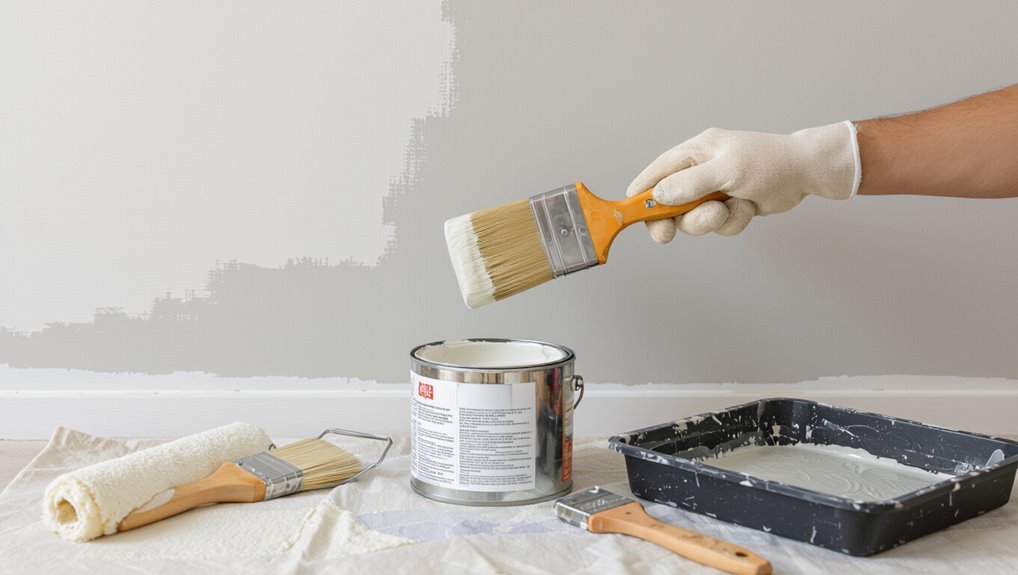
If your walls already have paint, you can usually paint over them—provided you prep properly and choose compatible products.
You’ll assess wall texture, clean, sand glossy areas, and repair chips.
Select primer if needed, then focus on color selection to guarantee coverage and desired finish.
Choose primer when necessary, then pick the right color to ensure full coverage and your preferred finish.
Test a small patch, confirm adhesion, and proceed with appropriate rollers or brushes for even results.
When You Must Strip Old Paint First
If your home was painted before 1978, you need to assume there’s a lead paint risk and take proper testing and abatement steps before repainting.
You should also strip or remove surfaces that are flaking, peeling, or have a chalky finish, because new paint won’t adhere properly.
In both cases, follow safety guidelines or hire a pro to avoid spreading hazardous dust and to guarantee a sound surface.
Lead Paint Risk
When your home was painted before 1978, there’s a real chance the existing layers contain lead, and you should treat them differently than modern paint; don’t just slap a new coat on without testing first. You should test, follow lead paint safety measures, use certified abatement, and hire pros if positive. Table for quick reference:
| Test | Action | Risk |
|---|---|---|
| DIY kit | Preliminary | Moderate |
| Lab | Confirm | High |
| Visual | Inspect | Low |
| Positive | Abate | Very High |
| Negative | Proceed | Minimal |
Flaking Or Chalky Finish
Because flaking or a chalky finish prevents new paint from bonding, you can’t just roll over it—you’ll need to strip or thoroughly remove those unstable layers first.
Inspect for flaking issues and chalky surfaces by rubbing a cloth; loose particulate or powder means sanding, scraping, or chemical stripping is required.
After removal, clean, prime with a bonding primer, then repaint for lasting adhesion.
Identify Your Surface: Latex, Oil, Plaster, Drywall
Before you start painting, figure out what surface you’re working with—latex paint, oil-based paint, plaster, or drywall—since each needs a different prep and primer.
You’ll recognize paint types by sheen and feel; plaster often has hairline cracks and a slightly rough texture, while drywall is smooth with joint tape lines.
Tailor surface preparation: clean, repair, sand, and choose the right primer.
How to Test Paint Adhesion and Compatibility
Before you start painting, you’ll want to check that the existing finish is sound by doing a simple surface peel test on a small, inconspicuous area.
Use a rag with a common solvent to perform a solvent compatibility check and see if the old paint softens or dissolves.
Finally, try an adhesion tape method—press strong tape to the wall, pull it off, and inspect for flaking to confirm the new paint will stick.
Surface Peel Test
A simple surface peel test helps you check whether new paint will stick to an existing finish and whether the two coatings are compatible.
Use tape and a sharp blade to lift a small patch, noting any flakes or adhesion failure for peel detection.
Record results during surface assessment, repeat across the wall, and decide if sanding or stripping is required before repainting.
Solvent Compatibility Check
If the peel test showed any lifting or you just want extra confidence, you should follow with a solvent compatibility check to confirm the existing paint will tolerate your new product.
Test small areas with common solvent types to assess paint compatibility, then observe.
Steps:
- Clean surface
- Apply solvent
- Wait 5–10 minutes
- Rub and inspect for softening or dissolution
Adhesion Tape Method
When you need a quick, reliable check of whether new paint will stick, use the adhesion tape method to test compatibility and bond strength; it’s simple, inexpensive, and gives clear results you can act on.
Clean the area, apply a crosshatch, press quality tape firmly in a controlled tape application, rip sharply, and inspect.
This adhesion techniques test tells you if repainting’s safe.
When to Use a Bonding Primer
Although new paint sticks well to most surfaces, you’ll need a bonding primer whenever the existing finish is slick, glossy, or hard to adhere to.
Use it when you want reliable bonding primer benefits and proper surface preparation.
Consider these cases:
- Glossy enamel
- Previously varnished wood
- Laminate or PVC
- Painted metal
It guarantees topcoat adhesion and durability.
When You Need a Stain‑Blocking Primer
If you’re covering smoke, water, ink, or tannin stains, you’ll need a stain‑blocking primer before repainting.
Choose a solvent‑based or shellac primer for heavy stains and a water‑based stain blocker for milder discoloration.
Apply according to the product instructions—clean the surface, spot‑prime stained areas, then prime the whole wall for uniform coverage.
When To Use One
Because stains can bleed through new paint, you’ll want a stain‑blocking primer whenever discoloration, tannin bleed, smoke, water damage, or heavy marker/ink marks are present on the wall.
Use one when you need to:
- Restore paint durability.
- Even out surface texture.
- Prevent stain transfer.
- Improve topcoat adhesion.
Apply to cleaned, dry areas before repainting.
Types Of Stains
Stains come in many forms, and knowing which kind you’re facing will tell you whether to reach for a stain‑blocking primer. You’ll spot nicotine, water, mold, and grease — each needs different stain removal approaches before priming. Identify stain types, clean what you can, then prime to stop bleed‑through.
| Stain | Source | Action |
|---|---|---|
| Nicotine | Smoke | Clean, prime |
| Water | Leak | Dry, treat |
| Mold | Moisture | Kill, prime |
| Grease | Kitchen | Degrease, prime |
Application Tips
1 simple rule: prep thoroughly before you roll on a stain‑blocking primer. You’ll clean, sand, and mask to guarantee adhesion.
Use proper brush techniques for edges and corners, and follow roller tips for even coverage. Apply thin, overlapping coats and let each cure fully.
Monitor for bleed‑through; recoat with primer where stains persist to lock them out.
Preparing Greasy or Smoky Walls for Paint
If your walls are greasy from cooking or stained by smoke, you’ll need to remove the residue before painting so the new coat will adhere and look even.
Start by wiping with a trisodium phosphate (TSP) solution or a degreasing cleaner to remove greasy residue.
Rinse thoroughly, let dry, and use a primer designed to block stains and smoky odor before painting.
Repairing Cracks, Holes, and Dents Before Painting
Before you grab paint, assess the size and severity of any cracks, holes, or dents so you know what repair materials you’ll need.
Pick a suitable filler—spackling paste for small blemishes, joint compound for larger patches, or wood filler for trim—and apply it according to the product instructions.
Once it’s dry, sand the area smooth and wipe away dust so your new paint will lay down evenly.
Assess Damage Size
Start by measuring and mapping every crack, hole, and dent so you know what repairs are required and how much filler you’ll need.
Perform a damage assessment and size evaluation, then prioritize fixes. Follow this checklist:
- Note length and width
- Record depth
- Group by repair type
- Estimate filler quantity
This lets you plan time, materials, and whether professional help’s needed.
Choose Suitable Filler
Choosing the right filler makes the difference between a seamless repaint and visible flaws, so match the product to the damage and substrate.
Pick spackling for small interior dents, patching compound for larger holes, and epoxy or wood filler for trim.
Read labels for cure time, then follow recommended application methods—trowel, putty knife, or syringe—so repairs bond and hold before priming.
Sand And Smooth
Tackle sanding and smoothing with care to create a flat, paint-ready surface: You’ll repair cracks, holes, and dents using proper sanding techniques and filling, then refine by smoothing surfaces until seamless.
Follow these steps:
- Clean area.
- Apply filler.
- Sand progressively finer.
- Wipe dust and prime.
Do each step thoroughly so paint adheres evenly and flaws disappear.
When and How to Sand Painted Walls
If your painted walls are glossy, peeling, or have visible imperfections, you’ll need to sand before repainting to guarantee the new finish grips and looks smooth.
Choose sanding techniques—manual sanding for small spots, orbital sander for large areas.
Use proper grit selection: start with 80–120 for rough patches, finish with 150–220 for smoothing.
Sand lightly, remove dust, and spot-prime exposed substrate.
How to Clean Walls Quickly and Effectively
Start by removing dust and cobwebs with a dry microfiber cloth or a long-handled duster so you don’t grind grit into the paint.
Focus on degreasing high-touch areas like around light switches, door frames, and the kitchen backsplash using a mild detergent or trisodium phosphate solution.
Once surfaces are clean and dry, you’ll have a better idea of any spots that need spot priming before repainting.
Remove Dust And Cobwebs
A quick sweep with a microfiber duster or a long-handled broom will knock down most dust and cobwebs from painted walls and ceilings, letting you see any stains or sticky spots that need deeper cleaning.
Follow these steps for efficient dust removal and cobweb cleaning:
- Work top-to-bottom.
- Use extendable tools.
- Bag debris immediately.
- Wipe baseboards afterward.
Degrease High-Touch Areas
Because high-touch spots collect oils and grime fast, you’ll want to target them first when cleaning painted walls.
Use gentle cleaning methods: microfiber cloths, warm water, and mild detergent.
For stubborn buildup try commercial degreasing solutions or a diluted trisodium phosphate alternative, testing a hidden area first.
Rinse, dry, and inspect before priming or painting to guarantee proper adhesion.
Removing Mildew and Mold Safely
If you spot mildew or mold on painted walls, act promptly to prevent spread and damage: small patches can be cleaned safely with proper precautions, but larger or recurring growths may mean there’s an underlying moisture problem that needs fixing.
Follow these steps for mildew prevention and safe cleaning:
- Wear PPE (gloves, mask, goggles).
- Ventilate the area well.
- Use diluted bleach or commercial cleaner.
- Dry and repair leaks.
Compare Primers: Bonding vs Stain‑Block vs Standard
When you’re prepping to repaint, choosing the right primer matters: bonding primers grip slick or glossy surfaces so your new paint will adhere.
Stain‑block primers seal tannins, smoke, and water marks so stains won’t bleed through fresh color.
A standard primer works for bare drywall or clean, porous surfaces, but you’ll pick bonding or stain‑block when special problems demand it.
Bonding Primer Uses
Choose a bonding primer when you’re painting over slick, glossy, or previously painted surfaces that resist standard primers—it’s formulated to grip hard-to-stick substrates so your new paint won’t peel or flake.
Use bonding primer benefits and bonding primer applications to guide choices:
- Glossy enamel
- Laminate or PVC
- Painted metal
- Tacky latex finishes
Stain‑Block Primer Benefits
Because stains and odors can bleed through new coats, you’ll want a stain‑blocking primer whenever you’re covering watermarks, smoke, grease, or tannin-rich wood.
It seals various stain types—water, nicotine, ink, and oil—so your topcoat looks uniform.
For best results, follow manufacturer instructions for primer application, allow proper drying, and spot‑check adhesion before painting the entire surface.
How to Choose a Topcoat: Matte, Eggshell, Satin, Semi‑Gloss
What finish do you want people to notice first—the velvety softness of a matte wall or the subtle sheen of satin that brightens a room?
You’ll pick topcoat types based on durability and sheen effects. Consider purpose and style:
- Matte — hides flaws, low reflection
- Eggshell — soft, washable
- Satin — subtle glow, durable
- Semi‑gloss — high durability, easy clean
How Sheen Affects Coverage and Touch‑Ups
When you switch sheens or touch up a wall, the finish changes how much paint you’ll need and how visible repairs will be. You should match sheen types to existing finish: glossier sheens show imperfections and require more precise blending, while flatter sheens hide flaws but clean less. Consider paint durability for high‑traffic areas; test a small patch before full touch‑ups.
| Sheen | Effect |
|---|---|
| Flat | Hides flaws |
| Gloss | Shows flaws |
Calculate Paint and Primer Quantities
Before you buy paint, measure the room and calculate surface area so you know how much paint and primer you’ll need.
Use coverage per gallon to estimate paint quantity and account for doors/windows. Apply primer ratio guidelines for porous vs. sealed surfaces.
- Measure walls
- Subtract openings
- Check coverage
- Add 10% for waste
Tools You Need for Prepping and Painting
Now that you know how much paint and primer to buy, gather the right tools to prep surfaces and get a professional-looking finish.
Collect sandpaper, a sanding block, putty knife, spackle, scraper, caulk and caulk gun, tack cloths, quality rollers and brushes, extension pole, drop cloths, painter’s tape, and a shop vacuum.
Consider a paint sprayer for large areas and a suitable wall primer.
Protecting Trim, Floors, and Fixtures
If you want crisp paint lines and zero drips, protect trim, floors, and fixtures carefully: cover floors with drop cloths or rosin paper, wrap baseboards and window trim with painter’s tape applied tight to the edges, and remove or mask light switch plates, outlet covers, and hardware so paint never touches them.
- Use quality painter’s tape for trim protection.
- Secure floor coverings.
- Mask fixtures.
- Inspect edges before starting.
Paint Application Tips for Smooth, Even Coverage
Start each coat with a clean, well-loaded brush or roller and work methodically in manageable sections so wet edges overlap for a seamless finish.
Use consistent pressure and a light touch to avoid drips and lap marks. Maintain same roller nap, reload often, and back-roll large areas for smooth application and even coverage.
Feather edges and inspect under good light as you go.
How Many Coats Will You Need?
Once your first coat is even and dry, you’ll assess how many additional coats you need based on color change, surface condition, and the paint type.
Decide by coverage and desired paint durability. Consider:
- Same shade over same finish
- Dark-to-light color switch
- Porous or patched surfaces
- High-traffic areas needing extra protection
Aim for minimal coats for efficient coverage.
Drying Times and When to Recoat
Because drying and recoat times vary by paint type, temperature, and humidity, check the manufacturer’s label and plan your schedule accordingly.
You’ll monitor drying conditions—ventilation, heat, and humidity—to guarantee tack-free paint.
For recoat timing, wait the recommended interval; rushing causes lifting or uneven finish.
If unsure, test a small area before full recoating to confirm proper adhesion and appearance.
Fix Common Problems: Peeling, Flashing, Lap Marks
If you encounter peeling, flashing, or lap marks, don’t panic—these issues usually stem from surface problems or application errors and can be fixed with the right prep and technique.
- Scrape and sand peeling paint to sound substrate.
- Clean and prime to address flashing issues.
- Feather edges and adjust thinning for lap mark solutions.
- Match surface texture before repainting for seamless results.
When to Hire a Pro: Lead, Major Repairs, Textured Walls
Those fixes handle a lot, but some situations are better left to professionals.
If your home may have lead paint, stop and get a professional assessment before disturbing surfaces.
Hire a pro for major structural repairs, extensive moisture damage, or complex textured walls where matching or removing texture needs specialized tools and skills.
They’ll guarantee safety, code compliance, and a lasting finish.
Budget‑Friendly Prep Shortcuts That Still Work
When you’re short on time or cash, you can still get a durable paint job by focusing on a few high-impact prep steps: clean greasy spots, sand glossy patches, fill visible holes, and tape trim—skip anything cosmetic that won’t affect adhesion.
Use budget friendly tools and quick cleaning tricks to save time.
- Degrease
- Sand
- Patch
- Tape
How to Maintain Painted Walls for Longer Life
You’ve saved time and money with smart prep; now keep that investment paying off by caring for your painted walls properly.
Regular wall cleaning using a soft cloth, mild detergent, and spot tests prevents stains and grime build-up.
Fix scuffs, touch up chips promptly, control humidity, and avoid harsh cleaners.
These simple habits preserve color, prevent damage, and extend paint longevity.
Quick Pre‑Paint Checklist Before You Start
Start by walking the room and checking for repairs, supplies, and obstacles so you’re ready to work without interruptions.
Then follow this quick checklist to save time and avoid mistakes:
- Inspect walls for damage and clean surfaces.
- Note wall texture considerations that affect paint choice.
- Apply color selection tips and test swatches in light.
- Gather primer, tape, brushes, rollers, drop cloths, and ladders.
Frequently Asked Questions
Can You Paint Over Wallpaper Without Removing It First?
Yes — you can paint over wallpaper in some cases, but it depends on wallpaper types and paint adhesion. You’ll need to clean, repair seams, prime with a bonding primer, and test a small area before fully painting.
Will Painting Over Painted Cabinets Require Different Preparation?
Yes—you’ll prep differently: scuff and clean for cabinet surface preparation, sand glossy finishes, repair dents, and prime bare spots; use paint adhesion techniques like bonding primer and thin coats so your paint sticks, levels, and lasts.
Can You Change Wall Color Dramatically Without Multiple Primers?
Yes—you can, but you’ll often need a stain-blocking or tinted primer for smooth color transformation. Choose paint selection wisely: higher-coverage, quality paints reduce coats, and surface prep guarantees even, lasting results without extra primers.
Is It Okay to Paint in High‑Humidity Rooms Without Ventilation?
No — you shouldn’t paint in a steam‑bath; humidity effects ruin finish and adhesion. You’ll need ventilation solutions like exhaust fans, open windows, or dehumidifiers, or the paint will blister, peel, and dry unevenly.
How Soon After Plastering Can You Paint the Walls?
You can paint after plastering once the drying time is complete—usually 7–28 days depending on thickness and humidity. You’ll check surface texture for firmness and no tackiness, then prime and paint as needed.
Conclusion
Think of your painted wall as a garden bed: you wouldn’t toss seeds onto weeds and expect flowers. Prep is the digging, testing, and amending—stripping when roots (old paint) choke, priming when soil (surface) won’t hold, and pulling stubborn weeds (peeling or incompatible finishes). Do those small, honest chores and you’ll plant a paint job that blooms longer. If you’re unsure or it’s risky, call a pro and protect your yard.
