
Can You Use Chalkboard Paint on Walls? Ideas and Tips
Yes — you can use chalkboard paint on most interior walls if you prep and prime properly, avoid damp or heavily textured surfaces, and follow cure times. It’s great for kitchens, playrooms, offices, and message centers; use multiple thin coats, a foam roller, and light sanding between layers for a smooth finish. Choose low‑VOC paint, season the surface before use, and clean gently to prevent ghosting — keep going and you’ll find practical tips, tools, and troubleshooting steps next.
Can Chalkboard Paint Work on Walls?
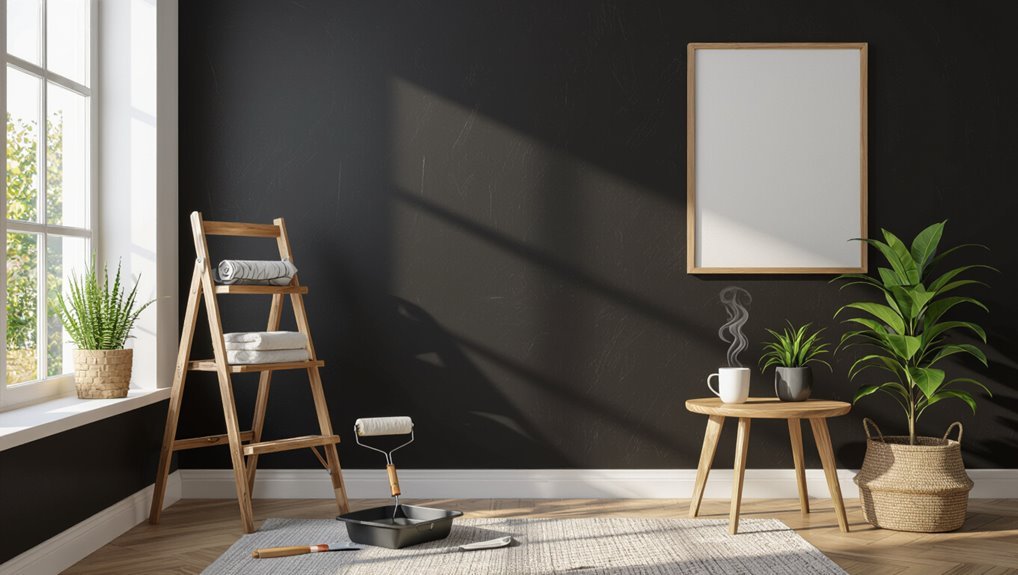
Curious whether chalkboard paint can work on your walls? You’ll find chalkboard durability depends on prep and product; check surface compatibility for smooth, primed drywall, wood, or plaster.
Explore color options beyond black for playful spaces and plan application techniques like sanding, priming, and multiple thin coats.
Consider creative uses for notes, art, and organization, plus simple maintenance tips to preserve the finish.
Best Rooms for Chalkboard-Painted Walls
Think about using chalkboard paint where it’ll get the most use: a kitchen message center for grocery lists, menus, and family notes.
You can also turn a kids’ playroom wall into a reusable drawing surface that encourages creativity and keeps markers off the furniture.
Both spots are practical, easy to update, and great for daily family interaction.
Kitchen Message Center
When you paint a section of your kitchen with chalkboard paint, it instantly becomes a practical hub for grocery lists, meal plans, and quick notes to the family.
Use it for kitchen organization: jot family notes, stick recipe reminders, and sketch creative art to brighten the space.
Mount a small shelf for chalk and magnets so everyone can contribute and stay organized.
Kids’ Playroom Wall
If you want a space where creativity can run wild, paint one wall in the playroom with chalkboard paint—kids can draw, practice letters, and erase mistakes without worry.
You’ll enable interactive spaces for educational purposes, creative designs, and playful themes.
Consider wall placements, color combinations, texture variations, and safety considerations so the area stays inspiring, durable, and child-friendly.
When Not to Use Chalkboard Paint
Don’t use chalkboard paint in high-moisture areas like bathrooms or laundry rooms because the finish can peel or mildew.
Skip textured or uneven surfaces since the chalk won’t write cleanly and the paint won’t adhere smoothly.
Also avoid applying it over historic or delicate finishes where removal could damage the original surface.
High-Moisture Areas
Although chalkboard paint’s matte finish looks great, you shouldn’t use it in constantly damp spots like showers, saunas, or outdoors where it’ll face heavy rain.
Dampness causes chalk to smear and paint to peel. Instead, choose moisture resistant options for cabinets or framed boards, improve wall ventilation, or pick waterproof surfaces.
That protects finish and keeps markings usable.
Textured Or Uneven Surfaces
When surfaces are rough, bumpy, or heavily textured, chalkboard paint won’t give you a smooth, writable finish and will highlight every imperfection instead of hiding it.
You shouldn’t coat textured surfaces or areas prone to uneven applications. Chalk clings, smudges, and skips on ridges, so prep or choose alternatives instead of forcing a finish that’ll look patchy and frustrate regular use.
Historic Or Delicate Finishes
If you’re dealing with antique wood, plaster, or original period finishes, resist the urge to slap chalkboard paint over them—doing so can permanently damage historic surfaces and erase craftsmanship you can’t replace. You should prioritize historic preservation and avoid altering delicate surfaces; consult a conservator instead.
| Surface | Risk |
|---|---|
| Antique wood | High |
| Original plaster | High |
| Decorative trim | Severe |
| Painted murals | Irreversible |
Which Wall Materials Accept Chalkboard Paint
Most interior wall surfaces can take chalkboard paint, but the prep and finish you use depend on the material: drywall and plaster accept paint easily with light sanding and a primer; wood needs a smooth, sealed surface;
brick, concrete, and cinderblock require extra priming and possibly a masonry-specific formula; and textured or glossy surfaces often need sanding or a skim coat to guarantee proper adhesion and a usable writing surface.
Chalkboard compatibility, Surface preparation, Application techniques, Paint durability, Color options, Finish variations, Usage tips, Maintenance routines.
Can You Paint Over Existing Wall Surfaces?
Although you can paint chalkboard paint over many existing wall surfaces, the success depends on the current finish and how well you prepare it; glossy, peeling, or heavily textured coatings need more prep than flat, clean paint.
You should assess adhesion, sand or prime as needed, and perform paint compatibility testing on a small area.
Proper wall surface preparation guarantees durable, smooth chalkboard results.
How to Measure and Plan a Chalkboard Wall
Before you mark your wall, map the space and decide how big and where the chalkboard will be so you can account for sightlines, furniture, and outlets.
Use precise wall measurements and measurement techniques to set chalkboard dimensions.
Measure walls precisely and use accurate measuring techniques to determine exact chalkboard dimensions.
For planning layout and chalkboard placement, factor in space considerations, vertical clearances, and mounting height.
Tie this into design planning and basic wall preparation for a clean result.
Tools and Chalkboard Paint Supplies You’ll Need
You’ll want the right brushes, rollers, painter’s tape, and sandpaper to get a smooth, durable chalkboard finish.
Also gather surface supplies like primer, chalkboard paint, and optional sealer plus chalk and chalk markers for testing and use.
With those items ready, you can move on to prep and painting with confidence.
Essential Painting Tools
You only need a few key tools to get professional-looking results when painting a chalkboard surface: a good-quality roller (foam or short-nap), a mini roller frame and tray, angled brushes for edges, fine-grit sandpaper, painter’s tape, a tack cloth, and a primer or deglosser if the surface is glossy.
Keep painting techniques simple and follow tool maintenance tips.
- Roller and tray
- Angled brush
- Sandpaper and tack cloth
- Painter’s tape
Chalkboard Surface Supplies
Now that you’ve got the basic tools sorted, let’s look at the specific supplies that make a chalkboard surface work: quality chalkboard paint (latex or oil-based), primer or deglosser for glossy substrates, mixing sticks, a small funnel or pour spout, disposable liners for your tray, and a selection of chalks or chalk markers.
For proper chalkboard surface preparation, grab sandpaper, tack cloths, painter’s tape, and test swatches to compare chalkboard paint finishes.
Prep: Cleaning, Sanding, and Filling Holes
Before you paint, clean the surface thoroughly, sand smooth, and fill any holes so the chalkboard finish adheres evenly and looks professional.
Before painting, clean thoroughly, sand smooth, and fill holes so the chalkboard finish adheres evenly and looks professional.
You’ll do a wall assessment, follow a preparation timeline, wear protective gear, and use cleaning techniques, sanding methods, and appropriate filling materials to address surface imperfections.
Use a project checklist to stay efficient.
- Inspect edges
- Remove dust
- Patch holes
- Sand smooth
Priming Walls for Chalkboard Paint (When and How)
Before you roll on chalkboard paint, decide if your wall needs a primer — high-porosity surfaces, dramatic color changes, or stains usually do.
Pick a primer formulated for the substrate (drywall vs. wood) and for bonding to smooth finishes so your chalkboard coat adheres evenly.
Prepare the surface by cleaning, sanding glossy spots, and filling imperfections so the primer creates a uniform base.
When To Prime
If your wall is new, has bare drywall, or shows stains or patching compound, you should prime it before applying chalkboard paint to guarantee even adhesion and a smooth finish.
Prime when surfaces are porous, repaired, stained, or previously glossy. Use proper priming techniques and appropriate primer types to prep the surface.
- Porous drywall
- Stained areas
- Fresh repairs
- Glossy paint
Choosing The Right Primer
When you’re priming a wall for chalkboard paint, pick a primer that matches the surface and the finish you need: use a high-adhesion or bonding primer for glossy or slick surfaces, a stain-blocking primer for patched or discolored areas, and a standard latex primer for fresh, porous drywall.
Choose primer types carefully, follow recommended application techniques—roller for even coverage, brush for edges—and allow proper dry time before painting.
Proper Surface Preparation
Prep your walls properly so your chalkboard paint bonds well and gives a smooth, durable finish.
You’ll do surface cleaning, wall inspection, and choose primer selection based on substrate. Use sanding techniques for adhesion, follow paint application steps, and plan finishing touches.
Establish a maintenance routine to preserve chalkboard aesthetics.
- Clean and degrease
- Sand and patch
- Prime appropriately
- Cure before use
Apply Chalkboard Paint Smoothly: Step-by-Step
Start by gathering your tools: a quality foam roller, angled brush, fine-grit sandpaper, tack cloth, painter’s tape, and the chalkboard paint of your choice.
Clean and tape edges, sand lightly, and wipe dust with the tack cloth.
Apply thin, even coats for proper chalkboard paint application, allow full drying between coats, and sand between layers.
Finish with recommended paint finish techniques and cure time.
Roll, Brush, or Spray: Which to Choose?
If you’re covering a big wall, you’ll want a roller to speed the job and keep coverage even.
For smaller or detailed spots a brush gives control, but spraying delivers the smoothest, most professional finish.
Consider surface size and the look you want when you pick your method.
Roll For Large Areas
For large chalkboard surfaces you’ll usually want a roller — it covers fast, lays down an even coat, and minimizes visible texture compared with a brush.
You’ll prep properly: focus on wall surface preparation and choose roller nap for your chalkboard paint applications. Use smooth, overlapping strokes and keep a wet edge.
- Work in sections
- Maintain consistent pressure
- Feather edges
- Allow proper curing time
Spray For Smooth Finish
When you want the sleekest, most uniform chalkboard surface, spraying gives the smoothest finish and hides roller or brush marks better than other methods.
You’ll achieve a smooth application with even coats and minimal texture. Use light, overlapping passes, maintain consistent distance, and sand lightly between coats.
Spraying’s finish techniques suit detailed areas and offer the cleanest result.
How Many Coats of Chalkboard Paint Are Needed?
Most chalkboard paint jobs need two coats to achieve a smooth, fully opaque surface, though lightly pigmented primers or high-coverage formulas can cut that to one.
Most chalkboard paint needs two coats for full, even coverage, though high-coverage primers may allow one.
You’ll judge by paint application and coverage considerations: if streaks or thin spots show, add a coat.
Follow these quick tips:
- Roll thin, even coats
- Sand light between coats
- Use quality brushes/rollers
- Test opacity before stopping
Drying and Curing Times Before First Use
Expect chalkboard paint to feel dry to the touch within 30 minutes to an hour, but don’t use the surface for writing or heavy handling until it’s fully cured—usually 24 to 72 hours for water-based formulas and up to 7 days for oil-based versions.
Use gentle drying techniques like increased airflow and moderate heat, and follow recommended curing methods; avoid heavy contact until full cure guarantees durability and scratch resistance.
How to Season a New Chalkboard Wall Correctly
After your chalkboard paint has fully cured, you’ll want to season the surface so chalk writes smoothly and wipes clean without leaving permanent marks.
You’ll rub a full-length layer of chalk, then erase gently to set the finish. Good seasoning techniques extend life and improve chalkboard care.
- Use side of chalk
- Work in small sections
- Erase with a dry cloth
- Finish with damp wipe
Chalk Types: Regular Chalk, Chalk Markers, Liquid Chalk
Someone working on a chalkboard project will want to choose between regular chalk, chalk markers, and liquid chalk based on finish, durability, and ease of cleaning.
You’ll find chalk styles vary: dusty sticks give soft shading, markers deliver vivid, precise lines, and liquid chalk blends permanence with bold color.
Consider chalk durability for frequent use and choose accordingly to match your surface and needs.
How to Write and Erase on Chalkboard Paint
When you write on chalkboard paint, use the right tool and pressure to get a clean line without scratching the surface: practice writing techniques and gentle strokes, then use proper erasing methods to avoid ghosting.
- Use soft chalk or markers for crisp lines
- Apply light, steady pressure
- Erase in circular motions
- Recondition surface by rubbing chalk evenly
Cleaning Solutions and Stain-Removal Tips
Keep your chalkboard paint looking fresh with a quick daily wipe to remove dust and ghosting.
For tougher chalk stains, you can tackle them with a gentle scrub using a soft sponge and a targeted stain remover or diluted vinegar solution.
I’ll also show safe homemade cleaners you can make from common household ingredients to protect the surface while removing buildup.
Daily Chalkboard Cleaning
Although daily chalkboard cleaning might seem simple, a consistent routine keeps your board ghost-free and extends its finish.
Use daily chalkboard care and follow practical chalkboard maintenance tips: wipe with a microfiber cloth, dampen occasionally with a mild soap solution, season by rubbing chalk sideways, and avoid abrasive cleaners.
These steps prevent buildup and preserve the paint.
Tough Chalk Stain Removal
If stubborn white haze or colored smudges won’t budge with your usual wipe-down, tackle them with targeted cleaners and techniques to restore the surface without damaging the paint.
You’ll blot excess chalk, use a soft scrubber, and test cleaners in an inconspicuous spot.
Rinse thoroughly, dry flat, and reseason if needed.
Proper chalkboard care and stain prevention keep walls looking crisp longer.
Safe Homemade Cleaners
When you need a gentle, effective way to clean chalkboard paint, simple homemade solutions often work better than harsh chemicals.
Use eco friendly solutions and natural ingredients to make non toxic alternatives. Try effective recipes and DIY sprays with safe formulas for green cleaning, budget friendly options, homemade concoctions, and sustainable practices.
- Vinegar-water spray
- Baking soda paste
- Castile soap solution
- Rubbing alcohol spot-cleaner
Fixing Scratches, Chips, and Touch-Ups
Because chalkboard surfaces get daily wear, you’ll want a quick, reliable routine for fixing scratches, chips, and small blemishes before they spread.
You’ll use scratch repair products, chip restoration with thin coats, and simple touch up techniques.
Prioritize surface preparation, color matching, and maintenance tips: clean, sand lightly, apply thin paint, cure fully, then condition with chalk to blend repairs.
Childproofing and Safety With Chalkboard Walls
When you’re planning chalkboard walls, pick non-toxic, low-VOC paint so kids aren’t exposed to harmful fumes.
Add protective measures like rounded trim, soft bumpers, and a clear washable sealant to prevent scratches and make cleaning safer.
Check that chalk and erasers are dust-free options and store them out of reach when not in use.
Safe Paint Choices
Although chalkboard walls bring creativity to a room, you’ll want paint that’s non-toxic, low-odor, and durable enough to withstand little hands and frequent cleaning.
Choose eco friendly options and non toxic alternatives, and follow these tips to keep kids safe:
- Pick certified low-VOC or zero-VOC paints
- Prefer water-based chalkboard formulas
- Buy from reputable brands with safety data
- Ventilate during application and drying
Protective Surface Measures
If you’re installing a chalkboard wall where kids play, take deliberate steps to make the surface and surrounding area safe: add rounded trim or corner guards, mount the board at a height that avoids head bumps, and secure any chalk or erasers in a closed container out of reach.
Apply non-toxic protective coatings and surface sealing to reduce dust, make cleaning easy, and prevent scratches.
Common Mistakes to Avoid With Chalkboard Paint
Because chalkboard paint seems simple, it’s easy to overlook small mistakes that ruin the finish or functionality. You’ll want to avoid common chalkboard paint mistakes and application errors by prepping, using proper tools, and curing time.
- Skipping primer or poor surface prep
- Thick, uneven coats
- Painting in high humidity
- Not seasoning the board before use
Cost Breakdown: DIY vs. Professional Installation
Avoiding common mistakes saves time and money, but you’ll still need to weigh whether to tackle a chalkboard paint project yourself or hire a pro.
For a clear cost comparison, list materials, primer, paint, tools, and time versus professional labor, prep, and warranty.
Factor in budget considerations like surface repairs and finish quality to decide which route gives the best value.
Upgrading or Removing a Chalkboard-Painted Wall
When you decide it’s time to upgrade or remove a chalkboard-painted wall, plan the steps before you start so you don’t create extra work; assess the surface, test how stubborn the paint is, and choose whether you’ll cover it with new paint, wallpaper, or strip it back to the substrate.
Consider chalkboard removal, wall upgrades, design considerations, and chalkboard alternatives.
- Test adhesion and clean first
- Sand or prime as needed
- Match new finish to room
- Use peelable coverings for temporary changes
Design Ideas for Kitchens, Offices, and Kids’ Rooms
If you want a functional focal point, use chalkboard paint to add menu lists in the kitchen, project planning walls in the office, or creative zones in kids’ rooms—each space benefits when you tailor size, location, and accessories to how you live and work.
In kitchens use chalkboard for kitchen organization; in offices for timelines and notes; in kids’ rooms for creative writing, educational games, and interactive art.
Create Framed, Grid, or Mural Chalkboard Areas
Think about framing a chalkboard area to give it structure, laying down a grid for neat lists and calendars, or stretching a mural for big, expressive artwork—each approach shapes how the surface gets used.
Frame, grid, or mural—each chalkboard treatment guides use, from tidy schedules to bold, expressive art.
You’ll use framed designs, grid patterns, mural themes, creative borders, layered colors, personalized messages, educational tools, and decorative accents.
- Framed designs for focal points
- Grid patterns for schedules
- Mural themes for impact
- Creative borders with layered colors
Combine Chalkboard Paint With Other Wall Treatments
Pairing chalkboard paint with other wall treatments lets you create layered, functional surfaces that suit any room—try a chalkboard accent framed by shiplap, a chalk-painted stripe over wallpaper, or a magnetic primer base beneath a chalk finish for holding notes and artwork. Use chalkboard paint combinations for contrast and try design layering to define zones.
| Treatment | Benefit |
|---|---|
| Shiplap | Texture |
| Wallpaper | Pattern |
| Magnetic | Function |
| Paint Stripe | Accent |
Seasonal and Long-Term Maintenance Checklist
Now that you’ve explored combining chalkboard paint with other finishes, keep those surfaces looking and working their best with a seasonal and long-term maintenance checklist.
You’ll schedule simple seasonal maintenance and plan long term upkeep to preserve finish, prevent ghosting, and maintain adhesion.
- Wipe monthly with a damp microfiber
- Deep clean each season
- Recondition with chalk rub annually
- Inspect edges for touch-ups
Quick Troubleshooting: 10 Problems and Fixes
If you run into common issues with your chalkboard paint, this quick troubleshooting guide will help you diagnose and fix them fast.
You’ll learn to remove ghosting, smooth brush marks, fix bubbling, and reseal edges to preserve chalkboard paint benefits and chalkboard paint longevity.
Follow simple fixes: clean, sand, recoat thinly, cure properly, and condition surface to restore performance.
Inspiration and Next Steps to Start Your Chalkboard Project
When you’re ready to start, pick a project that matches your space and skill level—whether it’s a small framed art piece, a pantry door, or a whole wall—and gather the right supplies so you won’t be interrupted mid-job.
Use creative designs, clear project planning, and test samples. Consider purpose, scale, finish, and maintenance.
- Sketch ideas
- Measure carefully
- Buy quality paint
- Prep thoroughly
Frequently Asked Questions
Can Chalkboard Paint Affect Indoor Humidity or Mold Growth?
Yes — chalkboard paint can slightly trap moisture on porous surfaces, but it won’t change overall humidity levels; you should focus on ventilation and mold prevention measures to avoid localized mold growth on painted walls.
Will Chalkboard Paint Off-Gas Odors Harmful to Pets?
Yes — some chalkboard paints can off-gas temporarily; you should prioritize pet safety, guarantee paint ventilation, use low-VOC formulas, open windows, run fans, and keep pets away until fumes dissipate for at least 48–72 hours.
Can You Use Chalkboard Paint on Ceilings?
Yes — you can use chalkboard paint on ceilings for ceiling applications; you’ll need ladder safety, proper ventilation, and roller technique. You’ll create fun, creative designs like night-sky murals or kids’ doodle zones above their beds.
Does Chalkboard Paint Interfere With Electrical Outlets or Switch Plates?
Like a careful painter, you won’t usually have problems: chalkboard paint doesn’t affect electrical safety if you avoid coating contacts. You’ll guarantee outlet compatibility by masking plates, removing covers, and keeping paint off terminals and wiring.
Are There Chalkboard Paints Suited for Outdoor Exposure?
Yes — you can use chalkboard paint options formulated for outdoor durability; you’ll choose weatherproof, UV-resistant products or apply clear protective sealers, and you’ll prep surfaces and follow manufacturer instructions for best long-term performance.
Conclusion
Chalkboard paint can be a clever option for many rooms — just know its limits before you plunge in. If you’re after easy updates, it’s a forgiving choice; if you need pristine elegance, you might prefer something less hands-on. Think of it as a playful compromise rather than a permanent declaration: plan your surface, prep carefully, and keep up with gentle maintenance. Start small, see how it grows on you, and enjoy the mess-free mischief.
