
Can You Wash Wall Paint Down the Drain? The Safe and Legal Answer
You shouldn’t wash wall paint down the drain. Water-based paint in tiny, diluted amounts may be rinsed with lots of water, but even that can clog pipes, harm local waterways, and violate disposal rules. Oil-based and specialty paints are hazardous and must go to a household hazardous waste facility or be solidified and trashed per local laws. Stop further discharge, contain spills, and follow local guidance — keep going and you’ll learn safe alternatives, cleanup steps, and legal tips.
Quick Answer Can You Wash Wall Paint Down the Drain?
Short answer: you shouldn’t wash paint down the drain unless it’s strictly water-based and in very small, rinsed-off amounts.
Oil-based paints and significant quantities of any paint can clog pipes and harm sewage systems, so professionals and homeowners must handle them differently.
When in doubt, dispose of leftover paint through local hazardous waste programs rather than rinsing it away.
Short direct answer for homeowners and professionals
One clear rule applies: don’t wash paint down the drain.
If you’re asking “can you wash wall paint down the drain,” the short direct answer is no for both homeowners and professionals.
You’ll contaminate plumbing and wastewater systems, risk fines, and create costly clogs.
Collect excess paint, wipe brushes, and dispose of waste per local hazardous-waste rules to stay compliant and protect drains.
When the short answer differs (oil-based vs water-based)
While the blanket rule is “don’t wash paint down the drain,” the practical risks differ: you can rinse small amounts of water-based paint with plenty of water because it’s low-toxicity and biodegradable, but avoid large volumes.
Oil-based paint, solvents, and cleanup rags are hazardous — don’t pour them down drains. For oil-based wastes, follow local hazardous-waste disposal rules or take them to a collection site.
Why This Matters Environmental, Legal, and Plumbing Risks
You shouldn’t wash paint down the drain because it can contaminate waterways and harm wildlife.
You could also face fines or other legal penalties if local, state, or federal rules prohibit improper disposal.
And flushing paint can clog pipes and ruin septic systems, costing you expensive repairs.
Environmental impact of paint disposal
Because paint contains chemicals and solids that don’t belong in waterways or sewer systems, washing it down the drain can harm the environment, violate regulations, and clog plumbing.
You should manage leftovers responsibly to protect ecosystems and water quality.
- Toxic runoff harms aquatic life
- Sediment smothers habitats
- Persistent chemicals bioaccumulate
- Treatment plants get overwhelmed
- Soil contamination risks groundwater
Legal and regulatory consequences (local, state, national)
If local ordinances, state laws, or federal regulations ban disposing paint down the drain, you’ll face more than just guilt—the consequences can include fines, mandated cleanup, and even criminal charges for repeated or egregious violations.
You’ll also risk civil liability if contamination harms neighbors or waterways, lose business permits, and trigger costly inspections or remediation orders from environmental agencies enforcing hazardous-waste rules.
Plumbing and septic system damage risks
When paint—especially oil-based or heavily pigmented latex—goes down drains, it can coat pipes, clog traps, and foul septic tanks and leach fields, leading to slow drains, backups, and costly repairs you’ll be responsible for.
You’ll risk corroding pump components, disrupting bacterial treatment, and causing sewage overflows.
Avoid pouring paint; collect waste and dispose of it at hazardous or household chemical facilities instead.
Basic Understanding Types of Wall Paint and Their Properties
You should know the basic types of wall paint because their chemistry affects how hazardous they’re and how they behave in drains.
Water-based (latex/acrylic) paints are mostly water with pigments and polymers but can still contain biocides and solids that clog pipes or harm sewage treatment.
Oil-based, solvent-based, epoxy, and lead-containing specialty paints carry stronger solvents, persistent toxins, or hard-to-treat resins that require special disposal to avoid plumbing and environmental damage.
Water-based (latex/acrylic) paint: composition and hazards
Water-based paints—commonly sold as latex or acrylic—are made from pigments suspended in water with binders (like acrylic polymers), coalescing agents, and minimal solvents, so they dry into a flexible, water-resistant film.
You’ll find low VOCs, reduced flammability, and easier cleanup, but they still contain preservatives and additives that can harm aquatic life and clog drains, so dispose responsibly.
Oil-based paint: composition and hazards
Oil-based paints use organic solvents—like mineral spirits or turpentine—to suspend pigments and alkyd or phenolic resins that form a hard, durable film as the solvents evaporate.
You should know they release volatile organic compounds (VOCs), smell strong, and can irritate eyes, skin, and lungs.
Cleanup requires solvents; spills and rinses can contaminate drains, soil, and groundwater, so handle and store carefully.
Specialty paints (lead-containing, solvent-based, epoxy) and disposal concerns
Beyond common interior paints, some specialty formulations pose greater health and disposal risks and need different handling.
If you encounter lead-containing, high-solvent, or epoxy paints, don’t pour them down drains. They’re toxic, often regulated, and can contaminate water or harm workers.
Follow label instructions, use hazardous-waste drop-off, or contact local authorities for safe, legal disposal options.
How paint behaves in drains and wastewater systems
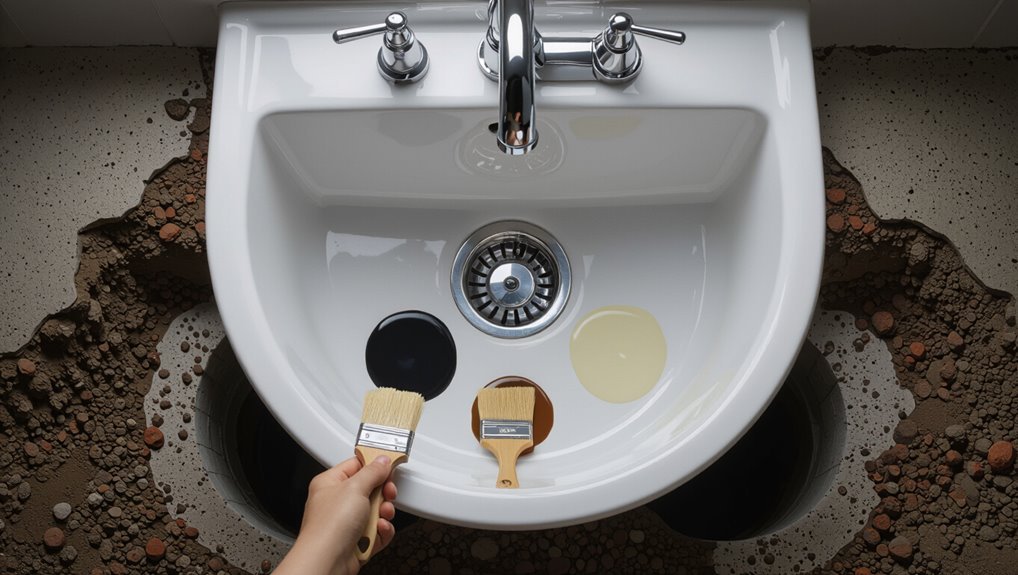
When paint goes down a drain, its ingredients separate and interact with the plumbing and wastewater systems in different ways depending on the formulation.
Water-based paint can clog pipes as solids settle and harms treatment microbes.
Oil or solvent-based paints resist breakdown, coat pipes, and contaminate sewage.
Heavy metals and resins persist, risking biosolids and waterways, so you should never rinse significant amounts down drains.
Safe Disposal Options What You Should Do Instead
Don’t pour paint down the drain—instead, dry or solidify small amounts with cat litter, sawdust, or commercial absorbents so you can toss them in the trash.
For larger quantities, use curing agents or take the paint to a household hazardous waste (HHW) drop-off or municipal collection event—check your city’s website for locations and rules.
If the paint’s usable, donate it or find a community paint-reuse program to avoid waste.
Drying and solidifying small amounts
If you’ve only got a small amount of paint left in a can, you can safely dispose of it by drying and solidifying it first so it won’t spill or leach chemicals.
Let the paint harden in a well-ventilated area, then remove the lid and check dryness before trashing.
Consider these steps:
- Leave can open in sunlight or warm air
- Stir occasionally to expose wet parts
- Wear gloves and mask
- Keep away from pets and kids
- Double-check that paint is fully solidified before discarding
Curing agents and absorbents to solidify paint (products and usage)
One of the quickest ways to solidify leftover paint is to add a commercial curing agent or an absorbent product designed for that purpose; these products speed drying and turn wet paint into a non‑liquid mass you can toss in the trash.
Follow label directions, wear gloves and a mask, stir in recommended amounts, wait until fully hardened, then place the solidified paint container in regular trash per local rules.
Household hazardous waste (HHW) drop-off: how to find and use local facilities
Where can you take leftover paint you can’t dry out or solidify?
Use local household hazardous waste (HHW) drop-off sites for safe disposal. Find them online or via your city, then prepare paint properly and follow site rules.
- Search your city or county website
- Call public works or environmental services
- Check accepted materials list
- Bring containers sealed and labeled
- Follow staff instructions
Municipal collection events and requirements
When you’ve got leftover paint that’s too much for curbside pickup or HHW drop-offs, municipal collection events give you a safe, scheduled option to hand it over to trained staff. Check dates, registration, and accepted types; bring containers sealed and labeled. Staff will guide disposal or transport.
| What to bring | What to expect |
|---|---|
| Sealed cans, ID | Screening, sorting |
| Registration proof | Proper handling |
Recycling and reusing leftover paint (donation, community paint programs)
If you’ve got usable leftover paint, don’t toss it—donate or recycle it through local programs so it gets reused instead of becoming hazardous waste.
Check with community paint banks, Habitat for Humanity ReStores, or municipal reuse centers that accept sealed cans.
Label color and condition, arrange drop-off or pickup, and consider sharing on local swap groups.
Reuse saves money and prevents pollution.
If Paint Has Already Gone Down the Drain Immediate Actions and Cleanup
If paint’s already gone down the drain, stop any further discharge and remove as much wet paint from the sink and surrounding area as you can with rags or a dustpan.
Wear gloves and eye protection while you contain and scrape away cured paint with appropriate tools, then bag and dispose of the material per local rules.
If you suspect a blockage, strong fumes, or a connection to a septic or municipal system, call a plumber or your local hazardous-materials team and avoid running water until they advise.
Step 1: Stop further discharge and remove excess from sink or drain area
Act quickly to stop more paint from entering the drain and remove as much excess as you can from the sink or surrounding area.
Use gloves and paper towels to blot and scoop up liquid paint, avoiding rinsing.
Contain runoff with absorbent materials and seal waste in bags for disposal.
- Put on gloves
- Blot, don’t rub
- Scoop pooled paint
- Block sink overflow
- Bag contaminated materials
Step 2: Contain and remove cured paint physically (tools and safety)
Once you’ve stopped fresh paint from spreading, focus on removing any paint that’s already cured in or around the drain using the right tools and safety gear.
Put on gloves, eye protection and a mask. Use a plastic scraper, disposable wipes, and nylon brush to loosen residue.
Collect chips with a dustpan and seal them in a labeled bag for proper disposal.
Step 3: When to call a plumber or hazardous materials team
Because dried or large volumes of paint in your drain can cause serious clogs and contamination, call a plumber or hazardous materials team when you can’t remove the paint with household methods or when the paint contains oil, solvents, or heavy metals.
You should also call if you detect strong fumes, spreading stains, persistent drainage issues, or if local disposal rules require professional handling.
Interim measures to protect septic systems and municipal connections
If paint has already gone down the drain, take immediate steps to limit spread and contamination—stop using water on that line, block off downstream fixtures if you can, and shut off valves that isolate the affected section from your septic tank or the main sewer connection.
Then contain runoff with absorbent pads, collect visible residue with disposable rags, avoid flushing solvents, notify your waste authority, and arrange professional cleanup.
How to Clean Paint Tools Without Pouring Down the Drain
When you’re done painting, don’t rinse tools down the drain; instead flush water-based brushes and rollers in a bucket, squeeze and repeat until the runoff is clear.
Then let solids settle and dispose of the residue per local rules.
For oil-based paints, you’ll need step-by-step cleaning with an appropriate solvent—work in a well-ventilated area, use gloves, swish tools in a refillable solvent container, strain the used solvent through a fine filter, and store it for reuse or proper disposal.
If you’re working on-site as a contractor, set up filtration and solvent-recovery systems to capture paint solids and recycle solvents rather than releasing contaminants into the sewage system.
Cleaning brushes and rollers for water-based paint
Cleaning brushes and rollers after using water-based paint is simple and doesn’t have to involve dumping paint or rinse water down the drain.
Rinse tools in a bucket, agitate to remove paint, then pour cloudy water into a sealable container to let solids settle.
Pour off clear water for disposal or reuse, dry tools, and compost or trash the settled paint solids per local rules.
Cleaning brushes and rollers for oil-based paint (step-by-step and solvent handling)
Oil-based paint needs stronger solvents and tougher handling than water-based products, so you’ll want a clear step-by-step routine that keeps solvents out of drains and away from the environment.
Work outside or in a ventilated area, pour minimal solvent into a sealed container, agitate brush/roller, let solids settle, pour clear solvent for reuse, dispose sludgy residue and used rags at hazardous waste facility.
On-site filtration and solvent recovery methods for contractors
1 smart on-site filtration setup can keep your solvents reusable and your job site compliant: you’ll collect used solvent in a closed container, pass it through a simple gravity or cartridge filter to remove paint solids, and store the clarified solvent for reuse while keeping sludge and rags for proper hazardous-waste disposal.
- Use sealed transfer containers
- Choose compatible cartridge filters
- Rotate and label solvent batches
- Evaporate residues responsibly
- Contract licensed waste haulers
Best Practices and Prevention Tips
Plan your paint jobs to cut waste, label and store cans properly, and keep track of shelf life so you’re not stuck with unusable leftovers.
If you have extra paint, transport and store it safely for donation or take it to an approved disposal site.
Follow a simple legal checklist—especially if you’re a contractor or property manager—to stay compliant with local hazardous-waste rules.
Planning paint usage to minimize waste
When you estimate paint needs, measure surfaces and account for texture, number of coats, and trim separately so you don’t buy excess cans; doing a little math up front saves money, storage headaches, and disposal problems later.
Plan small test patches, reuse leftover paint for touch-ups, buy sample sizes first, mix custom colors in needed amounts, and coordinate projects to use cans fully.
- Measure accurately
- Test coverage
- Reuse leftovers
- Buy samples
- Combine projects
Proper container labeling, storage, and shelf-life management
After you’ve estimated quantities and used up or combined leftover cans, proper labeling and storage will keep the paint you have usable and safe for future touch-ups.
Label cans with color name, mix date, and room. Seal lids tightly, store upright in a cool, dry place away from heat or freezing.
Rotate older cans forward and discard dried or separated paint per local rules.
Transporting and storing leftovers for donation or disposal
Transporting leftover paint safely starts with securing lids and choosing the right container so you don’t spill or contaminate other materials.
Use sturdy, leak-proof buckets or original cans, pad them in vehicles, and keep upright. Label contents and date, avoid extreme temperatures, and deliver donations promptly.
For disposal, follow local drop-off rules and never mix paints that could complicate recycling or treatment.
Legal compliance checklist for contractors and property managers
Because improper disposal can trigger fines and liability, you should follow a clear legal compliance checklist for handling leftover paint and related materials.
| Item | Action |
|---|---|
| Permits | Verify disposal permits |
| Labels | Keep product and hazard labels |
| Records | Log volumes and destinations |
| Transport | Use licensed haulers |
| Training | Train staff on spill response |
Follow rules, document everything, and audit regularly to stay compliant.
Common Mistakes and Misconceptions
Don’t assume water-based paint is harmless — it still contains pigments and additives that can harm plumbing and sewage systems.
You shouldn’t dilute paints or try DIY disposal tricks to “make them go away,” because they can still clog drains or contaminate wastewater.
Also don’t underestimate how repeated small pour-offs add up over time and create bigger problems for treatment plants.
“Water-based is harmless”‘ why that’s incorrect
Even though water-based paints generally have fewer volatile organic compounds than oil-based formulas, you can’t assume they’re harmless just because they’re water-thinned.
You’ll still encounter pigments, biocides, and binders that can harm septic systems, aquatic life, and municipal treatment processes. Rinsing residues down drains spreads contaminants and can violate local disposal rules, so treat waste responsibly and follow proper disposal guidance.
Improper dilution and DIY disposal myths
When you try to dilute paint to make it “washable” or pour leftover wash water down the sink, you’re relying on myths that can create bigger problems than they solve.
You might think thinning neutralizes hazards, but it spreads contaminants into plumbing and sewage.
Don’t assume home fixes meet regulations—follow proper disposal channels, use collection programs, and keep records when required.
Underestimating cumulative small disposals
Although each cup of leftover paint or rinse water might seem harmless, small disposals add up quickly and create real hazards for your plumbing, municipal treatment systems, and the environment.
You might rinse brushes daily or pour tiny amounts down sinks, but those bits accumulate, clogging pipes, burdening treatment plants, and releasing toxins.
Stop the habit: collect, solidify, and dispose of paint properly.
Cost and Liability Considerations
You could face hefty fines and cleanup bills if you wash paint down the drain, so it’s worth knowing local disposal rules.
If a contractor or their insurer is involved, they can be held liable for improper disposal and related damages.
Compare cheap, approved disposal options for homeowners with bulk or licensed-waste services contractors should use to avoid greater costs.
Potential fines and cleanup costs for illegal disposal
Anyone who pours paint down the drain risks steep fines and cleanup bills, because improper disposal can violate local, state, or federal regulations.
You may face civil penalties, criminal charges in severe cases, and orders to remediate contamination.
Cleanup can cost thousands for sewer flushing, soil removal, and monitoring.
Municipalities may also assess restoration fees and lien costs against property owners.
Insurance and contractor liability for improper disposal
Beyond fines and cleanup costs, improper paint disposal can also trigger insurance claims and contractor liability, so you’ll want to understand how those risks could affect your wallet and legal exposure.
If you’re a homeowner, your policy may deny coverage for intentional pollution.
If you’re a contractor, client claims, contract breaches, and higher premiums or revoked liability insurance can leave you personally liable for remediation and penalties.
Cost-effective disposal strategies for homeowners vs contractors
When weighing disposal options, factor in both short-term costs and long-term liability so you can choose the most economical route that also protects you from fines or insurance claims.
If you’re a homeowner, use municipal hazardous-waste days, small-quantity drop-offs, or absorb and solidify leftovers to cut fees.
Contractors should budget for licensed waste haulers, manifests, and insurance to avoid costly penalties and cleanup.
FAQ Common Questions About Washing Paint Down the Drain
You probably have quick questions like whether rinsing paint with lots of water makes it safe, or if it’s okay to pour leftovers into a toilet or onto the ground.
You’ll also want to know how much paint counts as hazardous waste, what to do if you think your septic tank’s been contaminated, and whether local agencies will pick up leftover paint.
We’ll answer those FAQs so you can handle paint disposal responsibly and legally.
Can I rinse paint down the sink if I use lots of water?
Is rinsing paint down the sink with lots of water safe? No — diluting paint doesn’t make it benign.
Even small amounts can clog pipes, harm septic systems, and introduce toxins to municipal treatment plants.
You should scrape, wipe, or dry out excess paint, then dispose of solids and containers per local hazardous-waste rules.
Never assume water alone protects plumbing or the environment.
Is it OK to pour leftover paint into the toilet or outside?
Having ruled out rinsing paint down the sink, you shouldn’t pour leftover paint into the toilet or dump it outdoors either.
Doing so can clog plumbing, harm septic systems, pollute soil and waterways, and violate local ordinances.
Instead, solidify small amounts for trash, take usable paint to community reuse programs, or use household hazardous waste collection to dispose of larger quantities responsibly.
How much paint is considered hazardous waste?
How much paint counts as hazardous waste depends mainly on its type and local rules, not just quantity.
You’ll often find oil-based, solvent-rich, or lead-containing paints classified as hazardous regardless of small amounts.
Some jurisdictions set volume thresholds for household hazardous waste collections.
Check your local waste authority: they’ll tell you specific limits, disposal options, and whether even small leftovers must be handled specially.
What should I do if I suspect paint contamination in my septic tank?
If you suspect paint has entered your septic system, act quickly to limit damage and contamination:
stop using water-heavy fixtures, avoid flushing paints or solvents, and keep drains closed to prevent further entry.
Contact a licensed septic professional to inspect and pump the tank.
Note the paint type and volume for them, and follow their remediation and disposal instructions to protect soil and groundwater.
Are there local resources that will pick up leftover paint?
After you’ve contacted a septic pro and limited further contamination, look into local paint collection options—many municipalities, waste haulers, and recycling centers offer paint drop-off events or scheduled household hazardous waste (HHW) pickups.
Check your city or county website, call the public works department, or search your local recycling directory. Many stores also accept leftover paint for reuse programs or will point you to nearby HHW services.
Resources and Where to Find Help
If you’re unsure where to take leftover paint, check your city or county website for household hazardous waste (HHW) facilities and scheduled collection events.
You can also contact state environmental agencies or your local public works department for guidelines and disposal rules.
For safe cleanup, look for recommended solidifiers and absorbents labeled for paint disposal or ask HHW staff which products they accept.
How to locate local HHW facilities and collection events
When you’re ready to dispose of leftover paint, start by checking your city or county solid-waste website or calling their customer service — they usually list household hazardous waste (HHW) drop-off locations, accepted materials, hours, and any appointment or fee requirements.
- Search “HHW near me” plus your county name
- Check municipal event calendars
- Visit regional waste authority pages
- Use Earth911 or similar locator tools
- Call 311 or local public works
Government and environmental agency contacts and guidelines
Because proper disposal often depends on local rules, you’ll want to contact the agencies that oversee waste and water in your area for clear guidance—start with your city or county solid-waste department, your state environmental protection agency, and your regional water utility or stormwater authority. They’ll tell you rules, permits, reporting, and preferred disposal options.
| Agency | Typical Contact |
|---|---|
| Local solid waste | Phone/website |
| State EPA | Hotline/portal |
Recommended products for safe solidification and cleanup
For safe solidification and cleanup of leftover paint, choose products designed for paint hardening and absorbent cleanup so you don’t risk clogging drains or contaminating soil.
Use these trusted options and follow label directions; dispose of solidified material per local rules.
- Paint hardener crystals or gel
- Kitty litter (clay, non-clumping)
- Commercial absorbent pads
- Oil-absorbent granules
- Sealed plastic containers for disposal
