
Can’t Paint Apartment Walls? Try These Renter-Friendly Decorating Ideas
You can still make a no-paint apartment feel like yours by using removable wallpaper, peel-and-stick decals, and large art you can lean or hang with damage-free hooks. Swap textiles—curtains, rugs, throw pillows—and add slipcovers to change color and texture quickly. Layer lighting and tall plants for warmth and depth, and get landlord permission for bigger tweaks. Follow simple patch-and-photograph prep for move-out, and keep exploring more renter-friendly tricks and step-by-step plans.
Quick Answer Can You Decorate if You Can’t Paint Apartment Walls?
Yes—you can still make a rental feel like yours without painting.
Use removable wallpaper, wall decals, art clusters, and tall plants to add color and texture.
Swap textiles, lighting, and furniture accents to change the room’s mood quickly.
Short summary of renter-friendly decorating options
Even if you can’t paint the walls, you can still make your place feel like yours by using removable, non-damaging solutions—think peel-and-stick wallpaper, washi tape accents, large art leaned against walls, curtains hung with tension rods, and area rugs to define spaces.
You’ll craft personality without violating rules.
- Comfort
- Pride
- Freedom
Why You Might Not Be Able to Paint: Rules, Risks, and Renters’ Rights
Before you grab a roller, check your lease for common painting bans or rules about color changes.
If you paint without permission you could face fines, loss of your security deposit, or being required to restore the original paint.
Ask your landlord in writing and get approval before any work so you’re protected.
Common lease restrictions and landlord policies
If your lease limits alterations, you mightn’t be allowed to paint without permission, so it’s important to check the agreement and ask your landlord first.
Look for clauses about cosmetic changes, required approvals, approved paint colors, and restoration obligations.
Note pet, smoke, or structural rules that affect finishes.
Get written consent, document approvals, and follow move-out restoration or repainting requirements to avoid disputes.
Potential consequences of unauthorized painting
Those lease clauses about cosmetic changes matter because painting without permission can lead to real consequences.
You could face loss of your security deposit to cover repainting, be billed for professional restoration, or even receive a lease violation notice.
Repeated offenses might risk eviction or difficulty obtaining favorable references, so weigh the cost before altering walls without explicit landlord approval.
How to check your lease and ask permission
When you’re thinking about painting, start by reading your lease closely to see what’s allowed and what requires landlord approval.
Look for clauses labeled “alterations,” “cosmetic changes,” or “paint” and note any required restoration or color limits.
If unclear, ask your landlord in writing, propose specific colors and methods, offer to return walls to original condition, and request written permission to avoid disputes.
Principles of Renter-Friendly Decorating
When you’re decorating as a renter, think regarding non-permanent versus semi-permanent changes so you can plan what’s easy to remove and what’s worth a little extra effort.
Prioritize methods that prevent damage—removable hooks, felt pads, and temporary adhesive solutions will save your deposit.
You can still create cohesion and color without paint by using textiles, peel-and-stick wallpaper, artwork, and consistent accent tones.
Non-permanent vs. semi-permanent changes
Although you can’t alter major fixtures, you still have plenty of ways to personalize a rental without risking your deposit.
Choose non-permanent options—removable wallpaper, peel-and-stick tiles, command hooks and temporary lighting—for short stays.
For longer-term comfort, use semi-permanent solutions like tension rods, freestanding shelving, and modular furniture that feel built-in but remove cleanly when you leave.
Plan changes around flexibility.
Prioritizing ease of removal and damage prevention
Because you’ll want to leave without disputes, prioritize fixes and fixtures that come off cleanly and won’t gouge paint or woodwork.
Use damage-free hanging strips, felt pads, and removable adhesive hooks. Test adhesives on hidden spots, anchor heavier items with removable wall anchors, and protect surfaces under furniture.
Keep receipts and document condition on move-in and move-out to avoid disputes and expedite refunds.
Creating cohesion and color without paint
If you can’t paint, you can still build a unified, colorful space by working with textiles, removable accents, and a simple palette that you repeat across rooms.
Choose two to three coordinating hues and echo them in rugs, curtains, pillows, and art.
Use peel-and-stick wallpaper, adhesive tiles, and slipcovers to add pattern.
Anchor spaces with neutral furniture and consistent metallic or wood finishes.
Surface-Level Alternatives to Painting (Primary Solutions)
You can transform walls without painting by using removable wallpaper, peel-and-stick panels, or large temporary decals for instant pattern and color.
Fabric coverings, tension-mounted textiles, and leaning tapestries or mirrors add texture and scale without nails.
Finish with a gallery wall of framed prints or oversized art that’s easy to swap when you move.
Removable wallpaper and peel-and-stick panels
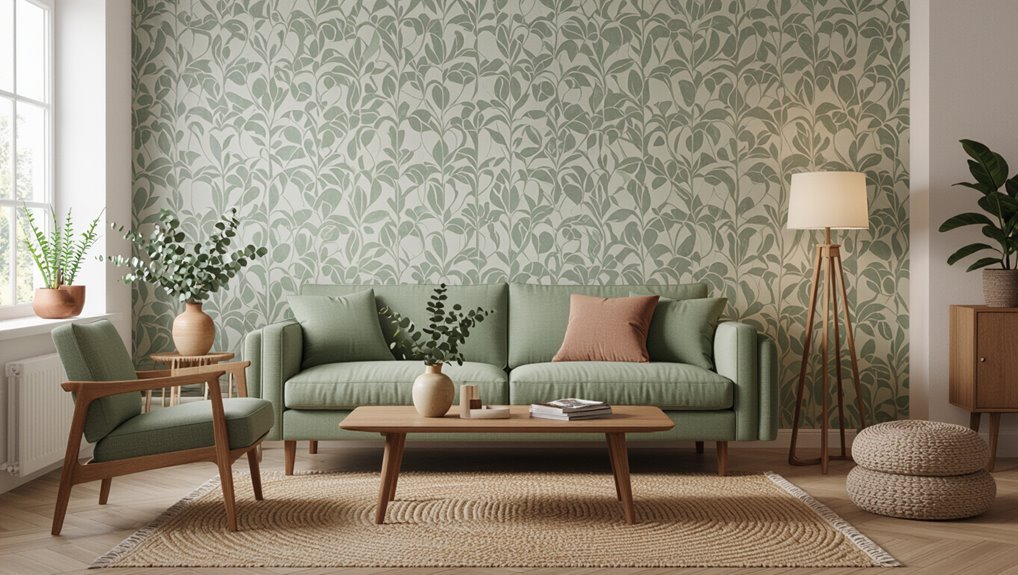
When you want a big style change without risking your deposit, removable wallpaper and peel-and-stick panels give instant impact with zero commitment.
You can cover an accent wall, hide imperfections, or mimic tile and wood textures. They install cleanly, peel off without residue, and come in reusable panels.
Measure carefully, match seams, and smooth bubbles for a professional look that won’t violate lease rules.
Temporary wall decals and stickers

Peel-and-stick panels handle big visual changes, but temporary wall decals and stickers let you add smaller, high-impact details without committing to a full wall covering.
You can layer motifs, create focal points, or mark a gallery grid. Choose removable vinyl for clean removal, test on an inconspicuous spot, and plan placement before peeling to avoid bubbles and repositioning.
Fabric wall coverings and tension-mounted textiles

Although they don’t require paint, fabric wall coverings and tension-mounted textiles can transform a room’s look and acoustics with minimal landlord risk.
You can hang lightweight fabric with removable adhesive hooks, spring rods, or ceiling-mounted tension rods to avoid nails. Choose breathable, washable textiles to reduce odors and dust.
Swap patterns seasonally for fresh style without damage, and use clips for easy removal.
Large-scale art and gallery walls
If you like the drama and texture fabric can bring but want something with more visual punch, large-scale art and gallery walls give you that impact without paint.
You can craft a bold focal point, express mood, and swap pieces easily.
Try these approaches to evoke emotion:
- Oversized statement canvas for drama
- Curated theme grid for coherence
- Mix of textures and frames for warmth
Leaning mirrors, framed prints, and tapestries
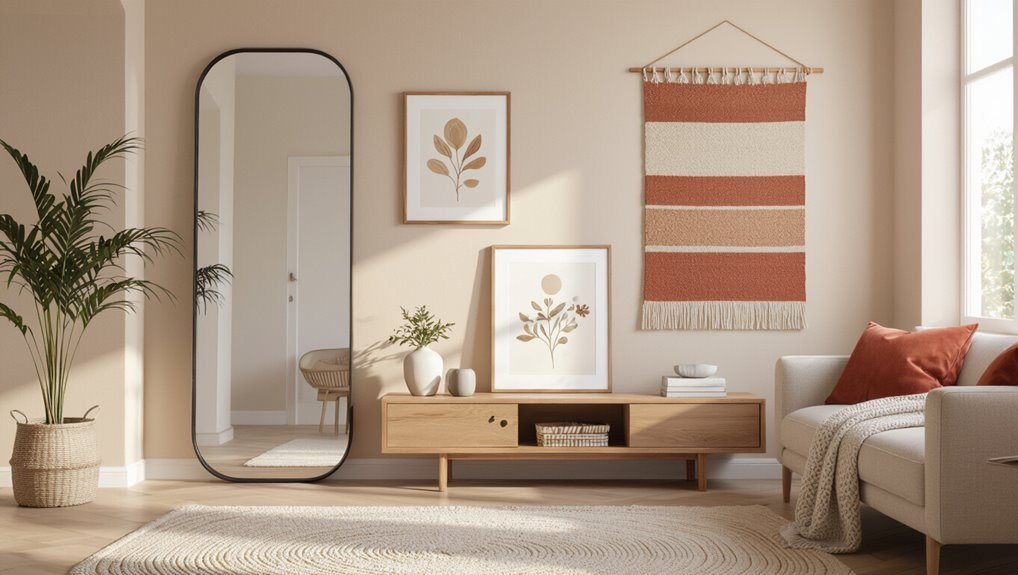
When you can’t paint, leaning mirrors, framed prints, and tapestries give instant personality and scale without committing to walls; they’re easy to move, swap, and style to suit your mood.
Lean a tall mirror to open a room, prop framed prints on shelves, or hang a tapestry with removable hooks.
Mix textures and sizes to create focal points without damaging rental surfaces.
Functional Ways to Add Color and Texture
You can add color and texture without altering walls by using area rugs, runners, and layered flooring to define spaces and warm up rooms.
Swap in curtains, blinds, or valances and use slipcovers or removable upholstery to refresh furniture instantly.
Finish with decorative lighting and new lampshades to change the mood and highlight your updates.
Area rugs, runners, and layered flooring
One smart way to inject color, pattern, and warmth into a rental is to layer area rugs and runners—these pieces anchor furniture, define zones, and protect floors without permanent changes.
Mix sizes, textures, and patterns to create interest; use non-slip pads to keep layers secure.
Choose washable or low-pile options for high-traffic areas, and swap pieces seasonally to refresh the space.
Window treatments: curtains, blinds, and valances
Just as layered rugs anchor a room from the floor up, window treatments finish the space from top to bottom and add color, texture, and privacy without altering the walls.
Hang full-length curtains to elongate windows, mount tension rods for renters, mix opaque blinds with sheer panels for light control, and use decorative valances to introduce pattern—easy swaps that transform mood without permanence.
Slipcovers and removable upholstery for furniture
If you want to change a room’s look without replacing furniture, slipcovers and removable upholstery offer an immediate, reversible fix.
You can refresh sofas, chairs, and ottomans with washable fabrics, bold patterns, or subtle textures to suit seasons or moods. They protect originals, hide wear, and let you mix colors without permanent changes.
Choose tailored fits for a polished result.
Decorative lighting and lampshades to change ambiance

After revitalizing upholstery, tweak the room’s mood with decorative lighting and new lampshades—an easy, nonpermanent way to add color and texture.
Swap shades for patterned or translucent options, use warm bulbs for coziness or cool tones for clarity, and layer floor, table, and string lights to sculpt space.
You’ll change ambiance without damaging walls or making permanent alterations.
Furniture and Layout Strategies to Transform a Space
You can transform a rental by introducing statement furniture that creates a clear focal point and anchors the room.
Choose modular or multi-functional pieces that adapt as your needs change and won’t damage the space.
Use bookshelves, screens, or curtains to divide areas and define function without permanent alterations.
Statement furniture pieces and focal points
When you choose a bold sofa, an oversized mirror, or a sculptural chair as a focal point, the whole room gains purpose and personality without permanent changes.
Place that piece where sightlines converge, balance it with subtle surrounding items, and use rugs or lighting to anchor it.
A single strong element redirects attention, defines function, and makes your rental feel intentionally styled.
Modular and multi-functional furniture for renters
A bold sofa or sculptural chair gives a room instant character, but modular and multi-functional furniture lets that personality adapt as your needs change.
Choose sectionals that reconfigure for guests, ottomans with hidden storage, fold-down desks that free floor space, and nesting tables you can rearrange.
These pieces maximize function, suit evolving layouts, and keep your rental flexible without permanent changes.
Room division using bookshelves, screens, and curtains
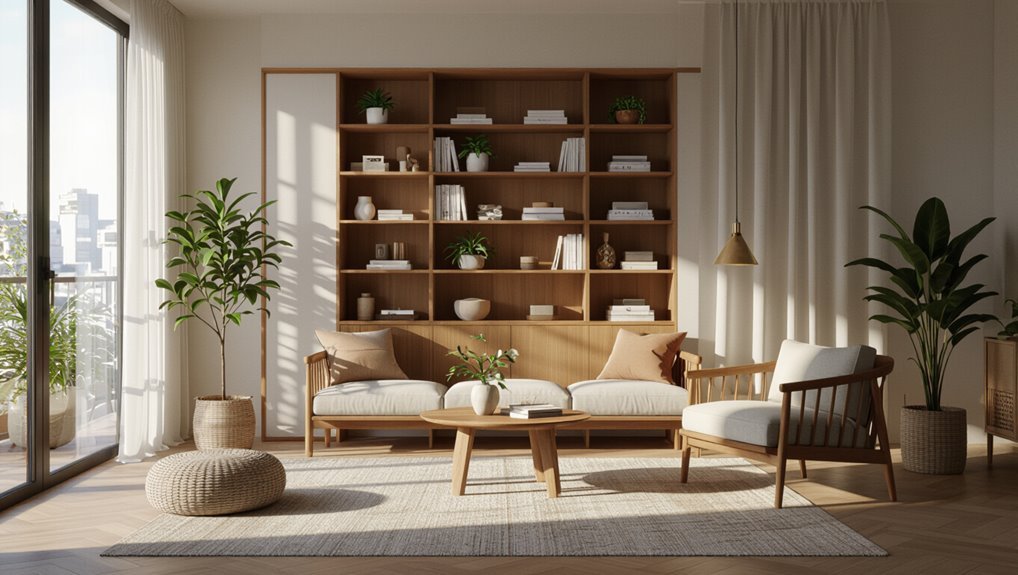
Although open layouts feel airy, you can carve distinct zones with bookshelves, screens, and curtains to create privacy, define function, and guide traffic without altering walls.
Use tall, open-backed shelves to separate living and work areas while preserving light. Foldable screens add instant privacy. Ceiling-mounted curtains soften edges and absorb sound.
Arrange furniture to reinforce pathways and keep spaces purposeful and flexible.
Small-Scale DIY Projects That Do Not Alter Walls
You can refresh your space without touching the paint by using removable molding and peel-on trim to add architectural interest.
Use heavy-duty Command strips and specialized hardware so you can hang mirrors and artwork safely without nails.
For kitchen updates, try temporary backsplashes or adhesive tiles that stick on and peel off when you move.
Removable molding and peel-on trim
When you want the look of traditional trim without risking security deposits, removable molding and peel-on trim give instant architectural detail that comes off cleanly when it’s time to move.
You can add chair rails, picture-frame panels, or crown profiles using lightweight foam or PVC strips. Measure, cut, and peel slowly for neat alignment; use painter’s adhesive for extra hold without damage.
Command strips and hardware for hanging heavy items safely
A few smart hardware choices let you hang heavy frames, mirrors, and shelves without drilling or risking deposits: heavy-duty Command strips, removable picture hooks, and tension-mounted supports give secure holds that peel off cleanly.
You’ll match strip strength to weight, clean surfaces before applying, follow cure times, and use multiple anchors for larger pieces.
Test load and remove slowly to avoid damage.
Temporary backsplashes and adhesive tiles for kitchens
If you’d like to update your kitchen without risking your lease, temporary backsplashes and adhesive tiles give you a quick, affordable way to add color, pattern, and easy-to-clean protection behind sinks and stoves.
You can peel, stick, and remove without damage, choosing textures that inspire. Try options that feel personal and practical:
- Bold patterned peel-and-stick
- Subway tile lookalikes
- Metallic or mirrored accents
Budget-Friendly and Thrifty Decorating Options
You can score unique looks without spending much by hunting thrift stores and upcycling pieces with fresh paint or new hardware.
Layering affordable textiles—think pillows, throws, and rugs—instantly warms a space and masks wear.
Finish with cheap statement accessories like bold lamps, mirrors, or art to elevate the room.
Thrifted and upcycled furniture ideas
When you’re decorating on a budget, thrifted and upcycled furniture gives your space unique character without breaking the bank.
Hunt flea markets, estate sales, and online marketplaces for solid pieces you can refinish. Sand, paint, or re-stain to match your style, swap hardware for instant updates, and repurpose items—like turning a dresser into a media console—to create practical, personalized furnishings.
Affordable textiles and pillow/throw layering
After revitalizing a thrifted piece, soften the room with affordable textiles that instantly lift the look without draining your budget.
Mix washable covers, textured throws, and a few varied pillow sizes for depth. Stick to a cohesive color palette, swap covers seasonally, and layer patterns sparingly.
You’ll create comfort, hide wear, and refresh your space without major expense.
Cheap statement accessories that elevate a room
A few well-chosen statement accessories can transform a room on a shoestring, giving it personality and polish without a big spend.
You can mix thrifted finds, bold art, and DIY pieces to create focus and joy.
Try these affordable picks:
- Oversized mirror to open space
- Eye-catching lamp for warmth
- Colorful rug to ground the room
Seasonal and Rotating Decor Strategies
You can refresh your space each season without risking damage by using removable hooks, protective pads, and non-permanent adhesives.
Plan compact storage—clear bins, labeled boxes, and vacuum bags—to keep pieces organized and easy to rotate.
When swapping decor, rotate focal items first and keep a simple checklist so alterations stay quick and intentional.
How to switch looks between seasons without damage
When seasons change, swap textiles, accents, and lighting to refresh your space without harming walls or finishes; using removable hooks, slipcovers, and portable layers lets you create distinct looks quickly and reversibly.
Rotate rugs, throw pillows, and curtains for temperature and color shifts. Swap artwork on picture ledges, switch lamp shades, and add seasonal greenery or sculptural pieces—no adhesives or holes required.
Storing and rotating decor efficiently
If you plan ahead and keep things organized, rotating seasonal decor becomes quick and stress-free.
You’ll feel calmer when swaps are simple: label boxes, limit choices, and stash fragile items safely.
Use clear bins, vacuum bags, and shelf dividers to save space.
Keep a small essentials box for must-have pieces so changes feel joyful, not chaotic.
- Label
- Limit
- Protect
Common Mistakes Renters Make and How to Avoid Them
Don’t use permanent fixes without your landlord’s okay, because you’ll be stuck paying or undoing them later.
Use proper hanging tools and techniques to avoid wall damage, and choose furniture and decor that match the room’s scale so it doesn’t feel cluttered.
With a few smart choices you’ll protect your deposit and make the space feel intentional.
Overusing permanent solutions without permission
Although it might feel like the quickest way to make a place yours, installing permanent fixtures without asking can cost you your deposit and your landlord’s trust.
Before nailing, drilling, or replacing hardware, check your lease and get written permission.
Opt for removable alternatives—peel-and-stick, tension rods, adhesive hooks—or negotiate changes upfront to avoid disputes and unexpected repair bills.
Poor hanging methods that damage walls
When you hang art or shelves the wrong way, nails, oversized anchors, and improper brackets can leave gouges, crumbled drywall, or sagging fixtures that cost you part of your deposit.
Use picture hooks rated for weight, toggle or molly anchors correctly, and secure studs with screws.
Test hardware on scrap drywall, measure precisely, and remove fasteners gently to minimize repair.
Mismatched scale and clutter issues
If you cram a tiny sofa into a large living room or hang a massive mirror over a narrow console, the room will feel off-balance and cluttered; pick furniture and accessories that match the space’s proportions and leave breathing room around each piece.
Scale matters: choose appropriately sized rugs, lamps, and art.
Edit regularly, group items thoughtfully, and avoid filling every surface to keep it airy.
Maintenance, Move-Out Preparation, and Repair Tips
Before you move out, patch any nail holes and touch up paint so the place looks like you found it.
Take photos and videos when you decorate and again before you leave to document condition and avoid disputes.
If something’s beyond your skill or affects safety—like plumbing or electrical—call your landlord right away instead of trying to fix it yourself.
Preparing for inspection: patching and touch-ups
Although inspections can feel intimidating, a few targeted patching and touch-up tasks will make your place look cared-for and help you get your deposit back.
Fill small nail holes with spackle, sand smooth, and match texture. Use touch-up paint or removable markers for scuffs.
Tighten loose hardware, clean trim, and replace burned-out bulbs. Do quick checks days before the walk-through.
Documenting condition before and after decorating
Once you’ve patched nail holes and touched up scuffs, start documenting the apartment’s condition so you’ve got clear evidence of how things looked before and after decorating.
Take dated photos and short videos from multiple angles, note measurements and materials, and keep receipts for repairs or temporary fixtures.
Store everything in a folder or cloud backup so it’s easy to access at move-out.
When to involve the landlord for repairs
If a repair affects safety, habitability, or the building’s systems, you should contact your landlord right away so the issue gets logged and fixed promptly.
For other problems, check your lease: some minor repairs are your responsibility.
Report anything that could worsen, cause damage, or affect neighbors.
Keep records of requests, photos, and timelines so you can follow up or document unresolved issues.
Comparison: Renter-Friendly Options Side-by-Side
You’ll want to weigh peel-and-stick wallpaper, removable decals, and tapestries side-by-side to see which fits your space and routine.
Peel-and-stick gives pattern coverage and a more finished look, decals are great for small pops of personality, and tapestries offer texture without any adhesive.
Consider ease of installation, damage risk, and how often you plan to change things.
Peel-and-stick wallpaper vs. removable decals vs. tapestries
When you want to personalize rental walls without risking your deposit, peel-and-stick wallpaper, removable decals, and tapestries each offer distinct advantages and trade-offs you should weigh.
Peel-and-stick gives pattern and coverage but needs careful alignment.
Decals let you create custom arrangements and remove cleanly.
Tapestries instantly add texture and cover imperfections without adhesive, though they need hanging hardware and can shift.
##
It looks like the current subtopic field is blank — please tell me the specific subtopic you’d like the first paragraph for (examples: “temporary wall treatments,” “rent-friendly lighting,” “furniture layout hacks,” etc.), and I’ll write a concise, active first paragraph right away.
| Cozy | Hope |
|---|---|
| Calm | Energy |
| Warmth | Comfort |
| Bold | Gentle |
Step-by-Step Room Makeover Plans (Example Walkthroughs)
Start by choosing a living room color, a focal point, and a layout that fits your routine to set the tone for the whole space.
Next, make the bedroom feel cozy with layered textiles and a targeted lighting plan.
Then update the kitchen with functional, non-permanent fixes like peel-and-stick backsplashes or swapable hardware.
Finish with moisture-safe, temporary bathroom upgrades—think removable shelving, shower curtains, and sealed accents—to protect the rental while boosting style.
Step 1: Living room color, focal point, and layout
Pick one main color scheme and a clear focal point before you move furniture—this helps you make confident choices about paint, textiles, and layout that actually work together.
Identify a focal piece (art, media console, or fireplace), then arrange seating to face it and allow circulation.
Use rugs and lighting to anchor zones, keep scale balanced, and pick accent hues that repeat for cohesion.
Step 2: Bedroom cozy textiles and lighting plan
Once your living room feels settled, bring that same intentional approach to the bedroom by focusing on cozy textiles and a layered lighting plan that work together.
Choose a soft duvet, textured throw, and mix pillows for comfort.
Add blackout curtains for sleep, a bedside lamp for reading, and ambient light—like a dimmable overhead or string lights—to create zones for rest and relaxation.
Step 3: Kitchen functional updates without painting
Give your kitchen a practical refresh without touching the paint by focusing on swap-in fixtures, smart storage, and small-surface upgrades that improve daily use.
Swap cabinet hardware and a faucet for instant polish, add peel-and-stick backsplash tiles behind the stove, install under-cabinet lighting, use magnetic knife strips and tiered shelf organizers, and place a cushioned anti-fatigue mat at the prep area for comfort.
Step 4: Bathroom moisture-safe temporary upgrades
When you’re working in a moisture-prone room, focus on temporary upgrades that resist steam and humidity while staying landlord-friendly.
Install peel-and-stick waterproof backsplash tiles, swap in a rust-proof shower rod and fabric liner, add suction-cup or adhesive shelves, use mildew-resistant bath mats and curtains, and apply removable vent fans or dehumidifiers.
Keep all changes reversible and document removals to protect your deposit.
Best Practices and Expert Tips for Long-Term Satisfaction
Think about renter-safe materials and adhesives that give you style without risking your deposit.
You’ll learn how to balance your personal taste with landlord rules and when it makes sense to negotiate paint permission or cost-sharing.
These practical tips will help you enjoy your space now and leave it in good shape later.
Choosing renter-safe materials and adhesives
Although you want your space to feel personal, choosing materials and adhesives that protect walls and finishes keeps security deposits intact and headaches low.
Use removable hooks, adhesive strips rated for painted surfaces, and low-tack mounting putty. Pick damage-free picture-hanging systems, felt pads for furniture, and peel-and-stick tiles for temporary backsplashes.
Test adhesives on hidden spots first and follow weight limits to avoid accidents.
Balancing personal style with landlord constraints
Protecting walls with renter-safe materials is smart, but you also want a place that feels like yours — and you can have both.
Focus on removable accents, layered textiles, and modular furniture to express taste without altering surfaces. Stick to neutral wall palettes, swap small fixtures, and use statement rugs, art leaners, and lighting to personalize while respecting lease rules and easing moves.
Negotiating paint permission or cost-sharing with landlords
If you want a fresh paint job without risking your deposit, start by framing the request as a win-win: explain benefits—higher property value, quicker re-rental—offer neutral, landlord-approved colors, and propose cost-sharing or hiring pros to restore original paint later.
Bring swatches, a written agreement covering scopes and timelines, and suggest refundable contribution if landlord prefers full restoration.
Frequently Asked Questions
You probably have practical questions about what’s allowed and what’ll hold up in a rental—like whether removable wallpaper works in bathrooms or kitchens and if Command strips can support heavy frames long-term.
You’ll also want clear wording for asking your landlord to paint or alter walls and safe alternatives for accent walls without paint.
Finally, we’ll cover how to document your walls so you can prove you left them undamaged when you move out.
Can I use removable wallpaper in a rental bathroom or kitchen?
Wondering whether removable wallpaper works in a rental bathroom or kitchen? Yes—choose moisture-resistant, vinyl-backed options and clean, dry surfaces before application.
Avoid high-steam areas and textured walls. Test a small strip to guarantee adhesive removes cleanly. Trim around fixtures and seal edges if needed.
When move-out time comes, peel slowly and use adhesive remover for any residue to protect the finish.
Will Command strips hold heavy frames and mirrors long-term?
Although Command strips can support many frames and mirrors, their long-term hold depends on weight, surface, and proper application.
You should check strip weight ratings and use multiple strips for heavier items, clean and dry the wall first, and press firmly for the recommended time.
Avoid textured or damp surfaces and inspect attachments periodically; for very heavy or valuable pieces, opt for wall anchors or professional hanging.
How do I ask my landlord for permission to paint or change walls?
Want to change paint or put up wallpaper? Ask politely in writing: state what you want, why, colors/products, and whether you’ll restore the original finish.
Offer a timeline, contractor info, and promise professional work and repair. Attach photos or samples.
Keep a copy of their written approval. If denied, propose temporary alternatives and respect the response to avoid lease violations.
What are the safest ways to create an accent wall without paint?
If your landlord won’t allow painting or permanent changes, you can still create a striking accent wall with renter-friendly, damage-free options.
Use removable wallpaper, fabric panels hung with velcro or command strips, oversized peel-and-stick decals, or a gallery wall of framed art and mirrors.
Lean a tall bookcase or decorative screen against the wall for texture and depth without altering surfaces.
How can I prove I didn’t damage the walls when moving out?
When you’re preparing to move out, document the walls thoroughly so you can prove you didn’t cause damage.
Photograph and time-stamp each wall, corners, and trim from multiple angles. Keep dated videos showing measurements and existing marks.
Save receipts for any repairs or removable-hardware used.
Email your landlord the photos and video, creating a dated record they can’t dispute.
