
35 Cheap Outdoor Kids Activities for Fun on a Budget
You can spark nonstop outdoor fun without breaking the bank by packing a simple kit (water, snacks, sunscreen, wipes), then rotating cheap activities like sidewalk chalk obstacle courses, homemade bubbles, water games, nature scavenger hunts with printable checklists, upcycled crafts, picnic games, and seasonal swaps. Mix active relays, quiet crafts, and sensory nature play, set clear safety rules and supervise, and use household items for relays and forts — keep going and you’ll find even more ideas and detailed how-tos.
Sidewalk Chalk Art and Homemade Obstacle Courses
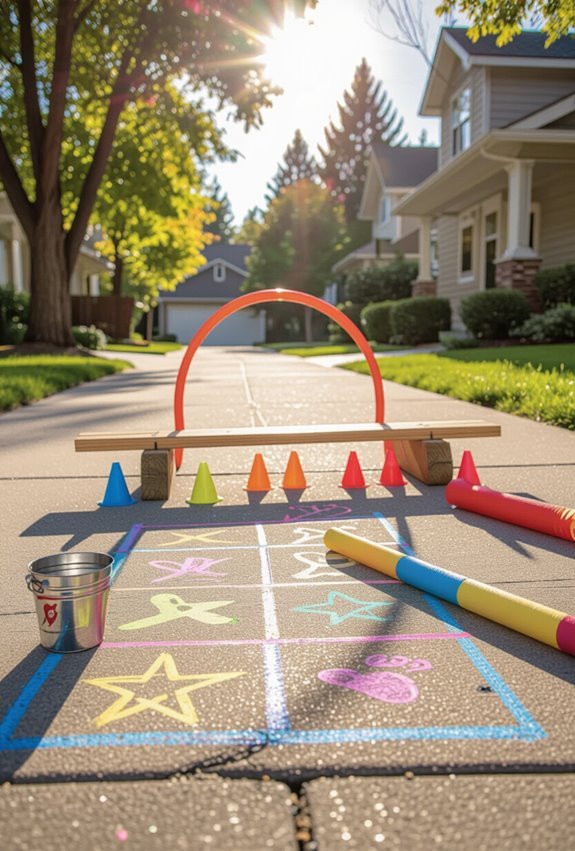
With a few sticks of chalk and some imagination, you can turn a sidewalk into a colorful gallery or a backyard into a pulse-quick obstacle course.
Design giant chalk murals, hopscotch grids, and target zones, then add cones, ropes, and pillows for turns. Use obstacle timer challenges to race, record progress, and tweak layouts—cheap, active, and endlessly adjustable for all ages.
Classic Bubble Play With Cheap Homemade Solution
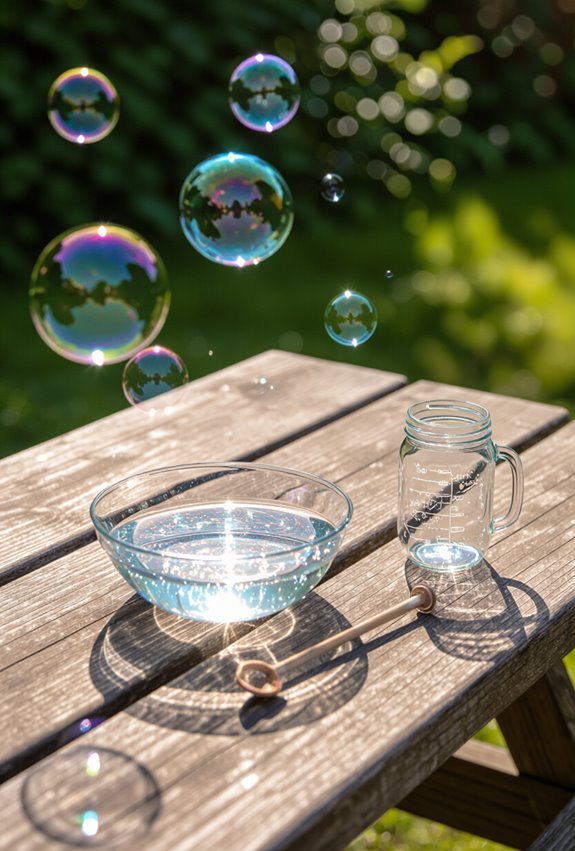
Break out the wand and get ready to wow the kids—classic bubble play is cheap, simple, and endlessly entertaining when you make your own solution.
You’ll mix dish soap, water and a little glycerin using easy solution ratios, then grab homemade or store-bought bubble wands.
Teach kids to experiment with sizes and shapes, chase bubbles, and time pops for laughter and simple outdoor fun.
Backyard Treasure Hunt With Simple Clues and Prizes
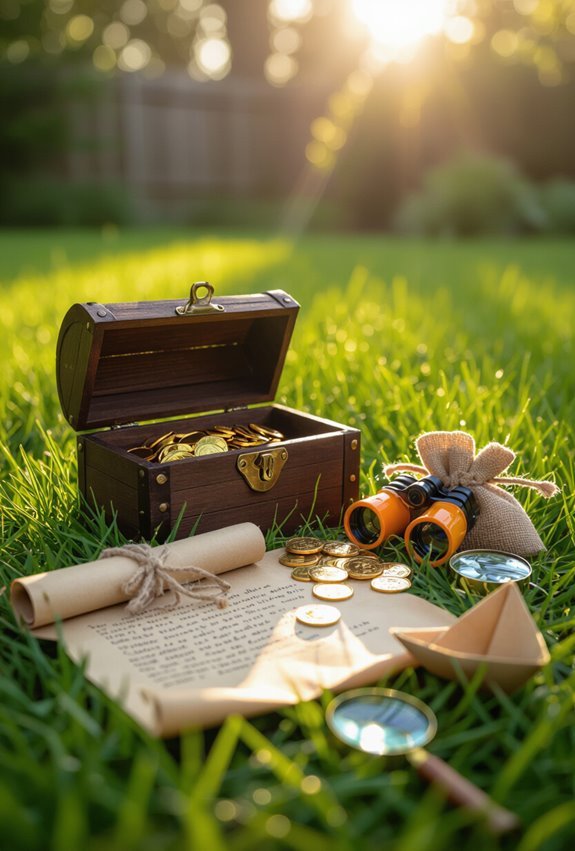
Turn your yard into a mini adventure by hiding small treasures and writing simple, age‑appropriate clues that lead kids from one spot to the next. You’ll enjoy clue writing that matches skill levels, timing, and themes.
Use prize hiding in unexpected but safe places—plant pots, tree roots, under a bench. Finish with a shared reward and quick debrief to celebrate.
Paper Airplane Contests and Design Challenges
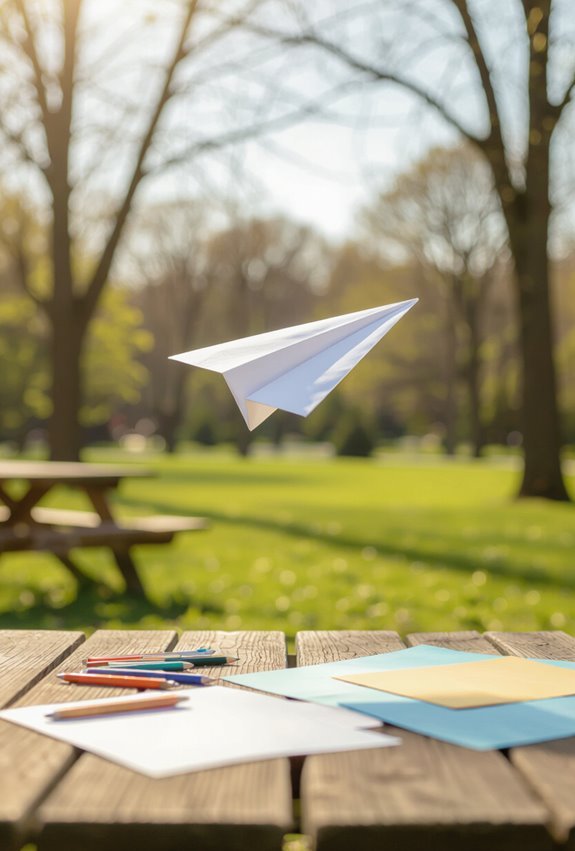
Gather a stack of paper, mark out a launch line, and get kids designing: paper airplane contests are cheap, fast, and brilliant for teaching creativity and basic physics.
Set categories—distance, accuracy, acrobatics—encourage aerodynamic tweaks, time for trial runs, and teach launch etiquette: wait your turn, clear the flight path.
Score with simple charts and award silly prizes to celebrate effort.
Rock Painting and Story Stones for Imaginative Play
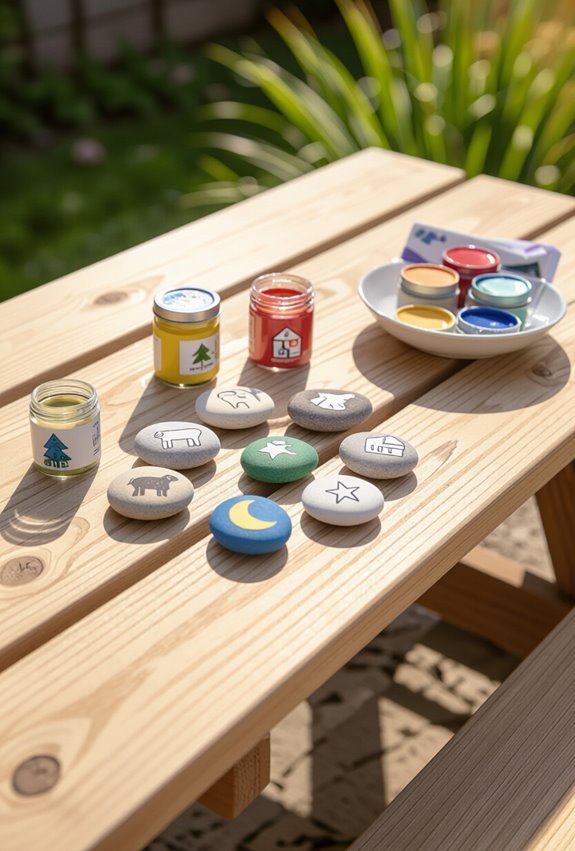
Ready to make ordinary stones into story starters and tiny works of art? You’ll collect smooth rocks, wash them, then use washable paint or markers to craft painted pebbles with faces, animals, or symbols.
Turn them into story stones: mix and match to spark narratives, games, and cooperative play outdoors.
Store in a small bag for easy, portable imagination.
Garden Digging and Kid-Friendly Planting Projects
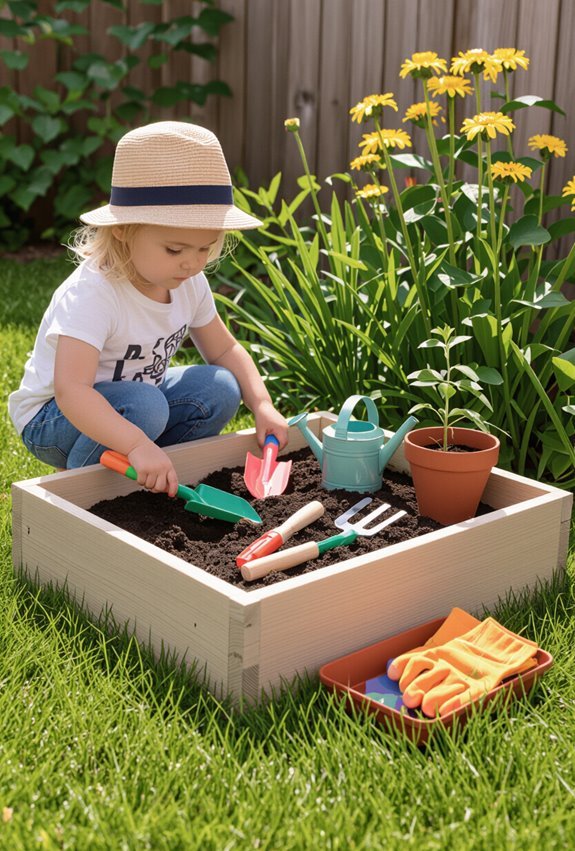
Digging in the garden gives kids messy, hands-on fun while teaching them about nature and patience.
You can guide little ones through composting basics, show how scraps become soil, and supervise safe digging.
Try easy seed starting with labeled cups, shallow trays, or a small raised bed.
Celebrate sprouts, water together, and let them care for plants to build responsibility.
Sidewalk Science: Volcanoes, Density Jars, and More
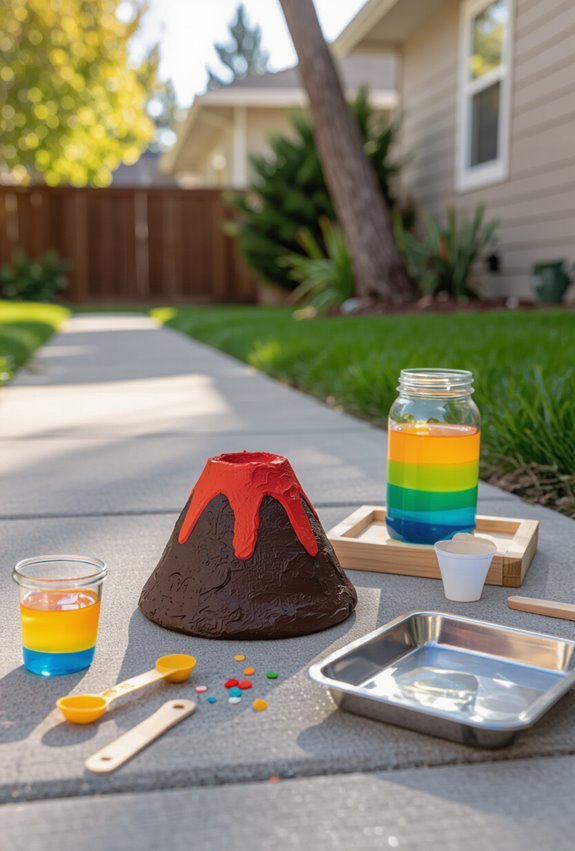
Often you’ll find that simple ingredients make the best outdoor experiments, so take sidewalk chalk, baking soda, food coloring, and a few clear jars outside and let curiosity lead.
You’ll mix eruptive chemistry for small volcanoes, teach safe reactions, and build layered liquids to show density.
Encourage observation, ask what changes, and let kids record results with chalk drawings and questions.
DIY Sprinkler and Slip‑and‑Slide Alternatives
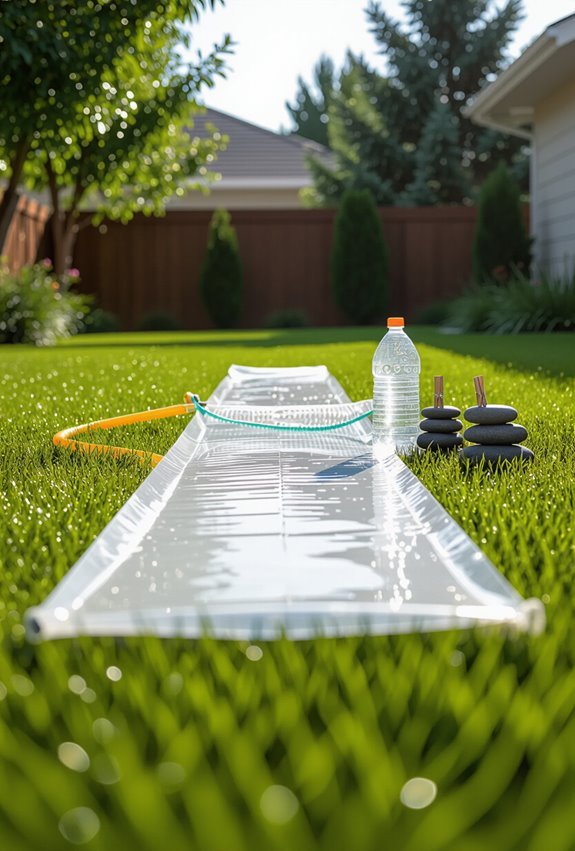
Spreading out a tarp, poking holes in a recycled milk jug, or propping a sprinkler on a wobble-free base can turn your yard into a cool, budget-friendly play zone.
You can rig slip slide lanes with soapy tarp, use baking‑soda soda-bottle sprayers, or set up hose-free sprinkler alternatives like perforated tubing.
Invite kids to race, cool off, and help build the fun.
Classic Outdoor Sports Games Using Household Items
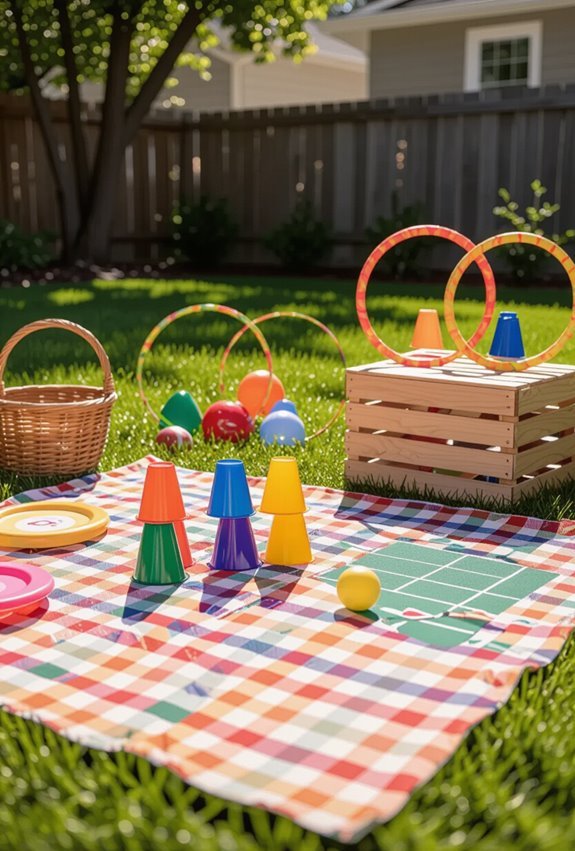
Gather common household items and turn your yard into a mini playground where familiar sports get a fun, budget-friendly twist. You’ll use rolled socks for Sock bowling, plastic cups as pins, and a soft ball substitute.
Create Leaf soccer with taped paper goals and a bundle of leaves as the ball. Set simple rules, keep turns short, and celebrate creative plays.
Bug Hotels and Simple Wildlife Habitats to Build Together
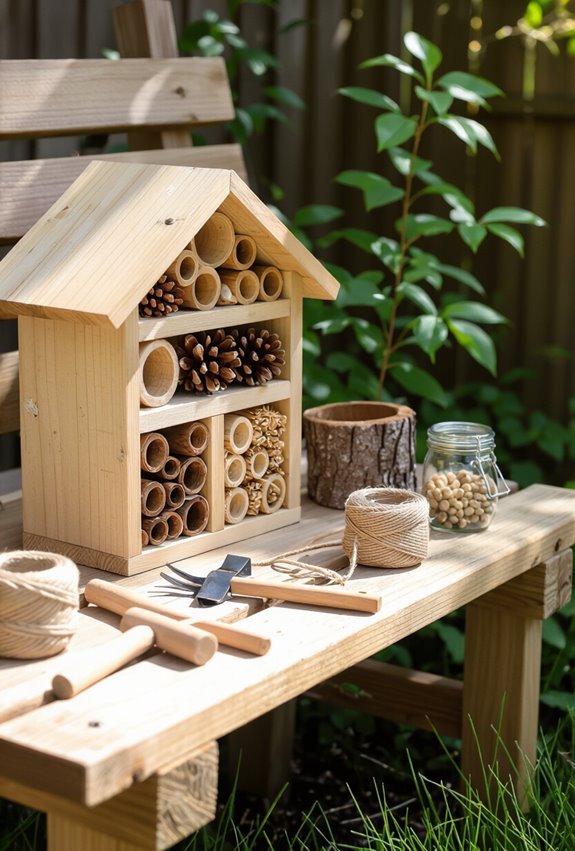
Building a bug hotel is a hands-on way to teach kids about ecosystems, shelter, and the insects that help our gardens.
You’ll gather sticks, bamboo, and pinecones to fill a wooden frame, creating insect hotels that attract pollinators and predators.
Let kids label sections with simple habitat signs, observe changes, and record visitors.
It’s cheap, educational, and fosters curiosity about nature.
Neighborhood Nature Walks With Sensory Scavenger Lists
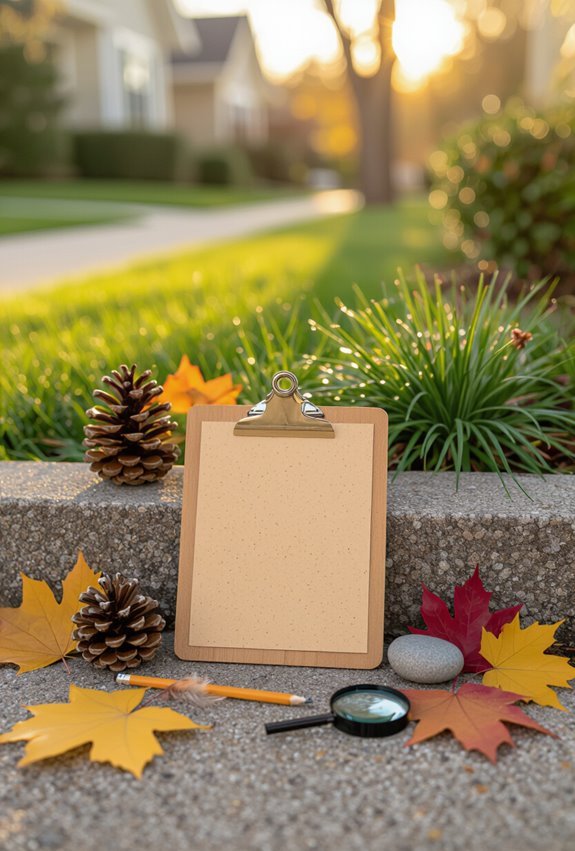
Take a stroll around your neighborhood with a sensory scavenger list in hand to turn a simple walk into an interactive nature hunt; you’ll notice more when you look for textures, sounds, smells, colors, and movement, and kids stay engaged by checking items off as they find them.
Use Texture Exploration prompts and simple Sound Mapping charts to guide observations, compare finds, and spark questions.
Homemade Musical Instruments for Outdoor Jam Sessions
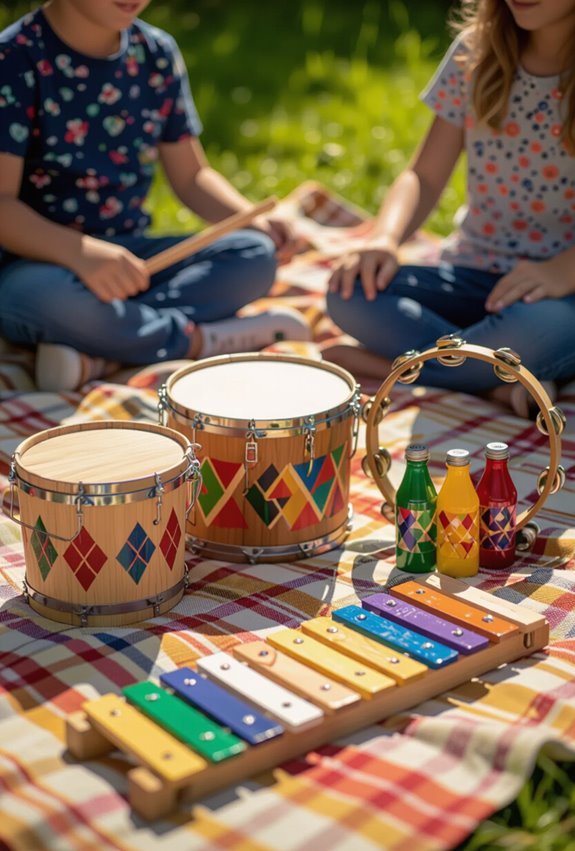
Often you’ll find that simple household items make the best instruments, and you can turn a picnic blanket into an impromptu jam session with just a few minutes of prep.
Gather Bottle Shakers from recycled bottles filled with rice, paper, or beans. Make PVC Drums with cut pipes and balloons for drumheads. Guide kids to keep rhythm, trade roles, and enjoy outdoor music together.
Nature-Based Sensory Bins and Discovery Trays
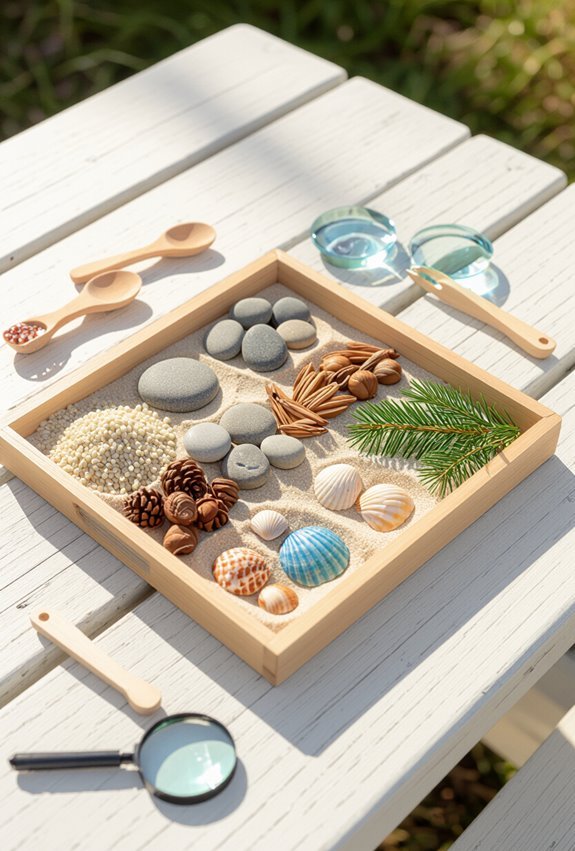
Bringing the outdoors in, nature-based sensory bins and discovery trays give kids hands-on chances to explore textures, smells, and tiny ecosystems—without a big mess.
You’ll collect leaves, pinecones, soil, petals, and water; label items for scent exploration and encourage gentle sorting.
Let children hunt for a texture treasure, magnify findings, sketch discoveries, and practice calm observation and respectful handling outdoors or on the porch.
Sidewalk StoryWalk: Turn Books Into Outdoor Activities
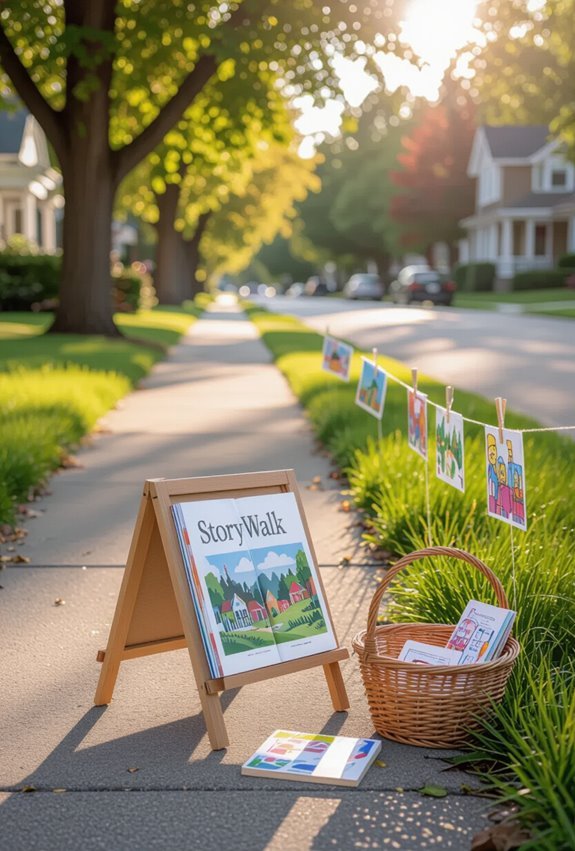
If your nature sensory bins got kids noticing details, keep that curiosity moving outside with a Sidewalk StoryWalk.
You’ll post laminated book pages along a path, creating Storybook Trails that turn reading into movement. Kids pause to read, act out scenes, and collect nature prompts.
Use simple props or scavenger cues for Literacy Hikes, blending exercise, observation, and storytime on a budget.
Balloon Stomp and Tag Games for Groups on a Budget
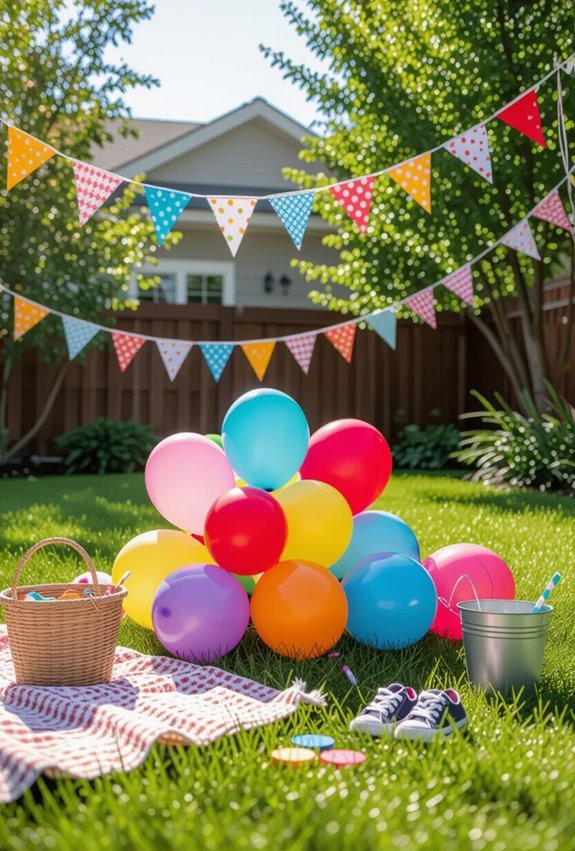
Get kids moving and laughing with low-cost group classics like Balloon Stomp and a variety of tag games that need nothing more than space and a few simple supplies.
You’ll teach Balloon etiquette—no aiming at faces, share balloons—and show Stomp strategies like anchoring balloons to ankles.
Vary tag rules (freeze, safe zones) to keep energy high and costs low.
Cheap Relay Races and Team-Building Challenges
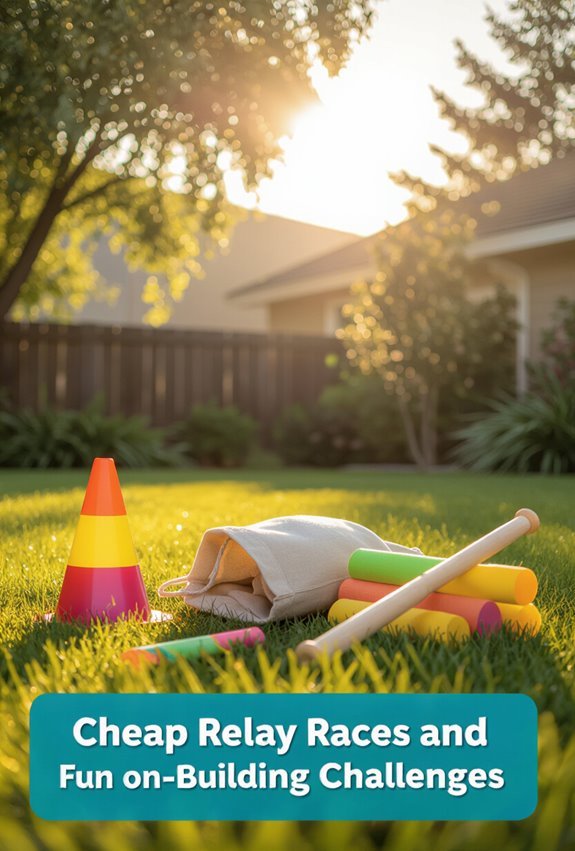
Spice up outdoor play with cheap relay races and team-building challenges that use everyday items—Spoons-and-egg relays, bucket brigades, newspaper step races, and cooperative obstacle courses all work great with minimal cost.
You’ll mix competitive races with trust falls and cooperative puzzles to build communication and confidence.
Rotate roles, set clear rules, and keep safety in mind so every kid stays engaged and included.
Water Painting With Brushes and Buckets of Water
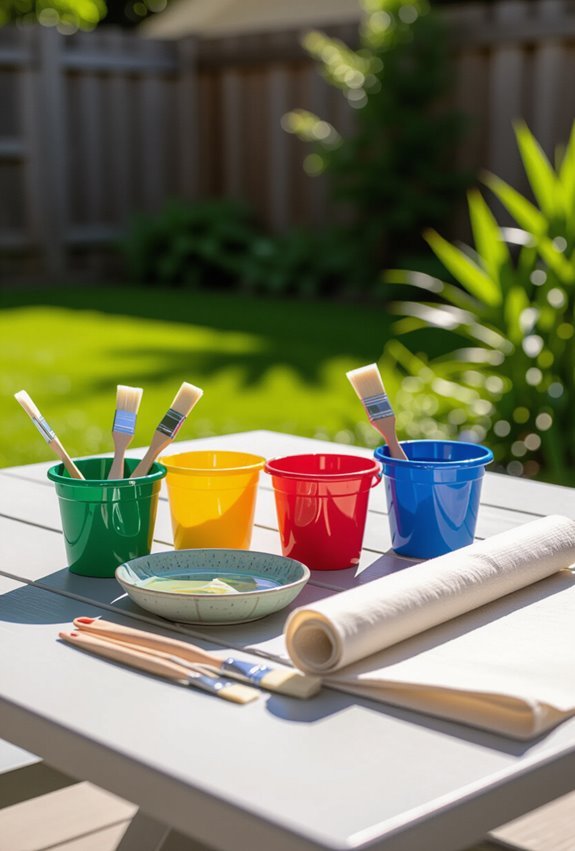
Grab a wide brush and a bucket of water and let kids “paint” sidewalks, fences, or tree trunks—watching their designs vanish as they dry turns the whole activity into practice with size, pressure, and pattern without any mess.
You’ll guide simple brush painting techniques, suggest varied strokes, and encourage observational talk about evaporative play, timing, and reuse of water for repeated, zero-waste fun.
Local Park Challenges: Scavenger Lists for Different Ages
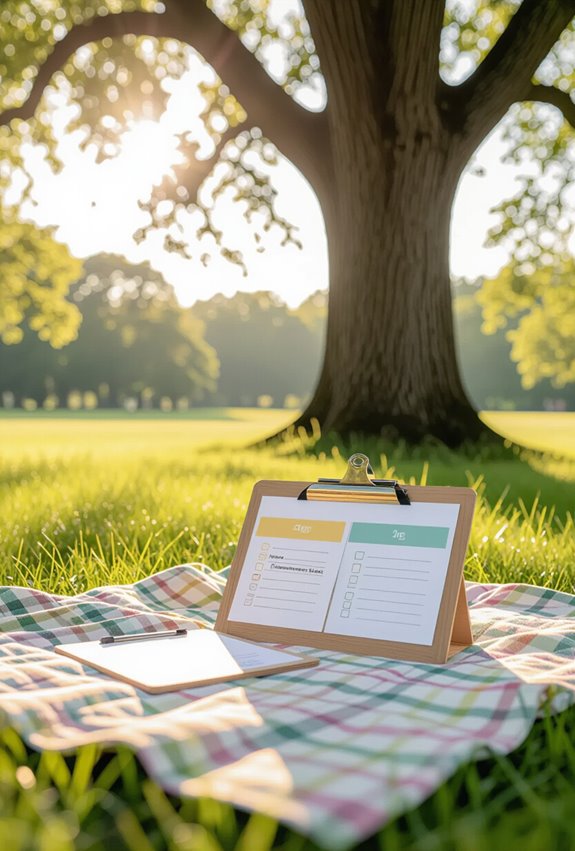
At your neighborhood park, turn a walk into a game by tailoring scavenger lists to different ages and skill levels so every kid stays challenged and engaged.
Create a playful trail with simple picture prompts for little ones, riddles for older kids, and ageed clues that adjust distance, difficulty, and teamwork.
Offer small rewards and rotate lists to keep outings fresh.
Upcycling Crafts From Recyclables Found at Home
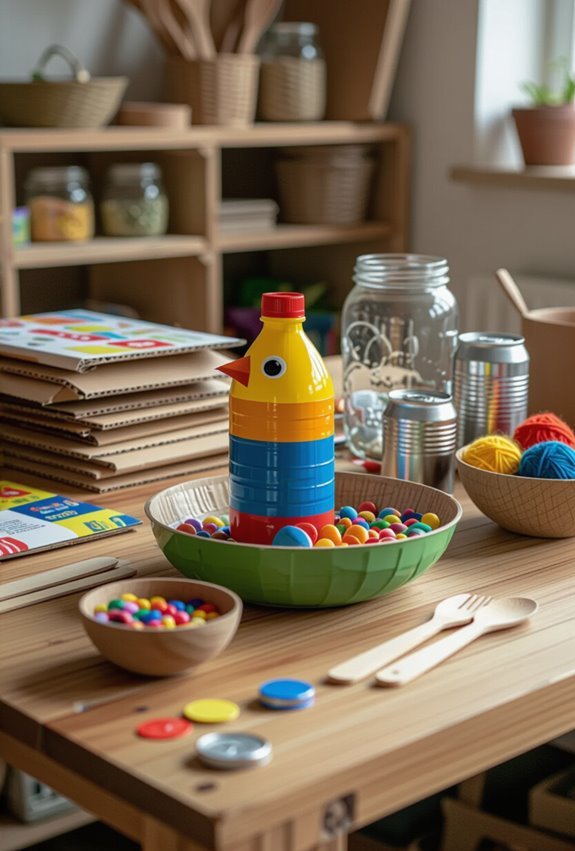
Turn ordinary recyclables into weekend projects that spark creativity and cut waste—think cardboard, bottle caps, and jars becoming robots, mosaics, or mini planters.
You’ll guide kids to craft junk jewelry from pasta and beads, paint bottle planters for herbs, and assemble cardboard forts.
These activities teach resourcefulness, fine motor skills, and pride in making useful, colorful items from stuff you’d otherwise toss.
Seasonal Swaps: Adapting Activities for Spring, Summer, Fall, and Winter
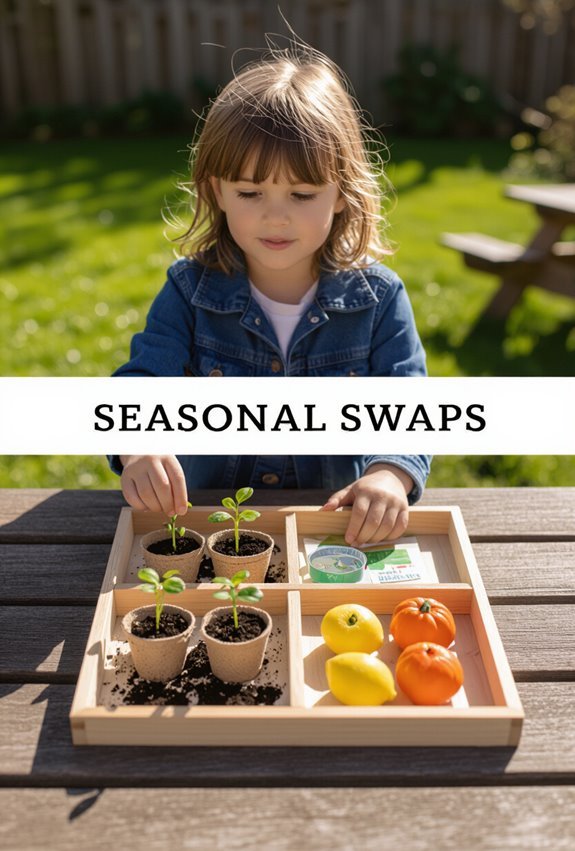
While the basics of upcycling stay the same, you can tweak projects to match each season’s weather, materials, and moods so kids stay engaged year-round.
In spring, try flower pressing and seed bombs; summer favors water games and sun-friendly crafts; fall invites leaf collages and pumpkin painting; winter shifts to indoor nature tables and cozy seasonal clothing-themed dress-up to extend outdoor inspiration.
Safety Tips and Inexpensive Prep to Keep Outdoor Play Stress-Free
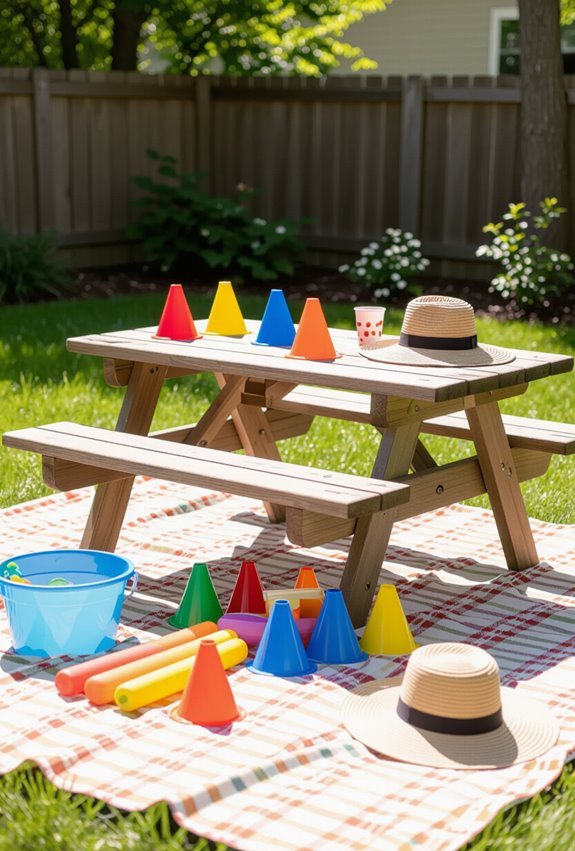
Spring flowers and winter scarves are fun, but keeping kids safe and calm outdoors requires a few simple habits and low-cost prep. Create sunproof routines—hats, sunscreen, shady breaks—and set a visible hydration station with labeled bottles.
Pack a small first-aid kit, check weather and terrain, and choose age-appropriate activities. Stay present, set clear boundaries, and rotate quiet time to prevent meltdowns.
Backyard Camping
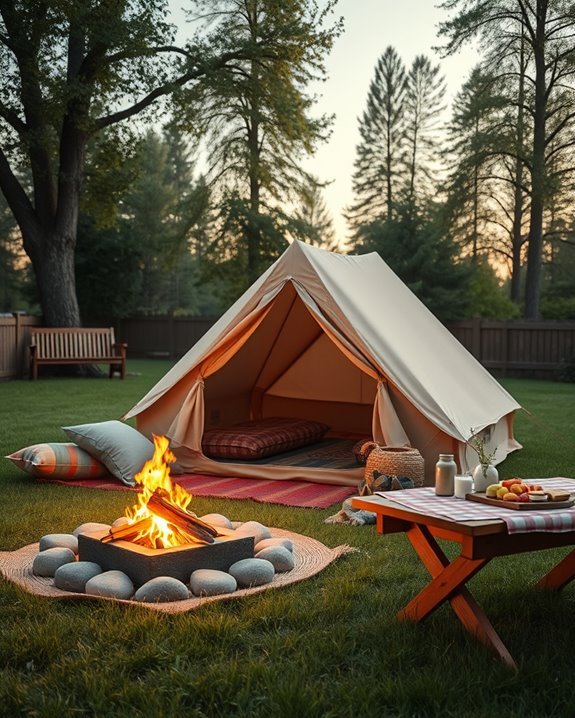
Backyard camping can be an exciting adventure right in your own yard, as it allows kids to experience the thrill of the great outdoors without leaving home.
Set up a tent, gather around a small fire pit, and share campfire stories under the stars.
Engage the kids in outdoor cooking, making s’mores or simple meals, creating lasting memories together.
Go on a Nature Walk
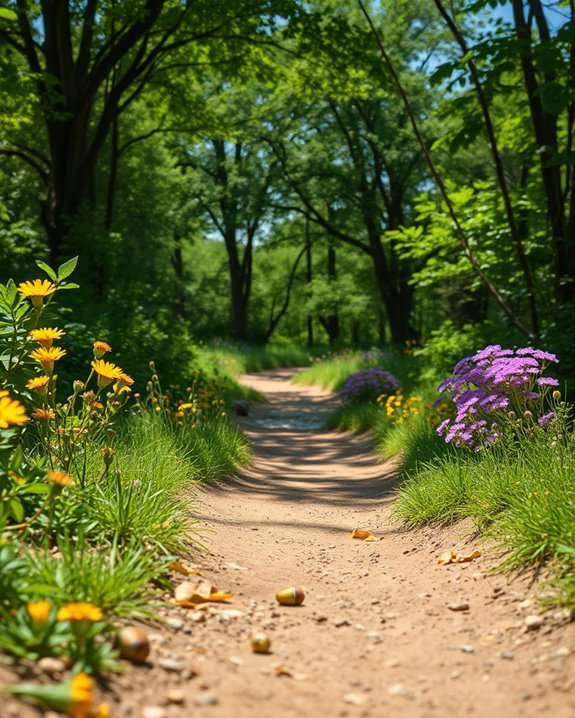
Going on a nature walk is a fantastic way to explore the outdoors while keeping active.
Grab your kids, and head out for some trail exploration. As you walk, encourage wildlife spotting—look for birds, insects, and unique plants.
Bring along a notebook to jot down your discoveries. This fun activity not only promotes fitness but also fosters a love for nature in your little ones.
Play Hide and Seek

Whether you’re in a backyard, a park, or a playground, playing hide and seek is a timeless way to get kids moving and engaged in outdoor fun.
Encourage kids to find creative hiding spots, like behind trees or benches. As a seeker, use effective seeking strategies, like checking less obvious areas first.
This classic game never fails to create excitement and laughter!
Conclusion
Outdoor play is essential for kids’ development, and these budget-friendly activities can spark their creativity and encourage exploration. Did you know that children who spend at least 20 minutes outside each day are 40% more likely to develop strong emotional health? So, grab your kids and immerse yourselves in these fun ideas! Whether it’s a nature scavenger hunt or a DIY obstacle course, you’re not just keeping them entertained—you’re nurturing their well-being and love for the great outdoors.
