
Does Electrical Tape Peel Paint Off Walls? What to Use Instead
Yes — electrical tape can pull paint off walls, especially fresh, poorly cured, glossy, or sun-heated finishes, and when it’s left on too long or peeled off quickly. Its rubber or acrylic adhesive and vinyl or cloth backing can bond strongly to latex or chalky paint and lift loose chips. Test a hidden spot, warm tape before removal, and use low-tack painter’s tape, washi, Command strips, or poster putty instead to avoid damage — keep reading for tips and fixes.
Quick Answer Can Electrical Tape Peel Paint Off Walls?
Yes — electrical tape can pull paint off walls.
It’s most likely to happen on fresh, poorly cured, or low-adhesion paints and when the tape has been left on for a long time or removed quickly at a steep angle.
Check paint age and test a small hidden spot before applying tape broadly.
Direct short answer
If you press and peel electrical tape from a painted wall, it can pull off paint—especially if the paint is old, not fully cured, or applied over glossy surfaces.
In short: yes, does electrical tape peel paint? It can.
You should assume risk on delicate or newly painted walls, test a hidden spot, and use lower-adhesion alternatives when you need temporary holds.
When it’s most likely to cause paint removal
When walls have fresh, delicate, or poorly bonded paint, electrical tape is most likely to lift the finish; you’ll see this especially on newly painted surfaces (within a few weeks), soft or chalky paint, and glossy or semi-gloss finishes that don’t allow good adhesion.
You’ll also risk removal on textured walls, areas exposed to heat or sunlight, and where tape stays on long or is peeled quickly.
How Electrical Tape Interacts With Painted Surfaces
You’ll want to know that electrical tape is usually a polymer backing (like PVC) coated with rubber- or acrylic-based adhesive, and those adhesives stick differently depending on the paint.
Latex, oil, and enamel paints each offer different surface chemistry and hardness that influence how strongly tape bonds.
Factors such as paint age, gloss level, humidity, and how well the surface was prepped will further change the risk of paint lifting.
What electrical tape is made of (adhesive types and backing)
Think of electrical tape as two parts: the backing and the adhesive, and each determines how it behaves on paint.
The backing—PVC, vinyl, cloth, rubber—gives stretch, thickness, and breathability. The adhesive may be rubber-based, acrylic, or silicone, affecting tack, aging, and residue.
Knowing both helps you choose tapes less likely to lift or stain painted surfaces.
How adhesives bond to different paint types (latex, oil, enamel)
Knowing the backing and adhesive helps, but how that sticky layer actually grabs paint varies a lot with paint chemistry.
You’ll find adhesives wet and penetrate latex’s porous polymer, forming mechanical and some chemical bonds.
Oil-based and alkyd enamels resist penetration; adhesives rely more on surface contact and van der Waals forces.
Hard, cured enamel offers the weakest grip, so tape bonds less strongly.
Factors that affect adhesion and paint removal (age of paint, gloss level, humidity, surface prep)
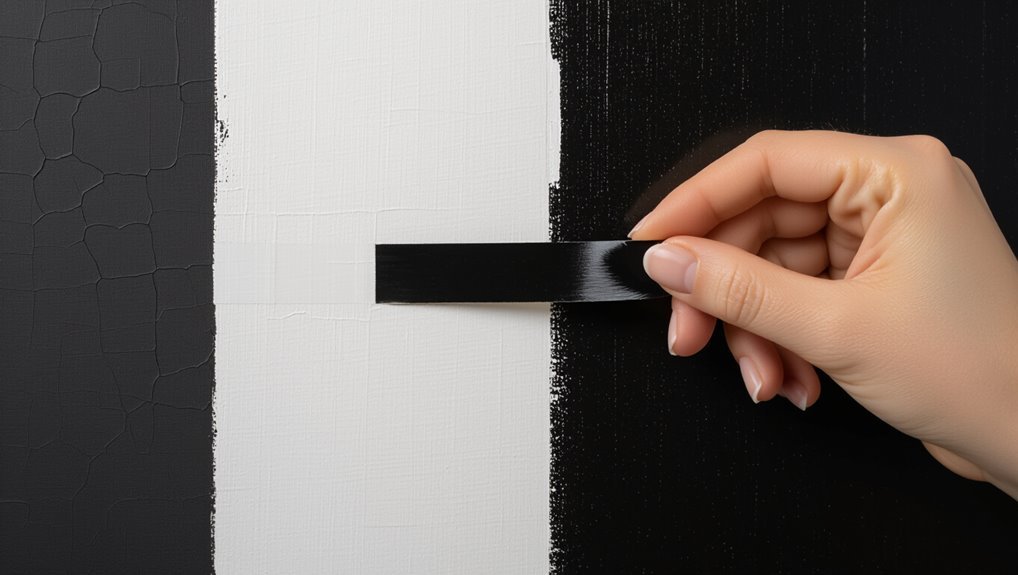
Although electrical tape often seems to stick the same everywhere, several surface and environmental factors change how strongly it bonds and whether it rips paint when removed.
You’ll notice older, poorly cured paint peels more easily; high-gloss finishes resist adhesive but can lift when brittle; humidity softens paint and weakens adhesion; and unclean or unprimed surfaces let tape stick unevenly, increasing removal damage.
Common Scenarios When You Might Use Electrical Tape on Walls
You’ll often reach for electrical tape when you need temporary labels or quick markings on walls.
It’s also handy for securing cables or stringing up light decorations without nails.
For small DIY fixes and craft projects, you’ll use it as a fast, removable hold.
Temporary labeling or marking
When you need a quick, nonpermanent way to mark locations on walls—for example, labeling outlets during a renovation, marking stud lines, or tagging spots for hanging art—electrical tape is a convenient choice because it’s easy to apply and remove.
You can write on tape with a permanent marker, reposition short strips, and avoid drilling. For painted surfaces, test a scrap first to prevent finish damage.
Securing cables or light decorations
If you’ve used electrical tape for temporary labels, you’ll find it’s just as handy for tacking down lightweight cables or stringing small decorations without nails or clips.
It holds fairy lights and phone chargers briefly, but adhesive can gum paint or leave residue.
For safer removal and less damage, use removable mounting putty, adhesive hooks rated for your surface, or painter’s tape for short-term runs.
DIY fixes and craft projects
Wondering whether electrical tape will do the job for a quick craft or patch-up? You might use it to hold torn wallpaper edges, secure temporary poster corners, or mask small paint chips while you touch up.
It sticks well short-term but can lift paint when removed. For crafts, test on scrap paint; for fixes, prefer low-tack painter’s tape or removable adhesive strips to avoid damage.
Step-by-Step Test: How to Check If Electrical Tape Will Damage Your Wall
Pick an inconspicuous test spot and apply a small piece of electrical tape.
Leave copies for set intervals—1 hour, 24 hours, and 1 week—then remove each tape at a steady angle and speed.
Inspect the paint, note any lifting or residue, and document your findings.
Step 1 Choose an inconspicuous test spot
Where should you test the tape? Pick a hidden area like inside a closet, behind furniture, or near trim where damage won’t be obvious.
Clean the spot gently so residue won’t affect results. Mark the location subtly so you can find it later.
Testing there lets you assess adhesion and paint reaction without risking visible wall damage.
Step 2 Apply and leave tape for set time intervals (1 hour, 24 hours, 1 week)
Place small strips of electrical tape on your test spot and leave them for the specified intervals—about 1 hour, 24 hours, and 1 week—so you can compare short- and longer-term effects.
Note each strip’s location and label times. Check for visible residue, discoloration, or adhesive spread without removing tape.
Photograph each interval for accurate comparison and record room conditions like temperature and humidity.
Step 3 Remove tape properly (angle and speed)
1. When removing tape, pull it back on itself at a low, acute angle (about 45° or less) rather than straight out.
Go slowly and steadily; jerking risks lifting paint. Keep the strip close to the wall surface, supporting adjacent paint with your other hand if needed.
If resistance increases, pause, warm the adhesive slightly, then continue gently to minimize damage.
Step 4 Inspect results and document findings
Check the test area carefully for any signs of damage, since that’s what tells you whether the tape is safe to use on your wall.
You should note paint lift, residue, color change, or texture loss, photograph results, and record tape type, removal angle, and time applied.
Compare with untouched paint and decide whether to proceed.
- Paint lift
- Residue
- Color change
- Texture loss
Alternatives to Electrical Tape That Are Safer for Walls
If you’re worried about electrical tape peeling paint, try removable painter’s tape for clean edges or washi and other low-tack decorative tapes for light-duty applications.
For hanging or organizing, use Command strips/hooks, adhesive putty or poster tack, and Velcro strips or cable organizers for wires instead of sticky tape.
Each option has specific strengths—choose based on weight, surface type, and how long you need the fix to last.
Removable painter’s tape (types and best uses)
When you need clean lines without risking paint damage, removable painter’s tape is a safer alternative to electrical tape.
You’ll find flat-edge types for crisp edges, delicate-surface grades for fresh paint, and high-adhesion options for textured walls.
Use short, even pulls at a 45° angle after paint cures. Test a small area first to guarantee no finish lift.
Washi tape and low-tack decorative tapes
For projects where even painter’s tape feels too heavy-handed, washi and other low-tack decorative tapes give you a gentler option that’s kinder to painted surfaces.
You can use them for lightweight decorations, temporary labels, and delicate craft work. They remove cleanly from most finishes, leave minimal adhesive residue, and come in many colors and patterns—just test a hidden spot first to confirm compatibility.
Command strips and hooks for hanging items
Command strips and hooks offer a strong, damage-free way to hang pictures and organizers without relying on electrical tape. You can choose weight-rated strips or adhesive hooks for different items, follow package instructions to guarantee secure bonding, and remove them cleanly by pulling the tab.
They prevent paint damage if you prep surfaces, apply evenly, and don’t overload their weight limits.
Adhesive putty and poster tack
Although it’s tempting to grab tape, adhesive putty and poster tack give you a low-risk way to mount lightweight items without damaging paint.
You can reposition photos, posters, and small decor easily, and they leave minimal residue. Press firmly, test hold, and remove slowly at a low angle.
They work best on smooth, cured paint and for items under a few ounces.
Velcro strips and cable organizers for wires
Velcro strips and dedicated cable organizers give you a neat, low-risk way to route wires without risking paint damage. You can secure cords temporarily, reposition easily, and avoid sticky residue. Choose washable Velcro or adhesive-backed organizers rated for your wall finish.
| Option | Benefit |
|---|---|
| Removable Velcro | Reusable, gentle |
| Cable clips | Tidy, low-profile |
| Raceway | Conceals, durable |
| Adhesive hooks | Flexible, noninvasive |
How to Remove Electrical Tape Without Damaging Paint
When you need to remove electrical tape, start slow and use gentle techniques like warming the tape with a hair dryer and peeling at a low angle to avoid lifting paint.
If sticky residue remains, try safe solvents—like rubbing alcohol or a dedicated adhesive remover—on a hidden spot first to check for paint reaction.
Call a professional if paint starts to peel, the surface is delicate, or DIY methods don’t work.
Gentle removal techniques (heat, slow peeling)
If you want to remove electrical tape without peeling paint, go slowly and use gentle heat to loosen the adhesive first.
Warm the tape with a hair dryer on low for 20–30 seconds, then lift an edge and peel back at a 45° angle, keeping tension low.
Stop if paint lifts; reheat and continue gradually to protect the finish.
Solvents and cleaners to remove adhesive residue safely
Start with the mildest options and work up: you’ll usually remove leftover adhesive with soapy water, rubbing alcohol, or a commercial adhesive remover without harming paint if you test first.
Dampen a cloth, blot gently, then rinse. For stubborn residue, try a citrus-based cleaner or Goo Gone, testing an inconspicuous spot.
Avoid harsh solvents like acetone on latex paint and dry thoroughly.
When to call a professional for repair
Although you can often remove electrical tape and its residue yourself, call a professional if the tape has ripped fresh paint, covered a large area, or left stubborn adhesive that risks further damage when scrubbed.
You should also hire pros when DIY tools fail, the wall’s texture or finish is delicate, or the damage affects trim, wallpaper, or plaster—so repairs avoid worsening the problem.
Preventing Paint Damage When Using Any Tape
Before you stick tape to a painted wall, clean the surface and prime any fresh or chalky paint so the adhesive sits on a stable base.
Choose tape based on your paint type and surface—low-tack or painter’s tape for delicate finishes, stronger adhesive for rough or glossy surfaces.
Keep tape on only as long as recommended and check it regularly so you can remove or replace it before adhesive bonds or fades.
Best practices before applying tape (cleaning, priming)
When you’re about to tape a wall, take a few simple prep steps—clean the surface, check the paint’s condition, and prime bare or damaged spots—to reduce the risk of peeling or adhesive transfer.
Wipe with mild detergent, rinse, and dry fully. Remove loose paint, sand rough edges, and apply a compatible primer to bare areas.
Let primer cure before taping to guarantee adhesion and safe removal.
Recommended tape selection by paint type and surface condition
If your paint is fresh or delicate, choose low-tack, paper-based painter’s tape; for cured, durable finishes you can use higher‑bond tapes or vinyl varieties that resist stretching.
Match tape adhesive to surface: eggshell or satin needs gentler tapes, semi‑gloss and trim handle stronger adhesives.
For textured or uneven surfaces, pick conformable cloth or foam‑backed tape to maintain contact without lifting paint.
Time limits and inspection schedule for temporary tape
Because tape adhesive can bond more strongly over time, set clear time limits and check the tape regularly to prevent paint damage.
Specify a maximum duration (hours or days) based on tape type and paint age.
Inspect edges daily, remove if lifting or discoloration appears, and replace with fresh low-tack tape if needed.
Document inspections and removal times to avoid forgotten tape.
Mistakes to Avoid When Using Tape on Walls
Don’t use high-tack tape on fresh or unsealed paint, because it can lift the finish when removed.
Avoid leaving tape on for days or weeks, since adhesive bonds strengthen over time.
When you take tape off, don’t rush or pull at the wrong angle—slow, low-angle removal minimizes damage.
Using high-tack tape on fresh or unsealed paint
When you press high‑tack tape onto freshly painted or unsealed surfaces, the adhesive can bond to the curing paint and lift or tear the finish when removed.
You should wait until paint fully cures per manufacturer instructions before applying any strong adhesive.
If you must tape sooner, choose low‑tack painter’s tape, press lightly, test a small hidden area, and remove slowly at a 45° angle.
Leaving tape on for prolonged periods
Leaving tape on walls for days or weeks increases the chance the adhesive will bond more permanently to paint and wallpaper, making removal harder and more likely to peel or leave residue.
You should remove tape within a day or two, check edges periodically, and replace if you need longer protection.
For long-term needs, use low-tack painter’s tape designed for extended use.
Rushing removal or pulling at the wrong angle
If you rush peeling tape or yank it off at a steep angle, you’ll increase the chance of lifting paint or tearing wallpaper.
Pull slowly, keeping the tape close to the wall and peeling back at a low, steady angle. Move in the direction of the adhesive’s release, use heat for stubborn edges, and stop if paint starts to lift to prevent damage.
Repairing Paint Damage Caused by Tape
If tape has pulled off small spots, you can clean the area, lightly sand the edges, and apply touch-up paint to hide the damage.
For larger sections you’ll need to patch gouges, prime the repaired surface, and repaint for a seamless finish.
Take your time matching color and use feathering or thin layers to blend the new paint into the old.
Small peeled spots: cleaning, sanding, touch-up paint
Small peeled spots from tape are usually fixable with a few simple steps: clean the area to remove residue, lightly sand the edges to feather the paint, and apply touch-up paint that matches the surrounding finish.
Wipe residue with mild detergent or rubbing alcohol, sand with fine-grit paper, dust off, then use a small brush or sponge to stipple matching paint.
Let dry and inspect.
Larger damage: patching, priming, repainting
Assess the full extent of the damage before you start repairs: peel back any loose paint, press gently to find edges, and mark the area so you know what needs to be removed and replaced.
Remove loose material, fill gouges with spackle, sand smooth, then apply a quality primer to sealed bare spots.
Repaint the repaired section with appropriate finish and allow proper drying between coats.
Color-matching tips and blending techniques
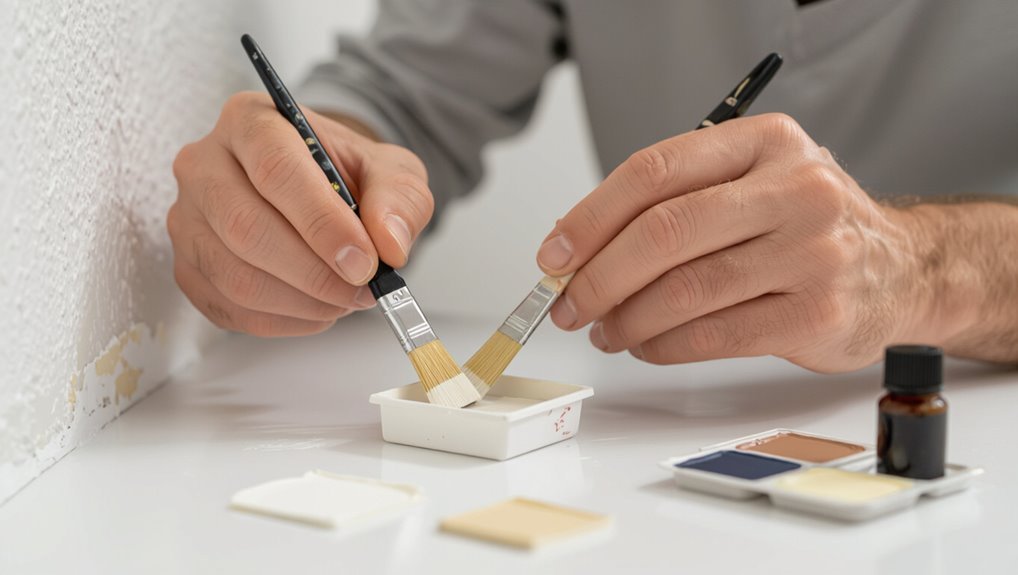
When you’re matching paint after tape damage, start by identifying the original finish and undertone so your repair won’t stand out; bring a scrap of the damaged paint or a photo in natural light to the store if possible.
Test sample swatches on poster board, view at different times of day, and feather edges with a small brush.
Blend with thin layers, sanding lightly between coats for a seamless match.
Cost and Convenience Comparison of Tape Alternatives
When choosing tape alternatives you’ll weigh price and how long they last—cheaper tapes may need frequent replacement while higher-end options hold up longer.
Consider ease of use and how available each type is, since some specialty tapes require tools or a trip to a hardware store.
Match the choice to the job: temporary fixes favor low-cost, removable tapes, while permanent repairs call for durable, pricier materials.
Price ranges and longevity
Budget matters a lot when you’re choosing tape for painting jobs, so compare upfront cost and how long each type lasts.
Painter’s tape costs slightly more per roll but lasts through multiple projects if stored dry.
Masking tape is cheap but degrades and leaves residue sooner.
Frogtape and specialty low-tack options cost more but preserve paint longer, reducing repainting expenses overall.
Ease of use and availability
Cost and longevity matter, but you’ll also care about how easy a tape is to use and how readily you can buy it.
You’ll find electrical tape and painter’s tape at every hardware store, while specialty low-tack tapes may require online orders.
Look for tapes that tear by hand, stick predictably, and come in common widths so you won’t need special tools or trips.
Best choice by application (temporary vs permanent)
Which tape you pick depends on whether the job’s short‑term or permanent: for temporary masking or hanging you’ll want low‑tack painter’s or removable mounting tape that peels cleanly, while for long‑term repairs or insulation choose heavy-duty electrical or duct tape that bonds more permanently. You’ll weigh cost, ease, and paint safety to choose wisely.
| Application | Tape Type | Notes |
|---|---|---|
| Temporary | Painter’s/removable | Low tack, peels clean |
| Permanent | Electrical/duct | Strong bond, may damage paint |
FAQ
You probably have a few quick questions about tape and painted walls, like whether any tape is ever 100% safe, how long painter’s tape can stay up, or if heat from a hairdryer helps removal.
You’ll also want to know which tapes suit delicate or vintage paint and what to do if tape peels paint off. Below are concise answers to those common concerns.
Will any tape ever be 100% safe on painted walls?
Is any tape truly 100% safe on painted walls? No. Any adhesive can risk damage depending on paint type, age, surface prep, humidity, and removal technique.
You can minimize risk by choosing low-tack tapes, testing a hidden spot, cleaning surfaces first, and removing slowly at a low angle.
Even then, delicate or poorly bonded paint may lift.
How long can I safely leave painter’s tape up?
Because adhesion changes with product and conditions, assume painter’s tape won’t stay perfect indefinitely and plan to remove it within a safe window.
Generally, standard painter’s tape is safe for 14 days; delicate-surface tape is designed for 7 days.
Higher-quality, labeled “up to 60 days” tapes can last longer.
Check manufacturer guidance and remove tape promptly if edges start lifting or paint feels soft.
Can heat from a hairdryer help remove tape without peeling paint?
When paint’s still tacky or the tape’s adhesive has bonded tightly, applying gentle heat with a hairdryer can soften the adhesive and make peeling easier without stripping paint.
Hold the dryer a few inches away, move constantly, and warm the tape for 20–30 seconds.
Peel slowly at a low angle. Stop if paint lifts; let the surface cool and try again more gently.
Is there a tape recommended for delicate or vintage paint?
Looking for tape that won’t damage delicate or vintage paint? Use low-tack painter’s tape labeled for delicate surfaces or “removable” masking tape.
They’ve gentler adhesives and clean removal windows. Test a small, hidden spot first for at least 24 hours.
For very fragile finishes, consider adhesive-free solutions like clips or putty to avoid any risk of lifting old paint.
What should I do immediately after tape peels paint off?
If tape pulls paint off, act quickly to limit further damage and start repairs.
Gently remove loose flakes, wipe dust with a damp cloth, and let the area dry.
Apply a stain-blocking primer to prevent bleed-through, then feather in matching paint with a small brush or roller.
For larger damage, consider patching with lightweight spackle before priming and painting.
