
How Can You Tell If Paint Is Oil Based: Simple Identification Methods
You can usually tell by checking the label first for terms like “oil-based,” “alkyd” or “enamel,” and noting cleanup instructions that mention mineral spirits. Sniff for a strong solvent smell; oil paints smell sharper. Feel the surface—oil stays tacky longer, levels to a smoother, glossier finish and often yellows with age. Do a solvent spot test: rubbing alcohol won’t soften oil paint but mineral spirits will. Keep going and you’ll find practical prep and removal tips next.
Quick Checklist: Identify Oil- vs Water-Based Paint
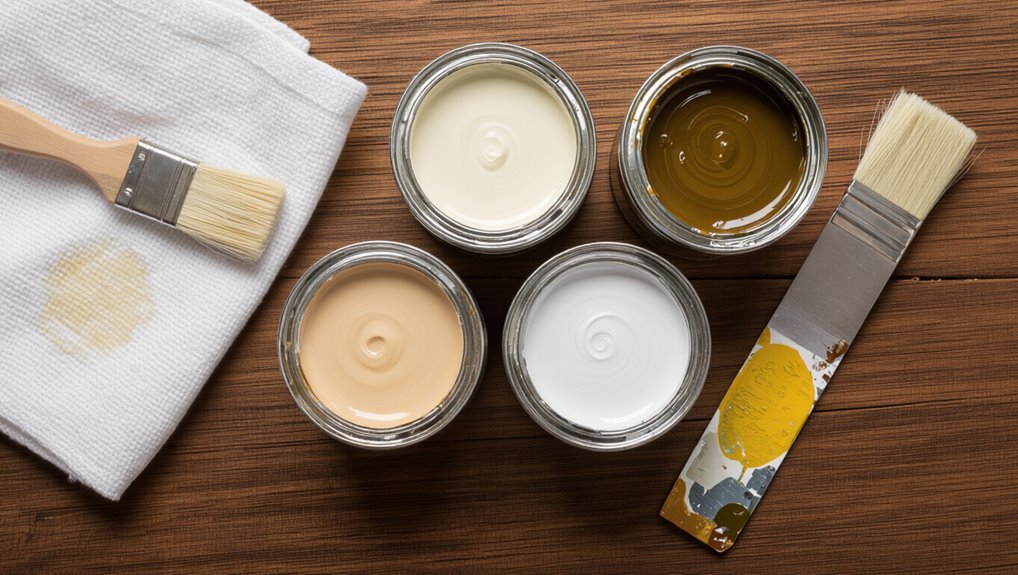
When you need to quickly tell whether paint is oil- or water-based, start with a few fast tests and visual checks you can do in minutes: check sheen, smell, and brush marks; try a solvent spot test; note drying time and tackiness.
These paint characteristics guide your identification techniques so you can decide whether to strip, sand, or apply compatible coatings.
Oil vs Water-Based Paint: Key Differences
Although both types cover and protect surfaces, oil- and water-based paints differ in composition, drying behavior, durability, and cleanup requirements, so you’ll choose one over the other depending on your project needs.
You’ll notice oil paint characteristics like tougher, glossy finishes and slower curing; water based advantages include faster drying, easier soap-and-water cleanup, lower odor, and better flexibility for trim and walls.
First Step : Read the Label (What to Look For)
Before you open the can, check the label carefully for keywords like “oil-based,” “alkyd,” “solvent-based,” or “enamel”—they tell you the paint’s binder and whether you’ll need mineral spirits for cleanup.
Before opening, read the label for words like oil-based or enamel to know cleanup needs.
Do label reading to find product information, prep instructions, and cleanup notes so you know solvent needs.
- Binder type
- VOCs and solvents
- Recommended primer
- Cleanup method
Smell Test: How Oil Paint Actually Smells
Curious how oil-based paint smells? You’ll notice strong, persistent paint odors—solvent-like, sometimes sweet or metallic—lingering longer than latex.
These smell characteristics include a sharper, fuel-ish note and reduced fruity or chalky hints common to water-based paints.
When you sniff near an unopened can or newly applied surface, that concentrated, lingering scent usually signals oil-based formulation.
Touch Test: Tackiness, Smoothness, and Drying Clues
When you run your fingertip lightly over a painted surface, oil-based paint will often feel tacky longer and smoother overall than latex.
You can do a quick touch test to note tackiness indicators, perform a smoothness assessment, compare expected drying times, and check for residue analysis without solvents.
- Note immediate tack
- Feel surface smoothness
- Estimate drying times
- Inspect finger residue
Solvent Test: Rubbing Alcohol vs Mineral Spirits
If you’re unsure whether a paint is oil- or water-based, a simple solvent test with rubbing alcohol and mineral spirits will quickly tell you: dab alcohol—if paint softens or lifts, it’s water-based; if not, try mineral spirits.
Note solvent properties and use proper application techniques: blot gently, test an inconspicuous spot, wait between tests, and wear gloves and ventilation for safety.
Fire Test Caution: Why Avoid Flame Testing
Don’t use an open flame to test paint — you’ll risk injury, toxic fumes, and accidental fires.
Instead, try safer methods like the solvent test or a small scrape for paint thickness and texture. Those alternatives give reliable results without putting you or your home in danger.
Safety Risks Explained
Although it might seem like a quick way to tell oil-based paint from latex, holding a flame to a paint sample is dangerous and unnecessary.
You should heed safety precautions and consider health risks before experimenting.
- Flames can ignite fumes quickly.
- Burning paint releases toxic gases.
- You could cause property damage.
- Self-injury or burns are common; don’t risk it.
Reliable Alternatives Offered
Because flame testing risks fire and toxic fumes, you should skip it and use safer, proven methods to tell oil-based paint from latex.
You can rely on simple solvent tests, sanding, and chip inspection.
Consider eco friendly options and paint alternatives like low VOC paints, hybrid formulations, specialty coatings, and other sustainable choices that reduce hazards while giving accurate identification and responsible refinishing.
Visual Clues: Sheen, Brush Marks, and Aging
Look for areas where the finish still holds a high gloss—the way oil-based paint keeps shine longer than latex is a clear clue.
Check for visible brush strokes that sit on the surface instead of blending in; oil formulas level differently and often show distinct marks.
Also note subtle yellowing or cracking with age, which commonly appears in older oil-based coatings.
High Gloss Retention
Gloss will tell you a lot about whether a paint is oil-based: these formulas hold a high, durable sheen longer than latex, so surfaces painted with oil often look glossier and show brush marks and aging differently.
- You’ll notice high gloss that resists dulling.
- You’ll see consistent finish durability over years.
- You’ll spot light reflections that stay sharp.
- You’ll detect aged yellowing without loss of sheen.
Visible Brush Strokes
A drying brush leaves telltale signs you can spot up close: oil-based paints level slowly, so individual strokes often remain visible as slight ridges or subtle texture differences.
When you inspect brush texture, you’ll notice faint directional marks and a smoother sheen variation. That tells you about the original application technique and slower drying—useful clues for identifying oil-based finishes and deciding restoration or repainting steps.
Check the Can: Age, Label Clues, and Solvents Listed
Cans often hold the quickest answers, so start by reading the label and noting the manufacture date and any solvent recommendations.
Check can age, label clues, and listed solvent types to decide if it’s oil-based.
Check the can for age, label hints, and listed solvents to confirm if it’s oil-based.
- Look for “alkyd” or “oil” wording
- Note manufacture date and batch
- Find recommended thinners (mineral spirits)
- Watch for cleanup instructions (soap vs. solvent)
Surface Prep: Sanding and Primer Tips by Paint Type
Before you paint, prep determines whether the finish will stick and last—so sand according to the paint type and prime where needed.
You’ll use different sanding techniques: finer grit for glossy oil-based and medium grit for weathered latex. Clean dust, then choose primer types suited to substrate and paint—bonding primers for slick surfaces, stain-blocking for tannin bleed—so topcoat adheres and looks even.
Removing Oil-Based Paint Safely and Effectively
If you’re tackling oil-based paint removal, start by evaluating the surface and choosing a method that matches the paint’s age, thickness, and the substrate’s sensitivity.
Use proper safety gear, select paint stripping or eco friendly solutions based on surface compatibility, monitor drying time, and plan cleanup methods.
- Test a small area first
- Use respirator and gloves
- Pick gentle strippers for trim
- Contain waste properly
Choosing Paint to Repaint: When to Use Oil or Water-Based
Wondering whether to stick with oil-based or switch to water-based paint? You’ll choose based on surface, durability needs, and drying time.
Use oil for trim and high-wear areas; pick water-based for walls and easy cleanup.
Consider color selection tips and test swatches under real light.
Compare paint finish options—gloss for durability, satin or matte for touch-up ease—and proceed.
Common Identification Mistakes to Avoid
When you’re trying to identify paint, don’t rely on a single quick test—many common methods can mislead you.
You’ll avoid mistakes by using multiple identification tips, questioning common myths, and confirming with solvent and adhesion checks.
- Assuming gloss means oil
- Ignoring label residue
- Trusting color alone
- Skipping solvent spot test
Frequently Asked Questions
Can Oil-Based Paint Be Safely Used Outdoors Long-Term?
Yes — you can use oil-based paint outdoors long-term; you’ll get excellent weather resistance and strong durability factors, though you’ll need proper surface prep, ventilation during application, and periodic maintenance to prevent cracking, chalking, or yellowing.
Do Oil-Based Paints Require Special Disposal Methods?
Yes — you’ll need special disposal because disposal regulations restrict oil-based paint; you shouldn’t pour it down drains or trash. Follow local hazardous-waste rules to reduce environmental impact, using collection centers or approved disposal services.
Can Latex Paint Be Applied Over Old Oil-Based Paint Without Primer?
No, you shouldn’t; latex compatibility is poor over oil without primer. You’ll need thorough surface preparation—cleaning, sanding, and a bonding primer—so the latex adheres and resists peeling, chipping, or uneven finish.
How Do VOC Levels Differ Between Oil and Water-Based Paints?
Short answer: you’ll gasp—oil paints pump far higher VOC emissions than water-based ones, though they’ll gloat about superior paint durability; water-based emit less VOCs, dry faster, and usually offer decent durability without the chemical drama.
Are There Eco-Friendly Alternatives to Traditional Oil-Based Paints?
Yes—you can choose organic options and other sustainable choices like low‑VOCs, water‑based, natural oil (linseed, tung) or milk paints; they’re lower in toxins, biodegradable when formulated responsibly, and reduce environmental impact overall.
Conclusion
Now you can spot oil-based paint like a detective reading clues—labels first, then smell, touch, and how it sands or accepts primer. Don’t ignore solvent tests or stubborn adhesion signs. If you’re repainting, match primer and finish: oil over oil, or use proper bonding primer for water over oil. When stripping, ventilate and use the right remover. With these quick checks, you’ll save time and avoid messy surprises on your next project.
