
How Do You Get Oil Based Paint Off Skin: Safe and Quick Removal Methods
If you get oil‑based paint on your skin, act fast: blot excess with a cloth, then rub in a safe solvent like vegetable oil, baby oil, or olive oil to loosen the paint. For stubborn spots, try rubbing alcohol or a small amount of acetone, then wash with soap and warm water and repeat as needed. Test any solvent on a small area first and ventilate the space, and you’ll find tips on tougher spots, safety, and prevention ahead.
Quick: Remove Oil‑Based Paint From Skin Now
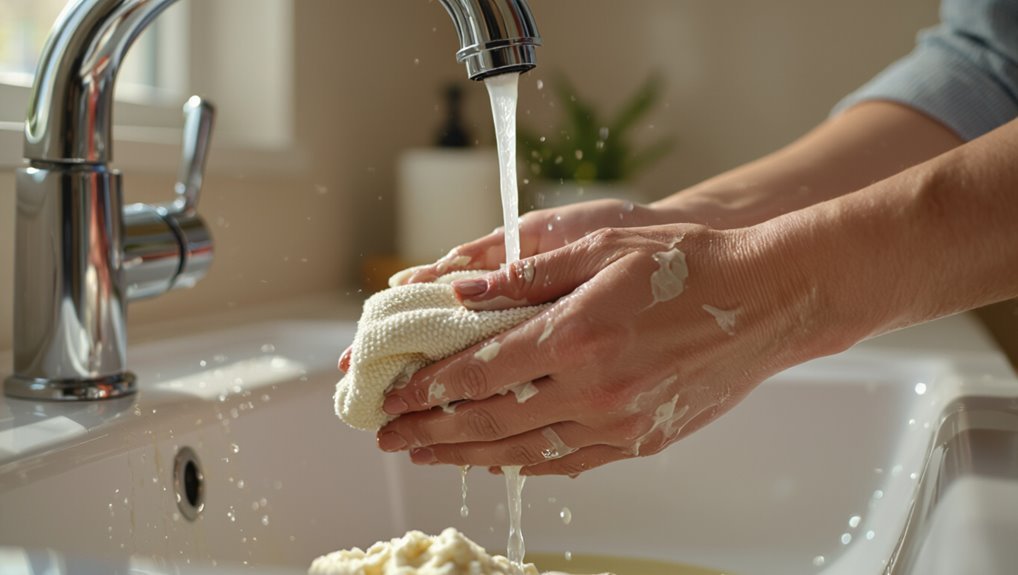
Grab a cloth and act fast: the sooner you treat oil‑based paint on your skin, the easier it’s to remove.
You’ll blot excess gently to reduce oil absorption, then use a safe solvent like vegetable oil or a commercial remover designed for skin. Rinse and repeat until paint loosens.
Consider paint alternatives or protective gloves next time to prevent recurrence.
Immediate Steps to Stop Spread and Start Removal
Once you notice paint on your skin, stop the spread by keeping the affected area still and away from clothing or surfaces. Then blot—don’t rub—away excess with a dry cloth or paper towel.
Next, protect nearby skin with a barrier and use prompt action: gather gentle solvents or removers, test a small spot, and proceed cautiously.
Prioritize paint skin care and avoid smearing.
Why Water Won’t Remove Oil‑Based Paint
Because oil-based paints are made from hydrophobic resins and solvents, water can’t dissolve or lift them from your skin; instead, it beads up and leaves the paint largely intact. You’ll notice paint composition resists water, so skin absorption is minimal but residue stays on the surface. Use appropriate removal methods rather than rinsing.
| Property | Effect |
|---|---|
| Hydrophobic resins | Repel water |
| Solvents | Bind pigment |
| Surface residue | Sticks to skin |
| Water rinse | Ineffective |
| Skin absorption | Low |
Best Household Solvents : Safest Options Ranked
Water won’t lift oil‑based paint, so you’ll need solvents that actually break down the resins and solvents in the finish.
Start with mild household items: rubbing alcohol or isopropyl (good solvent effectiveness for fresh spots), acetone or nail polish remover (stronger, use sparingly), and commercial brush cleaner (designed for coatings).
Test a small area, ventilate, and rinse skin promptly.
Using Natural Oils (Olive, Coconut, Baby Oil) to Dissolve Paint
Pick an oil based on how gentle you need it and how quickly you want the paint to lift—olive and coconut are mild, while baby oil can be a bit more effective on stubborn spots.
Rub a small amount into the painted area, let it sit for a minute to soften the paint, then massage in circular motions to break the film.
Wipe away with a clean cloth and repeat until the paint comes off, then wash with soap and water.
Oil Choice Guide
One or two tablespoons of a common kitchen or baby oil often work best when you’re trying to break down oil-based paint on skin.
Choose based on oil properties: olive offers slip and mild scent, coconut gives thicker emollience, and baby oil is refined and low-irritant.
Match the oil to paint types and your skin sensitivity, avoiding fragrances if you have reactive skin.
Application And Removal
Now that you’ve chosen an appropriate oil, you’ll use it to loosen the paint so it wipes away easily.
Rub a small amount of olive, coconut, or baby oil into the stained area, letting it sit 30–60 seconds.
Wipe with a soft cloth, repeat for stubborn paint types, then wash with mild soap and warm water.
Follow up with moisturizer for skin care.
Step‑By‑Step Method: Solvent/Oil, Gentle Rubbing, and Washing
Start by loosening the paint with a solvent or oil suited to your skin and the paint type—mineral spirits or a commercial brush cleaner for tougher oil paints, and olive or coconut oil for milder smudges.
Apply, wait briefly, then gently rub with a soft cloth or cotton pad using circular motions.
Apply, pause briefly, then softly rub with a cloth or cotton pad in gentle circular motions.
Rinse, wash with mild soap, pat dry.
Follow paint removal tips and prioritize skin protection.
Using Paint Thinner Safely : What to Know
If you choose to use paint thinner to remove oil-based paint from skin, handle it with care and know the risks: thinners like mineral spirits and turpentine dissolve paint effectively but can irritate, dry, or be absorbed through skin.
Follow paint thinner safety and guarantee proper ventilation.
- Wear gloves and avoid prolonged contact.
- Work near open windows or a fan.
- Wash and moisturize afterward.
Cleaning Delicate Spots : Face, Nails, and Minor Cuts
1. For facial cleansing, gently use oil-based cleanser or baby oil, then wash with mild soap; avoid scrubbing. For nail care, soak fingertips, push back residue, and use a soft brush. For minor cuts, remove paint around (not inside) wound, clean with saline, and cover.
| Spot | Recommended action |
|---|---|
| Face | Oil cleanser, mild wash |
| Nails | Soak, brush gently |
| Cuts | Clean edges, saline |
| Sensitive | Pat dry, moisturize |
Treating Irritation, Allergies, and Chemical Burns
When oil-based paint causes redness, itching, burning, or blistering, treat symptoms promptly and assume a more serious reaction until you know otherwise.
You should seek immediate care for severe pain or spreading blisters. For mild skin sensitivity, rinse thoroughly and use calm, fragrance-free lotion for irritation relief.
- Cool water rinse then gentle cleanser.
- Over-the-counter hydrocortisone for allergic reactions.
- See doctor for burn treatment.
Prevent Oil‑Based Paint on Skin: Gloves, Barrier Creams, and Tips
Before you start painting, put on sturdy, solvent-resistant gloves to keep oil-based paint off your skin.
You can also apply a thin layer of barrier cream to exposed areas for extra protection.
These simple steps cut cleanup time and lower the risk of irritation.
Wear Protective Gloves
Although you might be tempted to skip them on quick jobs, wearing protective gloves is the simplest way to keep oil‑based paint off your skin.
Choose gloves by glove types and safety standards to match solvents and duration. Replace torn pairs immediately.
- Nitrile — chemical resistance, disposable
- Neoprene — durable, reusable
- PVC — solvent protection for longer tasks
Apply Barrier Cream
Apply a barrier cream to exposed skin to block oil‑based paint and make cleanup easier. Before painting, you’ll rub a thin, even layer over hands, wrists, and forearms.
Know barrier cream benefits: it prevents absorption, speeds removal, and protects irritation‑prone skin.
Use proper application techniques—clean dry skin, massage until absorbed, reapply after washing or long sessions—to maintain protection.
Frequently Asked Questions
Can Oil‑Based Paint Cause Long‑Term Skin Staining or Discoloration?
Yes — you can get temporary skin staining from oil‑based paint, but permanent paint discoloration is rare. If you act quickly and clean properly, you’ll usually avoid long‑term staining; seek medical advice for persistent marks.
Is It Dangerous to Use Petroleum Jelly to Remove Paint From Skin?
It isn’t usually dangerous to use petroleum jelly to remove paint, but you should watch for skin sensitivity; if you notice irritation, redness, or a reaction, stop, wash thoroughly, and seek medical advice if symptoms persist.
Can Children or Pets Be Exposed to Removed Paint Residue Safely?
No, you shouldn’t let children or pets touch paint residue; imagine tiny hands tracing sticky streaks. Keep areas cleaned, ventilated, and sealed, and dispose residues properly to prevent unsafe exposure and accidental ingestion or skin contact.
How Soon Should You Seek Medical Help After Chemical Burn From Paint?
Seek medical help immediately if you have severe chemical burn symptoms like intense pain, blistering, numbness, or widespread redness; even with basic paint exposure treatment at home, don’t wait more than a few hours for professional care.
Will Removing Paint With Solvents Affect Topical Medications or Skincare?
Yes — it can, like rain washing away a mural, paint removal techniques and solvents can irritate and alter topical medications’ effectiveness. You’ll want to protect treated skin, test for skin sensitivity, and consult your clinician.
Conclusion
Think of oil‑based paint on your skin like gum on a shoe: annoying but removable. Act fast, blot excess, then dissolve with a natural oil (olive, coconut, or baby oil) or a gentle solvent if needed, working outward from the edges. Rinse, wash with soap, and moisturize. For face, nails, or cuts use extra care; seek medical help for burns or allergic reactions. Wear gloves and barrier cream next time to avoid a repeat.
