
How Long Does Exterior Paint Last? Durability Explained
You can generally expect exterior paint to last about 5–15 years, though that range shifts with paint type, surface, and climate. If you use high‑quality acrylics on a well‑prepared substrate and control moisture and sun exposure, you’ll hit the upper end; cheap paints and neglected prep shorten life. Different materials—wood, metal, stucco—age differently, and maintenance matters. Keep inspecting and touch up early, and keep going to learn practical tips for extending life and planning repainting.
Quick Answer: Typical Exterior Paint Lifespans
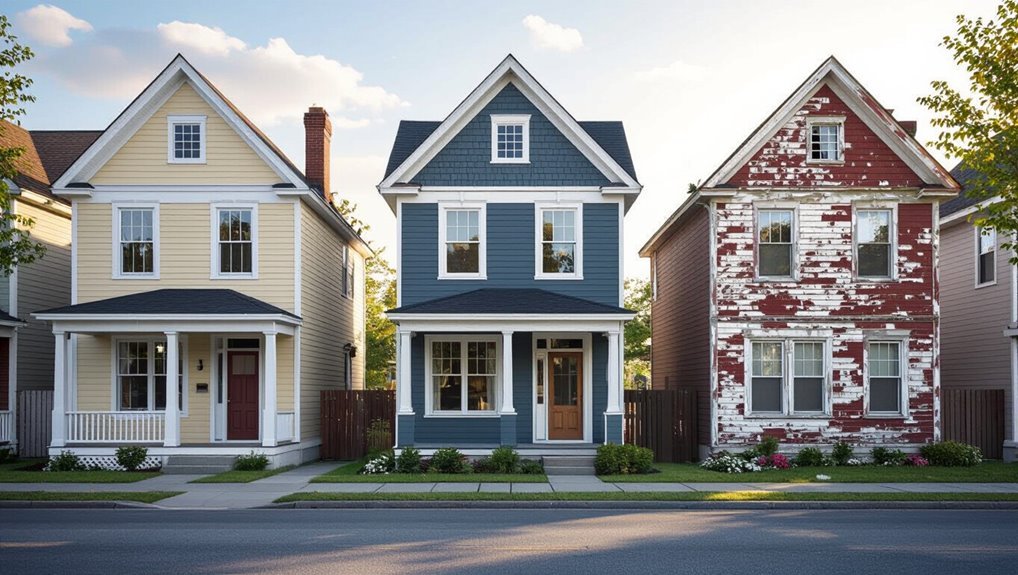
Expect exterior paint to last roughly 5–15 years depending on material and exposure.
You’ll see paint longevity vary: wood and metal age differently, and higher-quality formulas hold up longer.
You’ll notice weather impact—sun, rain, and freeze–thaw cycles accelerate fading and peeling.
Regular inspections help you spot wear early so you can plan timely maintenance and extend useful life.
How to Use This Guide
This guide shows you how to read the lifespan estimates and what factors change them.
Use the headings to find quick answers, and read the details when you need the full explanation.
Keep the maintenance checklist and material tips handy for planning and repairs.
How To Read
Wondering how to get the most from this guide? Use reading strategies and comprehension techniques to skim headings, pause for interpretation skills, and apply analysis methods.
Engage critical thinking and build contextual understanding with visual aids. Adjust your reading pace to match text structure, note key points, and use engagement tactics like questioning and summarizing so you’ll retain practical, actionable insights about exterior paint durability.
Using This Guide
When you open this guide, scan the table of contents and headings to quickly find sections that match your project.
Then use the checklists and quick-reference boxes for fast decisions while saving deeper reads for planning or problem-solving.
Use the maintenance timeline and troubleshooting flowcharts to schedule paint maintenance, prioritize tasks, and protect exterior aesthetics.
Refer back when seasons or issues change.
Why Paint Lifespan Isn’t a Single Number
You’ll find that paint life isn’t a single number because the surface and local climate shape how fast coatings wear.
The type of paint you pick and how well you prep the substrate also change that timeline.
Surface And Climate
Because different materials and weather patterns stress coatings in distinct ways, paint lifespan isn’t a fixed number you can paste on a can.
You’ll weigh color selection and aesthetic preferences against regional considerations and climate adaptation. Surface texture and application techniques affect weather resistance and color fading.
Consider environmental impact and maintenance frequency so your choices suit exposure, reduce wear, and extend exterior durability.
Paint Type And Prep
Different paint formulas and the prep work you do before applying them directly determine how long a coating will hold up; choosing a high-quality acrylic or elastomeric product won’t help if you skip cleaning, priming, or proper sanding. Your paint application and attention to surface texture affect adhesion and weather resistance—prep equals longevity.
| Prep Step | Effect |
|---|---|
| Cleaning | Removes contaminants |
| Priming | Improves adhesion |
| Sanding | Smooths texture |
Paint Types and Expected Durability
When you pick an exterior paint type, consider how its formulation—latex, acrylic, or oil—handles weather, UV exposure, and surface movement, because those properties determine how long the finish will last.
Choose formulations with stabilizing paint additives for better color retention against environmental factors.
Match application techniques to surface porosity and climate, and you’ll extend durability while reducing peeling, chalking, and premature fading.
How Paint Grade (Economy vs. Premium) Affects Lifespan
If you want a finish that lasts, the grade of paint you choose matters: economy paints skimp on pigment load, binder quality, and weather-resistant additives, while premium formulas pack more solids and advanced resins that resist fading, chalking, and washout.
You’ll get better color retention and long lasting finishes from premium paints; consider paint additives, application techniques, environmental factors, and brand comparisons.
How Prep Affects Exterior Paint Lifespan
You’ll see that thorough prep makes the biggest difference in how long exterior paint lasts.
Clean surfaces, fix rot or cracks, and choose the right primer for the substrate to guarantee adhesion and durability.
Skipping any of those steps will shorten the life of even the best paint.
Surface Cleaning Importance
Because paint only bonds to a clean, stable surface, proper cleaning is the most important step in extending your exterior paint’s lifespan.
You should use proven surface preparation techniques and cleaning methods—pressure washing, mild detergents, and mildew removers—to remove dirt, chalk, and biological growth.
Clean surfaces guarantee primers and paints adhere properly, reducing peeling and extending coating life when you follow product instructions.
Proper Surface Repair
When you fix loose, rotted, or cracked areas before painting, the coating can form a continuous, durable film instead of failing at weak spots. You’ll guarantee proper surface cleaning, repair defects, and sand smooth changes so paint adhesion improves and longevity increases.
| Task | Benefit | Time |
|---|---|---|
| Remove rot | Stops spread | 1–2 hrs |
| Fill cracks | Smooth film | 30–60 min |
| Sand joints | Better bond | 20–40 min |
Primer Selection Impact
Selecting the right primer before you paint drastically affects how long your exterior finish will last, because primers control adhesion, seal porous substrates, and block stains that would otherwise break down topcoats.
You’ll choose primer types by surface compatibility, moisture barriers, drying times, and color selection. Consider application techniques, brand comparisons, and environmental impact.
- Wood: oil vs. acrylic
- Masonry: high-seal options
- Metal: rust-inhibitors
- Stucco: breathable primers
Why Primer Matters for Longevity
Although you might think paint alone protects your siding, primer plays the essential role of ensuring adhesion, sealing porous surfaces, and blocking stains so the topcoat lasts longer. You’ll see primer benefits in durability and weather resistance; correct primer application prevents peeling and uneven color, saving maintenance time and money.
| Benefit | Effect |
|---|---|
| Adhesion | Better bond |
| Sealing | Blocks pores |
| Stain block | Prevents bleed |
| Durability | Extends life |
Wood: Lifespan, Risks, and Best Systems
When you’re painting wood exteriors, expect lifespan to vary with species, exposure, and maintenance.
You’ll need to watch for rot and moisture entry points like joints, end grain, and flashing failures.
Choosing the right paint system—proper primer, breathable topcoat, and good detailing—keeps water out and extends life.
Wood Lifespan Factors
Because wood’s service life depends as much on detailing and maintenance as on species, you should evaluate exposure, moisture control, and finish system together to predict durability.
Balance wood species, paint compatibility, wood treatments, and preservation techniques while considering environmental impact and moisture management.
Prioritize wood maintenance and seasonal care.
- Inspect annually
- Refinish as needed
- Control drainage
- Use compatible coatings
Rot And Moisture Risks
Inspecting and maintaining wood helps prevent many problems, but rot and moisture can still undermine even well-kept assemblies. You should prioritize moisture management, rot prevention, surface preparation and paint application while considering climate considerations and inspection frequency to limit environmental impact.
| Risk | Action |
|---|---|
| Wet siding | Improve drainage |
| Hidden rot | Increase inspections |
Best Paint Systems
Though wood can last decades with the right care, choosing the right paint system is the single most effective step you can take to extend its lifespan and reduce risks like peeling, moisture intrusion, and mildew.
You should pick durable top exterior systems and proven best paint brands. Consider:
- Elastomeric over primer
- 100% acrylic finish
- Oil-based primer + acrylic topcoat
- Breathable stain finishes
Stucco & Masonry: Lifespan and Coatings
Stucco and masonry finishes can last 25 to 50 years or more when they’re properly installed and maintained, but their durability hinges on substrate quality, moisture control, and the coatings you choose.
You should follow stucco maintenance schedules, pick appropriate masonry coatings, and consider color choices that resist UV.
Proper application techniques, crack repair, and breathable sealers prevent moisture intrusion and extend service life.
Vinyl & Aluminum Siding: Coatings That Last
After covering masonry and stucco, you’ll want to apply a different approach for vinyl and aluminum siding since their substrates react differently to paint and weathering.
You’ll focus on surface compatibility, weather resistance, and installation techniques. Choose vinyl coatings or durable aluminum finishes, consider color selection and environmental impact, and follow maintenance tips.
- Prep and clean
- Match coating type
- Mind thermal movement
- Recoat schedule
Metal/Steel Exteriors: Preventing Corrosion and Paint Failure
When you’re working with metal or steel exteriors, preventing corrosion and paint failure starts with recognizing that these substrates demand coatings and prep unlike masonry or siding.
You’ll focus on surface preparation, rust treatment, and ensuring paint adhesion for coating durability.
Consider environmental factors and weather resistance; follow maintenance tips to extend life.
| Rust treatment | Paint adhesion |
|---|---|
| Surface prep | Coating durability |
| Weather resistance | Environmental factors |
| Maintenance tips | Corrosion prevention |
Sun and UV Damage: What Happens to Paint
Metal exteriors resist rust with the right prep, but sunlight creates a different set of threats you need to address: ultraviolet radiation breaks down paint binders, fades pigments, and causes chalking and loss of gloss over time.
- UV effects accelerate paint degradation and color fading.
- Sun exposure reduces heat resistance and gloss.
- Protective coatings slow weathering impacts.
- Consider longevity factors when choosing finishes.
Moisture, Rot, and Water-Driven Failures
You’ll want to inspect common water intrusion paths—rooflines, flashing, siding joints, and window seals—because those are where paint first fails.
When water gets behind the paint it can trap moisture against wood and promote rot that undermines both finish and structure.
Understanding how paint, flashing, and trim interact will help you prevent and repair water-driven failures quickly.
Water Intrusion Paths
Because water finds even the smallest gaps, it becomes the primary cause of paint failure, wood rot, and structural decay. Once moisture gets behind the coating, it drives blistering, peeling, and hidden deterioration that accelerate over time.
- Check water penetration routes: seams, flashing, and joints.
- Verify moisture barriers and correct application techniques.
- Evaluate sealant effectiveness and surface texture for paint adhesion.
- Adapt maintenance practices to environmental factors to protect structural integrity and paint flexibility.
Paint And Wood Rot
When moisture breaches the paint and settles into wood, it doesn’t just stain the surface—it feeds fungal growth and weakens the structure beneath.
So you’ll see rot start in hidden spots like window sills, trim joints, and lap seams before it shows on the exterior.
You should inspect, repair flashing, and replace decayed boards promptly; proactive paint preservation and rot prevention extend coating life and structural integrity.
Temperature Swings and Freeze–Thaw Damage
If temperatures swing wildly between day and night or across seasons, your exterior paint takes repeated mechanical stress that leads to cracking, flaking, and loss of adhesion.
You’ll notice how temperature fluctuations and thaw cycles worsen freeze damage and winter effects.
Consider these points for paint resilience and seasonal impacts under climate considerations and thermal stress:
- Inspect for microcracks
- Choose flexible coatings
- Address moisture intrusion
- Time repaints carefully
Salt, Pollution, and Chemical Exposure
Thermal cycling doesn’t just crack paint—it also opens pathways for environmental contaminants to reach the substrate.
So you need to contemplate how salt, airborne pollutants, and chemical exposure accelerate coating breakdown.
You’ll see salt exposure worsen corrosion in coastal challenges, pollution effects strip binders, and chemical interactions from runoff or exhaust speed deterioration.
Consider environmental impact and urban considerations when choosing resilient coatings.
Color & Sheen: Fading and Heat Absorption
Color and sheen play big roles in how paint ages: darker pigments and glossy finishes tend to absorb more solar energy, accelerating fading and substrate heating, while lighter, matte surfaces reflect more light and stay cooler.
- Choose lighter colors for better color retention
- Use matte finishes to reduce glare
- Consider coatings with heat resistance
- Balance aesthetics with thermal performance
Common Failure Modes and Causes
When coatings start to fail, you’ll usually see a few predictable modes—chalking, blistering, cracking, peeling, and adhesion loss—each pointing to different causes like UV degradation, moisture intrusion, poor surface prep, or incompatible primers.
You’ll want to recognize peeling paint from moisture damage, UV exposure–driven surface degradation, inadequate preparation, wrong paint formulation, or harsh environmental factors, and address gaps in maintenance routines.
How to Inspect Exterior Paint (What to Look For)
When you inspect exterior paint, start by checking for peeling along edges, seams, and window sills.
Look closely for areas where the topcoat is flaking away from the substrate.
Also scan for fading or color change that indicates UV damage or uneven weathering.
Check For Peeling
If you spot flaking or curling paint, don’t ignore it—peeling is one of the clearest signs that the coating has failed and moisture or poor adhesion is at work.
You should note peeling indicators and prioritize repair techniques. Check these:
- Edges lifting from substrate
- Large chips or sheets detaching
- Bubbling under paint
- Moisture stains beneath finish
Act promptly to prevent worse damage.
Inspect For Fading
Peeling often signals active moisture or adhesion problems, but fading tells a different story about long-term UV and weather exposure.
When you inspect for fading, scan sun-exposed walls for uneven lightening, chalky residue, or washed-out tones—these fading indicators show pigment breakdown.
Compare shaded versus exposed areas to judge color retention, note surfaces losing vibrancy, and decide if repainting or a protective finish is needed.
When a Touch-Up Is Enough vs. Full Repaint
Because small chips and faded spots are often localized, you can frequently fix them with a touch-up rather than committing to a full repaint.
Assess size, adhesion, and color match; use proper touch up techniques for seamless blending.
Assess size, adhesion, and color match, then use proper touch-up techniques for seamless blending.
Choose full repainting when peeling, widespread fading, or multiple substrate issues exist.
- Size: localized vs widespread
- Adhesion: flaking present?
- Color match: achievable?
- Substrate: rot or damage?
Routine Maintenance That Extends Paint Life
Once you’ve decided a touch-up will do, keep the repaired area and the rest of the exterior in good shape with simple, regular maintenance that noticeably extends paint life.
You’ll perform routine inspections, follow cleaning schedules, apply protective coatings and surface treatments, and use weatherproofing strategies to counter environmental factors.
Prioritize timely touch ups and seasonal maintenance to prevent small issues becoming full repaints.
Seasonal Timing: Best Months to Paint
While weather varies by region, you’ll get the most consistent results when you plan exterior painting for periods with moderate temperatures, low humidity, and minimal chance of precipitation.
Consider these timing considerations and seasonal trends to match weather conditions, ideal temperatures, and humidity levels; prioritize surface preparation before paint.
- Spring shoulder months
- Early autumn windows
- Avoid freezing spells
- Skip humid afternoons
Repaint Intervals by Material & Climate
When you plan repainting, consider how material and climate change the timeline.
Wood often needs more frequent attention in wet or sun‑baked regions, while metal and masonry can last longer but still suffer in salty or freeze‑thaw climates.
We’ll cover regional repaint schedules for wood and the climate‑driven effects on metal and masonry next.
Wood: Regional Repaint Timeline
Although wood siding can look great for years, the repaint timeline varies widely by climate and species, so you’ll need to plan repainting based on local conditions.
You should consider wood treatment and paint weathering when scheduling.
Typical regional intervals:
- Dry inland: 8–12 years
- Humid coastal: 3–7 years
- Cold northern: 6–10 years
- High UV southwest: 4–8 years
Metal & Masonry: Climate Effects
Because metal and masonry respond very differently to weather, you’ll want to pick repaint intervals that match each material and your climate rather than using a one-size-fits-all schedule.
Account for climatic variations and environmental factors: metal corrosion needs protective coatings and surface treatments to preserve paint adhesion and finish durability, while masonry absorption affects weather resistance.
Adjust maintenance frequency accordingly.
Choosing Paint for High-Sun Climates
If your home bakes in intense sun, pick paints formulated to resist UV degradation and retain color longer. You’ll prioritize UV resistance, heat reflection, paint technology, and paint additives.
Consider surface texture, application methods, color selection, and local climate for longevity. Maintenance tips matter. Choose long lasting brands.
Consider texture, application, color and climate for lasting results—maintain regularly and choose durable brands.
- Look for high UV ratings
- Favor reflective finishes
- Prep textured surfaces
- Follow proper application methods
Choosing Paint for Coastal/Salty Environments
Sun-exposed homes face different challenges than coastal ones, where salt spray, humidity, and corrosive air demand paints formulated for marine conditions.
You should pick high-quality acrylic or elastomeric coatings with corrosion inhibitors and fungicides to resist coastal conditions and salt exposure.
Prioritize adhesion, flexible films, and rust-resistant primers on metal; follow strict prep and regular inspections to catch failures early.
Best Systems for Wood Siding and Trim
When you choose paint for wood siding and trim, pick products formulated for exterior wood that balance flexibility and UV resistance.
You’ll need thorough surface preparation—cleaning, repairing, and priming—to guarantee adhesion and longevity.
Apply the system with proper techniques (correct thinning, brush or low-pressure spray, and recommended dry times) to get the best durability.
Paint Type Selection
Choosing the right paint system for wood siding and trim makes a big difference in how long your exterior stays protected and attractive.
You’ll weigh paint finish options and environmental considerations, then pick systems that resist moisture and UV.
Consider:
- 100% acrylic exterior for flexibility
- Satin for trim, flat for siding contrast
- Primer-sealer compatible with topcoat
- Low-VOC choices for eco-friendly performance
Proper Surface Preparation
Because paint only lasts as long as the surface underneath it, you should strip loose coatings, clean mildew and dirt, and repair or replace rotten wood before you prime.
You’ll perform surface testing to confirm adhesion and moisture levels, sand where needed, and choose compatible primers and topcoats for siding and trim.
Follow proper application techniques guidance later to finish reliably.
Best Application Techniques
Start by selecting a complete system—primer plus topcoat—matched to the wood species, exposure, and the existing finish so you don’t patch compatibility problems later.
Choose application methods based on surface conditions and weather considerations; balance brush strokes, roller use, and spray application for even layering techniques and proper drying times. Ascertain ventilation needs are met.
- Prep with correct paint tools
- Spot-prime cracks
- Thin coats, consistent strokes
- Check humidity and temp
Best Systems for Stucco and Masonry
When you’re painting stucco or masonry, pick systems that handle porous, textured surfaces and resist moisture, efflorescence, and alkali attack.
You’ll choose masonry coatings for weather resistance and color retention, balancing paint thickness and suitable application methods.
Check surface compatibility and maintenance requirements against environmental factors.
Consider stucco benefits and aesthetic choices so your finish lasts and stays attractive with minimal upkeep.
Best Systems for Vinyl and Metal Siding
Moving from masonry to smoother, less-porous exteriors means you’ll choose different products and prep methods for vinyl and metal siding.
Switching from masonry to smoother siding calls for different products, prep methods, and adhesion-focused coatings.
You’ll need tailored approaches for adhesion and longevity.
- Clean and degrease thoroughly for vinyl coatings
- Use high-build primers for metal finishes
- Select flexible, UV-resistant topcoats
- Follow manufacturer cure times to prevent peeling
DIY vs. Professional: Impact on Durability
Although DIY jobs can save money upfront, choosing a pro often preserves paint durability and warranty coverage.
Professionals bring proper surface prep, consistent application, and climate-aware timing that you might miss.
You’ll weigh DIY Techniques versus Professional Expertise, considering Cost Considerations, Quality Differences, Paint Application, Surface Preparation, Finish Selection, Project Timeline, Maintenance Tips, and Long Term Benefits when deciding who paints.
Cost vs. Lifespan: Evaluating Paint Value
Choosing between DIY and hiring a pro affects more than immediate cost—you’ll also impact how long that paint job lasts and what it ultimately costs per year.
Do a cost analysis balancing upfront price, materials, and paint longevity. Consider:
- Initial labor vs. material costs
- Expected years between recoats
- Maintenance frequency
- Long-term cost per year
Pick based on value, not just price.
Do Warranties Reflect Real Paint Lifespan?
Curious whether a paint warranty tells you how long the finish will actually last? You’ll find warranties useful for warranty comparison but they don’t guarantee real-world results. They often exclude application errors, substrate problems, and weather — key longevity factors. Use warranties as a baseline, check coverage specifics, and weigh documented performance and contractor reputation before assuming lifespan.
| Type | Coverage | Limitations |
|---|---|---|
| Manufacturer | Years listed | Exclusions apply |
| Extended | More claims | Conditions required |
| Performance | Lab data | Not site-proven |
Eco-Friendly Paints: Longevity Trade-Offs
When you opt for low-VOC or plant-based exterior paints, you’ll get health and environmental benefits, but you may face trade-offs in durability compared with some high-solvent formulations.
Choosing low‑VOC or plant‑based exterior paints improves health and environment, though durability may lag behind solvent‑rich options.
You should weigh eco friendly options against lifespan, maintenance, and environmental impact.
Consider:
- Reduced fumes and better indoor/outdoor air
- Potentially lower weather resistance
- Easier disposal
- More frequent touch-ups
Pre-Repaint Checklist and Decision Guide
Before you lift a brush or call a contractor, take a systematic inventory of the surface, substrate, weather exposure, and budget so you can decide whether a full repaint, spot repairs, or simple touch-ups will give you the best long-term value.
Then assess adhesion, rot, cracks, and contamination; choose preparation techniques, schedule work for dry conditions, and factor ongoing paint maintenance to maximize lifespan and cost-effectiveness.
Frequently Asked Questions
How Does Roof Type Affect Wall Paint Lifespan?
Roof type affects wall paint lifespan because roof material and roof color change heat reflection and runoff, so you’ll see varied wear; you’ll also need to factor weather conditions like sun, wind, and moisture that accelerate fading and peeling.
Can Landscaping or Nearby Trees Shorten Exterior Paint Life?
Absolutely — yes. You’ll love how trees dramatize paint failure: leaf drip, sap tattoos, and mold parties. With poor landscape maintenance and heavy tree shade, your paint’ll fade, peel, and need repainting far sooner than expected.
Do Insects or Pests Contribute to Paint Failure?
Yes — insects and pests can cause insect damage that undermines paint adhesion; you’ll need pest control and proper surface preparation to remove nests, frass, or chew marks so paint bonds and lasts longer.
How Do New Construction Adhesives or Sealants Interact With Paint?
They can clash or cling: you’ll find adhesive properties dictate bonding, and sealant compatibility determines paint adhesion and finish. Test first; incompatible sealants can soften or repel paint, while compatible ones create durable, seamless protection.
Will Solar Reflective Paints Impact Warranty Coverage?
Yes — they can affect coverage. You’ll enjoy solar reflective benefits like reduced heat and fading, but check warranty considerations: manufacturers may require specific products, prep, or approvals, otherwise they might void or limit your warranty.
Conclusion
You’ll get the longest life from exterior paint when you pick the right type and grade, prep properly, and factor climate and maintenance into your plan. For example, a homeowner in Seattle chose a premium acrylic with meticulous surface prep and annual gutter cleaning; their house still looked great after 12 years, saving more than a repaint’s cost. Use this guide to weigh paint, price, and upkeep so you repaint only when it truly makes sense.
