
How Long Does Fabric Paint Take to Dry: Drying Times and Tips
You’ll usually get a touch-dry fabric paint surface in 20–60 minutes, but full curing for durability and wash-safety typically needs 24–72 hours depending on paint type, fabric, humidity, and layer thickness. Thin, even coats dry faster; thick or heavily textured layers stay tacky longer. Heat-setting or proper curing boosts permanence. If you work in warm, ventilated conditions you’ll speed drying, and keep in mind specific paints and fabrics alter times—keep going for tips on speeding drying and care.
Quick Answer: Fabric Paint Drying Times at a Glance
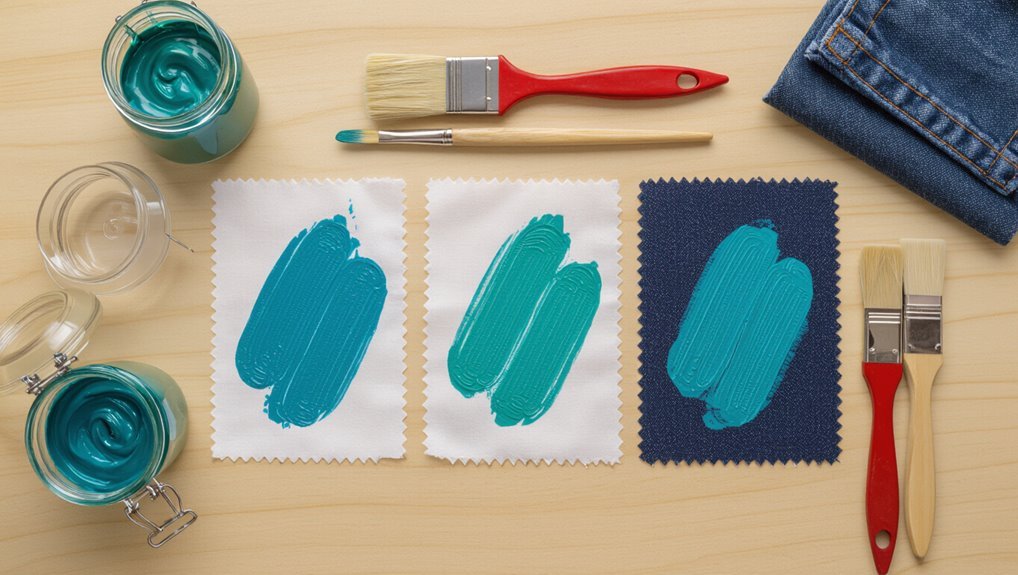
Most fabric paints feel dry to the touch within 20–60 minutes, but they can take 24–72 hours to fully cure depending on formula, thickness, and temperature.
You’ll usually see surface dryness quickly, but thicker layers need patience.
For best results, follow drying tips: air-dry flat, avoid humidity, space garments for airflow, and don’t heat-set until manufacturer’s recommended cure time passes.
How Drying vs. Curing Differ for Fabric Paint
Although the paint may feel dry within an hour, curing is a deeper chemical process that hardens and bonds the pigment to the fabric, and it can take 24–72 hours (or longer for heavy layers). You’ll use drying techniques for surface dryness, then rely on the curing process for durability.
| Stage | Purpose |
|---|---|
| Dry touch | Handle gently |
| Tack-free | Avoid heavy contact |
| Full cure | Wash-safe |
| Overcoat | Optional sealer |
Factors That Change Drying Time (Summary)
Because several variables change how quickly fabric paint dries, you’ll want to take them into account together rather than in isolation.
You’ll balance drying techniques and environmental factors with paint variations and application methods.
Focus on fabric preparation, layering strategies, and curing processes.
Check paint compatibility, surface treatments, and finishing touches so your project dries predictably and performs well.
Acrylic Textile Paint: Typical Dry and Cure Times
When you use acrylic textile paint, know that “dry” and “cured” mean different things: the surface may feel dry in an hour but full cure takes days.
You’ll speed up curing with heat setting—iron, dryer’s low heat, or a heat press follow the paint maker’s temp and time.
Also remember fabric type matters: natural fibers absorb and cure differently than synthetics, affecting feel and washability.
Drying Versus Curing
If you’re painting fabric with acrylic textile paint, know that “dry” and “cured” aren’t the same: surface dryness means paint feels dry to touch, while the curing process completes adhesion and flexibility.
Different fabric paint types dry at varying speeds, but full cure can take days to weeks.
You should avoid stress on painted areas until the curing process finishes for durability.
Heat Setting Methods
To lock acrylic textile paint into fabric so it stays flexible and washable, you’ll usually finish by heat setting—either with an iron, a household dryer, or a heat press—each method needing specific temperature and time to complete curing.
You’ll choose heat application based on instructions, protect designs with a cloth, and follow timings for different fabric types to guarantee durability without scorching.
Fabric Type Effects
Because different fibers absorb paint and heat differently, the fabric you choose will directly affect both touch-dry times and the full cure schedule for acrylic textile paints.
You should assess fabric characteristics like fabric weight and texture variation to predict paint absorption and dye interaction.
Tailor application techniques and finish type to preserve color vibrancy and guarantee consistent curing across blends and solids.
Fabric Spray Paint: Dry and Usable Timelines
When you spray fabric paint, drying and cure times depend on factors like paint formula, fabric type, humidity, and layer thickness.
Knowing what to expect helps you plan projects and avoid smudges. You’ll see tack-free times in 10–30 minutes, handleable in 1–4 hours, and full cure in 24–72 hours.
Use proper fabric spray techniques for even coverage; limit spray paint applications to thin layers.
Dye-Based Fabric Paints: What to Expect
With dye-based fabric paints, you’ll usually see surface dryness within an hour but full curing can take 24–72 hours depending on fiber and humidity.
You’ll often need to set the color—either by ironing, steaming, or using a chemical fixative—so it won’t wash out.
Follow the manufacturer’s instructions for temperature and time to guarantee long-lasting results.
Drying Time Expectations
Curious how long dye-based fabric paints take to dry?
You’ll notice thin washes dry within 15–30 minutes. Thicker layers need hours, and humidity or fabric type stretches times.
For reliable fabric paint application, test a scrap and use gentle drying techniques like airflow or low heat—no heat-setting tips here.
- Excitement
- Impatience
- Relief
- Anticipation
- Satisfaction
Fixing And Setting
After your paint surface feels dry to the touch, you’ll still need to fix and set dye-based fabric paints so they stay colorfast through washing and wear.
You should follow fabric preparation, choose correct paint selection, and use proper surface priming.
Control environmental factors and follow recommended application techniques and drying techniques.
Finish with correct fabric treatment, and follow paint storage and care instructions to preserve results.
Permanent Fabric Markers and Pens: Drying and Wash Time
Permanent fabric markers and pens dry faster than many fabric paints, but drying and wash times still depend on ink formulation and fabric type.
You’ll notice ink saturation affects color and marker longevity; let pieces cure fully (often 24–72 hours) and follow manufacturer wash instructions to keep lines vivid.
- Joy when colors hold
- Frustration with bleeding
- Relief after heat-setting
- Pride in crisp lines
- Anxiety before first wash
How Different Fabrics (Cotton, Polyester, Blends) Affect Drying
Whether you’re working with markers or paint, the fabric itself plays a big role in how quickly pigments settle and how long they stay put.
Cotton’s open weave and softer fabric texture give faster paint absorption and deeper penetration.
Cotton’s open weave and soft texture let paint soak in quickly, achieving deeper, long-lasting color.
Polyester resists absorption, so paint sits on the surface longer and may feel tacky.
Blends vary—lean toward natural content for quicker drying and better adherence.
Paint Thickness: Surface Dry vs. Full Cure
Because paint thickness controls how fast a project feels dry, you’ll often notice a tacky surface long before the piece has fully cured.
You should test thin versus thick layers: paint absorption varies by fabric, and proper drying techniques speed surface dry but don’t replace cure time.
Be patient to avoid smudges and cracking.
- Frustration
- Relief
- Pride
- Impatience
- Satisfaction
Temperature and Humidity Effects on Drying
You’ll notice temperature speeds or slows paint drying—warmer air generally makes solvents evaporate faster while cold stretches the process.
Humidity also matters because high moisture can trap solvent and keep paint tacky, whereas low humidity helps it dry more quickly.
For best results aim for a warm, moderately dry environment (around 70–75°F and 40–60% humidity) to balance surface drying and proper curing.
Temperature’s Impact On Drying
When the air’s warm, fabric paints cure faster, and when it’s cool they slow down — temperature directly affects both surface drying and the chemical setting of pigments and binders.
You’ll notice temperature effects immediately; warmer temps speed curing, colder ones stall it, so plan accordingly and avoid rushed heat that can damage texture.
- Excitement
- Frustration
- Relief
- Anticipation
- Satisfaction
Humidity’s Role In Drying
If humidity’s high, paint takes longer to dry because moisture in the air slows evaporation from the fabric’s surface; if it’s low, water and solvents leave faster and drying speeds up. You should consider fabric texture and monitor moisture levels to predict drying. Use airflow and thin layers to help.
| Condition | Effect | Tip |
|---|---|---|
| High humidity | Slower | Increase airflow |
| Low humidity | Faster | Thin coats |
| Damp fabric | Very slow | Pre-dry fabric |
| Smooth texture | Faster | Use light strokes |
Ideal Drying Conditions
Although temperature and humidity both shape how quickly fabric paint dries, aiming for warm, moderate heat with low-to-moderate humidity gives the most reliable results.
You’ll help paint set faster by controlling airflow, using proper drying techniques, and keeping paint in ideal fabric paint storage. Follow simple practices to avoid tackiness and color shifting.
- Relief when coats dry quickly
- Pride in flawless results
- Calm from predictable timing
- Confidence with tested techniques
- Joy in lasting finishes
Indoor vs. Outdoor Drying: Pros and Cons
Because drying location affects both speed and outcome, you’ll want to weigh the trade-offs between indoor and outdoor drying before starting a fabric paint project.
Consider indoor conditions: stable temperature variations and controlled ventilation effects offer predictable drying advantages but risk humidity-related drying disadvantages.
Outdoor conditions bring sunlight impact and faster drying but depend on weather influence and unpredictable drafts, so choose based on fabric and timing.
Signs a Painted Fabric Is Safe to Touch
Before you touch painted fabric, do a quick surface dryness check by lightly tapping a hidden spot to make sure no tackiness remains.
Then perform a gentle paint flexibility test by bending the fabric; the paint should move with the material without cracking or flaking.
If both checks pass, the paint is likely safe to touch.
Surface Dryness Check
How can you tell when a painted fabric is safe to touch?
Check surface texture and paint adhesion gently: the paint should feel dry, not tacky, and sit smoothly on fibers.
Lightly press a hidden edge; no color transfer means it’s ready.
Trust your senses, but wait longer in humid conditions.
- Relief
- Pride
- Calm
- Anticipation
- Satisfaction
Paint Flexibility Test
If the paint moves with the fabric without cracking or flaking when you bend or stretch a hidden section, it’s a good sign the finish is flexible and safe to touch.
Test different areas to assess paint adhesion and how it follows fabric texture. Gently rub and flex painted spots; good adhesion resists peeling, maintains color, and stays smooth against fibers without stiffening or separating.
How to Test Whether Fabric Paint Is Fully Cured
Once the paint feels dry to the touch, you’ll still need to perform a few simple checks to confirm it’s fully cured and ready for normal use.
Use testing methods and look for clear curing indicators: scent gone, firmness, color consistency, no tackiness.
Use simple tests—scent gone, firm finish, even color, no tack—to confirm paint is fully cured.
Try gentle peel, light wash spot, and wear simulation.
- Relief at confirmation
- Quiet satisfaction
- Confidence restored
- Minor anxiety eased
- Joy in finished work
When You Can Wash Painted Fabric (By Paint Type)
Because different fabric paints cure and bond in different ways, you’ll want to follow wash guidelines specific to the paint type rather than guessing; for acrylic fabric paint wait 72 hours.
For textile medium mixes, follow the manufacturer’s cure time, and for specialty paints (bleach-resistant, puff) check labels.
Adhering to washing guidelines preserves paint longevity—cold gentle cycles and turning garments inside out reduce abrasion and fading.
Heat-Setting Methods and Expected Times
When you want paint to survive washing and wear, heat-setting is the step that locks pigments into the fibers. Different methods—iron, oven, or heat press—use specific temperatures and durations to achieve a durable bond without damaging fabric.
You follow manufacturer heat settings based on paint types: cotton needs about 300°F for 3–5 minutes; synthetics require lower temps.
- Pride in permanence
- Relief after waiting
- Joy at vibrant color
- Confidence in care
- Satisfaction with craftsmanship
Safe Ways to Speed Drying Without Damage
You can speed up drying safely by using a hair dryer on a low heat setting while keeping it moving to avoid overheating the fabric.
Boost air circulation with a fan or open windows to carry moisture away faster.
Apply thin, even coats of paint so each layer dries quickly and evenly without cracking.
Use A Hair Dryer
If you need to speed up fabric paint drying, a hair dryer can help—just use it properly to avoid heat damage or uneven curing.
Use low heat, keep moving, hold 8–12 inches away, and test a scrap. These hair dryer techniques give effective drying without melting or blistering.
- Relief when you’re impatient
- Satisfaction of quick results
- Confidence in safe handling
- Joy at vibrant colors
- Calm knowing it’s controlled
Increase Air Circulation
Boosting air circulation is one of the safest ways to speed fabric paint drying without risking heat damage or distortion. You should position painted items near a fan or open window, use gentle oscillation, and keep layers separate for better airflow techniques.
During fabric preparation, remove excess moisture and avoid crowded spaces so paint cures evenly without blistering or tackiness.
Apply Thin, Even Coats
While thin coats dry much faster than thick ones, applying them evenly is what prevents cracking, tackiness, and color pooling.
You’ll improve fabric application and paint adhesion by brushing or dabbing lightly, letting each layer set, and avoiding overloading your brush.
Be patient; thin layers cure stronger.
- Relief at smooth results
- Pride in neat strokes
- Calm from steady pace
- Joy in vibrant finish
- Confidence in durability
Tools That Speed Drying (Fans, Hair Dryers, Dehumidifiers)
Anyone who’s impatient to finish a painting project can use simple tools to speed drying: fans circulate air to evaporate moisture faster, hair dryers give targeted heat for small areas, and dehumidifiers pull water vapor from the room to shorten overall cure time. Use drying techniques and ventilation strategies, monitor temperature, and avoid overheating.
| Tool | Benefit | Tip |
|---|---|---|
| Fan | Faster evaporation | Aim airflow |
| Hair dryer | Targeted heat | Keep moving |
| Dehumidifier | Lower humidity | Empty reservoir |
How to Slow Drying for More Blending Time
If you want more time to blend colors on fabric, slow the drying process by lowering airflow and humidity and by working on cooler surfaces; these simple adjustments give you extra minutes to soften edges and build gradients without the paint skinning over.
Use blending techniques and paint retarders sparingly to keep control and avoid muddiness.
- Calm focus
- Patient joy
- Delicate pride
- Quiet confidence
- Playful curiosity
Drying Time Between Coats and Layering Tips
You’ll usually wait 15–30 minutes for a thin coat to become touch-dry before recoating, and longer (up to 24 hours) for heavier layers.
When layering, apply thin, even coats and test adhesion with a gentle fingertip press before adding more.
For smooth blends, work wet-on-wet for edges and let each successive layer cure slightly to prevent muddying colors.
Recommended Recoat Intervals
Most fabric paints need between 15 minutes and 2 hours to become touch-dry, but waiting longer—often 24 hours—before recoating gives the best adhesion and prevents lifting or tackiness.
For consistent recoat timing, check manufacturer labels and feel the surface; adjust paint application thickness accordingly.
- Excitement at crisp layers
- Relief when coats don’t lift
- Pride in durable results
- Confidence in color depth
- Calm knowing you waited
Layering And Blending Tips
When layering and blending fabric paints, plan your drying intervals so each coat sets enough to hold the next without blocking your ability to feather edges or glaze colors.
Wait tack-free times—usually 10–30 minutes—before light glazing, and 24 hours before heavy overpainting.
Use thin layers, test blending methods on scrap fabric, and practice layering techniques to avoid lift, cracking, or muddied colors.
Preventing Cracking and Peeling as Paint Dries
If you want painted fabric to stay smooth and flexible, control how fast it dries and how much paint you apply; thick layers and rapid drying are the usual culprits behind cracks and flaking.
For cracking prevention and peeling solutions, thin coats, flexible fabric medium, gentle heat setting, patience between layers, and mild washing help preserve finish.
- Heartbreaking
- Relieved
- Proud
- Frustrated
- Hopeful
Avoiding Color Shift and Bleeding During Drying
Because pigments can migrate and interact as they dry, you’ll want to control moisture, layer order, and drying conditions to keep colors true and prevent bleeding.
Use thin, even coats, let each layer fully set before adding another, and employ gentle drying techniques like air flow and low heat.
Test combinations on scrap fabric to check color stability and avoid surprises.
Preparing Fabric to Improve Drying and Adhesion
Having controlled moisture and layer order to prevent bleeding, you’ll next prepare the fabric so paint dries evenly and bonds well.
Use fabric preparation and surface priming to boost adhesion techniques before paint application.
Use fabric preparation and surface priming to enhance paint adhesion and ensure even, lasting results.
Quick steps to calm nerves and inspire confidence:
- Smooth the surface, feel readiness.
- Prewash to free tension.
- Iron for flat focus.
- Test a swatch, breathe.
- Use a light primer, trust results.
Common Mistakes That Lengthen Drying or Ruin Results
While you’re aiming for crisp colors and a fast finish, a few common mistakes can drag drying times out or wreck the look entirely.
You’ll worsen results by skipping fabric preparation, using wrong paint consistency, overdoing paint layering, or ignoring surface treatments.
Poor paint application, bad drying techniques, neglecting environmental factors, or skipping drying aids reflect weak project planning.
Use troubleshooting tips early.
Special Tips for Cotton, Polyester, and Blends
Those common mistakes hit different fabrics in different ways, so you’ll want to tweak your approach depending on whether you’re working with cotton, polyester, or a blend.
Focus on cotton care for absorbency, use polyester tips to increase paint adhesion, and apply blend techniques to balance both.
- Feel proud when colors pop
- Smile at smooth edges
- Breathe after fixing smudges
- Love durable results
- Celebrate effortless cleanup
Care Tips for Painted Garments That Get Washed Often
If you wash a painted garment often, plan your care routine to protect the paint—you’ll extend its life by minimizing abrasion, heat, and harsh chemicals. Use gentle washing techniques, low heat exposure, mild detergent, and turn garments inside out to aid paint longevity and color preservation. Manage washing frequency, garment storage, and fabric softness.
| Tip | How | Benefit |
|---|---|---|
| Inside out | Wash inside out | Less abrasion |
| Cold water | Use cold wash | Preserves color |
| Gentle cycle | Low agitation | Extends paint |
| Air dry | Low heat exposure | Maintains softness |
Drying Strategies for Large or Heavily Painted Items
Because large or heavily painted items hold more moisture and paint weight, you’ll need a slower, gentler drying approach to prevent cracking, sagging, or paint transfer.
Let the piece rest flat, use low heat, and stagger layers so texture techniques and layering effects cure without stress.
- You’ll protect delicate finishes
- You’ll feel patient progress
- You’ll avoid disappointing smudges
- You’ll preserve bold details
- You’ll cherish lasting results
How to Standardize Batch Drying With Environmental Controls
When you’re drying multiple painted pieces at once, controlling temperature, humidity, and airflow secures each item cures evenly and predictably.
You should set stable environmental factors—use heaters, dehumidifiers, and fans on low—to maintain uniform drying control.
Arrange items spaced for airflow, rotate racks, and log settings.
Consistent fabric paint handling and calibrated equipment secure batch consistency and reduce rework.
Estimating Dry Times for DIY Projects and Deadlines
When you’re planning a DIY fabric paint project, estimate dry time by considering the overall project size, since larger pieces take longer to cure.
Also factor in how thick you apply the paint—multiple heavy layers can double or triple drying time compared with a single thin coat.
Finally, account for environmental conditions like temperature, humidity, and airflow, because those can speed up or slow down the process considerably.
Project Size Impact
Although smaller projects like a single tote dry faster, the size and scale of your fabric project directly shape how long paint will take to set and cure.
You’ll plan deadlines by evaluating project size and choosing drying strategies that fit. Bigger items need more time, space, and patience.
- Frustration when schedules slip
- Pride as large pieces finish
- Anxiety over smudges
- Relief with proper staging
- Joy at completed work
Paint Layer Thickness
A thicker paint layer will take noticeably longer to set and cure than a thin coat, so plan extra drying time when you pile on color or texture.
You’ll judge drying by touch and tackiness; higher fabric paint viscosity slows penetration into fibers.
Use efficient layering techniques: apply thinner successive coats, let each surface dull before adding more, and schedule deadlines around cumulative cure times.
Environmental Conditions
If you’re estimating dry times for a DIY deadline, remember that temperature, humidity, and airflow can change curing times by hours or even days.
You’ll want to monitor fabric temperature and choose drying techniques that suit conditions so your project meets its deadline without ruined details.
- Frustration when paint won’t set
- Relief with faster drying
- Pride in timely finish
- Anxiety over humidity
- Joy at perfect results
Quick Fixes: Smudges, Tackiness, and Uneven Drying
When a smudge, tacky patch, or unevenly dried area shows up on your project, you can often fix it without redoing the whole piece; start by evaluating whether the paint is still wet, tacky, or fully cured.
Use smudge removal techniques like blotting and gentle scraping, apply tackiness solutions (heat or absorbents), try uneven drying remedies such as targeted drying, and follow quick fix strategies cautiously.
Manufacturer Drying Claims vs. Real-World Times
Manufacturers often list quick drying times on labels, but you’ll find those numbers assume ideal temperatures and thin coats.
In our studio tests, thicker layers, humidity, and fabric type consistently stretched drying to hours or even a day.
Keep those real-world observations in mind when planning projects so you won’t rush washing or layering.
Label Claims vs. Reality
Although paint labels promise quick dry times, what they state often doesn’t match how the paint performs in your home. You’ll face drying misconceptions when testing fabric paint durability under real conditions, and that gap can frustrate you.
- Annoyed by sticky surfaces
- Worried about ruined projects
- Impatient for touch-ups
- Upset when colors shift
- Relieved after proper curing
Studio Drying Observations
If you test fabric paints in your studio the way manufacturers describe, you’ll often find their “quick-dry” numbers optimistic: lab conditions—controlled temperature, low humidity, and thin, even coats—rarely match your workspace, tools, or fabric choices, so drying times stretch and tackiness lingers longer than promised.
You’ll learn to adjust fabric paint techniques and tweak your studio environment—airflow, humidity, coat thickness—to reach true cure times.
Final Checklist to Ensure Painted Fabric Dries Well and Lasts
Before you call the project done, run through a quick checklist to make sure your painted fabric will dry properly and hold up over time.
You’ll verify fabric preparation, paint adhesion, drying techniques, color preservation, project planning, maintenance tips, fabric selection, and layering strategies so your work lasts and feels right.
- Inspect surface and prep
- Test adhesion gently
- Allow full drying time
- Protect colors from sun
- Plan care routine
Frequently Asked Questions
Can Fabric Paint Affect Fabric Breathability or Heat Retention?
Yes—fabric paint can change breathability and heat retention. Depending on fabric type and paint application, you’ll block pores or add insulation; lighter, thinner coats on porous textiles preserve airflow, while heavy or layered application traps warmth.
Will Painted Fabric Trigger Skin Allergies or Irritations?
Yes, you can get sensitivity reactions from painted fabric; it depends on paint ingredients, your skin sensitivity, and whether paint’s cured. You should patch-test new paints, wash garments, and choose hypoallergenic, low-VOC formulations.
Can Painted Fabric Be Professionally Dry-Cleaned?
About 70% of cleaners accept painted garments; yes, you can dry-clean painted fabric if you follow washing instructions and consider fabric paint longevity—ask for a gentle, solvent-based process and test a hidden area first to protect your design.
Do Paints Off-Gas Harmful Fumes After Curing?
Yes — cured paints can off-gas for days to weeks; VOC off gassing duration varies by formula and ventilation. You should ventilate well, choose low‑VOC or water‑based safe alternatives, and launder or air items before use.
How Do Paints Behave on Stretchable or Activewear Fabrics?
On stretchable or activewear fabrics, you’ll find fabric flexibility limits paint adhesion; use stretch-formulated paints, add fabric medium, apply thin layers, and cure properly so the paint stretches with the fabric without cracking or peeling.
Conclusion
You’ve got the basics — paint dries faster than it “settles in,” but curing takes patience. Treat drying hiccups as gentle reminders to adjust time, temperature, and ventilation. When in doubt, give painted fabric a respectful pause before washing or wearing it, and follow the manufacturer’s whisper over a hunch. With a little care and common sense, your colors will behave themselves and stay put, aging gracefully instead of calling attention to every shortcut.
