
How to Glaze an Oil Painting for Depth and Realism
You can make an oil painting luminous by applying several thin, transparent glazes over a dry, stable underpainting; mix transparent pigments with a lean medium or alkyd, test on scrap, and let each layer fully dry before adding the next to avoid muddiness. Work from general values to refined edges, use soft brushes for smooth veils, and balance warm and cool glazes to model form and atmospheric depth. Keep notes and samples so you can confidently expand these techniques as you go.
Who This Glazing Guide Is For
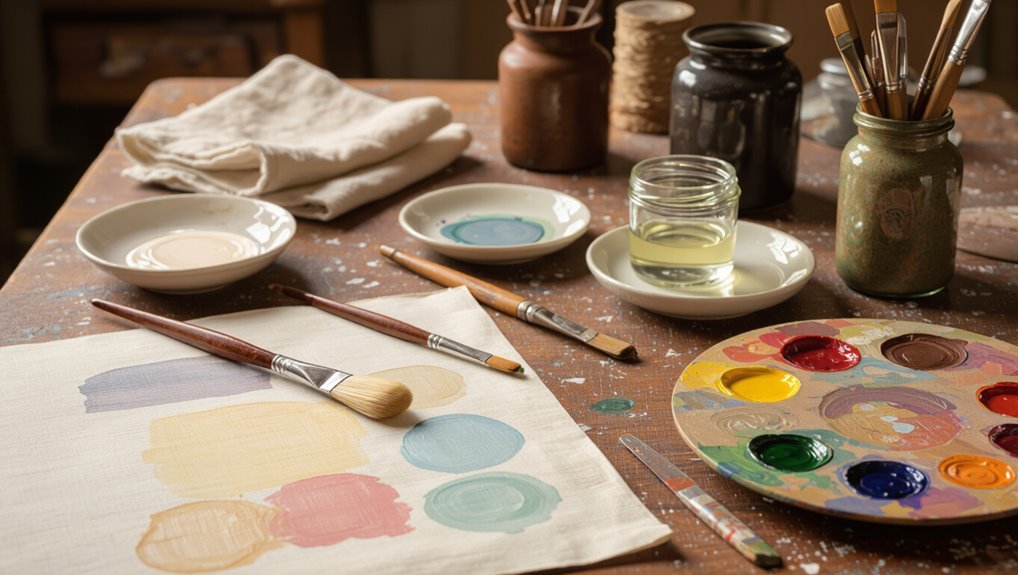
Who’s this glazing guide for? You’re an artist exploring glazing techniques to achieve specific visual effects, whether refining personal style or meeting artist goals.
You’ll consider color theory, painting surfaces, and material selection while learning historical context that informs choices.
Expect practical tips for glazing challenges and ways to expand artistic expression without assuming advanced studio equipment or prior mastery.
Quick Answer: How to Glaze an Oil Painting Effectively
Want a fast, practical route to richer color and luminous depth? Use thin, transparent oil layers, let each dry, and build values gradually.
You’ll respect glazing history by adopting old masters’ restraint and modern mediums for predictable drying. Test mixes to control color transparency and avoid muddying.
Work sparingly, adjust tonal edges, and step back frequently to judge overall harmony.
Core 3-Step Glazing Demo
First, you’ll prepare a stable, lean ground so your glazes adhere evenly.
Next, you’ll mix transparent pigments with an appropriate medium to keep each layer luminous.
Finally, you’ll build color and depth by applying several thin, dryable glazes in succession.
Preparing the Ground
Before you glaze, get the ground right: a clean, stable, and appropriately toned surface will determine how transparencies read and how long the painting lasts.
You’ll use ground preparation techniques—cleaning, sizing, and an even primer—to guarantee adhesion.
Consider surface texture considerations: smooth for crisp glazing, slightly toothed for bite.
Test small areas so your glazes sit and layer predictably.
Mixing Transparent Pigments
Mixing transparent pigments is about control: you’ll choose a clear, staining color, thin it to a glazing consistency, and test its optical behavior on your prepared ground.
You select pigments with known tinting strength, prioritize transparent color selection, and use a slow medium for workable open time.
Keep mixes clean, note ratios, and aim for glazing color harmony with surrounding tones before applying the glaze.
Layering Thin Glazes
When you begin layering thin glazes, work from broad, tonal passages to edges so each transparent wash builds depth without muddying underlying color.
You’ll let each glaze application dry fully, evaluating color saturation and value before adding the next.
Keep mixes lean, brushstrokes smooth, and shifts subtle.
Test on scrap to confirm harmony, then refine highlights and edges cautiously for realism.
Why Glazing Adds Depth and Realism to Oil Paint
When you glaze, thin transparent layers let light pass through and reflect off lower paint, creating layered light effects that make forms feel luminous.
You’ll notice subtle color shifts as each glaze modifies the hue beneath it without covering texture.
Those transparent coatings also emphasize brushwork and impasto, enhancing the painting’s surface texture and realism.
Layered Light Effects
Because light in oil painting isn’t just placed on the surface but built up through translucent layers, glazing lets you recreate how real light passes through and reflects off materials.
You apply glazing techniques to create layered color and atmospheric layers that shift light perception, produce tonal variation, and build a depth illusion.
You’ll balance paint translucence for visual harmony and realistic luminosity.
Subtle Color Shifts
A thin veil of transparent color can transform a flat passage into something that seems to breathe—glazing lets you nudge hue and temperature in tiny increments so surfaces read as real, not painted.
You’ll use subtle color shifts to suggest form and build atmospheric depth.
- Layer thin glazes
- Adjust warmth/coolness
- Preserve underlying values
Enhanced Surface Texture
Surface texture matters: glazing doesn’t just change color—it lets you play the light across the paint surface so texture reads as material.
Use thin transparent layers to emphasize brushwork and impasto, creating textural contrast that reads under changing light.
You’ll vary glazing techniques—scumbling, layered glazes, selectively wiped passages—to modulate sheen and shadow, making textures feel tactile and anchoring realism.
When to Choose Glazing Over Scumbling or Direct Paint
When do you reach for glazing instead of scumbling or painting direct? You choose glazing when you want subtle shifts, luminous depth, or corrected hue without losing underlying texture.
Reach for glazing when you need subtle shifts, luminous depth, or hue correction without losing texture
Consider glazing techniques and glazing advantages:
- To deepen shadow tones subtly.
- To unify color or correct warmth.
- To preserve detailed underpainting while altering atmosphere.
Use glazing when control and transparency matter most.
Essential Safety Rules Before Glazing
Before you start glazing, make sure your workspace, materials, and health precautions are in order so you can work safely and confidently. Wear protective clothing and safety gear, follow ventilation tips, label solvent storage, and minimize chemical exposure. Keep workspace organization and brush care routineed. Know emergency procedures.
| Gear | Storage | Action |
|---|---|---|
| Gloves | Labeled jars | Ventilate |
| Apron | Sealed cans | Clean brushes |
Tools You’ll Need for Controlled Oil Glazes
A few precise tools will make glazing predictable and controllable, so gather a selection of soft-bristle and synthetic brushes, glass or metal mixing palettes, a palette knife, graduated solvent and medium jars, clean lint-free rags, and a reliable mahlstick or painting armature.
Use tools for controlled glaze application, color mixing, brush techniques, surface preparation, pigment selection, transparency effects, tonal variations, and atmospheric depth.
- Brushes
- Palettes
- Media jars
Paints and Pigments That Work Best for Glazing
Color choices make or break a glaze, so pick paints with strong tinting strength and good transparency—these let you build luminous layers without muddying underlying passages. Use transparent oil mediums and follow glazing color theory: choose quinacridone, alizarin, raw umber, and viridian for rich shifts; avoid opaque whites.
| Pigment | Use |
|---|---|
| Quinacridone | Glaze |
| Alizarin | Deepen |
| Raw Umber | Tone |
| Viridian | Cool |
| Burnt Sienna | Warm |
Color and Pigment Transparency Basics
When you choose pigments for glazing, pay attention to their opacity levels so you know which will let underlying layers show through.
Notice how warm versus cool translucence changes perceived temperature and depth in a glaze.
Use thin, successive layers to achieve optical mixing instead of relying on single, opaque strokes.
Pigment Opacity Levels
Although pigment opacity might seem technical at first, you’ll quickly see it determines how much underlying paint shows through a glaze.
You’ll use pigment selection to control transparency and achieve depth.
Consider opacity variations practically:
- Opaque — blocks underlayers, useful for corrections.
- Semi-transparent — balances color and reveal.
- Transparent — intensifies hue while showing beneath layers.
Warm Vs. Cool Translucence
Because warm and cool pigments transmit light differently, you’ll notice glazed layers shift temperature as well as value—warm translucence leans toward reds, oranges, and yellows and can push a surface forward, while cool translucence favors blues and greens and tends to recede.
Use warm light glazes to advance highlights, cool shadows to deepen recesses, and balance color harmony, tonal balance, atmospheric effects, and visual depth.
Layering For Optical Mixing
Those warm and cool glaze choices also set you up for optical mixing—layering thin, transparent films lets the eye blend colors rather than you physically mixing pigments on the palette.
You’ll exploit pigment transparency to create an optical illusion and maintain color harmony.
Follow steps:
- Test translucence.
- Build thin glazes.
- Adjust value subtly.
Solvents, Mediums, and Modifiers to Have on Hand
A few well-chosen solvents, mediums, and modifiers will make glazing work smoothly and predictably; you’ll want enough to adjust flow, transparency, and drying without overcomplicating your palette. Consider solvent types, medium choices, modifier applications, and safety precautions as you select.
| Solvent | Medium | Modifier |
|---|---|---|
| Mineral spirits | Linseed oil | Alkyd |
| Turpentine | Stand oil | Japan drier |
How to Make a Basic Glazing Medium Recipe
You’ll need to know the basic ingredients and approximate ratios—typically linseed or walnut oil thinned with a solvent like mineral spirits and a small amount of damar or alkyd to speed drying.
Mix slowly, adding solvent to oil while stirring or gently shaking in a sealed container to get a smooth, uniform medium.
Store your glaze in labeled, airtight metal or glass containers, keep it cool and ventilated, and wear gloves and work in a well-ventilated area to stay safe.
Ingredients And Ratios
When you mix a basic glazing medium, aim for a clear, fluid base that boosts transparency without breaking the paint film. The classic recipe combines a drying oil, a solvent, and optionally a small proportion of damar or alkyd resin to increase gloss and saturation.
- Oil-to-solvent: 2:1 for controlled transparency.
- Damar/alkyd: 5–10% to adjust gloss and drying times.
- Pigment ratios: thin layers, monitor color shifts, glazing effects, painting textures, surface preparation, layering techniques, color mixing, transparency levels.
Mixing Techniques
Though you’ll follow simple ratios, mix your glazing medium progressively and test as you go to get predictable transparency and flow.
You’ll combine glazing materials with solvent and varnish variants, adjusting paint viscosity to suit pigment properties and application methods.
Prioritize medium selection for color consistency, practice layering techniques tied to glazing history, and adapt proportions to artistic styles for maximum visual impact.
Safety And Storage
Because solvents and resins can be hazardous, you should handle glazing materials with care and store them properly to protect your health and your work.
Follow these safety precautions and storage tips:
- Wear gloves, ventilate well, and keep lids closed.
- Label containers, store upright in a cool, dark place.
- Dispose of rags and waste safely; follow local hazardous-waste rules.
Adjusting Gloss and Transparency in Your Medium
If you want precise control over how shiny or transparent a glaze reads on the canvas, mix and test small amounts of your chosen medium with varying ratios of oil, solvent, and resin.
You’ll adjust glaze consistency to suit brushing and levelling; increase oil for gloss and richness, solvent for slip and reduced medium transparency, and resin for durable sheen and clarity.
Preparing Your Painting Surface for Glazes
Before you glaze, make sure your surface is clean of dust, grease, and any loose particles so the layers will adhere evenly.
Check that your ground is appropriate—smooth and absorbent enough to accept thin glazes without sinking them in or repelling them.
If the ground’s too glossy or too absorbent, adjust or reapply it before you start glazing.
Surface Cleaning
A clean surface guarantees your glazes adhere evenly and reveal true color, so you’ll want to remove dust, grime, and any loose particles before you begin.
Focus on surface preparation and proven cleaning techniques:
- Gently dust with a soft brush.
- Wipe with a barely dampened lint-free cloth.
- Use mild solvent sparingly for stubborn spots, testing first on an edge.
Ground Selection
Since glazes sit thinly and rely on the ground for color and adhesion, choose a ground that’s smooth, absorbent enough to bite the paint, and compatible with oil layers you’ll add.
You’ll assess ground types for texture effects and color impact, consider drying times, plan surface preparation, test paint compatibility, select medium choices, and refine application techniques so glazes layer predictably and last.
How to Judge If an Underpainting Is Ready for Glazing
How do you know your underpainting’s ready for glazing? Check underpainting readiness with a quick glaze evaluation:
- Surface is dry to touch and not tacky.
- Values and edges read clearly; composition feels resolved.
- No visible muddy areas or unresolved color shifts.
If all three pass, you can proceed confidently to apply thin, controlled glazes to build depth.
Building and Testing a Glazing Value Study
Start by squinting or squaring up to establish clear value relationships so you know which areas need light, mid, or dark glazes.
Mix thin, transparent values that match those relationships and note how they alter color and depth on your test panel.
Try the same glazes over a few underpainting variations to see which foundation gives you the most luminous result.
Establish Value Relationships
Before you apply any color glazes, map out the value relationships with a simple monochrome study so you can see how lights, midtones, and darks will interact under layers of transparent color.
You’ll test value contrast and guarantee tonal harmony.
Follow this quick checklist:
- Block main values.
- Adjust relative contrasts.
- Note seams for glazing.
Mix Glaze Transparent Values
When you mix transparent glazes, think regarding value first—you’re building thin, see-through layers that shift tone without hiding the form underneath.
Test mixes on a grayscale study to judge relative values. Control pigment-to-medium ratio for consistent glaze application.
Use transparent layering to deepen shadows and cool lights subtly. Note drying shifts, record recipes, and adjust values before glazing the final painting.
Test Underpainting Variations
Now that you’ve been shaping values with transparent glazes, it’s time to explore how different underpaintings affect those layers.
Test underpainting variations to refine underpainting techniques and color harmony.
Try a small glazing value study:
- Warm toned imprimatura for luminosity.
- Cool grisaille for contrast.
- Local color blocked underlayer for direct comparison.
Evaluate depth, shifts, and glaze responsiveness.
How to Test Glazes on a Scrap Panel First
If you want reliable results, test your glaze mixtures on a scrap panel first so you can see how color, transparency, and drying behavior actually look on the prepared surface.
Use scrap materials matching your support and ground, label swatches, and note medium ratios.
Try varied layers, drying times, and light angles.
Record testing techniques and results so you reproduce successful glazes reliably.
Mixing Glaze Colors to Avoid Muddiness
When you mix glazes, start with transparent pigments so the layers sing instead of smearing into gray.
Keep a close eye on value and temperature—matching lightness and warm/cool tendencies prevents colors from canceling each other.
Test mixes on a glass surface to see true transparency and how they layer before touching your painting.
Choose Transparent Pigments
Because glazes depend on light passing through layers, you’ll get cleaner, more luminous results by choosing pigments with strong transparency.
You’ll favor transparent color selection and apply clear pigment layering techniques to avoid dull mixes.
Follow these steps:
- Pick single-pigment, labeled-transparent paints.
- Test mixes over mid-tones.
- Thin sparingly with oil medium to maintain clarity.
Control Value And Temperature
Although you’re glazing with transparent color, you’ve still got to control value and temperature so layers stay clean and luminous; mix glazes that shift either value or temperature—never both at once—to avoid dead, muddy results.
You’ll plan color harmony, choose a single tonal direction per glaze, and use glazing techniques that thin pigment, build depth incrementally, and preserve clarity rather than neutralizing edges.
Test On Glass Surface
If you want to see how a glaze will behave before it touches the canvas, swipe a small puddle on a clean glass surface and tap it with a brush—this lets you check transparency, tint strength, and any tendency to muddy without committing to the painting.
Use glass techniques and proper surface preparation, then:
- Observe drying shift.
- Adjust pigment ratio.
- Note binder effect.
Color Theory for Successful Glazing
When you glaze, you’re not just adding shine—you’re layering transparent color that interacts optically with what’s beneath.
So understanding hue relationships, value contrast, and chroma becomes essential.
Plan glazes for color harmony, using complementary or analogous mixes to enrich tones without muddying.
Consider glazing psychology: warm transparent layers advance, cool ones recede, guiding depth, mood, and focal emphasis.
Application: How to Glaze an Oil Painting-Washes vs Layers
You’ll decide early whether you want thin transparent washes or more substantial opaque layers, because each approach affects color depth and drying time.
Washes let you tint large areas quickly and keep underlying brushwork visible, while layers build opacity and sculpt form gradually.
Compare glaze versus wash techniques as you plan translucency, paint handling, and the number of passages you’ll need.
Thin Transparent Washes
Thin transparent washes are ultra-thin, stain-like layers of paint that tint what’s beneath without obscuring texture or detail.
You’ll use glaze application techniques to control tint and depth, favoring transparent pigment choices. Apply sparingly, let each wash dry, and evaluate color shifts.
- Thin with medium, not turpentine.
- Use soft brushes.
- Build slowly for luminous results.
Building Opaque Layers
Although glazes tint and unify, opaque layers let you remodel form, correct edges, and establish solid color mass. So learn to switch gears from washes to thicker passages with intention.
You’ll apply opaque layer techniques sparingly: block in corrected shapes, refine connections, and push value.
Control oil paint thickness for predictable drying and adhesion, using firmer brushes and less medium to build reliable, corrective passages.
Glaze Versus Wash Techniques
When you decide whether to wash or glaze, think about intent: washes lay down transparent, broad color to unify and map values quickly, while glazes are thin, controlled layers that alter hue and depth without sacrificing the underlying painting.
You’ll weigh application differences, medium choices, transparency levels, and layering methods to achieve texture enhancement and visual depth via glaze techniques versus wash techniques.
- Effects comparison
- Color blending
- Texture control
Working Wet-on-Wet Versus Dry Glazing Approaches
Whether you choose to work wet-on-wet or wait for layers to dry, each method changes how colors blend, how quickly you can build depth, and what sort of control you’ll have over edges and texture. You’ll use wet on wet techniques for soft shifts and faster glazing; dry glazing benefits precision and layered luminosity.
| Method | Strength |
|---|---|
| Wet-on-wet | Soft blends |
| Dry glaze | Crisp depth |
Brush Selection and Care for Glazing
Brush choice makes or breaks a glaze: pick brushes that hold a smooth, even load and release paint predictably.
You’ll select brush types and brush shapes by bristle quality, stiffness, sizes and durability.
Practice brush techniques and enforce brush maintenance.
Maintain bristle quality with regular brush cleaning to preserve brush durability and ideal stiffness.
- Choose
- Practice
- Clean
Controlling Edges and Transitions With Glazes
Although glazing is thin, it gives you clear control over edges and changes by subtly altering tone and color without obscuring underlying paint.
You use glaze variations for edge refinement, tonal alterations, and saturation control to guide depth perception and visual layering.
Apply transparent tones for shadow enhancement and light modulation, creating atmospheric effects while maintaining overall color harmony and precise, controlled changes.
Blending Glazed Edges Without Overworking
When you glaze an edge, work lightly and stop as soon as the shift reads smoothly; you want to soften without scrubbing away previous layers or muddying colors.
Use controlled strokes, clean brushes, and thin glazes to maintain blending techniques and strict edge control.
- Feather with a soft bristle.
- Wipe excess glaze between passes.
- Let layers cure before further softening.
Using Glazing to Push Atmospheric Depth
You can build distance by applying thin, cool glazes over receding planes to mute color and value subtly.
Use soft, feathered brushwork at shifts so edges blur into atmosphere without losing form.
Repeat light layers until the scene reads convincingly deep.
Layered Cool Glazes
If you want to push a painting’s sense of distance and atmosphere, layered cool glazes are one of the most subtle, effective tools you can use.
You balance color theory and layering techniques to cool distant planes without muddying midtones.
- Thin ultramarine or phthalo mixes
- Build transparent passes
- Let each dry fully before the next
Atmospheric Edge Softening
Cool glazes that cool distant planes also give you control over edges, letting atmosphere blur the boundary between forms and space.
You’ll soften edges with thin, cool glazes to suggest depth and atmospheric perspective, easing contrast and detail as planes recede.
Use subtle color harmonies to keep shifts believable, glazing progressively thinner toward the horizon so distances feel unified and convincing.
How Glazes Enhance Shadow Structure Without Losing Texture
When you lay thin, transparent glazes over shadowed areas, they deepen value and unify color while still letting the underlying brushwork show through; the trick is controlling pigment density and drying time so the glaze enhances form without filling texture.
You’ll use shadow enhancement techniques and glazing texture balance to refine depth:
- Thin ratios
- Layer sequencing
- Directional strokes
Creating Luminous Highlights With Selective Glazing
Because highlights draw the eye, you’ll use selective glazing to make them glow without masking texture: apply very thin, transparent passages of warm or cool color over dried light areas to increase brilliance, refine edges, and tune temperature while preserving underlying impasto and brush marks.
You’ll choose pigment choices for luminous color, employ glazing techniques and layering methods, control transparency effects, plan highlight placement, and refine brush application for subtle atmospheric effects.
Glazing Skin Tones for Realistic Portraiture
Although subtle, glazing skin tones can transform a good portrait into a lifelike one by adding depth, warmth, and unified color harmony. You’ll work in thin, transparent layers to adjust undertones, correct local color, and build believable subsurface glow without losing the underlying form or brushwork.
- Layer warm glazes to enhance skin tone harmony.
- Cool glazes refine shadow edges.
- Use thin varnish-like mixes; glazing techniques preserve texture.
Glazing Techniques for Landscapes and Skies
If you want luminous skies and convincing distances, glazing gives you a way to shift atmosphere and light without repaints. You’ll layer thin washes to enrich horizon depth, tweak sky gradients, and unify landscape textures while keeping brushwork intact.
| Layer | Color | Purpose |
|---|---|---|
| 1 | Warm veil | Depth |
| 2 | Cool tint | Distance |
| 3 | Glaze mix | Mood |
| 4 | Edge glaze | Changeover |
| 5 | Final glaze | Unify |
Glazing Metallics, Reflective Surfaces, and Eyes
Once you’ve built atmosphere with layered glazes in skies and landscapes, you can apply the same principles to metallics, reflective surfaces, and eyes to capture sparkle, sheen, and wetness.
Use thin, controlled glazes to build metallic sheen and surface luminosity while preserving form.
Tips:
- Block base tones.
- Add reflective highlights sparingly.
- Use fine eye glazing for depth and wetness.
Speeding or Slowing Drying Time for Workable Glazes
You can speed drying by adding fast-drying mediums or a touch of alkyd to your glaze when you need quicker reworking.
If you want more open time, thin the glaze with solvent-lightened oil or use a slow-drying medium so layers level and blend.
Experiment in small areas to balance drying rate with gloss and transparency.
Speeding Drying Time
Because glazing relies on thin, controllable layers, managing drying time is key to keeping glazes workable when you need them and speeding them up when you don’t.
Use drying agents sparingly in oil mediums and glazing mediums. Control your drying environment with heat application, humidity control, and ventilation tips.
- Warm workspace
- Low humidity
- Gentle airflow
Slowing Drying Time
If you’ve been speeding drying with heat, low humidity, or additives, you’ll sometimes want to slow things down so glazes stay workable longer for blending and subtle shifts.
Use slower drying techniques: add siccative-free oils, increase varnish ratio cautiously, and work thinner layers.
Control humidity and room temperature—humidity control helps.
Test mixtures on scrapboard to guarantee predictable open time before glazing the final painting.
How Many Glaze Layers Are Too Many?
How many glaze layers are too many? You’ll judge by translucency, drying time and visual harmony.
Keep an eye on glaze consistency and color saturation to avoid muddiness. Limit layers when depth is achieved; more can hide brushwork or cause cracking.
Keep glaze consistency and color saturation in check—stop layering once depth and visual harmony are achieved.
- Monitor translucency
- Test drying intervals
- Stop when harmony’s reached
When to Sand or Scumble Between Glaze Layers
Decide whether to sand or scumble based on the surface feel and how each glaze is interacting with the layer below.
Sand lightly when you need a smoother, more even base for the next glaze; scumble when you want soft texture or to break up areas of color without fully removing paint.
Trust your eyes and touch—test a small area if you’re unsure.
When To Sand
When you’re building up multiple glaze layers, pause to sand whenever a previous layer feels uneven, has raised brushstrokes, or shows tiny dust nibs that will telegraph through thinner glazes. A light scuff with fine sandpaper or a soft abrasive pad will knock down texture and help the next glaze sit uniformly.
- Assess surface: use sanding techniques, pick ideal grit.
- Scuff lightly, clean dust.
- Proceed with next glaze.
When To Scumble
If a glazed area still looks flat or needs softer changes, scumble instead of sanding—scumbling lets you blur edges and add translucent texture without losing the underlying color.
Spot Corrections: Lifting and Removing Unwanted Glazes
Spot corrections let you fix small glaze mistakes without disturbing the rest of the painting.
You’ll use lifting techniques for removing glazes, correcting mistakes, and adjusting layers while enhancing texture and dealing with opacity.
Apply small swabs, careful solvents, or gentle scraping, balancing color adjustments and surface issues.
Use small swabs, mild solvents, or gentle scraping to lift glazes, balance color, and preserve surface texture.
Trust glaze consistency and artistic judgment.
- Swab
- Solvent
- Scrape
Avoiding Common Glazing Problems and Fixes
When a glaze goes cloudy, makes colors muddy, or leaves an uneven gloss, you’ll want to know quick fixes and preventative steps.
Check your medium ratios, drying times, and pigment compatibility to prevent most issues.
If problems appear, you can often rectify them by gently removing the glaze, adjusting the varnish or medium, and reapplying thin, even layers.
Tackling Cloudy Glazes
Even though glazes can enrich depth and color, they’ll go cloudy if your medium, paint, or surface isn’t right; you’ll need quick troubleshooting techniques to diagnose causes.
Check these steps:
- Clean surface and let lean layers fully dry.
- Use compatible, thoroughly mixed medium and thin layers.
- Test varnish and humidity; relayer after correction to avoid cloudy glazes.
Preventing Muddy Colors
If you want clean, luminous glazes, keep your colors pure and your layers thin—muddy results usually come from mixing too many pigments, overloading with opaque paint, or stacking incompatible tones. You should test mixes, use transparent pigments, and apply thin, even passes. Monitor drying and stop excessive glazing to prevent muddy colors from poor color mixing.
| Tip | Action |
|---|---|
| Test | Swatch first |
| Pigment | Choose transparent |
| Layers | Thin passes |
| Drying | Wait fully |
| Mix | Limit pigments |
Fixing Uneven Gloss
Clean, thin glazes help prevent muddy colors, but they won’t hide problems with uneven gloss—shiny patches, dull spots, or streaks can still break the painting’s unity.
Use gloss adjustment techniques and varnish application tips to fix issues:
- Scuff shiny areas with fine abrasive.
- Apply thin, even varnish coats.
- Blend sheen with selective retouching and matte glaze.
How to Read Your Painting to Decide the Next Glaze
Once the underpainting has dried enough to handle, step back and scan the whole surface to see where values, edges, and color relationships still feel unresolved; this visual inventory will tell you whether the next glaze should deepen shadow, unify temperature, or lift a muted highlight. You’ll use painting assessment, glaze selection, value judgments, layer effects, transparency levels, and surface preparation to meet your artistic intent.
| Feel | Action |
|---|---|
| Uneven edges | Soften |
| Flat depth | Deepen |
| Muddy color | Clarify |
| Harsh highlight | Tone |
| Lost detail | Reveal |
Balancing Color Temperature Across Multiple Glazes
After you spot where values and edges need work, start thinking about temperature: warm and cool glazes will shift mood, spatial cues, and perceived depth, so plan how each thin layer will interact with what’s already on the panel.
Spot value and edge issues, then layer warm and cool glazes to shape mood, depth, and spatial cues.
- Choose pigment selection for color harmony and temperature balance.
- Control glaze consistency for layering strategy and tonal adjustments.
- Use glazing techniques to boost visual depth, atmospheric effects, and texture enhancement.
Using Complementary Glazes for Richer Neutrals
When you layer a thin glaze of a pigment opposite the local color on the color wheel, you’ll neutralize saturation while enriching the tonal complexity.
This way, your grays and browns gain a depth that flat mixtures can’t match. Use complementary color theory to pick glazes that subdue hues without muddying them.
Practice neutral color mixing with translucent layers, adjusting value and warmth for believable depth.
Using Photographic Reference for Glazing
Complementary glazes will change how light reads on a surface, and photographic reference helps you judge those subtle shifts with accuracy.
Use photographic techniques to capture true color, contrast, and edge clarity so your glazes respond to real light.
Follow these steps:
- Shoot controlled light.
- Calibrate color.
- Compare values and adjust glaze translucency for reference accuracy.
Varnishing After Glazing: When and What
If you’ve finished glazing and the paint feels dry to the touch, it’s time to decide whether to varnish and which varnish to choose.
You’ll assess stability, dryness time from glazing techniques, and desired surface (matte, satin, gloss).
Pick archival, removable varnishing options and apply test swatches.
Choose archival, removable varnishes and try small test swatches to confirm finish and longevity before committing.
Wait recommended months for full cure, then varnish evenly to protect and unify the finish.
How to Document and Conserve Glaze Layers
Because glaze layers are delicate and layered information about your process helps future care, document each glaze as you work: note the pigments, medium ratios, application method, drying intervals, and any additives or retouches.
Keep concise records for glaze documentation and follow basic conservation techniques:
- Photograph under raking light.
- Label swatches and samples.
- Archive notes with dates and materials.
Short Glazing Workflows for Studio Efficiency
When you streamline your glazing routine, you’ll cut drying time and reduce errors without sacrificing depth; focus on a few reliable color mixes, a consistent medium ratio, and a repeatable sequence of thin passes so each layer builds predictably.
Keep supplies labeled and accessible for studio organization, time-box sessions, pre-mix standard glazes, and follow a checklist to maintain glazing efficiency and consistent results.
Budget-Friendly Glazing Materials That Still Perform
You don’t need top-shelf pigments or exotic mediums to get rich, transparent glazes—smart choices and a few measured compromises will give you professional-looking results on a budget.
Use affordable mediums and budget pigments, combine with cost effective brushes for DIY glazing.
Consider:
- Alkyd-admixed linseed
- Thinned student-grade pigments
- Glazing medium substitutes
These economical solutions are value alternatives and low cost techniques for frugal art.
Advanced Glazing: Indirect Painting and Grisaille Underlayers
If you want to achieve luminous color and refined detail, indirect painting with a grisaille underlayer gives you a controlled, sculptural foundation to glaze over.
You’ll block values in grisaille layers, refine forms, then glaze transparent color to build depth and color harmonies.
Use indirect techniques patiently, test mixes, and avoid glazing mistakes like overloading varnish or obscuring underlying values.
Troubleshooting Long-Term Yellowing or Cloudiness
After building a refined grisaille and glazing layers, you’ll sometimes find a painting develops a yellow cast or cloudy veil over months or years. These issues often stem from varnish aging, medium breakdown, or trapped dirt.
- Assess yellowing causes: varnish options, pigment stability, environmental factors.
- Apply cloudiness solutions: careful cleaning, solvent tests, conservation help.
- Prioritize long term care, glazing maintenance, and archival materials.
Exercises to Practice Glazing Control
When you practice glazing control through focused exercises, you’ll build the muscle memory and visual judgment needed to lay transparent color deliberately and predictably.
Start with thin value strips, altering one variable at a time: pigment load, medium ratio, drying time.
Practice local glazes, layered glazes, and edge control to refine glazing techniques and assess shifts in color harmony.
Keep notes and samples.
Examples of Master Painters Who Used Glazing Effectively
Although you’ll find glazing across many schools, certain masters made it a defining element of their work, using layered translucence to deepen color, model form, and unify light.
You’ll study Master Techniques and Historical Context to see Glazing Innovations and Color Theory in Iconic Works.
Compare Artistic Movements and Influential Artists through Comparative Analysis.
- Titian
- Rembrandt
- Vermeer
Photographing Glazed Paintings Without Glare
Want a clear, true-to-life photo of your glazed oil painting without distracting glare? Use glare reduction techniques: shoot under ideal lighting conditions, diffuse light, angle the painting, and use a polarizing filter. Set camera perpendicular to the canvas, control reflections, and bracket exposures.
| Tool | Action | Result |
|---|---|---|
| Softbox | Diffuse | Even light |
| Polarizer | Reduce reflection | Clear color |
| Tripod | Stabilize | Sharpness |
Quick Checklist Before Starting a Glaze Session
1 important checklist can save you hours of rework: before you glaze, make sure your painting is fully dry, dust- and fingerprint-free, and supported on a stable easel; set out clean brushes and glazing medium, confirm adequate ventilation and temperature, prepare a palette for thin, transparent mixes, and position your lights and reference so you can work without moving the panel.
- Check glaze consistency.
- Test color saturation.
- Confirm tack and surface readiness.
Further Resources: Books, Videos, and Articles on Glazing
Now that your painting and workspace are ready, you’ll benefit from a short reading and viewing list to refine glazing technique and avoid common mistakes.
Seek books on glazing techniques, watch studio videos demonstrating thin varnish layers, and read articles about color mixing, pigment transparency, and drying times.
Prioritize sources with step-by-step demos, troubleshooting tips, and reliable safety guidance for solvents and mediums.
Frequently Asked Questions
Can Glazing Be Combined With Acrylic Underlayers Safely?
Yes — you can combine glazing with acrylic underlayers safely if you let acrylic fully cure first; you’ll use glazing techniques that respect oil-over-acrylic rules, exploiting color transparency while avoiding solvents that might soften the acrylic.
How Does Humidity Affect Glaze Drying and Adhesion?
About 60% humidity often slows oil glaze drying noticeably: you’ll find higher humidity levels lengthen drying times and can weaken adhesion, so you’ll work slower, control ventilation, and aim for moderate humidity for reliable results.
Can Glazes Be Applied Over Previously Varnished Passages?
You can, but you’ll check varnish compatibility first and test glaze techniques on a small area; aged or non-removable varnish may need cleaning or isolation coat, otherwise glazes might not adhere or could alter appearance.
How to Restore or Retouch an Aged Glazed Painting?
You’ll almost resurrect the painting—carefully assess condition, clean gently, consolidate flaking layers, use reversible restoration techniques and precise retouching methods, match original glazes, retouch in thin layers, and document each step for future conservators.
Are There Archival Records to Log Glaze Recipes and Layer Order?
Yes — you can use archival records to log glaze recipes and layer order; you’ll maintain glaze documentation, guarantee recipe consistency, record materials, proportions, solvent/media, application sequence, drying times, condition notes, and cross-reference with conservation reports.
Conclusion
You’ve got the basics—glazing sharpens form, fuses color, and boosts realism when you’re after luminous depth. Try a small study first, keep glazes thin and dry between layers, and don’t be afraid to borrow from old masters’ patience (yes, channel a Renaissance smartphone moment). With practice you’ll know when to glaze and when to stop. Now go experiment—your next painting could glow in ways that’ll surprise even you.
