
How to Paint With Wood Stain for Natural Wood Effects
You’ll use stain like paint to alter color while showing grain: choose oil, water, or gel based on penetration and control, sand progressively (80–220 grit), clean, and test on scrap. Apply with the grain using rags, foam, or sprayers, wipe off excess promptly, use pre-stain conditioner on blotchy woods, and build color with thin, dry coats. Work in consistent sections and ventilate; follow safety and eco options. Continue for tips on effects and fixes.
What Does “Painting With Wood Stain” Mean?
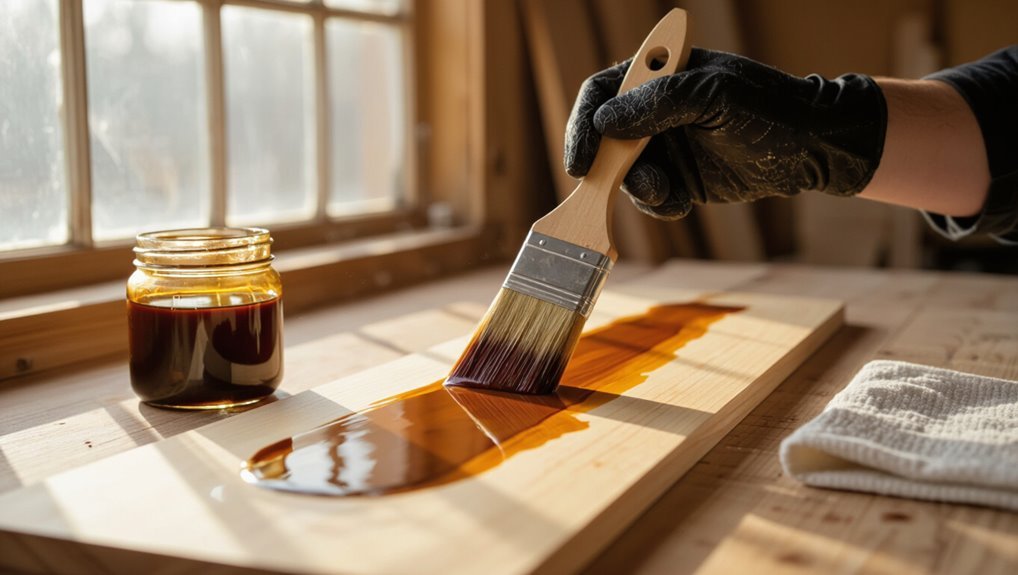
Painting with wood stain” means you’re applying a pigmented or transparent finish that soaks into the wood fibers instead of just sitting on top like regular paint, altering the color while still showing grain and texture.
You’ll learn technique tips to control absorption, blending, and layering.
Try project ideas like distressed furniture or accent panels, and test stains on scraps before committing to a piece.
Stain vs. Paint: When You Should Choose Stain
If you want to highlight natural grain, preserve texture, and let wood age gracefully, choose stain—especially on hardwoods, floors, or pieces where you want depth rather than an opaque coat.
You’ll use stain when stain advantages like translucency, easier maintenance, and enhanced grain matter.
Pick stain if paint limitations—covering texture, chipping, or hiding character—would undermine the piece’s look.
Types of Wood Stain: Overview
Now that you know when to pick stain over paint, it’s helpful to compare the two main stain types: oil-based and water-based.
You’ll find oil-based stains soak deeper and often enhance grain, while water-based stains dry faster and clean up with soap and water.
Consider the project, drying time, and cleanup when choosing between them.
Oil-Based Stains
Oil-based stains soak into wood and give you rich, long-lasting color with enhanced grain definition. You’ll control oil application for even absorption and expect longer drying time than water-based options. Apply with a rag or brush, wipe excess, and repeat for depth.
| Benefit | Tool | Tip |
|---|---|---|
| Durability | Brush | Test first |
| Depth | Rag | Wipe excess |
| Grain | Cloth | Multiple coats |
Water-Based Stains
Switching from oil to water-based stains gives you faster drying, easier cleanup, and lower odor, which makes them a good choice for indoor projects or quick turnarounds.
You’ll apply thin coats, rinse brushes with soap, and see clearer color variations on light woods.
Water-based stains enhance natural finishes, resist yellowing, and let you layer glazes or topcoats without long waits or strong fumes.
Oil‑ vs. Water‑Based Stains: Pros and Cons
While both oil- and water-based stains can bring out wood’s natural beauty, they differ in drying time, durability, and cleanup requirements—so pick the one that matches your project and skill level.
You’ll weigh oil based advantages like stain longevity and color retention against water based drawbacks such as different finish compatibility.
Consider drying times, application techniques, cleanup methods, safety considerations, and environmental impact.
Gel Stains: What They Are and When to Use Them
Gel stain is a thick, gel‑like finish that sits on the surface instead of soaking deeply into wood, so it gives you more control over color and coverage.
You’ll reach for gel stain on vertical surfaces, painted furniture, or pieces with blotchy grain because it hides uneven absorption and blends more predictably.
Use it when you want uniform color, easier touchups, and less dripping than liquid stains.
What Gel Stain Is
Think of gel stain as a thicker, pudding-like alternative to traditional liquid stains: it clings to the surface instead of penetrating deeply, so you get more control over color and coverage.
You’ll appreciate gel stain benefits like reduced blotching and easier correction.
Use straightforward gel stain techniques—apply with a brush or rag, wipe excess, and build thin layers for consistent, predictable results on varied surfaces.
Best Uses For Gel Stain
Stain choice matters: gel stain works best when you need even, controlled color on surfaces that either resist or show blotching with traditional liquid stains.
You’ll use gel stain for cabinets, laminates, painted furniture, and vertical surfaces where drip control matters. Its gel stain advantages include easier blending, longer open time, and reduced blotchiness.
Consider gel stain applications for refinishing and color-matching projects.
Match Stain Color to Wood Species and Grain
When you choose a stain, look at the wood’s species and grain first, because they determine how the color will appear once absorbed.
Choose stain by studying the wood species and grain—those traits dictate how color will truly absorb and show.
You’ll aim for stain selection that respects grain matching and wood compatibility while planning color blending and finish durability.
- Match pore size to stain type.
- Align grain direction for even tone.
- Pick formulas that enhance natural character.
Why Sample Testing Prevents Color Surprises
Always test stains on a scrap piece of the same wood so you can see the true color before committing.
Check how different undercoats change the tone and absorption, since a primer or existing finish can shift the result.
Those quick samples stop surprises and save you from costly rework.
Test on Scrap
Because wood absorbs finish unevenly, you should always try a sample on scrap before committing to a full piece.
You’ll compare test methods and match stain to scrap materials so you know final tone.
Try these quick checks:
- Apply full coat to reveal absorption.
- Light wash for subtle tinting.
- Sand and retest to gauge grain effects.
Check Undercoat Effects
Those scrap tests tell you how the bare wood will take stain, but undercoats and primers can change the result dramatically, so check them too.
Try common undercoat techniques on a sample piece, using primer, tinted sealer, or a sanding-burnished coat. You’ll spot color variations, adhesion issues, and absorption changes before committing.
Adjust stain choice and technique based on those results.
Tools for Staining: Brushes, Rags, Pads, and Sprayers
Choosing the right tools makes staining faster and gives you a more professional result. You’ll match brush selection to stain type and use proper application techniques for even coverage.
Pick tools for each stage:
- Brushes for edges and detail.
- Rags or pads for wiping and blending.
- Sprayers for large, smooth surfaces.
Clean and maintain tools to preserve performance.
Pick the Right Brush for Even Stain Application
You’ll want to pick a brush that matches the job—flat or angled shapes help control coverage on different surfaces.
Choose bristles based on the stain type: natural for oil-based stains, synthetic for water-based.
Match brush size to the work area so you get smooth, even application without excess strokes.
Brush Type Matters
While it might seem minor, the brush you pick has a big impact on how evenly stain soaks into the wood; use the right type and you’ll avoid streaks, blotches, and excess lap marks.
- Choose a brush that supports smooth brush selection for consistent strokes.
- Match brush width to surface for better application techniques and control.
- Keep a steady, light hand to prevent pooling and overlapping lines.
Bristle Material Choice
Picking the right brush shape matters, but the bristle material will determine how the stain behaves on the wood.
You’ll choose natural bristles for oil-based stains and synthetics for water-based ones.
Consider bristle types and bristle stiffness: softer, flexible bristles lay stain smoothly; stiffer bristles push stain into grain for textured woods.
Match material to stain for even, controlled application.
Size And Shape
Because the brush’s size and shape control coverage and detail, choose one that matches the board width and project scope: use a 2–3 inch flat or sash brush for wide boards and general staining, a 1–1.5 inch angled or detail brush for edges and tight spots, and a narrow artist or foam brush for small trim or intricate work.
- Match size selection to board width.
- Consider shape considerations for corners.
- Test on scrap for even coverage.
Wiping Techniques: Rags and Natural Finishes
If you want a smooth, even finish with natural stains, mastering wiping techniques is essential—your choice of rag, pressure, and motion determines how the stain soaks in and how the grain reads.
Use clean, lint-free rags and test wiping methods on scrap wood. Wipe with the grain, adjust pressure for depth, and remove excess promptly for consistent natural finishes and controlled color.
When to Use Foam Pads, Sponges, or Sprayers
When you need smooth, even coverage on flat surfaces, reach for a foam pad.
Use a sponge when you want a subtle, textured look or need to work stain into contours.
For large pieces or quick, uniform coats, a sprayer will save you time and give the most consistent finish.
Foam Pad For Smooth Coverage
Choose a foam pad when you want smooth, even stain on flat or gently curved surfaces without brush marks.
You’ll apply foam pad techniques for controlled saturation and quick leveling to achieve a smooth finish. Work with the grain, keep edges wet, and avoid overworking.
- Even pressure
- Thin, consistent coats
- Light cross-strokes
Sponge For Light Texture
Reach for a sponge when you want a subtle, tactile finish that lets the wood’s grain show through with gentle, irregular texture. You’ll use sponge techniques to dab stain lightly, build layers, and vary pressure for texture effects. Practice on scrap wood, work with grain, and blot excess to avoid pooling.
| Tool | Use |
|---|---|
| Sponge | Dabbing |
| Cloth | Blotting |
| Brush | Detail |
| Sandpaper | Smooth prep |
Sprayer For Large Areas
One clear rule: use a sprayer for broad, flat surfaces where speed and even coverage matter most.
You’ll choose between sprayer types and hand tools based on texture, edges, and large area techniques to avoid lap marks and overspray.
- HVLP sprayers for control.
- Airless for speed on big decks.
- Foam pads for edges and touchups.
Preparing Raw Wood: Sanding Sequence & Grits
Sanding is the foundation for a successful stain job, and you’ll want to work through grits in sequence so each step removes the scratches from the previous one.
You’ll use basic sanding techniques: start 80–100 grit to level, move to 120–150 grit for smoothing, then finish 180–220 grit before staining.
Thoughtful grit selection prevents blotchiness and reveals true grain for even penetration.
Remove Old Finishes and Clean for Better Adhesion
Before you stain, strip off any old finish and thoroughly clean the wood so the new stain can penetrate evenly.
Before staining, remove old finishes and clean thoroughly so the new stain soaks in evenly.
You’ll choose removal techniques based on finish type, then apply appropriate cleaning solutions to remove grease and dust.
Follow these steps:
- Test stripper on a small area.
- Scrub with recommended cleaning solution.
- Sand lightly and wipe with tack cloth before staining.
Prevent Blotching on Softwoods and Cherry
Softwoods and cherry tend to absorb stain unevenly, so you’ll need to take extra steps to get a uniform finish.
Sand smoothly with fine grit, remove dust, and test on scrap to spot grain issues. Wipe evenly, work quickly, and consider multiple thin coats.
For blotching prevention during softwood staining, blot excess stain promptly and blend edges with a clean cloth.
When to Use a Pre‑Stain Conditioner or Sealer
If you’re working with porous woods like pine, poplar, or cherry and want an even, predictable stain, use a pre‑stain conditioner or sealer—otherwise the finish can look blotchy or patchy.
For porous woods like pine, poplar, or cherry, use a pre‑stain conditioner to avoid blotchy, uneven staining.
You’ll get clear pre stain benefits and improved absorption.
Consider these quick points on application techniques:
- Test on scrap first.
- Follow product dwell times.
- Sand lightly between coats.
How to Apply Wood Conditioner Correctly
Anyone tackling a porous board should apply wood conditioner evenly and promptly after sanding to lock in consistent absorption. Work with a clean, lint-free cloth or brush, coat along the grain, and wipe off any excess within the product’s recommended dwell time.
You’ll let the conditioner application dry fully, sand very lightly if needed, then test wood absorption with a tiny stain sample before proceeding.
Mixing and Thinning Stains for Consistent Coverage
When your test spots show blotchy or uneven color, don’t assume the stain itself is at fault — thinning or mixing it can be the quickest way to achieve consistent coverage across different wood species and pore patterns.
- Thin sparingly to improve stain consistency; use manufacturer‑recommended solvent.
- Blend similar tones to even out color shifts.
- Test diluted mixes and refine application techniques until coverage is uniform.
How to Apply Stain With a Brush: Step‑By‑Step
Before you load the brush, make sure you’ve prepared the work area, worn gloves and a respirator if needed, and sanded and cleaned the wood.
Hold the brush at a slight angle and follow the grain, using long, even strokes to spread the stain.
Finish by wiping off excess with a clean cloth and checking for blotches so you can correct them while the stain’s still wet.
Prep And Safety
1 essential step before you pick up the brush is to set up a safe, clean workspace: ventilate the area, lay down drop cloths, and gather gloves, goggles, and a respirator if you’re using solvent‑based stain.
Use a preparation checklist and don safety gear.
Follow these quick steps:
- Remove dust and sand smooth.
- Tape edges and protect adjacent surfaces.
- Keep rags and thinner sealed.
Brushing Technique
Now that your workspace is prepped and the surface is ready, you’re set to apply the stain with a brush.
Choose a quality brush, load it lightly, then follow the grain with even brush strokes. Wipe excess, work small areas, and blend seams during stain application.
Clean and store brushes promptly—proper brush maintenance preserves shape and performance for future brushing techniques.
How to Wipe‑On Stain for Smooth, Natural Color
Wipe-on stains give you control and a natural look with minimal tools, and you’ll get the best results by working in manageable sections and following the wood’s grain.
Use consistent wiping techniques to control stain absorption and avoid blotches.
Use steady, consistent wiping to manage absorption and prevent blotches for an even stain finish.
- Apply thin, even coats along the grain.
- Wipe excess promptly with a clean cloth.
- Check drying between coats for uniform color.
How to Apply Gel Stain vs. Liquid Stain
Gel and liquid stains behave differently, so you’ll choose one based on the look and application method you want.
You’ll use gel stain application for thicker, controlled coverage; rub with cloth or pad. For liquid stain techniques, thin, brush or wipe for grain penetration and washes.
| Gel | Thick, controlled |
|---|---|
| Liquid | Thin, penetrating |
| Tool | Cloth, pad, brush |
| Result | Uniform vs. translucent |
How Long to Wait Before Wiping or Recoating?
How long you wait before wiping off excess or adding another coat depends on the stain type, ambient conditions, and the look you want; generally, wipe-off liquid stains after 5–15 minutes and gel stains when the surface feels tacky but not wet.
Consider stain timing and drying conditions:
- Check tackiness and ambient humidity.
- Cool or damp slows drying—wait longer.
- Test a small area before full recoating.
Build Color Safely With Multiple Thin Coats
Start with light coats so you don’t overload the wood.
Let each layer fully dry before applying the next one to avoid tackiness and uneven color.
Gradually build the tone with additional thin coats until you reach the depth you want.
Start With Light Coats
1. Start with thin, even coats so you control tone through light layering and gradual buildup.
Work with a brush or rag, wiping excess as you go. Repeat until you reach the shade you want.
- Apply thin coat
- Wipe excess promptly
- Assess and repeat
You’ll avoid blotches and keep grain clarity while building color safely.
Allow Full Drying
Because stain darkens and settles as it cures, let each thin coat dry fully before adding another so you control the final tone and avoid tacky, uneven layers.
Use proper drying techniques—good ventilation, moderate temperature, and low humidity—to speed curing without compromising finish.
Follow manufacturer drying times between coats, test by touch, and only proceed when the surface feels hard and non-tacky.
Gradual Color Layering
When you want deeper, more controlled color without blotches or raised grain, build it up with multiple thin coats rather than one heavy application.
You’ll use gradual layering and careful color blending to control tone. Wait full drying between coats, sand lightly, and test on scrap.
- Thin coat
- Light sand
- Repeat until desired shade
Blend Tones for a Custom, Layered Look
Start by testing combinations on scrap wood so you can see how different stains interact and layer; mixing a warm chestnut wash over a cool gray base, for example, softens the contrast and creates depth you can’t get from a single color.
Use controlled blending colors and deliberate layering techniques: apply thin washes, wipe between coats, and adjust opacity until the tones read as a cohesive, custom finish.
Fix Streaks, Lap Marks, and Uneven Color
If you’re seeing streaks, lap marks, or patchy color, don’t panic—these issues are usually fixable with a few targeted moves:
- Feather edges with a damp cloth during stain application to aid streak correction and lap mark prevention.
- Work in consistent sections, keeping a wet edge for color consistency.
- Sand light, recoat thinly, and blend quickly to unify tone without overworking the wood.
Remove Excess Stain and Correct Common Mistakes
After you’ve evened out streaks and lap marks, tackle excess stain and common mistakes before the finish cures. Blot pooled areas with a clean rag, use mineral spirits for stubborn spots, and apply light pressure for excess removal. For mistake correction, lift runs immediately and blend gently.
| Problem | Fix | Tip |
|---|---|---|
| Pooled stain | Blot | Quick action |
| Runs | Lift | Blend gently |
| Dark spots | Dilute | Test first |
| Dust nibs | Brush off | Before cure |
Sanding Between Stain Coats: When and How
You’ll want to sand between stain coats only after the previous coat is fully dry and any raised grain or dust nibs are noticeable.
Use fine-grit sandpaper (220–320) or a sanding pad, sanding lightly with the grain to avoid removing stain.
Wipe away all dust with a tack cloth before applying the next coat.
When To Sand
When you’re staining a piece, sanding between coats helps create a smoother, more even finish and guarantees better adhesion for the next layer.
You should sand once the stain feels dry to the touch but before full cure; light scuffing improves bonding.
Consider sanding techniques and sanding grits for the wood type.
- After tack-free dry
- Before final coat
- When texture appears
How To Sand
Start by letting the stain become tack-free—dry enough to touch but not fully cured—then lightly scuff the surface with fine sandpaper to promote adhesion for the next coat. Use gentle sanding techniques and proper grit selection; wipe dust before recoating.
| Step | Action |
|---|---|
| 1 | Wait tack-free |
| 2 | Use 220–320 grit |
| 3 | Sand lightly |
| 4 | Clean dust |
| 5 | Apply next coat |
Best Clear Topcoats for Stained Wood: Sheen & Durability
Finish matters: choosing the right clear topcoat will protect your stained wood and define its final look—pick between matte, satin, semi-gloss, and gloss sheens based on how much light and wear resistance you want, and consider polyurethane, water-based poly, spar urethane, or oil-modified finishes for differing durability, yellowing tendencies, and recoat times.
- Compare sheen levels for appearance.
- Use durability comparison to choose finish.
- Match finish to traffic and UV exposure.
How to Apply Polyurethane, Oil, or Lacquer Over Stain
Now that your stain’s cured, you’ll need to pick the right finish—polyurethane for durability, oil for depth, or lacquer for quick drying—based on the look and wear you expect.
Prep the surface by sanding lightly, wiping away dust, and ensuring the stain is fully dry so the topcoat bonds properly.
Apply thin, even coats with the recommended brush or sprayer, follow manufacturer drying times, and sand between coats for a smooth, durable result.
Choosing The Right Finish
When you’ve stained your wood, picking the right finish—polyurethane, oil, or lacquer—will determine its durability, sheen, and how the color reads, so choose based on the piece’s use and the look you want.
- Polyurethane: best for high-traffic pieces; superior finish durability and clear protection.
- Oil: enhances grain, offers softer sheen, easy spot repair.
- Lacquer: quick-drying, high gloss, thin protective layer.
Preparing The Stained Surface
After you’ve chosen the right protective coat, it’s time to prepare the stained surface so the topcoat bonds well and looks even. Sand lightly, remove dust, check substrate compatibility, and test solvent reaction. Use proper surface preparation techniques to guarantee adhesion before finishing.
| Step | Tool | Check |
|---|---|---|
| Sand | 220 | Smooth |
| Clean | Tack cloth | Dust-free |
| Test | Solvent | Reaction |
| Inspect | Light | Even |
| Seal | Primer | Bonding |
Application And Drying Tips
Start by choosing the right topcoat—polyurethane for durability, oil for warmth and ease of touch-up, or lacquer for fast drying and a sleek finish—and make sure the stain is fully dry and dust-free before you begin.
Use proper application techniques and control drying conditions to avoid blushing or tackiness.
- Brush or wipe thin coats.
- Sand between coats lightly.
- Allow recommended curing time.
Maintain a Natural‑Stained Wood Surface Long‑Term
If you want your natural-stained wood to keep its color and finish, set up a simple routine of gentle cleaning, periodic inspection, and timely touch-ups.
For natural finish maintenance, dust weekly, wipe spills immediately with a damp cloth, and apply a maintenance coat of clear topcoat annually.
Follow stain longevity tips: protect from direct sun, control humidity, and address scratches promptly.
Refinish Stained Pieces Without Full Stripping
When you want to change the look of a stained piece without stripping it down, you can refresh or alter the finish by cleaning, scuffing, and layering new products directly over the existing stain.
You’ll use simple refinishing techniques and basic color matching to blend layers and correct tones.
- Clean and degrease thoroughly.
- Scuff-sand and dust off.
- Apply toner, glaze, or thin paint.
Safety, Ventilation, and Solvent Precautions
Because solvents and wood-stain fumes can build up quickly in enclosed spaces, you should work in a well-ventilated area and use a respirator rated for organic vapors whenever ventilation is limited. Wear safety gear, follow ventilation tips, and practice solvent handling. Prep your workspace and use protective measures to prevent spills, fumes, and fires.
| Item | Action |
|---|---|
| Respirator | Fit test |
| Gloves | Chemical-resistant |
| Ventilation | Fans/open windows |
| Disposal | Seal containers |
| Fire safety | No open flames |
Eco‑Friendly and Low‑VOC Stain Options
After you’ve handled safety and ventilation, you can choose stains that cut down on fumes and environmental impact.
Pick eco friendly options and low VOC stains to protect occupants and the planet.
Consider:
- Plant‑based stains for gentle odor and biodegradability.
- Waterborne formulas labeled low VOC for indoor projects.
- Natural oil blends that dry clear and minimize harsh solvents.
Budget Tips: Stain Well Without Overspending
If you want great results without blowing your budget, focus on choices that give the most value—buy quality stain for the surface, shop sales or contractor packs, and stretch product with proper thinning and efficient application. You’ll use affordable materials and budget friendly techniques: plan cuts, buy sample sizes, reuse rags, and practice consistent strokes.
| Tip | Cost | Impact |
|---|---|---|
| Samples | Low | High |
| Packs | Medium | High |
| Reuse rags | Free | Medium |
Staining Furniture vs. Cabinets vs. Floors: Key Differences
When you’re choosing stain for furniture, cabinets, or floors, think about how each surface will be used, prepared, and finished.
- Furniture: focus on furniture finishes and gentle stain application for wear points.
- Cabinets: emphasize cabinet preparation, hinge removal, and consistent coats.
- Floors: prioritize floor protection, durable sealers, and heavier stain application to withstand traffic.
Creative Effects: Whitewash, Pickling, and Antiquing
Although each technique alters wood differently, whitewashing, pickling, and antiquing all let you tailor a piece’s character without obscuring its grain. You’ll use whitewash techniques and pickling methods to highlight natural textures, employ antiquing effects and distressing finishes, practice layering colors and color blending, and choose varnish alternatives for subtle sheen.
| Technique | Purpose | Tip |
|---|---|---|
| Whitewash | Brighten | Thin paint |
| Pickling | Pale grain | Rub excess |
Common Beginner Mistakes and How to Avoid Them
Start by knowing the usual pitfalls so you can avoid them: beginners often rush prep, use the wrong applicator, or skip test pieces, which leads to blotchy stain, uneven color, and wasted wood.
Start by avoiding common mistakes—rush, wrong tools, or skipped tests—so your stain won’t be blotchy.
You’ll improve with correct color selection and application techniques.
- Sand thoroughly and test samples.
- Use proper applicators for grain.
- Wipe excess evenly and wait between coats.
Quick Troubleshooting Guide for Staining Problems
1 quick reference can save your project: this troubleshooting guide points out common staining problems—blotchiness, streaks, tacky finish, and uneven color—and gives immediate fixes so you can get back on track without wasting wood or time.
Check surface preparation, correct product selection, and application techniques. Adjust for stain absorption, drying times, and color matching.
Improve indoor ventilation, blotch prevention, finish durability, and follow maintenance tips.
Frequently Asked Questions
Can I Stain Over Painted Wood Without Stripping First?
You can, but it’s tricky: painted surfaces often prevent good stain adhesion, so you’ll need to scuff, sand to remove gloss, clean thoroughly, and use a stain/primer designed for painted surfaces to guarantee lasting results.
How Does Humidity Affect Stain Drying and Adhesion?
Humidity levels directly slow drying times and can weaken adhesion, so you’ll notice tacky stains and longer cures; you’ll need lower humidity, good airflow, or dehumidifiers to guarantee proper drying times and strong stain bonding.
Will Stain Hide Wood Odors or Smoke Damage?
No, stain won’t fully hide odors or smoke damage; you’ll need odor masking products and smoke restoration steps like cleaning, sealing with an appropriate primer, and possibly odor neutralizers before staining to prevent persistent smells and residues.
Can I Mix Different Brands or Formulations of Stain?
Yes—you can mix brands, but check compatibility, test first, and expect variation; match oil with oil or water with water for stain compatibility, and use thin coats for predictable color layering and even absorption.
How Long Should Stained Furniture Cure Before Heavy Use?
You should let stained furniture cure at least 24–72 hours for light use, but wait 7–30 days for heavy use; follow cure time on the label and plan furniture maintenance accordingly to avoid damage and guarantee durability.
Conclusion
You’ll get the best natural‑wood results when you match stain type and technique to your project and prep carefully. Don’t rush testing: try your chosen stain on a scrap or the underside first. For example, a DIYer refinished an old oak dining table with gel stain after testing colors on a removed drawer; the gel prevented blotching and kept the grain pronounced, creating a warm, even finish. With patience and the right products, you’ll love the outcome.
