
How to Remove Dried Puffy Paint From Fabric
You can remove dried puffy paint by first scraping off loose bits with a dull knife or credit card, then blotting from underneath with a soft cloth. Check the fabric care label and test solvents like rubbing alcohol or a mild detergent mix on a hidden spot. Work outward, rinse with cool water, and repeat treatments before machine washing on a gentle cycle. If color or texture changes, consider a pro; keep going for full step-by-step guidance.
Quick First Steps: What to Try for Dried Puffy Paint
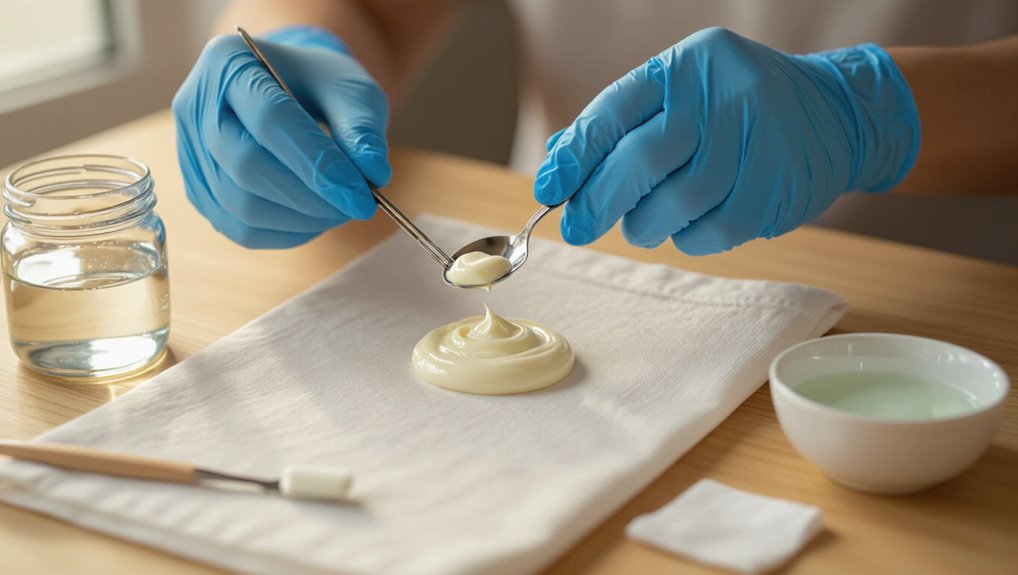
Start by scraping off any loose flakes with a dull knife or the edge of a credit card, working gently to avoid damaging the fabric.
Blot the area from beneath with a soft cloth, then test a small hidden spot with rubbing alcohol or a mild detergent.
Work outward, lifting softened paint.
Rinse thoroughly and follow fabric care to finish puffy paint removal.
Check Fabric Type and Care Label
Before you try any removal method, check what the fabric is made of—natural fibers like cotton and linen handle treatments differently than synthetics or blends.
Read the care label for washing temperature, bleach warnings, and whether the item is dry-clean only. That info will guide which solvents or techniques are safe to use.
Identify Fabric Fibers
Different fabrics react to solvents and scrubbing very differently, so check the garment’s care label and feel the fibers to identify what you’re dealing with. You’ll note fabric types and fiber characteristics by touch: stretch, sheen, and weave. Use gentle tests—pinch, burn small fiber if safe—and match results to likely fibers before treating.
| Touch | Clues |
|---|---|
| Smooth, cool | Synthetic |
| Soft, matte | Natural |
Read Care Label
Always check the garment’s care label to confirm fiber content and washing instructions before treating puffy paint stains; it tells you whether the fabric can handle water, heat, solvents, or scrubbing and may even list specific warnings like “dry clean only” or “do not bleach.”
Follow instructions to avoid damage, choose safe paint removal methods, and tailor fabric care—spot test solvents and opt for professional cleaning when labels prohibit home treatment.
Check Paint Age and Type
Check the paint’s manufacturing date or any batch code so you know how long it’s been on the fabric, since older paint often sets harder.
Next, try to identify whether it’s a water-based puff paint, acrylic, or solvent-based product because each responds to different removal methods.
That info will guide which cleaners and techniques you should try first.
Determine Paint Manufacturing Date
If you want to deal with puffy paint effectively, start by finding the manufacturing or batch date on the bottle or tube—this tells you whether the paint’s age or formula might affect removal.
Check labels or codes against the paint production timeline and any manufacturer website to confirm age.
Knowing paint formulation history helps you predict brittleness or flexibility without speculating about composition.
Identify Paint Composition
Start by identifying whether the puffed-on paint is water-based or solvent-based, since that determines which solvents or treatments will work and which will damage the fabric.
Check texture, sheen, and smell, or test a hidden edge with water. You’ll note paint properties like flexibility and adhesion, then choose appropriate removal techniques—water, detergent, alcohol, or solvent—matching fabric care labels to avoid damage.
Scrape Excess Dried Puffy Paint Carefully
Gently lift and shave off as much dried puffy paint as you can with a plastic scraper or the edge of a credit card, working from the fabric’s surface outward to avoid embedding flakes deeper into the fibers.
Use gentle scraping techniques, angling the tool to lift flakes without stretching fabric.
Collect debris on paper, discard carefully, and repeat until no loose paint remains.
Spot Test Solvents on a Hidden Area
After scraping off loose flakes, test any solvent on an inconspicuous spot—like an inside seam or hem—to check for colorfastness and fabric damage.
Apply a small amount of each solvent type you plan to use, blot gently, and wait five minutes.
Observe fabric reactions: fading, pilling, or fibers weakening.
If the test shows no harm, proceed cautiously; if it does, stop and choose a gentler option.
Clean Small Stains With Soap, Vinegar, and Detergent
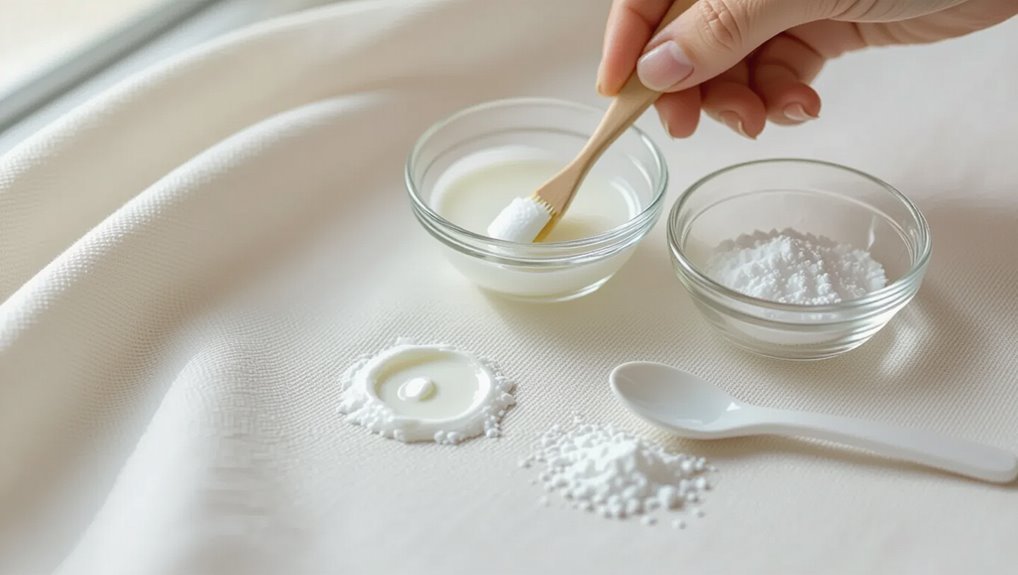
Mix a simple cleaning trio—mild dish soap, white vinegar, and laundry detergent—to tackle small puffy-paint stains without harsh chemicals.
Mix simple dish soap, white vinegar, and laundry detergent to gently lift small puffy-paint stains without harsh chemicals.
Dampen the stain, apply a small amount of soap application, and gently work the fibers with a soft brush.
Rinse, then blot with the vinegar solution to lift residue.
Launder as usual and air-dry; repeat if needed.
Use Rubbing Alcohol or Acetone on Sturdy Fabrics
Before you use rubbing alcohol or acetone, test a small hidden area to make sure the solvent won’t damage the fabric.
Apply the solvent to a cloth and blot the paint—don’t rub—to lift it away.
When the stain’s gone, rinse the spot with water and let the fabric air dry.
Test Solvent On Hidden Area
Since solvents can fade or damage fabric, always test rubbing alcohol or acetone on an inconspicuous spot first; dab a small amount, let it dry, and check for color change or fiber weakening before treating the stain.
For hidden testing, pick an inside seam or hem. You’ll confirm fabric safety quickly; if it reacts, stop and choose a gentler method.
Blot, Don’t Rub
If your hidden test showed no damage, you can move on to treating the stain with a solvent—remember to blot, not rub.
Apply rubbing alcohol or acetone to a clean cloth, dab the puffy paint gently, and lift softened bits. Use blot techniques in short bursts, rotating the cloth to a clean area.
Prioritize fabric care by avoiding scrubbing and repeating tests on sturdy garments only.
Rinse And Air Dry
Rinse the treated area under cool running water to wash away any leftover solvent and loosened paint particles.
Then let the fabric air dry flat or hung away from direct heat.
After rinsing, check the spot; repeat solvent use only on sturdy fabric.
Use a gentle rinse technique to guarantee no residue remains, and prioritize air drying to prevent heat setting any faint stains.
Try Freezer or Heat Hacks Safely on Fabric
Try cold or heat methods carefully to loosen puffy paint without damaging the fabric.
Use the freezer method by sealing the garment in a bag, chill until paint hardens, then gently chip away.
For heat application, test a hidden seam, use low heat with a cloth barrier, and scrape softened paint.
Always check fabric care labels and proceed slowly to avoid burns or distortion.
Apply Enzyme Pre‑Treaters to Paint Stains
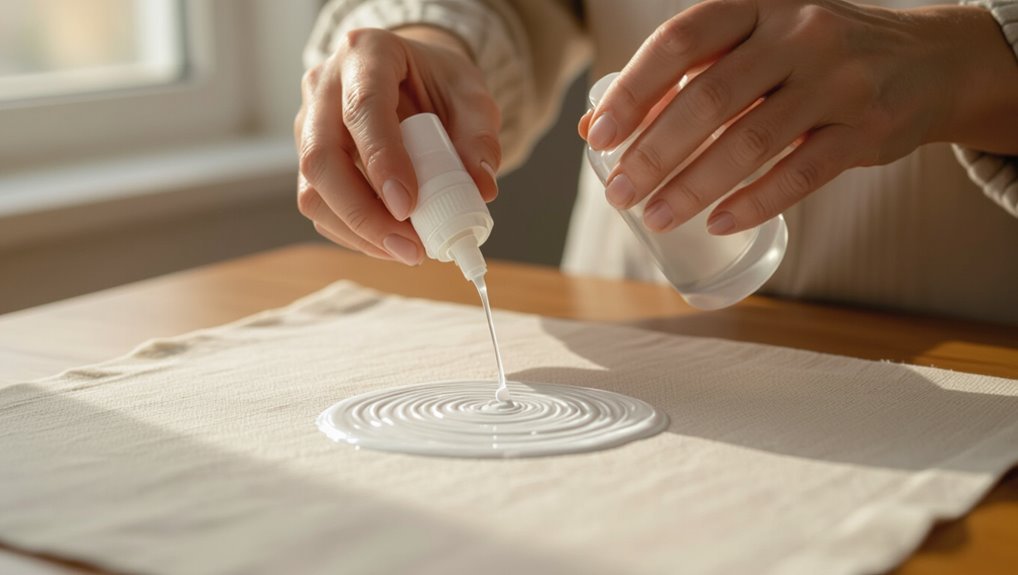
Reach for an enzyme pre‑treater when puffy paint has dried into the fibers, because its targeted enzymes break down protein‑based binders and make the stain much easier to lift.
Apply directly, work gently with a soft brush, let sit per instructions to maximize enzyme effectiveness, then blot.
Test first on an inconspicuous area to confirm colorfastness before treating visible stain removal.
Safely Wash Treated Items and When to Repeat
Once you’ve blotted and allowed the enzyme pre‑treater to work, it’s time to wash the garment to remove loosened paint and residue. Use cold water, gentle cycle, and a mild detergent. Check before drying; repeat treatment if paint remains. Follow laundry tips for fabric care to avoid damage.
| Before | After |
|---|---|
| Blot | Rinse |
| Treat | Inspect |
Fix Color Loss and Fabric Distortion After Removal
If the fabric looks faded or puckered after you’ve removed the puffy paint, don’t panic—you can often restore color and shape with targeted treatments.
Use gentle color restoration techniques and fabric care tips to revive textiles without damage.
- Apply diluted dye or fabric-safe marker sparingly.
- Steam or press with a cloth to relax fibers.
- Rewash gently with color-safe detergent.
When to Call a Professional Cleaner or Upholsterer
When stains, deep fabric distortion, or persistent residue won’t respond to home treatments, call a professional cleaner or upholsterer—they’ve got the solvents, equipment, and expertise to avoid further damage and salvage the piece.
You should seek professional consultation if stains are extensive, fabrics are delicate, or previous attempts worsened the issue.
Use reputable upholstery services to assess restoration versus replacement.
Prevent Future Puffy Paint Mishaps and Quick Fixes
After calling a pro or deciding you’ll handle future mishaps yourself, adopt simple habits to prevent puffy paint problems and keep quick fixes at the ready.
- Use drop cloths and dedicated workspace for puffy paint prevention.
- Seal projects with a fabric protection spray once dry.
- Keep rubbing alcohol, a soft brush, and disposable wipes nearby for immediate spot treatment.
Frequently Asked Questions
Can Dried Puffy Paint Transfer Onto Other Clothes in the Wash?
Yes, it can—dried puffy paint may cause paint transfer in the wash, so you’ll separate affected items, pretreat stains, use cold water and gentle cycle. Follow washing tips to minimize transfer and protect other clothes.
Is It Safe to Use a Steam Cleaner on Puffy Paint Stains?
Yes — you can use a steam cleaner, but effectiveness varies; test a hidden spot first. You’ll avoid fabric damage by using low steam, brief passes, and protective cloths to balance steam cleaning effectiveness and fabric safety.
Will Puffy Paint Fumes Harm Pets During Cleaning?
Yes — puffy paint fumes can harm pets, especially birds and small mammals; you should avoid exposure, guarantee puffy paint safety by ventilating well, using non-toxic brands, and keeping pets away to prevent adverse pet reactions and distress.
Can I Restore Fabric Texture After Heat Removal Methods?
Yes — you can often restore fabric texture after heat removal methods. You’ll use gentle fabric care: steam, reshape while damp, brush fibers, and air-dry flat; repeat treatments cautiously to avoid distortion or color changes.
Are Natural Remedy Methods (Lemon, Baking Soda) Effective?
Surprisingly, you’ll find natural alternatives can sometimes work, but you’ll need an effectiveness comparison: lemon or baking soda might lift bits, yet they’re less reliable than commercial removers, so test discreetly and expect mixed results.
Conclusion
You’ve got options, so don’t panic—start by checking the fabric tag and paint type, gently scrape off flakes, spot-test a solvent, and launder carefully; if color or shape’s altered, try a mild dye fix or reshaping while damp. Still stuck or dealing with delicate upholstery? Call a pro before you make things worse. Want your favorite shirt rescued without turning it into a science experiment? Follow steps patiently, and prevent future messes.
