
How to Remove Latex Paint From Skin Safely
If latex paint gets on your skin, act fast: scrape off excess wet paint with a blunt edge, rinse under warm running water, and wash gently with mild soap. For stubborn spots, rub in baby oil, olive oil, or a little rubbing alcohol, then rinse and moisturize. Avoid harsh solvents on sensitive areas and test alcohol first. Watch for irritation and seek medical advice if redness or swelling worsens, and keep going for more safe tips.
Quick Checklist: What to Do Immediately After Latex Paint Gets on Skin
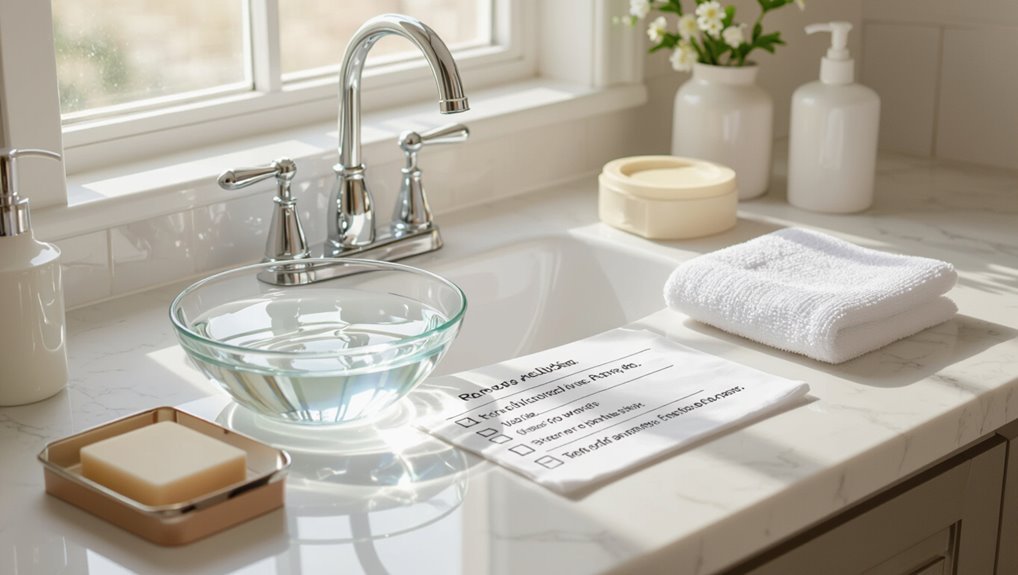
Act quickly: scrape off excess wet paint with a blunt edge (like a credit card), then rinse the area under warm running water to dilute and remove more paint.
After that, wash gently with soap and water, pat dry, and repeat if needed.
For stubborn spots, use a small amount of baby oil or hand lotion to lift remaining paint.
Note immediate actions after paint exposure.
Safety First: Allergies, Irritation, and When to Seek Help
Watch for signs of an allergic reaction like itching, swelling, rash, or difficulty breathing and stop contact immediately if they appear.
Take steps to prevent irritation by rinsing with cool water, using mild soap, and avoiding harsh scrubbing or solvents.
If symptoms worsen, spread, or include breathing problems, get medical help right away.
Identify Allergic Reactions
How can you tell if latex paint on your skin is more than a nuisance? Watch for latex sensitivity signs and allergic reaction symptoms.
Check for:
- Redness, swelling, or raised rash spreading beyond contact area.
- Itching, burning, or tingling that worsens.
- Difficulty breathing, dizziness, or facial swelling — seek emergency care immediately.
Prevent Skin Irritation
While latex paint on your skin is usually harmless, you can prevent irritation by taking a few simple precautions before and after you paint.
Wear protective gloves to avoid contact, wash promptly with mild soap for safe removal, and pat skin dry.
Support your skin barrier by applying a gentle moisturizing lotion after cleaning.
Monitor for persistent redness or itching.
Know When To Seek Help
If you notice severe redness, swelling, blistering, intense itching, or any trouble breathing after paint contact, get medical help right away—these can be signs of a serious allergic reaction or chemical irritation.
Know when to stop DIY paint removal techniques and call for help.
Consider these steps:
- Rinse and document symptoms.
- Stop exposure.
- Call your doctor or emergency services for seeking medical assistance.
Why Latex Paint Usually Rinses Off Easier Than Oil‑Based Paint
One key reason latex paint rinses off skin more easily than oil-based paint is that it’s water‑based and the pigments and binders dissolve or disperse in water, so you can loosen and wash them away with soap and water;
oil paints, by contrast, use oily solvents that repel water and cling to skin until you break them down with a solvent or strong detergent.
You’ll notice latex paint properties reduce paint adhesion to skin once wet.
When to Remove Paint Immediately vs. When Waiting’s OK
Decide quickly based on paint type, amount, and where it landed: you should remove latex paint from skin right away if it’s still wet or covering sensitive areas like your face, eyes, or a cut.
But small smears on less sensitive areas can wait a short while if you need to finish a job.
- Immediate action: large wet spots.
- Monitor paint drying on hands.
- Delay for tiny dry smudges.
Supplies to Have on Hand for Safe Removal
You’ll want a small kit ready before you start: mild soap, warm water, a soft cloth or sponge, and a gentle scrub brush.
Keep skin-friendly solvents like rubbing alcohol, baby oil, or a dedicated latex paint remover for skin on hand, and test a small patch first.
Finish with moisturizer to soothe and restore your skin’s barrier.
Essential Cleaning Supplies
Gathering a few key supplies before you start makes paint removal faster and gentler on your skin. Have these essentials ready:
- Mild soap, lukewarm water, and soft cloths.
- Exfoliating glove or gentle scrub and approved cleaning agents.
- Moisturizer, nail brush, and natural remedies like olive oil or coconut oil for stubborn spots.
Work gently, rinse, and moisturize afterward.
Skin-Friendly Solvents
When water and soap won’t budge dried latex paint, reach for gentle, skin-safe solvents like rubbing alcohol (isopropyl), acetone-free nail polish remover, or vegetable oil; they break down paint without stripping your skin’s natural oils. Use natural alternatives and prioritize solvent safety—test a small area, moisturize after, and avoid prolonged contact.
| Solvent | Use tip |
|---|---|
| Isopropyl alcohol | Spot test |
| Vegetable oil | Massage gently |
Remove Wet Latex Paint With Water and Soap
Start by rinsing the paint under warm running water to loosen it. Then lather the area with mild soap and gently rub until the paint comes off.
Use quick, gentle strokes and rinse frequently. Combine paint removal techniques with basic skin care tips to avoid irritation.
- Warm water
- Mild soap
- Soft cloth
Use Household Oil (Olive, Vegetable, Baby Oil) to Lift Paint
If soap and water didn’t budge the paint, grab a cooking or baby oil and test a small patch first to make sure your skin doesn’t react.
Rub the oil into the painted area with gentle circular motions to lift the paint without irritating your skin.
Wipe away loosened paint with a clean cloth and rinse with warm water and soap.
Choose Appropriate Oil
Pick a common kitchen oil—olive, vegetable, or even baby oil—to help lift latex paint from your skin, because oils break down the paint’s binders without harsh chemicals.
Choose based on scent, texture, and sensitivity. Use essential oil options sparingly and master oil absorption techniques.
- Olive — mild, skin-friendly
- Vegetable — inexpensive, effective
- Baby oil — gentle, low scent
Gently Rub And Rinse
Apply a small amount of your chosen oil to the painted area and gently rub in circular motions to loosen the latex without irritating your skin. Use gentle exfoliation with a soft cloth, rinse with warm water, and repeat until paint lifts. Pat dry, then apply moisturizer for moisturizing afterwards.
| Oil | Tool | Action |
|---|---|---|
| Olive | Cloth | Rub |
| Baby | Cotton | Rinse |
| Vegetable | Hands | Pat |
How to Use Rubbing Alcohol or Hand Sanitizer Safely
One simple, effective option is using rubbing alcohol or an alcohol-based hand sanitizer to break down and lift latex paint from your skin.
You’ll want to work in short bursts, applying a small amount to a cotton pad or your fingertips and rubbing gently until the paint loosens.
- Test on a small patch.
- Rub gently; don’t scrub raw skin.
- Rinse and moisturize after use.
Dish Soap + Soft Brush for Stubborn Wet Paint
If soap alone won’t cut the wet latex, reach for a mild dish soap that’s free of harsh fragrances or antibacterial agents so you don’t dry your skin.
Use a soft-bristled brush and work in gentle, circular motions to lift paint without irritating the area.
Rinse frequently and stop if you feel any stinging or redness.
Gentle Soap Selection
When you’ve got fresh latex on your skin, choose a gentle dish soap—its grease-cutting formula lifts paint without stripping natural oils.
Use mild cleansers for skin safety and rinse often.
Try this routine:
- Wet area with warm water.
- Apply a small amount of soap and lather gently.
- Rinse, repeat if needed, then moisturize to restore skin.
Brushing Technique Tips
Grab a soft-bristled brush and a pump of dish soap to tackle stubborn wet latex without scrubbing too hard.
Wet the area, lather soap, then use gentle circular motions with the brush.
Pick brush types with soft nylon bristles to avoid irritation.
Rinse often, pat dry, and moisturize.
These brushing techniques remove paint while protecting skin and preventing redness.
Petroleum Jelly and Mineral Oil Methods
Petroleum jelly and mineral oil are gentle, effective options for loosening latex paint on skin; you’ll rub a small amount into the stained area to dissolve the paint’s surface and lift it without harsh scrubbing.
After resting, wipe with a soft cloth and wash with soap.
- Apply petroleum jelly or mineral oil.
- Massage gently.
- Wipe and cleanse.
Store‑Bought Skin‑Safe Paint Removers: What to Choose
When you pick a store‑bought skin‑safe remover, look for gentle ingredients like glycerin, aloe, or plant‑based surfactants and avoid harsh solvents.
Apply it according to the label—rub gently, let it sit briefly if recommended, then rinse with warm water and mild soap.
Pat the area dry and follow up with a moisturizing lotion to restore the skin barrier.
Safe Ingredients To Look For
If you’re buying a skin-safe remover, look for gentle solvents and soothing additives on the label—ingredients like isopropyl alcohol at low concentrations, ethyl lactate, and propylene glycol dissolve latex without stripping oils, while aloe, glycerin, or vitamin E help protect and hydrate your skin.
- Mild solvent base for effectiveness
- Moisturizing botanicals for skin safety
- Note natural alternatives listed on label
Application And Removal Tips
Start by testing the remover on a small patch of skin to make sure you don’t react.
Choose fragrance‑free, dermatologist‑approved products.
Follow label application methods: apply sparingly, wait the recommended time, then rub gently with a soft cloth.
For stubborn spots use mild removal techniques like oil or gentle exfoliants afterward.
Rinse thoroughly and moisturize to restore skin barrier function.
How to Scrape Excess Paint Without Damaging Skin
Gently lift dried latex with a blunt edge—like a plastic scraper, credit card, or spatula—so you remove the bulk without cutting or abrading your skin.
Use gentle pressure and test angles, combining paint removal techniques with basic skin care.
Follow these steps:
- Loosen edges slowly.
- Peel toward the paint, not your skin.
- Rinse residue with mild soap and water.
What to Do When Latex Paint Starts to Dry
When latex paint begins to tack up, act quickly to keep it from fully drying and bonding to your skin—wash the area with warm water and a mild soap while rubbing gently to lift as much paint as possible.
Pat dry, repeat if needed, then try oil-based rubs like baby or olive oil to break residue.
Consider using paint alternatives next time to avoid tough drying techniques.
Safest Ways to Soften Dried Latex Paint for Removal
If the paint’s starting to harden, you can loosen it with warm soapy water—soak the area for a few minutes and gently rub with a soft cloth.
For stubborn spots, try a gentle oil rub (like olive or baby oil) to break the paint’s grip without irritating your skin.
Always rinse and moisturize afterward to remove residue and soothe the area.
Warm Soapy Water
1 simple, safe method for loosening dried latex paint on your skin is warm soapy water; it softens the film without harsh chemicals.
You’ll use soothing solutions and effective techniques to gently lift paint.
Follow steps:
- Soak the area in warm, soapy water for several minutes.
- Rub softly with fingers or a washcloth.
- Rinse and repeat until paint loosens.
Gentle Oil Rub
Although it seems counterintuitive, gently rubbing a mild oil into dried latex paint will loosen the film without irritating your skin.
Choose oil options like olive, coconut, or baby oil. Apply a small amount, massage in circular motions, let sit a minute, then wipe with a soft cloth.
Repeat if needed, then wash with warm soapy water to remove residue.
When to Avoid Acetone/Paint Thinner: and Safer Alternatives
Because acetone and paint thinner strip natural oils and irritate skin, you should skip them when the affected area is broken, sensitive, or on children and pregnant people; instead, opt for gentler methods.
Use acetone alternatives and natural solvents to prioritize skin safety and follow painter precautions:
- Olive or coconut oil — rub gently.
- Soapy warm wash — rinse often.
- Rubbing alcohol sparingly.
Step‑By‑Step for Removing Fully Dried Latex Paint
If the paint has fully dried, you’ll need a slightly more aggressive but still skin-safe approach than the gentle options above.
Start by softening with warm soapy water and gentle scrubbing. Use a pumice sponge or oil-based remover, testing a small patch first for skin sensitivity.
Work slowly, rewetting, and stop if irritation occurs. Rinse thoroughly and pat dry.
Aftercare: Cleansing, Moisturizing, and Infection Prevention
Once you’ve removed the paint, cleanse the area thoroughly with mild soap and lukewarm water to remove any residue, then pat it dry gently with a clean towel.
After removing paint, wash gently with mild soap and lukewarm water, then pat the area dry.
Use proper cleansing techniques, apply moisturizing products, and monitor for issues.
Follow these steps:
- Wash with gentle soap.
- Apply a fragrance‑free moisturizer.
- Keep the area clean and covered if needed.
Treating Paint‑Related Irritation, Rashes, or Allergic Reactions
Watch for redness, itching, swelling, or blistering after removing paint so you can identify symptoms early.
If your skin feels irritated, rinse gently, apply a cool compress and fragrance-free moisturizer, and avoid further exposure.
Seek medical help promptly if symptoms worsen, spread, or include breathing difficulty, fever, or intense pain.
Identify Symptoms Early
Because your skin can react quickly to latex paint, you should check affected areas soon after exposure for redness, itching, swelling, blistering, or unusual warmth.
Note paint properties and your skin sensitivity, then monitor these signs and act if they worsen:
- Increasing redness or spreading rash
- Persistent itching or raised bumps
- Swelling, warmth, or blister formation
Immediate Skin Care
If you get latex paint on irritated or sensitive skin, act quickly to reduce inflammation and prevent infection: rinse gently with cool water and mild soap, pat dry, and avoid scrubbing.
Apply a fragrance‑free moisturizer or aloe gel to soothe itching. Use over‑the‑counter hydrocortisone for mild rash and monitor for worsening.
Prioritize skin care and paint safety to limit complications.
When To Seek Help
When irritation, a spreading rash, or worsening swelling appears after you’ve washed off paint, get help promptly—these signs can mean an allergic reaction or infection that needs treatment.
Seek professional advice if symptoms persist or worsen.
Consider:
- Rapidly spreading redness or blistering.
- Fever, pus, or severe pain.
- Known sensitive skin conditions or breathing changes.
Get care quickly.
Removing Latex Paint From the Face and Around the Eyes
Although skin on the face is more sensitive, you can safely remove latex paint around the eyes with gentle methods and care.
For face safety, blink frequently and keep eyes closed. Use a damp cotton pad with mild soap or makeup remover, wiping outward.
Rinse thoroughly, avoid rubbing, and apply a hypoallergenic moisturizer.
If irritation or vision changes occur, stop and seek medical advice immediately.
Removing Paint From Children’s Skin Safely
Because kids’ skin is thinner and more sensitive than adults’, you’ll want to use the gentlest, safest methods to remove latex paint.
Focus on child safety during playful painting cleanups.
- Use mild soap, warm water, soft cloths.
- Try baby oil or olive oil to lift paint gently.
- Rinse thoroughly, pat dry, apply fragrance-free moisturizer.
Removing Paint From Tattoos, Bandages, and Medical Adhesives
If you’re cleaning paint off a child, you’ve probably already learned to be extra gentle—now apply that same care when paint lands on tattoos, bandages, or medical adhesives.
For tattoo care, use mild soap and lukewarm water; avoid scrubbing fresh ink.
For bandage removal, loosen edges with warm water or saline before peeling to protect skin and adhesive sites; pat dry gently.
Cleaning Paint From Under Nails and Fingernails Afterward
When paint gets trapped under your nails, act promptly: use warm soapy water and a soft nail brush to loosen residue.
For thorough paint removal, try these steps:
- Soak fingers 5–10 minutes to soften paint.
- Gently scrub with a nail brush and soap.
- Use an orange stick or cuticle pusher carefully to lift remaining bits.
Finish with nail care moisturizer.
Prevent Transfer to Clothes and Surfaces While You Clean
After rinsing and tidying your nails, take a moment to protect your clothes and nearby surfaces before you continue cleaning—wet paint can easily smear.
Put on an old shirt or apron as clothing barriers, and lay down surface coverings like plastic or drop cloths.
Use targeted cleanup strategies: blot transfers immediately, keep a damp rag handy, and change barriers if they become contaminated.
Pro Tips and Safe Tools Professionals Use for Stubborn Spots
1 pro tip professionals swear by is keeping a small kit of safe, effective tools on hand: a silicone scraper for lifting dried edges, a pumice-free nail buffer or soft-bristled brush for gentle abrasion, cotton swabs for precision, and a bottle of fast-acting water-based solvent (like a commercial latex remover or isopropyl alcohol) for spot treatment.
- Work outward from the spot
- Test solvent on a patch
- Rinse and moisturize afterward
Common Mistakes That Make Paint Harder to Remove
Don’t scrub or scrape blindly—those impulsive moves usually push paint deeper into skin creases or spread it wider, making removal harder. You’ll also avoid common misconceptions like using harsh solvents immediately. Improper techniques (hot water, abrasive tools) irritate skin and set stains. Be patient, test solutions, and rinse gently.
| Mistake | Why it’s bad | Better option |
|---|---|---|
| Scrubbing | Drives paint deeper | Soak then wipe |
| Harsh solvent | Irritates skin | Use mild remover |
| Hot water | Sets paint | Use lukewarm |
Eco‑Friendly, Non‑Toxic Removal Options
If you want to avoid harsh chemicals and skin irritation after trying gentler techniques, there are several eco-friendly, non-toxic options that work well on latex paint.
You can try natural alternatives and safe methods to loosen paint without harm:
Try gentle, natural methods—oils, baking soda, or warm soapy water—to loosen paint without harsh chemicals.
- Olive oil or coconut oil with gentle rubbing.
- Baking soda paste to exfoliate.
- Warm soapy water and a soft cloth, repeating as needed.
When Dried Paint Won’t Come Off: Professional Help Options
When home remedies and patient scrubbing won’t budge dried latex paint, it’s time to call in professionals who’ve the tools and safe solvents to remove stubborn residue without harming your skin.
You can seek dermatologists or specialist cleaners who use tested professional techniques for paint removal, minimizing irritation and scarring.
Expect assessment, targeted solvent application, and safe mechanical removal if needed.
Quick Decision Guide: Which Removal Method to Try First
After professional help becomes necessary, you’ll still want to try the simplest, safest options first to avoid extra cost or skin damage.
Assess paint amount, dryness, and your skin types sensitivity.
Try in order:
- Soap, warm water, gentle scrub for fresh paint.
- Oil or lotion for tacky spots.
- Mild solvent for stubborn residues, stopping if irritation or pain relief need arises.
Preventive Tips to Avoid Getting Latex Paint on Skin Next Time
Because a little preparation goes a long way, take quick preventive steps before you start painting:
Wear proper safety gear like nitrile gloves, long sleeves, and goggles; cover work surfaces and skin with barrier cream; use tools (brush guards, rollers) to minimize splatter; choose low-splash paint alternatives or water-based formulas; clean spills immediately.
These steps reduce cleanup and protect your skin effectively.
Frequently Asked Questions
Can Latex Paint Staining Hair Be Safely Removed Without Cutting It?
Yes — you can often remove latex paint staining hair without cutting it. You’ll use gentle hair-safe paint removal techniques and hair staining remedies like warm water, shampoo, oil, conditioner, or a clarifying treatment, repeating as needed.
Will Latex Paint Affect My Vaccine or Injection Site Under the Skin?
No, latex paint on your skin won’t cause vaccine interaction or affect injections beneath the skin; it’s not systemically toxic. Clean the area before injection if possible, and seek medical advice for large exposures or skin irritation.
Can I Use Nail Polish Remover on Sensitive Facial Skin?
You’ll want to avoid nail polish remover on sensitive facial skin—it’s harsh and can sting like a thousand suns. Use gentle cleanser or acetone-free removers sparingly, patch-test first, and moisturize to protect skin sensitivity.
How Long After Exposure Can Paint Cause Systemic Symptoms?
Systemic reactions can appear within minutes to hours after exposure duration varies; you’ll often notice symptoms within a few hours, though some effects may take days, so monitor closely and seek care if symptoms worsen.
Does Cooking or Eating With Paint on Hands Pose Health Risks?
Yes — you shouldn’t eat with paint on your hands; consider it a red flag: paint toxicity risk rises if skin absorption occurs, so wash thoroughly to avoid ingesting chemicals and reduce potential health effects.
Conclusion
Stay safe, stay smart: scrub soon but softly, soothing skin with soap and water, and stop scrubbing if stinging starts. Soothe with simple supplies—saline, soft soap, and skin-safe creams—then seek swift support if swelling, severe irritation, or allergy shows. Save stubborn spots for specialists, select safer, sustainable solvents, and seal your success by sporting gloves and careful clothing. Small steps stave stains; steady, sensible strategies spare skin and strengthen future safeguards.
