
How to Remove Paint Stains From Tiles Without Damage
First identify whether the paint’s water- or oil-based and if it’s fresh or cured; water-based lifts with warm soapy water, oil-based needs mineral spirits or a paint thinner. Use a flexible plastic scraper, soft brush and microfiber cloths, work at a low angle and avoid grout, test solvents on a hidden tile, wear gloves and ventilate, and rinse with mild detergent afterward. Follow these steps and you’ll get safer results — keep going to see specific methods for each paint and tile type.
Is the Paint Water‑ or Oil‑Based?
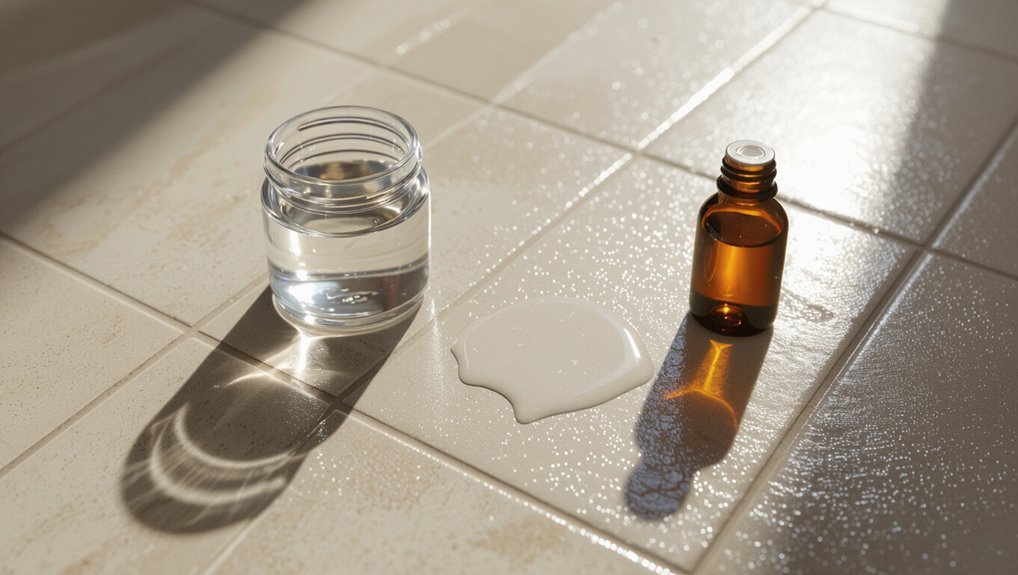
Before you start scrubbing, figure out whether the paint is water‑ or oil‑based, because that determines which solvents and methods will work.
You’ll test small areas: water-based softens with soap and warm water; oil-based needs mineral spirits or paint thinner.
Match solvent choice to both paint types and your tile materials, since porous stone reacts differently than glazed ceramic.
Is the Paint Fresh or Fully Dried?
If the paint is still tacky you can remove most of it with minimal effort, but once it’s fully cured you’ll need stronger solvents and more elbow grease.
Decide whether you’re dealing with fresh paint or dried paint, then:
- Test a small area with mild scraper.
- Try warm soapy water for fresh paint.
- Use solvent for stubborn dried paint.
Quick: Remove Small Paint Splatters Now
Act quickly to blot and lift small paint splatters before they dry; you’ll save time and avoid harsher chemicals.
Dab with a damp cloth or paper towel, then gently scrape softened spots with a plastic scraper. Use mild soap and warm water to clean residue.
These quick paint removal techniques protect glaze and grout, and follow basic tile protection methods to prevent scratches or staining.
Tools to Gather Before You Start Removing Paint
Gather a few key tools so you can remove paint efficiently and protect your tiles. You’ll prep for paint removal techniques with the right gear.
Gather these essential tools:
- Plastic scraper, soft brush
- Microfiber cloths, bucket with warm water
- Mild solvent, putty knife (plastic) and painter’s tape
Keep items organized so you work quickly and avoid tile damage.
Safety: PPE and Ventilation for Paint Removal
Before you start scraping or applying solvents, put on proper personal protective equipment and set up ventilation so you won’t inhale fumes or get chemicals on your skin.
Use ventilation tips like open windows and fans, position work away from others, and choose breathing protection.
Follow safety precautions to limit chemical exposure, treat any paint hazard seriously, and confirm protective gear fits before beginning workspace setup.
Household Cleaners That Work on Fresh Water‑Based Paint
When the paint is still wet, common household cleaners can remove water‑based paint quickly and with minimal fuss; you’ll usually get the best results with mild dish soap, rubbing alcohol, or a vinegar solution applied promptly and scrubbed gently.
When paint’s still wet, quick cleanup with dish soap, rubbing alcohol, or vinegar and gentle scrubbing works best.
- Dish soap — gentle, effective, eco friendly options.
- Rubbing alcohol — lifts pigment; test a seam.
- Vinegar mix — inexpensive; avoid common mistakes like rubbing too hard.
Gentle Ways to Remove Fresh Paint From Tile
If you catch water‑based paint while it’s still tacky, you can usually lift it without harsh solvents by working quickly and gently—start by blotting excess with a damp cloth.
Then apply a mild cleaner (dish soap, rubbing alcohol, or a diluted vinegar solution) and rub in small, circular motions with a soft sponge or microfiber cloth until the stain loosens.
Use fresh paint techniques, test a hidden area, and prioritize tile surface protection.
How to Remove Fresh Oil‑Based Paint Quickly
If you spill oil‑based paint, act fast and blot up as much as you can before it sets.
You’ll need a proper solvent like mineral spirits or paint thinner—use it sparingly, ventilate the area, and wear gloves.
After the stain loosens, rinse the tile with warm soapy water and dry thoroughly to prevent residue.
Act Fast Immediately
1 minute can make all the difference: the sooner you tackle fresh oil‑based paint on tile, the easier it’s to remove without damaging the surface.
You’ll want paint removal tips and immediate action—wipe excess with a soft cloth, blot don’t rub, then soften edges with warm soapy water.
- Blot excess
- Lift softened paint
- Rinse and dry
Use Solvent Safely
When water and soap won’t budge fresh oil‑based paint, reach for a solvent—but use it carefully: open windows, wear gloves, and test a hidden tile spot first to verify the cleaner won’t dull the finish.
Choose appropriate solvent types (mineral spirits, acetone, or citrus-based) and follow solvent safety: work briefly, avoid sparks, ventilate, keep cloths contained, and discard residue per local rules.
Rinse And Dry
After you’ve used a solvent to lift the paint, rinse the area thoroughly to remove residue that could keep the stain from releasing or damage the tile finish.
Use gentle rinse techniques and effective drying methods so you won’t spread paint or harm grout.
- Flush with warm water.
- Blot with microfiber.
- Air or fan-dry completely.
Rubbing Alcohol (Isopropyl) Use on Tile
Pick a rubbing alcohol with at least 70% isopropyl for tougher paint, but use lower strength for delicate grout.
Always test a small, hidden area first to make sure the finish won’t dull or discolor.
Apply alcohol with a soft cloth and gentle blotting, avoiding aggressive scrubbing that could damage the tile.
Isopropyl Strength Choice
Although isopropyl alcohol is a reliable solvent for many paint types, you should choose the right concentration for your tile and the paint you’re removing.
Use isopropyl concentration wisely and consider isopropyl alternatives if needed.
- 70% for general latex stains.
- 99% for stubborn spots on glazed tile.
- Milder alternatives for porous or sealed surfaces.
Safe Spot Testing
How can you be sure isopropyl won’t damage your tile? Pick an inconspicuous test area, apply a small amount of rubbing alcohol, and wait a few minutes.
Check for color change, dulling, or grout softening. This confirms cleaner compatibility before wider use.
If damage appears, stop and choose an alternative; if not, proceed cautiously.
Gentle Application Techniques
Once you’ve confirmed rubbing alcohol is safe on that hidden spot, apply it gently to avoid harming the tile or grout.
Use minimal solvent and soft cloths, minding tile texture and paint thickness.
- Apply with gentle pressure and circular motions for limited time.
- Blot residue removal, repeat on test area.
- Use soft brushes for edges, avoid soaking.
When to Use Mineral Spirits or Paint Thinner
When water and soap won’t budge dried oil- or enamel-based paint on your tile, reach for mineral spirits or paint thinner next.
You should test a hidden spot, ventilate the area, and wear gloves.
Use mineral spirits for stubborn oily paint—know mineral spirits uses—and avoid porous grout.
If you prefer less harsh products, research paint thinner alternatives before proceeding.
Acetone and Nail‑Polish Remover: Risks on Tile
Although acetone and many nail‑polish removers can dissolve stubborn paint quickly, they can also damage tile finishes and grout if you’re not careful.
You should test first, use ventilation, and rinse thoroughly. Consider acetone alternatives to protect surfaces.
Note nail polish risks: discoloration, finish dulling, and grout erosion.
- Test
- Ventilate
- Rinse
Choose a Scraper: Plastic, Razor, or Putty Knife
Pick the right scraper for the job: a plastic scraper won’t scratch glazed tiles.
A razor blade can remove stubborn spots, but you’ll need to use it at a low angle and with care.
A metal putty knife gives extra leverage on thicker paint.
You’ll want to test on an inconspicuous area first so you don’t damage the tile or grout.
Follow proper technique and the right tool will make the job faster and safer.
Plastic Scraper Benefits
If you want to remove paint without scratching tile, a plastic scraper is a smart choice because it balances firmness with gentleness.
You’ll appreciate plastic scraper advantages: non-marring edges, lightweight handling, and compatibility with grout.
Check plastic scraper materials for durable nylon or ABS. Use it gently to lift paint flakes.
- Safe
- Affordable
- Tile-friendly
Razor Blade Precautions
Plastic scrapers work great for most jobs, but when paint’s stubborn you might reach for a razor blade—use it carefully.
You should inspect blade types, pick a single-edge utility blade, and keep it sharp to reduce scraping force.
Hold the blade at a low angle, use short controlled strokes, wear cut-resistant gloves, and follow razor blade safety to protect tile and yourself.
Putty Knife Techniques
Start by choosing the right scraper for the job: a flexible plastic scraper for fresh or soft paint, a single-edge razor for very stubborn spots (used with care), or a metal putty knife when you need more leverage.
Use putty knife types to match tile grout, apply putty knife precision, and follow safety.
- Test edge
- Angle 30°
- Clean blade
Use a Plastic Scraper Without Scratching Tile
Grab a flat, stiff plastic scraper and work at a low angle so you can lift paint without digging into the grout or tile surface. You’ll use gentle scraper techniques suited to tile materials; test a hidden spot first. Move slowly, angling away from grout, and wipe residue with a damp cloth.
| Tool | Purpose |
|---|---|
| Scraper | Lift paint |
| Cloth | Remove residue |
| Tape | Protect edges |
| Test spot | Check safety |
When to Use a Razor Blade Safely on Tile
Use a razor blade only on smooth, hard tiles and when paint is thick or dried so a plastic scraper won’t budge.
Hold the blade at a very low angle, keep your fingers well away, and work slowly to avoid gouging the grout or slipping.
If the tile is textured, cracked, or you’re unsure, stop and switch to a safer tool.
When Razor Blades Are Appropriate
Although razor blades can be highly effective for scraping dried paint, you should only reach for one when the tile is hard, glazed, and scratch-resistant—never on soft, porous, or textured surfaces.
Consider these cues before you proceed:
- Paint is fully cured and flakes off cleanly.
- Grout is recessed and won’t be nicked.
- You’ve weighed razor blade safety versus razor blade alternatives.
Safe Blade Handling Techniques
Handle the razor blade with deliberate care: wear gloves and eye protection, keep the blade at a low, shallow angle, and always push away from your body to reduce slip risk.
Choose appropriate blade types, apply effective pressure with angle adjustment, use ergonomic grips, follow handling techniques and safety tips, perform maintenance practices, and adopt secure storage methods to keep tiles intact and yourself protected.
Heat Guns, Steam, and Safe Heat Methods
When paint won’t budge with solvents, applying controlled heat—via a heat gun, steamer, or other safe method—softens the coating so you can scrape or wipe it away more easily.
Use heat application and steam techniques carefully:
Use heat and steam cautiously—maintain safe distance, apply gently, and combine with proper tools for controlled removal.
- Keep safe heating distance and follow heat gun safety rules.
- Favor gentle heating to observe heat effects.
- Combine thermal removal with paint softening tools.
Poultices and Homemade Pastes to Lift Dried Paint
If solvents and heat haven’t fully lifted the paint, a poultice or homemade paste can draw out dried pigments from porous grout and textured tile without aggressive scraping.
You can mix absorbent powder with a solvent—see poultice recipes—to form a thick paste, apply, cover, then wait. Wipe gently, repeat as needed.
Homemade cleaners like mild detergent blends help finish and neutralize residue.
Removing Dried Water‑Based Paint Without Scratching
Start by checking how thick the paint layer is so you know whether it needs softening or just surface cleaning.
Try gentle, water‑based solvents like dish soap solution or rubbing alcohol before moving to stronger cleaners.
If residue remains, use a soft nylon scrub pad with light pressure to avoid scratching the tile.
Assess Paint Thickness
Before you grab tools, check how thick the dried water‑based paint is by running your fingernail or a plastic scraper over a small, inconspicuous spot — you’ll quickly feel whether the layer’s a thin film, a tacky smear, or a hardened blob that needs softer methods.
- Thin film: gentle scraping first.
- Tacky smear: soft cloth lifting.
- Hardened blob: longer paint thickness evaluation to choose paint removal techniques.
Use Gentle Solvents
Now that you’ve gauged the paint’s thickness, you can move on to soft, solvent-based options that loosen water‑based paint without scratching tile.
Test gentle solvents in an inconspicuous spot, apply sparingly, and let sit briefly.
Use a plastic scraper and soft cloth to lift softened paint.
Repeat with patience, choosing effective techniques that protect grout and glazed finishes while avoiding harsh chemicals.
Finish With Mild Abrasion
Work in small sections and use gentle abrasion to lift stubborn, dried water‑based paint without scratching the tile—think soft nylon scrub pads, non‑scratch sponges, or a plastic scraper held at a low angle.
Use mild abrasives and test hidden spots to protect tile safety.
Follow steps:
- Soak, then lightly scrub.
- Scrape at a low angle.
- Rinse and inspect.
Removing Dried Oil‑Based Paint Safely
Dealing with dried oil-based paint on tile takes a different approach than water-based finishes because solvents and stronger tools are usually needed; you’ll want to protect yourself, ventilate the area, and test any removal method on a small inconspicuous spot first. Use suitable solvents, gentle scraping, and follow oil based cleanup steps while ensuring tile protection.
| Step | Action |
|---|---|
| 1 | Ventilate, wear gloves |
| 2 | Test solvent |
| 3 | Scrape gently |
Protect Tile Edges, Fixtures, and Trim While Cleaning
After you’ve removed or softened the paint, take time to shield tile edges, fixtures, and trim before continuing so solvents and tools don’t damage adjacent surfaces.
Use simple tile protection techniques and fixture safeguarding methods to limit risk:
Use basic tile protection and fixture wrapping to prevent damage while you work—simple steps reduce risk.
- Apply painter’s tape and thin cardboard to edges.
- Wrap faucets and hardware with plastic and tape.
- Lay drop cloths and secure trim with low-tack tape.
What to Do If Paint Got Into Grout Lines
If paint has seeped into the grout lines, don’t panic — you can usually lift it without replacing grout by using gentle, targeted methods and the right cleaners. You’ll scrub with a soft brush, apply mild solvent sparingly, rinse, and repeat. Focus on grout cleaning and future paint prevention.
| Tool | Action | Result |
|---|---|---|
| Brush | Agitate | Loosen |
| Solvent | Spot apply | Lift |
| Rinse | Neutralize | Preserve |
| Tape | Protect | Prevent |
| Sealant | Finish | Shield |
How Grout Type Affects Removal and What to Try
Once you’ve lifted surface paint, remember that grout type will determine how much effort’s left — sanded, unsanded, epoxy, and urethane grouts all respond differently.
You’ll assess grout composition to predict paint adhesion and choose methods. Try gentle options first:
- Soft brush + mild detergent
- Plastic scraper + solvent-safe spot test
- Steam or specialized epoxy-safe remover
Work carefully to avoid damage.
Restoring Grout Color After Paint Removal
Because grout often looks dull or discolored after paint removal, you’ll want to assess its condition before deciding how to restore color.
Cleaning, sealing, or recoloring might be needed depending on staining depth and grout type.
For grout restoration, test a small area, use appropriate cleaners, then apply a grout colorant or sealer.
Prioritize precise color matching and follow manufacturer cure times for durable results.
When to Regrout or Refinish Grout
Deciding whether to regrout or refinish comes down to the grout’s condition and how long you want the fix to last: choose refinishing (colorant or sealer) for surface stains, faded color, or hairline wear, but opt to regrout when grout is cracked, crumbling, missing, or has deep-set stains that won’t respond to cleaning or colorants.
- Refinish: quick, part of grout maintenance.
- Regrout: repairs structural damage.
- Follow up with grout sealing to protect results.
Removing Paint From Porcelain and Glazed Tiles
Start by identifying whether the paint is water- or oil-based so you pick the right removal method.
Try gentle solvents and non-abrasive scrapers first to avoid dulling the glaze.
Take care to protect grout lines with tape or a barrier so the solvent doesn’t discolor them.
Assess Paint Type
Before you try any removal method, identify what kind of paint you’re dealing with so you won’t damage porcelain or glazed tiles.
Perform paint identification to confirm oil- or water-based origin and assess age. Consider tile compatibility before proceeding.
- Test a hidden spot for adhesion.
- Scrape a small area gently.
- Note finish and thickness for method choice.
Use Gentle Solvents
When you’re ready to remove paint from porcelain or glazed tiles, choose mild solvents that dissolve the paint without etching the surface; isopropyl alcohol, denatured alcohol, and a citrus-based remover are good first options for water- and some oil-based paints. Use soft cloths, test a hidden spot, work gently, and rinse thoroughly to finish paint removal.
| Solvent | Best for | Note |
|---|---|---|
| Isopropyl | Water-based | Test first |
| Denatured | Some oils | Ventilate |
| Citrus | Light stains | Biodegradable |
Protect Grout Lines
Although the tile surface takes most of your attention, grout soaks up paint quickly and can stain permanently, so protect those lines before you work.
Use grout sealing for paint protection and prevent stains with simple steps:
- Tape edges and cover grout with painter’s tape.
- Apply a temporary grout barrier or sealant.
- Clean promptly after paint removal to preserve seal.
Removing Paint From Unglazed or Textured Tiles
Scrape gently and test first: unglazed or textured tiles soak up paint and hide it in pores, so you’ll need a more aggressive, targeted approach than for smooth glazed surfaces.
Use suitable paint removal techniques—mechanical scrubbing with stiff brushes, poultices, or solvent applied sparingly—while respecting tile surface considerations.
Work small areas, rinse frequently, and repeat tests to avoid etching or discoloration.
Best Practices for Sealed Natural Stone Tiles
Sealed natural stone tiles need careful treatment because the sealant protects the stone but can trap paint on the surface; you’ll want to remove paint without damaging the sealer or the stone beneath.
Use gentle, pH-neutral cleaners and soft tools. Focus on natural stone maintenance and safe tile cleaning techniques:
- Blot solvents sparingly.
- Use plastic scrapers.
- Rinse and re-seal if needed.
Test Any Cleaner Safely on a Hidden Tile Area
Before you use any cleaner on visible stone, test it on a hidden tile area to make sure it won’t dull the finish or react with the sealer.
Apply a small drop of the cleaning product you plan to use, let it sit per instructions, then blot.
Check for discoloration, etching, or residue across different tile types you have.
Rinse and reassess before broader use.
Step‑by‑Step Plan for Small Splatter Cleanup
Start by identifying whether the splatter is water‑based or oil‑based so you know which solvents to use.
Gather gentle tools like a soft cloth, plastic scraper, mild detergent, and rubbing alcohol or a recommended remover for the paint type.
Then follow careful removal steps—soften, lift with the scraper while wet, and rinse—so you don’t damage the tile or grout.
Assess Paint Type
While you’re dealing with a small splatter, the first thing you need to do is identify the paint type—water‑based (latex) or oil‑based—as that determines which removers and tools will work without damaging the tile.
Use paint identification and tile compatibility checks:
- Dab with water—wipes latex.
- Test mineral spirits—works on oil.
- Note sheen and drying time before proceeding.
Gather Safe Tools
Gather a small kit of safe, effective tools so you can remove the splatter quickly and without harming the tile: soft microfiber cloths, a plastic scraper or putty knife, mild dish soap, distilled water, cotton swabs, and the appropriate solvent for the paint type you identified (water for latex, mineral spirits for oil).
Wear gloves, ventilate, follow safety precautions, label solvents, and prefer eco friendly tools when possible.
Gentle Removal Steps
Once you’ve identified the paint type and prepped your kit, work from the outside of each splatter toward the center to avoid spreading it further.
Gently lift softened paint with a plastic scraper, then blot residues with a microfiber cloth dampened in soapy distilled water.
- Soak spot with warm soapy water.
- Use plastic scraper, then gentle techniques with cloth.
- Rinse, pat dry for tile preservation.
Step‑by‑Step Plan for Large Paint Spills
If you’re facing a large paint spill on tile, act quickly to keep the mess from spreading and to make cleanup easier; start by blocking off the area, ventilating the room, and protecting adjacent surfaces. Work outward, blot excess, scrape gently, apply appropriate cleaner, rinse, and dry. Prioritize safety and tile care.
| Step | Action | Tool |
|---|---|---|
| 1 | Contain | Sheets |
| 2 | Remove | Scraper |
| 3 | Clean | Cleaner |
How to Remove Multiple Layers of Old Paint
Start by evaluating the surface and paint layers so you know which removal methods will work best; multiple coats, oil-based paint, or altered tile finishes may require different approaches.
Assess the surface and paint layers first—multiple coats or oil-based finishes demand different removal techniques.
You’ll choose stripping methods based on paint thickness and tile fragility.
Try steps in order:
- Soften layers with heat or chemical gel.
- Gently scrape with plastic tools.
- Clean residue and neutralize before resealing.
Dealing With Paint That Smears or Smudges With Solvents
1 common problem with solvent use is paint that smears instead of lifting cleanly, and you’ll need a different approach to avoid spreading discoloration or damaging grout.
Test small areas to identify paint types and choose a compatible solvent. Work gently with a soft cloth, blotting rather than rubbing.
Observe solvent safety: ventilate, wear gloves, and dispose rags safely to prevent fire risks.
How to Clean Up Residue After Paint Removal
After you’ve lifted the bulk of the paint with a compatible solvent and gentle blotting, you’ll still have a fine residue and solvent film to deal with.
Use these cleanup techniques and residue prevention tips:
- Rinse with warm water and mild detergent, scrubbing gently with a microfiber.
- Neutralize solvent traces with diluted vinegar, then rinse.
- Dry and inspect; repeat spot-cleaning only if needed.
Quick Fixes for Painter’s Tape Smudges
When painter’s tape pulls or smudges paint onto tile, you can usually lift the blemish quickly with household items and a steady hand.
Try gently rubbing the mark with a damp microfiber and a few drops of dish soap. Then move to a solvent like rubbing alcohol or acetone on a cotton swab for stubborn edges, always testing in an inconspicuous spot first.
Use gentle scraping for tape residue and adhesive removal.
Eco‑Friendly and Non‑Toxic Paint Removal Options
If you want to remove paint from tile without harsh chemicals, you can rely on simple, non‑toxic methods that are safe for your home and the environment.
Use eco friendly substances and non toxic alternatives to lift stains gently.
Try these:
- Vinegar and hot water soak.
- Baking soda paste with gentle scrubbing.
- Citrus‑based cleaner and soft cloth.
Common Mistakes That Damage Tile : And How to Avoid Them
Don’t scrub with harsh abrasives or you’ll scratch or dull the tile finish.
Make sure you identify the paint type first, because different paints need different removers.
Always test your method on a small, hidden spot before treating the whole area.
Using Harsh Abrasives
Although it might seem like the quickest fix, scrubbing tiles with harsh abrasives can leave permanent scratches, dull the finish, and damage grout; you’ll want gentler options instead.
Don’t use abrasive materials on delicate tile surfaces. Try safer methods:
- Soft nylon brush with soapy water
- Plastic scraper for lifted paint
- Gentle commercial tile cleaner
Work patiently to avoid irreversible harm.
Ignoring Paint Type
Because different paints react to cleaners and removal methods, knowing what you’re dealing with matters—oil-based, water-based, and enamel paints each need different approaches. Don’t fall for paint removal myths or common misconceptions; testing solvents and using proper technique protects tile.
| Paint Type | Recommended Action |
|---|---|
| Oil-based | Use solvent, gentle scraper |
| Water-based | Warm soap, microfiber |
| Enamel | Commercial remover, caution |
Skipping Test Spot
If you skip testing a small, hidden area first, you risk discoloring or etching your tile with a cleaner or solvent that seemed safe on paper but reacts differently in practice.
You should always check a test area to confirm surface sensitivity and compatibility.
Follow these quick steps:
- Choose hidden test area.
- Apply cleaner briefly.
- Inspect for damage or discoloration.
How Long to Wait Before Walking on Treated Areas
After you finish treating paint stains, give the area time to dry and the cleaners to fully neutralize before you walk on it; generally wait at least 30–60 minutes for water-based products and 2–4 hours for stronger solvents.
For walking duration, consider tile type and cleaner instructions. Keep foot traffic light afterward; test a small spot by tapping with your shoe to confirm no tackiness before normal use.
When to Call a Professional Tile Restoration Service
When stains resist household cleaners, smell strongly of solvents, or cover a large area, call a professional tile restoration service—you’re saving time and reducing the risk of damage from aggressive DIY methods.
You should call a pro when:
- stains risk grout or sealant harm
- DIY methods fail after tile maintenance tips
- job size or solvent odors demand specialized equipment and paint prevention strategies
Choosing a Tile Restoration Pro: Key Questions
Who should you hire to restore your tiles — and how do you tell a qualified pro from an overconfident amateur? Ask for tile restoration credentials, paint identification methods, restoration techniques, and professional advice. Probe cost considerations, cleaning products, material compatibility, service evaluation, maintenance tips, and project planning before hiring.
| Question | Why it matters |
|---|---|
| Credentials | Verifies skill |
| Methods | Shows approach |
| Products | Guarantees safety |
| Timeline | Sets expectations |
| References | Confirms results |
Cost Range: DIY Supplies vs Professional Removal
You can tackle small paint spots with a few basic supplies—scrapers, solvents, and pads—which typically cost between $10 and $50.
If the stain’s extensive or the tile’s delicate, pros charge from about $100 to $500 or more depending on labor and materials.
Consider the size and risk to decide whether a low-cost DIY or paid removal is smarter for your situation.
DIY Supplies Cost
A few basic supplies can get you most of the way to removing paint from tile, and they usually cost far less than hiring a pro.
You can shop DIY supply brands for affordable options; a quick cost comparison shows big savings.
Estimate essentials:
- Scraper, pads
- Solvent, cleaner
- Gloves, tape
You’ll spend $10–$50 for most jobs.
Professional Removal Fees
Hiring a pro usually costs more than DIY—but it also saves you time and reduces risk of tile damage.
You’ll weigh upfront DIY supplies (cleaners, scrapers, sealers) against professional rates that often include labor, equipment, and disposal.
For a clear cost comparison, get written estimates, ask about hourly vs flat fees, and factor in potential repairs if DIY goes wrong.
Real Cases: Small Spot, Large Spill, Grout Infiltration
Small spots, big spills, and grout infiltration each call for different tactics, so you’ll want to identify which situation you’re facing before grabbing supplies.
Assess, contain, restore:
- Spot assessment: do stain identification, use gentle scraper, tile protection.
- Spill containment: act fast, blot edges, use appropriate solvent.
- Grout maintenance: clean with brush, consider grout sealer, practice paint prevention.
How to Protect Tile During Future Painting Projects
When you’re prepping for a paint job, protecting your tile saves you time and frustration later. Use drop cloths, painter’s tape, and masking film; work from top down. Follow tile protection tips and future painting precautions: cover grout, secure edges, clean spills immediately, and remove tape promptly to avoid residue.
| Item | Action |
|---|---|
| Drop cloths | Lay flat |
| Tape | Seal edges |
| Film | Stick to tile |
| Cleaner | Ready nearby |
| Remove | Pull slowly |
Quick Reference: Best Method by Paint Type and Tile Material
When you’re tackling paint stains, the right method depends on both the paint type and your tile material.
For water-based paints, you’ll generally use warm soapy water or a gentle scrub with a nonabrasive pad.
On the other hand, oil-based finishes usually need a solvent like mineral spirits or a commercial paint remover.
Check your tile (glazed ceramic, porcelain, natural stone) first so you pick a method that cleans without damaging the surface.
Water-Based Paint Removal
Although water-based paints are easier to tackle than oil-based varieties, your approach should change depending on both the paint type (latex, acrylic, or tempera) and the tile material (glazed ceramic, porcelain, or natural stone).
Use appropriate paint types knowledge and gentle removal techniques:
- Fresh drips: blot with warm soapy water.
- Dried spots: soften with steam, scrape.
- Stone: test first; use pH-neutral cleaner.
Oil-Based Paint Removal
Oil-based paints demand stronger solvents and care, so match your method to both the paint type (alkyd, enamel, or lacquer) and the tile material (glazed ceramic, porcelain, or natural stone) before you start.
Use gentle scraping, test mineral spirits or lacquer thinner on an inconspicuous spot, and consult solvent comparisons.
For porous stone, opt for poultices and professional products.
Wear gloves and ventilate the area.
Frequently Asked Questions
Can Paint Remover Discolor Tile Sealant or Finish?
Yes — you can damage sealant or finish if you use harsh paint removers; different paint types react differently, so test first. Gentle removers protect sealant durability, while strong solvents can dull or strip finishes.
Can Paint Fumes Harm Pets Still in the Home?
Like a whispering storm, yes — paint fumes can harm pets; you’ll reduce fume exposure by ventilating, isolating animals, and using low-VOC products. Prioritize pet safety, monitor breathing, and call a vet if symptoms appear.
Will Hairline Scratches From Scraping Become More Visible Over Time?
Yes — hairline scratches can become more visible over time as dirt and wear highlight them; you should use gentle scratching techniques and consistent tile maintenance, or polish/seal tiles to minimize visibility and prevent further damage.
Can Leftover Solvent Residues Affect Future Tile Adhesives or Coatings?
Ironically, yes — you’ll love surprise failures later. If solvent residues remain, different solvent types can react with coatings or reduce adhesive compatibility, so you should thoroughly clean and test surfaces before applying new adhesives or finishes.
How to Remove Paint From Metal Tile Trim or Transition Strips?
You’ll remove paint from metal trim using gentle paint removal techniques: soften with a mild solvent or heat gun, scrape with plastic or brass tools, clean residues with solvent, then polish and protect for proper metal trim care.
Conclusion
Cleanly conclude: consider paint type, state, and surface before scraping; choose safe solvents, gentle scrubbing, or steam for stubborn spots; seal grout, spot-test cleaners, and wear protection; call a pro for pervasive problems. Carefully coat surrounding tile, cover edges, and contain spills when painting. Consistent care, cautious cleanup, and clever coating prevent future paint problems—practical planning produces pristine, protected tile and peace of mind.
