
How to Remove Popcorn Texture From Walls Safely
You can remove popcorn texture safely by first testing for asbestos if the texture dates before the 1980s; don’t disturb suspect material and hire a certified pro. If clear, clear the room, seal vents, wear a respirator and goggles, and use wet-scraping to loosen texture or hire a contractor for large jobs. Repair gouges with joint compound, sand, prime, and paint. Keep containment and cleanup strict, and continue for tips on tools, costs, and contractor choices.
Who This Guide Is For
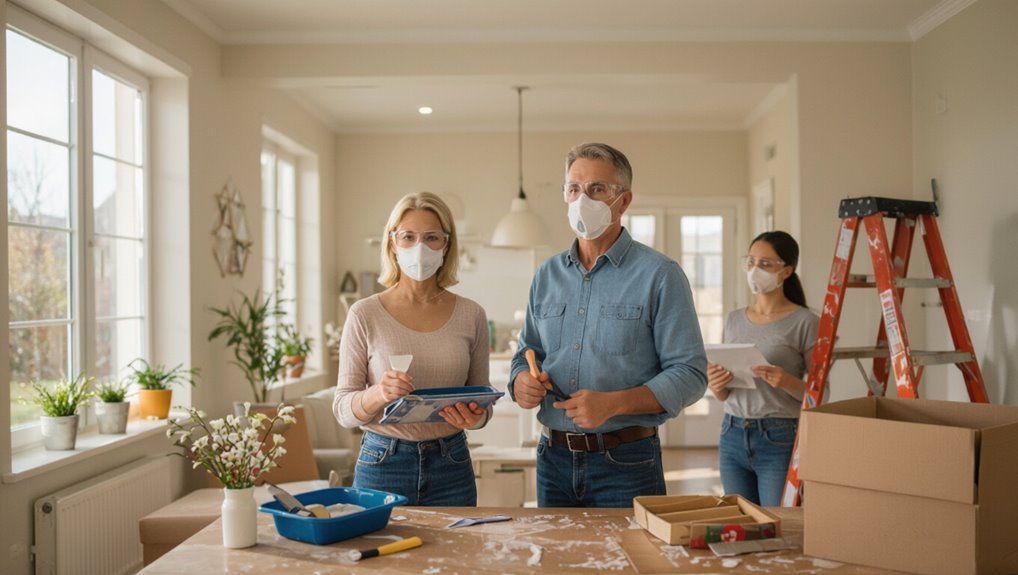
If you’re tackling popcorn texture removal yourself, this guide is for you—whether you’re a DIY homeowner looking to modernize your space, a renter prepping to move out, or a contractor wanting a quick refresher on best practices.
You’ll get practical steps tailored to the target audience: homeowners, renters, and pros. It addresses common homeowner concerns like damage, time, cost, and safety so you can plan confidently.
Quick Answer: Can You Remove Popcorn Yourself?
You can often remove popcorn yourself, but first check your ceiling for damage, moisture, or asbestos risks.
If the surface is sound and asbestos-free, a DIY scrape and skim can save money.
Hire a pro if the ceiling’s compromised, you’re uncomfortable with the mess, or testing shows hazardous materials.
Assess Your Ceiling Condition
Before you start scraping, take a close look at the ceiling to see whether removal’s practical and safe.
Do a thorough ceiling inspection and texture evaluation: check for water stains, cracks, loose texture, and multiple paint layers.
Note access, light fixtures, and asbestos risk factors.
If damage or suspect materials appear, don’t proceed until you test or consult a professional.
Weigh DIY Versus Pro
Having inspected the ceiling and ruled out hazards, decide whether to tackle popcorn removal yourself or hire a pro.
You’ll weigh DIY Costs against Professional Benefits, factoring Time Management and Safety Considerations.
Consider:
- DIY: lower upfront cost, higher time commitment, more risk.
- Pro: faster, insured, higher cost but guaranteed finish.
- Hybrid: DIY prep, pro finish to balance expense and safety.
When to Hire a Pro for Popcorn Removal
If the ceiling texture contains asbestos, the ceiling’s height is over eight feet, or the area is extensive, hire a pro—removal then involves safety protocols, special equipment, and permits that most DIYers don’t want to manage. You’ll want a professional assessment and to weigh cost considerations before contracting. Visualize scope:
| Crew | Gear | Time |
|---|---|---|
| 2–4 | HEPA vac | 1–3 days |
| Lead | Scaffolding | Cleanup |
Could Your Popcorn Texture Contain Asbestos?
Could your popcorn ceiling contain asbestos? You should assume older textures might, since that raises serious health risks.
Don’t disturb it. Instead, consider professional asbestos testing and safe handling.
- Look for ceilings installed before the 1980s
- Avoid scraping or sanding
- Hire certified pros for sampling and removal
Testing prevents exposure and protects your household.
Ordering and Reading an Asbestos Test
Before you touch any popcorn texture, order a certified asbestos test from an accredited lab so you get reliable results.
Send a properly collected sample or hire a pro to collect it, and don’t rely on DIY test kits alone.
When the lab report comes back, read the results carefully to see if asbestos is present and what percentage was detected so you can decide your next steps.
Order A Certified Test
Once you’ve identified suspect popcorn texture, order a certified asbestos test so you know what you’re dealing with and can plan safely.
Send samples to accredited certified laboratories for reliable asbestos testing. Follow collection guidance to avoid contamination.
Consider:
- Use proper PPE and wet sampling
- Choose a lab with accreditation and clear turnaround
- Keep chain-of-custody and photos for records and safety planning
Read Lab Results Carefully
After the lab returns results, read them carefully so you know exactly what materials were found, their concentrations, and any recommended next steps. You’ll rely on clear lab interpretation to decide whether asbestos testing shows risk. If results indicate asbestos, follow recommended abatement or containment and get professional help.
| Emotion | Action |
|---|---|
| Concern | Call pros |
| Relief | Proceed safe |
Asbestos Laws and Disposal Basics
Because many popcorn ceilings installed before the 1980s may contain asbestos, you need to know the legal and safe way to handle and dispose of them.
Follow local asbestos regulations and hire licensed abatement if uncertain.
For safe disposal, take these steps:
- Verify testing and documentation
- Use licensed waste haulers
- Follow state and federal notification rules
Tools for Popcorn Texture Removal
You’ll need a small set of reliable tools to strip popcorn texture efficiently and safely: a wide drywall taping knife, sanding block or pole sander, spray bottle or garden sprayer, plastic scrapers, drop cloths, and a shop vacuum with HEPA filter.
Pair tools with proper safety gear and follow tested removal techniques to minimize damage and airborne dust.
Essential PPE and Fit Tips
While removing popcorn texture creates a lot of dust and debris, wearing the right PPE will keep you safe and make the job manageable.
Removing popcorn ceiling creates heavy dust — the right PPE makes the job safer and far more manageable.
You’ll focus on PPE selection and simple fit adjustments so gear seals and stays comfortable.
- NIOSH-rated respirator, check seal and straps
- Safety goggles, snug with foam gasket
- Disposable coveralls, taped cuffs and ankles
Preparing a Room for Popcorn Removal
Clear the work area by removing furniture and wall hangings so you’ve got open space to move.
Cover remaining items and floors with heavy-duty drop cloths or plastic sheeting and secure edges with tape.
Keep a clear path to the exit for hauling debris and for safety.
Clear The Work Area
Before you touch the ceiling, remove furniture, wall hangings, and floor coverings so you’ve got a clean, open workspace that protects your belongings and makes cleanup easier.
You’ll focus on workspace organization and safety precautions before scraping.
- Clear pathways for movement
- Gather tools and containment supplies
- Post warning signs and secure lighting
Keep the area tidy and clutter-free.
Protect Floors And Furniture
Now that you’ve emptied the room and set up safe pathways, focus on protecting floors and any remaining furniture to keep cleanup quick and damage-free.
Lay heavy-duty floor coverings—plastic plus rosin paper or drop cloths—taped at edges.
Wrap or move small furniture; use furniture protection like plastic sheeting and secured covers.
Keep a clear staging area for tools and debris bags.
Protecting Floors, Trim, and Fixtures
When you start scraping or sanding popcorn texture, protect floors, trim, and fixtures with durable coverings and secure tape so dust and debris don’t create extra work or damage surfaces.
Use floor coverings and fixture protection to shield surfaces.
Follow these steps:
- Lay overlapping drop cloths and tape seams.
- Wrap baseboards and trim with low-tack tape.
- Cover light fixtures and outlets securely.
Turning Off HVAC and Sealing Vents
With floors and fixtures sealed, shut down your HVAC and close or cover vents to keep dust out of ductwork and prevent the system from spreading debris through the house.
Then block or tape vents, label controls, and switch off fans and heat/cool cycles.
These ventilation methods reduce airborne particles and protect indoor air quality while you work, minimizing contamination and cleanup.
Best Plastic Sheeting and Tape Setup
1 simple setup of quality plastic sheeting and the right tapes makes cleanup far easier and keeps dust contained.
Choose plastic sheeting types based on thickness and tear resistance, and test tape adhesive strength on trim. Cover doorways, floors, and vents securely.
- 6 mil for walls, 10+ mil for heavy work
- Painter’s tape under stronger tape
- Overlap seams 6 inches
Setting Up Negative Pressure With HEPA
Before you start sanding or scraping, create negative pressure in the work area so dust can’t escape into the rest of the house.
Seal doors and vents, run an exhaust fan out a window, and position a HEPA filtration unit inside to draw air toward the fan.
Monitor airflow with a smoke stick, adjust seals, and keep the unit running throughout cleanup.
Wet-Scrape or Skim-Coat: Which to Choose?
First check your ceiling for damage, firmness, and how well the popcorn adheres so you can pick the right approach.
Wet-scraping is faster but messier and more labor-intensive, while skim-coating takes more skill and time but gives a smoother, longer-lasting finish.
We’ll weigh the effort versus the final look so you can decide which trade-offs make sense for your project.
Assess Ceiling Condition
You’ll want to inspect the ceiling closely to decide whether a wet-scrape or a skim-coat is the better fix: look for water stains, loose or crumbling texture, multiple paint layers, and how much of the surface is uneven or damaged.
Use Ceiling types, Texture assessment, Age factors, and Repair options to guide you:
- Small localized damage: wet-scrape.
- Widespread minor flaws: skim-coat.
- Significant decay: replace substrate.
Compare Labor Intensity
When deciding between a wet-scrape and a skim-coat, weigh how much time, physical effort, and skill each method demands: a wet-scrape is faster but grittier and more tiring, while a skim-coat is steadier, requires skill, and takes longer.
Use a clear labor intensity comparison and perform a DIY labor assessment to match your stamina, tools, and experience before choosing.
Evaluate Long-Term Finish
Because the finish affects your home’s look and maintenance for years, decide now whether you want the slightly textured, paint-ready surface a wet-scrape leaves or the perfectly smooth, professional feel a skim-coat delivers.
You’ll weigh cost, time, and long term durability. Choose based on finish maintenance needs:
- Wet-scrape: quicker, less prep
- Skim-coat: smoother, more durable
- Hybrid: targeted skim where visible
Wet-Scraping Popcorn: Step-by-Step
Wet-scraping popcorn is a straightforward method that softens the texture with water so you can scrape it off cleanly; you’ll want to work in small sections and keep a spray bottle, wide putty knife, and drop cloths handy. Follow safety precautions, test a small area, spray, wait, then scrape gently. Consider texture alternatives for refinishing.
| Spray | Wait | Scrape |
|---|---|---|
| Light | 5–10m | Broad |
| Repeat | Patch | Smooth |
Using a Scoring Tool and Sprayer Safely
Before you score or spray, pick a scoring tool that’s appropriate for your ceiling material and blade condition so you won’t damage the substrate.
Clear the room, cover floors and vents, and seal off adjacent areas to control dust and debris.
When you use a sprayer, follow the manufacturer’s safety steps, wear a mask and eye protection, and test the spray pattern on cardboard first.
Choose The Right Scoring Tool
Pick a scoring tool that matches your wall material and your comfort level—sharp carbide blades cut through old popcorn texture quickly, while gentler rotary or multi-blade scrapers reduce the risk of gouging drywall.
Choose based on scoring tool types and learn scoring technique tips. Consider:
- Carbide blade for fast removal
- Rotary for control
- Multi-blade for delicate drywall
Prepare The Work Area
Now that you’ve chosen a scoring tool, get the room ready so you can work safely and cleanly.
Clear furniture, cover floors and fixtures with drop cloths, and tape seams. Set up good lighting and ventilation.
Review safety precautions: goggles, mask, and gloves.
Organize tools and waste bins for efficient workspace organization, keeping pathways clear to avoid trips and contamination.
Safe Sprayer Operation
Start by testing your sprayer and scoring tool on a scrap of drywall or cardboard so you can adjust pressure and depth without risking the wall; this helps you find the lowest effective spray setting and a scoring angle that removes texture without gouging the substrate.
Follow sprayer safety and nozzle maintenance tips:
- Wear eye and respirator protection.
- Keep steady, light scoring passes.
- Flush and inspect nozzles after use.
When to Stop Scraping to Avoid Damage
If you see the drywall paper tearing, deep gouges forming, or the joint compound coming away in large flakes, stop scraping immediately — continuing will widen damage and create costly repairs.
You should stop scraping when texture detaches with drywall, when seams show, or when surface integrity fails.
Pause, reassess, and repair or consult a pro to avoid damage and prevent bigger fixes.
Skim-Coating Over Popcorn: Step-by-Step
When scraping risks tearing drywall or exposing seams, skim-coating over the remaining popcorn can be a safer alternative that still yields a smooth finish.
If scraping will damage drywall, skim-coating over remaining popcorn offers a safer path to a smooth finish.
You’ll follow simple skim coating techniques after proper wall preparation to get a uniform surface.
- clean and prime the wall
- apply thin joint compound coats
- feather edges and level ridges
Finish by curing before painting.
Sanding After Skim-Coat While Minimizing Dust
Once your skim coat’s cured, you’ll want to sand it smooth while keeping dust under control.
Use wet-sanding for fine areas, set up plastic sheeting and negative-pressure containment for the room, and pick tools like a damp sponge, fine-grit block, or a vacuum-attached pole sander.
I’ll walk you through the best techniques and gear so you don’t raise a cloud.
Wet Sanding Techniques
Wet sanding the skim-coated wall lets you get a smooth, paint-ready surface while keeping dust to a minimum.
You’ll appreciate wet sanding benefits: less airborne grit and finer finish. Use effective moisture application—damp sponge, not soaking.
Sand gently with fine abrasive, rinse often, and pat dry between passes.
- Use a damp sponge
- Sand with 220–320 grit
- Rinse and inspect
Dust-Containment Setup
After wet sanding has smoothed the skim coat, set up containment to keep that last bit of grit from spreading through your house.
Seal doorways with plastic and painter’s tape, hang a zipper entry, and run a HEPA air scrubber or fan exhausting outdoors.
Use tack cloths, vacuum often with a HEPA vacuum, and monitor air quality to maintain effective dust control.
Tool Selection Tips
When you sand the skim coat, pick tools that capture dust at the source and cut cleanup time. Choose equipment with vacuum ports, comfortable handles, and replaceable pads. Balance performance and cost.
- Random orbital sander + shop-vac adapter (budget friendly options)
- Hand sanding blocks for touch-ups
- Microfilter respirator and vacuum—follow tool maintenance tips
Fixing Gouges, Dents, and Thin Drywall
Start by evaluating the damage: run your hand over gouges, dents, and thin spots to feel their depth and extent so you can choose the right repair method.
For small dents, use spackling; for deeper gouge repair, widen and clean the cut, apply a backing if needed, then layer joint compound.
For larger holes, use drywall patching and sand smooth before priming.
Best Joint Compounds for Finishing Walls
When you finish walls after removing popcorn texture, choosing the right joint compound makes smoothing and sanding much easier.
Use a lightweight setting compound for quick repairs and faster curing, then switch to a topping/finishing compound for a silky smooth final coat.
That combo helps you get seamless joints and minimal sanding before priming and painting.
Lightweight Setting Compound
Reach for lightweight setting compound when you need a fast-drying, low-shrinkage solution for finishing walls.
You’ll appreciate lightweight benefits like easier sanding and reduced weight. Use proper application techniques to press into seams and feather edges. Choose the right set time for your pace.
- Mix to manufacturer consistency
- Apply with a clean taping knife
- Sand lightly between coats
Topping/Finishing Compound
Choose a topping or finishing compound that gives you a smooth, paint-ready surface—these low-shrinkage, creamy joint compounds are formulated for the final skim coats that hide seams, repair imperfections, and create a uniform substrate for paint or texture. You’ll pick among topping types, match finishing techniques to firmness and sandability, and apply thin, even coats for a seamless finish.
| Product | Feature |
|---|---|
| All-purpose | Versatile |
| Topping | Low shrink |
| Lightweight | Easy sand |
| Setting | Fast cure |
| Finishing | Ultra-smooth |
Applying and Feathering Multiple Skim Coats
Start by spreading a thin, even skim coat over the repaired areas with a broad drywall knife, keeping the edges feathered out at least 6–8 inches beyond the damage so new plaster blends into the old.
Spread a thin, even skim coat with a broad drywall knife, feathering edges 6–8 inches for seamless blending
Use skim coat techniques and feathering methods over multiple passes, letting each coat set before the next.
- Apply thin layers
- Extend feathering farther each coat
- Keep knives clean
Sanding to a Perfect Paint-Ready Surface
Choose the right grit — start with a coarser 80–120 to level heavy ridges, then move to 150–220 for a smooth finish.
Use even, overlapping strokes with a sanding block or orbital sander to avoid gouges and keep pressure light.
Check frequently with your hand and a light to catch imperfections before you prime.
Proper Grit Selection
For a smooth, paint-ready surface you’ll want to match grit to the job: Choose appropriate grit types and adapt sanding techniques to avoid gouges.
Use coarser to remove high spots, finer to finish. Consider:
- 80–100 grit for heavy leveling
- 120–150 grit for general smoothing
- 220 grit for final, paint-ready touch-up
Change grits progressively and keep pressure even.
Smooth Sanding Technique
Work in controlled, overlapping strokes so you’re removing high spots evenly without digging grooves; keep the sander moving at a steady pace, let the abrasive do the work, and maintain light, consistent pressure to avoid creating dips that’ll show through paint.
Use gradual grit progression, inspect frequently, and blend edges. These sanding techniques yield smooth finishes ready for priming and painting without rework.
Priming Walls After Popcorn Removal
Once you’ve removed the popcorn and repaired the surface, prime the walls to seal dust, even out porosity, and guarantee good paint adhesion.
You’ll choose priming techniques and primer types based on damage and surface. Apply thin, even coats and sand light between coats.
- Use stain-blocking primer for spots
- Try shellac or oil for repairs
- Use latex for broad areas
Choosing Paint and Finish for Smooth Walls
When you’re ready to paint, pick a quality interior latex in the right sheen for the room: flat or matte hides minor imperfections, eggshell and satin balance durability with low reflectivity for living areas, and semi-gloss or gloss suits trim and high-traffic spots.
Choose paint types suited to room humidity and light, test finish options on patched areas, and select durable, washable formulas for longevity.
Repainting Ceilings and Walls After Removal
Now that the popcorn’s gone, you’ll want to prep the surface by patching, sanding, and cleaning to guarantee a smooth base.
Choose a bonding primer if you’ve exposed drywall or joint compound, then pick a paint with the finish that matches the room’s use—matte for hiding imperfections, satin or eggshell for durability.
Apply primer first, let it dry fully, and roll on two thin coats of paint for even coverage.
Surface Preparation Steps
Before repainting, you’ll want a clean, dry, and smooth surface—free of dust, loose particles, and any remaining texture residue—so your new paint adheres evenly and looks professional.
Do a thorough ceiling inspection and follow surface preparation steps:
- Patch holes and sand rough spots until smooth.
- Vacuum and tack cloth to remove dust.
- Prime repaired areas before painting.
Paint And Primer Choices
Choose paints and primers that specifically address the patched and skim-coated surface you’ll be repainting, because proper adhesion and uniform finish depend on them. Use low-VOC, eco friendly options and choose primers that block stains and equalize porosity. For texture alternatives, test small samples.
| Primer | Paint Type | Texture Alternative |
|---|---|---|
| Stain-block | Eggshell | Light knockdown |
| Bonding | Satin | Smooth skim |
Cleanup: Debris Disposal and Final Wash
Shake out drop cloths, bag up scrape-offs, and sweep every surface so you’re left with a clean workspace ready for finishing.
Focus on debris management: seal bags, label them, and dispose per local rules.
Then do final rinsing of walls and floors to remove residue.
- Seal and label debris bags
- Wet-wipe surfaces top to bottom
- Ventilate while drying
Testing for Residual Asbestos or Dust
After cleanup, check for signs that your popcorn texture contained asbestos—yellowing, a powdery chalky feel, or labels/age of the home can hint at risk.
If you suspect asbestos or notice lingering dust, don’t rely on sight alone; arrange certified lab testing of samples.
You should also consider post-removal air testing to confirm the space is safe before reoccupying.
Asbestos Presence Indicators
If your popcorn ceiling was installed before the 1980s, you should assume asbestos may be present and test for residual fibers before disturbing the surface.
You’ll want to recognize signs and act quickly to reduce exposure. Consider these indicators and steps:
- Visible deteriorated texture or dust accumulation
- Unexplained respiratory symptoms after disturbance
- Positive asbestos testing or lab confirmation; address health risks immediately
Post-Removal Air Testing
Once removal is complete and you’ve addressed any positive asbestos findings, you should arrange post-removal air testing to confirm the space is safe to reoccupy.
Hire a certified lab or contractor to measure air quality using validated testing methods (PCM, TEM, or clearance sampling).
Review results against regulatory limits, keep records, and only return when certifications confirm airborne fibers and dust are below allowable levels.
DIY vs Pro: Time and Cost Estimates
While you can save money by tackling popcorn removal yourself, you’ll trade off time, tools, and a learning curve that can extend the project from a weekend to several days.
Hiring a pro costs more upfront but usually finishes faster and with fewer surprises. You should weigh cost comparison and time efficiency, considering:
- DIY: lower material costs, longer labor
- Pro: higher fee, quick completion
- Hybrid: hire for prep/finish
Common Mistakes That Damage Drywall
Several mistakes can turn a removable popcorn job into a drywall disaster, and you’ll want to avoid them from the start.
Don’t oversaturate, scrape too hard, or use improper tools — you’ll gouge paper and increase drywall repair.
Skipping proper taping, sanding, and primer leads to uneven finishes.
Consider texture alternatives only after preserving substrate integrity to avoid costly fixes.
Removing Popcorn From Walls With Wallpaper or Panels
If the popcorn finish is fragile or you’d rather avoid wet scraping that risks gouging drywall, covering it with wallpaper or wall panels lets you get a finished look fast.
You can skip removal and still achieve style. Consider these steps:
- Assess surface for loose texture before wallpaper installation.
- Choose moisture-resistant panel options for durability.
- Prep seams and edges for a seamless finish.
Removing Popcorn From High or Hard-to-Reach Areas
Because you’ll be working above your head and on ladders, safety and the right tools come first when removing popcorn from high or hard-to-reach areas.
Use stable ladders, follow ladder safety protocols, and have a spotter.
Employ high reach tools like extension scrapers or pole sanders to minimize climbing.
Work in small sections, keep tools secure, and pause if conditions feel unsafe.
How Humidity Affects Removal and Drying
When humidity’s high, the popcorn texture soaks up moisture and becomes heavier and harder to remove.
High humidity makes popcorn texture absorb moisture, becoming heavier and tougher to remove—plan work for drier days.
So you’ll need to adjust your technique and timing. You’ll monitor humidity levels and plan work when air’s drier to reduce drying times.
Use fans and dehumidifiers, and test small areas first.
- Work during lower humidity
- Use ventilation and dehumidifiers
- Allow longer drying times
Protecting Electrical Boxes and Fixtures
Before you wet-scrape or spray, shut power at the breaker and cover every outlet, switch, and fixture with tape and plastic to keep moisture, dust, and debris out.
Remove trim-facing plates, label wires, and use foam gaskets for electrical safety. Secure hanging fixtures separately and wrap exposed boxes.
Check seals after work; restore covers and power only when everything’s dry and debris-free.
Preserving and Refinishing Trim and Baseboards
While you tackle the ceiling, don’t neglect the trim and baseboards—protecting and refinishing them preserves the room’s clean lines and saves you time later.
Don’t forget trim and baseboards—protect and refinish them to keep crisp lines and save time later.
You’ll want simple trim preservation techniques and practical baseboard refinishing methods. Prep, protect, and repair before sanding or painting:
- Clean and tape off edges.
- Fill dents and sand smoothly.
- Prime and paint with durable finish.
Salvaging Architectural Details During Removal
If you want to preserve molding, medallions, or built-in shelves, plan removals so you expose fasteners and seams without damaging surrounding plaster or drywall.
Label pieces, loosen fasteners gently, and use thin pry tools to separate texture from details. Protect edges with tape and soft pads.
Prioritize architectural preservation to maintain design integrity, and inspect for hidden nails or glue before full removal.
When to Resurface or Install New Drywall
When sections of popcorn texture are badly damaged, bonded with thick joint compound, or sit over multiple layers of compromised drywall, you’ll get better results and save time by resurfacing or installing new drywall rather than trying to scrape and repair.
Consider drywall types and installation methods, then choose based on condition:
- Patch versus full board replacement
- Moisture-resistant drywall for wet areas
- Fast installation methods for minimal disruption
How to Compare Contractors and Get Fair Quotes
How do you choose between contractors so you don’t overpay or end up with shoddy work?
Get at least three written quotes, compare contractor qualifications, licenses, insurance, and references.
Ask for detailed scopes and firm project timelines.
Verify past work, confirm change-order policies, and avoid lowest bid traps.
Choose the contractor who balances clear communication, documented terms, and proven experience.
Estimating Materials and Tool Rentals
Start by creating a concise materials list based on your room measurements and the removal method you’ve chosen—wet-scraping, dry-scraping, or skim-coating—so you can tally joint compound, primer, drywall, tape, drop cloths, sandpaper, and fasteners.
Estimate material costs, check rental options for tools, and plan labor. Consider:
- Sheetrock and tape quantities
- Rental tool days (sander, scraper)
- Consumables and disposal fees
Post-Project Care: Preventing Cracks and Return
After you’ve tallied materials and arranged rentals, take a few proactive steps to keep your freshly smoothed walls crack-free and looking like new.
You’ll control humidity, avoid rapid temperature swings, and use flexible joint compound and proper priming for crack prevention.
Schedule gentle surface maintenance: clean with a soft cloth, touch up paint promptly, and inspect seams periodically to stop issues before they spread.
Frequently Asked Questions
Can Popcorn Texture Removal Harm Nearby Houseplants or Pets?
Yes — popcorn texture removal can harm nearby houseplants and pets if you’re not careful; you’ll protect them by using wet removal methods, sealing off areas, ventilating, and using HEPA filters to guarantee houseplants safety and pets protection.
Will Removing Popcorn Affect My Home Insurance or Resale Value?
A homeowner who disclosed asbestos testing avoided a claim denial: you should check insurance implications and resale considerations, since unpermitted or asbestos-removal jobs can affect coverage and buyer perception, so document permits and tests carefully.
How Do I Protect Built-In Speakers, TVS, or Ceiling Fans During Removal?
You’ll cover speakers with speaker coverings, mount TV protection like plastic sheets, and secure fan safety by removing blades if possible; set up dust barriers around work zones, tape seams, and use HEPA containment to minimize debris.
Can I Remove Popcorn Texture From Brick, Concrete, or Plaster Walls?
Think of brick as armor, plaster as parchment, concrete as bedrock: you can remove popcorn texture from each, but you’ll choose removal methods based on substrate and do careful surface preparation—testing, patching, and using appropriate tools and adhesives.
Are There Eco-Friendly Disposal or Recycling Options for Popcorn Debris?
Yes — you can use eco-friendly debris disposal and recycling methods. You’ll bag non-asbestos crumbs for curbside composting or landfill, recycle clean gypsum/wood bits at facilities, and hire hazardous-waste pickup for asbestos-containing material.
Conclusion
Removing popcorn texture yourself can save money, but keep safety front and center: about 80% of U.S. homes built before 1980 may have asbestos-containing materials, so test first. If results are clean and you’re comfortable, DIY with proper gear and a wet-scrape method; otherwise hire a pro. After removal, skim and prime to prevent cracks and retexture or paint. With careful prep, you’ll get smooth, modern walls that last.
