
Is It Illegal for a Landlord to Paint Over Mold? Know Your Rights
You generally can’t let a landlord just paint over mold because that hides health and structural hazards and often violates habitability rules; you should report mold in writing, document it with time-stamped photos, and demand proper remediation instead of cosmetic fixes. Small, cleaned spots might be different depending on local law and lease terms, but systemic or recurring mold requires inspection and repair. Keep records and consider health or housing authorities and legal options if the landlord won’t act, and the next sections explain how.
Quick Answer Can a Landlord Legally Paint Over Mold?
Short answer: usually no — you can’t just paint over mold in your rental because that hides a health and structural problem rather than fixing it.
There are narrow exceptions for tiny, purely cosmetic spots that are non-toxic and properly cleaned first, but those depend on local law and lease terms.
If mold looks extensive or causes symptoms, you should insist the landlord remediate, not cover it up.
Direct short answer for tenants
Wondering whether a landlord can legally just paint over mold? You’re entitled to a safe, habitable home, so is it illegal for a landlord to paint over mold depends on laws and severity.
Generally, they can’t hide or ignore mold; they must remediate significant issues.
Document problems, notify the landlord in writing, and contact local housing or health authorities if they fail to act.
When exceptions might apply (minor cosmetic vs. hazardous)
Even though landlords must address health risks, there are situations where a quick paint job might be legally acceptable — mainly when mold is purely cosmetic, extremely small (like a few specks), and not linked to moisture, allergens, or structural problems.
You should still request inspection and documentation; if mold returns, spreads, or stems from leaks, you can demand proper remediation and withhold consent for mere painting.
Basic Understanding What Is Mold and Why Painting Over It Matters
Mold is a type of fungus that grows where moisture and organic material meet, and you’ll often find it in hidden spots like behind walls or under flooring.
Exposure can cause respiratory problems, allergic reactions, and other health issues, especially for children, the elderly, or people with compromised immune systems.
Painting over mold won’t kill it or stop spores from spreading, and it can trap moisture and make the problem—and the health risk—worse.
What mold is and how it forms
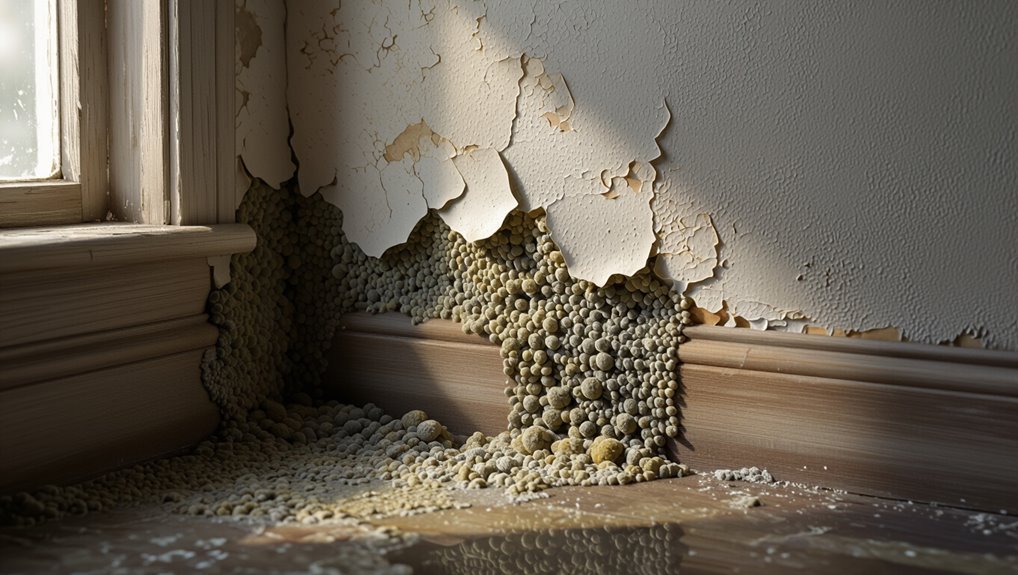
Fungi are tiny organisms that break down organic material. When they land on damp surfaces in your home, they can grow into visible mold colonies.
Mold spores float in air, settle on porous materials, and exploit moisture, warmth, and food sources like wood or drywall. You’ll see discoloration, fuzzy textures, and musty odor where conditions stay damp and ventilation’s poor.
Health risks associated with mold exposure
Because damp, unchecked growth releases spores and fragments into the air, you can inhale or touch particles that irritate your eyes, nose, throat, and lungs.
You may get coughing, wheezing, nasal congestion, skin rashes, or worsening asthma.
People with allergies, chronic lung disease, or weakened immune systems can experience more severe or prolonged symptoms and should seek prompt evaluation and remediation.
Why painting over mold is ineffective and potentially dangerous
When you paint over visible growth without removing it first, you trap moisture and spores behind the coating, letting the colony keep spreading beneath the paint.
You’ll mask stains but not remove the mold’s root cause, so it returns and can damage structures.
Painting can release spores into the air, increasing health risks and complicating future remediation, so proper removal is essential.
Legal Framework Landlord and Tenant Responsibilities
You need to know that landlords generally must maintain rental units in a safe, habitable condition, which usually includes addressing mold caused by structural issues or leaks.
You’re also expected to report mold problems promptly and follow any tenant-notification procedures in your lease or local law.
Keep in mind habitability standards and specific mold rules vary by state and municipality, so remedies and timelines can differ where you live.
General landlord maintenance obligations
Landlords have clear duties to keep rental properties habitable and safe, and those obligations typically include repairing structural defects, addressing plumbing and electrical issues, controlling pests and mold, and maintaining common areas.
You can expect timely repairs, routine inspections, and preventive upkeep so living conditions remain healthy.
Landlords must follow building codes and local habitability laws, responding promptly to safety-related complaints.
Tenant duties and notification requirements
Although your landlord must maintain a habitable unit, tenants also have clear duties: you’re expected to keep the space reasonably clean, promptly report repairs and hazards (including visible mold), prevent intentional or negligent damage, and allow reasonable access for inspections and repairs.
You should notify your landlord in writing, document mold and communication, follow reasonable remediation instructions, and cooperate with timing for repairs.
Typical legal standards for habitability and mold
When courts and housing codes set habitability standards, they focus on whether a rental is safe, sanitary, and fit for human habitation—conditions that generally include control of moisture and mold because they can harm health and damage property.
You’re entitled to a unit free from hazardous mold growth; landlords must address leaks, ventilation, and remediation promptly.
Authorities use objective health and safety criteria.
How local/state laws may differ
Local and state rules can change who’s responsible for fixing and remediating mold, so what counts as acceptable repair in one place might be inadequate in another. You should check local codes, tenant protections, and landlord duties; some areas ban paint-over fixes, others allow temporary measures. Consult local housing agencies or an attorney to know your options.
| Jurisdiction | Typical rule |
|---|---|
| City | May require removal |
| State | Varies by statute |
| County | Often interim fixes |
| Tenant-rights | Local ordinances apply |
Quick Legal Checklist Is Painting Over Mold a Violation?
Check whether the mold was active, part of an unresolved moisture problem, or hidden beneath fresh paint—those signs can mean your landlord violated the law or lease.
Painting may be permissible only for non-active, fully remediated, or purely cosmetic mold that doesn’t pose a health or habitability issue.
Keep clear evidence like dated photos, repair requests, and written communications to support any complaint or legal action.
Signs that painting over mold violates law or lease
If your landlord paints over visible mold without addressing the underlying issue, that’s a strong red flag that the practice may violate health codes or your lease terms.
Look for signs: recurring stains after painting, persistent odors, unaddressed leaks, complaints ignored, written repair requests denied, or lease clauses requiring habitable conditions.
Document evidence and notify authorities or seek legal advice promptly.
When painting might be permissible (non-active, remediated, cosmetic)
While recurring mold or ignored repairs usually mean painting alone won’t cut it, there are situations where covering mold is legally acceptable — for example when mold is inactive, professionally remediated, or purely cosmetic staining with no moisture source.
You should confirm remediation was done, verify the underlying cause’s fixed, use appropriate primers and mold-resistant paint, and document consent or landlord approvals.
Evidence tenants should gather (photos, communications)
Because your safest route is proving the problem and your landlord’s response, start by creating a clear, time-stamped record: take high-resolution photos and videos from multiple angles, note dates and locations, and save any text messages, emails, repair requests, inspection reports, and receipts that relate to the mold or remediation.
Also document symptoms, witness statements, professional assessments, and any landlord communications refusing or delaying proper cleanup.
Step-by-Step: What Tenants Should Do If Landlord Paints Over Mold
If your landlord just painted over mold, start by documenting the condition right away with photos and date-stamped notes.
Send a written request for proper remediation and, if needed, arrange or ask for a professional mold inspection while you also notify your local housing or health department.
If the landlord won’t act, consider repair-and-deduct, rent withholding, small claims, or an attorney demand as next steps.
Step 1 Document the condition immediately
Start by taking clear, time-stamped photos and videos of the affected areas—wide shots to show location and close-ups to show the mold and any paint covering it—so you have an indisputable record of the condition as soon as you discover it.
Capture:
- overall room context
- close-up of mold under paint
- measurements or scale reference
- surrounding damage (peeling, stains)
- date/time visible in media
Step 2 Notify the landlord in writing and request remediation
Once you’ve documented the issue, notify your landlord in writing right away and clearly request remediation; state the problem, reference your dated photos, describe where paint is covering mold, and ask for a specific timeline for inspection and repair.
Keep copies, request written confirmation, and set a reasonable deadline.
Mention any health impacts and ask for temporary accommodations if needed.
Step 3 Request or hire a professional mold inspection
After you’ve given written notice and set a deadline, ask for—or arrange—an independent mold inspection so you have an objective record of the problem.
Hire a certified inspector to test air and surface samples, document findings, and provide a written report.
Use the report to support remediation requests, insurance claims, or legal action if the landlord refuses proper repairs.
Step 4 Contact local housing authority or health department
If your landlord paints over mold instead of fixing it, contact your local housing authority or health department right away to report the issue and get guidance on next steps.
Provide documentation: photos, inspection reports, and correspondence.
Ask about filing complaints, inspection timelines, and potential orders requiring remediation.
Follow their instructions, keep records, and notify your landlord in writing that authorities are involved.
Step 5 Legal options: repair-and-deduct, withholding rent, small claims, attorney demand
When your landlord paints over mold instead of fixing the problem, you have several legal remedies you can pursue—repair-and-deduct, rent withholding, small claims court, or sending an attorney demand—and choosing the right one depends on your state’s laws and the seriousness of the hazard.
Check local rules, document damage and repairs, provide written notices, keep receipts, and consult legal aid before withholding rent or filing suit to avoid retaliation.
Landlord Perspective Proper Mold Remediation Process
You should start by finding and fixing the moisture source so the mold won’t return.
Follow safe remediation standards—containment, proper removal, and thorough cleaning—and call a certified remediator for large or hazardous infestations.
Document the work and keep tenants informed with dates, actions taken, and any testing results.
Identifying and fixing the moisture source
Because moisture fuels mold growth, your first step as a landlord is to identify and stop the water source before any remediation begins.
Inspect leaks, condensation, roof and plumbing issues, and poor ventilation. Document findings, notify tenants, and arrange prompt repairs—seal leaks, improve drainage, or upgrade vents.
Stopping moisture prevents recurrence and supports effective cleanup while protecting health and limiting liability.
Safe remediation steps and standards (containment, removal, cleaning)
After you’ve stopped the moisture, start remediation with containment to protect tenants and unaffected areas; set up barriers, use negative air pressure if needed, and limit access.
You should remove porous contaminated materials, HEPA-vacuum surfaces, and wipe nonporous areas with appropriate cleaners.
Dry thoroughly, monitor humidity, document work and communicate progress to tenants.
Follow local safety guidelines and use PPE.
When to use a certified mold remediator
When should you call a certified mold remediator?
Call one if mold covers over 10 square feet, recurs after cleaning, or stems from hidden moisture like behind walls or HVAC.
Use a pro for structural contamination, compromised insulation, or tenant health complaints (allergies, asthma).
Certified remediators test, contain, remove affected materials, and prevent cross-contamination—steps beyond simple surface cleaning.
Documenting remediation and communicating with tenants
If you’re handling mold remediation as a landlord, document every step and keep tenants informed so everyone stays safe and legally protected.
Keep clear records, share timelines, and respond promptly to concerns.
- photos before, during, after
- dated repair receipts and reports
- contractor contacts and licenses
- written tenant notifications
- air-quality or clearance results
Maintain transparency to reduce disputes and liability.
Comparison Painting Over Mold vs. Proper Remediation
When you paint over mold, you might get a quick cosmetic fix but you’re still liable for ongoing damage and potential code violations.
Tenants can suffer worsening health issues from hidden mold, while proper remediation reduces those risks.
For landlords, remediation costs more upfront but cuts long-term financial and legal exposure compared with a cover-up.
Short-term effects and liabilities
Although painting over mold might hide stains and reduce odor briefly, it doesn’t stop spores or the underlying moisture problem, so you — and your tenants — still face immediate health and liability risks. You could be liable for property damage, repair costs, and breach of habitability while remediation prevents recurrence and documents due diligence.
| Painting Over Mold | Proper Remediation |
|---|---|
| Hides appearance | Eliminates source |
| Temporary fix | Long-term solution |
| Liability risk | Liability reduction |
| No documentation | Remediation records |
Health outcomes for tenants
Because painting over mold only conceals growth while leaving spores and moisture intact, you and your tenants can keep getting exposed to allergens and irritants that worsen asthma, allergies, and respiratory infections.
Proper remediation, by contrast, removes contaminated materials and fixes leaks so symptoms decline and recurrent illness risk drops.
If you address mold correctly, tenants breathe easier, miss fewer workdays, and avoid chronic respiratory worsening.
Financial and legal risks for landlords
If you paint over mold instead of fixing the problem, you’ll face higher financial and legal risks than you might expect.
You’ll likely incur greater repair costs later, lose security deposit claims, and face tenant rent abatement or relocation claims.
You could be liable for health damages and fines for code violations.
Proper remediation minimizes liability, documents compliance, and protects your investment.
Common Mistakes and Pitfalls
Don’t just cover mold with paint — you’ll be treating symptoms instead of the causes and letting the problem come back.
Make sure you document and notify tenants properly, because sloppy records or missed notices can create legal trouble.
Also avoid DIY sealants or ignoring lease and local code provisions, since improper products and noncompliance can worsen liability.
Mistake 1 Treating symptoms instead of causes
When landlords cover mold with paint or primer instead of addressing the source, they’re masking a problem that will come back worse.
You shouldn’t accept cosmetic fixes. Demand investigation of leaks, humidity, and ventilation.
Ask for permanent remediation, not a quick coat. If mold returns, insist on repairs that remove contaminated materials and fix conditions causing growth so the issue’s truly resolved.
Mistake 2 Failing to document or notify properly
Although mold can seem like something you can handle later, failing to document conditions and notify your landlord properly often wrecks your legal protection and chances for timely repair.
You should photograph damage, note dates, keep copies of messages, and send formal written notices.
Timely, clear documentation forces action, preserves evidence for complaints or claims, and prevents disputes about when you reported the problem.
Mistake 3 Using improper DIY products or sealants
Reach for proper products and you’ll avoid turning a fix into a hazard.
Don’t use household paints, bleach, or random sealants that mask mold but don’t kill spores or stop moisture. You should choose EPA-registered cleaners and mold-specific primers; follow label instructions and ventilate.
Improper products can worsen health risks, void warranties, and create liability you’ll regret.
Mistake 4 Ignoring lease and local code provisions
Ignore lease terms or local codes at your own risk: failing to follow them can turn a simple mold fix into a legal headache.
You must check lease obligations and local housing or health codes before acting. Ignoring notification, repair, or remediation standards can void warranties, violate law, and expose you to fines or tenant claims.
Follow rules and document compliance promptly.
Prevention and Best Practices for Tenants and Landlords
You should schedule regular inspections and control moisture sources like leaks and ventilation to keep mold from returning.
Include clear lease clauses about reporting and remediation responsibilities and keep communication documented.
Expect remediation to follow recognized standards, with post-remediation verification and follow-up inspections.
Regular inspection and moisture control tips
Because small leaks and rising humidity often start quietly, regular inspections and prompt moisture control are your best defenses against mold.
You should check, act, and document quickly:
- Inspect under sinks and around appliances weekly
- Run bathroom fans during and after showers
- Use a dehumidifier in damp rooms
- Fix dripping fixtures immediately
- Keep window sills and vents clean and dry
Lease clauses and communication best practices
How should your lease address mold and moisture? Specify responsibilities for prevention, timely reporting, and remediation, including inspection access and timelines.
Require written notice for leaks, outline repair obligations, and forbid concealment like painting over mold.
Keep communication documented—use emails or certified letters—and include dispute-resolution steps.
Clear clauses reduce disputes and protect both tenant and landlord rights.
Recommended remediation standards and follow-up
When mold appears, act quickly: follow established remediation standards that cover assessment, containment, removal, and verification so you limit health risks and property damage.
Hire certified professionals for inspections and testing, use proper PPE, and guarantee containment prevents cross‑contamination.
Require documented clearance testing before reoccupying.
Maintain ventilation, fix moisture sources, and keep records of repairs and communications to protect health and legal rights.
When to Seek Professional Help or Legal Advice
If the mold keeps returning, affects your health, or the landlord refuses repairs, you should consider contacting a lawyer or a local housing/public health agency.
You’ll want a qualified mold inspector or licensed remediation contractor who provides written reports, clear scope-of-work estimates, and references.
Collect dated photos, written repair requests, medical records, and inspection reports to strengthen any legal case.
Indicators you need a lawyer or public agency intervention
Because mold can hide serious health and habitability problems, you should consider lawyer or agency help when basic fixes and landlord communication fail to stop or address the issue.
Seek intervention if mold recurs after remediation, causes persistent health issues, landlord refuses access for proper repair, hides or falsifies records, or ignores official orders.
Document everything and act promptly.
How to choose a mold inspector or remediation contractor
How do you pick a mold inspector or remediation contractor who won’t just mask the problem?
Check certifications (IICRC, state licenses), ask for written scope and clearance testing, request references and before‑after photos, verify insurance and warranties, and get multiple bids.
Choose someone who explains causes, prevents recurrence, uses proper containment and disposal, and provides a clear timeline and contract.
What evidence improves your legal case
After you’ve chosen a trustworthy inspector or contractor, start collecting and preserving evidence that shows mold existed, what caused it, and how the landlord responded.
You’ll want clear, dated items to support claims if you consult an attorney or file a complaint:
- Photos and videos with timestamps
- Inspection and lab reports
- Repair requests and landlord replies
- Receipts for remediation or replacement
- Medical records linking symptoms to exposure
Frequently Asked Questions
You probably have quick questions like whether painting over mold is ever safe or if you can withhold rent when a landlord does it.
You’ll also wonder how long proper remediation takes, who pays, whether mold can make you sick enough to move out, and what documentation will convince an inspector or court.
Below are clear answers to help you act and protect your rights.
Is painting over mold ever safe?
Ever wondered if slapping paint over mold will solve the problem? You shouldn’t.
Painting hides staining but doesn’t remove spores or fix moisture. That lets mold keep growing behind the surface, risking health and structural damage.
Only proper cleaning, drying, and fixing the water source make it safe. Use mold-specific remediation or hire a professional for extensive contamination.
Can I withhold rent if my landlord painted over mold?
Wondering whether you can withhold rent if your landlord just painted over mold?
You generally shouldn’t stop paying rent without following legal steps: document the issue, notify the landlord in writing, and check local laws about repair-and-deduct or withholding.
Some jurisdictions allow withholding for unsafe conditions; others require court action.
Consult tenant-rights resources or an attorney before withholding to avoid eviction or liability.
How long does mold remediation take and who pays?
How long will mold remediation take, and who ends up paying?
Timelines vary: small patches can take a day, larger jobs several days to weeks if containment, drying, or repairs are needed.
Your landlord usually pays for remediation unless your actions caused the mold; then you might be liable.
Check your lease and local laws; document the issue and request prompt remediation in writing.
Can mold in my apartment make me sick enough to leave?
Can mold in your apartment make you sick enough to move out? Yes — mold can trigger asthma, allergies, headaches, and persistent respiratory symptoms that interfere with daily life.
If symptoms start or worsen at home and improve elsewhere, you can push your landlord for remediation, temporary relocation, or lease termination.
Document symptoms, medical visits, and communications to support your request.
What documentation convinces an inspector or court?
A few clear, dated pieces of evidence will make the strongest case to an inspector or judge: photos and videos showing the mold and surrounding conditions, copies of maintenance requests and your landlord’s responses, medical records tying your symptoms to the home, and any lab or professional inspection reports that identify mold species or moisture sources.
Also include lease, rent receipts, witness statements, and remediation estimates to prove notice, harm, and cost.
