
Is Semi-Gloss Paint Washable? What You Can Actually Clean Off It
Yes—semi-gloss paint is washable in real life. You can wipe off everyday marks like fingerprints, light grime, and scuffs without much dulling the finish, especially compared to flatter paints. Start with a soft microfiber cloth, lukewarm water, and a tiny bit of mild dish soap. Dab gently, don’t scrub hard, then rinse and dry to prevent streaks. For tougher spots, test a hidden area first, and avoid harsh cleaners or abrasives so you don’t damage the sheen—keep going to learn more practical tips.
Is Semi-Gloss Paint Washable in Real Life?
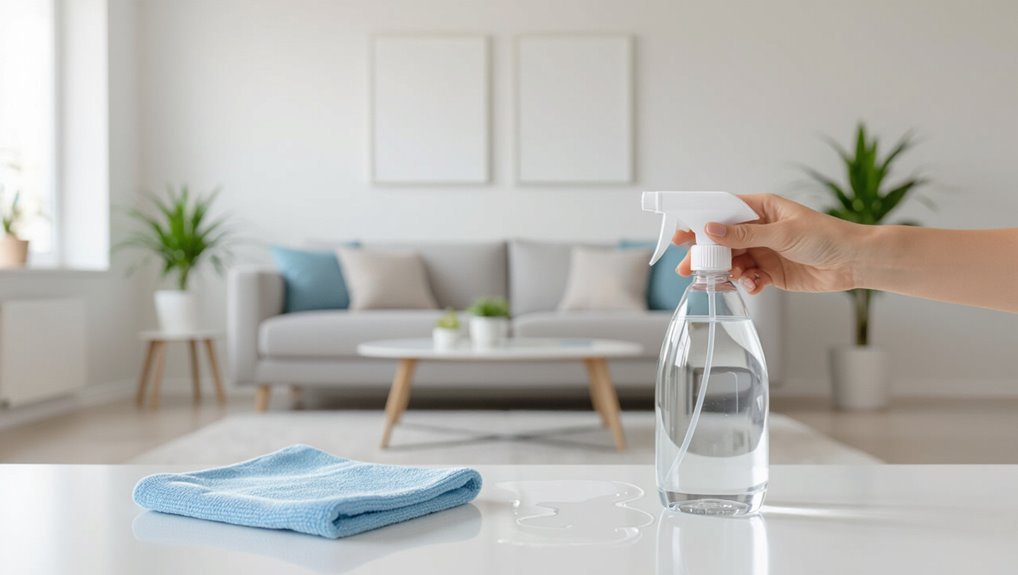
Yes—semi-gloss paint is generally washable in real life, and you can clean most everyday marks without ruining the finish.
Semi-gloss paint is generally washable in real life, so you can clean everyday marks without ruining the finish.
You get solid semi-gloss durability because the sheen reflects light and resists grime better than flatter coatings.
For paint maintenance, start with a soft cloth or sponge and lukewarm water, then add a mild dish soap if needed.
Dab, don’t scrub hard, and rinse with clean water to remove residue.
Tackle grease spots with a non-abrasive cleaner, testing a hidden area first.
Let the wall dry fully to prevent streaks, and avoid harsh chemicals.
How Washability Changes With Semi-Gloss Sheen
As you increase the semi-gloss sheen, soap and water usually work more effectively for quick, everyday cleaning.
With higher sheen, you get a smoother surface that helps you wipe off smudges before they set in. You can often clean faster because grime releases more easily.
Soap And Water Effectiveness
Even with semi-gloss paint, soap and water usually remove everyday grime, but the sheen changes how well the surface holds up to scrubbing. You can use common soap types—dish soap, mild hand soap, or gentle degreasing cleaners—and warm water to lift fingerprints and light stains.
Start with soft sponges or microfiber cloths; harsh pads can dull semi-gloss. Use light, circular cleaning techniques, then rinse with clean water to prevent residue that can attract dirt.
If the spot feels tacky, repeat gently rather than scrubbing harder, and dry the area to stop streaking.
Higher Sheen, Faster Wipe-Off
Higher semi-gloss sheen can feel smoother, so smudges and water spots often wipe off faster, especially when you catch them quickly.
With higher sheen, you can exploit semi-gloss advantages: less texture means fewer places for grime to grab.
You should increase cleaning frequency for best results—light wipes after splashes prevent buildup, and quick blotting stops spots from bonding.
Use a damp microfiber cloth and mild soap, then rinse and dry to avoid streaks.
If marks sit too long, even a higher-sheen finish needs a slightly stronger approach.
Find Your Paint Type Before You Clean
Before you start scrubbing, identify the paint type on your walls so you don’t damage the finish. Different paint types react differently to the same cleaning methods.
Before you scrub, identify your wall paint type to protect the finish—different sheens respond differently to cleaning methods.
Check the original can, a room label, or existing documentation, and note whether it’s flat, eggshell, satin, or semi-gloss. If you can’t confirm, test in an unseen spot with a gentle soap solution and observe any dulling, streaks, or tackiness.
Choose your approach based on that evidence.
- Find the can label fast.
- Match sheen to finish risk.
- Test quietly, then clean.
- Stop if color or sheen shifts.
Look for “Washable” or “Scrubbable” on the Label
Before you start cleaning, check the paint label for a clear “washable” claim.
If you don’t see it, look for “scrubbable” wording instead—it usually means you can wipe more aggressively without damage.
When the label’s specific, you’ll know the safest way to clean your semi-gloss finish.
Check Label For “Washable” Claim
Does your semi-gloss paint label mention “washable” or “scrubbable”?
Before you wipe anything down, you need to check the packaging for a “washable” claim and any washable standards. Manufacturers often define how much gentle soap and water you can use without harming the finish.
If the label says washable, you can expect better paint durability, especially on walls that face splashes or smudges. If it doesn’t, assume you’ll risk dulling or damaging the surface.
Use these quick checks:
- Confirm the exact wording.
- Note cleaning limits.
- Look for warranty notes.
- Match claims to your room’s traffic.
Look For “Scrubbable” Wording
Check the label for “scrubbable” wording, not just “washable.”
Manufacturers use “scrubbable” to signal that the paint can handle firmer cleaning—like gentle scrubbing with soap and water or a soft sponge—without quickly dulling the finish. When you see that term, you can clean scuffs sooner and keep your semi-gloss looking sharper.
Don’t assume all “washable” paints tolerate the same pressure, though. Follow the label’s directions for approved cleaners, dwell time, and tools.
Using the right approach improves scrubbable benefits and supports better paint maintenance over time.
What Semi-Gloss “Finish” Means for Durability
Semi-gloss paint finish durability comes from how the surface balances a smooth, washable sheen with a resilient film. When you choose it, you’re relying on durability factors like binder strength, hardness, and how well the paint cross-links after drying.
That firm film resists scuffs and minor splashes, so everyday cleanups don’t quickly dull the look. Still, you need maintenance tips that protect the finish: avoid harsh abrasives, use gentle pressure, and dry wipe spills fast. If you ignore it, grime embeds and the sheen turns uneven.
- Harder film resists everyday scuffs
- Smooth top layer improves cleanability
- Better binder reduces peeling risk
- Timely care keeps sheen even
Start With a Safe Semi-Gloss Cleaning Routine
Once your semi-gloss finish has set up, start protecting that durable film by cleaning it the safe way.
First, gather safe products: a mild dish soap in water, or a manufacturer-approved cleaner. Use a non-scratch microfiber cloth or sponge, and keep pressure gentle.
Next, set your cleaning frequency based on traffic and spills—typically dust weekly and wipe smudges right away.
When stains happen, soak the cloth, don’t flood the surface, then blot and rinse lightly with clean water.
Always test any cleaner in a hidden spot, then let the area dry fully.
Avoid harsh solvents.
Begin With Warm Water and a Soft Cloth
Start by dampening a soft microfiber cloth with warm water—lukewarm is best—then wring it out so it’s clean and not dripping.
Wipe the semi-gloss gently, following the grain or paint lines, so you lift dust without dulling shine. Use simple cleaning techniques first: warm moisture loosens grime fast.
As you work, keep the cloth moving and rinse it often. This small step protects the finish and supports surface protection before deeper cleaners.
Don’t scrub hard; let the cloth do the work. Check progress as you go.
- Softer than scrubbing
- Less smearing
- Safer for sheen
- Faster grime release
Use Mild Dish Soap for Everyday Marks
For everyday scuffs, you can use a few drops of mild dish soap to help break up the mark.
Wipe with a soft cloth lightly dampened with water, then rinse the spot with clean water.
Finish by patting the area dry so you don’t leave streaks.
Mild Soap Breaks Up Marks
To tackle everyday scuffs and smudges, mix a few drops of mild dish soap with warm water. Then dampen a soft cloth or sponge and gently rub the marked spot. You’ll notice marks loosen because the mild soap breaks down residue without attacking the semi-gloss finish.
Use these cleaning techniques to support paint maintenance:
- Start light, re-wet as needed.
- Work in small circles until the spot clears.
- Rinse with a clean, damp cloth to remove soap.
- Dry immediately to prevent streaking.
Repeat only if necessary, and you’ll keep your semi-gloss looking fresh.
Use Soft Cloth With Water
Use a soft cloth lightly dampened with warm water to lift everyday marks without grinding them into your semi-gloss surface.
You should use soft cloth techniques: press gently, wipe in straight lines, and lift the cloth often to avoid re-spreading residue. Keep the water temperature warm, not hot—too much heat can dull or streak semi-gloss finishes.
For smudges like fingerprints or scuffs, add a few drops of mild dish soap to the warm water, then re-wet the cloth and work the spot lightly.
You’ll see marks release faster when you avoid scrubbing.
Rinse And Pat Dry
Rinse the area with clean, lukewarm water right after you wipe away the marks, so soap or residue won’t dull the semi-gloss sheen.
For everyday paint maintenance, you should follow solid cleaning techniques: use mild dish soap only if needed, then remove all film.
Pat-dry with a soft microfiber cloth—don’t scrub, and don’t let water sit.
- Rinse immediately to lift residue.
- Spot-clean gently with diluted dish soap.
- Rinse again to remove every trace.
- Pat dry, then admire the restored shine.
Remove Scuffs Using Light Pressure Only
Before you reach for any cleaner, start by rubbing the scuffed area with a soft, damp cloth and light pressure only—let the fabric do the work.
Use scuff removal techniques that respect pressure sensitivity: you’re aiming to lift the surface mark, not grind it in. Work in small circles, checking as you go. If the scuff fades, keep going gently until it blends.
If it doesn’t, stop and reassess—over-scrubbing can dull semi-gloss finish. For stubborn spots, re-dampen the cloth and repeat with the same light touch.
Clean Fingerprints Without Dulling Semi-Gloss
To clean fingerprints on semi-gloss paint, use a gentle soap solution and apply it lightly so you don’t damage the finish.
Avoid abrasive scrubbing pads, since they can dull the sheen fast.
After you wipe, dry the surface with a soft microfiber cloth to restore a clean look without streaks.
Use Gentle Soap Solutions
Fingerprints and smudges on semi-gloss surfaces come off best with gentle soap solutions.
Mix a few drops of gentle soap with warm water, then dampen a soft cloth. You’ll protect the sheen while still lifting oils.
Keep cleaning frequency modest—quick wipes beat repeated soaking. Lightly press, wipe in straight passes, and immediately buff dry with a clean microfiber.
If marks persist, reapply the diluted solution, not stronger chemicals.
- Choose gentle soap, never harsh cleaners
- Wipe gently, then buff dry
- Limit cleaning frequency to prevent dulling
- Re-dampen cloth instead of scrubbing hard
Avoid Abrasive Scrubbing Pads
Abrasive scrubbing pads can scratch semi-gloss paint and dull its sheen fast, even if they remove smudges. You should skip abrasive cleaners and avoid harsh scrubbing techniques that grind surface texture. Instead, apply gentle pressure and work in small circles so fingerprints lift without breaking the finish.
| Fingerprint issue | Best action |
|---|---|
| Smear marks | Lightly dampen cloth |
| Ring stains | Use mild soap solution |
| Grease spots | Repeat gentle wipe |
| Dull streaks | Stop, re-wipe lightly |
If stubborn marks resist, re-soak and try softer agitation—never switch to steel wool or gritty sponges.
Dry With Soft Microfiber Cloth
After you’ve wiped away the smudges, dry the surface with a clean, soft microfiber cloth to lift any remaining residue. Use gentle, light pressure so you clean fingerprints without dulling semi-gloss sheen.
This simple step is where microfiber benefits shine: it absorbs moisture fast and reduces streaks. Follow smart cleaning techniques—keep the cloth dry, fold it for a fresh face, and work in small circles.
If you see a streak, buff once more, don’t scrub harder.
- Pat, don’t grind.
- Fold for clean sections.
- Buff in circles.
- Replace cloth when damp.
Get Marker Off Semi-Gloss Without Streaks
When you try to remove marker from semi-gloss paint, work gently and methodically so you don’t leave dull patches or streaks.
Use the safest marker removal techniques first: a damp microfiber cloth with warm water, then a tiny amount of dish soap. Dab, don’t rub; rubbing drives pigment and residue into the sheen.
If marks remain, apply rubbing alcohol to a cotton swab and test an inconspicuous spot. Follow with clean water, then dry with a soft, dry cloth using streak free methods.
Keep passes light, changing cloth sides often.
Lift Crayon and Color Marks Safely
Before you start, test the semi-gloss on a hidden spot to confirm the finish won’t dull.
Dampen a soft cloth with mild soap and gently lift the crayon or color marks without scrubbing hard.
Rinse with a clean, damp cloth and dry immediately to prevent streaks.
Test On Hidden Area
Test the semi-gloss paint in a hidden spot first, so you know how it’ll react before you touch the main area. This hidden area testing protects your finish and reveals paint adhesion strength when you lift crayon and color marks.
Use a cotton swab with the same method you plan to use, then rub gently for a few seconds. If the color smears or the paint dulls, stop immediately.
- Spot-test for color transfer
- Watch for gloss loss
- Check edges for lifting
- Repeat only if safe
Use Mild Soap Damp Cloth
You can lift crayon and color marks safely with a mild soap and a damp cloth.
Dampen the cloth with warm water, then add a small amount of mild soap to the tip or lightly to the cloth. Wipe gently in small circles, using light pressure so you don’t dull the semi-gloss sheen.
If pigment lifts, switch to a clean section of the cloth and keep going. For stubborn marks, re-dampen and repeat—don’t scrub hard.
Finally, wipe with plain water on a separate damp cloth and dry with a soft towel.
Remove Grease Spots From Semi-Gloss Surfaces
Grease spots on semi-gloss paint often come from cooking splatters or fingerprints, and you can usually lift them with the right cleaner and a gentle touch.
For strong grease removal, first blot excess oil, don’t rub. Then mix warm water with a few drops of dish soap, and wipe with a damp microfiber, working from edges inward.
If spots persist, dab with isopropyl alcohol on a cotton pad, rinse with clean water, and dry fast to keep shine.
Finish by applying a light wax or sealant for surface protection.
- Blot, then wipe gently
- Use soap-water first
- Spot-treat with alcohol
- Dry and seal
Wash Mud Off Semi-Gloss Shoe Prints
Start by removing loose mud from your shoe soles with a dry brush or cloth.
Then gently wipe the semi-gloss area so you don’t grind grit in.
Rinse lightly with clean water, and dry thoroughly with a soft towel to prevent streaks or residue.
If stains linger, repeat the process using minimal pressure.
Remove Mud From Soles
Gently scrape away loose mud from the shoe soles, then wipe the semi-gloss shoe prints with a damp microfiber cloth using light, circular strokes.
Use mud removal techniques that lift grit without grinding it in. Keep it practical: act fast, and don’t soak the finish.
- Tap soles together to knock off dry clumps first
- Scrape gently with a plastic tool or old card
- Blot, don’t scrub hard, to protect semi-gloss sheen
- Repeat with fresh cloth areas until prints fade
These shoe cleaning methods help you remove mud fast and leave fewer streaks behind.
Lightly Wipe Semi-Gloss
Once the loose grit is gone, lightly wipe the semi-gloss shoe prints to wash off the remaining mud. You want light cleaning: use a soft, damp microfiber cloth, not soaking water. Press gently, then work in small circles so you don’t streak the finish. For stubborn smears, dampen the cloth with mild soap solution, and test in a hidden spot first—this protects paint maintenance and keeps sheen even.
| Action | How long |
|---|---|
| Wipe | 10–20 sec |
| Spot-check | 1 pass |
| Re-wipe | 5–10 sec |
| Inspect | 15 sec |
Rinse Then Dry Thoroughly
After you’ve lightly wiped away the surface residue, rinse the area with clean, cool water using a damp cloth you’ve wrung out well.
Don’t soak the finish—semi-gloss can dull if water lingers. Then dry thoroughly with a second dry cloth, pressing firmly, and finish with a quick air-dry to prevent streaks.
Use these cleaning techniques and maintenance tips to keep shoe prints from setting in:
- Rinse immediately after wiping.
- Wipe in straight strokes, not circles.
- Switch to a clean cloth often.
- Check for tackiness before moving furniture.
Fix Water Rings and Drips on Semi-Gloss
Water rings and drips on semi-gloss paint often show up when moisture or condensation sits on the surface long enough to leave a dull mark.
To start water ring removal, blot the area with a clean, damp cloth, then dry immediately with a microfiber towel. If the ring remains, mix a few drops of mild dish soap in warm water, lightly rub in circles, and rinse with a separate damp cloth.
For drip treatment, wait until fully dry, then sand the raised spot with fine 220-grit, wipe dust, and spot-prime before repainting.
Clean Scuffed Baseboards and Trim Fast
Clean scuffed baseboards and trim fast by starting with a dry microfiber cloth to lift dust, then follow up with a lightly damp sponge or cloth.
For quick baseboard cleaning and trim maintenance, you can tackle scuffs without guesswork:
- Wipe along grain, not across, to prevent streaks.
- Use mild dish soap mixed in warm water for stubborn marks.
- Rinse the sponge often, so you don’t smear dirt.
- Dry immediately with a clean cloth to protect semi-gloss shine.
Stay gentle, and you’ll keep edges looking freshly painted.
Remove Furniture Scuffs From Painted Surfaces
First, identify the type of scuff you’re dealing with—rub marks, scuffing from shoes, or deeper scratches.
Next, use a gentle cleaning solution and a soft cloth to lift the marks without scrubbing through the semi-gloss finish.
Finally, stop once the scuff fades and dry the area fully to help prevent further surface damage.
Identify Type Of Scuff
How you handle a furniture scuff depends on what kind of damage it left behind on your semi-gloss paint.
You need to identify scuff types before scuff removal, because each mark responds differently and you don’t want to spread pigment or lift finish.
Look closely in bright light and check texture, color, and shine:
- Rubbed/transfer scuff: dull smudges or faint color from furniture legs.
- Raised scuff: you can feel a rough edge catching your fingernail.
- Scratch/abrasion: visible lines, often darker or lighter than the paint.
- Peel/damage: flaking or missing paint shows beyond surface marks.
Use Gentle Cleaning Solution
Once you’ve identified the scuff type, start with the gentlest cleaning approach before you reach for anything stronger.
Dampen a soft microfiber cloth with warm water, then add a few drops of mild dish soap. Wipe the scuffed area using light pressure, moving with the wood grain or paint strokes. If the mark lifts, rinse the cloth, wipe again with clean water, and dry immediately.
For tougher furniture rubs, use a slightly stronger mix: warm water plus a small amount of white vinegar. This gentle cleaning helps your paint maintenance without dulling semi-gloss sheen.
Prevent Further Surface Damage
After you’ve tried a gentle cleaner, focus on preventing more wear while you remove the scuff. You’ll protect the finish fast with smart paint care and surface protection.
Work slowly and stop if the sheen changes. Then handle the spot carefully so the paint doesn’t lift.
- Press cloth lightly; don’t scrub hard.
- Apply a tiny dab of touch-up or wax to seal bare spots.
- Rinse and dry fully to prevent dull marks.
- Cover the furniture area with felt pads to stop repeat scuffs.
Can You Use a Magic Eraser on Semi-Gloss?
Can you use a Magic Eraser on semi-gloss paint without ruining the finish? You can, but only if you respect magic eraser effectiveness.
These melamine sponges are abrasive, so test a hidden spot first. Light pressure matters: gently dab or wipe in small areas, then stop.
Use melamine sponges on semi-gloss carefully—test a hidden spot first, then gently dab small areas with light pressure.
Keep the surface slightly damp, not soaking wet, and avoid scrubbing patterns that can dull the sheen. If you notice whitening, streaks, or dull patches, you’re crossing the line on semi gloss safety.
After cleaning, blot dry and let it cure fully before judging the finish.
Microfiber vs. Melamine Sponges: What’s Safer
You can keep semi-gloss paint looking sharp by choosing the right cleaning pad, and the safest bet is usually microfiber rather than a melamine sponge.
You want microfiber benefits because it lifts dirt with less aggression, so you wipe without worrying about haze. You should avoid melamine risks: that foam can act like fine sand and scuff delicate finishes, especially with pressure.
For safer cleaning, follow these steps:
- Use a clean, damp microfiber cloth.
- Press lightly; let the fibers do the work.
- Avoid dry scrubbing on edges.
- If grime resists, switch cloths before forcing harder.
Baking Soda Paste for Stubborn Semi-Gloss Grime
Mix baking soda and water in a 1:1 ratio until it forms a thick paste.
Then apply it directly to the stubborn semi-gloss grime spots.
Let it sit briefly, scrub gently, and keep the pressure light to avoid dulling the finish.
Rinse with clean water and wipe dry thoroughly so no residue stays behind.
Baking Soda Paste Ingredients Ratio
- Measure carefully for best results
- Warm water boosts blending
- Thicker paste clings better
- Too much water weakens cleaning
Apply Paste To Grime Spots
Once your baking soda paste reaches a thick, spreadable consistency, dab it directly onto the semi-gloss grime spots and cover the stained area with a thin layer.
You want solid paste application, not drips, so press lightly and spread edges to contain the mess. For stubborn marks, reapply a second thin coat where buildup stays.
Let the paste sit long enough to loosen dirt, grease, and dull film, supporting grime removal without scrubbing hard right away.
When you’re ready, you can move to the next cleaning step and assess what lifts before you do anything more.
Rinse And Wipe Clean Thoroughly
After the paste sits long enough to loosen the grime, rinse it off with warm water using a soft cloth or sponge. You’re protecting paint longevity now—don’t scrub hard.
Use these cleaning techniques to finish strong:
- Rinse twice to remove every soda residue.
- Wipe with a clean, damp microfiber cloth for a streak-free finish.
- Dry immediately with a towel to prevent water spots.
- Recheck edges and corners; repeat only where grime returns.
Vinegar-Water for Light Stains (When It Works)
When you’re dealing with light stains on semi-gloss paint, a simple vinegar-water mix often works—especially if the spot still looks fresh.
Use vinegar solutions for light stains like hand marks or dusty scuffs. Mix equal parts white vinegar and warm water, then dampen a soft cloth—don’t soak.
Gently blot and wipe in small circles, keeping pressure light. If the stain lifts, immediately rinse with a clean cloth dampened in plain water to prevent residue.
Dry the area with a microfiber towel. If the mark remains after a few tries, stop and move to a different method.
Rubbing Alcohol for Ink and Pen Smudges
Can rubbing alcohol help you erase ink and pen smudges from semi-gloss paint? Yes—if you act fast. Dampen a cotton swab with isopropyl rubbing alcohol, then blot, don’t scrub, to lift pigment.
Always test in a hidden spot first; semi-gloss can dull or smear if you press too hard.
Use these ink removal techniques to keep damage minimal:
- Blot gently with alcohol-moistened swab
- Rinse residue with a damp cloth, blot dry
- Repeat short touches, letting it sit briefly
- Follow up with mild soap and water for pen mark solutions
Hydrogen Peroxide for Organic Stains
Hydrogen peroxide can help you tackle organic stains on semi-gloss paint—especially when the discoloration comes from things like food, mildew, or spilled beverages.
You can use it as part of organic stain removal by testing a small, hidden spot first, then applying a diluted 3% solution with a soft cloth.
Let it sit briefly, then blot and gently wipe with water on a clean towel. Repeat if needed, but avoid scrubbing hard to prevent dulling.
For best cleaning techniques, act fast, keep the surface dry afterward, and recheck the finish.
Disinfect Semi-Gloss Walls With Wall-Safe Products
Before you disinfect semi-gloss walls, choose wall-safe products that won’t strip the sheen or damage the finish. You want strong disinfecting solutions, but only those labeled safe for painted walls.
Test in a hidden corner first, then wipe gently with a soft microfiber to protect surface safety. When you spot fingerprints, grime, or smudges, mix the product as directed and keep the cloth damp, not soaking.
Let it sit briefly, then remove residue with clean water and dry with a soft towel. Follow these steps for confidence:
- Read labels for “paint-safe.”
- Spot-test for sheen.
- Use soft microfiber wipes.
- Dry thoroughly after disinfecting.
Avoid These Cleaners That Leave Dull Patches
Some cleaners dull semi-gloss paint because they strip or disturb the finish, leaving blotchy, matte patches you can’t buff out.
Avoid harsh degreasers, ammonia-heavy solutions, and abrasive scrub pads, even if they promise “heavy-duty” results. When you wipe, you can grind contaminants into the coating instead of lifting them cleanly.
Don’t mix random cleaning supplies; mismatched ingredients can react and haze the sheen.
Stick to gentle, manufacturer-recommended cleaners and warm water, and do surface preparation first by testing a hidden spot. If you see dullness, stop immediately and rinse thoroughly.
Don’t Use Bleach Unless the Paint Says It’s Okay
Bleach can quickly ruin semi-gloss finishes because it may break down binders, lighten pigments, or leave uneven discoloration that wipes can’t correct.
You should never assume bleach is safe; check the paint label first, and pause if it doesn’t explicitly approve.
Instead, use bleach alternatives like mild soap and water, or a cleaner rated for semi-gloss.
Skip bleach; use mild soap and water, or a cleaner specifically rated safe for semi-gloss finishes.
Then, match your cleaning frequency to the mess: less often, gentler each time, so you don’t wear the surface down.
- Don’t guess—read the label.
- Choose bleach alternatives.
- Start mild, spot-test.
- Clean less, not harder.
Rinse Thoroughly to Prevent Semi-Gloss Streaks
After you clean the surface, rinse thoroughly with clean water and wipe with a soft, damp cloth to pull off any soap or cleaner residue.
You should rinse using controlled, even passes, then immediately remove water with a clean microfiber cloth. If you leave cleaner behind, semi-gloss will dry with streaks and spots that look worse after every maintenance cycle.
Use cleaning techniques that minimize dripping, like damp-wiping instead of soaking.
Repeat the rinse once if you used stronger products or multiple coats of cleaner.
Finish by checking corners and trim where residue collects.
Dry Buffing Tips to Restore Semi-Gloss Shine
Once the surface is fully rinsed and free of residue, you can restore semi-gloss clarity with dry buffing.
Use clean microfiber and work in small sections so you control shine restoration instead of chasing streaks. This approach feels satisfying and safer than aggressive wet scrubbing.
- Gently press and buff using light, even circular motions.
- Switch to a dry, folded side when the pad picks up dullness.
- Stop if you see haze, and re-buff with fresh cloth.
- Finish with final passes along edges to blend reflections.
Afterward, stand back and admire that crisp semi-gloss glow.
Spot-Test Any Cleaner in a Hidden Area
Before you apply any cleaner to your semi-gloss, spot-test it in a hidden area so you can confirm it won’t dull the finish, lift existing wax, or leave a stain. Choose a closet door edge, behind furniture, or near a baseboard.
Mix or use your cleaning products exactly as directed, then apply a small amount with a soft cloth. Wait five to ten minutes, then wipe dry and check for color change, gloss loss, or tackiness.
If the spot looks good, proceed carefully; if not, stop and switch to a gentler cleaner.
What to Do If Semi-Gloss Gets Dull After Cleaning
If semi-gloss looks dull after cleaning, don’t panic—your finish probably needs a gentler rinse and light conditioning.
After scrubbing, you may have left residue or slightly dulled the surface. Work carefully so you can restore shine without damage.
- Rinse with clean, lukewarm water, then wipe dry with a soft microfiber.
- Lightly mist a manufacturer-approved cleaner or water-only mix; don’t soak.
- Apply a thin coat of semi-gloss-safe wax or polish to address the dull finish.
- Buff gently in small circles, then let it cure before touching.
How to Handle Stains That Won’t Come Off
Even when you scrub carefully, some stains won’t budge on semi-gloss surfaces—so you need to switch tactics before you risk dulling the finish.
Start by blotting any fresh spill, then pause to identify what you’re dealing with.
Start by blotting any fresh spill, then pause to identify what you’re dealing with before choosing the right cleaner.
For stubborn spots, test cleaning techniques in a hidden corner with warm water and mild soap. If that fails, use a non-abrasive cleaner and a microfiber cloth, working gently in small circles.
For grease or marker, apply a targeted solvent lightly, then rinse.
Prioritize stain prevention by wiping spills fast and avoiding harsh scrubs.
Prevent Scuffs With Better Daily Habits
Once you’ve learned how to tackle stubborn stains without dulling the shine, you can protect your semi-gloss paint even more by reducing scuffs in the first place.
Your best defense is daily maintenance built on preventive measures that keep grit and friction off the surface. Use felt pads under furniture, keep bags and shoes off walls, and wipe up drips fast so they don’t turn into sandpaper spots.
- Vacuum and dust weekly to stop abrasive particles.
- Use coasters and handle items carefully near paint.
- Clean marks gently with a soft cloth, not scrubbers.
- Protect high-traffic areas with door trim and mats.
When to Recoat Semi-Gloss for Full Stain Removal
When stains keep popping back on semi-gloss paint, you may need to recoat to fully seal the problem in.
For full stain removal, watch recoat timing: let the cleaned surface dry completely, then wait the manufacturer’s listed cure window before applying another coat.
If you spot tint bleed or oily residue, you should use a stain-blocking primer first, not just more paint.
Recoat timing affects stain resistance, because sealing too early can trap moisture and contaminants, causing new marks.
After re-coating, avoid wet scrubbing for several days and use gentle cleaners only.
Frequently Asked Questions
Can You Pressure Wash Semi-Gloss Paint Without Damaging the Finish?
Yes, you can pressure wash semi-gloss paint without damaging it, but keep pressure low, use a wide fan nozzle, and test a small hidden spot first. Rely on paint durability; avoid spraying too close or too long.
Will Steam Cleaning Semi-Gloss Leave Bubbles or Peeling?
Yes, steam cleaning can leave bubbles or even peeling—especially if paint adhesion fails. You might see swelling within minutes, so test a hidden spot first, use low steam, keep distance, and stop if finish softens.
How Do You Clean Semi-Gloss Painted Floors Safely Without Streaking?
To clean semi-gloss painted floors safely without streaking, use warm water and a few drops of mild dish soap. Dampen a microfiber mop, wring well, rinse lightly, then dry with a clean towel for streak prevention. Avoid harsh cleaners.
Can You Use Bleach on Semi-Gloss Trim if It’s Labeled Washable?
Yes, you can use bleach only if the label explicitly allows it, but don’t assume it’s safe for semi gloss durability. Instead, choose bleach alternatives like mild soap, vinegar, or hydrogen peroxide; test a hidden spot first.
How Long Should Semi-Gloss Cure Before Regular Washing Begins?
Allow semi-gloss paint a full cure time before regular washing. Typically, you wait about 7 days for a proper drying period, then start gentle washing. If it still feels tacky or soft, give it more time.
Conclusion
Yes—semi-gloss paint is typically washable, but how well it cleans depends on the coating’s quality and how you clean it. If you worry that scrubbing will ruin the finish, don’t: use a gentle soap, a soft cloth, and light pressure first. Start with mild cleaners, rinse, and dry. If stains stick or the sheen dulls, you may need a better cleaner—or even a recoat to fully restore the look.
