
What Are Chip Paint Brushes? Uses and Benefits Explained
You’ll reach for a chip paint brush when you need tight control and quick touch-ups in corners, trim, and tight spots where rollers or large brushes overdo it. They have short handles and dense natural or synthetic bristles for good paint pickup and crisp edges. Use light loads and short strokes for feathering, dry brushing, or faux textures. They’re cheap, easy to clean, and disposable when worn, and keep working better the more you learn about sizes, bristles, and techniques.
What Is a Chip Paint Brush and How It Differs From Standard Brushes
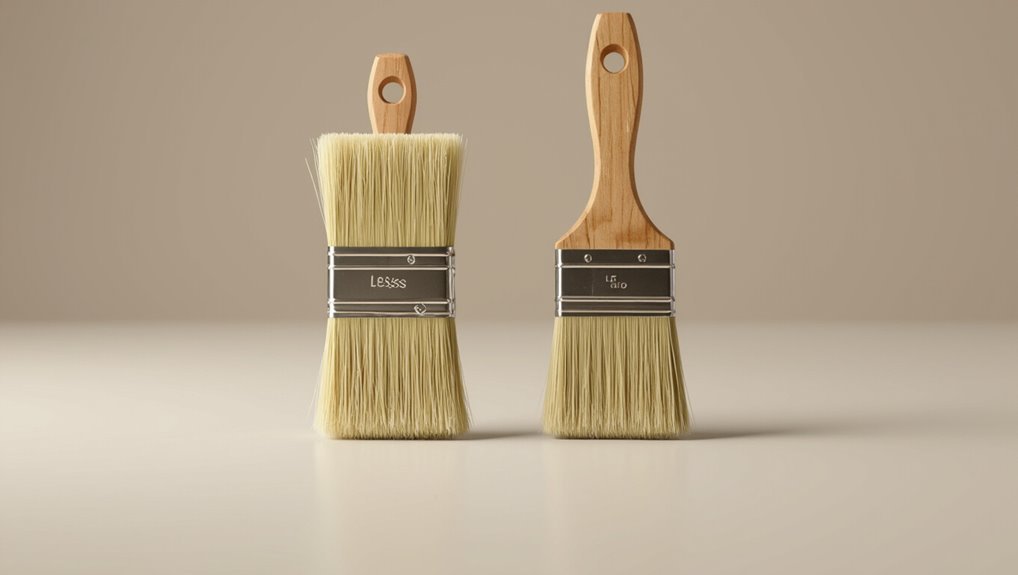
A chip paint brush is a short, stiff-bristled brush designed for scraping and applying paint in tight spots. You’ll usually find it with a wide, flat head and dense natural or synthetic hairs that hold paint well.
You’ll notice chip brush history ties to simple, low-cost brush manufacturing. You use its stiff profile for control, durability, and quick cleanups where larger, softer brushes fail.
When to Use a Chip Brush vs. Roller or Foam?
When you need precise touch-ups and trim work, a chip brush gives you the control to handle small areas without overworking the paint.
For large, smooth surfaces you’d reach for a roller to keep the finish even, and foam pads are better when you want a super-smooth, brush-mark-free result.
If speed matters, choose a roller for fast coverage rather than a chip brush.
Touch-Ups And Detail Work
For small repairs and tight spots, reach for a chip brush instead of a roller or foam—it’s far easier to control and gets into corners and trim without overload.
You can achieve accurate color matching on small patches and maintain edge precision along moldings.
Use the chip brush for feathering, tiny drips, and touch-ups where rollers or foam would flood edges or miss shallow grooves.
Large Smooth Surfaces
Although chip brushes give you control and precision, they usually aren’t the best choice for covering large smooth surfaces because rollers and foam apply paint faster and more evenly; stick with a brush only when you need to cut in edges, blend patchy spots, or work around fixtures where a roller can’t reach.
For large area coverage and a smooth finish, use a roller or foam, reserving chip brushes for edges.
Fast Coverage Needs
If you need to cover a lot of area quickly, reach for a roller or foam first and save the chip brush for touch-ups and tight spots; rollers lay down paint far faster and more evenly, while foam gives a smooth, lint-free finish.
You’ll use chip brushes for edges where fast application and efficient painting with control matter.
- Trim and corners
- Small repairs
- Detail work
- Tight grooves
Why Chip Brushes Are Ideal for Detailed Painting
When you need precise control on small surfaces, chip brushes give you the reach and responsiveness that bigger brushes can’t match; their short, stiff bristles let you load just the right amount of paint and guide it into tight corners without drips or excess build-up.
You’ll enjoy precision detailing on trim, models, and fixtures, and handle intricate designs with steady strokes, minimal cleanup, and consistent edges.
Common Chip Brush Sizes and Shapes
You’ll find chip brushes in a range of standard sizes from narrow 1/2-inch tips to wide 4-inch flappers, so you can pick the width that matches your project’s detail level.
You’ll also notice shape variations—flat, angled, and round—that change how the bristles lay and how much control you have.
In the next section we’ll compare those sizes and shapes to help you choose the right brush for precise work or broader coverage.
Standard Sizes Overview
Chip brushes come in a handful of common sizes and shapes that match different jobs, from tight-detail work to broad coverage.
You’ll pick brush width by task, balancing control and coverage. Typical chip brush sizes and chip brush shapes include:
- 1/2″ for tiny touch-ups
- 1″ for small trims
- 2″ for general work
- 3″+ for large areas
Shape Variations Explained
Those sizes give you a baseline for choosing a brush, but shape matters just as much for how the tool performs.
You’ll match chip brush shapes and bristle types to tasks: flat for broad coverage patterns, angled for precise finishing touches, round for texture effects.
Consider handle lengths for control and comfort, and select painting techniques and application methods that suit each shape for efficient results.
Chip Brush Bristles: Natural vs. Synthetic
When deciding between natural and synthetic bristles, think about the finish you want and the materials you’ll be working with: natural bristles (usually hog hair) hold more oil-based finishes and give a smoother lay-in, while synthetic bristles (nylon or polyester) resist water, maintain stiffness, and work better with water-based paints.
- Choose natural bristles for oils
- Pick synthetic bristles for water-based
- Consider durability and cleanup
- Match bristle type to finish needs
Chip Brush Handle Styles and Control
1 main factor in brush control is the handle style you choose, since length, shape, and material directly affect grip, leverage, and comfort. You’ll assess handle materials, handle length, and ergonomic designs to improve grip control and brush balance. Consider user preference and control factors when selecting for handle comfort.
| Style | Benefit |
|---|---|
| Short | Precision |
| Long | Leverage |
Surface & Paint Prep for Chip Brushes
Preparing the surface and your paint correctly makes chip brushes perform their best, so start by cleaning, sanding, and removing loose material before you touch any finish.
You’ll focus on surface preparation to boost paint adhesion and even coverage.
Follow these quick steps:
- Clean dirt and grease
- Sand for keying
- Remove dust thoroughly
- Use tack cloths for final wipe
Best Paints and Finishes for Chip Brushes
With your surface cleaned and sanded, pick paints and finishes that suit a chip brush’s strengths: thin to medium-viscosity oil- and water-based products that flow easily and won’t overload the short, stiff bristles.
You’ll favor stains, varnishes, latex, and acrylics with good paint compatibility. Choose affordable options for disposability on rough jobs, and keep solvents and thinning guidelines handy to preserve brush life.
Techniques for Straight Lines, Edges, and Tight Spots
Tackle straight lines, edges, and tight spots by using short, controlled strokes and angling the chip brush so only the tip or corner of the bristles contacts the surface; this gives you precision without overloading paint.
You’ll use precision techniques, edge control, and careful application for tight corners and clean lines during detailed work.
- Light pressure
- Minimal paint load
- Tip-first angles
- Slow, steady motion
Precision Tasks Chip Brushes Excel At: Trim, Corners, Hardware
When you need crisp trim lines, clean corners, or neat hardware touch-ups, a chip brush gives you the control to work small without fuss.
You’ll use chip brush applications for window trim, baseboards, door edges, and around hinges. Its stiff bristles and compact size let you do precision painting in tight spots, minimizing bleed and rework while speeding detail work.
Creative Uses: Texture, Dry Brushing, Faux Finishes
You can use chip brushes to create a range of textures by varying brush pressure, angle, and stroke length.
Try dry brushing with a nearly-dry brush to catch raised grain or add subtle highlights.
Use layering and scraping techniques to achieve convincing faux finishes like aged wood or distressed plaster.
Texture Variation Techniques
Although chip brushes are inexpensive and simple, they’re surprisingly versatile for creating varied textures; you can layer, scrape, and dab to achieve everything from subtle grain to pronounced stippling.
You’ll explore texture techniques and deliberate brush effects to add depth.
Try these approaches:
- Layered glazing for subtle depth
- Scraping for linear distress
- Dabbing for stipple texture
- Raking for directional grain
Dry Brushing Methods
Building on those layering and scraping techniques, dry brushing offers a fast way to add delicate highlights, worn edges, and lifelike texture without heavy paint buildup.
You’ll load a chip brush lightly, remove excess, then sweep in one direction for subtle contrast.
Practice dry brushing techniques on scrap material to learn pressure and stroke length, so you can enjoy dry brushing benefits quickly and predictably.
Faux Finish Applications
Faux finishes let you transform plain surfaces into convincing wood grain, aged metal, or stone with just a chip brush and a few simple techniques.
You’ll create faux textures using thin glazes and controlled strokes, applying layering techniques to build depth.
Try these approaches to get realistic results:
- Wood grain with combing and glaze
- Patina with stippling
- Marbling with feathering
- Distressing with sanding
Cleaning and Caring for Chip Brushes
When you finish a painting or varnishing session, clean your chip brushes promptly to prevent dried residue from ruining the bristles and shortening their life.
Use appropriate cleaning techniques—water for latex, solvent for oil-based—working from ferrule to tip. Rinse thoroughly, reshape bristles gently, and air dry.
Regular brush maintenance, including removing excess paint and occasional conditioning, keeps performance reliable.
How to Store Chip Brushes to Preserve Shape
After you’ve cleaned and reshaped your brushes, store them so their bristles keep that form; improper storage squashes tips, causes kinks, and undoes your care.
You should follow storage tips and brush maintenance practices to extend life:
- Hang brushes bristle-down or lay flat
- Use a rigid container to prevent crushing
- Keep dust covers on
- Store dry, away from heat and solvents
Troubleshooting: Streaks, Splaying, Bristle Loss
If your chip brush leaves streaks, check for old paint buildup, improper thinning, or uneven pressure while you work.
To prevent splaying, clean and reshape the bristles after use and avoid soaking wooden handles for long periods.
If bristles start shedding, remove loose hairs, avoid harsh solvents, and replace the brush when loss affects finish quality.
Causes Of Streaking
Although streaking can seem like a mysterious fault, it’s usually caused by a few predictable issues you can fix:
- using dirty or clogged bristles (streaking causes)
- too-thick or too-thin paint
- poor brush technique or uneven pressure
- low-quality or damaged bristles
You can diagnose quickly and apply streaking solutions like cleaning, adjusting viscosity, swapping brushes, or refining strokes to restore smooth coverage.
Preventing Bristle Splaying
When bristles start to splay you’ll lose control and finish quality, so prevent it by handling brushes correctly and keeping them clean and properly stored.
You should rinse paint thoroughly, reshape tips while damp, and avoid soaking ferrules.
Use proper bristle care: dry upright or hang, protect with covers, and rotate brushes for splaying prevention so tips keep firm and aligned.
Addressing Bristle Loss
Bristle loss can quickly ruin a paint job by leaving streaks, gaps, and an uneven finish, so you’ll want to spot and fix it fast.
Inspect bristle types and act: use proper cleaning, dry flat, avoid solvents that weaken fibers, and replace worn brushes.
Maintenance tips:
- Rinse thoroughly after use
- Comb bristles gently
- Store upright or flat
- Rotate brushes regularly
Choose the Right Chip Brush: Size, Bristles, Handle
Picking the right chip brush comes down to three simple choices—size, bristle type, and handle—that affect control, finish, and comfort; know what project you’re tackling so you can match brush width to surface, select natural or synthetic bristles for your coating, and choose a handle that feels secure in your hand.
| Factor | Consideration |
|---|---|
| Size | size selection, usage scenarios |
| Bristles | bristle types, application techniques |
| Handle | handle materials, durability factors |
Budget to Pro: Price Ranges and Value
You’ll find chip brushes across a wide price spectrum, from cheap entry-level options that work for one-off jobs to midrange picks that balance cost and durability.
Consider what you’ll use them for—occasional touch-ups don’t justify a top-tier brush, but frequent use does.
If you’re serious about finish and longevity, investing in a professional-grade brush pays off over time.
Entry-Level Options
1 clear way to approach chip paint brushes is to match your budget to the project: inexpensive synthetic brushes work fine for quick touch-ups and water-based paints, mid-range blends give better edge control and durability for regular DIY work, and higher-end natural or hybrid brushes pay off for pro-level finishes and frequent use.
- affordable options for beginners
- simple care extends life
- look for quality materials
- replace when bristles splay
Midrange Value Picks
If you found an entry-level brush that fits your budget but want better control and longevity, midrange options bridge the gap between cheap disposables and pro-grade tools.
You’ll find affordable options with durable bristles, comfortable handles, and better paint pickup.
Prioritize quality considerations like filament type and ferrule construction so you get dependable performance without overspending, improving results as you step up from basics.
Professional Investment
When you’re ready to move from midrange brushes to pro-level tools, think of it as investing in consistent results rather than just buying a nicer handle.
You’ll get durability, finer edges, and better finish for professional painting demands, improving cost efficiency over time.
- Longer lifespan
- Cleaner lines
- Faster coverage
- Fewer replacements
DIY Fixes & Mods to Improve Chip Brush Performance
Although chip brushes are simple tools, you can make small DIY fixes and mods that noticeably boost their performance and lifespan.
You’ll improve precision with trimmed bristles, add a comfortable handle wrap, and secure ferrules with epoxy.
Focus on performance upgrades and regular brush maintenance like cleaning and reshaping.
These practical tweaks cut waste, enhance finish quality, and extend useful life without much cost.
When to Replace a Chip Brush : Signs It’s Worn Out
After you’ve tweaked and maintained your chip brush, you’ll still reach a point where replacement delivers better results than more repairs.
Even with careful upkeep, there comes a time when replacing your chip brush restores better, more consistent results.
Watch for clear wear indicators and shortened brush lifespan. If you notice:
- Split or splayed bristles that won’t reform
- Heavy shedding during use
- Uneven finish or streaking
- Loose ferrule or handle wobble
Replace the brush to restore consistent results.
Quick Chip-Brush Project Checklist for Small Repairs
Start with a quick inventory: gather a clean chip brush, matching paint or finish, a small tray or container, painter’s tape, rags, and any sanding or filler materials you’ll need.
Check surface prep, ventilation, and waste disposal.
Plan quick repairs, choose proper brush techniques, test on scrap, tape edges, sand or fill as needed, apply thin coats, and clean the brush immediately after use.
Frequently Asked Questions
Can Chip Brushes Be Used for Food-Related Projects or on Utensils?
No, you shouldn’t use chip brushes for food-related projects or utensils because food safety matters; their bristle materials often aren’t food-grade, can shed, and may contaminate surfaces—choose brushes labeled food-safe instead.
Are Chip Brushes Safe for Use With Epoxy or Resin?
Yes — you can, but treat them like a weathered sail: they’ll work briefly with epoxy or resin, yet chip brush durability’s limited. You’ll want chip brush alternatives (synthetic or disposable foam) for cleaner, longer-lasting results.
Do Chip Brushes Cause Allergic Reactions From Bristle Materials?
Yes — you can get allergic reactions from bristle materials; if you’re sensitive to natural hair or chemical-treated bristles, they’ll irritate you. Use synthetic brushes, gloves, or test a patch to avoid reactions.
Can Chip Brushes Be Sterilized for Medical or Lab Equipment Cleaning?
No — you shouldn’t sterilize chip brushes for medical or lab cleaning; they’re not designed for sterile environments. Their brush durability and paint adhesion focus makes them prone to contamination, shedding, and compromised sterilization effectiveness.
Are There Eco-Friendly or Biodegradable Chip Brush Options?
Yes — you can choose eco-friendly chip brushes made from sustainable materials and natural alternatives like bamboo handles and hog or plant fiber bristles; they’ll biodegrade faster, reduce plastic, and still tackle messy projects with reliable performance.
Conclusion
You’ll reach for a chip brush when precision, texture control, or quick cleanup matter—it’s the small-but-mighty tool that makes detail work easier. Like a scalpel for paint, it lets you tackle trim, touch-ups, and glue without overkill. Keep an eye on frayed bristles and hardened residue, swap natural for synthetic if solvents change, and don’t hesitate to upgrade when performance drops. Use it often; it’ll repay you in neat, efficient results.
