
What Color Ceiling Paint: Best Shades for Every Room Style
Pick a ceiling color that fits each room’s purpose and light: go bright white or soft warm white in kitchens and home offices to boost light and height; choose pale blue or sage in bedrooms for calm; use deeper navy, terracotta, or charcoal in dining and media rooms for coziness and drama; pick muted creams or greys for rustic or modern styles. Test swatches in varied light and coordinate undertones with trim and flooring, and keep reading to learn practical tips.
What This Guide Covers
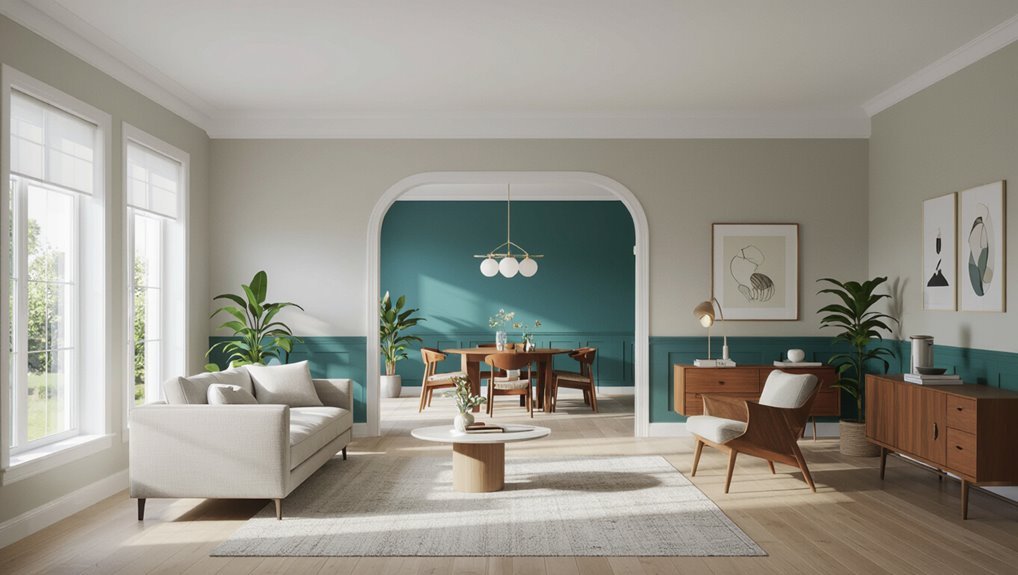
Before you pick a shade, this guide walks you through why ceiling color matters, how different hues affect a room’s feel and height, and which finishes work best for common problems like stains or low light.
You’ll learn ceiling color psychology, practical tips for coordinating walls and trim, and how to handle unusual ceiling textures so your choices improve light, scale, and mood in every room.
Quick 3-Step Way to Pick a Ceiling Color
Ready for a simple process that actually works? You’ll choose a base, test lighting, and finalize. Consider ceiling color psychology to set mood and consult seasonal color trends for timely accents. Try this quick checklist:
| Step | Action | Result |
|---|---|---|
| 1 | Pick base tone | Cohesive palette |
| 2 | Swatch & view | True color |
| 3 | Commit | Confident finish |
How Ceiling Color Changes Perceived Room Height
Now that you’ve got a simple process to pick and test a ceiling color, consider how that color will actually change a room’s perceived height.
You can raise ceilings by painting them lighter than walls; white or pale hues recede. Darker ceilings feel lower and cozier.
Use ceiling color psychology to guide mood while monitoring height perception so proportions stay balanced and intentional.
How Ceiling Color Affects Natural and Artificial Light
When you pick a ceiling color, it directly changes how both natural and artificial light behave in a room: You’ll boost light reflection with pale tones and mute it with dark ones, and color temperature shifts feel stronger against warm or cool ceilings.
| Ceiling Tone | Natural Light | Artificial Light |
|---|---|---|
| Pale | Bounces broadly | Appears truer |
| Dark | Absorbs | Warmer shift |
| Mid | Diffuses | Balances |
Mood and Atmosphere Created by Ceiling Colors
Your ceiling color sets the mood—choose warm tones to make a room feel cozy and intimate.
Lighter, cooler shades can open a space and enhance brightness for a more airy vibe.
For bedrooms or reading nooks, muted blues and greens promote calmness and serenity.
Warmth And Coziness
Although ceilings are often overlooked, the color you choose will strongly shape how warm and cozy a room feels; rich creams, soft terracottas, and muted golds pull light inward and create an embracing atmosphere, while deeper plaster tones add depth and intimacy.
You’ll enhance that feeling with cozy textures, soft lighting, layered rugs, and warm wood accents to invite lingering and relaxation.
Spaciousness And Light
If you want a room to feel larger and airier, choose ceiling colors that reflect light—pale blues, crisp whites, and very light grays push the eye upward and expand perceived volume.
You’ll boost light reflection and balance color temperature with cool, pale tones that amplify daylight.
Use gloss sparingly for extra bounce, or matte for subtle depth without shrinking the space visually.
Calmness And Serenity
Having lifted a room with light-reflecting tones, you can now focus on how ceiling color shapes mood—soft, muted hues calm the eye and encourage relaxation.
Choose calming colors like pale blue, warm greige, or dusty sage to foster serene vibes; a low-contrast ceiling deepens intimacy, while a slightly lighter shade keeps airiness.
Trust color to set tone and soothe occupants.
Matching Ceiling Color to Architectural Style
Think about your home’s era when choosing a ceiling color — a Victorian room might suit rich creams or soft golds, while mid-century spaces often call for muted, cool tones.
Use ceiling color to highlight architectural details like beams, cornices, or tray ceilings by contrasting or coordinating with wall paint.
Small, intentional choices will reinforce the style and make those features stand out.
Match Ceiling To Era
When you’re choosing a ceiling color, consider the architectural era of your home so the paint feels authentic and cohesive. A Victorian ceiling can handle ornate, muted hues while a mid-century modern interior benefits from clean, light tones that emphasize simplicity.
You’ll match period palettes and historical accuracy by using retro colors for vintage styles or modern shades for contemporary rooms. This balances classic elegance and architectural harmony with sound design principles.
Highlight Architectural Details
If you want the architecture to stand out, pick a ceiling color that emphasizes its lines and details—use a slightly lighter shade to lift mouldings and cornices, or a deeper, contrasting tone to make beams and coffers feel deliberate and dramatic.
You’ll direct attention to architectural highlights by pairing subtle neutrals with bold ceiling contrasts, ensuring each element reads clearly without competing for focus.
Choosing Ceiling Paint by Room Function
Because ceiling color can change how a room feels and functions, you should choose paint based on the room’s purpose: bright, reflective whites for task-heavy spaces like kitchens and home offices; softer neutrals or pale blues for bedrooms to promote calm; and deeper, moodier tones or satin finishes in dining rooms and media rooms to add drama and hide imperfections.
Tailor ceiling paint finishes to enhance room functionality and mood.
Best Ceiling Colors for Low Ceilings
Low ceilings can make a room feel cramped, but the right ceiling color will open the space and lift your eye upward.
Choose pale, warm whites or very light pastels to create low ceiling solutions that reflect light. Avoid heavy, dark paints.
Use satin or eggshell finishes and trim in slightly lighter tones to enhance ceiling height illusions and keep the room airy, simple, and cohesive.
Best Ceiling Colors for High Ceilings
When you have high ceilings, you can make a bold statement rather than play it safe; deeper hues and dramatic contrasts add warmth and visual intimacy without closing the space in.
Embrace rich navy, charcoal, or jewel tones to harness high ceiling benefits and balance scale.
Lighter trims and strategic lighting amplify color perception effects, keeping the room grounded and elegant.
When to Paint Ceilings the Same Color as Walls
Ever wondered if painting your ceiling the same color as the walls will make a room feel cohesive or cramped? You’ll choose this when to unify small spaces, highlight bold color schemes, or follow modern ceiling trends that blur boundaries. It suits cozy rooms, open-plan lofts, or dramatic bedrooms—use consistent trim and lighting for balance.
| Use | Effect | Tip |
|---|---|---|
| Small rooms | Cozier | Keep contrast low |
| Bold colors | Dramatic | Test samples |
| Open plans | Seamless | Use uniform trim |
| Bedrooms | Intimate | Mind lighting |
When to Paint Ceilings a Lighter Shade Than Walls
If matching ceiling and wall colors can unify a space, choosing a lighter ceiling shade will open it up and keep the room feeling airy rather than boxed in.
You’ll use ceiling color psychology to brighten low rooms, reflect light, and make ceilings recede visually.
When choosing ceilings wisely, opt for a subtle contrast—soft white, pale cream, or a tint lighter than wall paint.
When to Paint Ceilings a Darker Shade Than Walls
If you want a bold, dramatic look, painting the ceiling a darker shade than the walls can define the room and add visual interest.
It’s also a smart trick for low ceilings, since a darker overhead can visually pull the plane downward and feel intentional rather than cramped.
Use it in living rooms or bedrooms when you want a cozy, intimate ambience that invites relaxation.
Dramatic Room Definition
When you want a room to feel bold and intentionally designed, painting the ceiling a darker shade than the walls can create crisp definition and drama without overwhelming the space.
You’ll use dramatic contrasts and bold statements to emphasize architectural highlights, add visual depth, and guide sightlines.
Rely on color psychology for mood enhancement, choosing tones that reinforce the room’s purpose and character.
Low Ceiling Camouflage
Bold ceilings can define a room, but you’ll want a different approach for low ceilings: painting the ceiling a darker shade than the walls can visually lower the plane and create a cozy, enveloping feel that masks height without making the space feel cramped. You’ll use low ceiling illusions sparingly, balance with light color choices on walls, and add vertical accents.
| Dark ceiling | Lighter wall | Vertical stripe |
|---|---|---|
| Navy | Pale gray | Narrow |
| Charcoal | Cream | Tall panels |
Cozy Intimate Ambience
Although darker ceilings can make a room feel smaller, choosing a shade deeper than the walls instantly creates a warm, intimate atmosphere that invites relaxation and conversation.
Use rich, warm tones with cozy textures—velvet curtains, wool rugs—and position intimate lighting low and layered.
Paint works best in bedrooms, reading nooks, or dining rooms where you want sheltered comfort without closing the space off completely.
Using White Ceilings: Which White to Choose
Picking the right white for your ceiling matters more than you might think, because subtle differences in undertone and sheen can change how your room reads and feels.
You’ll want whites that flatter light, follow ceiling trends, and suit trim. Consider:
- Cool whites for modern, airy spaces.
- Neutral whites for balanced, timeless looks.
- Bright whites to maximize perceived height.
Using Off-White and Cream Ceilings for Warmth
If cool or bright whites feel too stark, shifting to off-white or cream ceilings will warm the room without overwhelming it.
You can use off white charm to soften contrasts, pair cream elegance with warm woods, and choose a subtle undertone to complement wall color.
This approach adds cozy height and gentle light reflection while keeping the space airy and refined.
Pale Pastels on Ceilings to Subtly Alter Mood
Want to nudge a room’s mood without committing to bold color? You can use pale pastel psychology to create subtle mood shifts overhead, gently influencing calm, warmth, or focus without overpowering walls or decor.
- Soft blue: promotes calm and concentration.
- Blush pink: adds warmth and comfort.
- Mint green: refreshes and reduces tension.
Bold Colored Ceilings for Drama and Coziness
When you paint the ceiling a bold color, the room instantly gains drama and a sense of intimacy that pale tones can’t match. Deep hues pull the space inward while saturated shades add personality without changing furniture or layout.
Use bold color psychology to choose tones that evoke warmth or energy, and apply dramatic ceiling techniques like accent borders or gloss finishes to heighten coziness and focus.
Black and Deep Tones on Ceilings: When They Work
Although dark ceilings can feel daring, they work best in rooms with ample light, higher ceilings, or strong architectural details that the deep color can highlight; think cozy bedrooms, dramatic dining rooms, or gallery-like living spaces where the ceiling becomes a deliberate focal point rather than a visual cave.
- Black ceilings add atmospheric depth and moody elegance.
- Deep tones create bold contrasts for stylish interiors and modern aesthetics.
- Used right, they bring cozy intimacy, dramatic effect, and unexpected charm.
Blue Ceilings to Create Calm and a Sky Effect
Try a soft sky blue on the ceiling to make the room feel airy and peaceful.
If you want moodier depth, go for a deep teal that still reads calm but adds drama.
Keep trim crisp white to frame the color and lift the whole effect.
Soft Sky Blues
If you want a ceiling that feels open and serene, soft sky blues recreate the airy calm of a clear day without overpowering the room.
You’ll find soft sky blue inspiration in pale, warm-leaning hues that lift ceilings and reflect light.
Try soft sky blue combinations to tie walls and trim together.
- pale warm blue
- muted gray-blue
- white-trim contrast
Deep Moody Teals
Soft sky blues lift a room with lightness; deep moody teals anchor it with a quieter, enveloping calm that still evokes the sky’s depth.
You can paint a ceiling deep teal to add intimacy without shrinking the space.
Use layered lighting to reveal subtle variations; color psychology suggests this hue soothes and focuses, making bedrooms or reading nooks feel cocooned and serene.
Accentuating Trim Whites
When you paint the ceiling a pale blue and keep the trim bright white, the contrast sharpens architectural lines and makes the room feel airy and expansive like an open sky.
You’ll use trim contrast and white variations to tune mood, balance light, and define edges.
Consider:
- Crisp cool whites for modern clarity.
- Warm whites for cozy glow.
- Soft eggshells to soften changes.
Green Ceilings for Freshness and Continuity With Plants
Choose one or two muted green tones to extend the freshness of your plants upward and create a cohesive, calming room.
You’ll enjoy green ceiling benefits like visual continuity and a soothing backdrop that enhances foliage.
Use slightly lighter shades than your tallest plants for depth, coordinate with natural wood or rattan, and position hanging or shelf plants to maximize plant integration and balanced rhythm.
Gray Ceilings for Modern Minimalism
Choose a soft gray ceiling when you want tonal continuity that gently ties walls and furnishings together.
You can also pick a darker, cooler gray to create a bold contrast that frames the room and highlights architectural lines.
Either way, gray keeps the look restrained and modern without competing with your decor.
Soft Tonal Continuity
Because gray sits between cool and warm tones, it gives your ceiling a subtle anchor that ties a modern room together without demanding attention.
You’ll use gray to enhance soft color palettes and create seamless shifts between walls and fixtures.
Consider these practical effects:
- Calms busy patterns and balances texture.
- Unifies mixed materials in open plans.
- Preserves light while grounding space.
Bold Contrast Statements
While soft gray can subtly anchor a room, a deeper, cooler gray on the ceiling can make a bold minimalist statement that highlights clean lines and dramatic shapes.
You’ll use bold color choices sparingly, letting a gray ceiling frame furniture and fixtures.
Pair it with contrasting textures—matte paint above and glossy or tactile accents below—to enhance depth without clutter, keeping spaces calm and striking.
Warm Neutrals on Ceilings for Inviting Spaces
Warm neutral ceilings—think soft taupes, warm grays, and creamy beiges—make rooms feel cozier without closing them in.
They work especially well in living areas, bedrooms, and dining spaces where you want people to linger.
You’ll use warm neutral palettes to build an inviting ambiance that feels layered and calm.
- Unify contrasts.
- Soften light.
- Anchor décor.
Metallic and Pearlescent Ceiling Finishes for Glamour
If you want to add instant glamour without overwhelming the room, metallic and pearlescent ceiling finishes catch and reflect light to create a subtle, luxurious shimmer overhead.
You’ll use metallic hues and pearlescent effects as reflective finishes and glam accents, pairing color combinations to enhance light play.
These choices elevate luxurious vibes while working with varied ceiling textures for depth and sophistication.
Gloss vs. Matte Ceiling Finishes: Visual Impact and Maintenance
Metallic and pearlescent finishes set a glamorous tone, but the sheen you choose—gloss or matte—will determine how that look reads and how the ceiling performs day to day.
Metallic and pearlescent ceilings add glamour—your choice of gloss or matte will shape both appearance and daily performance
You’ll weigh gloss benefits against matte advantages, plus maintenance tips and visual impact.
- Gloss: easy clean, highlights texture.
- Matte: hides flaws, softens light.
- Choose by use and upkeep.
How Lighting Changes Ceiling Paint Appearance
You’ll notice that natural and artificial light can make the same ceiling color read very differently throughout the day.
Bright, direct light will intensify pigments and reveal sheen, while dim or diffuse lighting will soften color and hide subtle tones.
Consider both light source and intensity when picking a ceiling paint so the shade looks right in the room’s usual conditions.
Natural Versus Artificial
Because light changes color and intensity throughout the day, the same ceiling paint can look noticeably different under natural sunlight than it does under artificial bulbs.
You should test finishes at different times to judge light reflection, texture effects, and color saturation. Consider how ambient lighting and light diffusion alter visual contrast and surface finish versus color temperature from bulbs.
- Observe natural light.
- Evaluate artificial light.
- Compare results.
Light Intensity Effects
How bright is the room when you’re deciding on a ceiling color? You’ll notice light intensity alters hue—strong sunlight warms pigments, dim fixtures mute them.
Consider light diffusion: matte ceilings scatter light, softening contrasts; glossy surfaces reflect, amplifying brightness.
Use color psychology to match mood—calming pale tones in low light, energetic warm shades where illumination boosts vibrancy.
Test samples under real conditions.
Choosing Ceiling Paint for Low-, North-, and South-Facing Rooms
When a room gets little natural light or faces north, cooler, brighter ceiling colors can open the space.
If a room lacks natural light or faces north, choose cool, bright ceiling colors to visually open it up.
In contrast, south-facing rooms with warm sunlight let you use softer, muted tones without losing vibrancy.
Low-ceilinged rooms benefit from lighter, reflective paints to create height, whereas darker ceilings can cozy up tall spaces.
- Use light reflection to boost openness.
- Aim for color harmony with walls.
- Match finish to function.
Ceiling Colors That Boost Brightness in North-Facing Rooms
In north-facing rooms, you’ll get the most lift from warm whites or soft creams that counteract cool natural light.
Pair those tones with a soft reflective finish to bounce light without creating glare. Together they make the space feel brighter and more inviting.
Warm White Or Cream
Soft neutrals like warm white or cream can instantly lift a north-facing room by reflecting the limited natural light you get and adding subtle warmth to cool shadows.
You’ll follow ceiling color trends while choosing undertones that complement walls and furnishings.
- Pick creamy whites for cozy cool rooms.
- Use warm whites to soften grey light.
- Test swatches at different times.
Soft Reflective Finishes
After choosing a warm white or cream to lift a north-facing room, consider finishes that bounce light rather than absorb it.
Choose a soft sheen to enhance light reflection without glare. You’ll get a brighter, airier ceiling that still hides minor imperfections.
Apply a quality roller and thin, even coats; the result feels subtle, clean, and naturally luminous in cool, shaded spaces.
Ceiling Paint Tips for South-Facing Sunlit Rooms
Want your south-facing room to feel bright without becoming glaring? Choose ceiling hues that tame sunlight reflections and balance color temperature.
Lighter warm neutrals soften glare; cool whites keep tones crisp. Consider finish and angle to control bounce.
- Matte warm white — reduces shine.
- Soft cool white — preserves crispness.
- Pale beige — adds gentle warmth.
Coordinating Ceiling Color With Flooring Tones
Pair your ceiling color with the flooring tones to create cohesion and visual balance throughout the room. You’ll use flooring contrast to highlight architectural features or match warm floors with warm ceilings for subtle room cohesion. Choose lighter ceilings to open spaces or slightly darker tones for cozy rooms.
| Floor Tone | Ceiling Suggestion |
|---|---|
| Light wood | Soft white |
| Dark wood | Warm taupe |
| Cool gray tile | Pale gray |
| Patterned | Neutral white |
Coordinating Ceiling Color With Furniture and Textiles
When you pick a ceiling shade, check that its undertones echo the fabrics in your room so everything feels cohesive.
If your ceiling is bold, balance it with neutral or textured upholstery to keep the space grounded.
Use small accents—pillows, throws, or a rug—to repeat the ceiling’s color and tie the scheme together.
Match Undertones With Fabrics
If your fabrics lean warm or cool, match your ceiling’s undertone to them so the room reads as cohesive rather than jarring.
You’ll tie textiles, furniture, and paint by reading fabric patterns and using color psychology to set mood.
Consider these steps:
- Sample ceiling paint beside upholstery swatches.
- Let dominant textile tones guide undertone choice.
- Adjust trim neutrals to harmonize contrasts.
Balance Bold Ceilings With Upholstery
A bold ceiling can anchor a room, so balance its impact by echoing or tempering that color in your upholstery choices; pick one or two furniture pieces to repeat the ceiling hue in smaller doses—think throw pillows, an accent chair, or a sofa throw—so the eye travels naturally without feeling overwhelmed. Use bold upholstery sparingly to maintain ceiling contrast.
| Element | Repeat | Restraint |
|---|---|---|
| Pillows | Yes | Low |
| Chair | Optional | Medium |
| Throw | Yes | Low |
| Rug | Optional | Medium |
| Lamp | No | High |
Tie Accent Colors Together
You’ve already learned how to echo a bold ceiling in upholstery; now pull those accents through the rest of the room so everything reads as a single scheme.
Use accent color psychology to guide mood and follow Ceiling color trends for cohesion.
Coordinate pillows, rugs, and art to reinforce intent.
- Pillows
- Rugs
- Art
Ceiling Color Strategies for Open-Plan Spaces
When you’re working with an open-plan space, ceiling color becomes a tool for zoning and balance rather than just a finishing touch.
Use subtle shifts—slightly warmer tones over seating, cooler over work areas—to create open plan versatility without harsh divides.
Keep hues related to walls and floors for cohesive design. Lighter ceilings unify, while slightly darker tones define zones discreetly.
Accent Ceilings: Where and How to Add a Focal Ceiling Color
Think about using an accent ceiling in areas you want to highlight—like a cozy reading nook, a dining area, or an entryway—to draw the eye upward and define the space.
Pick a tone that complements your walls and lighting: darker hues add drama, soft colors feel intimate, and saturated shades create energy.
When painting, prep carefully, use painter’s tape for crisp edges, and test samples on the ceiling to check color in different light.
Where To Use
An accent ceiling can instantly anchor a room by drawing the eye upward, so pick spaces where a bold overhead color will complement rather than compete with existing features.
Use ceiling color psychology and follow ceiling color trends to guide choices that suit mood and function.
- Dining rooms: create drama and warmth.
- Bedrooms: add coziness without overwhelm.
- Entryways: offer a memorable welcome.
Choosing The Right Tone
How bold should the ceiling be to make the room sing without stealing the show? You’ll weigh tone selection against scale, lighting, and furniture; pick a shade that complements walls and directs sight without overwhelming.
Use color psychology to set mood—soft blues calm, warm terracottas energize—then test samples under real light before committing to a focal ceiling color.
Painting Techniques And Tips
After you’ve settled on the right tone, decide where an accent ceiling will make the biggest impact: over dining tables, in entryways, above beds, or within tray and coffered ceiling details.
Use color psychology to guide mood, test samples under actual light, and consider ceiling textures to catch highlights.
- Anchor a zone
- Balance scale
- Tie palettes together
Trim and Molding Color Pairings With Ceilings
When you’re choosing trim and molding colors to pair with your ceiling, think of them as a frame that either highlights or downplays the overhead surface.
You’ll follow ceiling design trends by using crisp white for contrast or a subtle tone-on-tone for cohesion.
Intentional molding contrasts can define architectural details, guide sightlines, and balance bold ceiling hues without overwhelming the room.
Ceiling Color Rules for Small Rooms and Bathrooms
You’ve seen how trim and molding can frame a ceiling; in small rooms and bathrooms that same framing affects perceived space and light.
Use ceiling color psychology and small room strategies to choose tones that expand or cozy a space.
Consider:
- Pale reflective whites to open low ceilings.
- Soft pastels to add warmth without shrinking space.
- Matte neutrals for intimate, calming bathrooms.
Ceiling Color Ideas for Kitchens and Dining Rooms
In kitchens and dining rooms you’ll choose ceilings that either brighten the space or add warmth.
Bright white reflects light and keeps cooking and serving areas crisp, while warm tones create a cozy, intimate feel.
If you want personality, consider an accent ceiling in a muted color or soft pattern to tie the room together.
Bright White vs Warm
Although bright white ceilings can make a kitchen or dining room feel crisp and airy, choosing a warm-toned ceiling can soften the space and enhance cozy, intimate vibes—so think about the room’s lighting, cabinetry, and overall mood before deciding.
You’ll weigh bright white benefits against warm tones effects.
- Bright white: amplifies light, modern clarity.
- Warm: fosters intimacy, complements wood.
- Balance lighting, finishes, and scale.
Accent Ceilings Ideas
If you liked the idea of warm ceilings for a cozier feel, consider using an accent ceiling to make the room pop without repainting every wall.
You can mix unique designs and color combinations, explore ceiling textures, playful patterns, and artistic finishes.
Draw on cultural influences, historical references, and seasonal trends to create unexpected contrasts that balance modern aesthetics in kitchens and dining rooms.
Ceiling Color Ideas for Bedrooms and Nurseries
Choose a soft, soothing color and your bedroom or nursery ceiling can feel like a gentle canopy rather than an afterthought.
You’ll create bedroom tranquility or invite nursery whimsy with subtle hues, soft pastels, or warm neutrals.
Pick tones that calm, make ceilings feel higher, and coordinate with bedding.
- Pale blue
- Blush pink
- Warm cream
Ceiling Color Ideas for Living Rooms and Family Rooms
In living and family rooms you’ll want ceiling colors that either lift a low ceiling or make the space feel snug.
Use light, reflective paints to brighten lower ceilings and warmer, darker tones to create a cozy ambiance.
Don’t forget to coordinate the ceiling shade with your trim so the overall look feels intentional and balanced.
Brightening Low Ceilings
When you’re dealing with a low ceiling in your living or family room, the right paint can lift the whole space—light, warm neutrals and soft whites reflect more light and make the ceiling feel higher without drawing attention to itself.
You’ll use ceiling height illusions and color psychology effects to choose shades that brighten, unify, and visually raise the room.
- Reflectivity
- Warmth balance
- Edge continuity
Creating Cozy Ambiance
After brightening a low ceiling with light neutrals, you can shift toward colors that make your living or family room feel warm and intimate: soft, muted tones and deeper, warm neutrals pull the ceiling visually closer and foster a cozy atmosphere without making the space feel cramped. Pair warm ceilings with cozy textures and varied lighting options to deepen comfort.
| Warm Hue | Texture | Mood |
|---|---|---|
| Taupe | Wool throw | Snug |
| Terracotta | Leather | Earthy |
| Deep sage | Velvet | Calm |
Coordinating With Trim
Choosing a ceiling color that coordinates with your trim helps unify the room and highlights architectural details.
You’ll balance coordinating textures and contrasting finishes to shape mood. Consider these approaches:
- Match warm trim with a soft, warm ceiling to reinforce cohesion.
- Use a slightly lighter ceiling than trim for subtle contrast.
- Paint ceiling darker than trim to create drama without overpowering furnishings.
Ceiling Color Ideas for Home Offices and Studios
Want your home office or studio to boost focus and creativity? Choose productivity colors informed by color psychology: soft blues and greens for calming hues that support focused spaces, warm neutrals to steady concentration, or a saturated accent for artistic vibes.
Blend studio inspiration with practical lighting, keeping ceilings lighter than walls to enlarge the room while nurturing creative environments.
Ceiling Color Advice for Hallways and Entryways
If you’ve picked calming or energetic tones for a home office or studio, carry that intent into hallways and entryways but adjust for traffic and scale: these narrow, often windowless spaces benefit from lighter ceilings to keep them feeling open, while a slightly warmer or glossier finish can reflect light and invite guests.
- Match entryway colors to hallway lighting.
- Use warm, reflective ceilings.
- Keep finishes durable and bright.
Ceilings in Historic or Period Homes: Color Considerations
If you’re working in a historic or period home, preserve original architectural details like cornices and medallions by choosing paint that highlights rather than hides them.
Match historical color palettes—research the era or consult paint archives—to keep the ceiling authentic.
Also pick period-appropriate finishes, such as matte or low-sheen, to reflect how ceilings would have originally looked.
Preserve Original Architectural Details
Preserving original ceiling details in a historic home starts with choosing colors that highlight, not hide, the architecture—think soft whites or muted creams to showcase crown moldings, coffers, and medallions without competing for attention.
You’ll use historical context and aim for architectural harmony when selecting paint; subtle contrasts draw the eye to trim.
- Use soft whites.
- Pick muted creams.
- Add low-gloss finish.
Match Historical Color Palettes
After choosing soft whites or muted creams to showcase moldings, you’ll want ceiling colors that respect the home’s original palette while fitting modern use.
Research historical influences to match hues used in the era, and sample small areas to check light.
Use color symbolism carefully—muted blues for calm, warm ochres for warmth—so ceilings honor period character without feeling dated.
Consider Period-Appropriate Finishes
When you’re working in a historic or period home, choose ceiling finishes that reflect the original materials and sheen—flat limewash or a low-sheen oil paint will read truer to older interiors than modern high-gloss latex.
You should honor period detailing and historical accuracy when selecting texture and sheen.
- Match original texture.
- Test authentic pigments.
- Use traditional application techniques.
Ceiling Paint for Modern, Minimalist Interiors
Clean lines and calm tones define modern, minimalist interiors, and your ceiling plays a quiet but essential role in that composition. Choose soft whites or muted greys to amplify light, pair with minimalist textures and natural materials, and keep finishes matte for subtle depth.
| Benefit | Finish | Effect |
|---|---|---|
| Brightness | Soft white | Opens space |
| Warmth | Muted grey | Adds depth |
| Texture | Matte | Reduces glare |
Ceiling Paint for Rustic and Cottage-Style Homes
Think of your ceiling as the quiet backbone of a rustic or cottage room: it can boost coziness, emphasize exposed beams, or softly reflect the warm, lived-in palette below.
You’ll choose hues that echo rustic color palettes and amplify cottage charm.
- Soft cream for warmth.
- Muted sage to tie nature inside.
- Warm white to highlight wood.
Ceiling Paint for Industrial and Loft-Style Spaces
Although industrial and loft interiors celebrate raw materials and open volume, your ceiling can sharpen that aesthetic or soften it where needed; choose finishes that echo concrete, steel, and exposed ductwork or contrast them with matte blacks and charcoals to add depth.
You’ll favor industrial ceiling textures—raw plaster, microcement, or brushed metal effects—and a restrained palette of loft space colors like greys, deep blues, and warm neutrals.
Accent Techniques: Stripes, Beams, and Painted Coffers
Want to make your ceiling a focal point instead of an afterthought? Use accent techniques to add visual depth and architectural highlights with contrasting colors, textured finishes, and playful motifs.
Try these approaches:
- Striped patterns for elongation and rhythm.
- Beam accents painted to emphasize structure.
- Coffered designs highlighted with two tones to reveal coffered designs and depth.
Paint Types, Primers, and VOCs
Choosing the right paint and primer can make or break your ceiling project, so know the differences between finishes, base types, and VOC levels before you start.
You’ll pick paint finishes suited to ceiling textures, match primer types for porous or glossy surfaces, and limit VOC levels with eco friendly paints.
Proper surface preparation guides paint application and reinforces color psychology for the room’s mood.
How to Sample Ceiling Paint Without Committing
After you’ve picked the right finish and primer, test colors on your ceiling before you commit—small samples reveal how light, texture, and height will change a shade.
You’ll use ceiling paint testing and varied color swatch options to decide. Apply peelable samples, view at different times, and evaluate from below.
- Peelable sample
- Multiple swatches
- Day/night checks
Painting Tips to Avoid Drips and Streaks on Ceilings
1 simple habit will cut down on drips and streaks: work in small, controlled sections and keep a wet edge as you roll. With proper prep work, primer application, correct paint consistency and suitable color samples, you’ll control ceiling texture. Use a steady brush technique for edges and the roller method for fields to guarantee drips prevention and streak reduction.
| Tool | Purpose |
|---|---|
| Brush | Edges |
| Roller | Fields |
| Primer | Adhesion |
| Tape | Clean lines |
Maintenance and Cleaning Tips for Different Ceiling Paints
Different ceiling paints call for different care, so match your cleaning method to the finish—flat, eggshell, satin, or semi-gloss—to avoid damage and keep the surface looking fresh.
You’ll preserve ceiling paint durability by using proper ceiling cleaning techniques and gentle tools.
Tips:
- Dust with a microfiber mop regularly.
- Spot-clean stains with mild detergent.
- Repaint high-traffic areas as needed.
Cost and Time to Repaint a Ceiling
Keeping your ceiling clean will delay repainting, but eventually you’ll face the question of cost and time—how much you’ll pay and how long the job takes depends on ceiling size, paint type, finish, prep needed, and whether you hire pros or DIY.
Estimate materials and labor: DIY saves labor but adds time; pros charge by hour or project.
Budget for ceiling paint preparation and consider ceiling repair techniques for stains or cracks.
Quick Checklist to Finalize Your Ceiling Color Choice
Before you commit, run through a short checklist to confirm your ceiling color will work in the room:
- Test swatches under real light to see color psychology effects and mood shifts.
- Consider ceiling textures—smooth vs. textured changes reflect light differently; paint sheen matters.
- Match trim, wall tones, and scale so the ceiling supports proportion and flow without overpowering the space.
Frequently Asked Questions
How Do Ceiling Paint VOC Levels Affect Indoor Air Quality Long-Term?
You’ll find high VOC paints worsen indoor air quality over time, causing long term effects like respiratory irritation; follow VOC regulations, choose low-VOC or zero-VOC options, and consider health considerations for vulnerable occupants to minimize risks.
Can Textured Ceilings Be Painted the Same Way as Smooth Ceilings?
Yes — you can paint textured ceilings similarly to smooth ones, but you’ll use different textured ceiling techniques and paint application methods: you’ll clean, prime, and roll with a thick-nap roller or spray for even coverage without flattening the texture.
What Paint Tools Minimize Roller Marks on Large Ceilings?
Coincidentally, you’ll avoid roller marks by using professional nap rollers, an extension pole, a good-quality brush for edges, and a roller pan; combine proper roller techniques with paint selection (high-quality, self-leveling ceiling paint) and work wet.
How Often Should Ceiling Paint Be Refreshed in Humid Climates?
You should refresh ceiling paint every 3–5 years in humid climates; you’ll monitor ceiling maintenance for mold, peeling, and moisture stains, since humidity effects accelerate wear. Prompt touch-ups and good ventilation will extend paint life.
Are There Fire-Retardant Ceiling Paint Options for Safety Compliance?
Yes — think of a fortress wall: you’ll choose fire-retardant paints that meet fire safety and compliance standards. These paint types (intumescent, high-build) require specific application techniques to achieve rated protection and documented certification.
Conclusion
You’ve learned practical tips, but here’s a final experiment: try a small swatch of a daring ceiling color and live with it for a week. If it makes mornings brighter or evenings cozier, the theory that ceiling color truly changes mood isn’t just paint-dealer hype — it’s real for you. Trust your light, your room’s height, and your gut. Change is cheap; satisfaction from the right ceiling is surprisingly lasting.
