
How to Tell If You Have Mold in Your House: Warning Signs to Watch
You can tell you might have mold if you see dark or discolored patches on walls, ceilings, or around windows, smell a persistent musty odor, or notice recurring damp spots, water stains, peeling paint, or warped flooring. You may get new allergy-like symptoms—coughing, itchy eyes, or fatigue—that ease when you leave the house. Check basements, crawl spaces, and HVACs, monitor indoor humidity, and keep looking below for practical detection, cleanup, and prevention steps.
How To Tell If You Have Mold : Quick Checklist
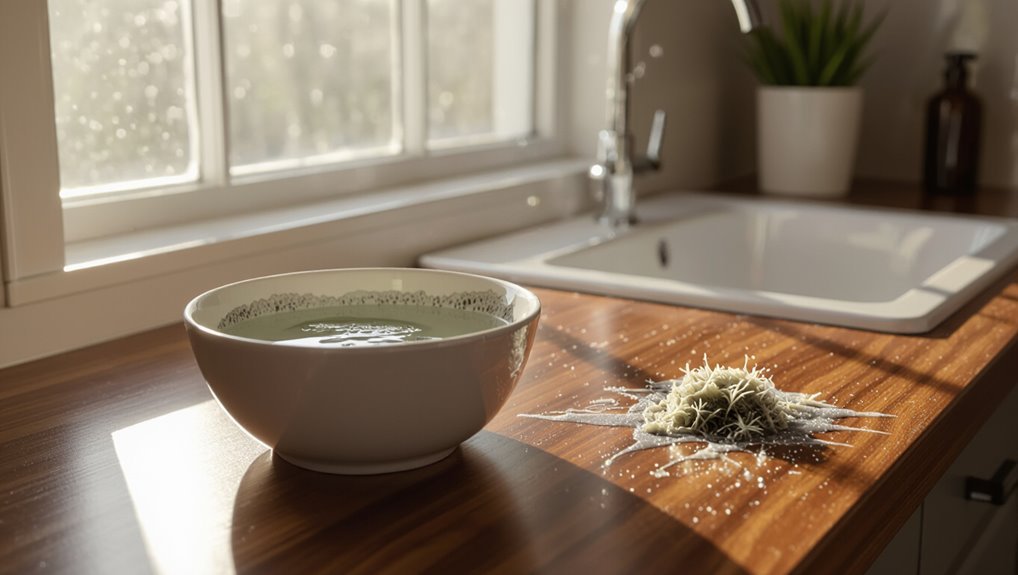
If you suspect mold, start with a quick checklist to spot common signs: visible discoloration, musty odors, and allergy-like symptoms.
Inspect basements, bathrooms, and behind appliances. Check for leaks, condensation, and high humidity; practice indoor humidity management.
Note recurring damp spots and peeling paint. Take photos, document locations, and apply basic mold prevention tips to limit spread until you investigate further.
Is Mold the Problem? How To Tell
Wondering whether the spots, smells, or symptoms in your home are from mold or something else? Check musty odors, persistent allergy-like symptoms, and damp areas.
Use humidity meters, inspect HVAC, and consider professional air testing to assess indoor air quality. Address leaks and ventilation quickly—these mold prevention strategies reduce recurrence.
If problems persist, call a certified inspector for diagnosis.
Visible Discoloration: Spotting Mold On Walls And Ceilings
When you notice dark, fuzzy, or patchy stains on walls or ceilings, they’re often mold colonies feeding on moisture and organic material; act quickly to confirm and contain them.
- Inspect corners, behind furniture, and near vents.
- Smell musty odors signaling hidden mold growth.
- Use basic detection techniques: moisture meter, flashlight, tape lift.
- Photograph spots, limit airflow, and address leaks before remediation.
What Different Mold Colors Can Mean
You’ll often see mold in shades of black, green, gray, white, or even orange and pink, and those colors can hint at the species.
Color alone isn’t a definitive ID, but certain hues are more commonly associated with higher allergen or toxin risks.
If you spot discolored patches, note the color and consider testing or professional inspection to assess health implications.
Common Mold Colors
Although mold comes in many shades, its color can give you quick clues about the type and severity of an infestation.
You’ll spot patterns tied to mold species and color significance. Check common appearances so you can act fast:
- Black/dark — often Stachybotrys or Aspergillus.
- Green — common surface molds.
- White — early growth or powdery types.
- Yellow/brown — moisture stains turning moldy.
Health Implications By Hue
Color gives more than identification clues — it can hint at potential health risks tied to different molds.
You should know darker molds (black/green) often associate with stronger mold exposure and respiratory irritation, while red or pink may signal bacteria or yeast mixes that worsen allergies.
Lighter molds (white/gray) still pose health risks for sensitive people.
If unsure, test and remediate promptly.
Musty Odors: When Smell Indicates Hidden Mold
Notice a persistent, damp smell in a room even when it looks clean? You shouldn’t ignore it—musty smell detection often signals hidden growth.
Identify likely mold odor sources and act fast.
- Follow smell to walls, carpets, vents.
- Check under sinks, behind appliances.
- Use a hygrometer to spot high humidity.
- Hire a pro if odor persists.
Persistent Condensation: A Leading Sign Of Moisture Risk
When you see water beading on windows, pipes, or interior walls day after day, that’s persistent condensation—and it’s a clear sign your home has too much moisture.
You should act: improve ventilation, run dehumidifiers, insulate cold surfaces, and use exhaust fans during cooking or showering.
These moisture control methods help stop mold growth and are essential mold prevention strategies to protect indoor air and materials.
Water Stains And Rings: Reading Past Leak Evidence
If you spot circular or irregular discolorations on ceilings, walls, or floors, you’ve likely found water stains that record past leaks and hidden moisture problems.
- Note color, size, texture — clues to water damage severity.
- Trace stains toward plumbing and roof for leak detection.
- Smell musty odors near stains; that suggests lingering moisture.
- Photograph and monitor changes to decide remediation urgency.
Peeling Paint Or Bubbling Wallpaper As Mold Clues
Peeling paint or bubbling wallpaper often signals that moisture’s trapped behind the surface, and you should treat those areas as potential mold hotspots.
Check where peeling paint or wallpaper bubbles recur, probe edges for soft or discolored patches, and smell for musty odors.
These signs point to moisture issues that encourage mold growth; address leaks and ventilate promptly to stop spread and hidden colonies.
Signs Around Windows And Doors To Watch For
Areas where paint or wallpaper has failed often share a cause with problems around windows and doors: trapped moisture and poor seals.
Areas with failing paint or wallpaper often indicate trapped moisture and poor window or door seals—check them.
Check for window leaks and condensation issues, and do regular frame inspections. Verify sealant integrity and weather stripping.
Look for moisture buildup from poor exterior drainage and damaged door seals.
- Inspect frames
- Test sealant
- Check drainage
- Replace stripping
Flooring Signs Of Mold: Warped, Stained, Or Soft Spots
When your floors start to buckle, darken, or give underfoot, they may be signaling hidden mold growth beneath the surface.
Check for warped boards, discolored patches, or soft spots during a thorough flooring inspection.
Don’t ignore musty odors or localized dampness.
Promptly address leaks, dry materials, and improve ventilation to limit spread—these steps aid mold prevention and protect structural integrity.
Ceiling Sagging Or Texture Changes From Mold Damage
If you notice soft spots in your ceiling, you might’ve mold weakening the drywall or plaster.
Check for bubbling, peeling, or changes in texture around those areas, since trapped moisture often causes those signs.
Don’t ignore them—addressing the source quickly can prevent a collapse or wider damage.
Ceiling Soft Spots
A sagging ceiling or a change in texture—like bubbling, cracking, or a peeling popcorn finish—often means moisture’s been sitting above your ceiling and mold may be developing.
- Press gently to find soft spots during a ceiling inspection.
- Note discoloration or damp smell.
- Schedule a moisture assessment if fibers give under pressure.
- Avoid standing beneath weakened areas; repair promptly to prevent spread.
Texture Bubbling Or Peeling
Soft spots often show up alongside texture problems, so check for bubbling, cracking, or peeling paint or popcorn finish on the ceiling as you inspect.
If you spot a bubbling texture or areas where paint or plaster separates, don’t ignore it—mold can weaken materials.
Also look behind peeling wallpaper and at seams for discoloration, musty odor, or visible mold growth.
HVAC And Ductwork Indicators Of Mold Growth
When your HVAC system runs, pay attention to unusual odors, reduced airflow, or visible dust blowing from vents—these are common signs that mold’s taken hold in ductwork or components.
- Schedule HVAC maintenance and ductwork inspection regularly.
- Replace the air filter to protect air quality.
- Check the ventilation system for damp spots.
- Improve moisture control and condensation management to restore system efficiency.
Basement And Crawl Space Red Flags
Check your basement and crawl space if you notice a musty smell that won’t go away, since that’s often a first sign of hidden mold.
Look for visible water stains on walls, floors, or joists, which show past or ongoing moisture problems.
If the area feels persistently damp or humid, you should investigate further to find and fix the source.
Musty Odor Detection
Notice a persistent, damp smell in your basement or crawl space?
Use odor assessment techniques to pinpoint sources and guide mold prevention strategies.
Check for:
- Strong, musty smell near walls or HVAC
- Smell that worsens after rain or humidity spikes
- Localized odor when you enter the space
- Odor that returns despite cleaning and ventilation
Visible Water Stains
If you spot dark or discolored patches on basement walls or crawl space joists, they usually mean water’s been sitting there long enough to soak materials and invite mold.
Check for rings, spreading halos, or staining patterns that signal past or active water damage.
Take photos, note locations, and address leaks quickly to curb further moisture and prevent mold growth from taking hold.
Persistent Dampness Issues
When basements or crawl spaces stay damp for days or smell musty after rain, you’ve got a persistent moisture problem that invites mold. Pay attention to chronic condensation on pipes, wet insulation, or soil that never dries, because these conditions keep spores alive and growing.
- Identify dampness sources: leaks, poor grading, plumbing.
- Check ventilation and sump pumps.
- Replace wet insulation and seal vents.
- Improve moisture control with dehumidifiers and exterior drainage.
Attic Warning Signs That Often Go Unnoticed
Because attics are out of sight, you might miss early mold signs that start small but spread fast; check for damp insulation, musty odors, dark streaks on rafters, and warped or discolored wood, since these often indicate hidden moisture and mold growth.
You should improve attic insulation and air circulation, address moisture control, and watch for pest infestations that damage vents or create damp pockets.
Bathroom Mold Hotspots And What To Inspect
Check the shower and tub seals for cracked caulk, dark stains, or soft spots where water can seep in and feed mold.
Open and inspect under-sink cabinets for peeling wood, musty smells, or visible mold on plumbing and stored items.
If you spot any of these signs, address leaks and dry the area promptly to stop growth.
Shower And Tub Seals
You’ll want to pay close attention to the seals around your shower and tub, since worn or missing caulk and grout let moisture hide and mold thrive.
- Inspect caulk lines during shower maintenance for cracking or gaps.
- Check grout joints for discoloration and soft spots.
- Dry seals after use to prevent lingering dampness.
- Schedule regular tub inspections and reseal when needed.
Under Sink Cabinets
Wondering why the space under your bathroom sink often smells musty? Check for mold growth around plumbing leaks and damaged cabinet materials.
You should prioritize under sink maintenance: fix leaks, improve moisture control, and boost air circulation with vents or dehumidifiers.
Adopt regular cleaning routines and document prevention strategies to stop recurrence and protect finishes and indoor air quality.
Kitchen Areas Where Mold Loves To Hide
Kitchens give mold plenty of chances to hide because they combine moisture, warmth, and organic residues; pay attention to sinks, under-cabinet areas, behind refrigerators, and around dishwashers where leaks and condensation are common.
- Check kitchen surfaces for discoloration and musty smells.
- Inspect cabinet seams and caulking.
- Monitor fridge drip pans.
- Wipe vents and backsplash for mold prevention.
Laundry Room And Appliance-Related Mold Triggers
Many laundry rooms hide mold where you don’t expect it, because washers, dryers, and utility sinks produce heat, moisture, and lint that feed growth. Check seals, vents, and drip pans; prioritize laundry ventilation, appliance maintenance, moisture control, and mold prevention to stop spread.
| Source | Sign | Action |
|---|---|---|
| Washer | Smell | Clean gasket |
| Dryer | Lint | Clear vent |
| Sink | Leak | Repair immediately |
| Floor | Stain | Dry/inspect |
How Indoor Humidity Levels Predict Mold Risk
You should keep indoor humidity between about 30–50% to lower mold risk.
If you notice condensation on windows, musty odors, or peeling paint, your humidity is probably too high.
Use a hygrometer or your HVAC system’s sensors to measure levels and guide fixes.
Ideal Indoor Humidity Range
If indoor humidity stays between about 30% and 50%, you’ll greatly reduce the chance that mold will take hold, since mold spores need moisture to grow and thrive.
Keep ideal humidity for mold prevention by monitoring and acting quickly.
- Use a hygrometer.
- Run dehumidifiers.
- Ventilate bathrooms/kitchens.
- Fix leaks promptly.
Signs Of High Humidity
Sticky air and visible condensation are clear signals that indoor humidity is too high and that mold could be on the way.
You’ll also notice musty odors, peeling paint, or warped wood near bathrooms, kitchens, or basements.
Identify humidity sources like leaks, drying laundry, or poor ventilation.
Act fast: improve ventilation, dehumidify, and apply humidity control to reduce mold risk before spores take hold.
Humidity Measurement Methods
How do you know when indoor humidity actually becomes a mold risk? Use simple tools and act early.
- Hygrometer readings: target 30–50% RH to guide humidity control strategies.
- Data logging: spot trends that predict condensation and mold.
- Infrared scan: find cold spots where moisture collects.
- Moisture meters: confirm wet materials and apply moisture reduction techniques immediately.
Health Symptoms That Suggest Mold Exposure
Many common symptoms can point to mold exposure, and you’ll often notice them in your respiratory system, skin, or general wellbeing.
You might get persistent coughing, wheezing, sinus congestion, itchy eyes, rashes, headaches, or fatigue.
If you have chronic symptoms, consider mold sensitivity testing and see a clinician.
Track symptom patterns and indoor moisture to link health changes to possible mold.
Allergy-Like Reactions Versus Other Causes
Because mold symptoms overlap with allergies, colds, and other conditions, you’ll need to compare timing, triggers, and response to treatment to tell them apart.
- Note when symptoms appear — home presence suggests mold effects.
- Track known allergy triggers versus unseen exposures.
- See if antihistamines or rest help: allergies/colds usually improve.
- Check if symptoms recur in specific rooms or after cleaning — that points to mold.
Respiratory Issues: When To Suspect Mold
If your symptoms are respiratory—persistent coughing, wheezing, shortness of breath, or a chronic sore throat—you should consider mold as a possible cause, especially when those issues worsen at home or in specific rooms.
Monitor respiratory symptoms patterns, note timing and locations, and link them to damp areas.
If mold exposure seems likely, get an inspection and discuss testing or remediation with professionals.
Skin, Eye, And Sinus Symptoms Linked To Mold
You might notice itchy skin or unexplained rashes that flare while you’re at home.
Your eyes can also become red and watery, and your sinuses may feel clogged or pressurized.
These signs, especially if they improve when you leave the house, can point to mold exposure.
Skin Irritation And Rashes
Wondering whether that mysterious rash or itchy skin is from mold? You might be experiencing skin rashes or other allergic reactions after exposure.
Check for localized irritation, persistent itching, redness without injury, or bumps that flare indoors. If symptoms lessen away from home, consider mold as a trigger and investigate moisture sources.
- Localized irritation
- Persistent itching
- Redness or bumps
- Symptoms improve away
Eye Redness And Watery
How do you know when red, watery eyes are from mold rather than pollen or screens?
If your eye irritation worsens at home, improves away, or appears with musty smells, suspect mold.
You may get other allergy symptoms like itching or sneezing without seasonal triggers.
Track timing and locations, and consider professional testing or remediation if symptoms persist or multiple household members are affected.
Sinus Congestion And Pressure
Feeling clogged or pressure in your sinuses that seems worse at home could point to mold exposure rather than a common cold or seasonal allergies.
You might notice persistent sinus pressure and recurring allergic reactions tied to indoor dampness.
Check for these signs:
- Worse congestion after time indoors
- Headache with facial pressure
- Sneezing fits at home only
- Reduced relief from meds
Fatigue Or Cognitive Symptoms That Should Prompt A Mold Check
Noticing unexplained fatigue, brain fog, or trouble concentrating that gets worse at home?
You may notice fatigue symptoms, cognitive decline, memory problems, attention issues, mood changes, or sleep disturbances.
Chronic stress can worsen these signs, and a persistent immune response to mold may underlie them.
If symptoms improve away from home, get your environment checked for mold.
When Pet Behavior Points To A Mold Problem
If your pet suddenly develops coughing, sneezing, or other respiratory problems, you should consider mold as a possible cause.
You might also notice unusual grooming changes like excessive licking, fur loss, or a dull coat that weren’t there before.
Check areas where your pet spends time and get both the animal and the home evaluated if symptoms persist.
Sudden Respiratory Issues
Have you seen your pet suddenly sneeze, cough, wheeze, or develop red, watery eyes while they’re spending time in one part of the house?
You should watch for respiratory symptoms that mimic mold allergies and act fast.
Check these signs:
- Repeated sneezing or coughing in one room
- Noisy breathing or wheezing
- Persistent eye irritation
- Lethargy after room exposure
Unusual Grooming Changes
Respiratory signs often show up before you spot changes in your pet’s coat or grooming habits, but grooming shifts can also flag mold exposure.
If your dog or cat suddenly overgrooms, avoids grooming, or shows patchy fur, check for concurrent skin changes like redness, flaking, or sores.
These signs, combined with musty odors or damp spots, suggest you should inspect your home for hidden mold.
DIY Smell And Visual Checks You Can Do Today
When you suspect mold, start with simple smell and visual checks you can do right away: walk through each room, sniff for musty or earthy odors that linger even after cleaning, and scan walls, ceilings, baseboards, and behind furniture for discolored patches, fuzzy growth, or water stains.
- Use DIY odor detection: note persistent smells.
- Follow Visual inspection tips room-by-room.
- Check vents and closets.
- Photograph and monitor spots.
Using Simple Moisture Meters And What Readings Mean
You’ll want to pick a handheld moisture meter that’s made for building materials, not just soil, so you get accurate readings for walls and floors.
Use pin meters for deep readings and pinless meters for quick surface checks, and note that different materials have different baseline moisture levels.
Readings above the manufacturer’s recommended thresholds (usually 16–20% for wood) mean you should investigate further for potential mold.
Choosing The Right Meter
How do you pick a moisture meter that actually helps you find hidden damp? Choose a simple, reliable tool for moisture detection; check meter calibration and battery life.
Consider build material and probe type, then accuracy specs and price.
- Pin vs. pinless
- Range and resolution
- Ease of use
- Warranty and support
Interpreting Moisture Readings
Start by noting that a moisture meter gives you a snapshot, not a diagnosis, and learn what typical readings mean for the materials you’re testing.
You’ll compare readings to normal ranges for wood, drywall, and concrete, watch for sudden spikes indicating hidden moisture sources, and repeat tests.
Verify meter calibration regularly, document locations, and act on persistent high readings to prevent mold growth.
When To Use Home Mold Test Kits And Their Limits
When should you reach for a home mold test kit, and what won’t it tell you? You can use home testing for initial mold identification, quick kit comparisons, and to try different sampling techniques, but testing accuracy varies.
Environmental factors affect results, testing methods differ, and test limitations mean kits can’t replace professional assessment or determine health risk.
- Screening
- Confirmation
- Comparison
- Limitations
Interpreting Lab Results From Home Or Professional Tests
Want to know what those lab numbers actually mean? You’ll use lab testing reports for result interpretation, comparing concentrations and mold species identified.
Check testing methods and sample analysis notes to see limits and detection thresholds. Factor in environmental factors—season, humidity, recent cleaning—that affect counts.
If results confuse you, consult a qualified lab or consultant to clarify risks and next steps.
What To Expect In A Professional Mold Inspection
After you’ve reviewed lab findings or decided testing isn’t necessary, a professional mold inspection will give you a focused, on-site assessment of the problem.
You’ll see the mold inspection process unfold as experts use professional techniques to identify sources, measure moisture, document contamination, and recommend remediation.
- Identify affected areas
- Measure moisture levels
- Document and sample if needed
- Recommend remediation plan
Using Thermal Imaging To Find Hidden Mold
You can use a thermal camera to scan walls, ceilings, and floors for temperature differences that hint at moisture.
Look for cold spots, because damp areas and evaporative cooling often show up cooler than the surrounding material.
Remember that cold spots aren’t proof of mold by themselves, but they point you to places that need a closer inspection or moisture testing.
Thermal Camera Basics
When you point a thermal camera at walls, floors, or ceilings, it reveals temperature differences that can indicate hidden moisture and potential mold growth.
Use thermal camera features wisely and learn thermal imaging benefits to spot anomalies. You’ll inspect safely and efficiently.
- Scan slowly
- Note unusual patterns
- Use proper settings
- Record findings for follow-up
Interpreting Cold Spots
Thermal scans will often reveal cool patches on walls, floors, or ceilings that signal higher moisture content and a greater likelihood of mold behind the surface.
You should use cold spot detection to map those areas, correlating temperature variations with visible stains or musty odors.
Follow up with moisture meters or professional inspection—thermal imaging flags suspects but doesn’t confirm mold alone.
Air Sampling Versus Surface Sampling: Pros And Cons
Curious which test will give you clearer results?
- Air Sampling shows airborne spores, useful for Mold Testing and Detection Methods, but has Sampling Limitations.
- Surface Sampling finds visible colonies, aiding Sampling Techniques with lower Analysis Costs.
- Testing Benefits vary by goal: exposure assessment versus contamination mapping.
- Combine methods when you want thorough results, balancing Testing Benefits, Analysis Costs, and practical Sampling Limitations.
Cosmetic Mold Vs. Structural Mold: When Removal Isn’t Enough
Although you can wipe away visible mold stains and call the job done, cosmetic removal often misses the real problem hiding behind surfaces. You’ll need to tell cosmetic mold from structural mold: one’s superficial, the other eats materials and framing. If you suspect structural mold, don’t ignore discoloration, musty odors, or warped walls; investigate and remediate to protect health and integrity.
| Type | Concern |
|---|---|
| Cosmetic mold | Surface stains |
| Structural mold | Material decay |
Immediate Steps To Take If You Find Visible Mold
If you spot visible mold, first put on gloves, an N95 mask, and eye protection so you don’t inhale spores or spread contamination.
Next, contain the area by closing doors, turning off HVAC, and sealing gaps with plastic to limit spread.
Then decide whether you can safely remove surface mold yourself or need a professional for remediation.
Wear Protective Gear
When you spot visible mold, protect yourself before you touch anything: put on an N95 or higher respirator, goggles that seal around your eyes, and gloves that extend past your wrists (nitrile or rubber).
Follow mold protection and basic safety precautions.
- Seal respirator for a snug fit.
- Wear splash-proof goggles.
- Use long, chemical-resistant gloves.
- Don disposable coveralls and booties.
Contain The Area
Now that you’re protected, keep others out and stop mold from spreading: close doors and windows to the affected room, shut off HVAC systems that could carry spores, and post a visible warning so people don’t enter.
Use mold containment strategies like plastic sheeting and negative pressure fans, and apply effective sealing methods around door gaps and vents.
Monitor barriers and limit traffic.
Remove Or Remediate Mold
Start by evaluating the size and location of the visible mold so you can choose the right cleanup approach:
- Wear PPE and ventilate; small patches you can clean with appropriate mold removal techniques.
- Isolate the area to prevent spread; use containment as a mold prevention strategy.
- Discard porous materials that’re soaked.
- Call pros for large or recurrent infestations to guarantee safe remediation.
Safe Small-Scale Cleanup Methods For Non-Porous Surfaces
If you spot a small patch of mold on a hard, non-porous surface like tile, glass, metal, or sealed countertops, you can usually remove it yourself using simple cleaning steps and common household products.
Wear gloves and a mask, ventilate the area, apply gentle mold removal with vinegar or diluted bleach, scrub with a soft brush, rinse, and dry thoroughly to prevent recurrence.
Why Some Materials Must Be Removed, Not Cleaned
If mold has gotten into porous materials like drywall, insulation, or carpet, you can’t fully clean it because the spores sink into the material’s pores.
That means you’ll often have to remove and replace those items to stop regrowth and protect your health.
Structural components that are compromised by mold or moisture should also be taken out and repaired rather than just treated on the surface.
Porous Materials Harbor Mold
Because porous materials soak up moisture and tiny mold spores, they often hide growth deep inside where you can’t see or clean it out.
You should remove soaked items rather than try to surface-clean them.
- Drywall that crumbles
- Upholstery with lingering odor
- Carpeting soaked through
- Insulation holding moisture
Structural Components Require Removal
When mold gets into structural components like wall studs, floor joists, or roof sheathing, you can’t just scrub it away—those materials absorb moisture and spores deep within, so removal and replacement are usually the only reliable fix.
You should weigh mold removal methods against structural integrity concerns, hire pros for compromised framing, and avoid temporary cleaning that leaves hidden contamination and ongoing decay.
Containment And Prevention During Mold Remediation
Start by sealing off the contaminated area so spores can’t spread to clean rooms—use plastic sheeting, tape, and negative air pressure if you can—to protect your household and make remediation effective.
Use mold containment strategies and remediation prevention techniques as you:
- Wear PPE and limit access.
- Create negative pressure.
- Remove contaminated materials safely.
- HEPA-vacuum and dispose waste properly.
How To Stop Recurring Mold: Fixing The Moisture Source
If you want mold to stop coming back, you’ve got to find and fix whatever’s adding moisture—leaky pipes, poor ventilation, rising damp, or roof and window failures—and address it promptly and thoroughly.
Start with plumbing inspections, apply waterproofing techniques and moisture barriers, implement drainage solutions and landscaping adjustments, consider ventilation upgrades, use dehumidifier benefits and humidity monitoring to confirm success.
Improving Ventilation And Humidity Control To Prevent Mold
Because mold thrives in stagnant, moist air, improving ventilation and controlling humidity are two of the most effective steps you can take to prevent it; aim to move damp air out, bring fresh air in, and keep indoor relative humidity between about 30–50%.
Use ventilation strategies and humidity control to reduce spores.
- Install exhaust fans
- Use dehumidifiers
- Open windows regularly
- Maintain HVAC filters
Roofing, Plumbing, And Foundation Checks To Prevent Returns
1 simple inspection each season can keep small roofing, plumbing, or foundation issues from turning into mold-friendly problems.
You should do roof maintenance, gutter upkeep, and drain clearings to protect drainage systems.
Schedule plumbing inspections, verify foundation integrity, and install moisture barriers.
Perform insulation checks and consider ventilation improvements to keep hidden damp spots dry and prevent mold from returning.
When To Hire A Certified Mold Remediation Contractor
When you spot widespread mold, persistent musty odors, or recurring growth after DIY attempts, it’s time to call a certified mold remediation contractor.
If you find widespread mold, constant musty odors, or return of growth after DIY cleanup, call a certified remediation contractor.
You should hire one when issues exceed your comfort or safety; verify remediation contractor qualifications and follow a mold inspection checklist.
Consider these triggers:
- Large contaminated areas
- Hidden structural mold
- Health symptoms worsen
- Repeated failures after cleanup
Questions To Ask A Remediation Contractor
What should you ask a remediation contractor before hiring them?
Ask about contractor qualifications, licenses, insurance, and references.
Request a clear scope: containment, removal, and verification.
Inquire which remediation techniques they’ll use and why, how they’ll protect unaffected areas, and what testing confirms success.
Confirm timelines, cleanup standards, and communication plans so you’ll know expectations and accountability.
Cost Factors For Mold Inspection And Removal
Several key factors will shape what you pay for a mold inspection and removal: the size and location of the infestation, whether mold is visible or hidden, the type of mold suspected, and the level of contamination requiring containment and remediation.
- Inspection scope affects mold inspection costs.
- Testing type raises or lowers fees.
- Access and demolition increase remediation expenses.
- Urgency and follow-up work add to totals.
Long-Term Monitoring And Maintenance After Remediation
Once remediation is finished and you’ve paid the final invoices, ongoing monitoring and maintenance keep mold from returning and protect your investment.
Schedule periodic inspections, check humidity levels, and replace HVAC filters regularly.
Use simple monitoring strategies like moisture meters and visual checks after storms.
Keep gutters clear, fix leaks promptly, and follow a basic mold maintenance plan so small issues don’t become big problems.
Prioritizing Health: When To Seek Medical Advice For Mold Exposure
Wondering whether your symptoms are just seasonal allergies or something more serious?
- Track worsening mold symptoms like persistent cough, wheeze, or unexplained fatigue.
- Seek medical evaluation if symptoms persist despite leaving the home.
- Get immediate care for severe reactions: difficulty breathing, chest pain, high fever.
- Bring home inspection or remediation details to your clinician for accurate diagnosis.
Frequently Asked Questions
Can Mold in One Room Spread Through Shared HVAC Systems to Other Rooms?
Yes — mold in one room can spread through shared HVAC systems to other rooms. You should prioritize HVAC maintenance, control room temperature and humidity, and clean ducts promptly so spores don’t travel and colonize elsewhere.
Can Mold Cause Musty Odors Without Any Visible Signs Anywhere?
Yes — you could have hidden mold causing that musty smell; don’t ignore it. Follow your nose, inspect damp spots, check behind walls and ducts, and call a pro if the odor persists despite cleaning efforts.
Are Certain Houseplants More Likely to Promote Indoor Mold Growth?
Yes — some houseplants, like ferns, tropicals, and dense soil plants, can elevate mold risk; you’ll monitor houseplants types and moisture levels, avoid overwatering, improve drainage, and keep airflow to prevent indoor mold growth.
Can Homeowners’ Insurance Cover Mold Inspection and Remediation Costs?
Sometimes yes: you’ll find mold coverage varies by policy, and insurers often set inspection limits or exclusions. You should review your policy, document damage, and contact your agent—don’t assume remediation’s automatically covered without confirmation.
How Long After a Flood Should You Worry About Mold Growth?
You should start worrying about mold growth within 24–48 hours after flood damage; you’ll need rapid water removal and drying to prevent mold. Act fast on mold prevention to avoid costly remediation and health risks.
Conclusion
If you ignore mold, it won’t just ruin a wall—it’ll stage a hostile takeover of your home and lungs. Don’t let that happen. Use the checklist, trust your nose, and call a pro if you spot discoloration or persistent musty smells. Get inspections, weigh costs, and commit to monitoring after remediation. Your health and house deserve action now—not later—so act fast before tiny spores turn into a massive, expensive nightmare.
