
How Long Does Deck Paint Take to Dry? Drying Time Explained
You can usually walk on freshly painted deck boards within a few hours, but full strength takes longer. Drying is when the surface feels dry to touch; curing is weeks for maximum durability. Water‑based paints dry to touch in 30–60 minutes and can be recoated in 2–4 hours, while oil‑based paints feel dry in 6–8 hours and may take days to fully harden. Environmental conditions and coat thickness change times, and more details follow.
Quick Answer: When Is Deck Paint Dry Enough to Walk On?
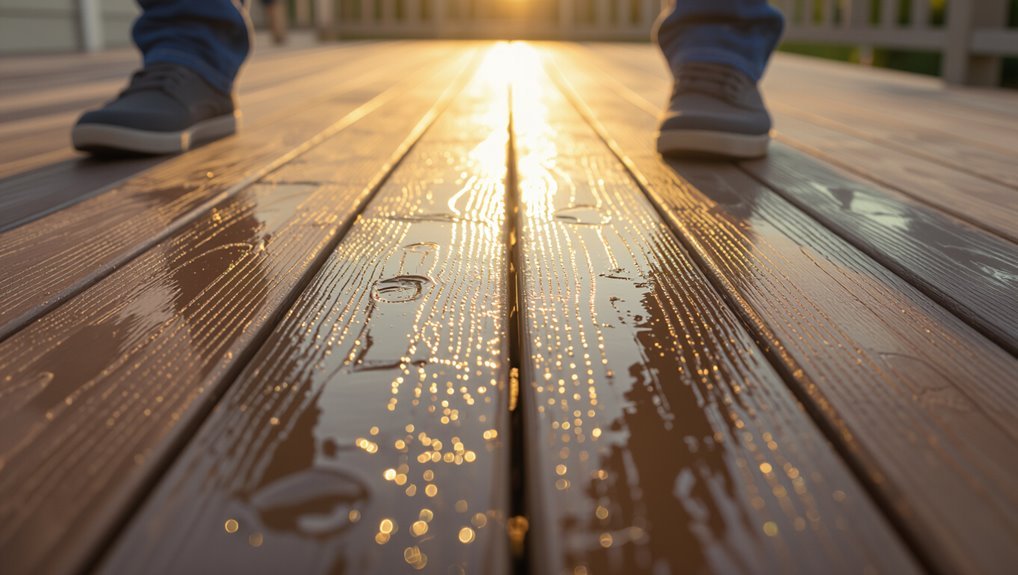
Wondering when you can step back onto your freshly painted deck? You’ll usually wait 24 hours before light foot traffic to protect paint adhesion and guarantee deck safety.
Avoid dragging furniture or heavy loads for 48–72 hours, and keep pets off longer if humidity’s high.
Follow manufacturer times for best results; premature use can cause peeling or compromised finish.
Drying vs. Curing : What’s the Difference for Deck Paint?
Drying time is when the paint feels dry to the touch and you can walk on it without leaving marks.
Curing time is the longer chemical process that makes the paint fully hard and durable, which can take days to weeks depending on the product and conditions.
You’ll need to know both because walking on a dry surface is different from subjecting it to furniture, heavy traffic, or weather before it’s fully cured.
Drying Time Defined
How long does a painted deck actually need before you can walk on it and when is it truly finished? You’ll learn that drying time means surface dryness for use, influenced by drying methods, temperature effects, paint consistency, humidity levels, surface preparation, paint types, application techniques, and environmental conditions. Quick reference:
| Stage | Indicator | Action |
|---|---|---|
| Tacky | No imprint | Wait |
| Dry | Walkable | Protect |
| Set | Light use | Monitor |
| Finish | Full film | Done |
Curing Time Explained
You’ve learned when a painted deck feels dry enough to step on, but that surface dryness isn’t the end of the story—curing is what gives the paint its full strength and durability.
You’ll wait longer for the curing process, during which solvents evaporate and chemical bonds form.
Follow ideal conditions—stable temperature, low humidity, and no heavy traffic—until the paint reaches full hardness.
Practical Differences Explained
Though they often get used interchangeably, drying and curing are two distinct stages you need to know about when working with deck paint: drying feels dry to touch quickly, but curing strengthens the film over days or weeks.
You should wait before heavy use, follow deck maintenance tips, and consider paint adhesion factors like temperature, humidity, and surface prep to guarantee lasting protection.
How Drying Times Vary by Paint Type
Because different formulations cure by different chemistry, the drying times you’ll see on labels can vary widely between paint types.
You’ll notice drying variability driven by paint composition and application methods; paint adhesion depends on surface preparation and humidity effects.
Account for weather conditions and use targeted drying techniques to improve results, and adjust your schedule based on the specific product’s recommendations.
Latex (Water-Based) Deck Paint: Typical Drying Times
For latex (water-based) deck paint, you’ll usually see the surface dry to the touch within 30 minutes to an hour.
However, you should wait 2–4 hours between coats.
Full cure can take several days, and humidity, temperature, and airflow will lengthen or shorten those times.
Plan your project around the environmental conditions so each coat bonds properly.
Dry Time By Coat
When you’re painting a deck with latex (water-based) paint, each coat typically feels dry to the touch within 1–2 hours and is ready for a light recoat after about 2–4 hours.
Though you’ll want to wait 24 hours before heavy foot traffic or placing furniture.
For multiple coats, apply thin, even layers; follow paint application guidelines and stagger coats to guarantee proper curing and easy deck maintenance.
Environmental Factors
Although latex deck paint usually dries quickly under ideal conditions, environmental factors can speed up or slow down both surface drying and full curing. You should monitor moisture levels, temperature fluctuations, and air circulation; adjust drying techniques and paint thickness based on surface preparation and wood type. Also plan around weather conditions to guarantee consistent results.
| Factor | Effect |
|---|---|
| Moisture levels | Slows drying |
| Temperature fluctuations | Alters cure |
| Air circulation | Speeds drying |
| Paint thickness | Extends cure |
| Wood type | Affects absorption |
Oil-Based Deck Paint: Typical Drying and Cure Times
If you’re using oil-based deck paint, expect it to feel dry to the touch in about 6–8 hours under ideal conditions.
But don’t assume it’s fully cured—full hardness and chemical resistance usually take 3–7 days and can extend to 30 days depending on temperature, humidity, ventilation, and coat thickness.
- Consider oil based benefits: durability and moisture resistance.
- Use proper application tips: thin coats, good ventilation.
- Monitor cure: avoid heavy traffic until fully hardened.
How Many Hours Between Coats for Common Deck Paints?
For oil-based deck paints, you’ll typically wait 24 hours between coats to guarantee proper tack-free drying and solvent release.
Water-based paints usually recoat in 2–4 hours once the surface feels dry to the touch, but humidity and temperature can extend that time.
Always check recoat conditions—surface dryness, manufacturer’s guidance, and cool or damp weather—to avoid trapping moisture or causing poor adhesion.
Oil-Based Paints Timing
With oil-based deck paints, expect longer wait times between coats than with latex—you’ll typically need 24 to 48 hours under normal conditions before recoat.
You’ll also weigh oil based advantages against oil based disadvantages when planning.
- Check tackiness; if dry, recoat.
- In cool or humid weather, add time.
- Sand lightly between coats for adhesion and even finish.
Water-Based Paints Timing
Switching from oil-based products, you’ll find water-based deck paints dry much faster and let you recoat sooner—typically between 2 and 6 hours under normal warm, dry conditions.
You’ll enjoy water based benefits like low odor and quick turnaround; follow manufacturer intervals.
Use proper application techniques—thin, even coats, light sanding between when recommended—and avoid heavy buildup to guarantee adhesion and a uniform finish.
Recoat Conditions & Dryness
Although conditions vary, you’ll usually wait 2–24 hours between coats depending on the paint type and weather.
You’ll check recoat timing by touch, tackiness, and manufacturer specs, and you’ll prefer ideal conditions: warm, dry, low-humidity days.
Follow this quick guide:
- Water-based: 2–6 hours.
- Oil-based: 8–24 hours.
- Stain/solid deck coatings: 6–12 hours.
How Temperature Affects Deck Paint Drying
When temperatures rise, paint dries faster because heat speeds up solvent evaporation and chemical reactions in the coating; when it’s cold, those processes slow and drying can take days or even fail to fully cure. You’ll monitor temperature variations, humidity levels, airflow impact, and surface preparation to avoid problems.
| Warm | Hope | Quick |
|---|---|---|
| Cold | Worry | Slow |
| Mild | Relief | Steady |
How Humidity Changes Drying and Curing Speed
Because moisture in the air slows solvent evaporation, higher humidity makes deck paint take longer to dry and can extend curing times considerably, while low humidity speeds evaporation and helps coats set faster.
- You’ll notice humidity effects most on damp days.
- Adjust timing based on local drying conditions.
- Expect longer recoating and curing under high humidity; plan accordingly.
Why Wind and Airflow Speed Up Drying
If you stand in a breezy spot while painting your deck, you’ll see paint dry faster because moving air sweeps away solvent-laden vapor from the surface, letting more solvent evaporate from the film.
You’ll notice airflow effects reduce surface tack and shorten tack-free time, while wind benefits include faster solvent removal and more uniform drying; just avoid dust and excessively strong gusts.
Does Sun or Shade Change Drying and Cure?
Basking your deck in a steady breeze helps solvent leave the paint film, and sunlight adds another strong influence on both drying speed and ultimate cure.
- Sun exposure speeds solvent evaporation; shade impact slows it, interacting with humidity effects and temperature variations.
- Wind influence and surface conditions change drying uniformity across deck material.
- Paint formulation dictates sensitivity to UV and moisture, so match product to site conditions.
How Surface Temperature and Moisture Matter
You’ll want to check the surface temperature before painting, since most deck paints perform best within a specific temperature range.
Also measure the wood’s moisture content—too much moisture prevents proper adhesion and slows curing.
Finally, remember that direct sun and wind can heat and dry the surface faster, changing how the paint sets.
Surface Temperature Range
Because paint cures through chemical reactions, the temperature of the deck surface matters more than the air temperature, and you should aim for the range specified on the product label—typically between 50°F and 90°F (10°C–32°C).
- Use temperature monitoring and moisture measurement before surface preparation to match paint consistency and weather conditions.
- Choose application tools and drying techniques suited to your deck material.
- Consider environmental impact during paint application.
Wood Moisture Content
Surface temperature and moisture go hand in hand when it comes to paint adherence and drying, so you also need to check the wood’s moisture content before you start. You’ll measure wood moisture for proper deck preparation; damp wood delays curing and causes peeling. Dryness below 15% is ideal. Quick reference:
| Condition | Moisture % | Action |
|---|---|---|
| Wet | >20 | Delay |
| Damp | 15–20 | Dry |
| Dry | <15 | Paint |
| Unknown | — | Test |
Sunlight And Wind Effects
When your deck bakes in direct sun or gets blasted by wind, the surface temperature and moisture change quickly, and that directly affects how paint dries and bonds.
- Higher sunlight intensity raises temperature, speeding surface dry but risking skin formation and poor adhesion.
- Increased wind speed removes solvent, shortening open time and causing uneven cure.
- Monitor both factors; aim for moderate sunlight intensity and gentle wind speed for best results.
How Wood Type Affects Drying and Adhesion
Although all deck paints follow the same basic chemistry, the species and grain of your wood will change how fast coatings dry and how well they stick.
You should consider wood species, paint compatibility, surface preparation, moisture content and grain pattern to predict finish quality.
Choose treatment types, application techniques and sealant choice that suit environmental impact and substrate for best adhesion and drying.
New Wood vs. Previously Painted Decks: Different Timelines
Because new lumber still releases sap and holds mill oils, it dries and accepts paint differently than an already painted deck.
So you’ll need to plan for longer cure times and extra prep on fresh wood.
- Do deck preparation with moisture testing, surface cleaning, and wood treatment.
- Adjust paint selection and application techniques for weather conditions and seasonal considerations.
- Watch drying indicators and use ventilation strategies to speed safe use.
How Primer Choice Influences Drying and Adhesion
Picking the right primer changes both how fast paint dries and how well it sticks to the deck.
So after handling prep and moisture issues on new or previously painted wood, you should evaluate primer type before you coat.
Choose primer types matched to substrate; consider adhesion factors like porosity and contaminants.
Match primer to the substrate, and factor in porosity and contaminants for reliable adhesion.
Match primer to paint compatibility and account for local drying conditions to guarantee reliable bond and cure.
How Coat Thickness Changes Dry and Cure Time
Thicker coats slow both drying and curing, so if you apply paint too heavily you’ll extend the tacky stage and risk drips, longer recoat times, and improper film formation.
- Monitor coat thickness to limit dry impact and adapt application techniques.
- Good surface preparation reduces moisture effects and uneven drying variations.
- Control paint layering and consider environmental influences to guarantee consistent cure and finish.
How Multiple Coats Affect Overall Curing
When you apply a fresh wet coat over a still-tacky layer, the two interact and slow overall curing because solvents and resins must equalize between layers.
Each added coat increases the total drying time, not just by its own cure time but by delaying the layer beneath from fully setting.
Plan for longer intervals between coats and more overall drying time when you need multiple layers.
Wet Coat Interaction
If you apply multiple wet coats without allowing proper surface drying between them, each new layer traps solvents and slows overall curing.
So you’ll need longer wait times before the deck can be walked on or recoated.
Consider wet coat interaction and moisture retention effects:
- Trapped solvents extend tackiness and delay cure.
- Increased moisture retention softens film and invites blushing.
- Thin, timed coats promote faster, uniform curing.
Total Drying Time
Those trapped solvents and extra moisture don’t just make each coat tacky—they lengthen the total curing time for the whole job.
When you add coats, each layer resets the clock: subsequent coats sit on semi-cured paint, extending total drying time.
Consider factors influencing cure—temperature, humidity, coat thickness, and ventilation—and wait recommended intervals between coats to guarantee a durable, fully cured finish.
Paint Sheen (Matte vs. Gloss): Impact on Drying and Wear
Although sheen doesn’t change basic drying chemistry, it affects how paint feels, shows wear, and performs on a deck.
You’ll choose finish options with sheen comparison in mind, weighing durability factors and aesthetic choices. Consider application techniques to optimize adhesion.
Maintenance tips vary by sheen—matte hides flaws, gloss resists scuffing.
- Matte: hides imperfections
- Satin: balanced durability
- Gloss: easy cleaning
When Is the Deck Safe to Walk on After Painting?
You can usually walk on a painted deck for light foot traffic in 24 to 48 hours, but full curing—and safe heavy use—often takes 7 days or more depending on product and conditions.
You should follow walking precautions: test a small area, avoid sharp heels, and perform a paint inspection for tackiness and even coverage.
Confirm surface integrity before regular use to guarantee deck safety.
When Can You Move Furniture Onto a Freshly Painted Deck?
You should wait until the paint has fully cured before moving furniture back onto the deck to avoid sticking or indentations.
When you do move items, use protective pads or plastic glides under legs to prevent damage and stains.
Stagger placement and avoid heavy concentrated loads so any remaining solvents can escape and the finish stays smooth.
Wait For Cure
When the paint’s dry to the touch, it still needs time to cure before you set furniture back on the deck; curing is the chemical process that gives the coating its full hardness and durability.
- Wait recommended cure time on the label to protect finish quality.
- Lighter traffic after a few days; heavy items need longer.
- Cooler, humid conditions extend curing—be patient.
Use Protective Pads
Often, you’ll want to move furniture back sooner rather than later, but using protective pads is a smart way to prevent scratches and indentations while the paint finishes curing.
You should select appropriate protective equipment—felt pads, rubber caps, or plastic glides—and guarantee proper surface preparation before placing items.
Check pads regularly and avoid dragging furniture to keep the finish intact.
Stagger Furniture Placement
A well-planned schedule will help you stagger furniture placement so the deck finish has time to cure without leaving marks. Start by placing lightweight, movable items like side tables and chairs first. Then wait the recommended recoat and cure times before adding heavier pieces and planters.
- Begin with chairs for flexible furniture arrangement.
- Add small tables after initial cure.
- Introduce heavy items last for staggered placement.
How to Test If Deck Paint Is Dry Enough to Walk On
Wondering whether the paint’s dry enough to walk on? Use simple testing methods: press a fingertip lightly in an inconspicuous spot—no tackiness means surface dry.
Test paint adhesion by placing a piece of clean paper and stepping gently; if paint doesn’t transfer or scuff, it’s safe for light foot traffic.
Wait longer if you see marks or feel stickiness.
How to Test If Deck Paint Is Fully Cured
Once the surface feels dry enough to walk on and resists scuffing, you’ll want to confirm the paint has fully cured before heavy use or placing furniture.
Check cure by testing adhesion, hardness, and moisture levels:
Check cure by testing adhesion, hardness, and moisture to ensure paint is truly ready for heavy use.
- Press a fingernail gently — no tackiness, no gouge.
- Tape pull test for paint adhesion.
- Use a moisture meter; surface should read low, stable levels.
Common Mistakes That Slow Paint Drying
Don’t paint when humidity’s high, because moisture can keep the surface tacky and slow drying.
Applying thick coats also traps solvent and greatly extends cure time.
And if you skip proper cleaning and sanding, paint won’t adhere or dry evenly.
Painting In High Humidity
Because high humidity traps moisture in both paint and wood, it can greatly lengthen drying times and cause problems like tackiness, blistering, or poor adhesion.
You’ll want to avoid painting in muggy conditions because humidity effects reduce paint adhesion and finish quality.
Consider these steps:
- Wait for lower humidity forecasts.
- Use fans or heaters to promote evaporation.
- Paint during midday when air is driest.
Applying Thick Coats
High humidity isn’t the only thing that slows drying — applying thick coats will do the same by trapping solvents and preventing proper evaporation.
You should avoid thick application; it increases tack time, runs, and uneven curing.
Keep coat thickness consistent and follow manufacturer recommendations for thin, even layers.
That way each coat dries predictably and you won’t compromise adhesion or finish.
Poor Surface Preparation
If you skip proper surface prep, paint won’t stick or dry evenly and you’ll end up waiting longer for tacky, blotchy areas to cure.
You must guarantee surface cleanliness and promote paint adhesion before coating.
Follow simple steps:
- Clean debris, mildew, and oil thoroughly.
- Sand glossy spots and remove loose wood.
- Prime bare areas to boost adhesion and speed drying.
How to Speed Up Drying Safely
To speed up deck paint drying safely, start by controlling the environment: increase airflow with fans or open windows, raise temperature within the paint’s recommended range, and lower humidity with a dehumidifier.
Use proper surface preparation, thin paint layering for quick drying, and follow drying techniques.
Consider paint additives only if manufacturer-approved, balance environmental considerations, and monitor humidity effects and airflow management throughout.
What to Avoid When Accelerating Drying
Don’t speed things up by putting fresh paint in direct sunlight, since that can cause blistering and uneven drying.
You shouldn’t crank up the heat either, because very high temperatures can make the finish cure improperly.
And don’t rush applying additional coats—follow the recommended recoat time so each layer bonds and dries correctly.
Avoid Direct Sunlight
While direct sun speeds surface evaporation, it can cause paint to cure unevenly and blister, so you should keep freshly painted boards shaded during drying.
- Position temporary covers to shelter wet paint without touching it.
- Time your paint application for milder light; use proven drying techniques to avoid streaks.
- Check boards periodically; adjust shading to maintain consistent temperature and avoid flash drying.
Skip High Heat
Shading your boards helps prevent uneven curing, but you should also avoid cranking up the heat to speed drying.
Using heaters can blister deck paint, compromise adhesion, and mask poor surface preparation. Instead, pick gentle drying techniques—fans and ventilation—and watch forecasts for high humidity.
Let paint set naturally; forced high heat creates problems you’ll regret when finishes peel or fail.
Don’t Rush Coats
If you try to speed the job by slapping on another coat before the first has fully cured, you’ll trap solvents and moisture that can cause bubbling, poor adhesion, and longer overall drying times.
You should follow deck preparation tips and proper paint application techniques instead.
- Wait manufacturer’s recoat time.
- Check tackiness and moisture.
- Sand glossy spots before next coat.
Best Fast-Drying Deck Paints
When you need to get your deck back in service fast, choosing a fast-drying deck paint cuts downtime and helps avoid tracking or re-coating delays.
Look for water-based acrylics and rapid-curing alkyds as fast drying options.
Consider surface prep, temperature, and humidity when making paint selection.
Test a small area, follow manufacturer dry times, and plan for proper ventilation to guarantee quick, durable results.
Best Long-Lasting Paints for Decks
When you want a deck finish that lasts, consider acrylic latex for its flexibility and resistance to cracking.
Oil-based paints offer long-term durability and deep penetration on bare wood.
For maximum protection and hide, solid stains combine paint-like coverage with stain resilience.
Acrylic Latex Durability
Acrylic-latex paints combine water-based convenience with strong film-forming resins, giving you durability that resists peeling, chalking, and UV damage on decks.
You’ll get acrylic longevity and reliable latex performance for outdoor wear.
- Fast drying reduces downtime.
- Flexible films handle wood movement.
- Easy cleanup and long-term color retention.
Oil-Based Longevity
Because oil-based paints cure into a hard, tightly bonded film, they’ll give your deck the longest-lasting protection against wear, moisture, and staining.
You’ll benefit from oil based advantages like superior adhesion, smooth finish, and extended durability.
Be aware of oil based drawbacks: longer cure times, stronger odors, and tougher cleanup.
Choose them when longevity outweighs faster drying and easier maintenance.
Solid Stain Performance
Solid solid stains combine the coverage of paint with the penetrating benefits of traditional stains, giving you the best long-term protection for heavily trafficked decks.
You’ll appreciate solid stain longevity and straightforward solid stain application when choosing finishes that resist wear.
Consider these points:
- Choose quality formulas for UV and moisture resistance.
- Prep thoroughly for adhesion.
- Recoat per manufacturer for peak durability.
Seasonal Timing: Best Months to Paint Your Deck
If you want consistent drying and fewer re-dos, plan to paint your deck during late spring through early fall when temperatures stay between about 50°F and 85°F and humidity is moderate; these months give paint enough warmth to cure and enough dry hours between showers to finish a coat properly.
You’ll use seasonal weather to target ideal temperatures, improving adhesion and reducing tackiness during curing.
Picking the Right Weather Window to Paint
Now that you’ve picked the best months, narrow down the exact days and hours to paint your deck for reliable drying.
Check weather conditions closely: ideal temperatures, humidity levels, dew point, and cloud cover.
Consider seasonal considerations and temperature fluctuations, plus wind effects and precipitation impact.
Do forecast checking daily to avoid surprises.
- Morning window
- Midday stability
- Late-afternoon buffer
How to Prepare Your Deck for Proper Drying
Before you pour paint or stain onto the boards, get the deck ready so coatings can cure without trouble: perform thorough deck cleaning, complete surface sanding, and do moisture testing.
Choose paint selection suited to conditions, plan coat application timing, and consider weather considerations to avoid drying challenges.
Regular deck maintenance afterward prevents problems and guarantees coatings cure evenly and last longer.
Tools and Techniques for Even Coat Application
Gather the right tools and use consistent techniques to get an even, long-lasting coat on your deck. Choose brush types and roller selection based on finish types and material compatibility.
Gather the right tools and consistent techniques for an even, long-lasting deck finish—choose brushes and rollers wisely.
Control paint thickness, coat overlap, and application speed to suit drying conditions after surface preparation.
- Use quality brushes.
- Pick appropriate rollers.
- Match techniques to materials.
Painting After Rain or Heavy Dew: What to Do
Even with the right tools and steady technique, weather can upend your schedule—rain or heavy dew can leave deck boards damp long after the clouds clear, affecting adhesion and drying time. You should assess rain impact, apply moisture management, and use timing strategies; wait until wood’s surface is consistently dry before painting and account for dew considerations.
| Check | Action |
|---|---|
| 1 | Inspect surface |
| 2 | Use moisture meter |
| 3 | Delay coating |
| 4 | Light sanding |
| 5 | Re-evaluate next day |
Ventilation and Fans for Enclosed Deck Areas
If your deck is enclosed, good ventilation is essential to help paint dry evenly and prevent trapped humidity from compromising adhesion.
Adding fans or improving airflow will cut drying times and reduce the risk of mildew.
- Use ventilation techniques and strategic fan placement to boost air circulation.
- Prioritize airflow management in enclosed spaces during paint application.
- Monitor moisture control to maximize drying efficiency.
How Long to Wait Before Sealing or Topcoating
Wondering when it’s safe to seal or topcoat your deck? You should base timing strategies on drying conditions, surface preparation, and paint interactions.
Check tack-free and cure times before choosing topcoat options. Match sealing techniques and application methods to the paint type, and account for environmental impacts like humidity and temperature.
Wait full recommended cure time to avoid adhesion failures and uneven finishes.
How to Repair Scuffs During the Drying Period
Scuff marks can show up within minutes of walking on a freshly painted deck, but you can often fix them without stripping the entire surface if you act while the paint’s still drying.
Scuff marks appear minutes after painting a deck — often repairable if you act while the paint is still drying.
Use these scuff repair tips and quick paint touch ups to blend without redoing panels:
- Lightly blot with a damp cloth.
- Feather edges with fine sandpaper.
- Apply thin touch-up coats, drying between layers.
Realistic Weekend Timeline for Repainting a Deck
When you plan carefully, you can realistically strip, prep, paint, and get two coats on a small-to-medium deck over a long weekend. Start early on Saturday with cleaning and repairs. Spend Sunday applying the main coat and sanding any imperfections once it’s tack-free. Finish Monday morning with a quick second coat and final touch-ups so the deck has time to cure before regular use.
You’ll focus on deck preparation, follow drying windows between paint application steps, monitor weather, and work efficiently to avoid redoing.
Frequently Asked Questions
Can Deck Paint Cause Allergic Skin or Respiratory Reactions?
Yes — you can get allergic reactions and skin irritation from deck paint; you should avoid contact, wear gloves and a mask, ventilate the area, and stop exposure if you notice rashes, breathing trouble, or dizziness.
Are Eco-Friendly or Low-Voc Deck Paints Less Durable?
Not necessarily — you’ll find eco friendly benefits without huge tradeoffs; modern low voc performance often matches durability, though you’ll want to select quality formulas and prep properly to guarantee long-lasting resistance and wear.
How Should Pets Be Kept Away During and After Painting?
Keep pets away by confining them indoors or in a sealed basement, using gates or crates, and posting signs; ventilate thoroughly to disperse paint fumes, wait until odor’s gone and coating’s fully cured before allowing access for pet safety.
Can Painted Decks Be Pressure Washed Safely Later?
Yes — you can pressure wash painted decks if you use gentle pressure and proper pressure washing techniques; you’ll protect the finish, follow deck maintenance tips like testing a small area, keeping nozzle distance, and avoiding high PSI and harsh detergents.
Do Paint Colors Affect Heat Absorption and Surface Temperature?
Yes — darker paints absorb more sunlight, so you’ll notice higher surface temperatures; coincidentally, when you pick bold hues you’re also tapping color psychology and increasing heat retention, so you’ll plan shade, ventilation, or cooler tones accordingly.
Conclusion
You’ll be ready to stroll across your deck sooner than you think — not tomorrow, not in a week, but in a sensible, paint-sized window. Drying and curing aren’t dramatic villains; they’re patient sidekicks. Latex dries fast, oil lingers, ventilation speeds things up, and topcoats demand respect. Touch up scuffs promptly, seal when the surface’s truly ready, and you’ll turn a weekend project into a proud, long-lasting finish rather than a tragic slip-and-smear saga.
