
Is Mold on Windows Dangerous? Health Risks Explained
Yes — you should take mold on windows seriously because it can trigger allergies, worsen asthma, and cause coughing, sneezing, irritated eyes, and skin rashes. Most window molds aren’t highly toxic, but prolonged or heavy exposure can bring chest tightness, wheezing, and more severe reactions in infants, seniors, or immunocompromised people. Clean small areas safely and fix moisture sources; persistent growth or recurring symptoms mean you should get professional help — keep going to learn practical steps.
Why People Ask “Is Mold on Windows Dangerous?
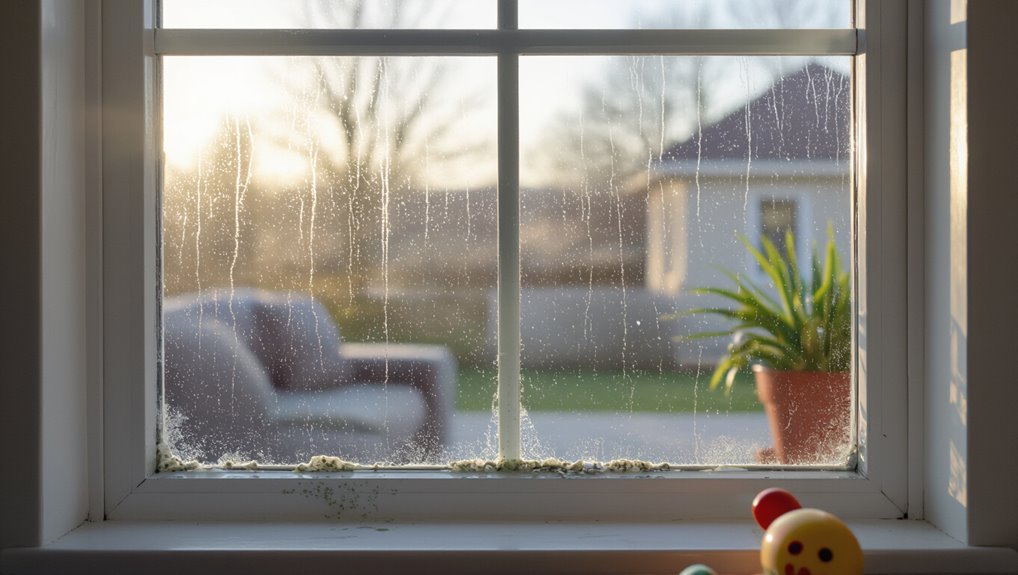
Why are you worried when you spot mold on your window sills? You notice discoloration, smell mustiness, and worry about mold awareness for family safety.
You ask if spores could worsen allergies, trigger asthma, or cause other health implications. You want clear guidance on risks and whether immediate action or professional testing is needed to protect your home and loved ones.
Quick Answer: Is Mold on Windows a Health Risk?
Yes — mold on windows can be a health risk, especially if you notice visible symptoms like coughing, sneezing, or irritated eyes.
It can act as an allergen for sensitive people and some species produce toxins that raise concern.
If symptoms are persistent, severe, or you have asthma or a weakened immune system, get medical advice and address the mold promptly.
Visible Health Symptoms
If you spot mold on your windows, it can cause visible symptoms like watery eyes, sneezing, coughing, or skin irritation—especially if you’re sensitive to molds or have allergies or asthma.
You should track symptoms, use mold identification techniques to link exposures, and document timing and severity.
Health impact assessments help decide if medical evaluation or remediation is needed to reduce ongoing symptoms and exposure.
Allergen And Toxin Risk
While small patches of window mold are often more of an allergen problem than an acute toxin threat, they can still trigger allergies, asthma attacks, or irritation in sensitive people.
They also indicate conditions that might promote more hazardous molds. You should limit allergen exposure by cleaning and drying surfaces promptly; persistent dampness can increase mold growth and the risk of toxin production.
When To Seek Care
When should you see a doctor about mold on your windows?
If you notice persistent mold symptoms—wheezing, severe coughing, fever, worsening asthma, or rash—or if symptoms persist despite cleaning and improved ventilation, seek medical advice.
Also consult a clinician after prolonged exposure or if you’re immunocompromised; they’ll assess health impacts, recommend tests or treatment, and advise on remediation steps to protect you.
Common Molds on Window Sills and Frames
Because window sills and frames trap moisture and dust, they’re prime spots for several common mold types you’ll encounter in homes. You should recognize black, green, and white molds, know basic mold types and follow prevention tips to reduce exposure. Clean promptly, dry thoroughly, and use ventilation.
| Mold Appearance | Typical Action |
|---|---|
| Black | Remove safely |
| Green | Clean regularly |
| White | Monitor and dry |
Why Window Areas Are Ideal for Mold Growth
Since window areas collect moisture, temperature fluctuations, and dust, they create the ideal microenvironment for mold: you’ll often see condensation, trapped debris, and shaded surfaces that raise humidity levels and feed spores.
These mold growth factors—poor sealing, overlooked maintenance, and lingering damp—let fungi establish on sills and frames.
Act quickly to inspect, dry, and clean affected window zones.
How Moisture, Temperature, and Ventilation Combine at Windows
Those window factors—condensation, trapped debris, and shaded surfaces—set the stage for a specific interaction of moisture, temperature, and ventilation that favors mold.
You’ll need active moisture management and temperature control to break that cycle, and improve airflow to prevent spores from settling.
- Wipe condensation promptly
- Clear sill debris
- Open vents briefly
- Use dehumidifiers
- Adjust blinds for sunlight
Signs Mold Is Only on the Surface Versus Widespread
If the mold is only on the caulking and you don’t see signs of hidden water damage, it’s often just a surface issue you can handle yourself.
You can test this by trying easy removal methods like scrubbing with detergent or a diluted bleach solution and seeing if the stains come away.
If the mold resists cleaning or you find softened materials or musty odors, it’s likely more widespread and needs professional attention.
Visible Mold Limited to Caulking
When you spot dark spots confined to the caulking around a window, that’s often a good sign the mold is surface-level and hasn’t spread into the surrounding walls or framing.
You can clean it, use mold identification techniques, and apply effective prevention strategies to stop recurrence.
- Inspect caulk only
- Smell mustiness
- Tap for soft spots
- Use bleach or cleaner
- Recaulk and ventilate
No Hidden Water Damage
Because water stains, soft wood, and misaligned windows are clear red flags, you can quickly tell whether mold is confined to the surface by checking a few specific signs: intact paint, dry framing, and no musty odors.
If surfaces are dry and caulking is solid, use mold prevention strategies and moisture control techniques to keep it that way and avoid deeper infiltration.
Easy Surface Removal Methods
Start by evaluating how deep the mold goes: small, powdery patches that scrape off easily with a fingernail or soft brush usually mean it’s surface-level and you can clean it yourself, while staining that soaks into paint or wood, fuzzy growth, or recurring patches after cleaning suggest a deeper problem that needs professional attention.
- Wear gloves and mask
- Test with a damp cloth
- Use mild detergent for surface cleaning
- Dry thoroughly to prevent return
- Inspect regularly for mold prevention
Who Is Most Vulnerable to Window Mold (High‑Risk Groups)
If you’re more likely to have asthma, allergies, a weakened immune system, or are very young or elderly, window mold poses a greater health threat to you than to otherwise healthy adults; those groups tend to experience stronger reactions and complications from mold exposure.
You should note vulnerable demographics include infants, seniors, pregnant people, and immunocompromised individuals with heightened mold sensitivity and need prompt remediation.
Common Allergy Symptoms Triggered by Window Mold
People in the high-risk groups mentioned above often show more pronounced allergy symptoms when mold grows on windows, but anyone can react.
You may notice signs after mold exposure; common allergy triggers include spores and fragments that irritate your immune system.
- Sneezing fits
- Runny or stuffy nose
- Itchy, watery eyes
- Skin rashes or hives
- Persistent nasal congestion
Respiratory and Asthma‑Related Reactions From Window Mold
Even small patches of window mold can worsen breathing problems and trigger asthma attacks, especially if you already have reactive airways. Inhaled spores and fragments irritate airway linings, causing inflammation, tightening of the chest, coughing, wheezing, and shortness of breath.
You should limit mold exposure, keep windows dry, and prioritize window maintenance to reduce indoor spore counts and avoid asthma flares.
Can Mold on Windows Cause Infections or More Serious Illness?
Could mold on your windows cause infections or serious illness? You’re unlikely to get mold infections from small window growth, but people with weakened immunity or chronic lung disease face higher risk of serious illnesses.
Remove and clean mold promptly, improve ventilation, and seek medical advice if you develop persistent symptoms.
- weakened immune systems
- chronic lung conditions
- visible spreading mold
- persistent respiratory symptoms
- professional remediation
What Mycotoxins Are and Whether Window Mold Produces Them
While not all molds make toxins, some species produce mycotoxins—chemicals that can harm your health if you’re exposed to enough of them over time.
You’re unlikely to encounter high-risk mycotoxin types on routine window mold; common species there rarely generate dangerous levels.
Still, mold exposure can worsen allergies and respiratory symptoms, so remove visible growth and fix moisture to reduce any potential toxin risk.
When Window Mold Exposure Requires Medical Attention
If you start having severe respiratory symptoms like trouble breathing, chest tightness, or wheezing after exposure to window mold, you should seek medical care right away.
If your allergic symptoms suddenly worsen—hives, swelling, or intense nasal congestion—that’s also a sign to get evaluated.
Don’t wait if symptoms are severe or escalating, especially if you have asthma or a weakened immune system.
Severe Respiratory Symptoms
When mold on windows triggers intense coughing, wheezing, shortness of breath, chest tightness, or coughing up blood, you should seek medical attention right away; these signs can indicate a severe respiratory reaction or an infection that won’t resolve on its own.
You’ll need prompt evaluation to protect respiratory health after significant mold exposure.
- Rapid breathing or difficulty speaking
- High fever with cough
- Persistent chest pain
- Blue lips or confusion
- Increasing sputum production
Allergic Reaction Escalation
Because mold on your windows can provoke escalating allergic reactions, you should know when symptoms go beyond typical sniffles or eye irritation and demand medical attention.
If you experience worsening wheezing, chest tightness, high fever, swelling, or sudden breathlessness, seek care.
Allergy escalation signals an intense immune response that can lead to asthma exacerbation or anaphylaxis; document exposure and get prompt treatment.
How to Inspect Windows Safely for Hidden Mold
Start by scanning both the visible glass and the frame.
Then move into less obvious spots like the sill, tracks, and between the sash and jambs where moisture and mold hide.
You’ll use basic mold inspection techniques and follow window safety tips: wear gloves, use a mask, open ventilation, inspect seals, document findings for remediation.
Simple DIY Tests to Identify Mold Type and Severity
Start by doing a careful visual inspection of the window frames, sills, and seals to note color, texture, and spread patterns.
You can then use simple at-home swabs—wipe affected areas with a sterile cotton swab and transfer to clear tape or a prepared slide—to compare samples or send to a lab if needed.
These quick steps help you judge whether the mold looks isolated or widespread and whether further testing or professional help is warranted.
Visual Inspection Steps
Begin by scanning the window area methodically: check the glass, frame, sill, nearby walls, and any condensation-prone seals for discoloration, fuzzy growth, or water stains.
Use simple mold detection techniques and basic inspection tools to note color, texture, spread, odor, and moisture.
- Note color variations
- Feel for dampness
- Check paint or wallpaper damage
- Smell for mustiness
- Photograph progression
Simple At-Home Swabs
While a visual inspection tells you where mold might be, simple at-home swabs let you collect samples to get a better idea of what’s growing and how extensive it may be. You’ll use home swabbing kits to follow basic mold identification techniques, seal samples, and send them for analysis or use DIY guides to compare spores.
| Sample | Surface | Notes |
|---|---|---|
| Swab | Window track | Visible |
| Tape | Frame | Hidden |
| Air | Room | Suspicious |
When a Mold Professional Inspection Is Necessary
If you spot extensive mold growth, smell persistent mustiness, or have recurring health symptoms like unexplained coughing, headaches, or asthma flare-ups, call a mold professional for an inspection so the problem’s scope and cause can be accurately diagnosed.
You’ll get mold inspection importance explained and a professional assessment that guides remediation priorities.
- identify hidden sources
- assess health risks
- measure spore levels
- recommend testing
- document findings
Immediate Steps to Take If You Find Mold on a Window
1. If you find mold on a window, don’t touch it with bare hands—isolate the area, ventilate the room, and keep people and pets away.
Document the growth with photos, assess extent, and contact professionals for mold removal if it’s widespread or recurring.
Address moisture sources immediately and implement prevention strategies like improving ventilation and fixing leaks to stop return.
Safe Cleaning Methods for Non‑Porous Window Surfaces
When you clean mold on non‑porous window surfaces, pick a proper cleaning solution like diluted bleach, hydrogen peroxide, or an EPA‑registered mold cleaner.
Wear gloves and a mask, ventilate the area, and use a soft brush or cloth to scrub gently without spreading spores.
Rinse thoroughly and dry the surface to prevent regrowth.
Proper Cleaning Solutions
Because mold on non‑porous window surfaces can spread spores if scrubbed improperly, you’ll want to choose cleaners that kill mold without damaging glass, vinyl, or metal frames.
You can use eco friendly solutions or proven commercial products. Pick non‑abrasive, fungicidal, and fast‑acting options.
- Hydrogen peroxide mix
- Vinegar dilute
- Commercial mold spray
- Mild detergent blend
- Alcohol wipe
Safe Cleaning Techniques
Start by ventilating the area and putting on gloves and a mask so you don’t breathe or touch spores while you clean; this lets you work quickly and safely on glass, vinyl, and metal frames. Use eco friendly solutions (vinegar, mild detergent), scrub, rinse, dry, and apply preventive measures like sealing and dehumidifying to stop regrowth.
| Task | Tool |
|---|---|
| Scrub | Brush |
| Rinse | Water |
| Dry | Cloth |
What to Do About Mold on Painted Wood, Caulk, and Window Frames
Mold on painted wood, caulk, and window frames can spread quickly and degrade materials, so you should act promptly to remove it and prevent recurrence.
Use gentle cleaners, dry thoroughly, and improve ventilation. Consider mold prevention strategies and choose suitable window treatment options to reduce moisture.
- Scrub with mild detergent
- Rinse and dry fully
- Replace damaged caulk
- Increase airflow
- Monitor regularly
When to Replace Window Trim, Sealant, or the Whole Window
If cleaning and preventive steps don’t stop recurring growth or you spot soft, warped, or crumbling trim and failing seals, it’s time to contemplate replacement.
You should arrange a window trim replacement when moisture has damaged structure or mold keeps returning.
Perform a sealant evaluation to check adhesion, gaps, and deterioration.
Replace seals or the whole window if repairs won’t restore watertight integrity.
Preventing Mold Return: Control Moisture and Improve Airflow
Because mold thrives where moisture lingers, you’ll prevent recurrence by keeping surfaces dry and air moving; focus on fixing leaks, reducing indoor humidity to 30–50%, and ventilating high-moisture areas like bathrooms and kitchens.
Use moisture control and airflow improvement tactics to stop regrowth.
- Wipe condensation daily
- Repair window seals
- Run exhaust fans briefly
- Keep furniture off walls
- Inspect gutters regularly
Best Ventilation and Dehumidification Strategies for Windows
When you control airflow and moisture around windows, you cut off the conditions mold needs to grow; use targeted ventilation and dehumidification to keep glass and frames consistently dry.
Use ventilation techniques like trickle vents, exhaust fans, and timed window openings.
Choose dehumidifier options suited to room size—portable units, whole-room systems, or integrated HVAC controls—and monitor humidity to prevent recurrence.
How to Winterize Windows to Reduce Condensation and Mold
Start by sealing drafty gaps around your windows to stop cold air and moisture from getting in.
Upgrade insulation with weatherstripping, caulk, or storm windows to keep panes warmer and reduce condensation.
Then control indoor humidity with exhaust fans, a dehumidifier, or by keeping vents open to prevent mold growth.
Seal Drafty Gaps
If you want to cut down on condensation and keep mold from taking hold, seal any drafty gaps around your windows so warm, moist indoor air can’t meet cold glass.
You’ll inspect frames, choose sealant options like caulk or weatherstripping, and fix leaks promptly to prevent moisture buildup.
- Check frames for cracks
- Use silicone or acrylic caulk
- Apply foam weatherstrips
- Seal movable sashes
- Reassess annually
Improve Window Insulation
Sealing gaps is a great first step, but you’ll also want to improve overall window insulation to keep indoor air warm and dry against cold glass.
Add weatherstripping, install insulated window film, or fit storm windows to boost thermal performance and energy efficiency.
These measures reduce surface condensation, lower heating costs, and make mold less likely by keeping glass temperatures closer to room air.
Control Indoor Humidity
Because moisture is the main driver of window condensation and mold, you should keep indoor humidity in the 30–50% range during winter to prevent damp surfaces.
Use humidity control and moisture management to reduce condensation on window sills, insulate frames, and run vents.
Take these steps:
- Use a hygrometer
- Run exhaust fans
- Seal drafts
- Add insulation film
- Use a dehumidifier
Materials and Products That Resist Mold Around Windows
When you pick materials designed to resist moisture and inhibit microbial growth, you cut the chance of mold taking hold around your windows.
Choose mold resistant materials like PVC trim, treated wood, and moisture‑proof drywall. Use high‑quality window sealants and caulks rated for mildew resistance.
Proper flashing, exterior siding choices, and ventilated frames also reduce trapped moisture and long‑term mold risk.
Child and Pet Safety When Cleaning or Treating Window Mold
Choosing mold‑resistant materials around windows helps reduce how often you’ll need to clean mold, but you still need to protect children and pets whenever you do treat affected areas.
You should block access, ventilate, use non-toxic cleaners, wear protection, and rinse surfaces thoroughly to maintain child safety and pet safety.
- Keep kids and pets out during treatment
- Increase ventilation
- Use mild, labeled cleaners
- Wear gloves and masks
- Rinse and dry surfaces
Costs to Expect: DIY Cleanup vs. Professional Remediation
If you tackle window mold yourself, you’ll usually spend far less up front than hiring professionals, but you’ll need to weigh materials, your time, and the risk of incomplete removal; professionals cost more but bring expertise, equipment, and liability protection that can save money long term. You should compare DIY Cleanup Costs versus Professional Remediation before deciding.
| Option | Typical Range |
|---|---|
| DIY Cleanup Costs | $10–$200 |
| Professional Remediation | $300–$2,500 |
How to Document Mold for Insurance or Landlord Disputes
After weighing DIY versus professional cleanup costs, you’ll want clear documentation to support insurance claims or landlord disputes.
Photograph affected areas, note dates and odors, keep repair and cleaning receipts, collect correspondence with landlords or insurers, and save any lab or contractor reports.
Good mold documentation strengthens your case and speeds resolution for insurance claims or tenant disputes.
Common Mistakes People Make When Dealing With Window Mold
Don’t ignore the moisture source behind window mold, because wiping it away won’t stop regrowth.
Don’t automatically grab bleach—it’s often ineffective on porous seals and can damage materials.
And don’t wait to call a pro if mold keeps coming back or covers a large area.
Ignoring Moisture Sources
When you spot mold on a window, the quickest fix is often wiping it away—but ignoring where the moisture’s coming from guarantees it’ll come back.
You need moisture management and prevention strategies: find leaks, improve ventilation, use dehumidifiers, fix condensation, and seal gaps.
Address causes, not just stains, so mold won’t return and health risks stay lower.
- Check leaks
- Improve ventilation
- Use dehumidifiers
- Fix condensation
- Seal gaps
Using Bleach As Default
Although bleach can kill surface mold quickly, relying on it as your default solution is a mistake you’ll want to avoid.
You’ll find bleach effectiveness limited to non-porous surfaces and it won’t address root moisture or embedded spores.
For proper mold removal, use targeted cleaners, scrub thoroughly, dry completely, and consider safer alternatives when dealing with painted wood or window seals to prevent recurrence.
Delaying Professional Help
Switching from DIY fixes like bleach to professional help can feel like admitting defeat, so many people put it off.
You risk worsening indoor air quality and missing underlying causes. Professionals diagnose sources and advise mold avoidance strategies and window moisture management so problems stop recurring.
- Hidden leaks overlooked
- Ineffective DIY removal
- Recurrence after cleaning
- Health symptoms ignored
- Delayed proper repairs
Real‑World Timelines: How Fast Window Mold Spreads and Recurs
If you’ve ever wiped a foggy window and noticed dark spots reappearing within days, you’re seeing how quickly mold can take hold on glass and surrounding frames.
Under the right conditions—persistent condensation, warmth, and organic residues—mold colonies can establish in 24–48 hours and become visibly obvious within 3–7 days.
You should track the mold lifecycle and growth factors, act fast, and reduce moisture to prevent recurrence.
Deciding: Handle Window Mold Yourself or Hire a Pro?
Wondering whether to tackle window mold yourself or call a pro? You can handle small patches with proper window maintenance and mold prevention steps, but call a pro for large, recurrent, or health‑impacting mold.
Consider severity, health risks, and your skills.
- Size and location
- Health vulnerabilities
- Recurrence frequency
- Available tools and time
- Cost versus long‑term prevention
Frequently Asked Questions
Can Mold on Window Glass Stain or Permanently Damage Paint Finishes?
Yes — mold on window glass can cause mold stains and, if left, lead to paint damage. You should clean it promptly, fix moisture sources, and repaint if stains penetrate or finishes start degrading.
Will Landlords Be Legally Liable for Tenant Window Mold in Rented Homes?
Like a shared umbrella, liability varies: you’re generally protected by tenant rights if landlords ignore serious mold, but they’re not always liable for tenant-caused issues; document conditions, report promptly, and practice mold prevention to strengthen your case.
How Does Mold on Windows Affect Indoor Property Resale Value?
Mold on windows lowers property valuation because buyers worry about hidden damage; it harms market perception, prolongs listings, and prompts price concessions, so you’ll often need remediation and documentation to restore buyer confidence and full value.
Are There Smartphone Apps That Reliably Identify Mold Species From Photos?
No, mold identification apps using smartphone technology can’t reliably ID species from photos; they’ll suggest possibilities, but you should treat results cautiously, get lab tests for precise mold identification, and follow professional remediation advice.
Can Window Mold Trigger Long‑Term Cognitive or Neurological Symptoms?
Like a faded photograph that won’t sharpen, long-term exposure to mold can sometimes link to cognitive impairment and worsen neurological disorders; you’ve seen a friend’s memory slip after chronic dampness, so get testing and remediation promptly.
Conclusion
Mold on windows can be more than a nuisance — it can aggravate allergies, trigger asthma, and indicate hidden moisture problems. You’ll want to act quickly: document growth, fix leaks, and improve ventilation so the issue doesn’t come back. Small patches you can clean safely; bigger or recurring infestations call for a pro. Don’t let it fester — nip it in the bud now to protect your health and home.
